
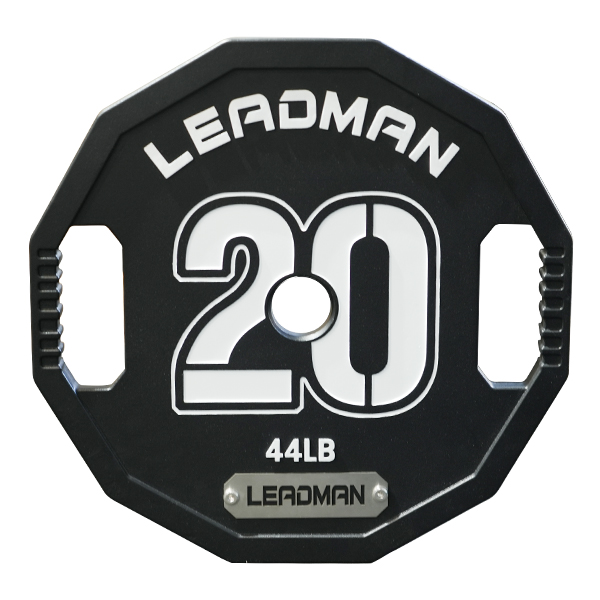
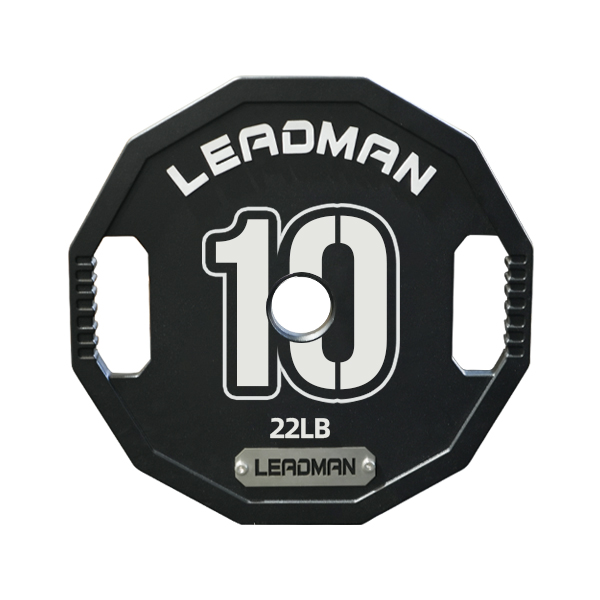
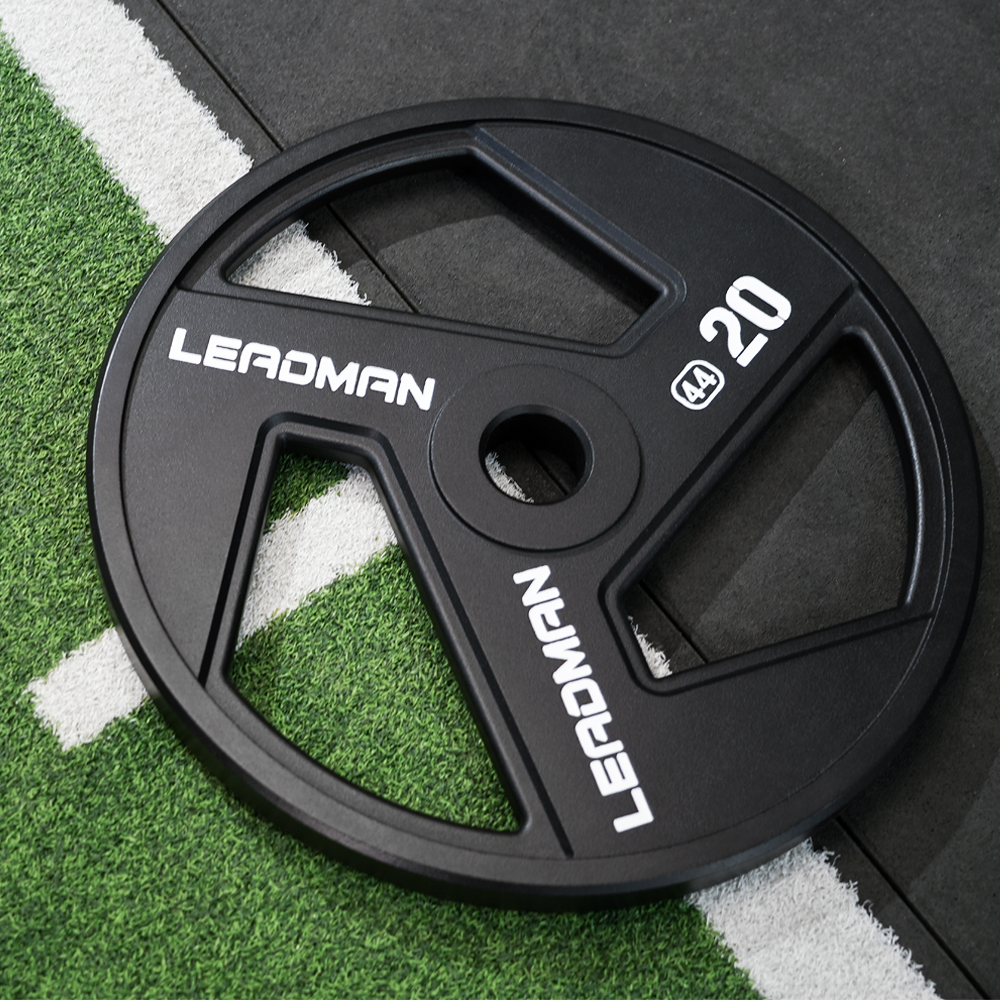
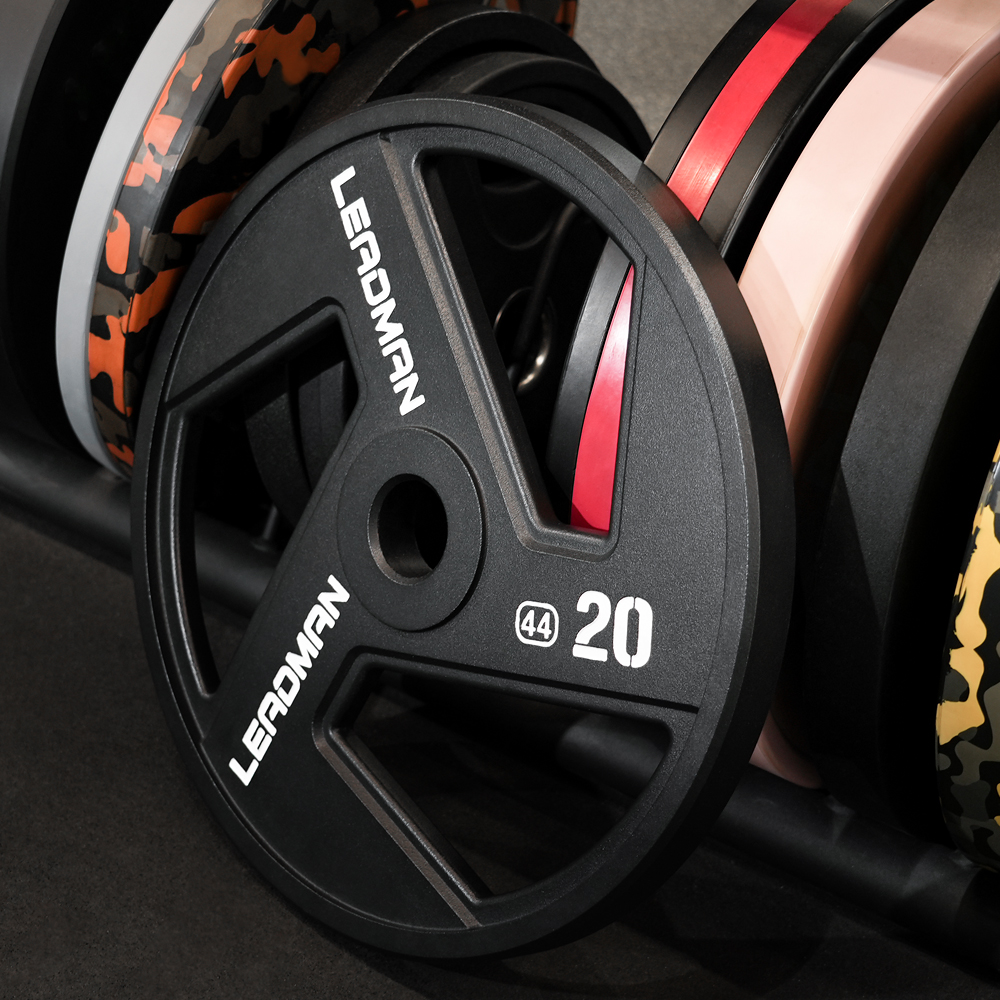
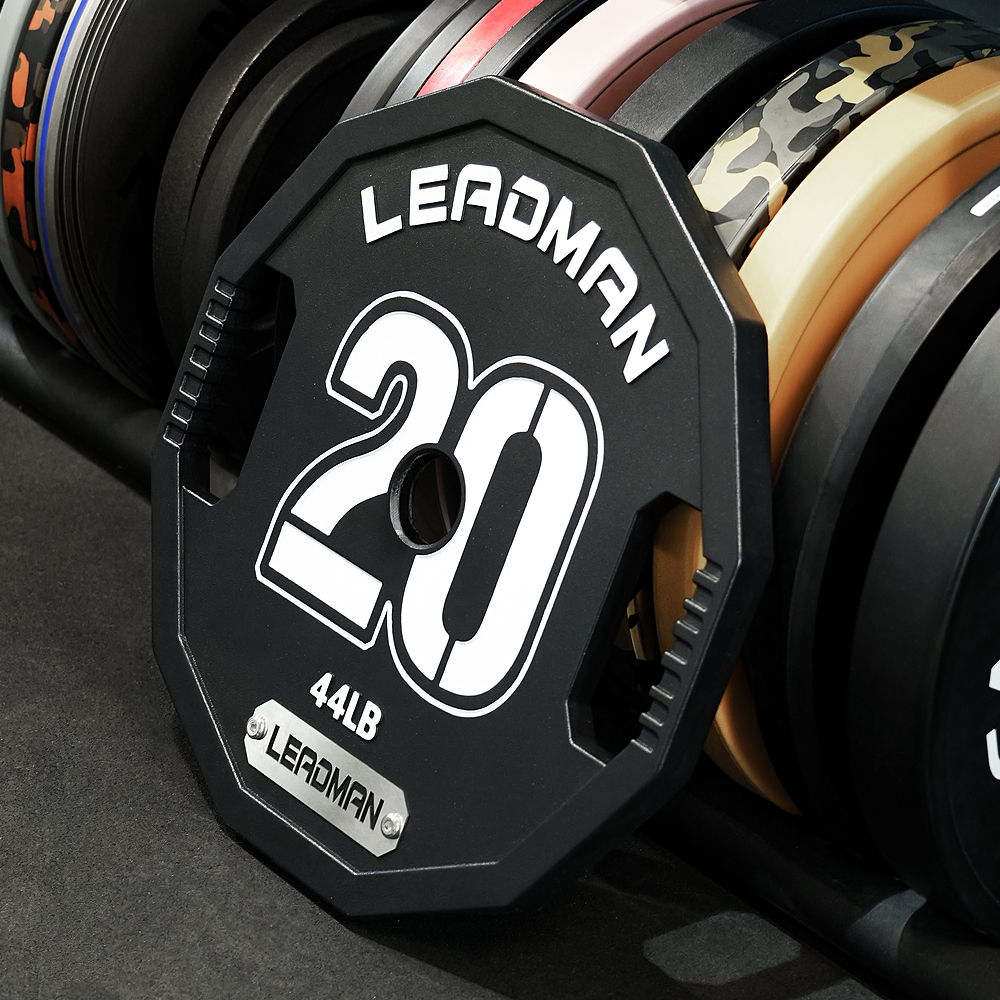
The 20kg cast iron weight plate serves as a fundamental component in any serious strength training ecosystem. Unlike lighter increments, this specific weight class is designed to facilitate significant progressive overload, making it indispensable for heavy compound movements such as deadlifts, squats, and bench presses. The density of the cast iron ensures a compact profile, allowing lifters to load more mass onto the barbell without significantly increasing the diameter of the weight stack.
Our manufacturing process focuses on structural homogeneity. By utilizing high-grade molten iron and precision casting molds, we produce plates that resist the common issues of cracking or chipping under high-impact scenarios. This durability makes them a preferred choice for commercial gym environments where equipment undergoes constant, heavy-duty use throughout the day. The surface finish is optimized to provide a balance between a smooth aesthetic and a functional grip, ensuring that even when handling heavy loads, the transition from storage to the barbell remains controlled.
Typical applications for this 20kg plate include:
When compared to standard weight options, our cast iron plates offer a distinct advantage in terms of stability and standardized dimensions. The precision in the center hole diameter ensures a tight fit on Olympic barbells, minimizing unwanted wobbling or vibration during explosive lifts. This stability is crucial for maintaining the lifter's focus and ensuring the accuracy of the training session. For those looking to expand their resistance variety, exploring a broader Cast Iron Plates Collection can provide the necessary range for complete training progressions.
To ensure compatibility with professional-grade training setups, our 20kg cast iron plates are manufactured according to strict dimensional tolerances. Precision in the center hole diameter is a critical factor, as it dictates how smoothly the plates slide onto the barbell sleeve. A well-calibrated fit prevents excessive play, which is essential for maintaining stability during high-intensity lifts like the clean and jerk or heavy back squats. The following table outlines the core physical attributes and standardized measurements for this specific weight model.
| Parameter Attribute | Detailed Specification | Standard Compliance/Notes |
|---|---|---|
| Nominal Weight | 20 kg | Strict weight control per unit |
| Primary Material | High-Density Cast Iron | Industrial-grade molten iron |
| Center Hole Diameter | 50.8 mm (2 inches) | Compatible with Olympic Barbells |
| Surface Finish | Matte Black Protective Coating | Oxidation and rust resistance |
| Edge Profile | Tapered/Textured Circumference | Enhanced grip for loading/unloading |
| Typical Application | Heavy Strength/Powerlifting | High-volume barbell training |
The dimensional consistency of these plates allows for seamless integration into diverse training environments. Whether you are building a comprehensive barbell system or adding increments to an existing setup, the predictable thickness and diameter ensure that the barbell remains balanced. For lifters who require a broader range of resistance, ranging from lighter increments to the highest weight classes, we provide a comprehensive selection. For example, those training with lower weights may find our 10kg Cast Iron Strength Training Plates to be an ideal starting point for progressive loading before moving up to the 20kg standard.
The use of high-density iron rather than composite materials results in a much more compact footprint. This is particularly advantageous in facilities with limited floor space or for athletes utilizing shorter barbells. The robust construction ensures that the plates can withstand the physical rigors of being dropped (within controlled environments) and the constant friction of repeated loading and unloading cycles, making them a reliable asset for long-term investment in strength equipment.
The production of high-quality 20kg cast iron weight plates requires a meticulous approach to metallurgy and casting precision. Our manufacturing facility employs advanced centrifugal and gravity casting techniques to ensure that each plate possesses a uniform density. This uniformity is vital; any internal air pockets or structural inconsistencies could lead to uneven weight distribution or, in extreme cases, structural failure during high-impact training sessions. By controlling the temperature and cooling rate of the molten iron with extreme precision, we minimize internal stresses, resulting in a plate that remains structurally sound over years of heavy usage.
Once the raw casting is complete, each plate undergoes a multi-stage finishing process. First, the surface is ground to remove any casting flash or sharp irregularities, ensuring a smooth profile that is safe for both the lifter and the barbell sleeves. This is followed by a rigorous cleaning process to remove any residual oils or metallic dust. The final step involves the application of a specialized protective coating. This matte black finish is not merely aesthetic; it serves as a crucial barrier against oxidation. This protective layer significantly extends the lifespan of the iron, especially in environments where humidity levels may fluctuate, such as basement gyms or semi-outdoor training facilities.
Quality assurance is embedded in every stage of our production cycle. Every batch of 20kg plates is subjected to a strict verification protocol before it leaves our facility. This includes:
This commitment to technical precision ensures that when a lifter reaches for a 20kg plate, they are receiving a tool that is consistent, reliable, and built to perform. This level of detail is what distinguishes professional-grade strength equipment from mass-market alternatives, providing the confidence required for high-stakes training and competitive environments.
The 20kg cast iron weight plate is a versatile tool designed for a wide spectrum of strength-based disciplines. Because it provides a substantial weight increment in a compact form, it is particularly effective for athletes moving into intermediate and advanced training phases. At this stage, the ability to add consistent, heavy resistance is essential for breaking through plateaus in foundational lifts. The stability of the cast iron construction ensures that the center of gravity remains predictable, which is a critical requirement for high-level strength and conditioning protocols.
This specific weight model is engineered to meet the demands of several distinct user groups:
To ensure the longevity of the equipment and the safety of the training environment, certain operational protocols should be observed. When loading or unloading the 20kg plates, it is recommended to use a controlled motion to prevent unnecessary impact on the barbell sleeves. While the cast iron is built for durability, excessive, uncontrolled dropping can lead to surface wear or vibrations that may affect the barbell's balance over time.
When working in a shared or commercial facility, ensure that the barbell is placed on a high-quality lifting platform or rubber flooring. This helps absorb the impact and protects the structural integrity of both the plates and the flooring. Additionally, when transitioning between different types of resistance—for instance, moving from a 10kg kettlebell for functional work to heavy barbell training—always verify that the barbell sleeves are clean and free of debris to ensure the 20kg plates slide on smoothly and sit securely.
For those developing a comprehensive training setup, it is useful to consider the entire weight progression. For example, a well-rounded barbell system might incorporate a variety of weights, from lighter increments for technical drills to the 20kg plates for peak strength phases. Maintaining a clean and organized weight storage area will also assist in the efficient setup of each training session.
Proper maintenance of cast iron equipment is essential to preserving both its structural integrity and its aesthetic appearance. While the 20kg weight plates are engineered with a protective matte black coating to resist oxidation, they are not entirely immune to the effects of environmental moisture. For commercial gym owners and home enthusiasts alike, implementing a consistent care routine ensures that these heavy-duty tools remain a reliable part of a training regimen for many years without the interference of surface rust or degradation.
To maintain the high standard of the surface finish, it is advisable to perform periodic inspections of the plates. If the plates are used in environments with high humidity or if they are frequently handled with sweaty hands, a thin layer of moisture or salt residue may accumulate. We recommend wiping the surface of the plates with a dry, lint-free cloth after a training session. For deeper cleaning, a slightly damp cloth may be used, but it is imperative that the plates are thoroughly dried immediately afterward. Never leave damp plates in a stacked position for extended periods, as trapped moisture between the surfaces is a primary cause of localized corrosion.
The longevity of cast iron is heavily dependent on the storage conditions. To prevent the onset of rust, weight plates should be stored in a controlled, dry, and well-ventilated area. In commercial settings, using dedicated weight trees or vertical racks is preferred over stacking them directly on a damp or unsealed concrete floor. If your facility is located in a basement or a region with high seasonal humidity, utilizing a dehumidifier or ensuring adequate airflow in the storage zone will significantly reduce the risk of oxidation.
When storing your barbell and plate sets, avoid leaving them in areas exposed to direct precipitation or extreme temperature fluctuations, such as open-air outdoor training zones. If the plates are being moved or transitioned between different training stations, ensure they are kept in a clean, dry container or a covered rack. By following these straightforward maintenance practices, you ensure that the 20kg plates continue to provide the stable, predictable resistance required for high-performance strength training, maintaining the professional appearance and functional excellence of your entire equipment inventory.
Acquiring high-quality resistance equipment requires a strategic approach, especially when scaling a facility or upgrading a personal training environment. When selecting 20kg cast iron weight plates, it is important to look beyond the basic weight specification and consider the long-term operational value. A professional-grade plate should offer consistency in both mass and dimensions, ensuring that your barbell remains balanced and your training progression remains predictable. For organizations managing large-scale procurement, sourcing from a manufacturer with established quality control protocols is a key factor in reducing long-term replacement costs.
Whether you are a single athlete or a procurement manager for a commercial fitness center, the following factors should guide your purchasing decisions:
For commercial entities, we recommend evaluating the total weight capacity of your storage solutions before placing a large order. Because 20kg plates are substantial in mass, ensuring you have heavy-duty racks or specialized weight trees is essential for both organization and safety. If you are currently expanding a facility that already utilizes specialized training tools, such as 20kg Competition Gear, maintaining a consistent aesthetic and material standard across your equipment helps create a cohesive and professional training atmosphere.
When preparing a purchase request, it is beneficial to specify the intended training environment—whether it is a climate-controlled indoor gym or a high-humidity facility. This information allows for better alignment with the technical requirements of the equipment. For professional inquiries regarding bulk orders, custom specifications, or detailed technical documentation, please use the Contact Us page to connect with our technical sales team. We provide the necessary support to ensure your procurement process meets the exact demands of your strength training ecosystem.
The integration of 20kg cast iron weight plates into a professional training environment provides a reliable foundation for long-term strength development. By prioritizing high-density materials and precision casting, these plates ensure that every training session is governed by predictable resistance and structural stability. This technical consistency is essential for athletes and facility managers who demand equipment capable of sustaining high-volume, heavy-load cycles without degradation in performance or safety.
Maintaining the functional excellence of your resistance equipment involves several key operational focus areas:
The durability of the cast iron construction makes these plates a permanent asset for both commercial strength zones and dedicated home training facilities. Whether the objective is to expand a professional powerlifting setup or to optimize a compact home gym, the 20kg plate delivers the necessary density and standardized dimensions required for high-performance strength and conditioning. Selecting equipment that adheres to these rigorous manufacturing and maintenance standards ensures a stable, long-lasting environment for achieving peak physical output.
| Attributes | Values |
|---|---|
| Weight | 4KG,6kg,8kg,10kg,12kg,14kg,16kg,18kg,20kg,22kg,24kg,26kg,28kg,32kg,36kg,40kg,44kg,48kg,50kg,52kg,56kg,68kg,72kg,80kg,92kg,108kg |
| Logo | Customizable |
| Specification | Customizable,MOQ |
| Color | Red, Orange, Yellow, Green, Cyan, Blue, Purple, Customizable |
Sarah Henry
Looking for precise weight increments? Our black cast iron fan blades range from 0.25kg up to 25kg, providing consistent density and durability for diverse strength training setups....
Verified Buyer
Competition Kettlebells by Leadman Fitness, a premier fitness equipment manufact...
James R.
Stylish PU Kettlebell: The Perfect Fusion of Strength and AestheticsSay goodbye...