
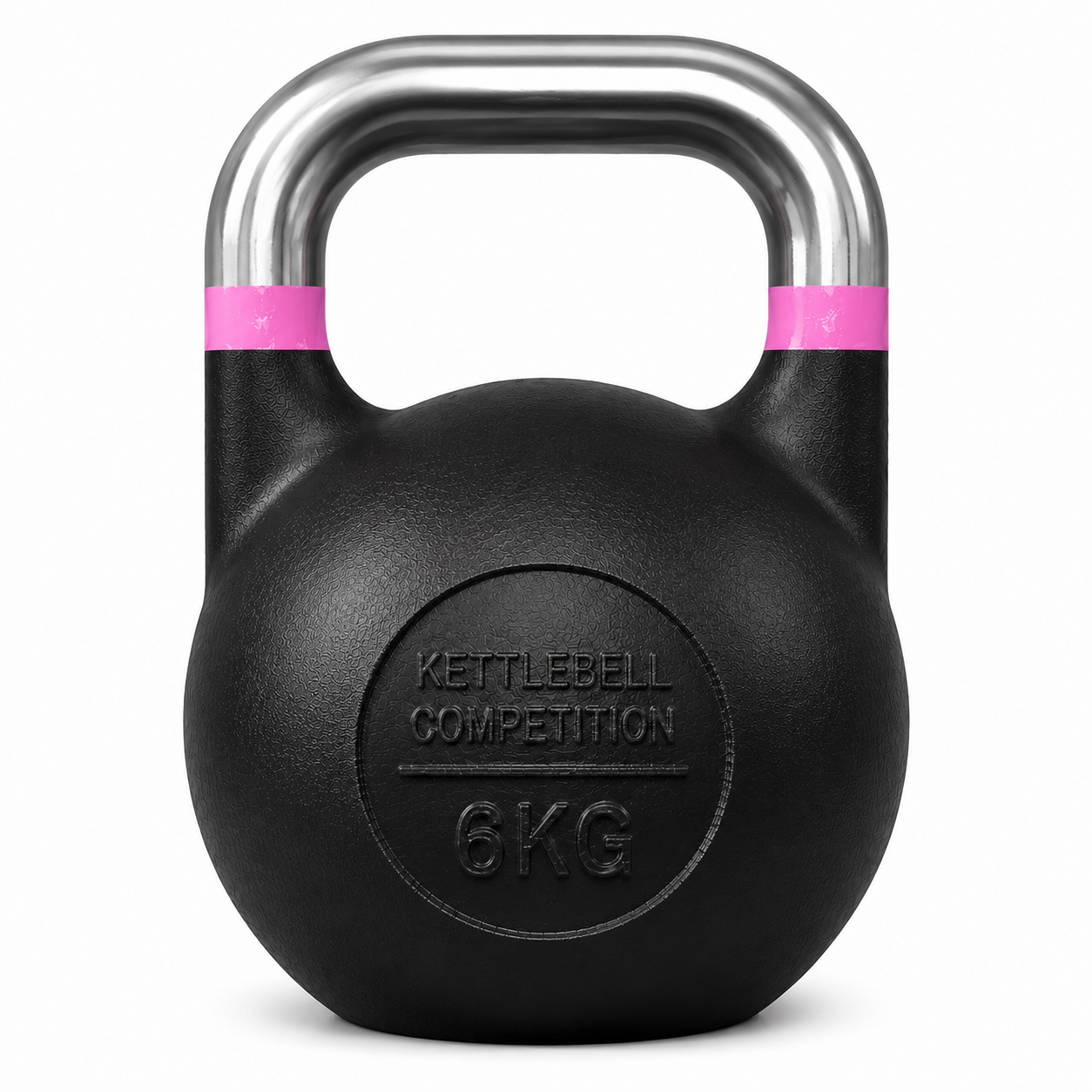
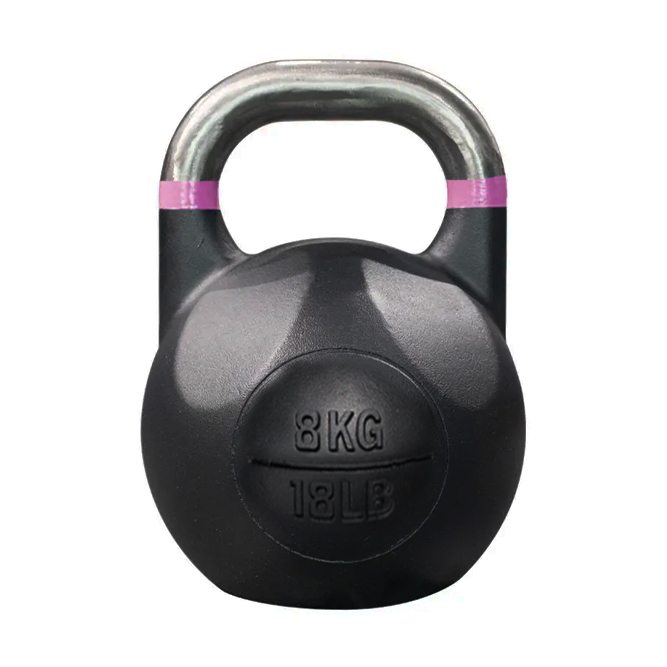
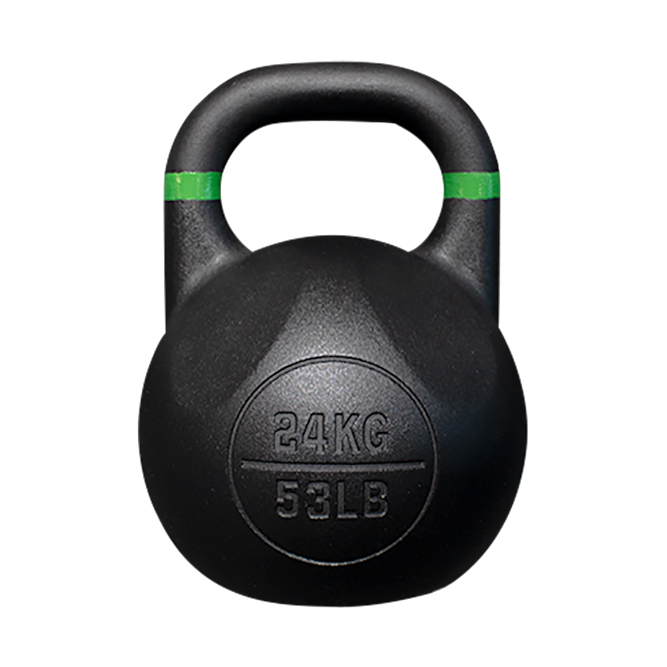
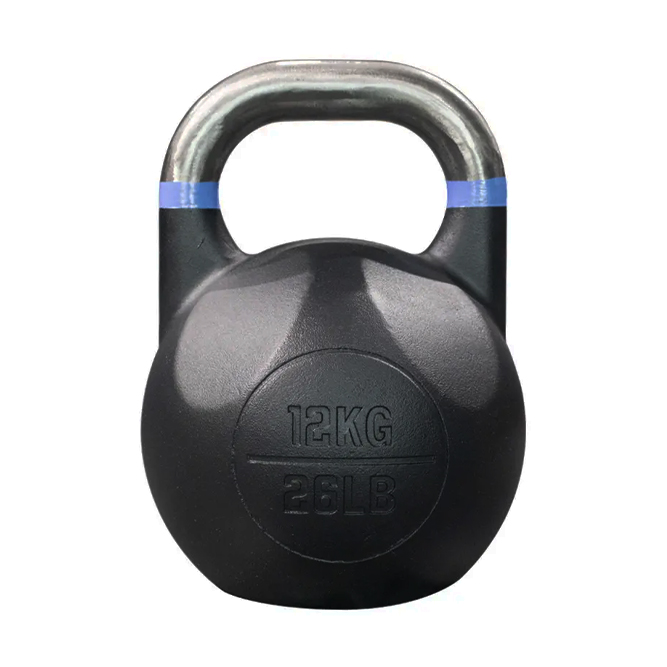
The 6kg competition kettlebell serves as a critical tool for athletes focusing on technical mastery and neurological adaptation. Unlike standard cast iron bells that may vary in geometry, this competition-grade model adheres to strict dimensional standards. This ensures that as a trainee progresses from this light weight to heavier options in the 8kg competition kettlebell or higher, the hand-to-ball ratio and grip mechanics remain predictable and consistent.
This specific weight is optimized for high-frequency movement patterns where speed and coordination are paramount. It is frequently utilized in the following scenarios:
The structural integrity of the bell is designed to withstand the rigors of repetitive, high-speed movements. By utilizing a standardized shape, it allows coaches to monitor a student's progress through a seamless transition of weights, maintaining the same tactile feedback regardless of the specific mass being lifted. This level of uniformity is essential for maintaining training rhythm and preventing technical regression during long-duration skill sessions.
The 6kg competition kettlebell is engineered to meet the rigorous demands of precision training. Every unit undergoes a strict calibration process to ensure that the mass is distributed evenly, preventing any eccentric loading that could disrupt technical drills. This precision is particularly important for lighter weights used in high-repetition skill work, where balance is critical for maintaining momentum and rhythm.
Below are the detailed physical properties and manufacturing standards for this specific model. These parameters ensure that the tool remains a reliable constant in a professional training environment, offering a predictable tactile experience for the athlete.
| Parameter Category | Specification Detail | Standardized Value/Material |
|---|---|---|
| Nominal Weight | Target Mass | 6 kg |
| Weight Tolerance | Mass Deviation | ± 1-3% Precision |
| Body Material | Primary Composition | High-Density Cast Iron / Steel Core |
| Surface Finish | Coating Type | Smooth Powder Coating |
| Handle Diameter | Grip Specification | Standardized Competition Width |
| Ball Diameter | Outer Dimension | Standardized Competition Ratio |
| Usage Type | Technical Drills, Skill Development, Warm-ups | |
The standardized dimensions of the ball and handle are designed to facilitate a seamless transition between different weights in the series. For instance, the grip ergonomics used here are identical to those found in the 10kg competition kettlebell, allowing athletes to scale their training intensity without needing to recalibrate their hand positioning or grip pressure. This consistency is a hallmark of high-quality competition-grade equipment, ensuring that the focus remains entirely on movement quality and neurological control.
To achieve the precision required for a 6kg competition-grade weight, our manufacturing process integrates several high-standard industrial stages. The production begins with high-density casting, where the molten core is poured into precision-milled molds. This step is critical to ensuring that the internal density remains uniform, which prevents the "wobble" or uneven weight distribution often found in lower-grade cast iron equipment.
Each kettlebell undergoes a rigorous cooling and solidification phase to minimize internal structural stresses. By controlling the thermal gradient during the cooling process, we ensure that the metal structure is stable and free from micro-fractures. This stability is vital for lightweight bells used in high-velocity ballistic movements, such as the snatch or the jerk, where the centrifugal force places constant stress on the bell's integrity.
Once the casting is complete, the exterior undergoes a multi-stage refinement process. This includes:
Every batch is subjected to a final weight verification check. We utilize calibrated electronic scales to ensure that the deviation remains within the strict ± 1-3% tolerance. This level of oversight ensures that when a coach recommends a transition to the 12kg competition kettlebell, the athlete's progression is based on a reliable and standardized weight increment, maintaining the integrity of their training program.
The 6kg competition kettlebell is specifically engineered for high-velocity, technical-focused training. Because the mass is relatively low, the primary challenge is not overcoming heavy resistance, but rather maintaining strict control over the bell's momentum and path. This makes it an indispensable tool for specific training phases where precision outweighs brute strength.
Different demographics benefit from the unique properties of this lightweight competition model:
To maximize the utility of this equipment, consider the following training protocols:
While the 6kg weight is relatively light, maintaining professional standards of safety is essential. Ensure that your training environment is clear of obstructions, as the standardized shape of the bell is designed for high-speed ballistic movement. When performing overhead lifts, always ensure your stance is stable and your core is engaged. If you are transitioning from a lighter training tool to a heavier one, such as the 16kg competition kettlebell, perform a gradual progression to allow your connective tissues to adapt to the increased mechanical load.
To preserve the precision of the 6kg competition kettlebell and ensure the longevity of its specialized powder coating, adherence to consistent maintenance routines is necessary. Even though the high-density material is inherently durable, environmental factors such as humidity and perspiration can affect the surface texture and overall presentation of the equipment over extended periods.
During intensive training sessions, salt buildup from perspiration is a common occurrence. If left unaddressed, this can create a microscopic film on the handle and ball, potentially affecting the tactile feedback and grip consistency. After every training session, it is recommended to wipe the entire surface of the bell with a clean, dry microfibre cloth. For more stubborn residues, a slightly damp cloth may be used, but it is vital to ensure the kettlebell is completely dry before any storage occurs. Avoid using harsh chemical solvents or abrasive scouring pads, as these can degrade the smooth finish and alter the standardized dimensions of the surface.
The storage environment plays a significant role in preventing oxidation and maintaining the structural integrity of the bell. For professional facilities and home gyms alike, the following guidelines should be followed:
By implementing these routine care steps, athletes and facility managers can ensure that the 6kg competition kettlebell remains a reliable, high-precision instrument for years. Maintaining the tool in its original technical condition ensures that the transition to heavier weights remains a seamless and predictable part of the long-term strength development journey.
Selecting the right equipment for a training facility or a personal collection requires more than just identifying a weight. When sourcing the 6kg competition kettlebell, it is essential to verify that the supplier adheres to the standardized dimensional and weight-tolerance protocols discussed in the technical sections. This ensures that your investment remains compatible with international competition standards and provides a consistent experience for all users.
For gym owners, fitness studios, and professional coaching centers, procurement often involves larger volumes. When placing bulk orders, consider the following factors to ensure long-term value and operational efficiency:
While the 6kg competition kettlebell follows strict standardized shapes, we recognize that certain training environments or branding needs may require specific adjustments. For institutions looking for specialized aesthetic or functional variations, we offer options for customized competition kettlebells. This can include specific color coding for easier weight identification during high-speed drills or customized branding for professional academies.
To initiate a consultation regarding bulk procurement, technical specifications, or customized manufacturing requests, please use the Contact Us page. Our team is equipped to provide detailed documentation regarding our casting processes, weight tolerance verification, and shipping logistics to ensure your equipment arrives ready for professional use.
The 6kg competition kettlebell represents a fundamental building block for any structured strength or skill-based training program. By prioritizing standardized dimensions and high-precision mass distribution, this equipment provides the predictable tactile feedback necessary for developing elite-level motor control and technical proficiency in ballistic movements.
Whether utilized for neurological priming in a professional gym or as a primary tool for technical mastery in a home setting, the precision of this 6kg model supports the long-term objectives of the athlete. Maintaining the equipment through the prescribed cleaning and storage protocols ensures that the standardized surface remains effective for years of continuous training.
| Attributes | Values |
|---|---|
| Weight | 4KG,6kg,8kg,10kg,12kg,14kg,16kg,18kg,20kg,22kg,24kg,26kg,28kg,32kg,36kg,40kg,44kg,48kg,50kg,52kg,56kg,68kg,72kg,80kg,92kg,108kg |
| Logo | Customizable |
| Specification | Customizable,MOQ |
| Color | Red, Orange, Yellow, Green, Cyan, Blue, Purple, Customizable |
Sarah Henry
High-Precision 32kg Weight for Professional Lifting StandardsIn the realm of hig...
Verified Buyer
The Plastic Dipped Kettlebell, a product from Leadman Fitness, stands as a testa...
James R.
Build sustained power with this 16kg cast iron kettlebell. Engineered for high-frequency swings and snatches, it provides the stable resistance required for professional-grade strength and metabolic training protocols....