
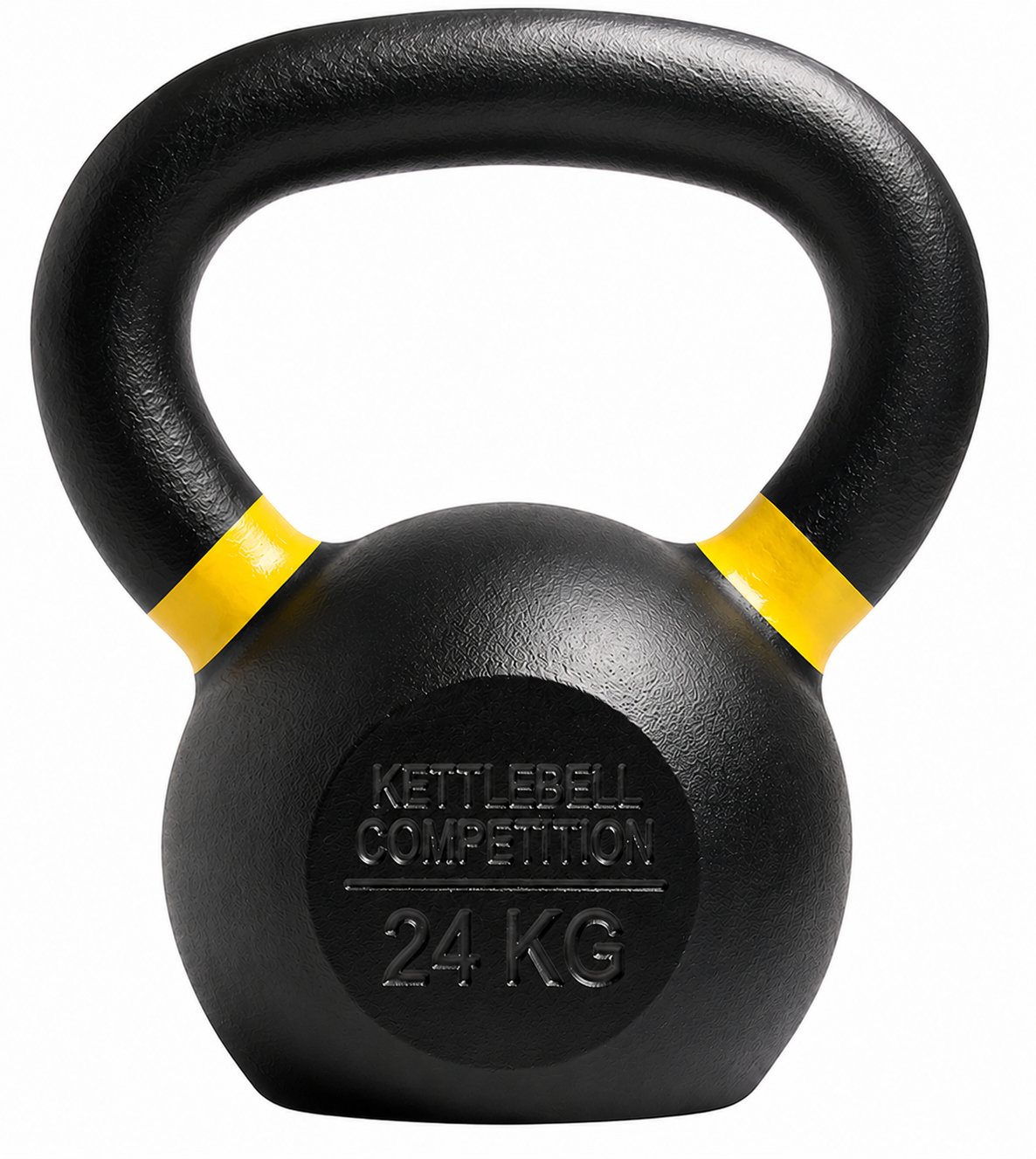
The 24kg competition kettlebell is a specialized piece of strength equipment engineered to meet the rigorous demands of sanctioned lifting and high-intensity strength training. Unlike standard cast iron models, this competition-grade version adheres to strict dimensional standards, ensuring that the center of gravity and the handle diameter remain consistent across different weight classes. This uniformity is essential for athletes transitioning between weights, allowing for a seamless adjustment in technique without the interference of unexpected physical changes in the tool.
This specific 24kg model is designed primarily for those engaged in Girevoy Sport (Kettlebell Sport) and professional strength conditioning. The precision in its construction provides a predictable feel during explosive movements such as snatches, cleans, and jerks. By utilizing a high-grade steel or refined cast iron base with a calibrated coating, the kettlebell offers a smooth surface texture that prevents friction-related skin irritation during long-duration sets, which is a critical factor in endurance-based kettlebell training.
In a professional training environment, such as a specialized strength academy or a sanctioned competition venue, the reliability of the weight is paramount. Our 24kg competition kettlebell provides the necessary stability and balance required for advanced lifts. It serves as a bridge for athletes moving toward heavier loads, such as the 26kg competition kettlebell, ensuring that the physical dimensions of the bell do not disrupt their established kinetic patterns.
For gym owners and equipment distributors, providing standardized competition kettlebells is a way to elevate the quality of their training facilities. This 24kg model is an essential component for any professional setup that prioritisticizes technical precision and athlete progress. Whether used for strength building or competitive skill refinement, the consistency of this tool ensures that the training stimulus remains focused on the athlete's performance rather than equipment variability.
To ensure the 24kg competition kettlebell meets the high expectations of professional lifters and tournament organizers, every unit is manufactured under strict dimensional control. The primary objective is to maintain a standardized volume and center of mass, which allows the athlete to develop muscle memory that is transferable to other weight classes. In professional Girevoy Sport, the physical dimensions of the bell—specifically the diameter of the sphere and the thickness of the handle—are just as critical as the weight itself.
The handle of this 24kg model is engineered with a specific clearance to accommodate various grip styles, from heavy cleans to high-repetition snatches. The internal diameter is optimized to ensure that even when using chalk, the grip remains secure without being overly restrictive. This precision extends to the surface finish, which is designed to be smooth to the touch yet provides enough friction for safety during high-velocity movements. This level of detail distinguishes our competition line from general-purpose training weights.
Below is the detailed technical breakdown for the 24kg competition model. These parameters are consistent with international standards for professional-grade training equipment:
| Parameter | Specification Detail |
|---|---|
| Nominal Weight | 24 kg |
| Weight Tolerance | ± 1% to 3% (High Precision) |
| Material Base | High-Density Cast Iron or Solid Steel |
| Surface Finish | Smooth Calibrated Coating (Non-Slip/Low Friction) |
| Handle Diameter | Standardized Competition Diameter |
| Sphere Diameter | Standardized Competition Size |
| Primary Use Case | Girevoy Sport, Strength Conditioning, Sanctioned Events |
Understanding these specifications is vital for athletes who are currently working with lighter weights, such as a 20kg kettlebell, and are preparing for the increased load of the 24kg class. By adhering to these dimensional standards, we ensure that the transition in physical scale is predictable. This consistency is a hallmark of professional-grade equipment, ensuring that the training stimulus is purely a matter of weight and not a struggle with irregular equipment geometry.
Furthermore, the structural integrity of the 24kg bell is tested to handle the dynamic forces generated during explosive lifts. The casting process is controlled to prevent internal air pockets or structural weaknesses, which could lead to imbalances or breakage under heavy use. For institutions looking to stock a full range of weights, this model provides a reliable mid-to-heavy weight option that complements both lighter sets and heavier increments like the 32kg competition kettlebell.
The production of a 24kg competition kettlebell requires far more than basic casting; it demands a rigorous metallurgical process to ensure that every unit is virtually identical in both mass and movement dynamics. Our manufacturing facility employs advanced precision casting techniques that minimize the risk of structural voids or uneven density distribution. This level of control is essential because any internal irregularity can lead to a shifting center of gravity, which would be detrimental to an athlete performing high-repetition snatches or long-duration cleans.
One of the most critical aspects of the competition-grade finish is the surface texture. Unlike standard iron kettlebells that may have a rough, abrasive surface, our 24kg model undergoes a multi-stage refinement process. After the initial casting and precision grinding of the sphere and handle, the bell is treated with a specialized coating. This coating is designed to be exceptionally smooth to prevent skin abrasion during high-volume training, yet it maintains a consistent coefficient of friction. This ensures that the transition from the swing to the overhead position is fluid and predictable, reducing the likelihood of "bumping" or irregular friction against the forearm.
The handle undergoes a specific finishing process to ensure it remains free of sharp edges or burrs. A smooth, standardized handle is vital for professional lifters who rely on precise grip adjustments. We utilize high-grade steel or refined iron to provide a solid, non-compressible core, ensuring that the handle does not deform or change its feel under the heavy dynamic loads typical of advanced strength training. This attention to the handle'details ensures that the grip remains consistent whether the athlete is using a single-hand or double-hand technique.
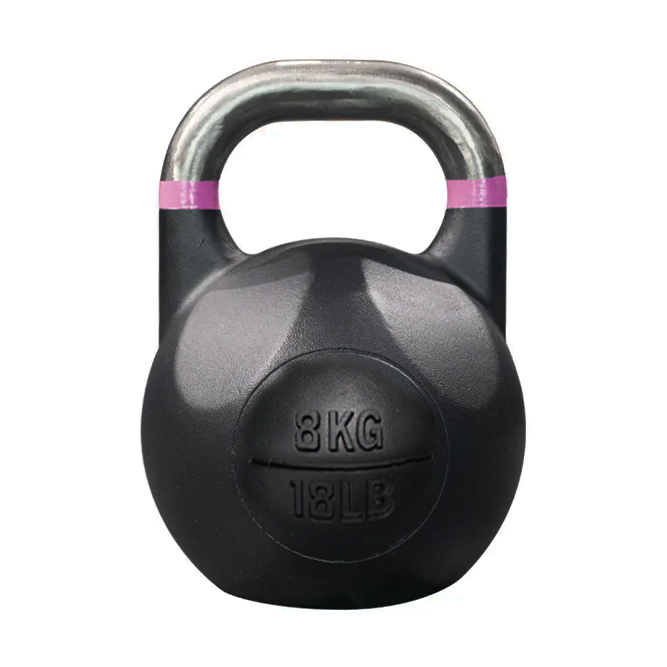
Quality control for our competition line is centered on weight accuracy and dimensional consistency. Each 24kg unit is subjected to a final calibration phase where the mass is verified against strict tolerances. This is not merely a superficial check; it involves ensuring that the weight is distributed symmetrically around the central axis. This meticulous inspection process guarantees that the bell will not exhibit any "wobble" or unexpected torque during rapid rotational movements. For professionals moving through a progression—perhaps transitioning from a 8kg competition kettlebell up to this 24kg standard—this reliability is the foundation of their technical development.
Furthermore, our quality assurance includes testing the durability of the coating under various environmental conditions. We ensure that the finish remains intact and does not chip or peel, which could lead to grip issues or safety hazards. By maintaining these high standards in both material selection and finishing, we provide a tool that meets the professional requirements of both training academies and official lifting federations, ensuring that the equipment is as resilient as the athletes who use it.
The 24kg competition kettlebell is strategically positioned within the weight progression hierarchy, making it a pivotal tool for both endurance-based lifting and heavy strength conditioning. Due to its standardized dimensions, it is most effectively utilized by intermediate to advanced athletes who have mastered the fundamental mechanics of kettlebell movements and are now focusing on increasing volume or refining technical precision under load. This weight class is often a benchmark in training programs that bridge the gap between moderate resistance and the heavy-duty requirements of elite-level lifting.
Typical use cases for this specific model include:
When integrating the 24kg competition kettlebell into a training regimen, athletes should prioritize technical mastery over sheer repetition. Because this is a competition-grade implement, the margin for error in form is smaller than with lighter, recreational weights. For instance, when transitioning from a 20kg kettlebell, the increased load requires a heightened focus on core stability and overhead positioning to manage the increased torque during explosive phases.
Safety remains the paramount consideration during use. We recommend that lifters ensure their training environment is clear of obstacles and that the floor surface is stable. While the specialized coating provides a smooth surface, the use of lifting chalk is often encouraged in professional settings to ensure a secure, non-slip grip during high-repetition sets. Additionally, because the 24kg weight can generate significant kinetic energy during swings and snatches, it is essential to maintain a controlled descent and avoid dropping the bell from high elevations to protect both the equipment and the flooring.
For those focusing on endurance, the 24kg class offers a significant challenge to the cardiovascular and muscular systems. As athletes progress, they may eventually look toward even more demanding implements, such as the 32kg competition kettlebell, but the 24kg model provides the necessary resistance to build the foundational strength and technical discipline required for that higher echelon of performance.
To preserve the structural integrity and the high-performance surface finish of your 24kg competition kettlebell, adhering to consistent maintenance protocols is essential. Because this implement is engineered for high-frequency use in professional settings, the coating and the handle surface may be subject to various environmental factors such as moisture, perspiration, and friction. Regular care ensures that the bell remains a reliable tool for years, preventing the onset of oxidation or surface degradation that could compromise the training experience.
After every intensive training session, particularly those involving heavy use of lifting chalk, it is highly recommended to clean the kettlebell. Perspiration and chalk residue can accumulate in the handle or create a micro-layer on the sphere, which may lead to uneven grip or, in extreme cases, accelerated corrosion if left untreated. A simple cleaning process using a slightly damp, non-abrasive cloth is usually sufficient to remove these residues. Avoid using harsh chemical solvents or highly acidic cleaning agents, as these can potentially react with the specialized coating and alter the friction coefficient intended for competition-grade performance.
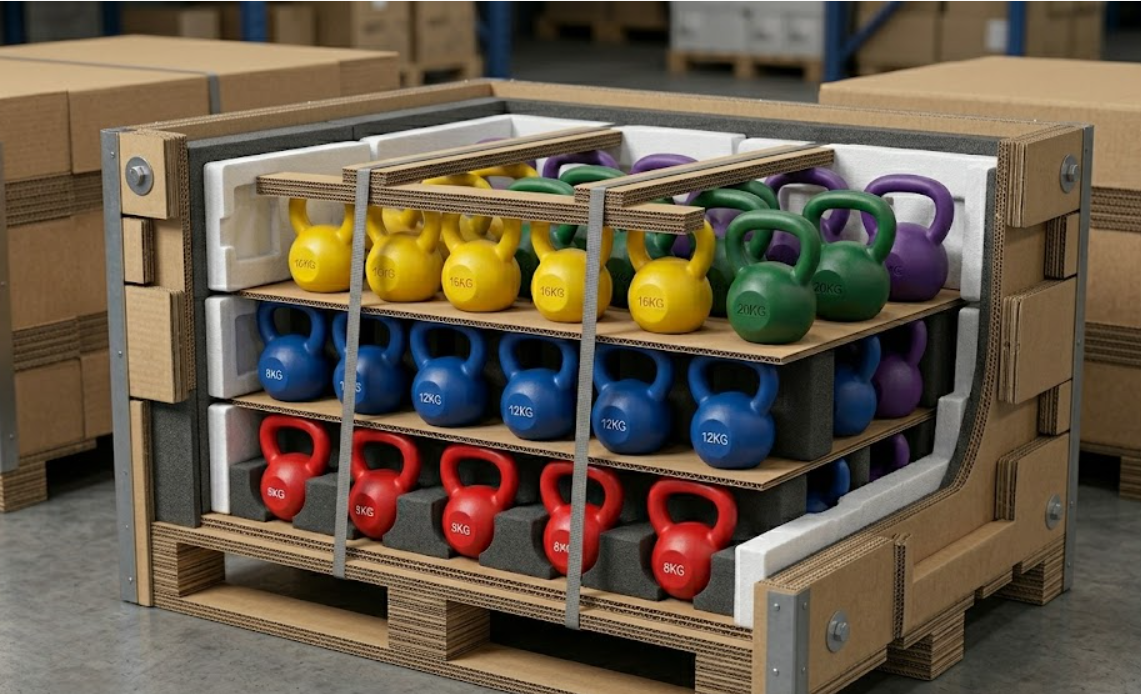
Proper storage is equally critical for maintaining the precision of the equipment. We suggest storing the 24kg competition kettlebells in a controlled, dry environment. If your training facility is subject to temperature fluctuations or high humidity, such as an outdoor storage shed or a semi-exposed garage, consider using a dedicated kettlebell rack or a protective cover. Storing the bells on a stable, elevated rack rather than directly on a concrete floor helps to minimize any long-term contact with ground-level moisture, which is a common cause of surface rust in metal-based strength equipment.
For gym owners managing a large inventory, including various weights from lighter models to heavier competition versions, a centralized and organized storage system is vital. Keeping the 24kg bells in a designated area prevents them from being knocked into other equipment, which could cause dents or surface imperfections. By implementing these routine maintenance and storage habits, you ensure that the technical precision and the smooth, standardized feel of the kettlebell are preserved, allowing athletes to continue their progression with total confidence in their equipment.
When sourcing a 24kg competition kettlebell for professional use, procurement officers and gym owners must look beyond simple weight requirements. The selection process should prioritize equipment that adheres to the rigorous dimensional and calibration standards expected in sanctioned lifting environments. Relying on generic training bells can lead to technical inconsistencies for athletes, whereas investing in high-precision competition-grade implements ensures that your facility provides a professional-standard training experience.
Key factors to consider during the purchasing process include:
For organizations looking to build a complete strength arsenal, we recommend a phased procurement strategy. It is often beneficial to start with a foundational set of weights and gradually expand into specialized competition models. For example, a facility might initially stock a range of standard products to cater to general fitness members, while maintaining a dedicated section of competition-grade bells, such as the 24kg model, for advanced athletes and Girevoy Sport practitioners.
If you are looking to customize or scale your order, please note that many professional-grade implements can be tailored to specific requirements regarding coating or handle finish. We encourage potential buyers to consult with our technical team regarding specific volume requirements or specialized finishes. For direct inquiries regarding bulk orders, shipping logistics, or detailed technical documentation, you can use our contact page to reach our sales and support specialists. This ensures that your procurement decisions are backed by accurate technical data and professional guidance.
The 24kg competition kettlebell represents a critical intersection of precision engineering and athletic necessity. For the serious practitioner of Girevoy Sport or high-intensity strength conditioning, this implement is not merely a weight, but a standardized tool that facilitates technical mastery through absolute consistency. By prioritizing dimensional accuracy and surface refinement, we ensure that the physical characteristics of the bell remain a constant, allowing the athlete to focus entirely on their kinetic development and endurance goals.
Choosing this professional-grade equipment provides several distinct advantages for both individual athletes and training institutions:
Whether you are an athlete striving for peak performance in sanctioned lifting events or a facility manager seeking to upgrade your strength equipment, the 24kg competition kettlebell offers the precision and durability required to support elite-level training. Its role as a stable, reliable, and standardized implement makes it an indispensable component in any professional strength-building environment.
| Attributes | Values |
|---|---|
| Weight | 4KG,6kg,8kg,10kg,12kg,14kg,16kg,18kg,20kg,22kg,24kg,26kg,28kg,32kg,36kg,40kg,44kg,48kg,50kg,52kg,56kg,68kg,72kg,80kg,92kg,108kg |
| Logo | Customizable |
| Specification | Customizable,MOQ |
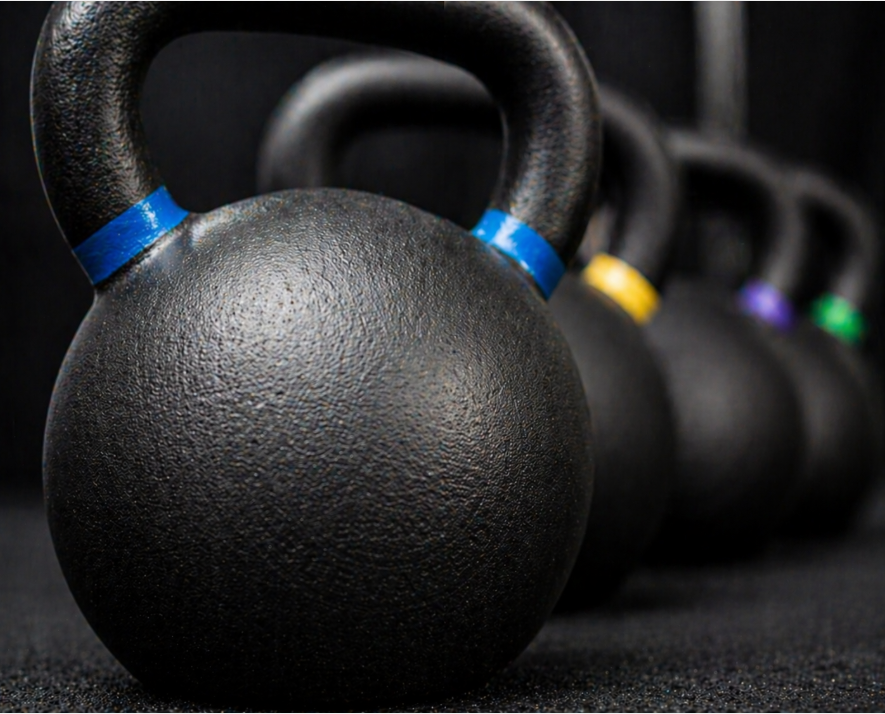
| Color | Red, Orange, Yellow, Green, Cyan, Blue, Purple, Customizable |
Sarah Henry
Unconventional Geometry for Advanced Neuromuscular AdaptationThe 6kg special sha...
Verified Buyer
The Adjustable Kettlebell MDKB11-18KG/40LB, a creation of Leadman Fitness, epito...
James R.
Stylish pink-ring kettlebells combining durability with aesthetic design for women‘s fitness. Perfect for home workouts....