Kettlebell da competizione vs standard: Guida all'acquisto B2B per l'ottimizzazione dello spazio & efficienza dei costi
Il dilemma degli acquisti B2B: Oltre la tecnica, un problema di spazio
Per gli acquirenti B2B, scegliere trakettlebell da competizione vs kettlebell standard (also known as standard or cast iron kettlebells) extends far beyond training preferences. The decision directly impacts your total cost of ownership (TCO), space utilization, and long-term inventory management. The critical question isn't which one feels better, but which one optimizes your revenue-per-square-foot in a commercial environment.
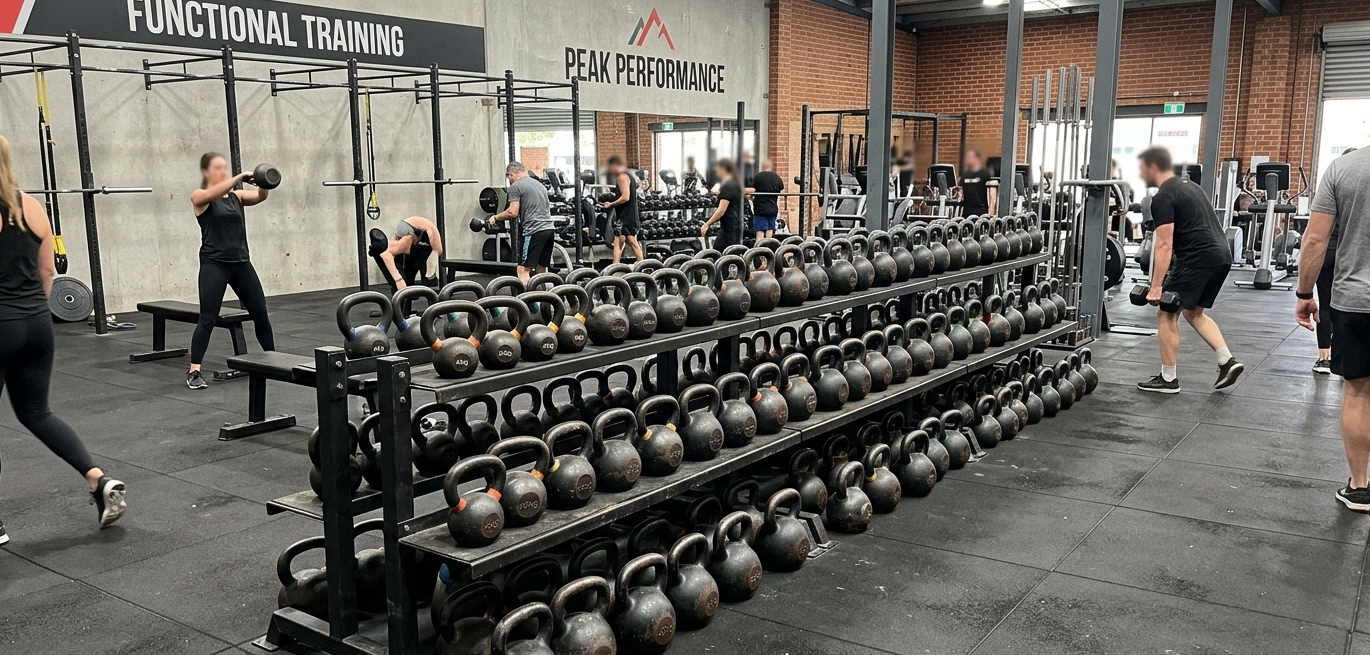
I costi nascosti della standardizzazione dei kettlebell da competizione nei piccoli centri fitness
Abbiamo collaborato con numerosi centri di personal training con superfici inferiori ai 100 mq. Il principale vantaggio dikettlebell da competizioneè rappresentato dalle loro dimensioni standardizzate. Che tu stia sollevando 8 kg o 48 kg, l'ingombro fisico del kettlebell rimane costante, garantendo continuità per le tecniche avanzate. Tuttavia, questa standardizzazione crea un problema logistico rilevante per le strutture commerciali: la densità di stoccaggio. Poiché ogni incremento di peso richiede un kettlebell separato e voluminoso, un set completo occupa rapidamente molto spazio nelle rastrelliere. Uno standardrack per kettlebellprogettato perkettlebell da competizionepuò facilmente occupare ben 1,5 metri di parete solo per ospitare un singolo set di progressione da 8 a 32 kg. Per un piccolo centro con superficie limitata, il compromesso tra la costanza tecnica dell'allenamento e il costo del metro quadro è spesso svantaggioso.
La sfida della gestione del magazzino con i classici kettlebell in ghisa
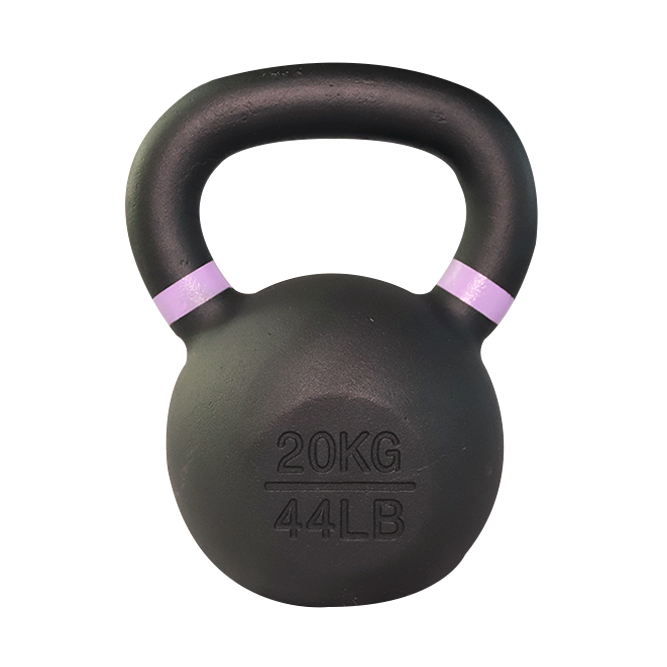
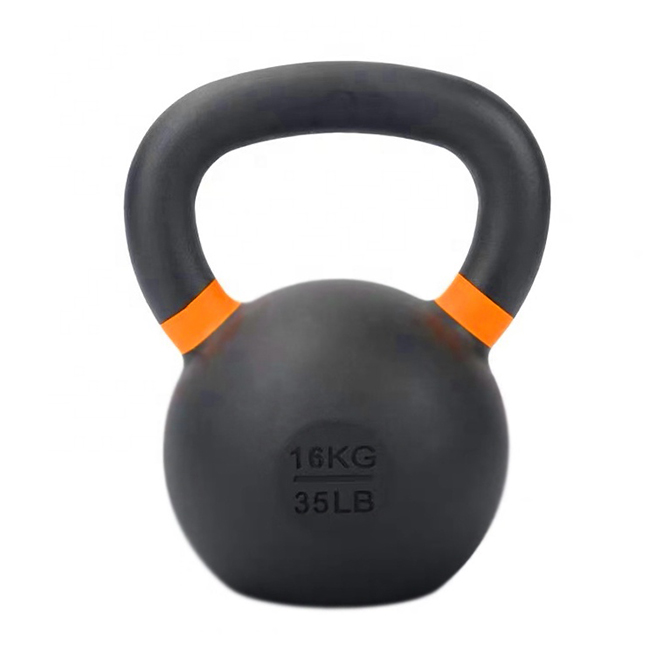
L'alternativa,kettlebell standard(solitamente in ghisa), rappresentano un problema anche negli ambienti commerciali ad alto traffico. Sebbene le dimensioni aumentino con il peso, offrendo una densità di stoccaggio superiore rispetto akettlebell da competizione for lighter weights, managing a full inventory for a diverse member base creates its own headaches. To accommodate members ranging from beginner rehab clients to advanced strength training athletes, a gym needs a full run of weights, often in 2 kg or 5 lb increments. This means purchasing dozens of individual units. The result, as we've experienced in a 50-square-meter studio case study, often leads to a disorganized "wall of kettlebells," where different shapes and handle dimensions compromise member safety and training flow. Furthermore, the higher frequency of inventory turnover and re-purchasing due to wear and tear from different designs can inflate long-term operational costs.
Confronto Specifiche Tecniche: Kettlebell da Competizione vs Standard
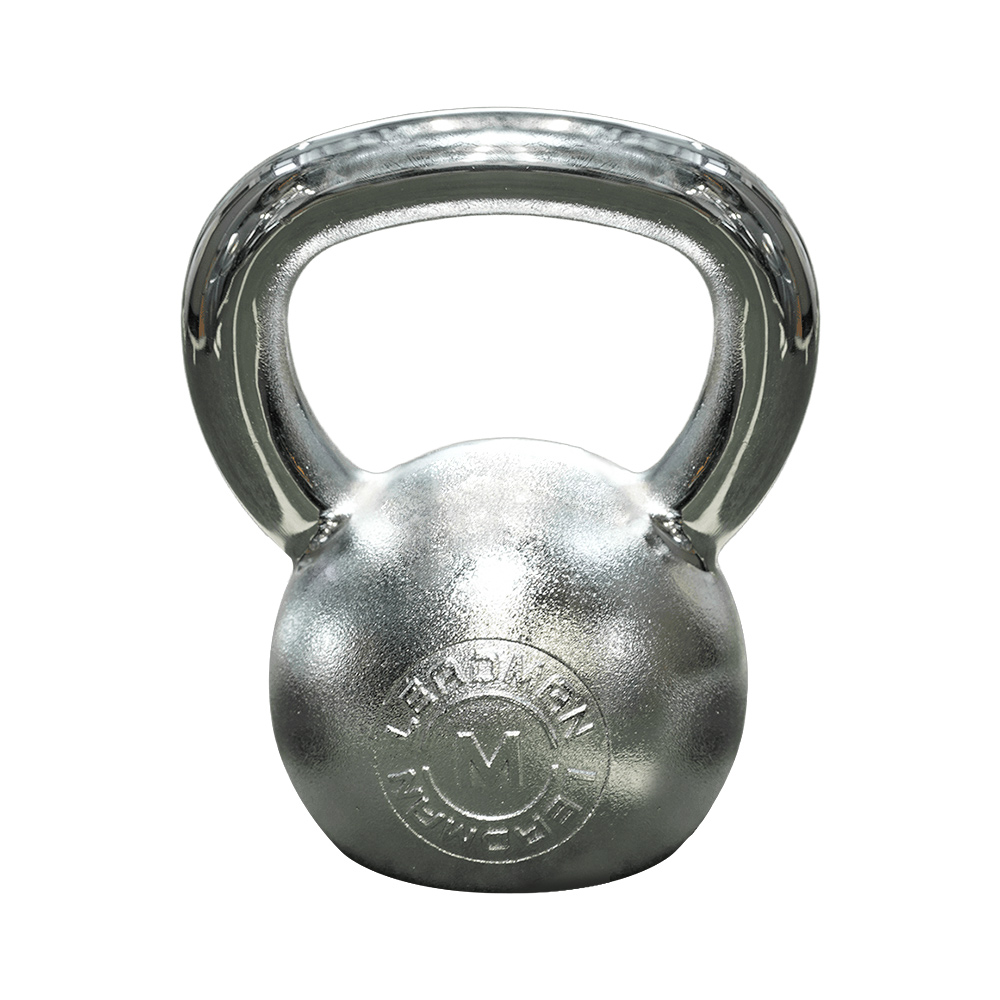
Dal punto di vista tecnico, la scelta trakettlebell da competizione vs modelli standarddipende dalla scienza dei materiali e dalla precisione meccanica, non solo dalla codifica a colori. In qualità di distributori, consigliamo spesso ai clienti B2B di esaminare la costruzione specifica prima di procedere al confronto dei prezzi.Kettlebell da competizionesono tipicamente realizzati in acciaio, mentrekettlebell standardsono quasi sempre in ghisa. Questa differenza nel materiale di base influisce sulla durata, sulla finitura superficiale e, in ultima analisi, sul TCO (costo totale di proprietà).
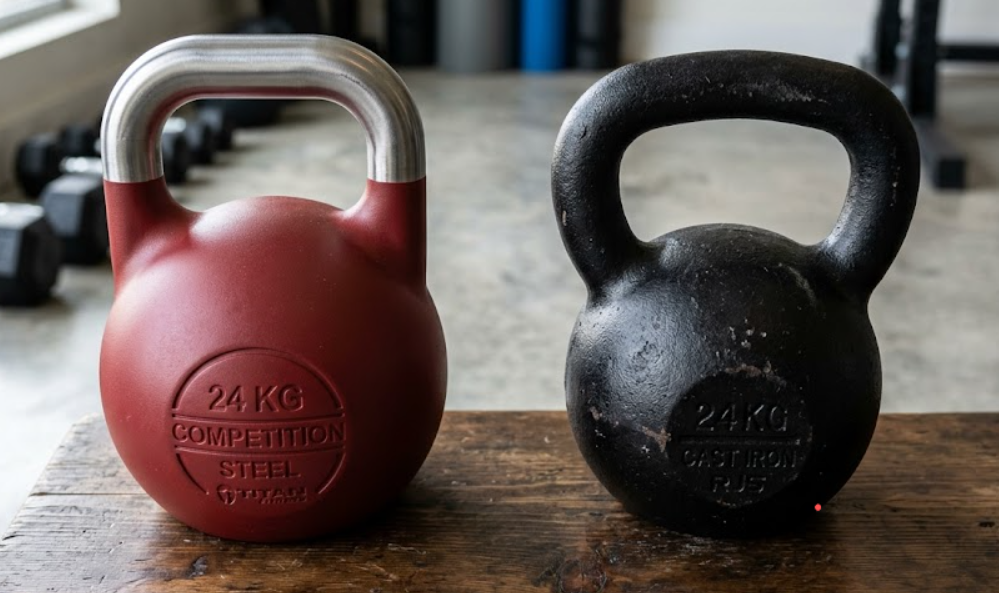
Design dell'impugnatura ed ergonomia: differenze di diametro e di materiale
La caratteristica distintiva dikettlebell da competizione is the consistent handle diameter and uniform shape. The steel handle, designed for high-volume snatch and jerk movements, is typically uncoated or minimally coated to allow for chalk use and prevent slippage during continuous high-rep sets. The handle diameter is precisely controlled, often between 33mm and 35mm, to meet official competition standards. In contrast, kettlebell standard prioritize variety over standardization. Handle diameter often increases with weight, which can make consistent technique difficult when moving between different weight classes. The coating on kettlebell standard in ghisa varies widely, from glossy enamel to textured powder coat finishes. For a gym owner, a highly textured powder coat finish is preferable as it offers better grip without excessive chalk. However, poorly applied coatings on standard kettlebells can chip easily, exposing the underlying cast iron to rust, especially in humid climates, significantly reducing product lifespan and aesthetic appeal.
Per riassumere le principali differenze tecniche dal punto di vista degli acquisti, ecco un dettaglio delle specifiche chiave:
| Caratteristica | Dimensione | Kettlebell da competizione | Kettlebell Standard in Ghisa |
|---|---|---|
| Composizione del Materiale | Acciaio (spesso con nucleo cavo) | Ghisa (anima piena) |
| Ingombro & Forma | Dimensioni uniformi per tutti i pesi (es. tutte le unità da 8kg a 48kg hanno le stesse dimensioni) | Dimensioni proporzionali al peso (più grandi e ingombranti per i pesi maggiori) |
| Costanza del diametro dell'impugnatura | Diametro standard per tutti i pesi (es. 33mm-35mm) | Variabile in base al peso (spesso con impugnature più spesse per i pesi maggiori) |
| Rivestimento superficiale | Principalmente acciaio nudo o verniciatura a polvere leggera; progettato per l'uso con magnesio | Variabile (ad es. verniciatura a polvere, vinile, smalto) |
| Incrementi di peso | Incrementi standard da 4 kg per le competizioni ufficiali (ad es. 8 kg, 12 kg, 16 kg...) | Variabile in base al produttore; spesso con incrementi da 5 lb o 2 kg |
| Efficienza di stoccaggio B2B | Bassa densità per unità di peso; richiede un ampio spazio lineare negli scaffali | Maggiore densità per i pesi leggeri; elevato ingombro negli scaffali per l'inventario completo |
Utilizzo dello spazio e analisi del ROI: Case study di uno studio di 50 mq
Nelle zone con canoni di locazione elevati, ogni metro quadrato di superficie deve generare fatturato. La nostra esperienza nella gestione di uno studio di personal training compatto di 50 mq in un'area urbana ad alta densità ha messo in luce il costo reale di uno stoccaggio inefficiente delle attrezzature. Inizialmente avevamo considerato un set completo dikettlebell da competizioneper soddisfare clienti avanzati. Tuttavia, calcolando il costo dello spazio occupato, ci siamo resi conto che la lunghezza lineare necessariarack per kettlebell space for a full set (e.g., 8kg to 32kg in 4kg increments for 10 pairs) would consume approximately 2 square meters. At an average commercial rent of $50/sqm, that’s an annual space cost of $1200, simply for storage of unused inventory for a significant portion of the day. The opportunity cost of this space, where we could instead place a second squat rack or functional trainer, far exceeded the purchase price of the equipment itself.
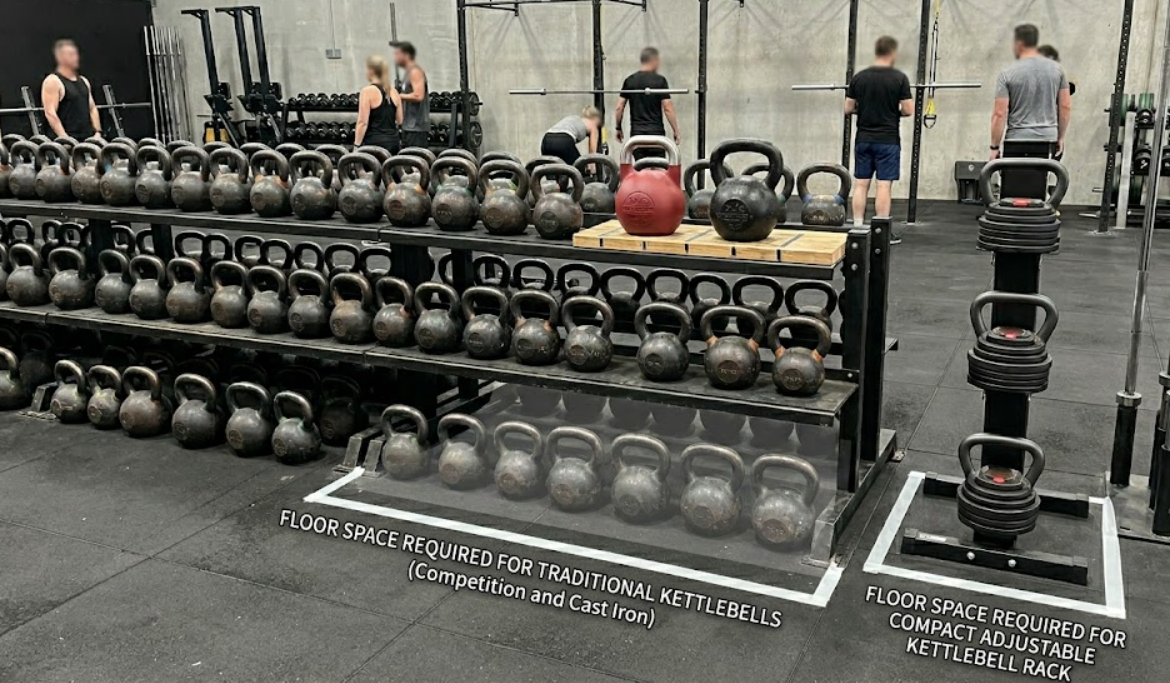
Audit dello spazio: Calcolo dell'ingombro a terra dei rack per kettlebell tradizionali
Per ottimizzare la redditività, dobbiamo considerare l'attrezzatura non solo come un acquisto una tantum, ma come un asset a lungo termine che incide sull'efficienza operativa. Un set tipico dikettlebell da competizione(8 kg - 32 kg) okettlebell standard requires a minimum of 10-12 individual units per pair to provide adequate weight progression for clients. The standard commercial rack per kettlebell designed to hold these units has dimensions of approximately 1.5m x 0.6m. When multiplied by the number of sets required for a typical group class or personal training roster, the cumulative footprint of these static items becomes a critical factor in a small studio's profitability. The problem is exacerbated when clients need increments smaller than 4kg (e.g., 0.5kg to 2kg progressions), forcing us to purchase even more units and further cluttering the training floor.
La Soluzione del Kettlebell Regolabile: Massimizzare laEfficienza delloSpazio
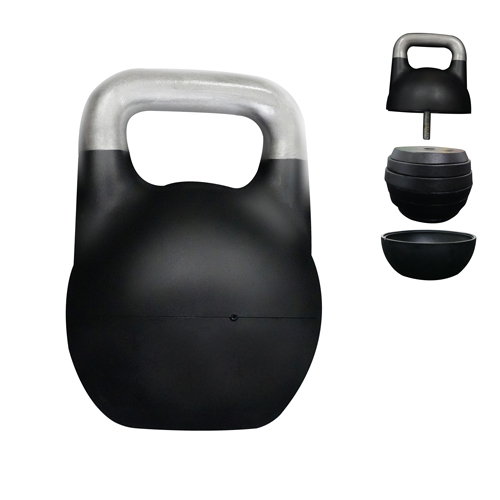
La nostra soluzione, basata su reali vincoli di spazio e di budget, è stata quella di abbandonare l'uso dikettlebell da competizione vs kettlebell standard toward high-grade adjustable kettlebells. By selecting a high-quality adjustable unit offering precise weight adjustments from 0.5lb to 30lb (as per our B2B case material), we effectively reduced our required inventory from 10+ pairs down to just 2-3 pairs of adjustable units. This single decision freed up nearly 80% of the space previously designated for kettlebell storage. For distributors and gym owners seeking to maximize revenue per square meter, the cost-benefit analysis is clear: a higher initial investment in precise adjustable kettlebells results in significantly lower long-term TCO by converting non-revenue-generating storage space into high-value training areas. The ROI on this type of space-saving equipment can be calculated in months, not years, especially in high-rent locations.
Durata e Manutenzione: Prospettiva del TCO
Nel confronto trakettlebell da competizione vs kettlebell standard models for commercial use, durability is paramount. The initial purchase price is only one part of the equation; long-term TCO includes maintenance, replacement costs, and potential downtime. The material and coating quality dictate how long the product will withstand daily commercial usage, a standard that far exceeds typical home gym requirements. We look for specifications that minimize surface wear and protect against rust, as these are the primary factors that shorten product life in a commercial environment.
Standard Professional: Longevità della struttura in ghisa vs acciaio
Kettlebell da competizione are typically made from steel, which generally offers superior resistance to cracking compared to traditional cast iron under high-impact conditions. However, the steel construction of kettlebell da competizionerichiede saldature e finiture precise per garantire l'integrità strutturale, specialmente per i modelli a nucleo cavo. Al contrario, i comunikettlebell in ghisa (kettlebell standard) are usually a single-piece mold. The quality of cast iron varies significantly; commercial-grade models typically use G3000 Gray Iron, which provides excellent tensile strength and durability. However, cast iron’s primary weakness is its susceptibility to rust when its protective coating is compromised. For high-volume settings where kettlebells are frequently dropped or impacted, a high-quality coating is essential to extend product life and maintain aesthetic appeal. If selecting cast iron, look for advanced powder coating that is at least 80µm thick, rather than cheaper vinyl or enamel finishes which peel quickly.
Qualità del rivestimento ed esperienza dell'utente: Durata della verniciatura a polvere con uso intensivo
La finitura superficiale influisce significativamente sia sulla durata nel tempo che sull'esperienza dell'utente. Una verniciatura a polvere di alta qualità, tipica dei prodotti premium,kettlebell da competizione vs modelli standard, offers excellent grip and superior rust protection compared to glossy enamel or vinyl finishes. Vinyl-coated kettlebells (often seen in palestre normali variations) are a common point of failure in commercial gyms; the vinyl peels quickly due to friction and moisture from sweat, leading to rapid degradation. We conduct routine inspections of the handle surface on all inventory. When a kettlebell's coating degrades, it poses a safety risk due to potential slippage and creates an unattractive, unhygienic appearance that detracts from the perceived value of the facility. Choosing the correct coating from the outset minimizes future replacement costs and enhances the professional image of the facility.
Consigli esperti per l'acquisto: La checklist del distributore
In qualità di responsabili della gestione attrezzature, il nostro consiglio finale non è semplicemente una scelta tracompetition kettlebells vs normal; it's about matching equipment specifications to your business model. For B2B buyers, a procurement checklist should prioritize long-term ROI over initial purchase price. Before committing to a large inventory order, assess your space constraints, client demographic needs, and operational overhead for maintenance and inventory management.
Abbinare l'attrezzatura al target di clienti e ai vincoli di spazio
If your clientele consists primarily of high-level athletes engaged in Girevoy Sport (kettlebell sport), then a full set of precisely weighted kettlebell da competizione is non-negotiable. However, for a general fitness studio or a personal training facility serving a wide demographic, a diverse inventory of different sizes is necessary. The most significant error we observe in B2B procurement is over-indexing on specialized equipment when space is limited. Our B2B experience shows that for a facility where a full set of kettlebell da competizione vs kettlebell standard would require more than 10 square meters of floor space, the most profitable solution is often high-quality adjustable units that consolidate a full weight range into a single footprint. This allows for precise weight progressions for beginner-to-intermediate members without sacrificing valuable floor space.
Calcolo del TCO: dal prezzo iniziale al valore nel lungo periodo
Nel confronto trakettlebell da competizione vs modelli standard, un fattore critico spesso trascurato è il Total Cost of Ownership (TCO). Questo include l'acquisto iniziale, le spese di spedizione (che possono essere ingenti per i set pesanti in ghisa), la potenziale sostituzione per danni e la manutenzione costante. Come discusso,kettlebell standard in ghisa with low-grade coatings often suffer from rapid degradation and rust, particularly in gym environments where humidity and sweat are prevalent. This leads to a higher frequency of replacement. Conversely, while kettlebell da competizione (steel construction) are generally more durable against impacts, their bare metal handles can require constant chalk application and cleaning, adding to operational overhead. For a facility manager, choosing equipment that minimizes long-term maintenance and maximizes aesthetic longevity (e.g., through high-grade powder coating on both adjustable and static units) is the most economically sound decision.