
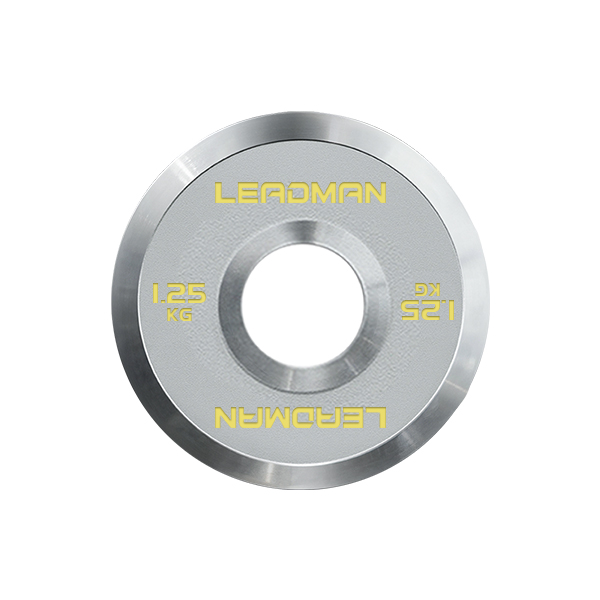
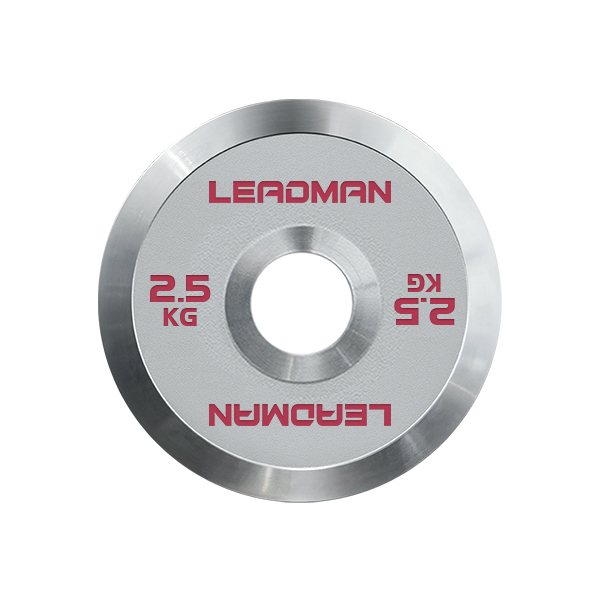
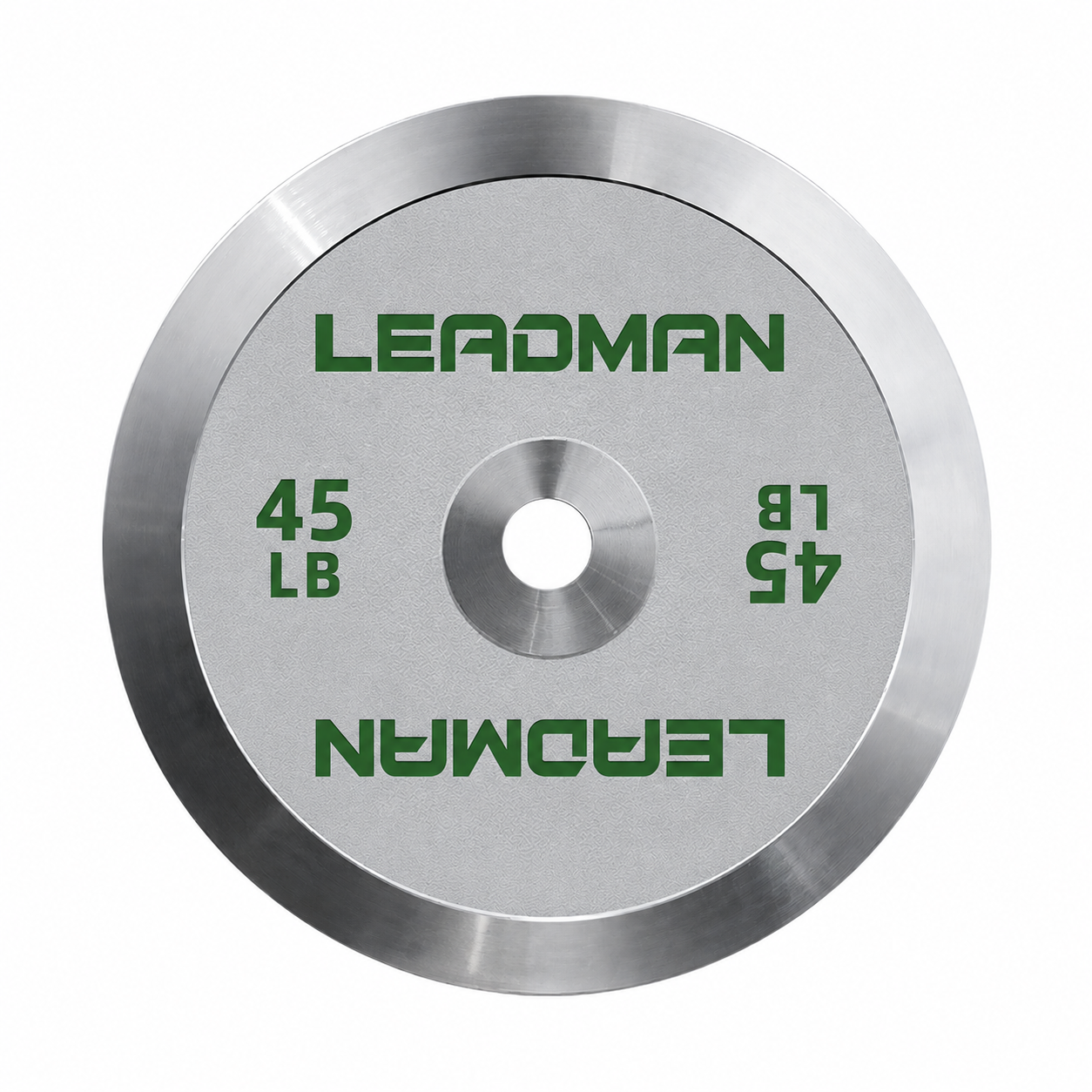
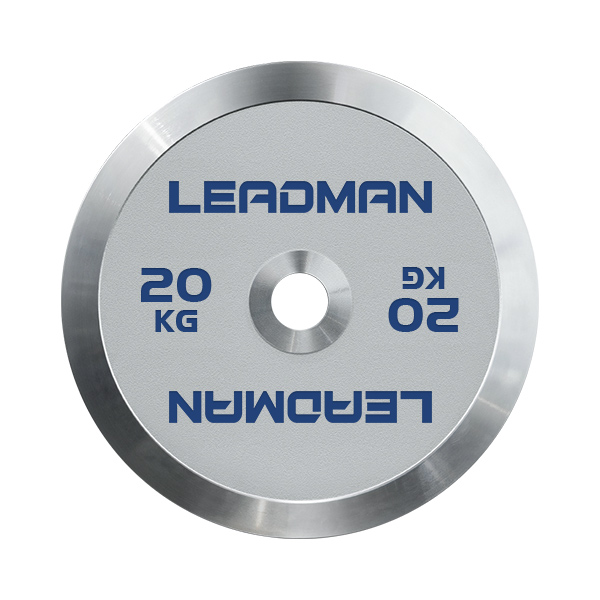
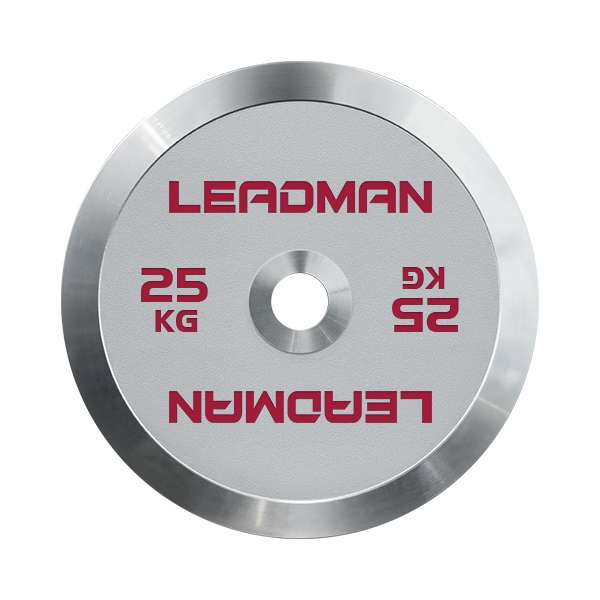
In the pursuit of consistent strength gains, the ability to implement minute resistance adjustments is essential. The 1.25 kg cast iron weight plates serve as a critical tool for athletes and strength coaches who require exact calibration of their training loads. Unlike larger increments that might force a sudden leap in intensity, these small-denomination plates allow for the seamless application of micro-loading, which is vital for overcoming neurological plateaus and perfecting technical execution under controlled stress.
These plates are specifically engineered for high-density training environments where precision is non-negotiable. Whether you are fine-tuning a heavy barbell squat or adjusting a bench press, the 1.25 kg increment provides the necessary granularity to ensure progressive overload remains steady and manageable. This level of control is particularly beneficial for advanced lifters who have already mastered larger weight jumps and now rely on fractional increases to drive long-term physiological adaptations.
Beyond barbell calibration, these units offer versatile applications across various training modalities:
The choice of high-grade cast iron ensures that despite their smaller size, these plates maintain the structural integrity and density expected of professional-grade cast iron weight plates. This reliability is crucial for maintaining a balanced barbell and preventing unexpected shifts in the center of mass during complex lifts.
To ensure the highest level of accuracy in your training setup, it is essential to understand the physical properties and standardized dimensions of our 1.25 kg increments. These plates are manufactured using high-density cast iron, ensuring that the actual weight remains consistent with the labeled value. This precision is vital for athletes who rely on strict micro-loading protocols to drive physiological adaptations without the risk of uneven loading or barbell imbalance.
The following table outlines the core technical parameters for the 1.25 kg model. While the weight is the primary focus for calibration, the physical dimensions are optimized for compatibility with standard olympic barbell sleeves and various training accessories.
| Parameter Category | Specification Detail | Unit/Standard |
|---|---|---|
| Nominal Weight | 1.25 | kg |
| Material Composition | High-Density Cast Iron | Industrial Grade |
| Surface Finish | Smooth Black Coating | Anti-Corrosive |
| Inner Diameter (Bore) | 50.0 (Standard) | mm |
| Primary Application | Micro-loading / Calibration | Strength Training |
| Compatibility | Olympic Barbell Sleeves | Standard 50mm |
Each plate undergoes a rigorous manufacturing process to minimize dimensional variance. By maintaining a consistent inner diameter and center of gravity, these plates facilitate smooth transitions during dynamic movements. This structural reliability makes them an excellent companion to heavier 20kg heavy duty plates, providing the fine-tuning capability required for high-level strength conditioning and competitive lifting preparation.
The production of high-precision 1.25 kg increments requires a meticulous approach to material science and casting technology. Unlike standard weight plates where minor deviations might be overlooked, micro-loading implements demand extreme consistency to ensure that every fractional increase is mathematically accurate. Our manufacturing process begins with the selection of premium-grade molten iron, which is then cast into precision molds to ensure uniform density across the entire surface area of the plate.
Each plate undergoes a multi-stage refinement process to achieve its final form. After the initial casting, the plates are subjected to precision grinding to ensure the inner diameter remains perfectly circular and consistent. This step is critical for maintaining a smooth fit on the barbell sleeve, preventing any unwanted wobbling or friction during high-velocity lifts. The resulting surface is exceptionally stable, providing a reliable interface for the barbell and weight collars.
To protect the structural integrity of the iron, we apply a specialized anti-corrosive coating. This protective layer serves two main functions: it prevents oxidation and rust formation in various gym environments, and it provides a smooth, matte finish that is easy to handle. This level of finishing ensures that the plates remain aesthetically professional and functionally durable, even when subjected to the rigors of daily high-frequency training cycles.
Quality assurance is integrated into every stage of our production line. Every batch of 1.25 kg plates is subjected to weight verification protocols to ensure they meet the strict tolerance levels required for professional strength training. This scrutiny is essential because, in the context of micro-loading, even a small deviation can disrupt a lifter's planned progressive overload scheme. By maintaining these tight tolerances, we provide athletes with the confidence that their barbell calibration is exact and repeatable.
Our commitment to quality extends to the structural robustness of the center bore. The transition from the casting stage to the final finishing stage is monitored to ensure that the load-bearing capacity of the inner diameter remains uncompromised. This attention to detail ensures that our plates are not just small weight increments, but high-performance tools capable of standing up to the demands of professional strength conditioning and competitive training environments.
The 1.25 kg cast iron weight plates are designed for specific training objectives where incremental progress is the primary goal. Because these plates are relatively small, they are most effective when used as additives to a larger loading scheme rather than as standalone resistance. They are an indispensable asset for various tiers of athletes, from beginners navigating the early stages of strength development to professional powerlifters managing advanced training cycles.
Different training methodologies benefit uniquely from the precision of these micro-loading increments:
To ensure optimal performance and safety during your sessions, please consider the following practical recommendations:
By integrating these precision tools into your routine with a focus on gradual, controlled progression, you can build a more sustainable and scientifically grounded approach to long-term strength development.
To preserve the structural integrity and the professional aesthetic of your 1.25 kg cast iron weight plates, implementing a consistent maintenance routine is highly recommended. Although the high-density cast iron is inherently robust, the external anti-corrosive coating and the precision-ground surfaces can be affected by improper handling or environmental exposure over extended periods. Proper care ensures that these micro-loading tools remain a reliable component of your strength training ecosystem for many years.
During regular training sessions, weight plates often accumulate dust, chalk, or perspiration. While these substances are generally harmless, leaving them to build up can eventually interfere with the smooth interface between the plate and the barbell sleeve. After completing a workout, it is best practice to wipe the surface of each plate with a clean, dry microfiber cloth. This simple action removes residual moisture and debris, maintaining the tactile quality of the matte finish and ensuring the plates remain easy to handle during subsequent sessions.
The longevity of cast iron equipment is closely tied to the humidity levels of its storage area. Even with a protective coating, prolonged exposure to high moisture or direct contact with damp floors can lead to oxidation. For optimal results, store your 1.25 kg plates in a dry, well-ventilated environment. If you are utilizing a home gym setup, avoid placing weight storage racks in uninsulated garages or basements where temperature fluctuations and condensation are common. Keeping the plates elevated on a dedicated weight tree or a dry storage rack helps prevent moisture accumulation on the underside of the plates.
In environments where humidity cannot be strictly controlled, such as commercial fitness facilities, ensuring that the training area is regularly ventilated can mitigate the risk of surface rust. When storing your barbell and its accompanying micro-loading increments, ensure they are organized in a way that prevents unnecessary friction between the plates. This organized approach not only protects the specialized coating but also makes it faster and more efficient to retrieve the exact resistance needed for your next progressive overload cycle.
Selecting the right micro-loading increments requires a focus on both functional compatibility and long-term durability. When sourcing 1.25 kg cast iron weight plates, it is essential to evaluate the product not just as a single unit, but as a component of your broader resistance ecosystem. A high-quality selection will ensure that your barbell remains balanced and that your progression remains mathematically precise over many training cycles.
Whether you are an individual athlete upgrading a home gym or a facility manager outfitting a commercial strength center, keep the following factors in mind during the procurement process:
For commercial gym owners and distributors, procurement often involves larger volumes to support a complete strength training station. In these cases, we recommend looking for suppliers who provide documented weight verification and consistent manufacturing standards. A reliable supply chain ensures that as your facility expands its training offerings, the precision of your micro-loading increments remains uniform across all barbell setups.
If you require specific assistance regarding bulk orders, shipping logistics, or technical specifications for large-scale facility installations, please utilize the Contact Us page. Our team is available to provide detailed information to ensure your procurement meets the exact requirements of your training environment and long-term scaling needs.
Implementing 1.25 kg cast iron weight plates into a training regimen provides a scientifically grounded method for achieving continuous progressive overload. By focusing on these minute increments, lifters can navigate the most challenging phases of strength development with mathematical certainty and physical stability. The durability of high-density cast iron ensures that these precision tools remain a permanent fixture in both professional and personal training environments.
The ability to calibrate resistance with such high granularity transforms the approach to heavy lifting from blunt force to precise, incremental mastery. Whether the objective is breaking a long-standing plateau or refining a technical movement, these plates deliver the essential stability and accuracy required for elite-level performance.
| Attributes | Values |
|---|---|
| Weight | 0.25kg,0.5kg,1.25kg,2.5kg,5kg,10kg,15kg,20kg,25kg |
| Logo | Customizable |
| Specification | Customizable,MOQ |
| Color | Red, Orange, Yellow, Green, Cyan, Blue, Purple, Customizable |
Sarah Henry
One-piece cast iron kettlebells for professional use, combining performance with a personal touch....
Verified Buyer
Competition Kettlebells by Leadman Fitness, a premier fitness equipment manufact...
James R.
Unbreakable kettlebells with one-piece casting and a rust-proof finish. The ultimate tool for durability....