
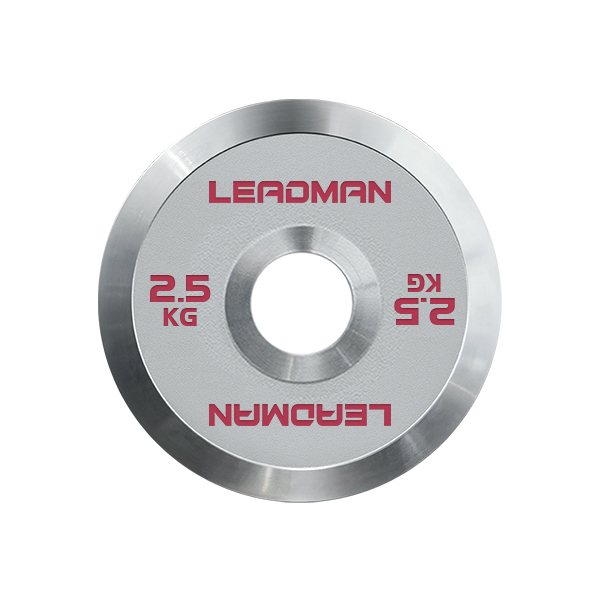
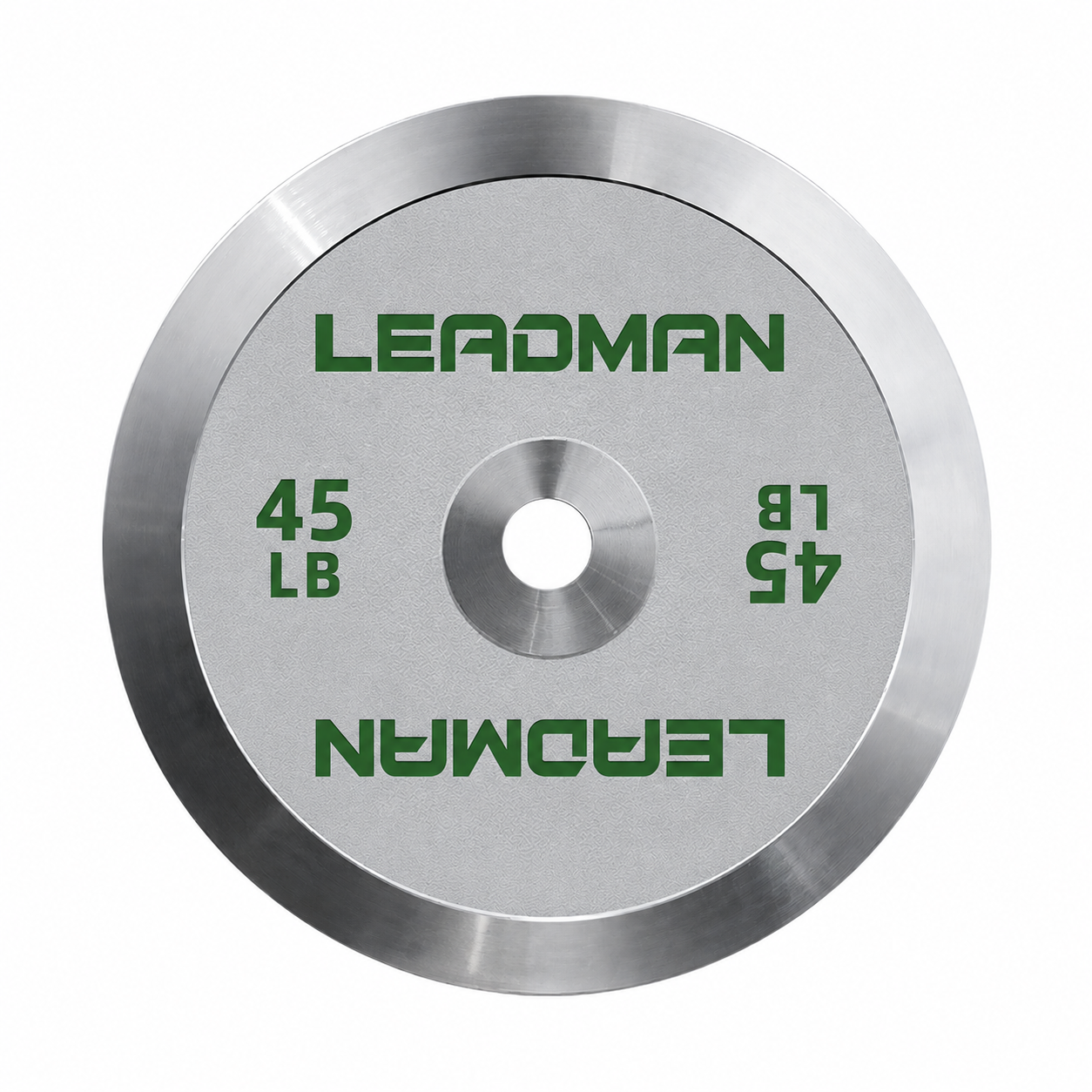
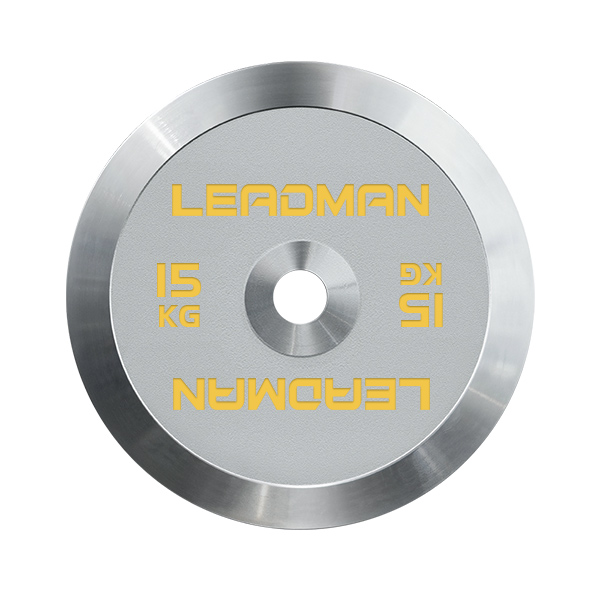
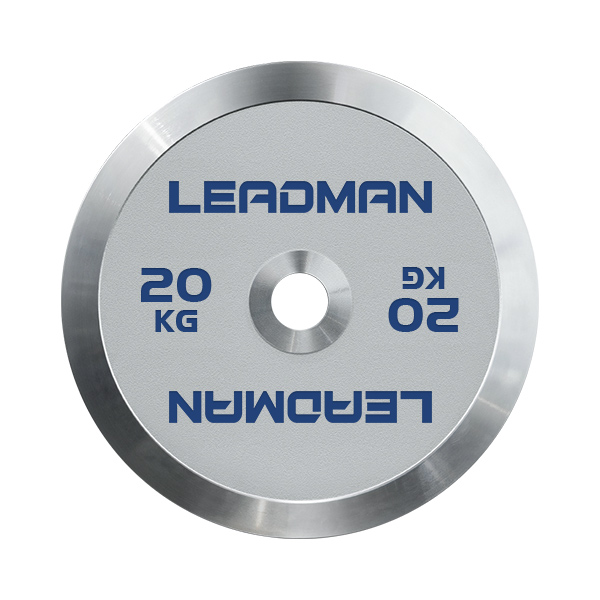
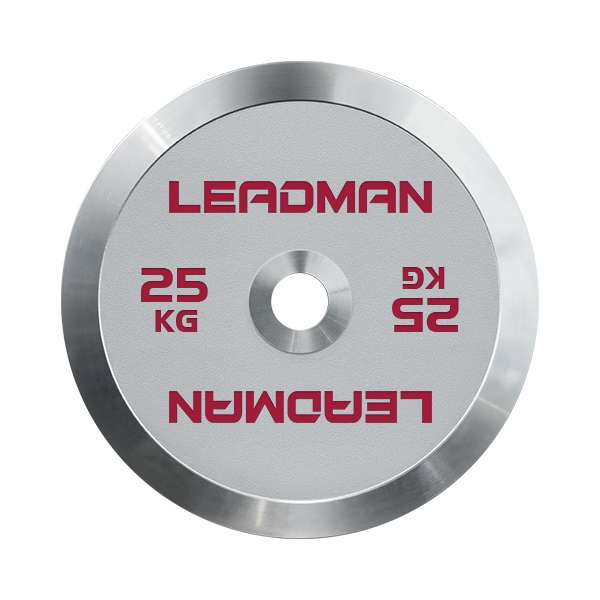
In the pursuit of continuous strength gains, the ability to implement precise resistance adjustments is paramount. The 2.5 kg cast iron weight plates serve as a critical tool for athletes and gym owners who require exact increments to facilitate progressive overload. Unlike larger weight jumps that can disrupt technical form or cause sudden fatigue, these plates allow for the granular calibration necessary for long-term development in disciplines such as powerlifting, weightlifting, and general strength conditioning.
These plates are engineered to integrate seamlessly into a wide array of training setups. Whether you are refining a bench press, optimizing a squat, or adjusting a deadlift, the 2.5 kg increment provides the subtle stimulus needed to break through plateaus. This level of precision is particularly beneficial for advanced lifters who have already mastered much heavier loads and must now focus on the minute adjustments required to drive neurological and muscular adaptation.
The utility of this specific weight extends beyond standard barbell training. They are highly effective for:
By incorporating these plates into your equipment inventory, you ensure that your training environment supports both foundational strength building and the high-precision demands of elite-level performance. The stability of the cast iron construction guarantees that each increment is predictable and reliable, which is essential for maintaining the integrity of a structured training program.
To maintain a professional training environment, equipment must adhere to strict dimensional and weight tolerances. Our 2.5 kg cast iron weight plates are manufactured using high-grade molten iron, ensuring a dense, uniform structure that resists cracking or deformation under repeated impact. This structural integrity is essential for maintaining the balance of a barbell during high-intensity movements.
The design features a precision-machined central bore, optimized for standard barbell sleeves. This ensures a snug fit that minimizes unwanted oscillation or "chatter" during lifts. While this specific model focuses on the 2.5 kg increment, it is part of a broader, highly standardized production line that allows for seamless integration with other weights in your facility. For those building a complete strength station, these plates complement a wide range of larger denominations, such as the 20 kg heavy-duty plates, to create a cohesive and scalable resistance system.
The following table outlines the physical characteristics and available configurations for this product line:
| Parameter | Specification Details |
|---|---|
| Core Material | High-Density Industrial Grade Cast Iron |
| Standard Weight Unit | 2.5 kg |
| Bore Diameter | Standardized for Olympic/Standard Barbell Sleeves |
| Surface Finish | Protective Black Powder Coating / Industrial Iron Finish |
| Shape Profile | Circular Precision-Molded Disk |
| Tolerance Level | Strict Weight Accuracy for Progressive Loading |
Each plate undergoes a rigorous quality check to ensure that the weight deviation remains within acceptable professional standards. This attention to detail ensures that when an athlete adds a pair of these plates to a barbell, the resulting 5 kg total increase is exactly as intended, facilitating the precise micro-loading required for advanced strength protocols.
The production of high-precision 2.5 kg cast iron weight plates requires a sophisticated metallurgical approach to ensure both durability and weight accuracy. Our manufacturing process begins with the selection of high-purity molten iron, which is poured into precision-engineered molds. This controlled cooling process is vital to prevent internal structural voids or surface irregularities that could compromise the plate's density and long-term performance during heavy lifting sessions.
Each mold is designed to maintain strict dimensional stability, ensuring that every plate produced shares a uniform thickness and diameter. This consistency is not merely aesthetic; it is a functional requirement for athletes who rely on balanced barbell distribution. By utilizing advanced casting techniques, we achieve a smooth, consistent edge profile that facilitates easy loading and unloading from barbell sleeves, reducing the friction and potential for damage to the bar's finish.
Following the casting stage, the plates undergo a multi-step finishing process to enhance their resistance to the gym environment. The surface is treated with a protective coating that serves several critical functions: it mitigates the risk of oxidation, provides a degree of impact resistance, and ensures a professional aesthetic. This treatment is essential for maintaining the equipment's appearance and structural integrity over years of intensive use in high-traffic commercial facilities or home gyms.
Quality control is integrated into every phase of the production cycle. Before leaving our facility, each batch of 2.5 kg plates is subjected to weight verification protocols. This ensures that the deviation remains within the strict tolerances required for professional-grade strength training. By prioritizing these manufacturing standards, we provide a product that lifters can trust for the most critical phases of their progressive loading cycles, where even minor inaccuracies can disrupt a structured training program.
The 2.5 kg cast iron weight plates are designed for versatility across a spectrum of physical training modalities. Because of their specific weight increment, they are particularly effective in scenarios where the margin for error in resistance adjustment is narrow. These plates are suitable for a wide range of users, from entry-level enthusiasts building foundational strength to professional athletes executing high-precision technical training.
These plates are most effective when used in environments that demand consistent, incremental resistance. Typical applications include:
To ensure a safe and productive training experience, users should adhere to several practical guidelines when handling these cast iron implements:
By understanding the specific role of the 2.5 kg increment, lifters can more effectively manage their training volume and intensity, ensuring that every session contributes meaningfully to their long-term strength objectives.
To preserve the structural integrity and professional appearance of your 2.5 kg cast iron weight plates, consistent maintenance is essential. While the high-density iron and protective coating are designed for durability, the gym environment—often characterized by humidity and temperature fluctuations—can affect the surface over long-term use. Implementing a basic care routine ensures that these plates remain a reliable component of your strength training arsenal for years to come.
The primary concern with cast iron equipment is the potential for surface oxidation, commonly known as rust. To mitigate this risk, it is recommended to keep the plates in a climate-controlled environment whenever possible. If the plates are stored in a high-humidity area, such as a basement or a garage gym, regular inspection is necessary. A simple way to maintain the finish is to wipe the plates with a dry, clean microfiber cloth after each training session. This removes accumulated sweat, chalk dust, and moisture that could otherwise settle on the metal surface and initiate corrosion.
Proper storage not only protects the equipment but also enhances gym organization and safety. When not in active use, these 2.5 kg plates should be organized systematically. We suggest the following storage practices:
By treating your equipment with these fundamental care steps, you extend the functional lifespan of your resistance gear. A well-maintained set of weights not only looks professional but also ensures that the precision of your 2.5 kg increments remains uncompromised by surface degradation or structural wear.
Selecting the right resistance increments is a strategic decision for both individual lifters and commercial facility managers. When sourcing 2.5 kg cast iron weight plates, it is essential to look beyond the nominal weight and consider the long-term utility of the equipment within your specific training ecosystem. High-quality plates should serve as a seamless extension of your existing barbell setups, providing predictable resistance that supports consistent progress.
Whether you are a gym owner looking to upgrade a professional training center or an individual building a high-performance home gym, several factors should guide your procurement process:
For commercial facilities, the procurement of 2.5 kg increments should be viewed as an investment in training density. These plates allow members to continue training effectively even when they are not ready for a major weight jump, thereby increasing the value of your facility's equipment. For home gym users, these plates offer a space-efficient way to add sophisticated resistance options without the high cost or bulk associated with adjustable plate systems.
By focusing on these technical and practical criteria during the selection process, you ensure that your investment provides reliable, long-term support for any strength-based training objective, from foundational movement patterns to elite-level performance calibration.
The integration of 2.5 kg cast iron weight plates into a professional training regimen provides a specialized solution for high-precision resistance management. These components are engineered to meet the exacting demands of athletes who require granular control over their loading cycles, ensuring that every incremental step toward a new personal record is backed by reliable, standardized equipment.
By adhering to the recommended maintenance and storage protocols, users can ensure the enduring performance and aesthetic quality of these plates. Whether utilized for breaking through a lifting plateau or as a foundational element in a comprehensive weight collection, these 2.5 kg plates serve as a robust tool for sustained physical development and professional-grade training excellence.
| Attributes | Values |
|---|---|
| Weight | 0.25kg,0.5kg,1.25kg,2.5kg,5kg,10kg,15kg,20kg,25kg |
| Logo | Customizable |
| Specification | Customizable,MOQ |
| Color | Red, Orange, Yellow, Green, Cyan, Blue, Purple, Customizable |
Verified Buyer
Colorful Kettlebells, a signature creation of Leadman Fitness, the esteemed fitn...
Sarah Henry
Standardized 15kg iron plates designed for consistent barbell resistance. These high-density plates support heavy lifting requirements in commercial and home training environments....
James R.
Upgrade your barbell setup with high-density 10kg cast iron weight plates. Engineered for precision, durability, and consistent weight standards in professional training environments....