
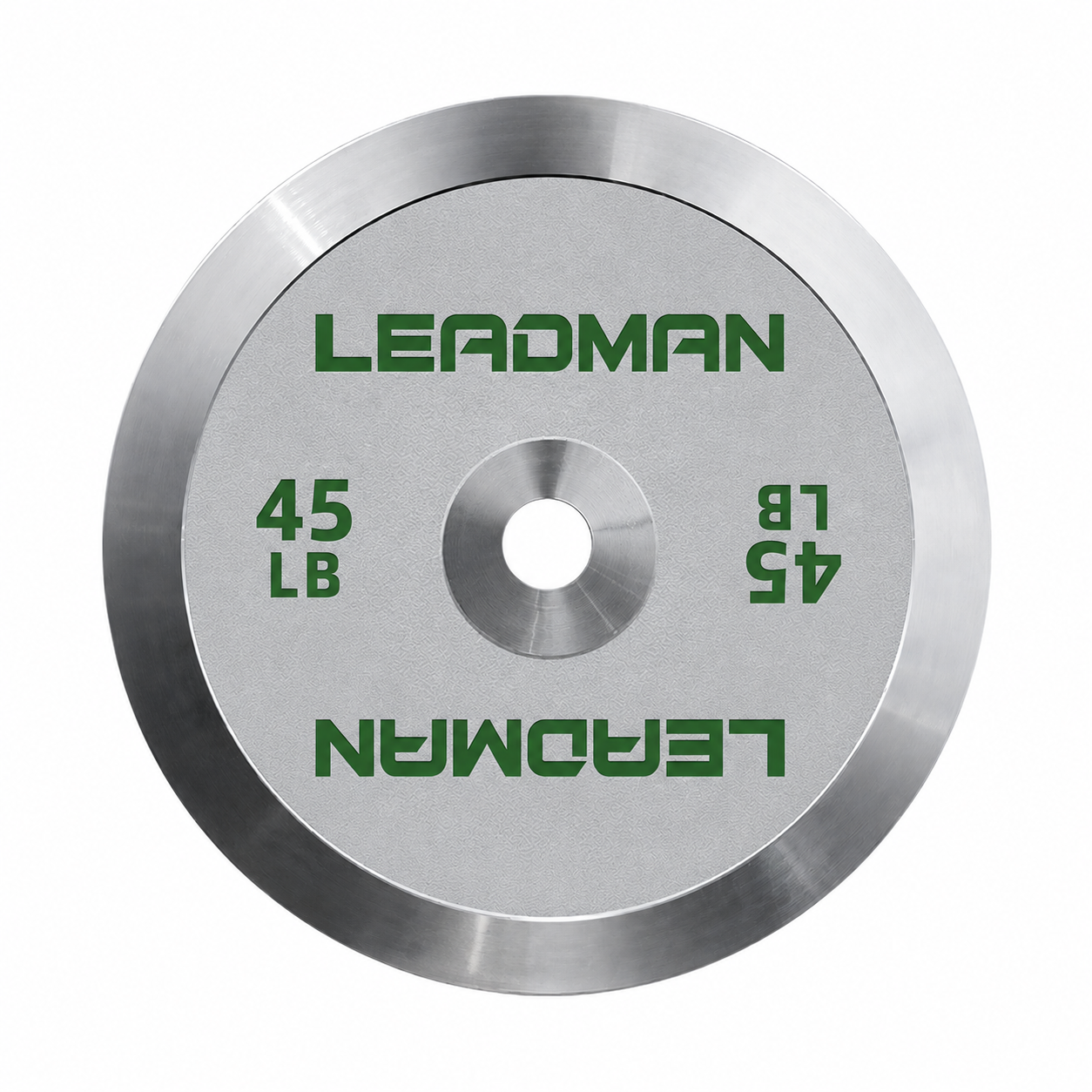
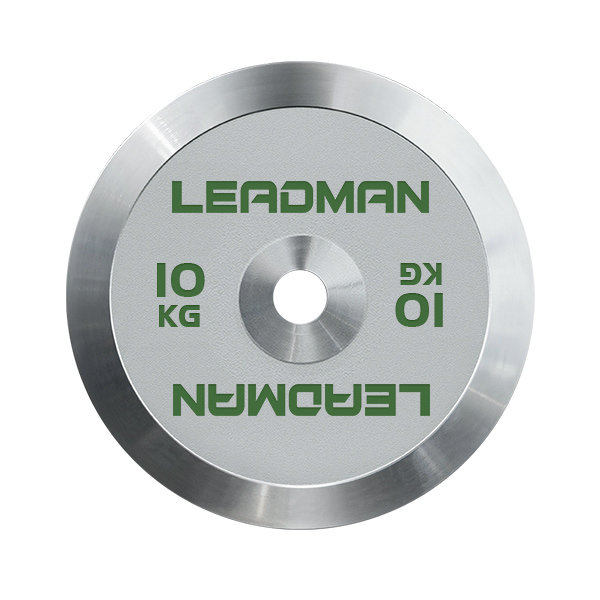
The 45 lb cast iron plate serves as a fundamental component for strength athletes, powerlifters, and gym owners seeking a consistent and durable training load. Unlike lighter increments, this specific weight provides the substantial resistance necessary for progressive overload in foundational movements such as the back squat, deadlift, and bench press. The high-density iron composition ensures that the center of gravity remains stable, which is critical when performing explosive or high-velocity lifts.
These plates are engineered to meet the physical demands of both high-traffic commercial facilities and dedicated home strength setups. The robust nature of the cast iron material allows it to withstand the impact of repeated loading and unloading from barbell sleeves. This durability makes them a preferred choice for environments where equipment longevity is a primary concern for operational efficiency.
Key functional advantages include:
For those building a comprehensive lifting station, these plates integrate seamlessly with a variety of cast iron plates of different denominations. Whether you are transitioning from foundational skill drills to heavy-load strength development, having a reliable 45 lb base allows for more predictable progression in your training cycles.
Precision in weight manufacturing is essential for maintaining training consistency and ensuring the safety of the athlete. The 45 lb cast iron plates are produced using advanced molding techniques to ensure that the density remains uniform throughout the entire structure. This level of control prevents imbalances that could lead to uneven loading on barbell sleeves during high-intensity movements.
The following table outlines the core physical attributes of our standard 45 lb cast iron series. These specifications are designed to ensure compatibility with standard strength training equipment and to provide a clear baseline for procurement planning.
| Attribute | Specification Detail | Standard Metric/Value |
|---|---|---|
| Material Composition | High-Density Industrial Grade Cast Iron | 100% Iron Alloy |
| Nominal Weight | 45 Pounds (lb) | ~20.41 Kilograms (kg) |
| Core Diameter | Standard Olympic Sleeve Fit | 50.8 mm (2 inches) |
| Surface Finish | Textured/Smooth Cast Finish | Industrial Black Coating |
| Shape Profile | Circular Concentric Design | Uniform Thickness |
| Primary Use Case | Barbell Weight Increment | Strength & Powerlifting |
Understanding these dimensions is crucial for gym owners and individual lifters alike. The 2-inch central bore ensures that these plates can be used with virtually all standard Olympic barbells, providing a secure fit that minimizes rattling. Because the weight is distributed through a dense iron core, the plates maintain a predictable center of mass, which is vital when layering multiple plates to reach higher total loads during advanced training sessions.
When planning a full equipment setup, it is helpful to consider how these 45 lb increments interact with other gear. For example, if your training involves more dynamic resistance or smaller weight adjustments, you might also look at various weight options to complement your barbell work. Having a structured approach to your weight increments—moving from these heavy-duty plates to more specialized implements—allows for a more sophisticated and well-rounded strength program.
The production of high-density 45 lb cast iron plates requires rigorous control over the thermal and structural properties of the metal. Our manufacturing process begins with the selection of high-purity iron alloys, which are melted in controlled industrial furnaces to ensure a consistent chemical composition. This foundational step is vital for preventing structural weaknesses or air pockets that could compromise the integrity of the plate under heavy loads.
Each plate is formed using high-precision sand casting or precision molding methods. By carefully managing the cooling rate of the molten iron, we achieve a uniform crystalline structure. This controlled solidification process results in a plate that is exceptionally dense and resistant to cracking or chipping. The central bore is specifically calibrated during the molding stage to ensure that the 2-inch diameter remains perfectly concentric, allowing for a seamless fit on Olympic barbell sleeves without any lateral wobble.
Following the initial casting, the plates undergo several stages of refinement to meet professional standards:
Our commitment to quality extends beyond the physical shape of the iron. We implement a multi-stage inspection protocol that checks for surface imperfections and structural density. This ensures that when a lifter reaches for a 45 lb plate for a heavy set, they are met with a piece of equipment that is both predictable in its weight and robust in its construction. This level of detail is what distinguishes professional-grade strength gear from standard consumer-level alternatives.
The 45 lb cast iron plate is a versatile implement designed for a wide spectrum of strength-based disciplines. Its substantial weight makes it particularly effective for athletes focusing on foundational compound movements that require significant resistance to trigger hypertrophy and neurological adaptation. Because of its density and predictable profile, it is a staple in both powerlifting and general strength conditioning environments.
These plates are ideally suited for several specific training contexts:
To ensure a productive and safe training session, users should adhere to the following professional guidelines when handling 45 lb cast iron plates:
Whether you are an advanced lifter aiming for a new personal record or a facility manager outfitting a new training zone, these plates provide the necessary structural reliability to support your objectives. Integrating these with other specialized gear, such as high-quality barbells, ensures a professional-grade training experience.
While cast iron is inherently a robust and resilient material, the longevity of your 45 lb training plates depends significantly on how they are treated after use. Maintaining a regular upkeep routine ensures that the industrial coating remains intact and that the structural integrity of the iron is preserved against the common environmental factors found in fitness facilities and home gyms.
The primary challenge for any cast iron equipment is oxidation, commonly known as rust. Although our plates are finished with a protective black coating, any micro-abrasions caused by frequent loading or contact with moisture can expose the raw iron underneath. To mitigate this risk, it is essential to keep the training area dry. If you are training in a high-humidity environment or a garage-style gym, consider the following maintenance steps:
Effective storage is not just about organization; it is about protecting your investment. For commercial facilities, utilizing heavy-duty plate trees is the most efficient way to manage 45 lb increments. This keeps the plates elevated and organized, making them easily accessible for athletes while keeping them off the ground. For home users, a wall-mounted rack or a compact vertical stand can save space while ensuring the plates remain in a controlled, dry environment.
By following these straightforward maintenance practices, you ensure that your cast iron plates remain a reliable part of your strength progression for years to most. A well-maintained set of weights not only looks more professional in a facility but also maintains its functional precision, ensuring that every training session is built on a stable and predictable foundation.
Selecting the right weight increments for a strength facility requires a strategic approach to both volume and variety. When sourcing 45 lb cast iron plates, procurement officers and gym owners should look beyond the individual unit and consider the long-term operational requirements of their training environment. A well-balanced inventory ensures that athletes can progress through training cycles without facing unexpected gaps in available resistance.
For those managing commercial or professional-grade training centers, the following factors are essential during the selection process:
Building a complete lifting station involves more than just purchasing heavy plates. A professional setup requires a thoughtful integration of different resistance types. For instance, while the 45 lb cast iron plate provides the heavy, stable base needed for barbell training, you may wish to complement your facility with lighter, more dynamic implements. Exploring a wide range of weight options can help create a versatile environment that supports both heavy powerlifting and functional conditioning.
When planning a large-scale procurement, we recommend evaluating the total footprint of your intended weight set. Consider how much space your storage solutions (such as weight trees or racks) will occupy once all increments are accounted for. A structured approach—starting with a robust foundation of 45 lb plates and building up with specialized increments—will result in a more organized, professional, and efficient training space.
For specific inquiries regarding bulk orders, customized weight configurations, or technical documentation for facility planning, please utilize our standard contact channels. We provide the necessary support to ensure your equipment selection meets the precise demands of your strength training programs.
The integration of high-density 45 lb cast iron plates into a training regimen provides a predictable and durable foundation for long-term strength development. By prioritizing equipment that adheres to strict manufacturing tolerances and professional-grade material standards, athletes and facility managers can ensure that their resistance protocols remain both safe and effective.
To maintain a high-performance training environment, focus on these essential operational pillars:
Whether the immediate goal is upgrading a private home gym or outfitting a high-traffic commercial lifting zone, the structural reliability and standardized dimensions of these plates offer a professional solution for modern strength training. A commitment to quality equipment selection and disciplined maintenance protocols will directly contribute to the longevity of the training station and the success of the athletes using it.
| Attributes | Values |
|---|---|
| Weight | 4KG,6kg,8kg,10kg,12kg,14kg,16kg,18kg,20kg,22kg,24kg,26kg,28kg,32kg,36kg,40kg,44kg,48kg,50kg,52kg,56kg,68kg,72kg,80kg,92kg,108kg |
| Logo | Customizable |
| Specification | Customizable,MOQ |
| Color | Red, Orange, Yellow, Green, Cyan, Blue, Purple, Customizable |
Sarah Henry
OCTO Competition Kettlebell: The Future of Functional StrengthIntroducing the OC...
Verified Buyer
Colorful Kettlebells, a signature creation of Leadman Fitness, the esteemed fitn...
James R.
Explore a wide range of premium stainless steel kettlebells, offering exceptional corrosion resistance and precise weight standards. These durable implements are engineered for rigorous strength conditioning and professional gym environments....