
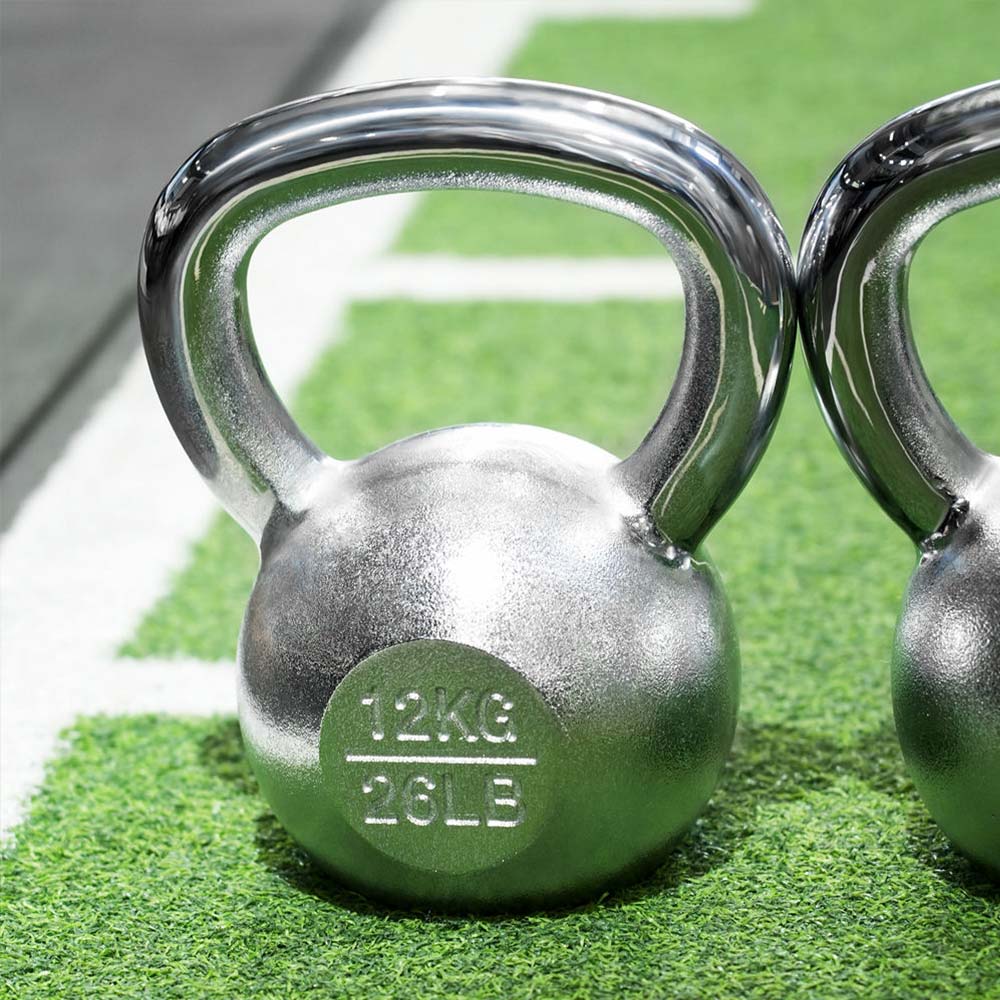
Our steel kettlebell collection provides a specialized solution for athletes and fitness professionals who require high-density, reliable resistance. Unlike lighter or more decorative fitness tools, these steel implements are engineered to withstand the high-impact nature of functional strength training, ballistic movements, and professional competition environments. Whether the objective is mastering technical skill work or developing maximal strength, the structural integrity of the steel construction ensures a consistent training experience.
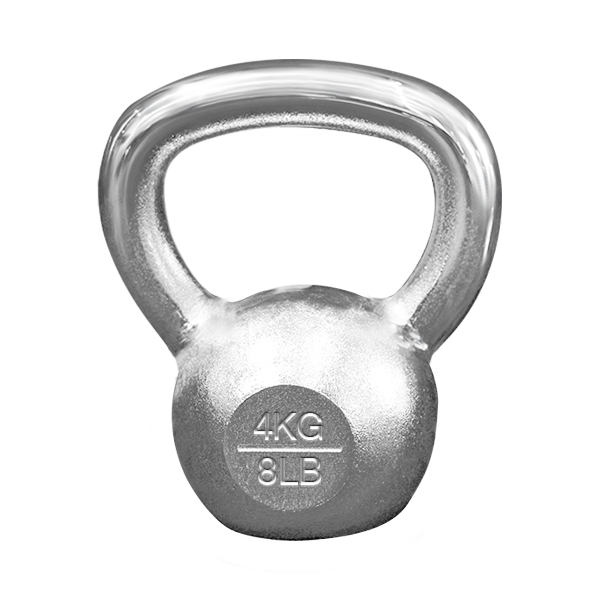
The selection is designed to accommodate every stage of a training progression. For beginners or those focusing on mobility and technical coordination, the lighter models like the 4kg skill training kettlebell offer the necessary resistance without overwhelming the user's grip or joint stability. As strength increases, the available increments allow for seamless transitions into more demanding phases, such as high-volume metabolic conditioning or heavy strength protocols.
The core advantages of choosing these steel models include:
These kettlebells are particularly effective for specialized training modalities. For instance, the 6kg standard kettlebell is a frequent choice for warm-ups and mobility-focused routines, while the heavier end of the spectrum serves the needs of advanced lifters and strength athletes requiring substantial resistance for power development.
To ensure seamless training progression and accommodate various athletic requirements, our steel kettlebell series is produced in a vast spectrum of weights. This extensive range allows practitioners to transition from foundational skill development to elite-level strength training without the need to switch between different product lines or manufacturing styles. Each weight is calibrated to maintain the standardized diameter and balance expected in professional training environments.
The following table outlines the available weight increments and the typical application profile for different segments of the collection. This data is intended to assist gym owners, coaches, and individual athletes in planning their equipment procurement and training cycles.
| Weight Class (kg) | Primary Training Focus | Typical User Profile | Recommended Use Case |
|---|---|---|---|
| 4kg - 8kg | Mobility, Coordination & Skill Work | Beginners, Juniors, Physical Therapy | Warm-ups, technical drills, wrist stability |
| 10kg - 20kg | Functional Fitness & Conditioning | Intermediate Athletes, General Fitness | High-rep swings, goblet squats, metabolic conditioning |
| 22kg - 40kg | Strength Development & Power | Advanced Lifters, Cross-Training Athletes | Snatch, clean & jerk, heavy ballistic movements |
| 44kg - 72kg | Maximal Strength & Heavy Loading | Professional Strength Athletes, Strongman | Heavy unilateral training, high-load functional lifting |
| 80kg - 108kg | Extreme Resistance & Competition | Elite Power Athletes, Heavyweight Specialists | Maximal capacity testing, extreme strength protocols |
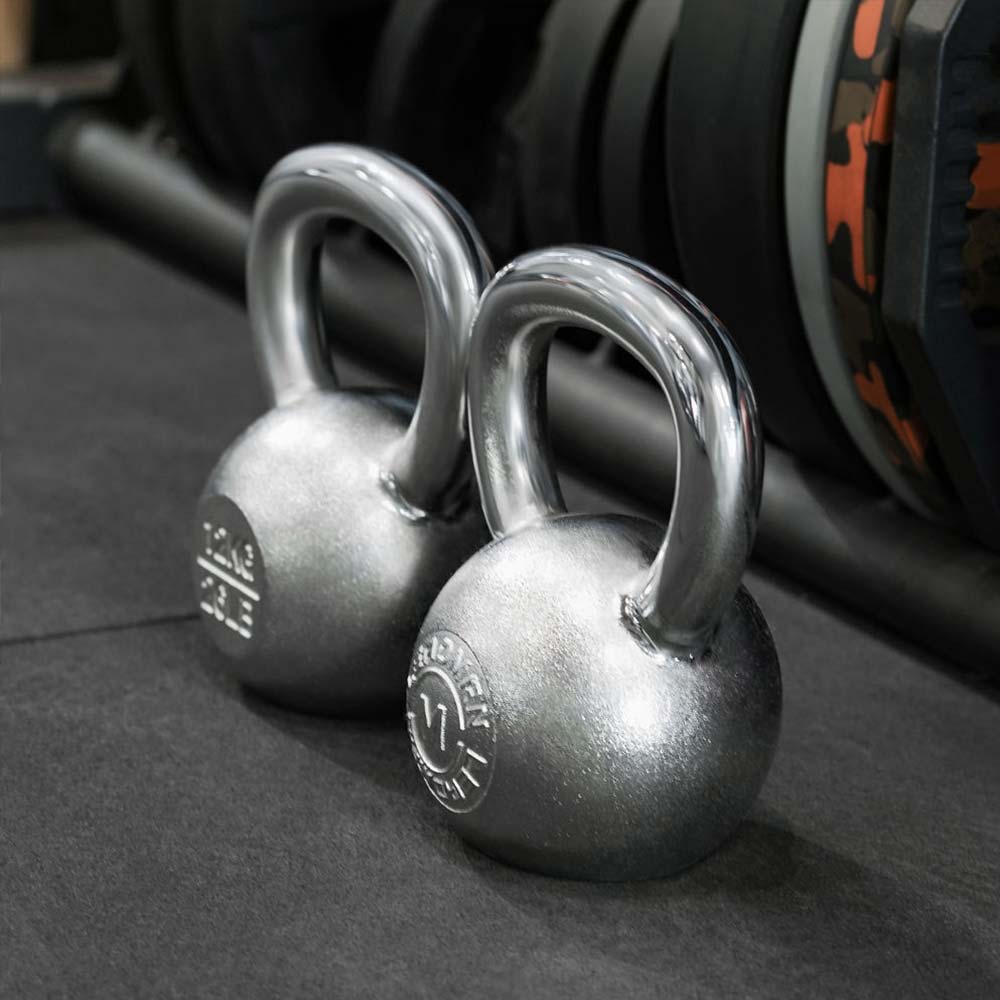
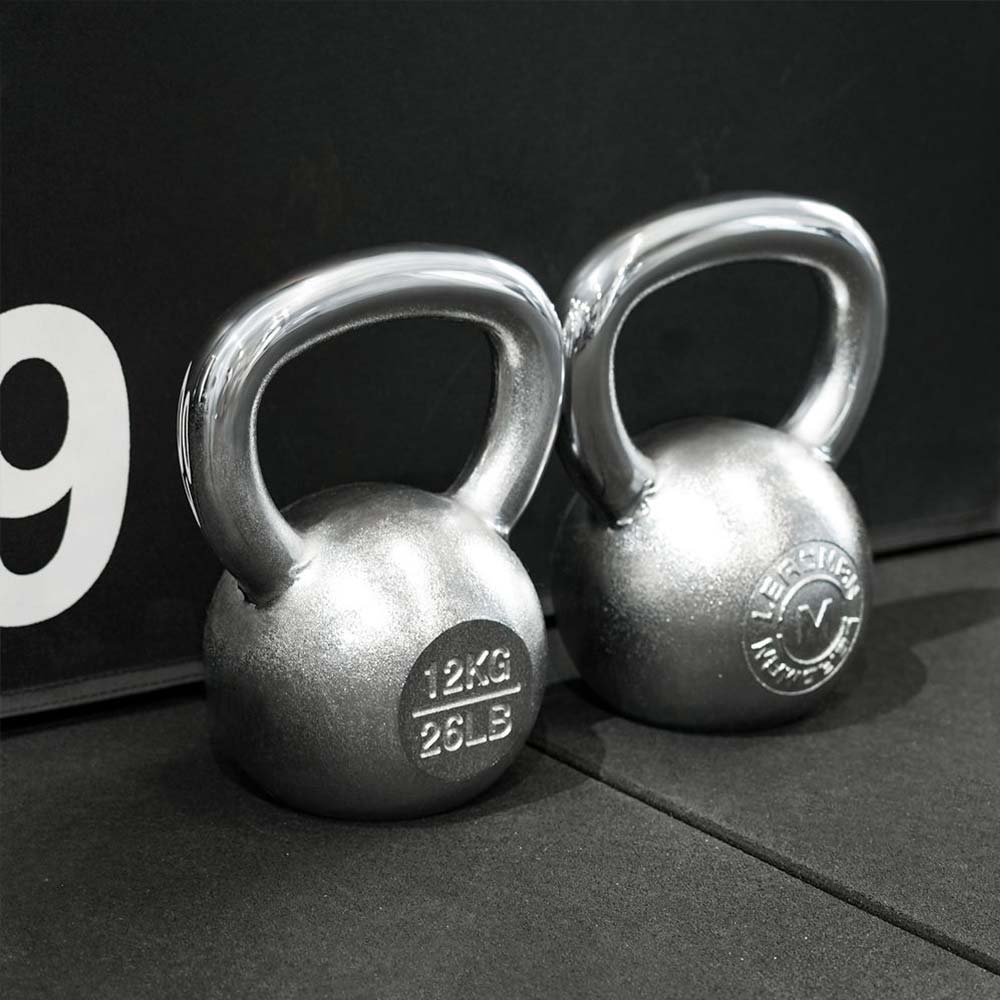
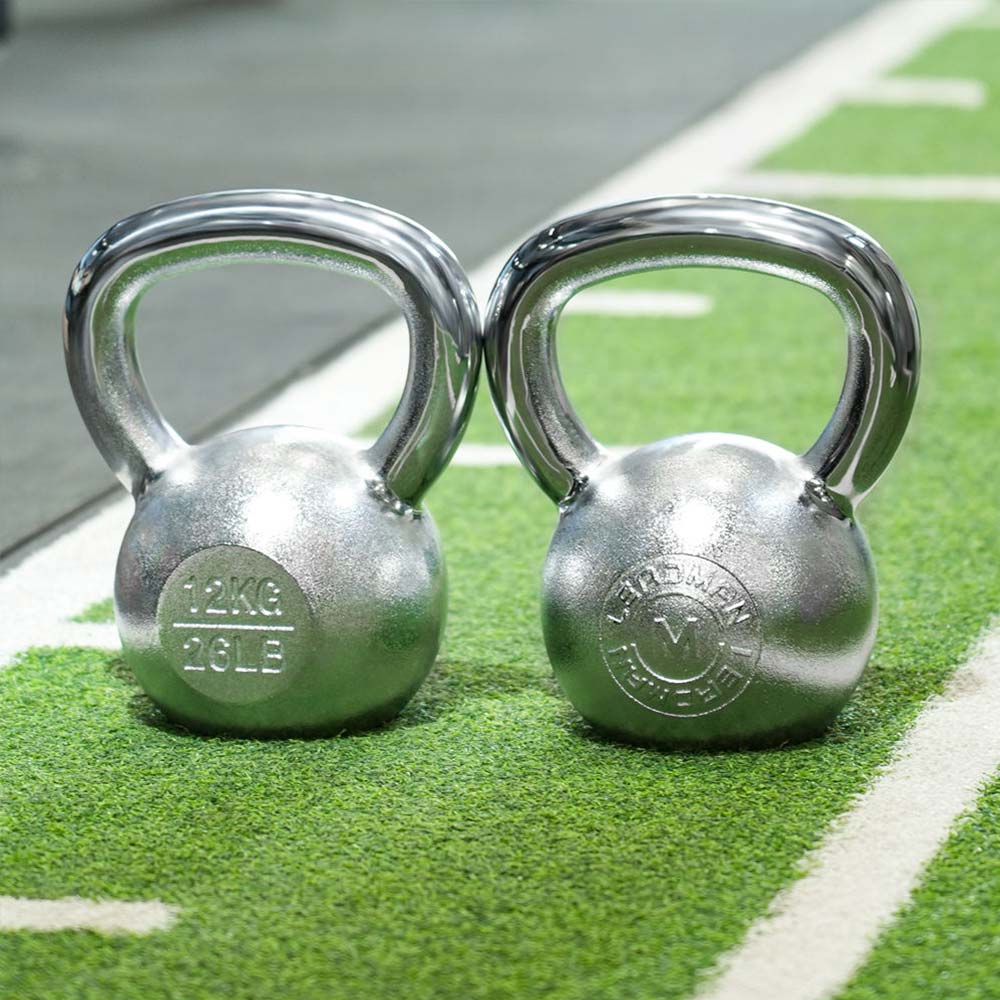
Beyond the weight itself, the physical dimensions are optimized for ergonomic efficiency. The handle diameter is engineered to facilitate a secure grip even during high-volume, high-intensity sessions where grip fatigue is a factor. The steel body features a smooth, consistent surface finish, ensuring that the transition between the bell and the handle remains fluid during complex movements. For those requiring specific visual identification, we also provide color-coded options, such as the pink weight steel kettlebell or the blue weight steel kettlebell, which assist in rapid weight recognition during fast-paced circuit training.
Every unit in this series undergoes rigorous quality control to ensure that the weight accuracy meets the high standards required for both commercial gym use and competitive training. This precision is vital for maintaining the integrity of training data and ensuring that progression is based on actual resistance increments.
The production of our steel kettlebells relies on advanced casting and machining processes designed to achieve high-density uniformity. Each implement is crafted from premium-grade steel, ensuring that the internal mass distribution is perfectly centered. This structural consistency is vital for preventing unwanted eccentric loading during high-velocity ballistic exercises, such as the kettlebell swing or snatch, where any deviation in the center of gravity could compromise athlete safety and technical precision.
Our manufacturing workflow begins with high-precision casting techniques that minimize air pockets and structural imperfections. Once the basic bell shape is established, the units undergo a rigorous grinding and polishing phase. This step is essential for creating a smooth, seamless transition between the handle and the bell body. A refined surface finish reduces the risk of skin abrasions and ensures that the tool remains comfortable to use even when hand friction increases during prolonged training sessions.
The handle itself is engineered with a focus on ergonomic stability. We utilize specialized machining to ensure the handle diameter remains consistent throughout the entire circumference. This standardization allows athletes to develop a reliable "feel" for the implement, which is a prerequisite for mastering advanced technical movements. Whether you are utilizing a 20kg competition-grade kettlebell or one of our extreme heavyweights, the grip stability remains predictable and professional.
To maintain the high standards expected by commercial gym operators and professional coaches, every batch of kettlebells undergoes a multi-stage inspection process. This includes:
This commitment to quality ensures that every piece in our collection, from the lightest skill-building tools to the heaviest professional implements, delivers the reliability required for serious physical development. By focusing on these granular manufacturing details, we provide equipment that supports long-term athletic progression and maintains its functional integrity over years of intensive use.
The diverse weight range of our steel kettlebell series allows for highly specialized training protocols tailored to specific athletic objectives. Because these implements are constructed from high-density steel, they provide the necessary centrifugal force and stability required for advanced ballistic movements. Understanding how to deploy different weights within a session is essential for maximizing both technical proficiency and physiological adaptation.
Different segments of the collection serve distinct functional purposes within a comprehensive training regimen:
To ensure a safe and productive training environment, users should adhere to several practical guidelines regarding the use of steel implements:
First, always ensure that the training surface is stable and appropriate for the weight being used. While the steel construction is exceptionally durable, dropping heavy kettlebells (such as those in the 50kg+ range) onto unprotected concrete can cause structural vibration or damage to the flooring. We recommend using high-density rubber mats to dampen impact and protect both the equipment and your facility.
Second, maintain awareness of grip conditions. Even with a refined surface finish, perspiration during high-intensity sessions can affect friction. It is advisable to use chalk if necessary and to ensure the handle is clear of any debris. Furthermore, when transitioning between weight increments, ensure that the new load is appropriate for your current technical mastery to prevent injury during ballistic transitions.
Finally, when training in a commercial or shared environment, be mindful of the clearance required for larger-diameter bells. As the weight increases, the physical size of the bell also expands, necessitating a wider "safety zone" around the athlete during rotational or swinging movements.
To preserve the structural integrity and surface aesthetics of your steel kettlebells, consistent maintenance is required. Although the high-density steel used in our manufacturing process is exceptionally robust, it remains susceptible to environmental factors such as humidity and oxidation if not handled correctly. Proper care ensures that your equipment remains a reliable asset for your training facility or home gym for many years.
The most critical aspect of maintaining steel implements is moisture control. After every training session, especially those involving high-intensity metabolic conditioning where perspiration is prevalent, it is essential to wipe the bell and handle with a clean, dry cloth. This step removes salt and moisture residue that can act as catalysts for surface oxidation. If the kettlebells are used in environments with high ambient humidity, a more thorough drying process may be necessary to prevent the onset of surface rust.
For advanced users who utilize a variety of weights, such as transitioning from a 10kg training bell to heavier models, maintaining a consistent cleaning routine across the entire collection helps prevent cross-contamination of oils and debris between different implements. If any minor surface discoloration occurs, it can often be addressed with a non-abrasive cleaning agent, but frequent moisture removal is the most effective preventative measure.
Where and how you store your kettlebells significantly impacts their longevity. We recommend the following storage protocols:
By implementing these simple yet effective maintenance and storage habits, you protect your investment and ensure that your steel kettlebells remain in peak functional condition, ready for the next rigorous training session.
Acquiring the right equipment requires a clear understanding of both your immediate training needs and your long-term developmental goals. When selecting from our steel kettlebell series, it is important to consider whether you are building a foundational home gym, outfitting a high-traffic commercial fitness center, or sourcing specialized implements for a competitive sports program. Because our range extends from 4kg up to 108kg, the possibilities for customization and scaling are extensive.
For individual athletes and home gym enthusiasts, we often recommend starting with a versatile selection of weights that cover the most common training phases. A balanced set might include a lighter model for technical drills, a mid-range weight for metabolic conditioning, and a heavier implement for strength building. This approach ensures you can progress through various training modalities without the need for frequent, large-scale reinvestment.
For commercial facility owners and professional coaches, the procurement strategy shifts toward durability and standardization. In these environments, the ability to provide a consistent experience across a wide spectrum of weights is paramount. Whether you are looking for a specific 26kg competition-grade bell for a class or a massive 100kg+ implement for a strength corner, ensuring that all units meet the same manufacturing and quality standards is essential for maintaining professional credibility.
We understand that large-scale fitness projects often have unique requirements. Beyond our standard weight specifications, we offer several avenues for tailored procurement:
When preparing your order, we encourage you to evaluate the total footprint of your intended training area. As you move into the heavier weight classes, the physical dimensions of the bells increase, which may influence your rack configurations and floor space requirements. For any specific inquiries regarding shipping logistics for high-density heavyweights or custom requests, please utilize our contact channels to connect with our sales specialists.
The selection of high-density steel kettlebells represents a long-term investment in both physical capability and equipment reliability. By prioritizing standardized dimensions and precision weight distribution, these implements provide a stable foundation for athletes moving from foundational skill work to elite-level strength protocols. The inherent durability of the steel construction ensures that the equipment remains a functional asset through years of high-impact, ballistic training sessions.
To ensure the highest level of utility and safety within your training environment, focus on these essential operational pillars:
Whether you are outfitting a specialized strength corner or a comprehensive commercial fitness center, the availability of a complete weight spectrum—from 4kg to 108kg—allows for a seamless, scalable approach to physical conditioning and professional competition preparation.
| Attributes | Values |
|---|---|
| Weight | 4KG,6kg,8kg,10kg,12kg,14kg,16kg,18kg,20kg,22kg,24kg,26kg,28kg,32kg,36kg,40kg,44kg,48kg,50kg,52kg,56kg,68kg,72kg,80kg,92kg,108kg |
| Logo | Customizable |
| Specification | Customizable,MOQ |
| Color | Customizable |
Sarah Henry
High-density 108kg polyurethane kettlebell engineered to safeguard premium gym floors. This extreme-weight resistance tool provides consistent grip and durability for professional strength athletes....
Michael T.
Precision Engineering for Professional Strength DevelopmentThe 12kg competition...
James R.
Understanding Competition-Grade Kettlebell EngineeringProfessional strength trai...