
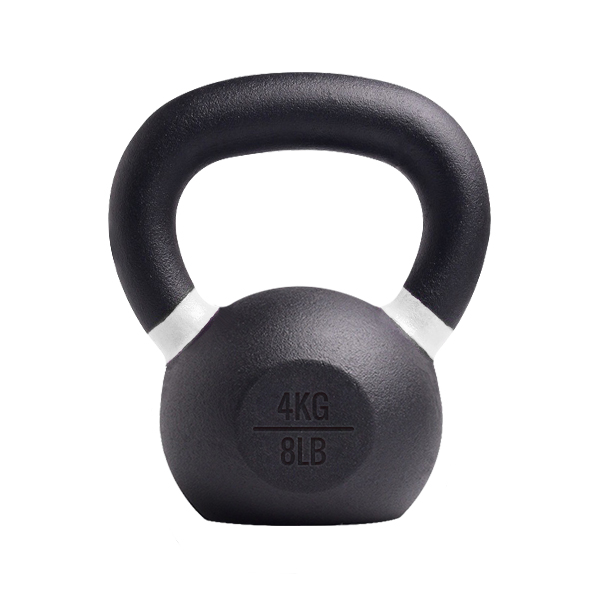
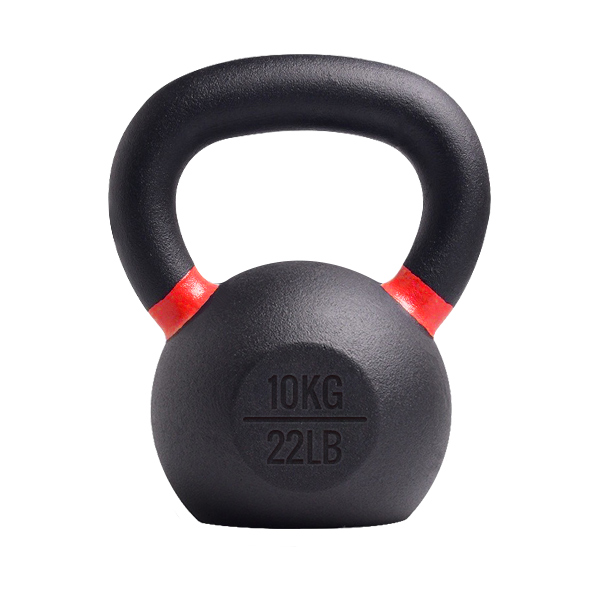
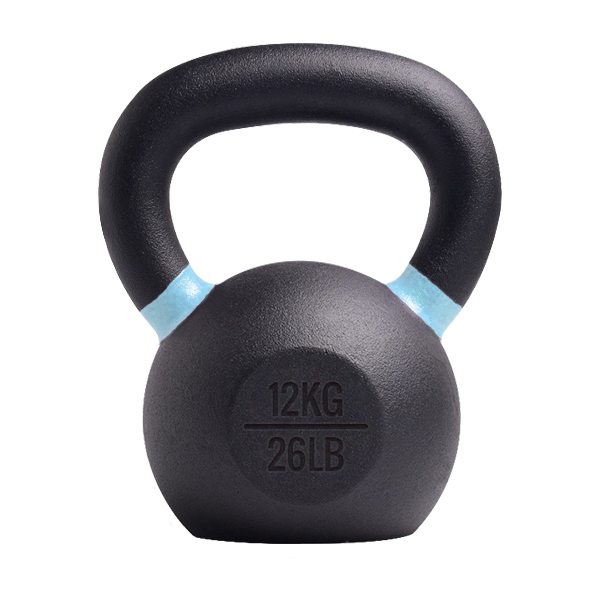
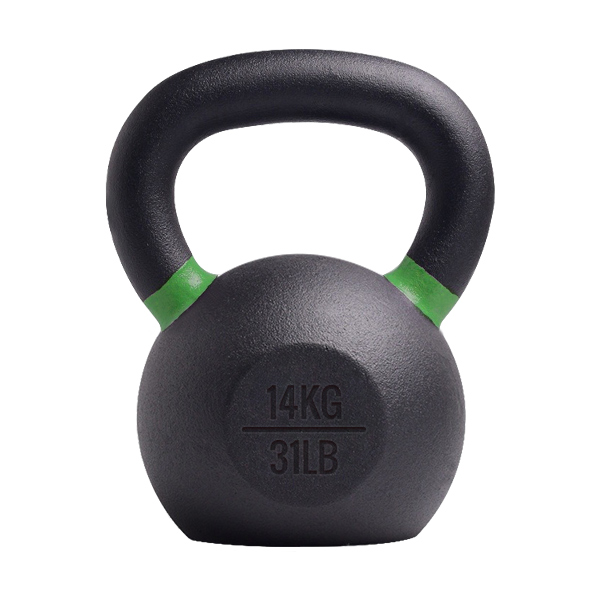
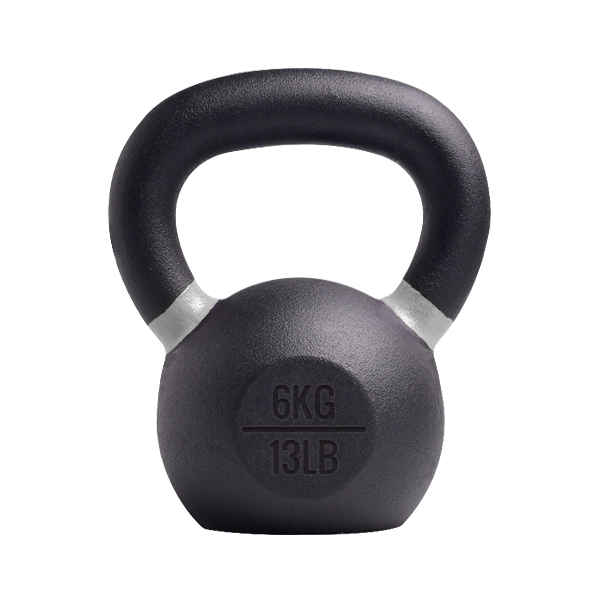
The 4kg cast iron kettlebell serves as a specialized tool designed for the earliest stages of functional movement training. Unlike heavier implements that demand significant muscular force, this lightweight version prioritizes the refinement of technical patterns, balance, and joint mobility. It is an essential asset for athletes focusing on proprioception, coordination, and the mastery of complex ballistic movements before transitioning to higher resistance loads.
This specific weight is particularly effective in several high-utility training contexts:
By focusing on the mechanics of the swing or the precision of the press with a 4kg load, users can build the requisite neurological pathways and stability needed for more advanced training. As proficiency increases, the transition to a 6kg cast iron kettlebell or other heavier increments becomes a natural progression in a structured strength program.
Precision in weight distribution is critical, even at the lower end of the resistance spectrum. The 4kg cast iron kettlebell is manufactured to ensure that the center of gravity remains consistent, allowing for predictable movement during high-repetition skill drills and mobility work. This standardization ensures that athletes can rely on the implement for technical calibration without worrying about weight fluctuations that might disrupt their form.
The construction utilizes high-density cast iron, a material chosen for its durability and ability to maintain a compact profile. This compact design is particularly beneficial for lightweight training, where a bulky bell could interfere with the natural range of motion during complex unilateral exercises or joint mobilization routines.
| Feature Attribute | Detailed Specification |
|---|---|
| Core Material | High-Density Cast Iron |
| Nominal Weight | 4.0 kg |
| Primary Application | Mobility, Skill Drills, & Beginner Training |
| Handle Type | Ergonomic Cast Design |
| Surface Texture | Natural Cast Finish (Smooth for Skill Work) |
| Weight Tolerance | Standardized Manufacturing Precision |
Understanding these parameters helps coaches and practitioners integrate the tool into a broader training ecosystem. For those requiring a more substantial load for strength-focused protocols, the transition through our available weight options provides a seamless path from foundational skill acquisition to advanced ballistic training. Each unit is designed to withstand the rigors of both commercial gym environments and home studio setups, ensuring long-term reliability for repetitive, high-frequency movement patterns.
The production of our 4kg cast iron kettlebells follows a rigorous casting process designed to eliminate structural vulnerabilities and ensure long-term durability. By utilizing high-grade molten iron and precision molds, we achieve a uniform density throughout the entire body of the bell. This meticulous approach prevents the formation of air pockets or internal inconsistencies that could compromise the balance or the longevity of the implement during high-frequency use.
Each unit undergoes a multi-stage finishing process to ensure it meets the demands of both technical drills and professional gym environments. The casting process is optimized to produce a smooth, continuous handle transition, which is vital for users performing high-repetition skill work where grip stability and comfort are paramount. This level of control in the manufacturing phase ensures that the tool remains a reliable constant in a practitioner's training regimen.
Quality control is embedded at every step of the fabrication cycle. We implement several key checkpoints to maintain high standards:
This dedication to craftsmanship ensures that the 4kg model is not merely a lightweight placeholder, but a professional-grade instrument. Whether it is being used for delicate mobility routines or as the starting point for a serious strength journey, the structural integrity of the cast iron remains uncompromised, offering a stable and predictable resistance profile for every session.
The 4kg cast iron kettlebell is engineered to serve specific roles within a broader fitness regimen, particularly where high-velocity movement or extreme precision is required. Because the weight is relatively low, it allows the practitioner to focus entirely on the quality of the movement path rather than the brute force required to move a heavy load. This makes it an indispensable tool for developing the neurological "groove" necessary for advanced ballistic lifting.
Different demographics can utilize this implement to achieve varied physiological outcomes:
To ensure the highest level of safety and efficacy, users should adhere to the following practical recommendations:
When performing ballistic movements like the snatch or swing, even with a 4kg weight, it is essential to maintain a neutral spine and engage the posterior chain. The lightness of the bell can sometimes lead to a false sense of security, potentially resulting in rushed or sloppy mechanics. Practitioners should prioritize tempo and control over speed to ensure the movement pattern is correctly etched into muscle memory.
For those engaged in mobility-focused sessions, such as using the kettlebell for hip or shoulder openers, ensure the movement is fluid and synchronized with breathing. The 4kg resistance should act as a gentle guide to deepen the stretch rather than a force to be fought. Always perform these drills on a stable, non-slip surface to prevent any accidental slips during high-repetition technical work.
As a product composed of high-density cast iron, the 4kg kettlebell requires specific care to maintain its structural integrity and aesthetic finish over extended periods of use. While cast iron is inherently robust, it is susceptible to oxidation and surface degradation if exposed to uncontrolled environmental factors. Implementing a consistent maintenance routine ensures that the implement remains a reliable tool for both technical drills and professional training environments.
The primary concern with cast iron equipment is the development of rust, which can occur when moisture is trapped on the surface. To mitigate this risk, users should follow these essential steps after every training session:
Where and how you store your kettlebells significantly impacts their functional lifespan. For home users and commercial facility managers alike, the following storage guidelines are recommended:
Avoid storing the 4kg kettlebell directly on damp concrete floors or in unventilated, high-humidity areas such as basements or outdoor sheds. Ideally, the implement should be kept in a climate-controlled indoor environment. If you are utilizing a dedicated weight rack, ensure the rack is positioned away from direct water sources or high-moisture zones. For those using the kettlebell in a physical therapy or rehabilitation setting, maintaining a clean and dry storage area is particularly important to ensure the tool remains hygienic and ready for frequent handling.
By adhering to these straightforward maintenance practices, you ensure that the precision and balance of the cast iron remain intact, allowing for a seamless transition into higher weight increments as your training progresses.
Selecting the appropriate resistance tools is a foundational step in building a sustainable training environment, whether for a private studio or a large-scale commercial facility. When sourcing the 4kg cast iron kettlebell, procurement professionals and individual athletes should look beyond the initial weight specification to evaluate the long-term utility and durability of the implement. Because this specific weight is often utilized for high-frequency technical drills and mobility work, the consistency of the casting and the quality of the handle geometry are paramount.
When integrating these implements into a professional setting, consider the following factors to ensure a high return on investment:
We understand that different training contexts may require specific nuances in equipment delivery. Whether you are an independent coach looking for a few precision tools for mobility work or a facility manager coordinating a large-scale equipment refresh, we provide clear channels for communication. For detailed inquiries regarding bulk orders, shipping logistics, or specialized manufacturing requirements, please use our contact page to connect with our technical team.
By prioritizing quality-driven sourcing, you establish a reliable foundation for your strength and conditioning programs. A well-chosen 4kg kettlebell is not just a single piece of equipment; it is the first step in a long-term developmental journey that supports physical literacy, technical mastery, and progressive strength gains.
The integration of the 4kg cast iron kettlebell into a training regimen provides a specialized pathway for skill mastery and physical literacy. By prioritizing technical precision over heavy load, practitioners can establish a robust foundation that supports advanced athletic development and long-term physical health.
As training objectives evolve, the reliability of this foundational tool ensures a seamless transition through the various weight increments available, supporting a lifetime of functional strength and movement proficiency.
| Attributes | Values |
|---|---|
| Weight | 4KG,6kg,8kg,10kg,12kg,14kg,16kg,18kg,20kg,22kg,24kg,26kg,28kg,32kg,36kg,40kg,44kg,48kg,50kg,52kg,56kg,68kg,72kg,80kg,92kg,108kg |
| Logo | Customizable |
| Specification | Customizable,MOQ |
| Color | Red, Orange, Yellow, Green, Cyan, Blue, Purple, Customizable |
Sarah Henry
Technical Specifications and Physical ParametersThe 24kg special shaped kettlebe...
Verified Buyer
PU Kettlebells, a product by Leadman Fitness, a prominent fitness equipment manu...
James R.
Cast Iron Vinyl Kettlebell...