
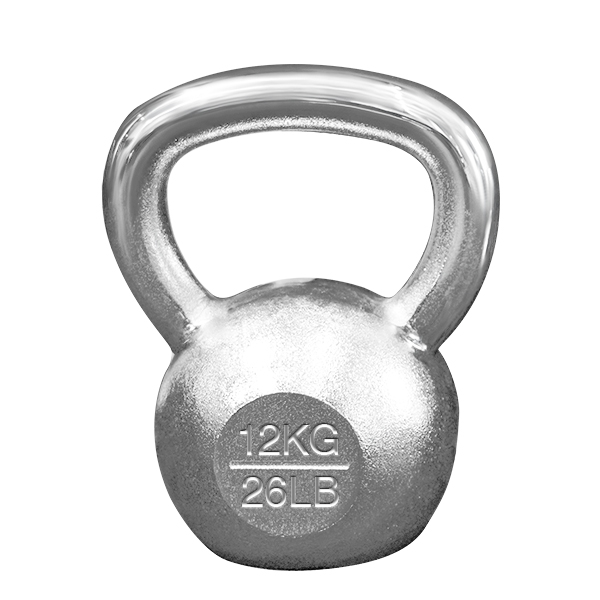
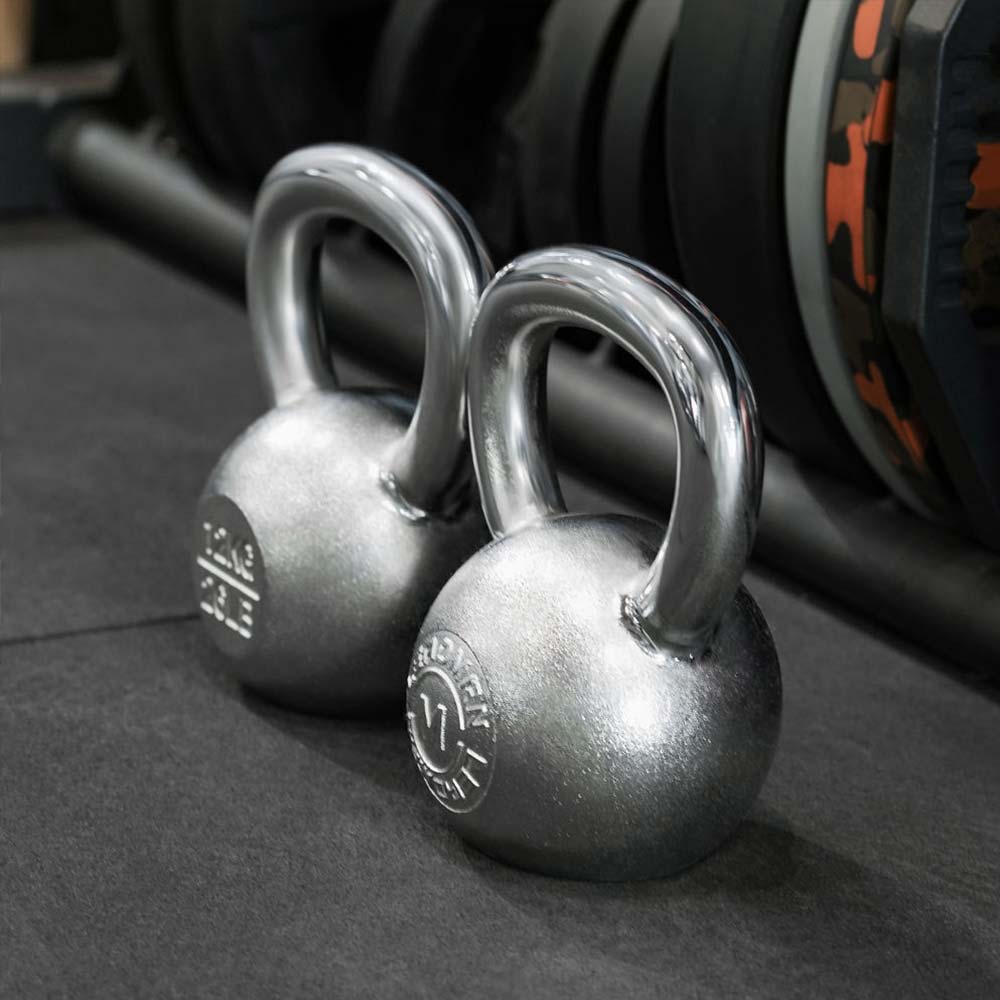
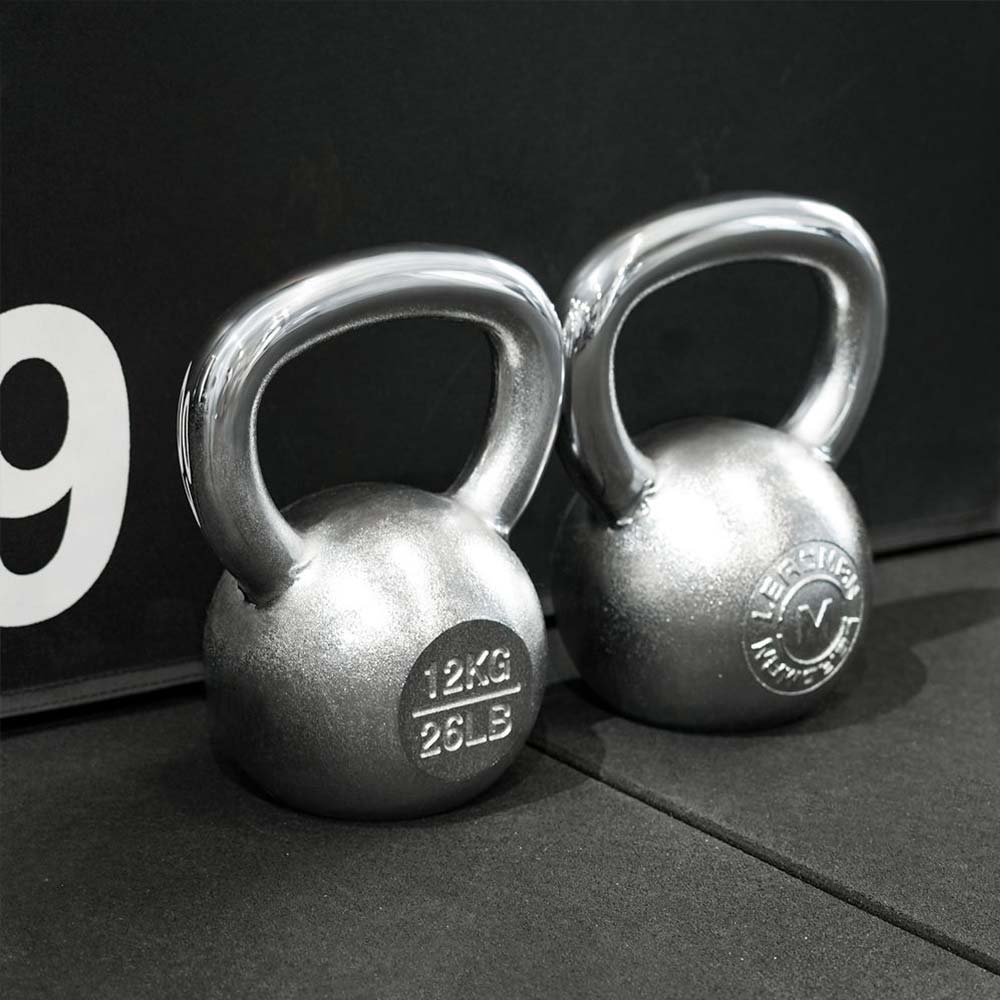
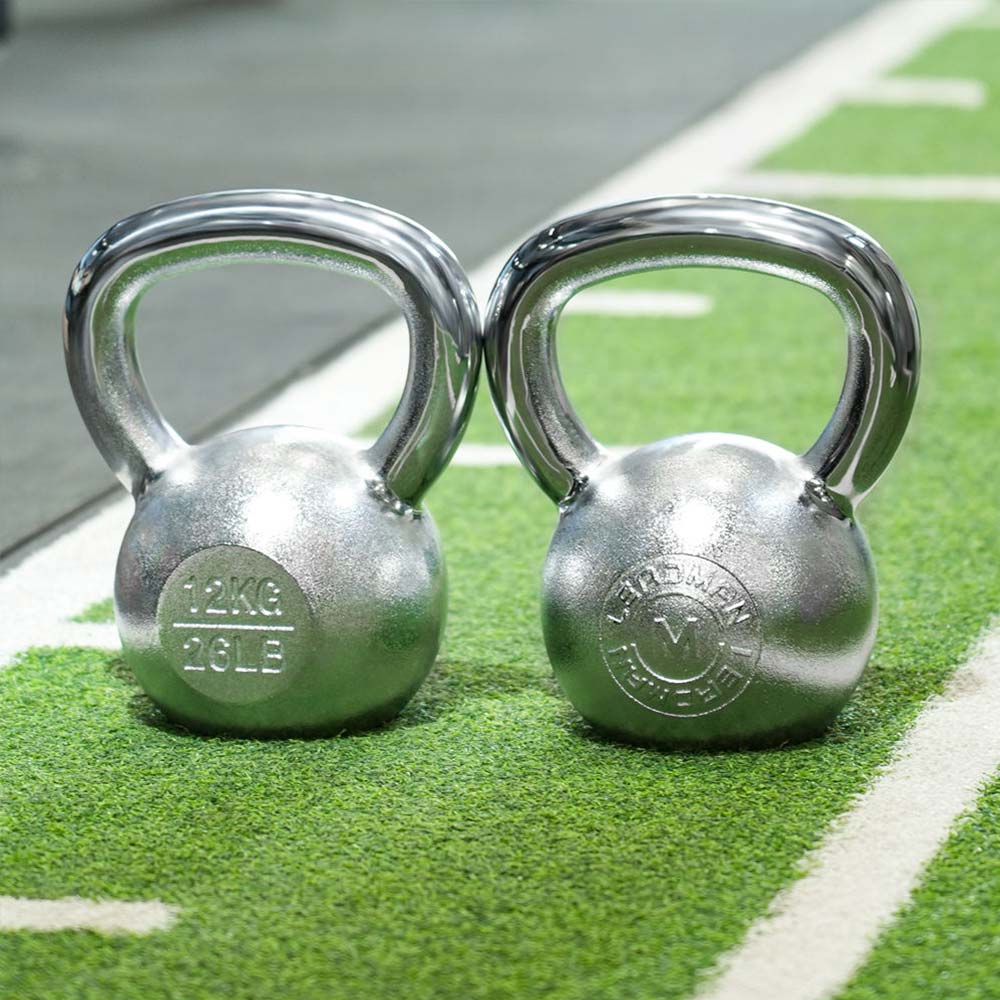
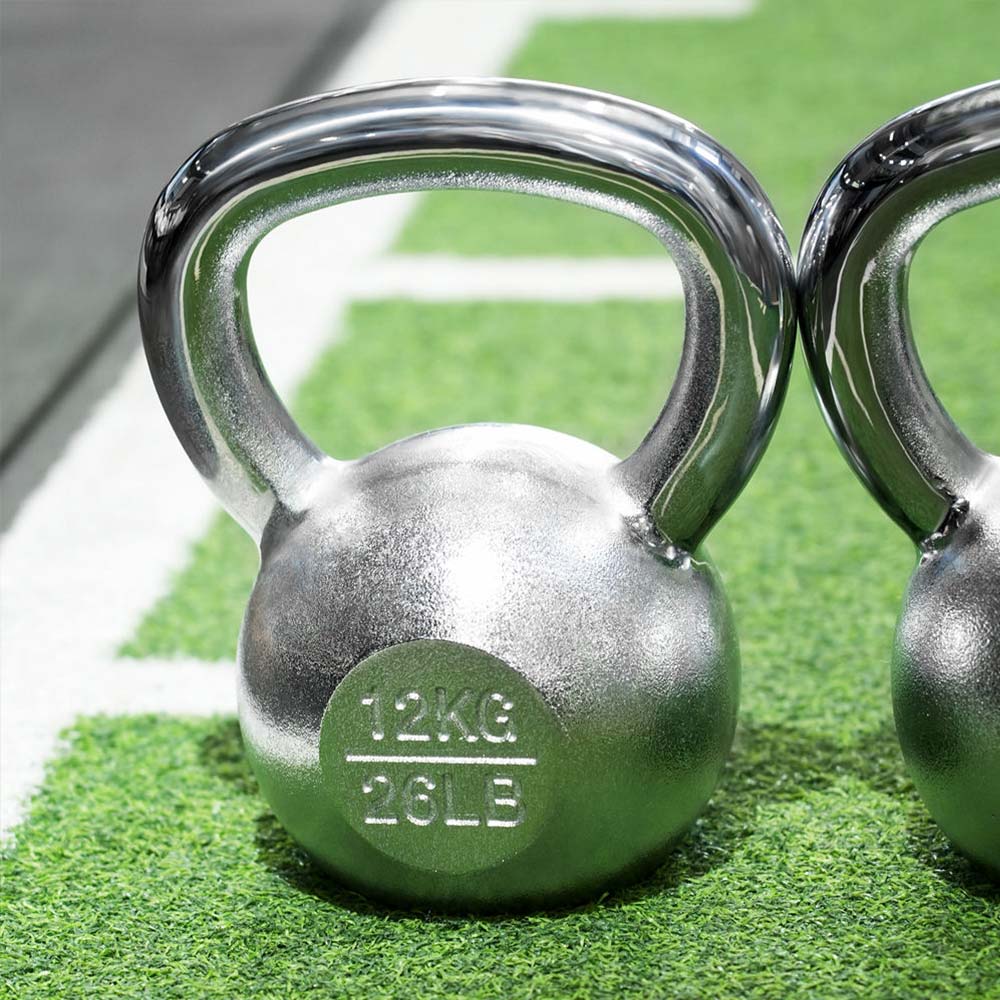
The 12kg steel kettlebell is engineered to serve as a foundational tool for athletes transitioning from light skill-based movements to more demanding functional strength protocols. By utilizing high-density steel, the implement provides a predictable center of mass, which is critical for maintaining stability during complex ballistic movements such as snatches, cleans, and Turkish get-ups. This level of precision ensures that the resistance remains constant throughout the entire range of motion, allowing users to focus entirely on technical execution rather than compensating for weight fluctuations.
Unlike many entry-level implements that may suffer from uneven weight distribution, our steel construction follows rigorous manufacturing standards to ensure every unit meets specific weight tolerances. This makes it a reliable choice for both professional conditioning programs and personal strength development. The robust nature of the steel body also provides a significant advantage in terms of longevity, as it can withstand the high-impact nature of ground-to-overhead exercises and repeated contact with gym flooring without structural degradation.
The design focuses on several key functional advantages for the end user:
In many training environments, the transition from lighter weights to intermediate loads can be a critical stage where equipment quality dictates progress. A steel kettlebell of this specification provides the necessary density to challenge the user's stability and grip strength without the bulkiness or imprecise feel often found in lower-grade alternatives. This makes it a preferred implement for coaches overseeing metabolic conditioning or foundational strength building in both home and professional settings.
Understanding the exact physical properties of your training implements is essential for maintaining a structured and safe progressive overload protocol. The 12kg steel kettlebell is manufactured to meet rigorous dimensional standards, ensuring that the weight-to-volume ratio remains consistent with professional expectations. This precision allows for seamless integration into various training setups, whether you are utilizing a single unit for mobility drills or managing a full set of competition-grade equipment.
The following table outlines the core physical characteristics and technical parameters of this specific model. These details are critical for coaches and athletes who need to calculate total load distributions or ensure the implement fits within specific training spaces and grip requirements.
| Parameter Category | Technical Detail | Standard Specification |
|---|---|---|
| Nominal Weight | 12kg | Precision-calibrated steel |
| Primary Material | High-Density Steel | Industrial-grade structural steel |
| Handle Type | Standardized Grip | Smooth-finish ergonomic handle |
| Body Shape | Classic Bell Geometry | Uniformly balanced sphere-to-handle ratio |
| Surface Finish | Polished Steel | Oxidation-resistant coating application |
| Primary Use Case | Functional Strength | Intermediate skill and conditioning drills |
The 12kg load is specifically positioned within the mid-range of the available weight spectrum, making it a versatile tool for both metabolic conditioning and foundational strength. The density of the steel ensures that the bell remains compact, which is advantageous for high-velocity movements like the kettlebell swing or snatch, where a larger, less dense bell might introduce unnecessary centrifugal instability. This compact geometry also facilitates easier storage and transport in various gym environments.
Each unit is subject to strict quality control protocols during the casting and finishing stages. This includes verifying the handle diameter to ensure it remains compatible with standard lifting techniques and checking the total mass to prevent deviations that could disrupt a training program. By adhering to these technical benchmarks, the implement provides the reliable resistance necessary for long-term physical development and skill mastery.
The production of the 12kg steel kettlebell involves a sophisticated sequence of industrial processes designed to eliminate structural inconsistencies and ensure long-term durability. Every unit begins with the selection of high-grade structural steel, chosen specifically for its uniform density and ability to withstand high-impact kinetic energy. This foundational material choice is critical for preventing internal voids or air pockets that can occur in lower-quality casting, which would otherwise lead to an unbalanced center of gravity and unpredictable movement during ballistic exercises.
During the primary fabrication stage, the steel is cast using advanced thermal control techniques. This controlled cooling process is vital for achieving a homogeneous material structure, preventing micro-fractures that could compromise the integrity of the bell under heavy use. By maintaining strict oversight of the melting and pouring temperatures, our manufacturing process ensures that the 12kg weight is not merely a surface-level estimation but a true representation of the total mass distributed throughout the entire volume of the steel bell.
Once the basic geometry is established, the kettlebell undergoes a multi-stage refinement process. The handle undergoes precision grinding to ensure the grip surface is smooth yet provides sufficient friction for various hand positions. This stage is essential for preventing skin abrasions during high-volume training sessions. The transition between the handle and the bell body is meticulously smoothed to eliminate sharp edges or abrupt changes in diameter, facilitating a seamless flow during complex movements like the clean or the snatch.
Final quality control involves a two-tier verification system. First, each kettlebell is subjected to a precision mass calibration to ensure it meets the strict 12kg specification within a minimal tolerance range. Second, the surface finish is inspected for uniformity to guarantee that the oxidation-resistant coating is applied consistently across the entire surface. This rigorous approach ensures that every implement delivered to a gym or home training facility meets the high standards of professional strength and conditioning equipment, offering reliable performance across thousands of repetitions.
The 12kg steel kettlebell serves as a pivotal weight increment for a wide range of physical conditioning goals. Because of its intermediate mass, it is particularly effective for athletes who have mastered foundational movements with lighter weights and are now looking to build substantial muscular endurance and structural stability. This specific weight is often used to bridge the gap between skill acquisition and high-intensity strength development, providing enough resistance to challenge the core and stabilizer muscles without overwhelming the central nervous system too early in a training cycle.
This implement is highly versatile and fits naturally into several distinct training environments:
To maximize the benefits of the 12kg steel kettlebell and ensure long-term physical safety, users should adhere to specific training protocols. When performing ballistic movements such as the swing or snatch, it is essential to maintain a neutral spine and engage the posterior chain to absorb the momentum of the bell. The smooth steel finish, while engineered for grip, requires the user to be mindful of hand placement, especially during high-velocity transitions, to prevent any slipping caused by perspiration.
For those utilizing this weight in a home or commercial setting, we recommend practicing on a stable, non-slip surface. While the steel construction is exceptionally durable, using a specialized gym mat can help dampen the sound and impact during ground-to-overhead exercises, thereby protecting both the equipment and the flooring. Always ensure that the workspace is clear of obstructions to allow for the full arc of movement required by advanced functional drills.
Maintaining the structural and aesthetic integrity of a steel kettlebell requires consistent attention to environmental factors and post-training hygiene. Because this 12kg implement is constructed from high-density steel, its primary vulnerability is oxidation caused by prolonged exposure to moisture and atmospheric contaminants. While the surface is treated with an oxidation-resistant finish, the physical contact during high-intensity training—specifically the transfer of perspiration and sweat from the hands—can introduce corrosive elements that may degrade the metal surface over time if not addressed.
To preserve the smooth grip and prevent the onset of surface rust, a routine cleaning protocol is highly recommended. After every training session, use a clean, dry microfiber cloth to wipe down both the handle and the bell body. This action removes residual salt from perspiration and any environmental dust that could trap moisture against the steel. For more intensive cleaning, a slightly damp cloth may be used, but it is imperative that the implement is dried immediately and thoroughly with a secondary cloth to ensure no moisture remains in the handle crevices or around the base of the bell.
Storage environments play a decisive role in the longevity of your strength training equipment. We advise against storing the 12kg steel kettlebell directly on damp concrete floors or in unventilated areas where humidity levels are high, such as basements or outdoor sheds. Instead, utilize a dedicated gym rack or a raised storage shelf. A dry, temperature-controlled environment significantly reduces the risk of surface pitting and maintains the professional look of the polished steel finish for years to come.
In high-traffic commercial settings, where multiple users interact with the equipment, regular inspections are a best practice. Periodically check the surface for any unexpected texture changes or signs of oxidation. If minor surface discoloration is noted, a light application of a specialized metal protectant can help restore the finish and provide an additional layer of defense against the elements. By implementing these simple maintenance and storage habits, you ensure that the 12kg kettlebell remains a reliable, high-performance tool for your progressive strength and conditioning journey.
When sourcing high-quality strength implements like the 12kg steel kettlebell, procurement professionals and gym owners must look beyond the superficial appearance of the equipment. A reliable purchase is defined by the consistency of the weight, the quality of the material, and the precision of the manufacturing finish. For those managing large-scale facility upgrades or specialized training centers, selecting a supplier that adheres to standardized industrial protocols is essential to ensure that every unit in a set performs identically during high-intensity sessions.
To ensure you are acquiring equipment that meets professional strength and conditioning standards, consider the following technical benchmarks during your selection process:
For organizations looking to build a comprehensive training arsenal, it is often more efficient to source from a provider that offers an extensive integrated weight spectrum. Purchasing a range of weights—from lighter skill-based models to heavy competition-grade implements—from a single standardized production line ensures that the geometry, grip feel, and material quality remain consistent across your entire facility. This uniformity simplifies coaching, as athletes can transition between different weight increments without having to adjust to varying handle diameters or unbalanced weight distributions.
When contacting a supplier for bulk orders or specialized requirements, we recommend requesting technical documentation regarding their weight calibration and material testing protocols. A transparent manufacturing process is a hallmark of a professional-grade supplier. Whether you are outfitting a boutique functional fitness studio or a large-scale commercial gym, prioritizing these technical specifications will result in a more durable, reliable, and high-performing training environment.
The 12kg steel kettlebell serves as a critical bridge in the progression from fundamental movement patterns to advanced functional strength. By prioritizing material density and geometric precision, this implement provides the reliable resistance required for high-frequency training environments. Whether utilized for metabolic conditioning, skill development, or unilateral strength building, the consistent weight distribution ensures that technical execution remains the primary focus of every repetition.
To maintain the high performance of this equipment throughout its lifecycle, adherence to specific operational and care standards is essential:
Selecting a precision-engineered steel kettlebell ensures that the training environment remains professional, durable, and safe. The combination of high-density material, standardized dimensions, and rigorous quality control provides a long-term solution for athletes and facility managers seeking to build a robust and dependable strength and conditioning arsenal.
| Attributes | Values |
|---|---|
| Weight | 4KG,6kg,8kg,10kg,12kg,14kg,16kg,18kg,20kg,22kg,24kg,26kg,28kg,32kg,36kg,40kg,44kg,48kg,50kg,52kg,56kg,68kg,72kg,80kg,92kg,108kg |
| Logo | Customizable |
| Specification | Customizable,MOQ |
| Color | Customizable |
Sarah Henry
Standardized 15kg iron plates designed for consistent barbell resistance. These high-density plates support heavy lifting requirements in commercial and home training environments....
Verified Buyer
Competition Kettlebells, crafted by Leadman Fitness, a prominent fitness equipme...
James R.
Description: Streamline your strength training density. This 50 lb adjustable kettlebell offers quick weight transitions to optimize space and support diverse metabolic conditioning protocols....