
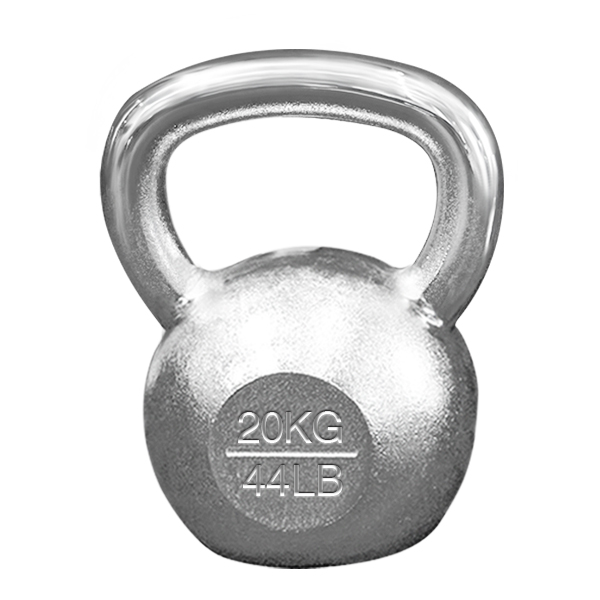
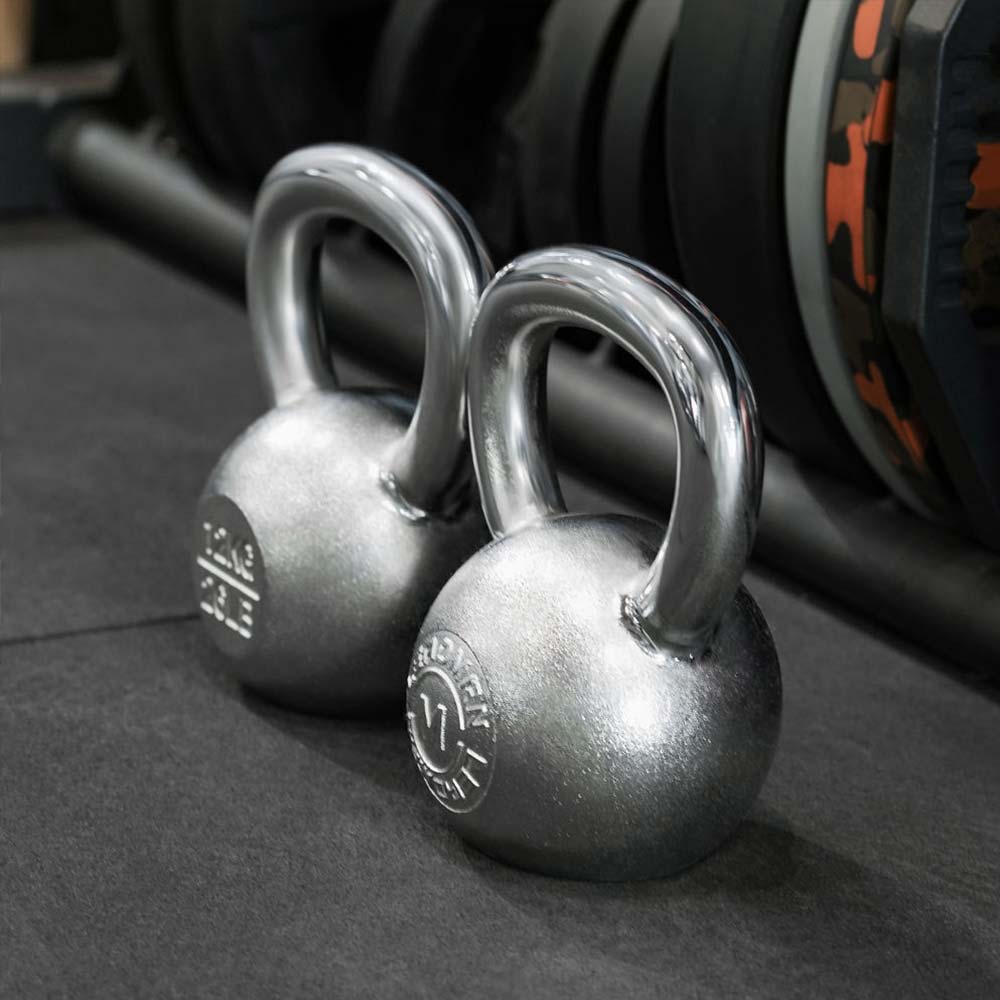
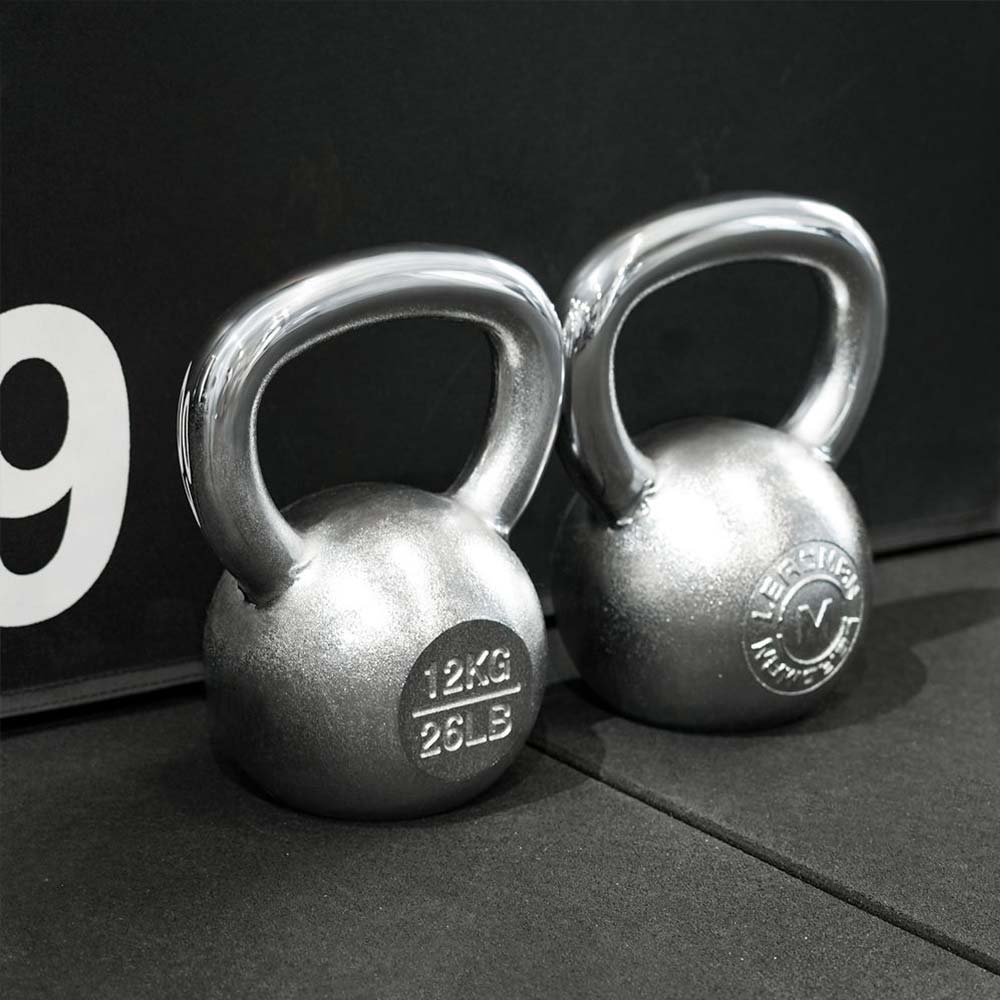
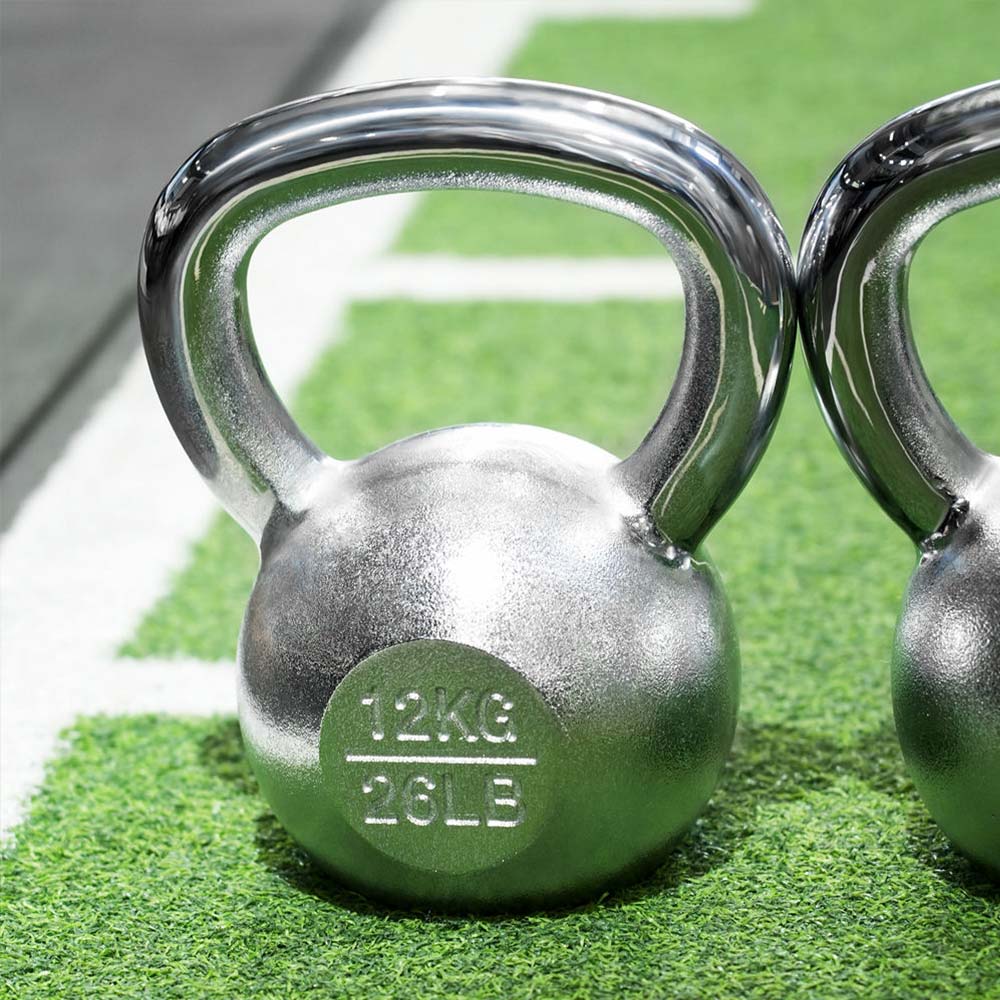
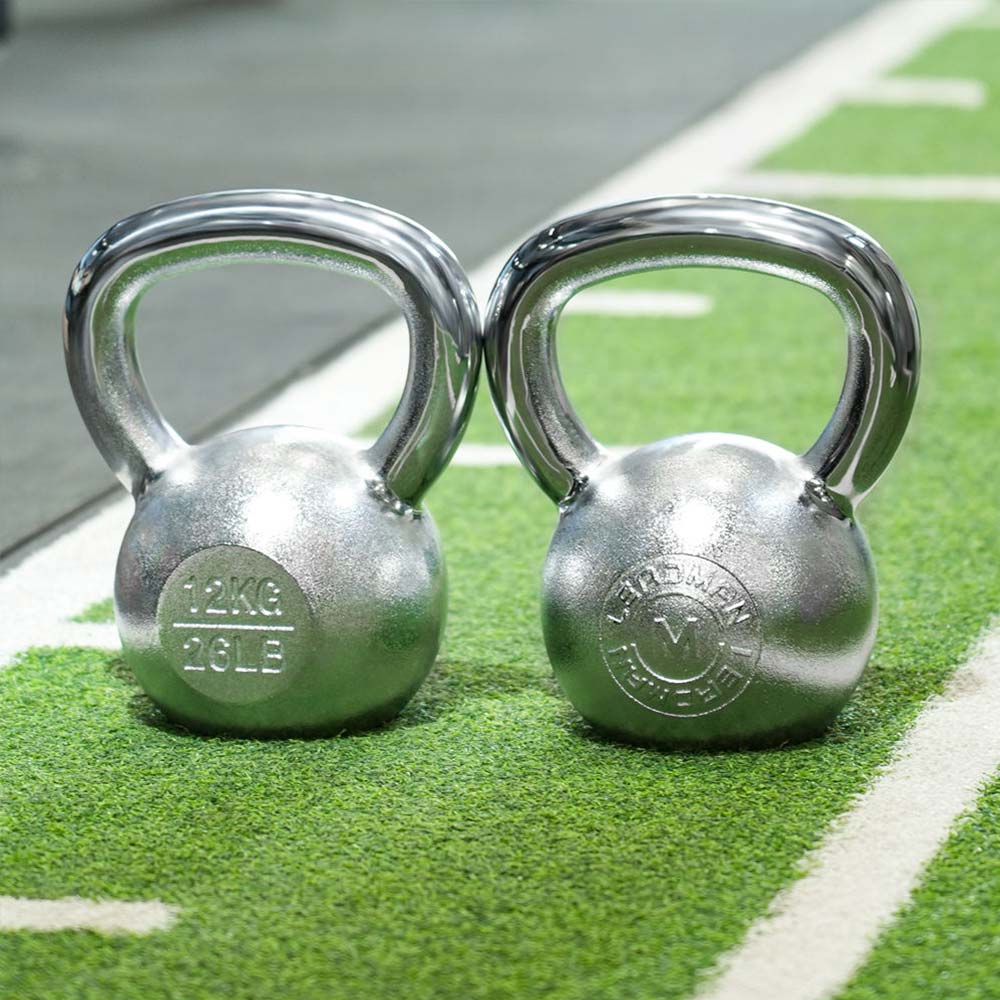
The 20kg steel kettlebell serves as a fundamental tool for athletes transitioning from foundational movement patterns to high-intensity functional strength development. Unlike lighter implements used for skill acquisition, this specific weight provides the necessary resistance to challenge metabolic conditioning, explosive power, and unilateral stability. Its construction focuses on providing a reliable center of mass, which is essential for executing complex ballistic movements like the snatch, clean, and jerk with confidence.
This implement is engineered for environments where durability is non-negotiable. Whether utilized in a professional strength and conditioning facility or a high-end home gym, the solid steel architecture ensures the product withstands the rigors of high-volume training sessions. The density of the material allows for a compact profile, which facilitates smoother transitions during rapid-fire exercises and reduces the centrifugal unpredictability often found in lower-quality cast alternatives.
Key functional advantages include:
For those seeking to scale their resistance levels, this model fits seamlessly into a broader progression strategy. As athletes master the 20kg weight, they can easily transition through the full steel kettlebell range to maintain progressive overload. This ensures a continuous and standardized training path as strength requirements evolve.
The 20kg steel kettlebell is manufactured to meet exacting standards for weight uniformity and structural balance. Each unit is designed to provide a consistent center of gravity, which is critical for high-velocity ballistic movements and long-duration metabolic conditioning. The precision in both the body dimensions and the handle diameter ensures that the implement behaves predictably during complex unilateral exercises.
The following table outlines the core physical attributes and material composition of this specific 20kg model. These parameters are standardized to ensure compatibility with professional training protocols and competition-style training environments.
| Parameter Category | Technical Specification | Detail/Standard |
|---|---|---|
| Nominal Weight | 20 kg | Precision Calibrated |
| Primary Material | High-Density Steel | Industrial Grade |
| Body Shape | Standardized Spherical/Bell | Consistent Center of Mass |
| Handle Diameter | Ergonomic Optimized | Suitable for various grip styles |
| Surface Finish | Smooth Steel Finish | Durable and impact-resistant |
| Primary Application | Strength & Conditioning | Functional/Ballistic Training |
Precision in the handle-to-body ratio is a hallmark of this implement. The handle is engineered to allow for smooth rotation during high-repetition swings and snatches, preventing unnecessary friction and ensuring that the grip remains secure even as fatigue sets in. This level of detail is essential for athletes who require reliable equipment for progressive overload and high-intensity interval training (HIIT).
In professional settings, the uniformity of the steel density ensures that the 20kg weight is not just a nominal figure but a precise resistance level. This accuracy supports rigorous strength testing and ensures that training volume remains standardized across different training sessions and facilities.
The production of the 20kg steel kettlebell follows a rigorous manufacturing workflow designed to eliminate structural inconsistencies and weight deviations. Every unit begins with high-grade industrial steel, which is processed through advanced casting or machining techniques to ensure a dense, homogeneous core. This material selection is vital for maintaining the long-term structural integrity required for high-impact ballistic training, where the implement may frequently contact the ground or training platforms.
The shaping process focuses on achieving a perfect geometric balance. By utilizing precision molding and CNC-assisted finishing, we ensure that the bell's spherical profile is uniform. This uniformity is not merely aesthetic; it directly influences the rotational stability of the kettlebell during complex movements like the Turkish Get-Up or the Kettlebell Windmill. A perfectly balanced bell reduces the torque irregularities that can lead to uneven muscle engagement or technical errors during high-intensity sessions.
Weight accuracy is managed through a multi-stage calibration process. Each 20kg unit is subjected to precise weighing protocols to ensure it adheres to the specified mass within a very tight tolerance range. This level of control is essential for professional strength and conditioning coaches who rely on standardized loading to track athlete progression. Without this precision, the cumulative error in weight could compromise the integrity of long-term periodized training programs.
The final stage of production involves meticulous surface refinement. The handle and the body undergo specific finishing processes to ensure the texture is conducive to a secure grip without being overly abrasive. This ensures that even during high-repetition sets where perspiration is a factor, the athlete maintains control. Furthermore, the surface treatment is applied to enhance resistance against oxidation and wear, preserving the professional appearance and tactile quality of the steel over years of intensive use.
The 20kg steel kettlebell is specifically positioned for athletes who have mastered foundational movements and are now entering the intermediate to advanced stages of strength development. This weight serves as a critical threshold in many training programs, acting as a benchmark for transitioning from basic skill acquisition to rigorous metabolic conditioning and explosive power generation. It is highly effective for developing unilateral strength, core stability, and grip endurance under fatigue.
This implement is widely utilized across various professional and high-performance training environments, including:
To extract maximum benefit from the 20kg resistance, users should prioritize technical precision over sheer repetition volume. In ballistic exercises like the swing, the weight's density requires a strong posterior chain engagement to manage the momentum effectively. For overhead stability work, the consistent center of mass of this steel model allows for a more predictable resistance profile, which is essential for maintaining postural integrity during long sets.
Given the high density of the steel construction, certain safety protocols must be observed to ensure both user safety and equipment longevity:
To maintain the structural integrity and professional finish of the 20kg steel kettlebell, consistent care is required, especially in high-use environments. Because this implement is constructed from high-density steel, it is naturally resilient, yet it remains susceptible to environmental factors such as oxidation if not managed correctly. Proper maintenance ensures that the grip texture remains optimal and the surface remains smooth for years of continuous training.
The primary concern with steel-based training implements is the potential for surface oxidation (rust), particularly if moisture is trapped between the handle and the user's hands. After every training session, especially those involving high-intensity metabolic conditioning where perspiration is prevalent, it is essential to wipe the entire surface of the kettlebell with a clean, dry cloth. This removes salt, moisture, and skin oils that can lead to surface degradation over time. For long-term storage, avoiding damp or unventilated areas is highly recommended to preserve the metal's integrity.
Effective storage practices contribute significantly to the longevity of your strength equipment. When not in active use, the 20kg steel kettlebell should be stored in a cool, dry, and well-ventilated space. In commercial gym settings, dedicated kettlebell racks are the preferred method of storage, as they keep the implements off the floor and away from potential liquid spills or floor-level moisture. If storing in a home gym environment, ensure the storage area is not subject to extreme temperature fluctuations or high humidity levels, which can accelerate the aging of the steel finish.
A routine part of equipment management involves periodic visual inspections. Users should regularly check the handle area for any signs of surface pitting or excessive wear that might affect grip stability. While the high-density steel construction is designed for durability, checking for any unexpected changes in the weight distribution or surface texture ensures that the implement remains a reliable tool for advanced strength and conditioning protocols. Maintaining a clean and dry implement is the simplest and most effective way to ensure your gear remains in competition-ready condition.
Selecting the appropriate resistance for long-term strength development requires a strategic approach to equipment procurement. When sourcing a 20kg steel kettlebell, it is essential to look beyond the nominal weight and evaluate the build quality, material density, and standardization of the implement. For professional training facilities, the ability to source consistent, high-quality steel models is vital for maintaining the integrity of athlete progression and ensuring that all training sessions are conducted with standardized resistance.
When evaluating potential suppliers or specific product lines, procurement officers and gym owners should prioritize the following technical aspects:
For organizations looking to build a comprehensive strength and conditioning arsenal, the 20kg model often serves as a central piece in a larger equipment ecosystem. It is highly efficient to source products that belong to a broader, standardized series. This allows for seamless transitions as athletes move from intermediate to advanced training tiers. By aligning your procurement with a wide-ranging product center, you ensure that future weight increments remain consistent in terms of handle feel, bell shape, and overall density.
For large-scale commercial orders or specialized facility setups, direct communication with the manufacturer is recommended. This facilitates discussions regarding bulk procurement, shipping logistics, and any specific customization needs for high-performance environments. Whether you are outfitting a new boutique functional training studio or upgrading an existing professional strength facility, establishing a direct line of contact ensures that your technical specifications and volume requirements are met with precision and transparency.
The implementation of high-density steel training tools requires a commitment to both technical precision and disciplined upkeep. By integrating the 20kg steel kettlebell into a structured training regimen, athletes and facility managers can ensure a reliable pathway for strength progression and metabolic conditioning. The inherent durability of the industrial-grade steel construction provides a long-term solution for high-volume training environments where equipment reliability is a fundamental requirement.
To maximize the utility and lifespan of this implement, focus on these core operational pillars:
Investing in standardized, high-quality implements like the 20kg steel kettlebell ensures that every training session is conducted with the precision required for advanced athletic development. Whether used for high-intensity interval training or professional strength competitions, the stability and structural integrity of the tool remain constant, supporting the rigorous demands of modern functional fitness.
| Attributes | Values |
|---|---|
| Weight | 4KG,6kg,8kg,10kg,12kg,14kg,16kg,18kg,20kg,22kg,24kg,26kg,28kg,32kg,36kg,40kg,44kg,48kg,50kg,52kg,56kg,68kg,72kg,80kg,92kg,108kg |
| Logo | Customizable |
| Specification | Customizable,MOQ |
| Color | Customizable |
Sarah Henry
High-density 68kg resistance is provided by this polyurethane kettlebell, engineered to safeguard premium gym floors. A robust shell ensures consistent grip and durability during extreme ballistic lifting sessions....
Verified Buyer
Colorful Kettlebells, a signature creation of Leadman Fitness, the esteemed fitn...
James R.
Redefining Resistance Through Unconventional GeometryThe 26kg special shaped ket...