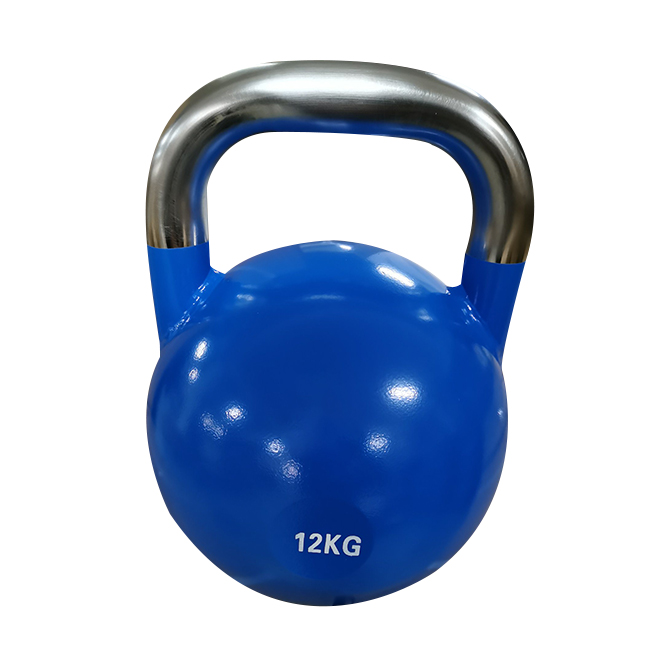
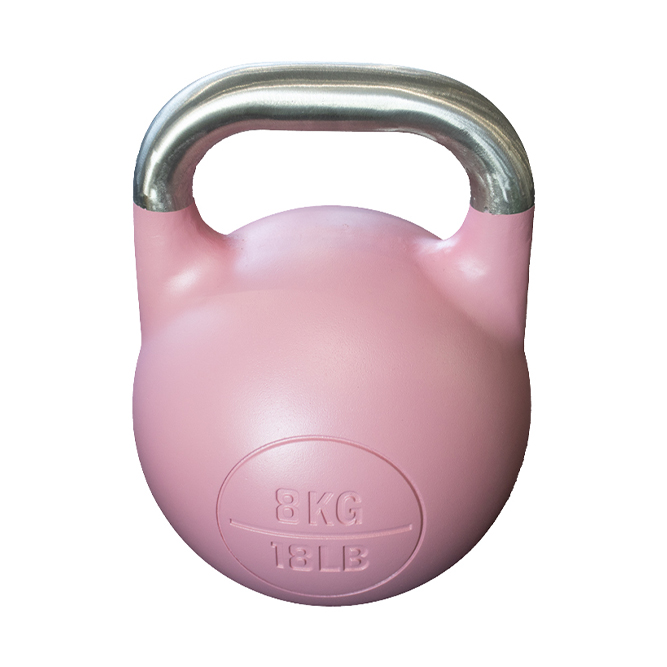
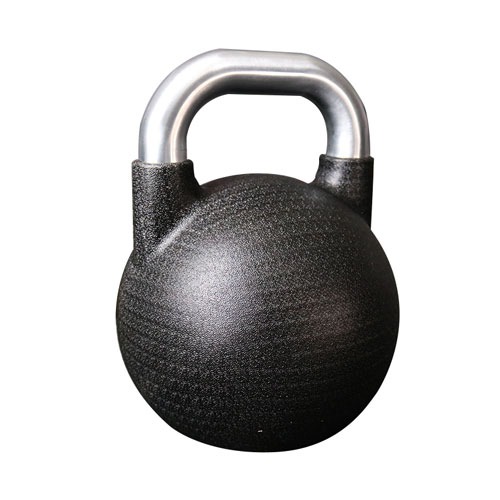
Kettlebell Set Price Guide for Commercial Gym Wholesalers
Vetting Global Manufacturers and Quality Control Protocols
A regional gym franchise expanding its strength training circuit cannot afford frequent replacement cycles due to equipment failure. When evaluating commercial grade kettlebell pricing, procurement officers must recognize that the lowest upfront cost often leads to higher long-term overhead if the durability of the units is compromised. A mismatch between material specifications and usage intensity results in chipped coatings or structural failures, forcing distributors to manage costly returns and client dissatisfaction.
Reliable bulk kettlebell set costs are directly tied to the structural integrity established during the casting process. High-tier manufacturers differentiate their products through rigorous factory QC protocols, ensuring every unit meets strict tolerance levels. For instance, the choice between cast iron vs. urethane coating significantly impacts the lifespan of the set; while cast iron offers classic density, high-grade urethane provides superior impact resistance for high-traffic commercial environments. Sourcing from factories that prioritize these material standards ensures that your fitness equipment wholesale rates represent a sustainable investment rather than a recurring expense.
To mitigate the risks associated with low-tier sourcing, distributors must demand transparency regarding manufacturing standards. A competitive kettlebell set price should not come at the expense of rigorous material density testing or precision engineering. High-volume buyers should prioritize suppliers that hold valid ISO certification, as these credentials guarantee standardized production workflows and consistent weight consistency across the entire set. Without these benchmarks, weight deviations can disrupt professional training programs and damage your brand reputation.
Furthermore, effective procurement strategy involves balancing MOQ (Minimum Order Quantity) requirements against the necessity for specialized quality assurance. While higher MOQ levels may optimize bulk kettlebell set costs through economies of scale, the primary focus must remain on the manufacturer's ability to maintain structural uniformity during mass production. By vetting factory capabilities through the lens of technical specifications—rather than just the bottom line—wholesalers can secure high-performance assets that withstand the rigors of commercial facility use while maintaining optimized fitness equipment wholesale rates.
To ensure high-value procurement, professional buyers should implement a technical vetting checklist during the sampling phase. Relying on generic descriptions is insufficient; you must demand specific engineering metrics to justify the kettlebell set price. A failure to verify these technical benchmarks often results in substandard shipments that fail to meet the expectations of high-end commercial facilities.
Use the following table to audit potential suppliers against industry-standard performance metrics. This ensures that your commercial grade kettlebell pricing reflects true quality rather than deceptive discounts.
| Metric | Standard Requirement | Impact on kettlebell set price |
|---|---|---|
| Weight Tolerance | ±1% Deviation | High: Ensures compliance with professional regulation and set consistency. |
| Coating Adhesion | ASTM B117 (Salt Spray Test) | Moderate: Prevents chipping and surface degradation in high-traffic zones. |
| Handle Smoothness | Zero Burrs / High-Polished Finish | Low: Prevents user injury and reduces long-term liability for distributors. |
| Cast Uniformity | Zero Air Pockets/Void Detection | High: Maintains structural integrity and prevents catastrophic failure. |
By enforcing these standards, distributors can optimize their fitness equipment wholesale rates by reducing the frequency of defective unit claims and ensuring long-term client retention.
Standardizing Weight Accuracy and Material Certifications
When calculating the long-term kettlebell set price, distributors must look beyond initial procurement costs and evaluate total lifecycle value. A common pitfall in low-cost sourcing is neglecting material integrity, which leads to premature equipment failure in high-traffic commercial environments. Whether choosing cast iron vs. steel, the selection directly dictates how the product withstands rigorous use and environmental exposure.
High-tier commercial grade kettlebell pricing accounts for strict durability standards and advanced surface treatments. Without high-quality powder coating or specialized finishes, equipment becomes susceptible to rust, preventing oxidation from being a non-issue. For wholesalers, sourcing items that meet these quality control benchmarks ensures that the bulk kettlebell set costs remain an investment rather than a recurring expense. Prioritizing certified materials reduces replacement frequency, protecting your margins and maintaining your reputation for reliability in the global fitness market.
Evaluating Material Longevity and Maintenance Overhead
To optimize your procurement strategy, you must weigh the initial bulk kettlebell set costs against the long-term maintenance requirements of different finishes. A lower entry price often masks a higher total cost of ownership if the coating fails under heavy usage. Professional distributors should prioritize surface treatments that offer high resistance to impact and oxidation to ensure product longevity in commercial facilities.
| Material/Coating Type | Maintenance Requirement | Expected Lifespan |
|---|---|---|
| Enamel Finish | Low (Regular cleaning) | Medium (Prone to chipping) |
| Powder Coating | Minimal (Standard wipe-down) | High (Excellent durability) |
| Cast Iron / Rubber Encased | Moderate (Avoid moisture buildup) | Maximum (High impact resistance) |
When auditing factory capability, ensure your fitness equipment wholesale rates include rigorous QC inspection points. We recommend verifying the thickness of the powder coating and the adhesion strength of the rubber or enamel layers. High-standard commercial grade kettlebell pricing should reflect these technical specifications, ensuring your inventory remains showroom-ready for years.
Mitigating Risk through Precision and Factory Compliance
Precision is the most critical variable when negotiating bulk kettlebell set costs. A significant risk in high-volume procurement is weight variance; while budget manufacturers may offer a weight tolerance (±5%), professional-grade equipment requires a strict weight tolerance (±1%). For distributors supplying elite training facilities, even minor deviations can compromise the integrity of a full set and lead to client dissatisfaction or returns.
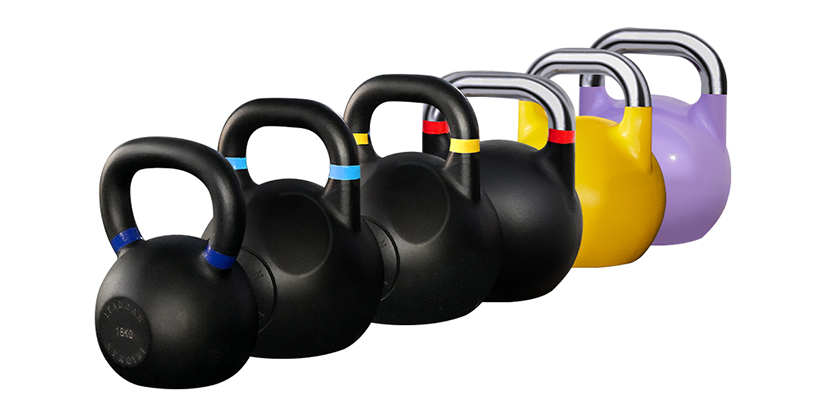
To safeguard your investment, demand documented factory certification and a clear MOQ impact on quality assurance. Lower Minimum Order Quantities often result in reduced oversight, whereas higher volume orders should trigger more rigorous batch testing and standardized production protocols. When vetting fitness equipment wholesale rates, ensure the supplier provides detailed calibration reports. By prioritizing manufacturers that treat weight accuracy and material thickness as non-negotiable benchmarks, you stabilize your kettlebell set price against the hidden costs of defective, inconsistent, or substandard inventory.
Navigating Warranty Claims and Defect Liability in Bulk Orders
When calculating the long-term kettlebell set price, novice distributors often overlook the hidden costs of poor manufacturing. A low initial investment can quickly erode margins if high bulk kettlebell set costs are driven up by frequent replacements. True ROI is found in rigorous quality control (QC) protocols that distinguish between standard wear and tear and critical manufacturing defects, such as casting voids or uneven coating thickness.
To protect your bottom line, ensure your supplier adheres to strict factory inspection standards. Relying on substandard commercial grade kettlebell pricing without verified quality control (QC) protocols creates a liability loop where shipping replacement units for faulty batches outweighs any initial savings. High-tier fitness equipment wholesale rates should reflect a guarantee of structural integrity and professional-grade durability.
| Procurement Model | Initial Cost Impact | Long-Term TCO Risk | Liability Profile |
|---|---|---|---|
| Budget Sourcing | Lowest | High (Frequent Replacement) | High Defect Rate |
| Standard Wholesale | Moderate | Balanced | Minor Wear/Tear |
| Premium Commercial | Higher | Lowest (Max Durability) | Strict Warranty/QC |
Understanding the nuance between different tiers of protection is essential when evaluating fitness equipment wholesale rates. A lower kettlebell set price often correlates with limited coverage, which can lead to unexpected overhead during high-volume distribution. For commercial facilities, the distinction lies in the durability of the finish and the structural reliability of the casting.
The following comparison illustrates how different coverage levels impact your total cost of ownership and operational risk. When negotiating bulk kettlebell set costs, prioritize suppliers who offer transparent, documented warranty terms for high-traffic environments.
| Feature/Coverage | Standard Wholesale Tier | Premium Commercial Tier |
|---|---|---|
| Coating Durability | Limited coverage for surface scuffs | High-impact, anti-corrosion guarantee |
| Handle Integrity | Standard casting (potential grip wear) | Reinforced ergonomic casting/smooth finish |
| Defect Replacement | Standard 30-60 day window | Extended liability for structural flaws |
| Shipping Liability | Buyer-managed replacement logistics | Supplier-managed defect mitigation |
Selecting a premium tier ensures that your commercial grade kettlebell pricing includes a safety net for structural integrity, protecting your reputation as a reliable distributor.
Beyond manufacturing defects, sophisticated B2B procurement risk management requires addressing the logistical vulnerabilities inherent in heavy iron shipments. High-volume orders often face significant scrutiny regarding the MOQ (Minimum Order Quantity) impact on liability; as order volumes scale, so does the financial exposure to transit-related damage. To mitigate these risks, distributors must mandate rigorous shipping damage protocols, ensuring that heavy-duty palletization and reinforced crating are non-negotiable components of the kettlebell set price.
Never overlook the necessity of comprehensive transit insurance when negotiating bulk kettlebell set costs. Relying solely on standard carrier liability is a common oversight that can decimate profit margins during long-haul ocean or freight transport. A professional procurement strategy treats logistics protection as a core variable in commercial grade kettlebell pricing, ensuring that any impact-related deformation or coating failure is fully covered, preserving your capital and maintaining your reputation for delivering high-caliber equipment.
Optimizing Packaging Specifications for International Transit
When calculating the total kettlebell set price, procurement officers often overlook the critical impact of logistics-ready packaging. For international distributors, the true cost is not just the factory ex-works price, but the landed cost influenced by volumetric weight and transit safety. If your supplier utilizes substandard protective casing, you risk high rates of return due to surface abrasions or structural damage during long-haul sea freight.
To maintain competitive bulk kettlebell set costs, you must mandate high-density corrugated boxes and reinforced internal dividers. While robust packaging may slightly increase the initial unit cost, it is a vital shipping damage prevention strategy that protects your margins. Efficiently nesting sets to minimize empty space reduces the total cubic volume, directly lowering the commercial grade kettlebell pricing impact on freight bills. For high-volume wholesalers, optimizing the ratio of weight to volume is the most effective way to stabilize fitness equipment wholesale rates across global supply chains.
Logistics Optimization and Palletization Standards
Beyond individual unit protection, professional buyers must scrutinize palletization standards to ensure stability during multi-container shipments. A common mistake in procurement is failing to specify the exact carton reinforcement required for heavy-cast iron or competition-grade steel sets. Without double-walled corrugated strength and moisture-resistant liners, heavy weight distributions can lead to crushed bottom layers, inflating your long-term kettlebell set price through replacement costs and insurance claims.
When negotiating fitness equipment wholesale rates, demand detailed packing lists that include pallet dimensions and stacking limits. High-tier manufacturers provide optimized pallet layouts that maximize container utilization, reducing the per-unit shipping overhead. Furthermore, ensure your MOQ requirements align with full pallet or full container load (FCL) logic. By synchronizing bulk kettlebell set costs with standardized shipping units, distributors can effectively mitigate the volatility of international freight and secure more predictable commercial grade kettlebell pricing for their domestic markets.
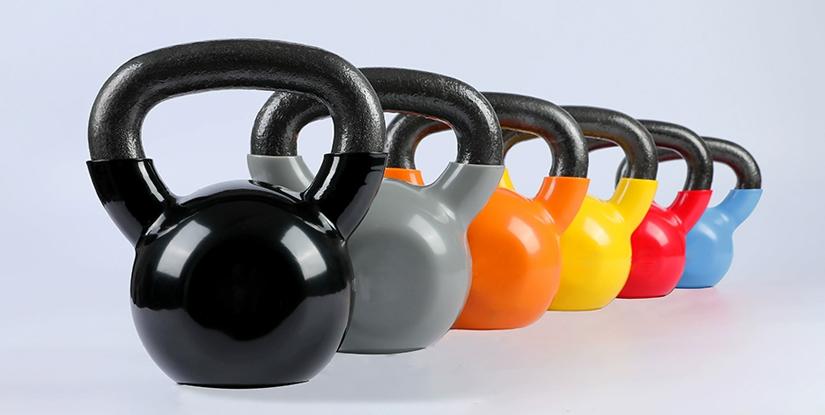
Rigorous Quality Control and Final Inspection Protocols
To safeguard your margins, the final stage of procurement must focus on the manufacturer's factory capability regarding pre-shipment inspections. A reliable supplier does more than just box items; they implement strict weight verification protocols to ensure every unit meets the exact specifications required for professional use. Discrepancies in mass can lead to immediate client rejections and damaged reputations. Furthermore, robust moisture control is non-negotiable; ensure your bulk procurement specs mandate desiccants and moisture-resistant coatings to prevent oxidation during extended sea freight stability periods.
A high-tier factory will perform a final audit of the kettlebell set price versus the actual delivered quality by checking for paint chips, handle smoothness, and structural integrity under load. By enforcing these rigorous quality control standards before the container is sealed, distributors can virtually eliminate the risk of costly returns and ensure that the commercial grade kettlebell pricing they promised remains profitable and sustainable.
Calculating Landed Costs and Import Duty Impact
Understanding the true kettlebell set price requires looking far beyond the initial factory quote. For professional distributors, the base unit cost is only one variable in a complex procurement equation. To maintain healthy margins, you must account for the total landed cost, which includes bulk kettlebell set costs associated with international logistics and regulatory compliance.
Neglecting secondary expenses often leads to budget overruns during the final audit. Beyond the manufacturing invoice, your procurement budget must absorb freight forwarding fees, varying port fees, and comprehensive transit insurance. Furthermore, professional importers must factor in customs clearance procedures and specific import duties to avoid unexpected delays at the border. A realistic commercial grade kettlebell pricing model incorporates these variables to ensure a predictable total cost of ownership (TCO).
| Procurement Factor | FOB (Factory Base) | CIF (Including Freight) | Landed (Final TCO) |
|---|---|---|---|
| Unit Cost | Base Price | Base + Freight | Base + All Fees |
| Logistics | Excluded | Included | Included |
| Import Duties | Not Applicable | Not Included | Included |
| Risk Profile | Low | Moderate | Full Coverage |
By analyzing these fitness equipment wholesale rates through a TCO lens, wholesalers can more accurately forecast bulk kettlebell set costs and protect their bottom line during large-scale international shipments.
A critical variable in determining the final kettlebell set price is the accuracy of your HS code classification. Misclassifying cast iron or rubber-coated weights can lead to severe penalties or unexpected surcharges. For instance, the specific HS code used dictates the exact import duty impact applied at the port of entry, which directly influences your net margins. Professional buyers must also account for customs brokerage fees, as specialized documentation is often required for heavy-duty fitness goods.
Furthermore, your procurement strategy must integrate VAT/GST and other regional tax implications into your initial financial modeling. While some taxes are recoverable, they still affect short-term cash flow during the import process. By meticulously calculating these regulatory costs alongside commercial grade kettlebell pricing, distributors can avoid the pitfalls of underestimating fitness equipment wholesale rates. Ensuring your supplier provides precise product specifications allows for seamless clearance and more predictable bulk kettlebell set costs across international borders.
Projected Procurement Cost Breakdown
To facilitate more accurate financial modeling, we have provided a representative breakdown of how various international logistics factors influence the final kettlebell set price. This model assumes a standard high-volume shipment of cast iron sets to a North American distribution center. Please note that these figures are illustrative and fluctuate based on current ocean freight volatility and specific HS code classifications.
| Item Description | Unit Price (FOB) | Ocean Freight (per Unit) | Import Duty (%) | Total Landed Cost (per Set) |
|---|---|---|---|---|
| Standard 16kg Kettlebell | $18.50 | $4.25 | 6.5% | $24.11 |
| Standard 24kg Kettlebell | $26.00 | $5.10 | 6.5% | $33.32 |
| Premium Rubber-Coated Set | $35.00 | $6.75 | 7.2% | $44.61 |
When negotiating fitness equipment wholesale rates, always request a detailed proforma invoice that separates the base manufacturing cost from the shipping estimates. High-volume distributors should leverage these bulk kettlebell set costs data points to audit factory quotes against real-world import duty and logistics realities. A transparent commercial grade kettlebell pricing structure ensures that your margin remains protected even if ocean freight rates experience sudden spikes during transit.
Volume-Based Pricing Tiers and MOQ Requirements
Understanding the fundamental driver behind a kettlebell set price requires a deep dive into procurement logistics and manufacturing throughput. For international distributors, the most effective way to achieve significant unit cost reduction is by leveraging economies of scale through high-volume procurement. As order quantities increase, the fixed costs associated with factory setup, quality control testing, and specialized tooling are distributed across a larger number of units, effectively lowering the individual price point per set.
Most reputable manufacturers utilize tiered pricing structures to reward high-capacity buyers. When negotiating bulk kettlebell set costs, your Minimum Order Quantity (MOQ) serves as the primary lever for price optimization. Moving from small-batch orders to full container load (FCL) shipments significantly impacts commercial grade kettlebell pricing, as it optimizes shipping density and reduces the per-unit impact of freight and customs handling. For wholesale buyers, aligning procurement cycles with these volume tiers is essential for maintaining competitive margins in the North American market.
Navigating MOQ requirements is a critical step for distributors aiming to secure the most aggressive fitness equipment wholesale rates. Manufacturers typically establish wholesale volume thresholds based on their factory production capacity and the complexity of the casting or coating process. Lowering the entry point for a single order often results in higher unit costs due to the disproportionate impact of setup time and material prep. However, when procurement strategies shift toward maximizing shipping container optimization, the savings become substantial.
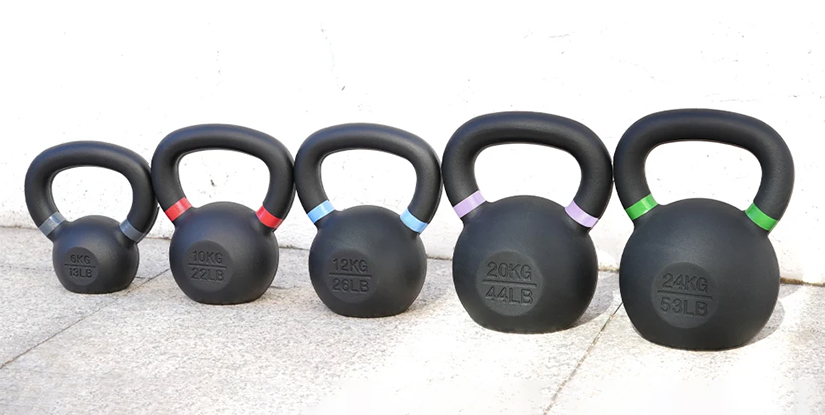
For large-scale fitness distributors, the goal is to transition from Less Than Container Load (LCL) to Full Container Load (FCL) shipments. This transition is where the most significant advantages in commercial grade kettlebell pricing are realized. By optimizing the weight-to-volume ratio within a standard 20ft or 40ft container, buyers can mitigate the high cost of international freight. Efficiently packing high-density steel or cast iron sets ensures that you are not paying for "shipping air," thereby maximizing the ROI on every shipment and stabilizing your long-term supply chain costs.
Projected Budgeting: Volume and Cost Optimization
To assist procurement officers in high-level budgeting, the following table illustrates how volume impacts the kettlebell set price. These figures represent typical fitness equipment wholesale rates observed when transitioning from sample batches to full-scale distribution orders. Please note that actual bulk kettlebell set costs will fluctuate based on material specifications (e.g., cast iron vs. competition-grade steel) and current raw material market indices.
| Volume Tier (Units/Sets) | Estimated Price per Set | Estimated Savings | Logistics Consideration |
|---|---|---|---|
| Tier 1 (LCL: 50–150) | Base Rate | 0% (Standard) | High freight-to-weight ratio |
| Tier 2 (Mid-Volume: 151–500) | Base - 12% | 10%–15% | Optimized palletization |
| Tier 3 (FCL: 500+) | Base - 25% | 20%–30% | Full Container Load (FCL) optimization |
When calculating your total landed cost, remember that commercial grade kettlebell pricing is heavily influenced by weight density. For maximum efficiency, procurement specialists should prioritize shipments that maximize the weight-to-volume ratio, ensuring that container space is utilized for density rather than volume, which directly lowers your per-unit landed cost.
Inventory Management and Stocking Strategies for Distributors
Optimizing your kettlebell set price involves more than just negotiating unit costs; it requires a strategic approach to warehouse footprint optimization. For high-volume distributors, the relationship between storage density and inventory turnover is critical to maintaining healthy cash flow. If your stock occupies excessive vertical or horizontal space without proportional sales velocity, your effective bulk kettlebell set costs increase due to higher overhead and logistical friction.
To maximize profitability, procurement specialists must evaluate how different configurations impact weight distribution and rack efficiency. High-density storage solutions allow for faster restocking cycles, ensuring that your facility can handle rapid inventory turnover without scaling physical square footage. Selecting the right organizational systems ensures that your commercial grade kettlebell pricing remains competitive by minimizing long-term holding expenses.
| Storage Configuration | Density Level | Logistics Impact | Procurement Focus |
|---|---|---|---|
| Standard Tiered Racks | Moderate | Easy access/Low density | High SKU variety |
| Vertical A-Frame | High | Optimized footprint | Rapid turnover |
| Heavy-Duty Floor Sets | Variable | High weight load focus | Bulk volume shipping |
When calculating fitness equipment wholesale rates, always account for the physical volume of the shipment. Efficiently packed, high-density sets reduce the landed cost per unit, directly improving your bottom line during international transit and local distribution.
Beyond shelf organization, sophisticated logistics management requires strict adherence to palletization standards to mitigate transit damage and optimize shipping volume. For distributors managing large-scale orders, the way a kettlebell set price is structured is often heavily influenced by the cubic meter efficiency of the shipment. Poorly optimized packaging leads to "dead air" in containers, which unnecessarily inflates your freight-to-weight ratio and undermines your fitness equipment wholesale rates.
To ensure maximum logistics efficiency, procurement teams should negotiate specific MOQ (Minimum Order Quantity) levels that align with full container loads (FCL) or optimized pallet dimensions. Standardizing the box dimensions and weight-per-carton limits helps prevent irregular loads that can cause instability during ocean freight. By prioritizing high-density packaging configurations, importers can reduce the number of shipments required to move the same volume of inventory, thereby protecting the margins built into your commercial grade kettlebell pricing and ensuring a smoother arrival at your distribution center.
Optimizing Landed Cost Through Packaging Efficiency
A critical oversight in many procurement workflows is failing to account for how packaging geometry influences the final kettlebell set price. While a lower unit cost is attractive, a configuration that lacks pallet density can lead to astronomical freight-to-weight ratios, effectively erasing your margins during transit. For distributors, the goal is to minimize "dead air" within the shipping container to ensure that the bulk kettlebell set costs reflect actual product value rather than inefficient volume usage.
The following data illustrates how different packaging strategies impact the total landed cost per unit, depending on the shipping weight and volume optimization:
| Storage/Packaging Configuration | Pallet Density | Avg. Shipping Weight Impact | Unit Price Impact |
|---|---|---|---|
| Individual Boxed Units | Low | High (Excess Volume) | +8-12% Landed Cost |
| Nested/Compact Sets | Medium | Optimized | +3-5% Landed Cost |
| Bulk Crated/Industrial Pallet | High | Minimal (Maximized Weight) | -5-7% Landed Cost |
When negotiating fitness equipment wholesale rates, request detailed packing lists that include exact dimensions and weight-per-carton. High-density configurations not only stabilize the load for ocean freight but also ensure your commercial grade kettlebell pricing remains competitive in your local market by reducing the overhead of "shipping air."