Best Steel Weightlifting Plates: Wholesale & Bulk Supply for Gyms
What Defines the Best Steel Weightlifting Plates for Commercial Use?
The best steel weightlifting plates are precision-engineered tools designed for high-density loading and long-term durability in professional settings. Unlike cast iron, these best steel weight plates offer significantly tighter weight tolerances, ultra-slim profiles for maximum bar capacity, and superior structural integrity, ensuring a lower total cost of ownership for high-traffic commercial facilities.
For a gym owner or a bulk distributor, the choice of equipment dictates the facility's professional standing and operational efficiency. When selecting best 2 inch weight plates, the focus shifts from mere poundage to engineering specifications. Steel plates, typically CNC-machined from high-grade carbon steel, eliminate the air pockets and brittle nature inherent in cheap castings. This results in a product that handles high-velocity impacts without fracturing, maintaining its calibrated weight for years of service.
A professional procurement strategy prioritizes these best steel weightlifting plates because they solve the two most common floor-level problems: equipment failure and space limitations. Whether you are stocking a powerlifting club or a multi-location commercial chain, the precision of steel ensures that 20kg actually weighs 20kg, protecting both the athlete’s progress and the gym’s reputation for quality.
The Hidden Cost of Cast Iron: Why Professional Facilities Switch to Steel
Procuring low-cost cast iron plates often seems like a budget-friendly decision during the initial build-out phase. However, professional facility managers quickly realize that "cheap" plates carry significant hidden liabilities. Standard cast iron is prone to cracking, chipping, and catastrophic failure when dropped—especially in environments where deadlifts and heavy rows are daily staples. These failures don't just represent a loss of a single plate; they disrupt training sessions and create safety hazards on the gym floor.
Weight inaccuracy is the second major pain point. It is common for entry-level cast plates to have a weight variance of 3% to 5%. In a commercial setting, this means a member loading 200kg might unknowingly be lifting 190kg or 210kg, or worse, have an asymmetrical load that leads to injury. This inconsistency undermines the professional environment you are trying to build and can drive serious trainees toward competitors who invest in better gear.
The solution lies in transitioning to the best steel weightlifting plates. By investing in solid steel, you eliminate the brittle nature of gray iron. Our best steel weight plates undergo rigorous machining to ensure they meet strict calibration standards. The durability of steel means these plates are essentially a one-time purchase. When you factor in the avoided costs of frequent replacements, shipping fees for small batch re-orders, and the preservation of your flooring, the ROI of best 2 inch weight plates made from steel becomes undeniable.
Beyond durability, the aesthetic maintenance of steel is significantly easier. While cast iron flakes and rusts quickly once the thin paint layer is compromised, high-quality steel plates with advanced finishes—such as powder coating or polyurethane—maintain a professional appearance even under heavy use. This visual consistency is vital for brand perception, especially for franchises and high-end strength boutiques looking to maintain a premium atmosphere.
Maximizing Loadable Sleeve Space with High-Density Steel Plates
In high-performance training environments, the physical dimensions of equipment often dictate the limits of an athlete’s progress. One of the primary reasons commercial facilities prioritize best steel weightlifting plates is their high-density profile. Compared to standard cast iron or rubber bumper plates, steel is significantly more compact. This allows for a thinner plate design without sacrificing mass, effectively increasing the loadable sleeve space on a standard Olympic bar.
For gym owners catering to powerlifters or competitive strength athletes, bar space is a critical operational factor. When using standard iron plates, a 2.2-meter barbell might reach its physical limit at 200kg to 240kg. By switching to the best steel weight plates, the loading capacity can exceed 350kg on the same bar. This increased headroom is essential for professional facilities that market themselves as top-tier strength hubs. It ensures that your equipment never becomes the bottleneck for your strongest members' performance.

From a procurement perspective, the space-saving nature of these best 2 inch weight plates extends beyond the barbell. In the warehouse or on the gym floor, thinner plates allow for higher density storage on racks. This reduces the footprint required for equipment storage, allowing you to allocate more square footage to revenue-generating activities like personal training zones or additional racks. In high-rent urban locations, optimizing every square inch of the facility is key to maintaining a healthy profit margin.
Precision Engineering: CNC Machining and Weight Tolerance Standards
The manufacturing process is what separates entry-level equipment from the best steel weightlifting plates. Professional steel plates are typically manufactured using CNC (Computer Numerical Control) machining. This process starts with a solid block or disc of steel, which is then precision-cut to exact specifications. Unlike the traditional casting process, which relies on molten metal poured into sand molds—a method prone to air pockets and uneven cooling—CNC machining ensures a perfectly balanced and symmetrical product.
For a distributor or gym manager, the most important technical metric is weight tolerance. A reputable supplier of best steel weight plates will offer a tolerance of ±1% or better. In contrast, mass-market iron plates often fluctuate by as much as 500g to 1kg per plate. Inconsistent weight leads to an unbalanced barbell, which increases the risk of joint strain and injury for the user. By providing consistent, calibrated best 2 inch weight plates, you demonstrate a commitment to athlete safety and professional standards that cheap alternatives cannot match.
| Specification Factor | Standard Cast Iron Plates | Precision Machined Steel Plates |
|---|---|---|
| Weight Tolerance | Typically ±3% to 5% | Strict ±1% or less |
| Thickness (20kg/45lb) | 55mm - 65mm | 20mm - 25mm |
| Material Composition | Gray Iron (Porous/Brittle) | Solid Carbon Steel (High-Density) |
| Impact Resistance | Moderate (Prone to cracking) | Exceptional (High tensile strength) |
| Professional Application | General Fitness / Home Use | Commercial Gyms / Competition / Clubs |
Furthermore, the structural integrity of machined steel plates ensures they remain a permanent asset. The best steel weightlifting plates do not suffer from the "chipping" common in iron, which often leads to weight loss over time. When you buy steel, you are buying a calibrated tool that stays calibrated, regardless of the volume of usage or the frequency of drops. This stability is a cornerstone of professional equipment management and a key selling point for distributors looking to build long-term trust with their clients.
Total Cost of Ownership: Steel Plates as a Long-Term Capital Investment
For procurement directors and gym operators, purchasing free weights is not an operational expense; it is a long-term capital investment. While the upfront cost of the best steel weightlifting plates is higher than standard iron, focusing solely on the initial invoice price is a common procurement error. The true metric for commercial equipment is the Total Cost of Ownership (TCO) over a five-to-ten-year cycle.
Facility managers often experience the frustration of replacing broken or heavily degraded plates every few years. When cheap plates fail, the costs multiply quickly. You are paying for the replacement product, the high freight costs of shipping dense, heavy items in small batches, and the administrative labor of managing these recurring issues. By standardizing your facility with the best steel weight plates, you are effectively reducing your replacement budget to near zero for that specific asset class. Solid steel, designed for heavy commercial use, typically outlasts the gym's lease itself.
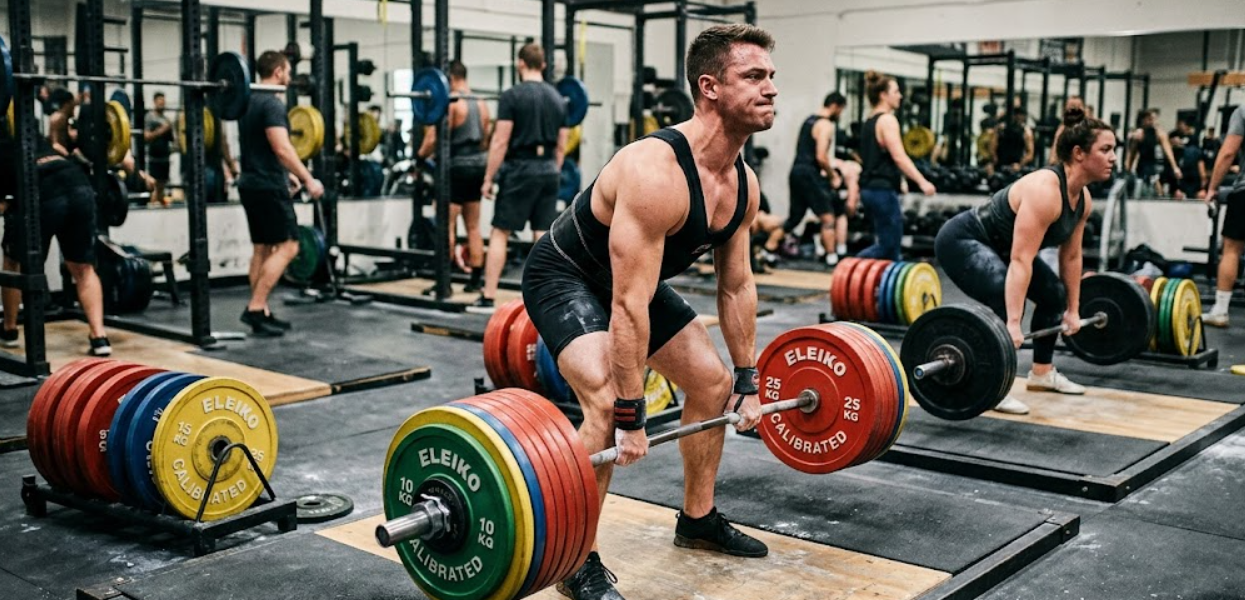
Furthermore, investing in premium equipment elevates the perceived value of your facility. High-end best 2 inch weight plates maintain their calibrated accuracy and aesthetic appeal, allowing you to justify premium membership rates. If a facility eventually needs to liquidate or upgrade, precision-machined steel holds a significant resale value in the secondary market, whereas degraded cast iron is often sold for scrap value. Calculating these variables makes steel the clear choice for a financially sound, professional-grade facility.
Surface Finishing for High-Traffic Environments: Powder Coat vs. E-Coat
Durability is not only about structural integrity but also about resisting environmental wear. In a commercial gym, free weights are constantly exposed to sweat, magnesium carbonate (chalk), and friction from metal-on-metal contact. Unprotected or cheaply painted iron rusts rapidly, leaving a facility looking dilapidated and unprofessional. The best steel weightlifting plates combat this through advanced industrial surface finishes, primarily powder coating and electrophoretic deposition (E-Coat).
Powder coating is a common industry standard for high-quality commercial gear. It involves baking a dry powder onto the steel, creating a tough, textured skin that resists chipping and scratching better than traditional wet paint. This finish provides excellent grip, making the best steel weight plates easier to handle during loading and unloading, thereby reducing the risk of dropped plates and associated injuries.
For facilities seeking the absolute peak of corrosion resistance and precision, E-Coating offers an ultra-thin, highly durable finish. The E-Coat process bonds the finish electrically to the metal, ensuring complete, even coverage without adding measurable thickness to the plate. This is particularly crucial for maintaining the strict tolerances of the best 2 inch weight plates while providing a finish that integrates seamlessly with the barbell sleeves. Selecting the right finish dramatically lowers your maintenance labor costs, as staff will spend less time wire-brushing and repainting equipment to maintain a hygienic, premium appearance.
Wholesale and Logistics: Optimizing Bulk Shipping for Distributors
For regional distributors and large-scale facility outfitters, the logistics of moving heavy free weights often present a larger challenge than the product cost itself. When sourcing the best steel weightlifting plates, selecting a supplier with a robust B2B fulfillment infrastructure is critical. Steel plates, by their nature, are extremely dense and heavy, meaning that inefficient packaging or poorly planned shipping routes can erode your profit margins before the product even arrives.
Working directly with factory-level suppliers ensures that your best steel weight plates are palletized and secured according to international shipping standards. Proper crating prevents the plates from shifting during transit, eliminating the risk of cosmetic damage—such as scratched finishes or chipped edges—which often leads to client rejections and costly returns. Experienced B2B suppliers understand how to maximize container loads, balancing weight limits with volume to give you the lowest possible landed cost per kilogram.
Furthermore, stocking the best 2 inch weight plates simplifies inventory management. Because precision steel plates have a standardized, ultra-thin profile, they require significantly less warehouse footprint compared to bulky bumper plates or cast iron equivalents. This space efficiency allows distributors to hold more stock on hand, ensuring faster fulfillment times for domestic gym builds and large wholesale orders, giving you a distinct competitive advantage in the fast-moving fitness equipment market.
Custom OEM Branding: Elevating Your Gym’s Identity with Laser-Etched Logos
In the highly competitive commercial fitness market, branding goes beyond signage; it extends to the equipment your members interact with daily. Off-the-shelf equipment fails to capitalize on this touchpoint. The best steel weightlifting plates offer extensive Custom OEM (Original Equipment Manufacturer) opportunities, allowing facility chains and equipment brands to turn bare metal into a powerful marketing asset.
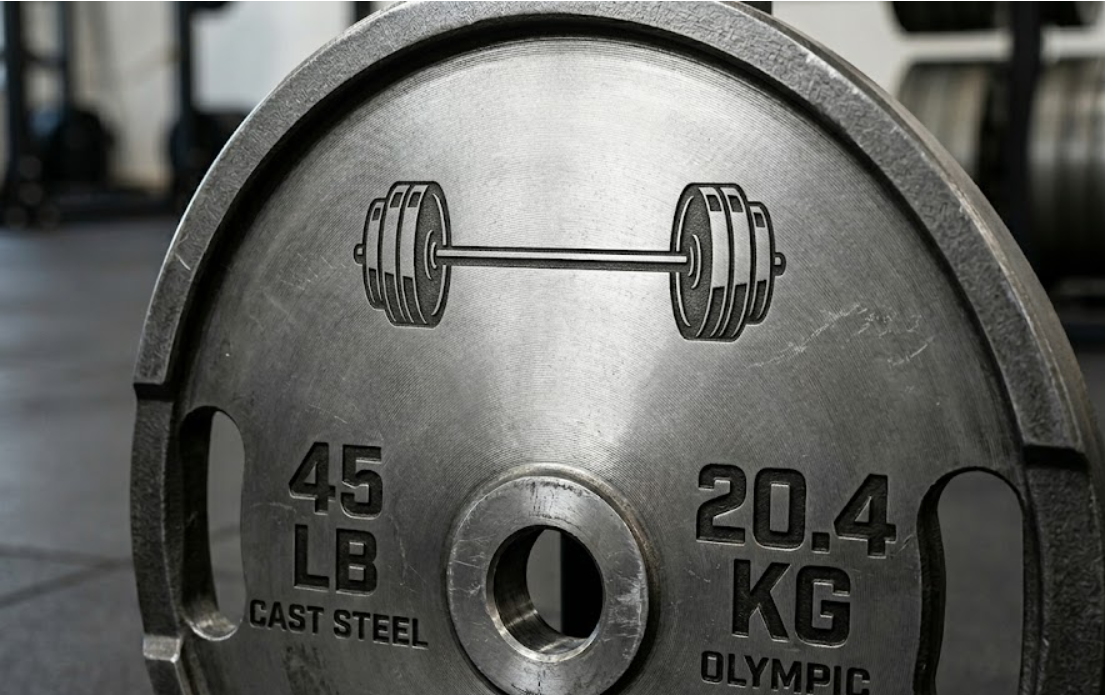
Through advanced CNC machining and laser etching technologies, we can seamlessly integrate your brand’s logo directly into the face of the best steel weight plates. Unlike cheap stickers or superficial painted logos that wear off after a few months of use, etched branding is permanent. It withstands the rigorous demands of a commercial environment, ensuring your brand identity remains pristine year after year.
For distributors creating their own private label, or for gym owners outfitting a new franchise, this customization is a major differentiator. Beyond logos, customization can extend to specific color coding for weight denominations or unique surface finishes. Providing customized best 2 inch weight plates demonstrates an unwavering commitment to detail and quality, elevating the perceived value of your brand and fostering a stronger connection with your clientele.