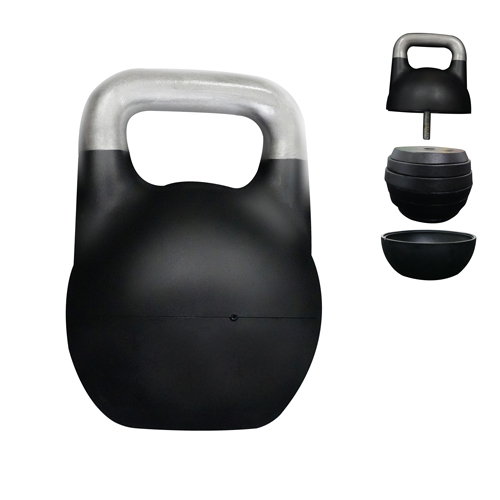
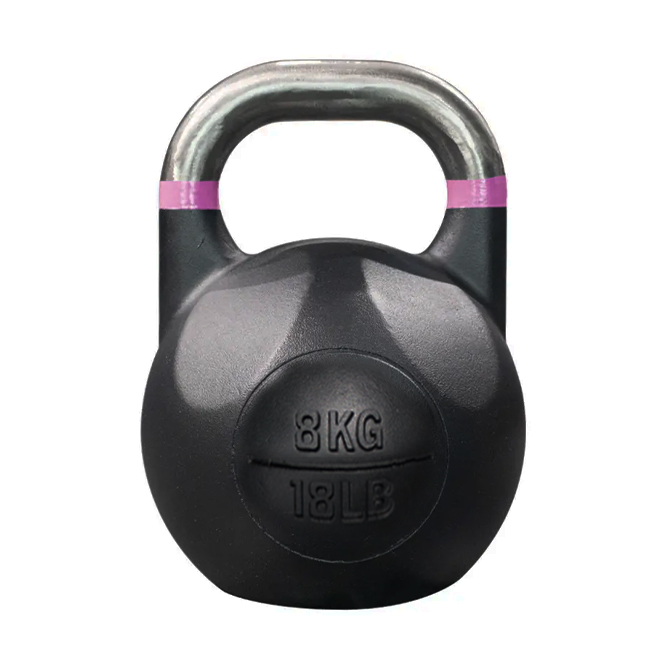
20kg Kettlebell: China Factory Wholesale and Supply
20kg Kettlebell: Maximizing Inventory Value and TCO
A 20kg kettlebell is a standard professional-grade weight used in high-traffic strength and conditioning environments. For distributors and gym operators, sourcing this specific weight from a China factory ensures a balance of high durability and optimized landed costs, making it a staple for long-term inventory stability.
Procuring low-grade equipment may offer immediate savings, but the hidden costs of frequent replacement and high maintenance loads can erode profit margins. When sourcing a wholesale 20kg kettlebell, professional buyers prioritize construction integrity to lower the Total Cost of Ownership (TCO). Investing in premium, commercial-grade units reduces the frequency of inventory replenishment and minimizes the operational downtime caused by damaged or worn-out equipment.
| Procurement Factor | Standard Retail Grade | Commercial-Grade Sourcing |
|---|---|---|
| Initial Unit Cost | Lower | Moderate |
| Lifespan in High-Traffic Gyms | Short-term | Long-term/Extended |
| Maintenance Requirements | High frequency | Low frequency |
| Long-term TCO | Higher due to replacement | Optimized through durability |
| Ideal For | Home users | commercial kettlebell supplier orders |
By establishing a direct relationship with a reliable commercial kettlebell supplier, distributors can secure consistent material specifications. This stability is critical for maintaining brand identity when utilizing bulk gym equipment manufacturing services to ensure that every unit in a large shipment meets the same rigorous weight tolerance and coating standards.
Evaluating Long-Term Asset Value
The difference in capital expenditure (CAPEX) becomes evident when evaluating the lifecycle of a 20kg kettlebell across multiple years of heavy use. While entry-level units may appear cost-effective during the initial purchase, they often lack the structural density and impact resistance required for professional training. This leads to accelerated wear on the handle and coating, forcing distributors into frequent replacement cycles and higher long-term operational expenses.
In contrast, sourcing through bulk gym equipment manufacturing allows procurement leads to select materials specifically engineered for high-impact environments, such as cast iron with high-density powder coating or high-grade competition-style finishes. This strategic decision optimizes the landed cost by reducing the frequency of re-orders and ensuring that the inventory remains a high-value asset rather than a recurring expense. For large-scale facility projects or regional distributors, this level of quality control is essential for maintaining a reliable supply chain and protecting profit margins.
The true cost of a 20kg kettlebell is not found in the initial invoice, but in the reliability of its performance over thousands of repetitions. In professional strength facilities, uneven weight distribution or premature coating failure creates a high maintenance load that distracts from core business operations. When sourcing through a professional commercial kettlebell supplier, buyers can mitigate these risks by demanding strict adherence to weight consistency and surface durability standards.
A rigorous QC protocol at the source ensures that every unit delivered meets the exact density and balance requirements expected by high-level athletes. This level of manufacturing precision prevents the structural inconsistencies often found in lower-tier production, where slight variations in weight can impact training accuracy. Furthermore, high-grade coating durability is essential for preventing rust and chipping in high-humidity or high-usage environments, directly protecting the long-term value of your inventory.
For procurement managers looking to optimize their supply chain, choosing a partner capable of high-standard bulk gym equipment manufacturing is a strategic move to stabilize the landed cost. By prioritizing technical specifications such as handle diameter consistency and impact-resistant finishes, importers can avoid the logistical headache of processing returns or managing defective stock. This focus on manufacturing excellence transforms a standard procurement item into a reliable, long-term asset for any commercial fitness facility.
20kg Kettlebell: Sourcing Strategies for High-Volume Distributors
Optimizing your inventory requires a strategic approach to procurement, specifically when sourcing a high-demand weight like the 20kg kettlebell. For distributors and warehouse operators, the primary objective is to balance high-volume availability with a minimized landed cost. By working directly with a China factory, importers can bypass middle-tier markups and secure a more competitive distributor margin through direct manufacturing access.
The logistical challenge of importing heavy iron or cast iron equipment often results in unexpected overhead. A professional commercial kettlebell supplier understands that your profitability depends on more than just the unit price; it depends on the efficiency of the entire supply chain, from the initial MOQ to the final container loading process. Relying on a wholesale 20kg kettlebell model allows for better replenishment planning and reduces the risk of stockouts during peak seasonal demand.
Optimizing Procurement via Bulk Manufacturing
When managing large-scale fitness inventories, the complexity of bulk gym equipment manufacturing can impact your bottom line if not handled by an experienced supplier. Selecting a partner capable of high-output production ensures that your order volume does not lead to excessive lead times or quality fluctuations. A direct wholesale relationship provides the transparency needed to forecast stock levels and manage warehouse space effectively.
| Procurement Dimension | Factory-Direct Sourcing | Local Wholesale Trader |
|---|---|---|
| Unit Cost Potential | Optimized for high volume | Includes middle-tier markup |
| Customization Capability | Full OEM and ODM support | Limited to existing stock |
| Supply Chain Control | Direct oversight of QC | Indirect oversight via third parties |
| Scalability | High capacity for large MOQ | Limited by local inventory |
Selecting the right sourcing model is a decisive factor in long-term profitability. While trading companies offer convenience, they often introduce layers of complexity that can obscure your actual production costs and lead times. For professional importers, the objective is to secure a 20kg kettlebell through a direct channel that offers maximum transparency and control over the final product specifications.
A direct relationship with a specialized manufacturer provides the ability to implement customized branding and strict quality protocols that a general trader cannot guarantee. This level of control is essential for maintaining a consistent brand identity and ensuring that every unit shipped meets international commercial standards. To maximize your competitive advantage, we recommend evaluating your procurement options based on your specific scale and customization requirements.
Strategic Advantages of Custom Branding and OEM Services
For distributors aiming to build a proprietary product line, leveraging OEM capabilities is a critical step in increasing market differentiation. Rather than selling a generic commodity, you can utilize a specialized factory to incorporate your unique brand identity into every 20kg kettlebell produced. This includes custom color schemes for the cast iron coating, specific logo embossing on the handle or bell body, and tailored packaging designs that align with your brand's premium positioning.
Beyond aesthetics, professional custom branding extends to functional specifications that meet specific regional or commercial requirements. Whether you require a specific powder coating texture for better grip or a unique handle diameter to suit high-end studio standards, a direct manufacturing partner can accommodate these technical adjustments. This ability to move beyond standard stock items allows you to capture higher-margin segments of the market, from boutique fitness studios to large-scale commercial gym chains.
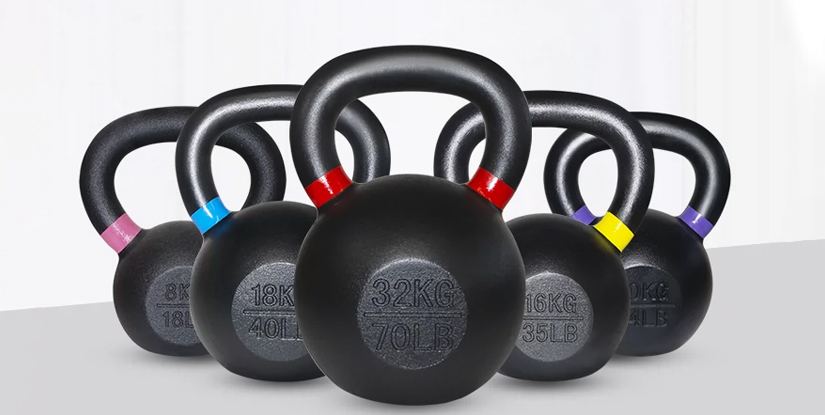
Effective logistics management also requires a focus on export packaging to ensure product integrity during long-distance maritime transit. High-density packing configurations are essential to maximize container utilization and reduce the per-unit shipping cost. By coordinating closely with your manufacturer on palletization and crate dimensions, you can improve shipping efficiency, ensuring that your bulk shipments arrive at your warehouse with minimal damage and optimized space usage. This level of granular control over the outbound process is fundamental to maintaining a healthy inventory turnover and a predictable landed cost for your distribution network.
20kg Kettlebell: China Factory Manufacturing and Quality Standards
Standardizing production is critical when sourcing high-volume inventory for commercial fitness centers or distribution networks. A professional 20kg kettlebell must meet rigorous specifications to ensure user safety and long-term durability in high-traffic environments. For distributors and gym owners, relying on a specialized China factory ensures that every unit adheres to strict industrial benchmarks, minimizing the risk of weight deviations or structural failures.
The production of a 20kg kettlebell involves precise casting and finishing processes to maintain material integrity. Whether utilizing cast iron or high-density polymers, the manufacturing process must prioritize weight consistency to prevent discrepancies that can disrupt professional training programs. A reliable commercial kettlebell supplier implements multi-stage inspections to verify that the center of gravity and handle ergonomics remain consistent across every batch ordered.
Strict Manufacturing Protocols and QC
Quality control is the foundation of successful bulk gym equipment manufacturing. In a professional setting, even minor imperfections in the handle or surface texture can lead to grip issues or premature wear. Our quality control protocols include density testing, surface finish verification, and weight tolerance audits to ensure that every 20kg kettlebell meets the exact requirements of your commercial specification. This focus on manufacturing standards helps reduce the total cost of ownership by extending the product lifecycle and reducing replacement frequency.
By maintaining strict commercial-grade durability standards, we ensure that the equipment can withstand the heavy usage typical of strength and conditioning facilities. This level of oversight is essential for buyers looking to optimize their wholesale procurement strategies, as it guarantees that the landed products are ready for immediate deployment without the need for secondary inspections or quality-related returns.
Technical Comparison of Production Standards
Understanding the distinction between basic production and specialized manufacturing is essential for procurement professionals. Choosing the wrong specification can lead to higher replacement costs and decreased client satisfaction in professional training environments. When sourcing a wholesale 20kg kettlebell, it is vital to distinguish between standard cast iron units and high-end competition-grade equipment to ensure your inventory meets the specific demands of your target market.
The following table outlines the technical differences between common production methods to assist in your sourcing decisions. These variations directly impact the durability, weight accuracy, and long-term value of your bulk orders.
| Specification Feature | Standard Cast Iron Production | High-End Competition/Steel Production |
|---|---|---|
| Weight Tolerance | +/- 3% to 5% variance | +/- 1% or strictly precision-weighted |
| Surface Finish | Rough texture or basic powder coating | Smooth, high-grade finish or premium urethane |
| Handle Ergonomics | Standard cast shape | Precision-molded for consistent grip |
| Best Use Case | General gym use and high-volume retail | Professional training and competition settings |
| Procurement Value | High margin for bulk distribution | Premium branding and specialized facility fit |
For buyers managing large-scale inventory, selecting the appropriate production method is a key component of a successful bulk gym equipment manufacturing strategy. While standard cast iron offers a competitive price point for general distribution, competition-grade units provide the precision required for high-end studio operators. We recommend requesting a detailed specification sheet or a sample to verify that the finish and weight consistency align with your brand identity and quality expectations before finalizing your order.
To ensure full control over your brand identity and product performance, we offer extensive OEM/ODM capabilities. This allows distributors to move beyond generic stock and provide customized solutions that meet specific market demands. Whether you require a custom color scheme for your private label, a specific handle diameter for ergonomic differentiation, or unique branding on the kettlebell body, our China factory is equipped to execute these technical requirements at scale.
A successful sourcing strategy for a 20kg kettlebell often requires more than just a standard product; it requires a partner capable of technical customization. Our ODM services allow you to leverage our existing molds while introducing proprietary surface textures or specialized coatings that can differentiate your brand in a crowded commercial market. This capability is designed to help you build a premium product line that justifies higher distributor margins and strengthens your position as a specialized equipment provider.
Before any large-scale shipment leaves our facility, we conduct a rigorous pre-shipment inspection to eliminate the risk of faulty inventory reaching your warehouse. This final stage of quality assurance involves random sampling from the completed batch to verify weight accuracy, handle integrity, and coating adhesion. For procurement leads managing high-volume orders, this process is a critical safeguard that protects your landed cost and ensures that the wholesale 20kg kettlebell units arriving at your facility meet the highest commercial-grade standards.
We recommend that professional buyers initiate the procurement process by requesting a formal quote and a detailed specification sheet. To ensure the product meets your exact facility or retail requirements, you may also request a sample approval or schedule a factory audit. Once your technical specifications and MOQ are confirmed, our team will provide a comprehensive timeline covering production and export packaging to assist in your logistics and inventory planning.
20kg Kettlebell: OEM and Private Label Customization Capabilities
Establishing a distinct brand identity is essential for distributors looking to differentiate their product lines in competitive markets. When sourcing a 20kg kettlebell, professional buyers often require more than just standard inventory; they need the ability to implement private label solutions that align with their specific market positioning. Our China factory provides comprehensive OEM and ODM services to ensure your equipment reflects your professional standards.
The scope of customization extends beyond simple aesthetics to include structural and tactile specifications. We offer extensive color/texture/logo customization, allowing you to control the visual and ergonomic profile of your wholesale 20kg kettlebell orders. Whether you require a specific powder coating color, a unique cast iron texture, or precision laser-etched branding, our bulk gym equipment manufacturing processes are designed to meet those exact requirements.
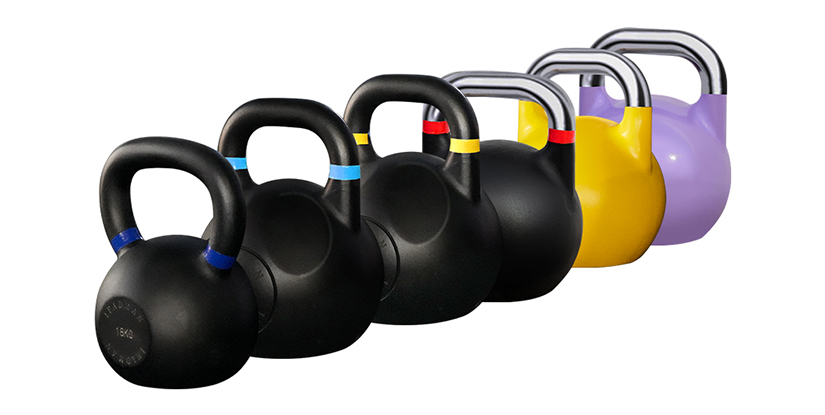
For procurement leads, these customization options directly impact brand equity and long-term distributor margins. By leveraging our commercial kettlebell supplier capabilities, you can transition from a generic importer to a specialized brand owner. We manage the technical complexities of custom branding—from material consistency to logo durability—so your focus remains on market expansion and inventory turnover.
Customization Depth and Sourcing Models
To assist in your procurement planning, it is necessary to understand the trade-offs between rapid replenishment and full-scale product development. Selecting the right model depends on your current inventory strategy, target market segment, and desired level of brand differentiation. A 20kg kettlebell ordered as standard stock offers the fastest turnaround, whereas a full ODM project allows for complete control over the product's physical and visual DNA.
The following table outlines the operational differences between standard procurement and customized manufacturing paths to help you evaluate the best fit for your supply chain.
| Specification Metric | Standard Wholesale Order | Full OEM/ODM Customization |
|---|---|---|
| Customization Depth | Standard colors and existing manufacturer logo | Full color, texture, and proprietary branding |
| MOQ Requirements | Lower threshold for rapid stock replenishment | Higher requirements for custom tooling/molds |
| Design Control | Pre-set specifications and industry-standard dimensions | Custom handle diameter, weight tolerance, and finish |
| Lead Time Impact | Shortest path from order to container loading | Extended timeline for sampling and mold approval |
| Sourcing Objective | General inventory and immediate market availability | Building long-term brand identity and premium positioning |
When evaluating your next batch, consider whether your market demands a high-turnover commodity or a specialized, branded solution. If you are looking to scale a premium line, we recommend initiating the OEM process early to account for the extended lead times required for custom mold validation and quality testing. For buyers focused on immediate volume, our standard wholesale options provide a reliable, cost-effective way to maintain consistent stock levels without the complexities of custom manufacturing.
Technical Execution and Material Standards
Precision in manufacturing is the primary differentiator between a low-grade commodity and a professional-grade tool. For a 20kg kettlebell, the structural integrity begins with the selection of high-density cast iron or solid steel. Our China factory utilizes advanced casting techniques to ensure uniform density, preventing the weight imbalances that can degrade user experience in high-traffic commercial environments. This technical rigor is critical for distributors who prioritize a low total cost of ownership and high product reliability.
The surface finish is equally vital for long-term durability and brand perception. We offer various coating options, including high-grade powder coating and specialized paint finishes that resist chipping and oxidation. These coatings are engineered to withstand the rigorous demands of a commercial gym, ensuring that your wholesale 20kg kettlebell inventory maintains a premium appearance even after extensive use. This attention to the coating process minimizes replacement planning and enhances the long-term value of your procurement.
To maintain strict consistency across large-scale bulk gym equipment manufacturing runs, we implement a multi-stage quality control process. Every batch undergoes rigorous weight tolerance testing and physical inspection to ensure each unit meets exact specifications. This stringent QC protocol mitigates the risk of receiving sub-standard units, protecting your distributor margins and ensuring that your brand identity remains synonymous with quality. Before final container loading, all units are verified to ensure the branding and finish meet the approved sample standards.
20kg Kettlebell: Logistics, Export Packaging, and Lead Time Management
Efficient international procurement requires more than just selecting a high-quality 20kg kettlebell; it demands rigorous attention to shipping logistics and container utilization. For distributors and large-scale gym operators, the landed cost is heavily influenced by how effectively the wholesale 20kg kettlebell units are packed and how the commercial kettlebell supplier manages the sea freight timeline.
Improperly managed bulk shipments often result in damaged coatings or crushed packaging, leading to costly returns and diminished margins. To mitigate these risks, a professional China factory implements standardized export packaging protocols designed specifically for heavy, high-density iron products. This includes using heavy-duty cartons and reinforced structural support to ensure every 20kg kettlebell arrives in pristine condition.
Optimizing Container Loading and Sea Freight Safety
Maximizing container volume is critical for reducing the per-unit shipping cost. We utilize advanced container loading optimization techniques, ensuring that the weight distribution remains stable throughout the transit. By strategically stacking units, we achieve high density without compromising the structural integrity of the packaging. To prevent surface oxidation and scratches during long-distance sea freight safety transit, each unit receives a specialized protective coating before being sealed in moisture-resistant layers.
| Sourcing Dimension | Standard Export Protocol | B2B Procurement Benefit |
|---|---|---|
| Unit Protection | Protective coating and heavy-duty cartons | Minimizes damage and replacement costs |
| Volume Management | Container loading optimization | Reduces landed cost per unit |
| Shipping Method | Standardized sea freight logistics | Optimized for bulk bulk gym equipment manufacturing orders |
| Lead Time Control | Pre-shipment QC and scheduled loading | Ensures predictable inventory replenishment |
When planning your next inventory replenishment, we recommend reviewing the specific MOQ and lead time requirements for your destination port. Our factory provides detailed packing lists and dimensions to assist your logistics team in calculating exact container space and total freight expenditures. Please contact us to request a detailed specification sheet or to discuss custom OEM packaging requirements for your brand.
Shipping Method and Lead Time Comparison for Global Distribution
Navigating the complexities of international logistics is a critical step for any professional importer. Depending on your inventory turnover rate and capital availability, the choice between air and sea freight will significantly impact your landed cost and stock availability. For large-scale orders involving bulk gym equipment manufacturing, sea freight remains the industry standard for maintaining healthy distributor margins.
To assist your procurement planning, the following table compares common logistics channels used when sourcing from a China factory. We provide these benchmarks to help you align your warehouse replenishment cycles with actual transit times, ensuring you never face a stockout of your high-demand 20kg kettlebell units.
| Shipping Method | Estimated Lead Time (Transit) | Cost Factor | Ideal Sourcing Scenario |
|---|---|---|---|
| Sea Freight (LCL) | 30–45 Days | Low | Small to medium replenishment orders |
| Sea Freight (FCL) | 25–40 Days | Very Low | Full container load for major distributors |
| Air Freight | 5–10 Days | High | Urgent stock replenishment or small samples |
| Express Courier | 3–7 Days | Very High | Rapid sample approval and prototyping |
| Note: Lead times are estimates based on standard wholesale export routes and may vary by destination port and seasonal congestion. | |||
Effective inventory management requires a balance between speed and cost-efficiency. While air freight offers rapid delivery, the high cost per kilogram often makes it unsuitable for heavy iron products. For a standard wholesale 20kg kettlebell order, we highly recommend FCL (Full Container Load) shipping to optimize both your container utilization and your total landed cost. We recommend contacting our supplier team at least 60 days in advance of your required stock-in date to account for production, pre-shipment inspection, and vessel scheduling.
Production Cycle and Quality Assurance Protocols
Reliable procurement depends on a predictable production cycle that minimizes the risk of stockouts or delayed launches. For professional buyers, understanding the timeline from order placement to the final pre-shipment stage is essential for maintaining a stable supply chain. Our production process is structured to ensure that every 20kg kettlebell meets strict commercial-grade specifications before it ever reaches a container.
The standard production cycle begins with raw material verification, followed by casting, machining, and surface treatment. To maintain high standards, we integrate a rigorous QC inspection at multiple stages. This includes weight tolerance testing to ensure precision and structural integrity checks to prevent defects. By implementing these standardized protocols, our factory ensures that the final output aligns with the high durability demands of commercial fitness environments.
When managing large-scale bulk gym equipment manufacturing projects, transparency in the lead time is our priority. We provide clear milestones throughout the manufacturing process, allowing distributors to plan their marketing and sales activities with confidence. Whether you are fulfilling a large distributor contract or replenishing a studio's inventory, our commitment to quality assurance and timeline management helps protect your brand reputation and bottom line.
20kg Kettlebell: Final Procurement Checklist for Importers
Sourcing heavy iron equipment requires more than just finding a low price; it requires a rigorous procurement checklist to protect your margins. When importing a 20kg kettlebell in large volumes, failure to verify casting density or handle finish can lead to high return rates and damaged brand reputation. For professional buyers, the goal is to transition from simple purchasing to strategic commercial gym equipment sourcing that minimizes the total landed cost while ensuring structural integrity.
A structured approach to wholesale 20kg kettlebell procurement involves evaluating the China factory not just on output, but on their ability to meet international weight tolerances and durability standards. Without a formal process, importers often face hidden costs related to weight discrepancies, poor surface treatment, or shipping damage. To mitigate these risks, we recommend a multi-stage verification process that covers everything from material certification to final container loading protocols.
Essential Sourcing Dimensions
Before finalizing your bulk gym equipment manufacturing contracts, ensure your supplier can provide documentation for the following critical areas. A professional commercial kettlebell supplier should offer transparency in their production cycles to allow for remote or third-party inspections.
| Procurement Factor | Standard Requirement | Risk if Neglected |
|---|---|---|
| Weight Accuracy | Strict tolerance within +/- 1% to 3% | Inconsistent training experience and legal compliance issues |
| Material Composition | High-density cast iron or powder coating | Surface cracking or premature oxidation in humid gyms |
| Handle Ergonomics | Smooth, seamless finish for grip stability | User injury and increased product liability claims |
| Logistics Efficiency | Optimized export packaging for heavy loads | High breakage rates and increased replacement costs |
| Primary Goal | Maximize distributor margin | Minimize replacement/return cycles |
| Verification Method | Pre-shipment inspection | Sample approval and factory audit |
Once your technical specifications are set, the final step is to confirm the MOQ and lead times to align with your seasonal inventory demands. We suggest requesting a formal spec sheet and a physical sample to verify the weight distribution and texture before committing to a full container load.
Evaluating Sourcing Models: Factory-Direct vs. Trading Company
Selecting the right partner for a 20kg kettlebell order depends on your specific business scale and service requirements. Importers must decide whether to engage directly with a production facility or work through a middleman. While a trading company may offer a broader product catalog, direct engagement with a China factory typically yields better control over the technical specifications and the final landed cost of heavy iron goods.
For distributors looking to build a proprietary product line, a commercial kettlebell supplier with strong OEM capabilities is essential. Direct manufacturing allows for precise control over handle diameter, casting density, and customized branding, whereas trading companies often work with standard stock. Below is a comparison of these two common B2B procurement paths to help you determine the best fit for your inventory strategy.
| Criteria | Direct Factory Sourcing | Trading Company Sourcing |
|---|---|---|
| MOQ | Higher minimums per SKU | Lower minimums for mixed orders |
| Lead Time | Directly tied to production cycles | May include additional sourcing time |
| Customization | Full OEM and ODM support | Limited to standard product catalogs |
| Unit Cost | Optimized for high-volume wholesale | Includes service and markup margins |
| Quality Control | Direct oversight of production and QC | Dependent on third-party oversight |
To ensure long-term profitability, we recommend requesting a detailed quote that includes all shipping and handling fees. Once you have reviewed the technical documentation, proceed by confirming the MOQ for your specific weight requirements and scheduling a formal factory audit or sample approval process to secure your supply chain.
Final Verification: QC, Packaging, and Logistics Coordination
The final stage of procurement is where technical precision meets logistical reliability. Even after a successful sample approval, the integrity of your 20kg kettlebell shipment depends on rigorous pre-shipment protocols. A professional commercial kettlebell supplier must execute a comprehensive QC inspection to ensure that every unit in the bulk order matches the approved specimen in terms of weight tolerance, casting smoothness, and coating thickness. Relying on visual checks alone is insufficient for high-density iron goods; weight-verified verification is mandatory to prevent discrepancies upon arrival.
Beyond product quality, the durability of your export packaging determines the final landed cost and replacement rate. Because of the extreme density of a 20kg kettlebell, standard cardboard is inadequate for long-distance sea freight. High-tier bulk gym equipment manufacturing standards require heavy-duty reinforced cartons and palletization to prevent crushing and impact damage during transit. We recommend coordinating with your factory to confirm that the loading plan optimizes container space while providing sufficient protection for the bottom layers of the stack.
To streamline the import process, ensure your supplier provides a complete set of shipping documentation, including commercial invoices, packing lists, and certificates of origin. Clear communication regarding sea freight schedules and port-of-entry requirements is essential to avoid costly demurrage fees. Once your QC report and packaging specifications are verified, you can proceed with the final transfer to secure your inventory and maintain a consistent supply chain for your distribution or retail channels.