35 Lb Kettlebell: Export Ready China Manufacturer Supply
35 Lb Kettlebell: Sourcing Standards for Commercial Gyms
A high-quality 35 lb kettlebell is a fundamental tool for strength and conditioning programs in high-traffic environments. Professional importers and distributors prioritize these units for their ability to withstand heavy daily use, ensuring long-term ROI and reducing replacement frequency in commercial settings.
When sourcing from a commercial grade kettlebell supplier, durability is the primary metric for evaluating total cost of ownership. In high-intensity training facilities, equipment faces constant impact and surface abrasion. Choosing a wholesale 35 lb kettlebell with inferior structural integrity leads to cracked coatings or weight shifts, which increases maintenance costs and disrupts gym operations.
Material Integrity and Impact Resistance
The distinction between high-performance units and budget alternatives often lies in the material composition and the high-impact resistance of the outer layer. For large-scale procurement, understanding the trade-offs between different finishes is essential for effective inventory planning.
| Material Type | Durability Profile | Best Commercial Use Case | Maintenance Requirement |
|---|---|---|---|
| Cast Iron (Painted) | High structural density; prone to paint chipping over time | Standard strength training and general gym use | Low; periodic inspection for rust |
| Urethane Coating | Superior abrasion resistance and high-impact protection | Premium studios and high-traffic functional training areas | Minimal; highly resistant to surface wear |
| Rubber Encased | Excellent floor protection and sound reduction | CrossFit boxes and multi-purpose training zones | Moderate; check for coating separation |
To ensure consistent quality across large bulk kettlebell manufacturing orders, a professional factory must implement rigorous factory QC standards. This includes weight tolerance testing and coating adhesion checks to ensure every unit meets international commercial specifications. For distributors, verifying these protocols during a pre-shipment inspection or via a factory audit is a critical step in mitigating the risk of receiving defective stock.
Selecting the correct finish is not merely a matter of aesthetics; it is a strategic decision regarding the lifecycle of your inventory. A professional 35 lb kettlebell sourced with high-grade urethane will offer a significantly longer service life in premium studios compared to standard painted options. For distributors managing large-scale facility rollouts, this distinction directly impacts the perceived quality of the end-user experience and the long-term maintenance load on the facility.
When planning your next procurement cycle, we recommend evaluating the total cost of ownership rather than just the initial unit price. A commercial grade kettlebell supplier can provide various customization options through OEM or ODM services, allowing you to align the product durability with your specific market positioning. Whether you require the ruggedness of cast iron for weightlifting-focused gyms or the impact-absorption of rubber-coated units for high-intensity functional training, ensuring the China factory adheres to strict material density standards is vital for maintaining high distributor margins and reducing replacement claims.
To facilitate a streamlined sourcing process, we encourage professional buyers to request technical spec sheets and confirm the MOQ for specific material finishes. Our team is available to assist with sample approval and detailed discussions regarding export packaging to ensure your bulk shipment arrives in optimal condition, ready for immediate commercial deployment.
Ensuring a consistent 35 lb kettlebell standard across an entire shipment requires more than just basic quality checks; it demands a specialized manufacturing approach. For procurement managers, the risk of weight variance or surface degradation can lead to significant logistical headaches and increased replacement costs. A professional China factory mitigates these risks by integrating rigorous testing into every stage of the production cycle.
Precision in Weight and Surface Consistency
In professional strength training, even minor deviations in weight can affect the integrity of a standardized program. High-tier bulk kettlebell manufacturing must prioritize strict weight tolerance controls. A reliable supplier ensures that every unit in a large-scale order remains within a tight, industry-standard margin, preventing the unevenness often found in lower-quality production runs.
Beyond the internal weight, the surface finish consistency is a vital indicator of long-term durability. Whether you are sourcing for a high-end boutique studio or a high-volume training center, the coating must adhere perfectly to the core to prevent peeling or cracking under heavy use. This level of detail is what separates a premium wholesale 35 lb kettlebell from standard retail-grade products. We recommend that all importers schedule a pre-shipment inspection or request specific documentation regarding coating adhesion and weight tolerance to protect your investment and ensure the highest level of product reliability for your clients.
Engineering and Safety: Structural Integrity of the 35 Lb Kettlebell
When sourcing high-volume inventory, distributors must prioritize the structural integrity of every unit to minimize replacement costs and liability. A high-quality 35 lb kettlebell requires precise casting and rigorous material testing to ensure it withstands the high-impact environment of a commercial gym. For professional importers, selecting a commercial grade kettlebell supplier with established metallurgical standards is essential to avoid the high TCO associated with substandard, hollow, or unevenly weighted units.
The distinction between professional equipment and budget alternatives often lies in the casting process and surface finish. Most high-end wholesale 35 lb kettlebell orders specify a solid cast iron core to ensure long-term durability. While some manufacturers use thin powder coating to mask imperfections, a professional China factory focuses on the fundamental density and balance of the iron itself. This ensures that the weight remains consistent throughout the lifecycle of the product, providing the reliability required for heavy-use facilities.
Material Specifications and Weight Tolerance
Precision in weight is a non-negotiable requirement for professional procurement. A reliable bulk kettlebell manufacturing process must adhere to strict weight tolerance standards to ensure that a 35 lb unit does not deviate significantly from its rated mass. Discrepancies in weight can disrupt training protocols and lead to client dissatisfaction in premium studios. We implement multi-stage inspection protocols to maintain these standards across every batch.
| Feature | Specification | Standard Commercial Grade | Economy/Retail Grade |
|---|---|---|
| Core Material | Solid Cast Iron | Mixed Fill or Thin Casting |
| Weight Tolerance | Strict +/- 1-2% Deviation | High Deviation / Unregulated |
| Surface Finish | High-Durability Powder Coating | Basic Paint or Raw Iron |
| Structural Integrity | High-Impact Resistance | Prone to Cracking/Chipping |
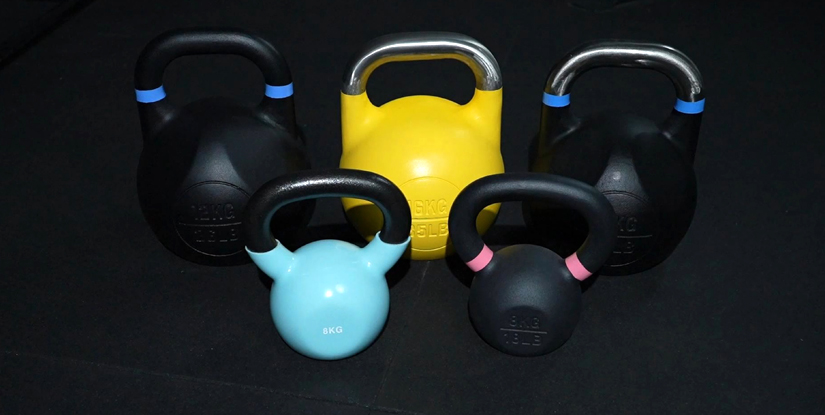
Understanding these technical variances allows procurement leads to calculate the true total cost of ownership. While economy-grade units may offer a lower initial landed cost, the lack of precision in handle thickness and coating adhesion often leads to premature failure in high-traffic environments. For those managing large-scale facility rollouts, selecting a 35 lb kettlebell produced via high-standard industrial processes ensures that the equipment maintains its aesthetic and functional integrity under constant use.
To ensure your inventory meets global commercial standards, we recommend requesting a formal specification sheet and technical data for any bulk order. Our factory provides detailed documentation regarding material density and surface treatment to assist in your quality control process. Whether you are pursuing a private label project or a standard stock replenishment, confirming these engineering benchmarks during the sample approval stage is a critical step in mitigating long-term operational risks.
Professional buyers and equipment distributors recognize that the long-term value of a shipment is determined by the precision of the initial manufacturing stage. Relying on a commercial grade kettlebell supplier that understands the nuances of high-impact resistance is vital for maintaining high client satisfaction levels. When your procurement strategy focuses on a 35 lb kettlebell, the goal is not merely to find the lowest unit price, but to secure a product that minimizes maintenance cycles and replacement frequency. By prioritizing high-density casting and uniform handle ergonomics, you protect your brand reputation and ensure a superior return on investment for your end-users.
To facilitate seamless global distribution, our bulk kettlebell manufacturing capabilities are designed to meet the rigorous demands of international logistics and high-traffic facility use. We offer comprehensive OEM and ODM solutions to help you build a distinctive product line that aligns with your specific market positioning. From custom handle textures to unique branding on the iron body, our processes allow you to transition from a simple importer to a specialized brand owner. We invite you to contact us to discuss your specific requirements, confirm your MOQ, or arrange for a factory audit to verify our quality control standards before proceeding with a large-scale order.
Optimizing TCO Through High-Durability Material Selection
For distributors and gym operators, the initial purchase price of a 35 lb kettlebell is only one part of the equation. True profitability is found in minimizing the replacement frequency and maintenance load over a multi-year lifecycle. When sourcing from a China factory, understanding the distinction between cast iron and coated materials is critical for long-term TCO optimization.
Selecting a lower-quality commercial grade kettlebell supplier may offer a lower landed cost upfront, but if the material lacks structural integrity, the resulting replacement costs will erode your margins. High-traffic commercial environments demand materials that withstand constant impact and friction without degradation.
| Material Type | Durability Profile | Maintenance Requirement | Best Sourcing Use Case |
|---|---|---|---|
| Cast Iron (Uncoated) | High impact resistance; prone to surface oxidation | Low; occasional cleaning | Budget-conscious bulk orders |
| Cast Iron (Painted/Powder Coated) | Enhanced corrosion resistance; high surface stability | Minimal; standard upkeep | Standard commercial gym distribution |
| Urethane Coated | Superior impact protection; high material durability | Very low; extremely resilient | Premium studio or high-end facility wholesale |
| Rubber Encased | High floor protection; moderate wear potential | Low; surface monitoring | General fitness environments |
When evaluating bulk kettlebell manufacturing options, procurement leads should prioritize the thickness of the coating and the density of the core. A premium 35 lb kettlebell produced via OEM specifications ensures that the weight remains consistent and the exterior does not chip or peel under heavy use, thereby protecting your long-term ROI.
The decision between these material profiles directly influences your total landed cost and long-term replacement cycles. While a standard cast iron 35 lb kettlebell offers the most competitive price point for large-scale distribution, high-end boutique studios often require the enhanced protection of urethane to justify premium membership rates. A professional commercial grade kettlebell supplier will provide detailed material specifications to ensure your choice aligns with your facility's specific usage intensity and budget constraints.
To finalize your procurement strategy, we recommend requesting a detailed technical specification sheet from your manufacturer. Confirming the specific coating thickness and core density during the sample approval stage can prevent unexpected maintenance costs. Once your material preference is finalized, you may proceed to discuss specific wholesale 35 lb kettlebell volume tiers, MOQ requirements, and customized branding options to suit your brand identity.
The decision between these material profiles directly influences your total landed cost and long-term replacement cycles. While a standard cast iron 35 lb kettlebell offers the most competitive price point for large-scale distribution, high-end boutique studios often require the enhanced protection of urethane to justify premium membership rates. A professional commercial grade kettlebell supplier will provide detailed material specifications to ensure your choice aligns with your facility's specific usage intensity and budget constraints.
To finalize your procurement strategy, we recommend requesting a detailed technical specification sheet from your manufacturer. Confirming the specific coating thickness and core density during the sample approval stage can prevent unexpected maintenance costs. Once your material preference is finalized, you may proceed to discuss specific wholesale 35 lb kettlebell volume tiers, MOQ requirements, and customized branding options to suit your brand identity.
China Factory QC Protocols and Pre-Shipment Inspection
Reliability in bulk procurement depends entirely on the rigor of the quality control process. For distributors, a single batch of inconsistent weight or poor surface finish can lead to high return rates and increased liability. When sourcing a 35 lb kettlebell, professional buyers must ensure the China factory implements strict multi-stage inspections to maintain industry-standard commercial specifications.
A professional commercial grade kettlebell supplier focuses on three critical dimensions of stability: weight tolerance, structural integrity, and surface finish. If the weight tolerance deviates from the specified 35 lbs, it compromises the training utility for high-end studios. Furthermore, the surface finish must be free of casting defects or rough edges to ensure user safety and long-term durability in high-traffic environments. By prioritizing these manufacturing standards, importers mitigate the risk of receiving substandard units that damage their brand reputation.
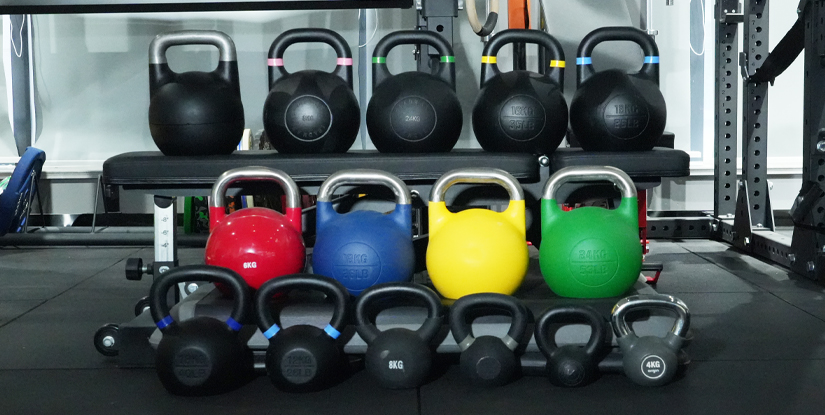
To ensure total compliance, our bulk kettlebell manufacturing workflow includes rigorous pre-shipment audits. This includes checking the density of the cast iron, the precision of the handle diameter, and the durability of the powder coating. For large-scale wholesale 35 lb kettlebell orders, we recommend a formal inspection to confirm that every unit meets the exact technical requirements of your specific market before the final container loading.
Standardized Inspection Stages for Global Export
The production cycle for a 35 lb kettlebell begins with rigorous material testing. We verify the raw iron purity and casting integrity before any molding occurs to prevent structural fractures during heavy use. This fundamental step ensures that every unit can withstand the high-impact environment of a commercial gym without failure.
Following the casting phase, we move into precise weight verification. Each unit undergoes a strict calibration process to ensure the actual mass aligns with the specified 35 lbs within industry-standard tolerances. This level of precision is non-negotiable for distributors who require consistent product quality across large-scale shipments. After weight confirmation, the units undergo a final surface inspection to check for coating adhesion and handle smoothness.
The final stage of our bulk kettlebell manufacturing protocol focuses on packaging durability. For international shipping, we utilize reinforced cartons and optimized palletization techniques to protect against moisture and physical impact during transit. This meticulous approach to export packaging reduces the risk of transit damage, ensuring your landed cost remains predictable and your inventory arrives in premium condition.
Technical Inspection Parameters for Commercial Procurement
To assist procurement leads in evaluating technical compliance, the following table outlines our standard inspection checklist. This data ensures that your 35 lb kettlebell shipments meet the rigorous demands of international commercial gym standards and minimizes the risk of defective returns.
| Inspection Parameter | Commercial Specification Requirement | B2B Quality Control Objective |
|---|---|---|
| Weight Deviation | Within industry-standard tolerance (+/- 1-2%) | Ensures consistency for professional training sets |
| Handle Smoothness | Zero sharp edges or casting burrs | Prevents user injury and maintains premium feel |
| Coating Adhesion | High-durability powder coat/rubberized finish | Prevents chipping and maintains aesthetic longevity |
| Surface Uniformity | Consistent texture and color density | Guarantees visual uniformity for retail/studio display |
| Structural Integrity | No internal voids or casting fractures | Reduces long-term maintenance and replacement costs |
Maintaining these high-level standards is essential when managing a wholesale 35 lb kettlebell contract. By verifying these parameters through a pre-shipment audit, importers can confirm that the commercial grade kettlebell supplier has adhered to all technical specifications. We recommend that buyers request a detailed spec sheet or a sample approval before proceeding with large-scale production to ensure the final product aligns perfectly with your brand identity and market position.
OEM and Private Label Customization for Global Distributors
Distributors and gym equipment importers often face the challenge of product homogenization in a competitive market. Relying solely on standard stock items can limit your ability to build a unique brand identity. To differentiate your catalog, working with a specialized commercial grade kettlebell supplier that offers deep customization is essential for long-term market positioning.
Our China factory provides comprehensive OEM and ODM solutions designed to move beyond generic fitness gear. Whether you are looking to establish a premium line or a high-volume budget tier, we offer versatile customization options (color, texture, logo) to meet your specific requirements. This capability allows you to scale your private label business while maintaining strict control over the aesthetic and functional standards of your 35 lb kettlebell inventory.
By leveraging our bulk kettlebell manufacturing expertise, you can secure a wholesale 35 lb kettlebell that aligns perfectly with your target demographic. From specialized powder coatings to custom handle textures, every detail is engineered to support your brand's professional image and commercial durability standards.
Technical Comparison: Standard Stock vs. Full Customization
Deciding between purchasing ready-to-ship units or investing in a customized production run depends on your specific market strategy and inventory goals. While standard stock orders offer rapid deployment, full customization through our China factory allows for deeper market penetration through brand differentiation. Below is a technical breakdown to assist your procurement planning.
| Feature Specification | Standard Stock Order | Full OEM/ODM Customization |
|---|---|---|
| Available Weight | Standardized increments | Custom weight precision |
| Surface Finish | Basic powder coating | Specialized textures/colors |
| Branding Method | Generic or no logo | Laser etching or silk screen |
| Design Control | Fixed mold design | Custom handle/body geometry |
| Typical MOQ | Lower volume requirements | Higher volume requirements |
| Lead Time | Short (Ex-stock) | Extended (Production cycle) |
For distributors focused on rapid turnover, standard 35 lb kettlebell orders are highly efficient for filling immediate gaps in inventory. However, for established importers seeking to build a premium tier, utilizing wholesale 35 lb kettlebell customization services provides the necessary control over the final landed cost and product exclusivity. We recommend requesting a detailed spec sheet and a sample evaluation to determine which model best fits your commercial durability requirements before finalizing a bulk order.
Logistics, QC, and Export Readiness for Global Importers
Managing the complexities of international shipping and product consistency is a significant pain point for distributors. A single batch of substandard units can damage your reputation and increase your long-term maintenance load. To mitigate these risks, our manufacturing process integrates rigorous QC protocols and professional export packaging to ensure every unit arrives in optimal condition, ready for immediate commercial deployment.
Before any container is sealed, we conduct a thorough pre-shipment inspection to verify weight accuracy and surface integrity. This level of oversight is standard for our bulk kettlebell manufacturing workflows, ensuring that your 35 lb kettlebell shipment meets international commercial standards. We utilize heavy-duty, reinforced packaging designed to withstand long-distance maritime transit and multiple handling stages, protecting your investment from transit-related damage.
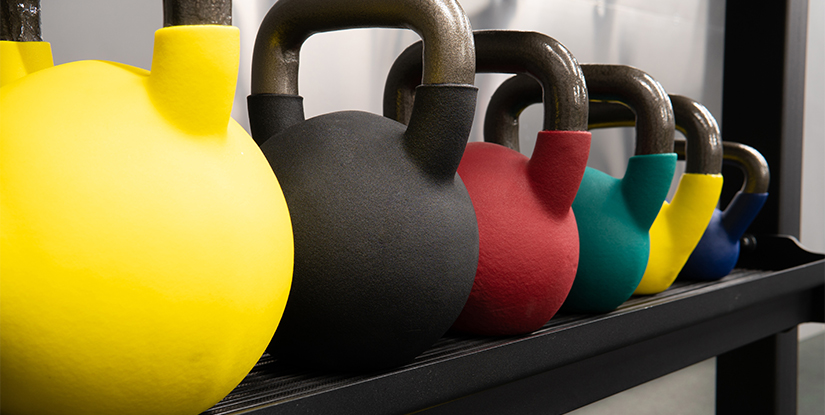
Understanding the total landed cost is vital for accurate margin planning. By sourcing directly from our factory, you eliminate middleman markups, allowing for more competitive pricing in your local market. We work closely with your logistics partners to optimize container loading density, maximizing space efficiency and reducing per-unit shipping expenses. Whether you are managing a small boutique studio order or a large-scale distribution, our streamlined sourcing and export-ready systems are built to support your commercial scale and operational efficiency.
Export Logistics: Packaging and Container Loading Efficiency
Optimizing the landed cost of a bulk shipment requires more than just negotiating a low unit price; it demands a strategic focus on container loading optimization. For professional importers and distributors, the way a 35 lb kettlebell is packed directly dictates the ratio of product weight to freight expense. Inefficient packaging increases the volumetric weight, leading to wasted space in a standard 20ft or 40ft container, which ultimately erodes your distributor margins.
A professional commercial grade kettlebell supplier must prioritize shipping efficiency through standardized export cartons and palletization strategies. By utilizing high-density stacking methods and reinforced corrugated boxes, a China factory can maximize the payload of every shipment. This level of China factory logistics expertise ensures that you are not paying to ship air, providing a significant advantage when calculating your total procurement budget for large-scale gym fit-outs or retail distribution.
Packaging Configuration and Cost-Efficiency Analysis
Selecting the appropriate packaging method is a critical decision for procurement managers looking to balance product safety with shipping economy. When sourcing a wholesale 35 lb kettlebell, the choice between bulk density and individual protection can significantly alter your final landed cost. For large-scale gym projects, maximizing the density of each shipment is essential to maintain healthy profit margins and reduce the per-unit freight expense.
| Packaging Type | Protection Level | Space Utilization | Ideal Sourcing Context |
|---|---|---|---|
| Bulk Box (Multi-unit) | Standard Commercial | High Efficiency | Large-scale gym fit-outs |
| Individual Box | High (Retail Ready) | Moderate Efficiency | Distributor/Retail distribution |
| Custom OEM Crate | Maximum Security | Variable | Premium brand identity |
A specialized bulk kettlebell manufacturing partner will offer these tiered options to suit your specific business model. If your goal is to minimize the cost per unit for a large fitness center, bulk box configurations offer the best return on investment by reducing volumetric waste. Conversely, if you are a distributor requiring shelf-ready products, individual packaging ensures your brand identity remains intact upon arrival. We recommend confirming your specific requirements regarding carton thickness and palletization with your supplier during the initial RFQ process to ensure the shipment meets your local warehouse handling standards.
Maintaining product integrity during long-distance maritime transit is a non-negotiable requirement for high-volume procurement. A professional commercial grade kettlebell supplier understands that the primary risk during sea freight is not just physical impact, but the structural failure of packaging due to moisture and heavy stacking. To mitigate these risks, our China factory implements rigorous export packaging protocols designed specifically for heavy-duty iron and cast iron equipment. This includes using reinforced, double-walled corrugated cartons and moisture-resistant liners to prevent corrosion and structural deformation during the transit period.
To ensure total damage prevention, we integrate a mandatory pre-shipment inspection phase into our production cycle. This process verifies that every 35 lb kettlebell meets both dimensional tolerances and surface finish standards before being sealed for export. For distributors managing high-volume inventories, this focus on bulk order stability means fewer returns, lower replacement costs, and a more reliable supply chain. Before finalizing your shipment, we encourage procurement leads to request a detailed packaging specification sheet or a sample of our export-standard boxing to ensure it aligns with your local logistics and warehouse handling capabilities.
Procurement Roadmap: From Sample Approval to Bulk Delivery
Establishing a reliable supply chain for a 35 lb kettlebell requires a structured transition from initial prototyping to high-volume logistics. Professional importers must move beyond simple unit pricing to evaluate the long-term operational stability of their commercial grade kettlebell supplier. A disciplined procurement workflow minimizes the risk of receiving inconsistent weight tolerances or substandard finishes that can damage a distributor's reputation.
The process begins with rigorous sample validation. Before committing to a full production run, a wholesale 35 lb kettlebell sample must be vetted for handle ergonomics, coating adhesion, and weight precision. Once the sample meets your technical specifications, the factory initiates the mass production phase. This stage is governed by a strict MOQ and a defined production lead time, typically ranging from 25 to 45 days depending on the total order volume and OEM customization requirements. Throughout this cycle, multiple QC checkpoints are essential to ensure every unit adheres to the approved prototype, protecting your landed cost and ensuring brand consistency across your entire inventory.
| Procurement Model | Minimum Order Quantity (MOQ) | Lead Time | Branding & Customization |
|---|---|---|---|
| Standard Wholesale | Low to Moderate | Short (15–30 Days) | Standard factory finish; no custom logos |
| Custom OEM/ODM | High (Volume-dependent) | Extended (45–60+ Days) | Full private label; custom colors and logos |
Choosing between these two paths depends on your current inventory strategy and market positioning. Standard wholesale orders are ideal for rapid replenishment of existing stock, allowing for faster turnover and lower upfront capital commitment. This path is often the most efficient for distributors needing to fill immediate gaps in a product catalog without the complexities of long-term production cycles.
Conversely, engaging in bulk kettlebell manufacturing through an OEM or ODM model provides the ability to build a unique brand identity. While this requires higher initial volume and a longer lead time to account for tooling and custom branding, it offers superior control over product differentiation. For large-scale commercial distributors, the ability to offer a proprietary line of high-durability equipment can significantly enhance long-term margins and market presence.
Finalizing the logistics phase is critical to protecting your landed cost and ensuring product integrity upon arrival. A professional 35 lb kettlebell shipment must undergo a rigorous pre-shipment inspection to verify that every unit meets the weight tolerance and surface finish standards established during the sampling stage. This prevents the high cost of returns or client dissatisfaction caused by inconsistent batches. We recommend that distributors or procurement leads schedule a final inspection to audit the production output before any container is sealed.
To mitigate the risks of transit damage, our export packaging standards are designed for the heavy-duty nature of iron and cast equipment. Each unit is secured to prevent shifting and impact-related wear during sea freight. Managing lead time expectations is equally vital for global distribution; while production cycles are predictable, international buyers should account for seasonal shipping fluctuations and customs clearance protocols. By coordinating closely with your supplier, you can align your inventory arrival with market demand, ensuring a seamless transition from the China factory to your local warehouse or retail distribution network.