Best Adjustable Kettlebell: China Manufacturer Vetting
Best Adjustable Kettlebell Sourcing for Commercial Scale
Selecting the best adjustable kettlebell for high-traffic environments requires a rigorous assessment of mechanical integrity, weight transition speed, and long-term maintenance costs. Professional procurement leads must evaluate three critical checkpoints: the structural tolerance of the locking mechanisms, the precision of weight increments, and the logistical reliability of the China factory to ensure consistent unit specifications across large-scale shipments. Failure to verify these technical standards during the initial sourcing phase often results in increased replacement cycles and diminished floor-space ROI.
In modern fitness facilities, the best adjustable kettlebell serves as a vital tool for optimizing square footage. Traditional kettlebell sets require immense storage footprints, whereas a single adjustable unit can replace an entire weight range, significantly improving space efficiency in boutique studios and crowded commercial gyms. For a commercial adjustable kettlebell supplier, providing a solution that balances high-traffic durability with a compact footprint is essential for meeting the demands of high-density training environments.
From a professional gym equipment distributor sourcing perspective, the value of adjustable weight systems extends beyond the gym floor to warehouse management. Managing a diverse SKU count of individual kettlebells creates complex inventory and replenishment challenges. Transitioning to high-quality adjustable models allows distributors to streamline their catalog, reducing the number of individual items to track while offering a premium, versatile product line to their end-users.
Operational Efficiency: Fixed vs. Adjustable Models
For facility managers and importers, the decision between fixed and adjustable equipment is a calculation of total cost of ownership (TCO) and inventory complexity. While fixed kettlebells are industry standards for durability, they present significant logistical hurdles in terms of volume-to-weight ratios during shipping and high SKU counts in local warehouses. When evaluating the best adjustable kettlebell for a commercial client, the focus shifts from pure weight-per-unit to the efficiency of the entire product ecosystem.
The following comparison highlights why many professional buyers are moving toward adjustable technology to optimize both their showroom floor and their client's training area.
| Feature / Metric | Standard Fixed Kettlebells | Professional Adjustable Models |
|---|---|---|
| Weight Range Coverage | Requires multiple individual units | Single unit covers extensive increments |
| Storage Footprint | High; requires large racks/shelving | Minimal; highly compact storage profile |
| SKU Complexity | High; multiple items to track/restock | Low; streamlined inventory management |
| Logistics & Shipping | High volume; high landed cost per unit | Optimized volume; better shipping density |
| Commercial Setting Suitability | Extreme durability; high-impact use | Optimized for versatility and space-saving |
| Procurement Efficiency | Complex replenishment cycles | Simplified bulk ordering processes |
For a wholesale buyer, the best adjustable kettlebell offers a strategic advantage in reducing the number of individual pieces required to complete a full training set. This transition simplifies the adjustable kettlebell wholesale process, as it allows for more predictable replenishment cycles and reduces the warehouse space required to hold stock. By focusing on high-quality, multi-increment units, distributors can offer a more sophisticated, space-efficient solution to their clients while maintaining a leaner, more profitable inventory profile.
Maximizing Distributor Margin Through Inventory Optimization
Effective inventory management is the cornerstone of high-volume distribution. One of the primary challenges in the fitness equipment sector is the high cost of holding diverse, low-margin SKUs. When a gym equipment distributor sourcing traditional iron kettlebells, they must manage dozens of individual weights, each requiring its own tracking, storage space, and replenishment logic. This high SKU density often leads to fragmented inventory, where capital is tied up in slow-moving weight increments that do not align with current market demand.
Transitioning to the best adjustable kettlebell model allows a distributor to consolidate their product catalog. By offering a single, high-performance unit that covers a wide weight spectrum, you reduce the complexity of your logistics chain. This consolidation directly improves warehouse efficiency, as the volumetric footprint of a single adjustable unit is significantly smaller than a full set of fixed weights. For professional importers, this means higher shipping density per container and a more predictable approach to managing stock levels.
Furthermore, optimizing your replenishment cycles is critical for maintaining a healthy cash flow. Rather than managing the constant restocking of multiple individual weight increments, distributors can focus on high-turnover, versatile products. This streamlined approach minimizes the risk of dead stock and allows for a more agile response to market shifts. When your procurement strategy centers on the best adjustable kettlebell, you are not just selling a piece of equipment; you are providing a space-saving, high-value solution that maximizes both your distributor margin and your clients' floor-space ROI.
Optimizing Floor Layout with Adjustable Weight Systems
For commercial facility managers and international distributors, the best adjustable kettlebell represents more than a training tool; it is a strategic asset for space efficiency. When sourcing high-quality equipment from a China factory, the primary goal is to maximize the utility of every square meter within a commercial gym layout. Traditional fixed-weight sets require expansive racks and significant floor area, which increases overhead costs and complicates inventory management.
By integrating a single high-grade adjustable system, operators can achieve significant footprint reduction. This versatility allows a single station to replace multiple heavy steel racks, facilitating a more fluid movement pattern and higher density in high-traffic training zones. For gym equipment distributor sourcing professionals, offering these multi-functional units provides a compelling value proposition to clients looking to optimize their ROI through lower capital expenditure and reduced equipment volume.
| Procurement Metric | Fixed Weight Sets | best adjustable kettlebell Systems |
|---|---|---|
| Storage Footprint | High (Multiple Racks Required) | Minimal (Single Compact Station) |
| SKU Complexity | High (Many Individual Units) | Low (One Unit, Multiple Weights) |
| Shipping Volume | High (Bulk Weight/Bulk Volume) | Optimized (Reduced Volume per Unit) |
| Inventory Turnover | Slower (Large Volume of SKUs) | Faster (High-Demand Versatile SKU) |
Optimizing wholesale procurement through adjustable kettlebell wholesale channels ensures that distributors can offer premium, space-saving solutions without the logistical burden of massive, single-weight inventories. This approach directly improves the landed cost by reducing the shipping density of bulky, low-value items in favor of high-utility, high-margin adjustable units.
Maximizing Commercial Utility and Maintenance Efficiency
Beyond floor space, the decision to transition from fixed iron to advanced adjustable systems impacts long-term operational expenditure. For a commercial adjustable kettlebell supplier, the value lies in the reduction of maintenance cycles and the simplification of equipment replacement plans. Traditional cast iron or competition-style kettlebells are prone to surface wear and require high-volume replacement as gym demographics shift toward different weight requirements. In contrast, a premium adjustable system offers a scalable solution that evolves with the facility's needs.
From a procurement standpoint, managing a vast array of individual SKUs introduces significant logistical friction. When executing adjustable kettlebell wholesale orders, buyers must account for the complexity of tracking, storing, and shipping dozens of different weight increments. An adjustable system simplifies this by consolidating multiple weight profiles into a single, high-durability unit. This consolidation reduces the frequency of restocking orders and minimizes the risk of dead stock—a critical factor for distributors aiming to maintain lean and efficient warehouse operations.
To ensure the highest return on investment, we recommend that procurement leads request detailed technical specifications and durability testing reports from your supplier. Before finalizing a large-scale order, consider a sample evaluation to verify the mechanism's precision and the structural integrity of the weight-adjustment system. Confirming these details during the pre-shipment phase ensures that your bulk shipment meets the rigorous standards required for high-traffic commercial environments.
The logistical advantage of selecting the best adjustable kettlebell extends directly to the efficiency of your global supply chain. When managing international shipments, the volume-to-weight ratio is a critical factor in determining the final landed cost. Traditional fixed-weight equipment often occupies significant volumetric space in a container, leading to higher freight costs per unit. By contrast, high-quality adjustable systems are engineered for higher shipping density, allowing distributors to transport more functional weight capability within the same container footprint.
For those engaged in professional gym equipment distributor sourcing, this density translates to improved warehouse efficiency and lower storage overhead. Instead of managing vast inventories of diverse, single-weight SKUs that consume massive warehouse footprints, a single adjustable model can fulfill a wide spectrum of user needs. This reduction in SKU complexity allows for more streamlined replenishment cycles and more predictable logistics optimization, ensuring that your capital is not tied up in stagnant, low-turnover inventory.
To optimize your procurement strategy, we suggest contacting your supplier to discuss customized packaging and container loading plans. Requesting a detailed breakdown of the dimensions and weight for both individual units and full pallet configurations will enable more precise freight forecasting. For large-scale projects, confirming the factory's ability to provide specialized export packaging can further mitigate the risk of transit damage, protecting your margins and ensuring that your bulk orders arrive ready for immediate commercial deployment.
China Factory Capabilities and OEM/ODM Customization
Securing the best adjustable kettlebell requires more than just evaluating weight increments; it demands a deep dive into the China factory technical infrastructure. For distributors and large-scale importers, the ability to scale orders depends on a supplier that offers robust production capacity and sophisticated customization options to meet regional market demands or specific brand identities.
When sourcing high-end functional training gear, the distinction between a basic wholesale provider and a true commercial adjustable kettlebell supplier lies in their OEM and ODM depth. A professional factory should provide seamless integration for your own branding, ensuring that the mechanical locking mechanisms and handle ergonomics align with your premium product positioning.
Scaling Production Through OEM and ODM
The procurement risk for a gym equipment distributor sourcing specialized hardware is often linked to rigid manufacturing lines. A capable China factory must demonstrate the flexibility to handle both OEM requests—such as custom colorways or laser-etched logos—and complex ODM projects, where the internal weight-adjustment mechanism itself may require engineering adjustments to meet specific durability standards.
High-volume buyers should evaluate a supplier based on their ability to maintain consistent tolerances during mass production. Whether you are requesting a unique handle diameter for specialized grip training or a specific weight increment profile, the production capacity must be backed by a controlled manufacturing environment to prevent the high landed costs associated with defective batches or non-compliant wholesale shipments.
Comparing Procurement Models: Stock vs. Custom Orders
Choosing between immediate stock availability and customized production is a critical decision for managing your landed cost and inventory turnover. For distributors, understanding the trade-offs in adjustable kettlebell wholesale models ensures you can balance speed to market with long-term brand differentiation. A professional commercial adjustable kettlebell supplier will typically offer two distinct paths: purchasing existing SKU sets or initiating a bespoke manufacturing project.
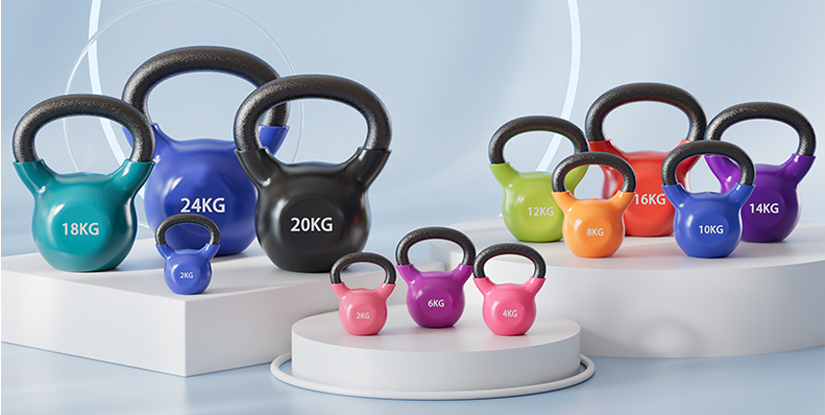
Standard stock orders are ideal for rapid replenishment and minimizing initial capital expenditure, whereas customized paths allow for higher margins through unique market positioning. Before finalizing your next best adjustable kettlebell procurement cycle, review the following structural differences in production requirements and scale.
| Procurement Dimension | Standard Wholesale (Stock) | Custom OEM/ODM Projects |
|---|---|---|
| Typical MOQ | Lower; based on standard carton units | Higher; based on component or color run |
| Lead Time | Short; ready for immediate export | Extended; includes engineering and tooling |
| Branding Capability | Limited to logo placement or stickers | Full integration of private label identity |
| Product Specification | Fixed weight increments and colors | Customizable mechanics and materials |
| Cost Structure | Lower per-unit cost; low setup fees | Higher initial investment; economies of scale |
| Risk Profile | Low; proven existing product models | Moderate; requires rigorous sample approval |
When managing your gym equipment distributor sourcing strategy, always request a detailed specification sheet and a formal quote for both models. If you are pursuing an OEM or ODM route, ensure your contract includes a clear timeline for sample approval and a pre-shipment inspection protocol to protect your margins against technical discrepancies.
Optimizing Logistics: QC and Export Efficiency
Beyond product customization, the true success of your adjustable kettlebell wholesale strategy depends on the rigor of the logistics chain. For a professional distributor, the primary concern is not just the product quality, but the reliability of the entire export process. A high-tier commercial adjustable kettlebell supplier must provide transparent protocols for quality control (QC) and export packaging to mitigate the risk of transit damage and unexpected landed costs.
Effective gym equipment distributor sourcing requires a partner who understands the nuances of shipping high-density, mechanical hardware. This includes standardized pre-shipment inspections to verify weight accuracy and mechanical locking integrity. Furthermore, optimized export packaging and container loading efficiency are essential to maximize your volume-to-weight ratio, directly impacting your total landed cost and overall shipping efficiency.
To ensure long-term replenishment stability, we recommend a structured procurement workflow: first, request a detailed technical spec sheet; second, finalize a sample approval; and third, establish a strict QC timeline before any bulk production begins. This systematic approach protects your distributor margins and ensures that every batch of the best adjustable kettlebell arriving at your warehouse meets your exact commercial standards.
Quality Control Standards for Bulk Weight Equipment
Securing the best adjustable kettlebell for your inventory requires more than just comparing unit prices; it requires a rigorous verification of manufacturing precision. For distributors and gym equipment importers, the cost of a single defective batch can devastate profit margins through high return rates and damage to professional reputation. A reliable commercial adjustable kettlebell supplier must demonstrate standardized testing protocols that ensure every unit meets strict commercial-grade specifications before leaving the China factory.
Critical Inspection Points for High-Volume Sourcing
When managing gym equipment distributor sourcing, the focus must shift from individual product aesthetics to mechanical reliability and weight consistency. A failure in the locking mechanism or a discrepancy in weight increments can lead to significant commercial liability. Professional procurement teams should mandate a strict pre-shipment inspection that focuses on two primary technical pillars: weight accuracy and mechanism durability. In a high-volume wholesale environment, even a 2% deviation in weight across a container load can result in massive logistical headaches and unsatisfied commercial clients.
Quality control protocols must include stress testing on the weight-adjustment components to simulate years of heavy commercial use. For any best adjustable kettlebell being sourced for professional training environments, the internal sliding tracks and locking pins must undergo repetitive cycle testing to ensure they do not seize or fail under standard operational loads. Without documented quality control reports from the factory, distributors risk importing products that lack the longevity required for high-traffic fitness facilities.
To mitigate the risk of high replacement costs and customer dissatisfaction, professional buyers must evaluate specific technical benchmarks during the audit phase. Relying on verbal assurances is insufficient; instead, request documented verification of the following technical standards to ensure your adjustable kettlebell wholesale orders meet international commercial expectations.
Technical Verification Checklist for Bulk Procurement
| Inspection Category | Critical Parameter | Standard Requirement |
|---|---|---|
| Weight Accuracy | Weight Tolerance | Strict +/- 1% to 2% variance per unit |
| Mechanical Integrity | Mechanism Testing | High-cycle stress test for locking components |
| Surface Durability | Material Integrity | Resistance to impact, oxidation, and coating wear |
| Component Fit | Tolerance Control | Precision alignment of moving parts and weight plates |
A high-tier commercial adjustable kettlebell supplier will provide detailed test reports for every batch. For example, the weight tolerance must be verified using calibrated high-precision scales to ensure consistency across all weight increments. Furthermore, the material integrity of the handle and the internal adjustment track is paramount; any structural weakness in the metal or the polymer components can lead to premature failure in high-traffic environments. Before finalizing any large-scale sourcing agreement, we recommend requesting a physical sample for a full mechanical stress test and a formal factory audit to verify these quality control workflows are integrated into their standard production lines.
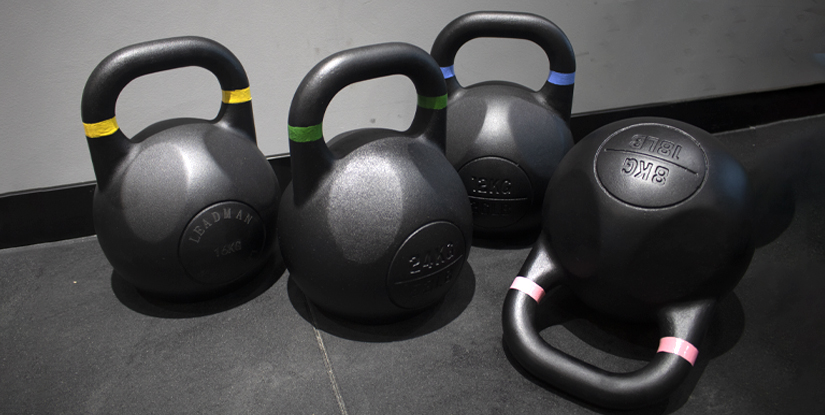
Standardizing technical requirements is the most effective way to protect your landed cost and long-term distributor margins. Beyond the mechanical specs, the physical durability of the product and its packaging directly impacts your warehouse efficiency and shipping reliability. A professional gym equipment distributor sourcing strategy must account for the entire lifecycle of the product, from the first production run to the moment the container is unloaded at your facility.
Packaging and Export Durability Standards
For high-volume adjustable kettlebell wholesale orders, the final layer of quality control is the export packaging. Standard retail-grade boxes are insufficient for the heavy, high-density nature of adjustable weight equipment. If the packaging fails during sea freight or local distribution, you face increased damage claims and lost revenue. A competent supplier will utilize reinforced, double-walled corrugated cartons and custom-fit internal protective structures designed specifically for heavy-duty, high-impact shipping environments.
| Inspection Category | Critical Parameter | Standard Requirement |
|---|---|---|
| Weight Precision | Weight Tolerance | Strict +/- 1% to 2% variance per unit |
| Mechanism Smoothness | Cycle Testing | High-cycle stress test for locking components |
| Surface Coating | Durability | Resistance to impact, oxidation, and coating wear |
| Packaging Durability | Container Loading | Reinforced export-grade cartons for heavy-duty transit |
To ensure your next shipment meets these standards, we recommend requesting a pre-shipment inspection report that includes both product performance and packaging stress tests. Confirming these details during the initial sourcing phase allows you to mitigate the risk of receiving damaged goods and ensures that your best adjustable kettlebell inventory arrives in professional, retail-ready condition. Contact us to request a detailed technical spec sheet or to discuss specific MOQ and OEM branding requirements for your upcoming bulk order.
Logistics and Export Packaging for Global Distribution
Optimizing the best adjustable kettlebell procurement process requires a deep understanding of how logistics configurations directly influence your bottom line. For international distributors and gym equipment importers, the total cost of ownership is not merely the unit price from a China factory, but the final landed cost after accounting for freight, duties, and warehousing expenses.
Inefficient export packaging can lead to catastrophic margin erosion. If a supplier utilizes oversized cartons or suboptimal stacking methods, you incur unnecessary costs through high volumetric weight. For professional gym equipment distributor sourcing, precision in shipping container optimization is the difference between a profitable SKU and a logistical loss. High-density packing allows you to maximize the number of units per 20ft or 40ft container, effectively lowering the per-unit freight cost and improving your wholesale competitiveness in local markets.
| Sourcing Metric | Standard Retail Packaging | Professional Export Configuration |
|---|---|---|
| Primary Goal | Shelf aesthetics | Container volume maximization |
| Protection Level | Lightweight/Minimal | High-impact/Reinforced multi-wall cartons |
| Shipping Efficiency | High volumetric weight ratio | Optimized for palletization and weight density |
| Distributor Value | Low unit density | High wholesale density per container |
When evaluating an adjustable kettlebell wholesale order, always request the master carton dimensions and the total estimated volume per container. A commercial adjustable kettlebell supplier capable of advanced OEM specifications should also provide precise palletization plans. This level of detail ensures your sourcing strategy accounts for real-world storage requirements and minimizes the risk of transit damage, protecting your long-term distributor margins.
To minimize the impact of freight on your per-unit margins, professional buyers must evaluate shipping methods against both speed and volume efficiency. The following technical comparison outlines the logistical trade-offs encountered during the gym equipment distributor sourcing process, specifically for heavy, high-density items.
| Shipping Method | Volume Efficiency | Typical Lead Time | Cost Impact Profile | Best Use Case |
|---|---|---|---|---|
| LCL (Less than Container Load) | Moderate | 30–45 Days | High per-unit freight cost | Small wholesale test orders or low MOQ replenishment |
| FCL (Full Container Load) | Maximum | 25–40 Days | Lowest landed cost per unit | High-volume adjustable kettlebell wholesale distribution |
| Air Freight | Lowest | 5–10 Days | Extremely high cost/unit | Emergency stock shortages or high-value prototyping |
| Sea Freight (Express/Courier) | Low | 15–30 Days | High volatility in rates | Small-scale commercial adjustable kettlebell supplier sampling |
Effective sourcing requires a balance between inventory turnover and shipping frequency. While air freight provides speed, the density of a best adjustable kettlebell makes sea freight the standard for maintaining healthy distributor margins. We recommend requesting a detailed packing list and a 3D container loading plan from your supplier before finalizing any large-scale OEM or ODM production run to ensure your warehouse space and budget are fully optimized.
Beyond physical packaging, the integrity of your shipment relies heavily on rigorous quality oversight. Professional buyers should prioritize a supplier that integrates a formal QC process into the production timeline. Relying on luck during transit is not a viable procurement strategy; instead, a standardized pre-shipment inspection serves as a critical safeguard for your capital. This step ensures that every unit meets the exact weight tolerances and mechanical specifications required for commercial-grade use, preventing the high cost of returns and damaged goods upon arrival at your warehouse.
For large-scale adjustable kettlebell wholesale operations, even minor deviations in assembly or coating can lead to significant long-term liability. A specialized China factory focused on export-grade equipment will typically offer third-party inspection support or detailed video documentation of the loading process. By verifying the structural integrity and the precision of the weight-adjustment mechanisms before the container is sealed, you mitigate the risks associated with long-distance sea freight. This proactive approach to damage prevention protects your reputation as a reliable distributor and ensures that your landed inventory is ready for immediate commercial deployment.
Evaluating Long-Term ROI and Replacement Cycles
For distributors and large-scale gym operators, the acquisition of the best adjustable kettlebell is not merely a single purchase but a long-term capital expenditure decision. When sourcing through a China factory, procurement professionals must look beyond the initial unit price to calculate the true TCO (Total Cost of Ownership). A lower upfront cost often masks high maintenance costs and frequent replacement cycles caused by mechanical failure or material degradation in high-traffic environments.
Selecting a reliable commercial adjustable kettlebell supplier ensures that the internal weight-selection mechanisms and exterior coatings can withstand rigorous, daily commercial use. Investing in high-grade components reduces the frequency of returns and replacements, protecting your distributor margins and enhancing your brand reputation. A high-quality unit from a professional supplier minimizes the operational downtime and the logistical burden of managing defective inventory.
Total Cost of Ownership: Sourcing vs. Lifecycle Costs
| Procurement Dimension | Low-Tier Unverified Sourcing | Professional wholesale Sourcing |
|---|---|---|
| Initial Unit Price | Lower initial outlay | Higher initial investment |
| Mechanical Durability | High risk of component failure | Designed for high-frequency use |
| Maintenance Load | Frequent repairs required | Minimal upkeep necessary |
| Long-term TCO | High due to replacement frequency | Low due to product longevity |
| Distributor Margin Risk | High (returns and warranty claims) | Low (stable product performance) |
Optimizing your gym equipment distributor sourcing strategy requires a shift in focus from the lowest possible wholesale price to the most efficient replacement cycles. By vetting the engineering standards of your commercial adjustable kettlebell supplier, you ensure that the best adjustable kettlebell remains a functional asset in a commercial setting for years, rather than a recurring replacement expense.
To effectively scale your inventory or facility upgrades, professionals should prioritize a detailed verification process before finalizing any large-scale purchase. We recommend that buyers request a technical specification sheet and confirm the minimum MOQ for customized branding or weight increments. A formal request for a sample approval is a standard industry practice to verify mechanical tolerances and material density before proceeding with full-scale adjustable kettlebell wholesale orders. Furthermore, conducting a virtual or on-site factory audit can provide critical insights into the manufacturer's production capacity and consistency in meeting commercial-grade standards.
Maximizing Efficiency Through SKU Breadth and Logistics
Profitability for a high-volume importer depends heavily on warehouse turnover and the precision of replenishment cycles. When engaging in gym equipment distributor sourcing, the goal is to balance a diverse product range with streamlined logistics. A professional manufacturer with high SKU breadth allows you to offer a complete weight spectrum under a single unified system, reducing the complexity of your inventory management. This cohesion is vital for maintaining high turnover rates without overstocking disparate product lines.
Effective adjustable kettlebell wholesale operations require a partner who understands the nuances of lead time and shipping density. A sophisticated commercial adjustable kettlebell supplier will provide optimized packaging solutions that maximize container loading efficiency, directly lowering your landed cost per unit. By aligning your replenishment cycles with a factory that maintains consistent production capacity, you can avoid the common pitfalls of stockouts or excessive warehousing costs, ensuring your capital remains liquid and your distribution channels remain uninterrupted.