The Ultimate Guide to Choosing the Best Competition Kettlebells for Commercial Gyms
Defining the Commercial Advantage of best competition kettlebells
The best competition kettlebells are precision-engineered fitness tools designed with a standardized shell size regardless of weight. For commercial gym owners, these best competition style kettlebells offer a professional-grade solution that ensures consistent technique, maximizes rack space efficiency, and provides long-term durability through high-grade steel construction rather than brittle cast iron.
Why Uniform Dimensions are Non-Negotiable for Professional Training Facilities
In a high-performance training environment, consistency is the foundation of progress. Standard kettlebells increase in physical size as they get heavier. This variation forces athletes to adjust their rack position, forearm contact points, and swing mechanics every time they move up in weight. From a procurement perspective, this inconsistency is a liability that slows down class pacing and increases the learning curve for members.
Investing in the best competition kettlebells means every unit in your facility—from the 8kg beginner bell to the 48kg professional unit—features the exact same 210mm bell diameter and 35mm handle thickness. This standardization allows your clients to develop rock-solid muscle memory. They can focus entirely on power output and technical execution without the distraction of a changing center of gravity or awkward handle geometry.
For facility managers, uniform dimensions also simplify gym aesthetics and storage logistics. When every bell is identical in shape, your kettlebell rack looks organized, professional, and high-end. This visual consistency isn't just about looks; it reflects a commitment to quality that justifies higher membership premiums and attracts serious lifting enthusiasts.
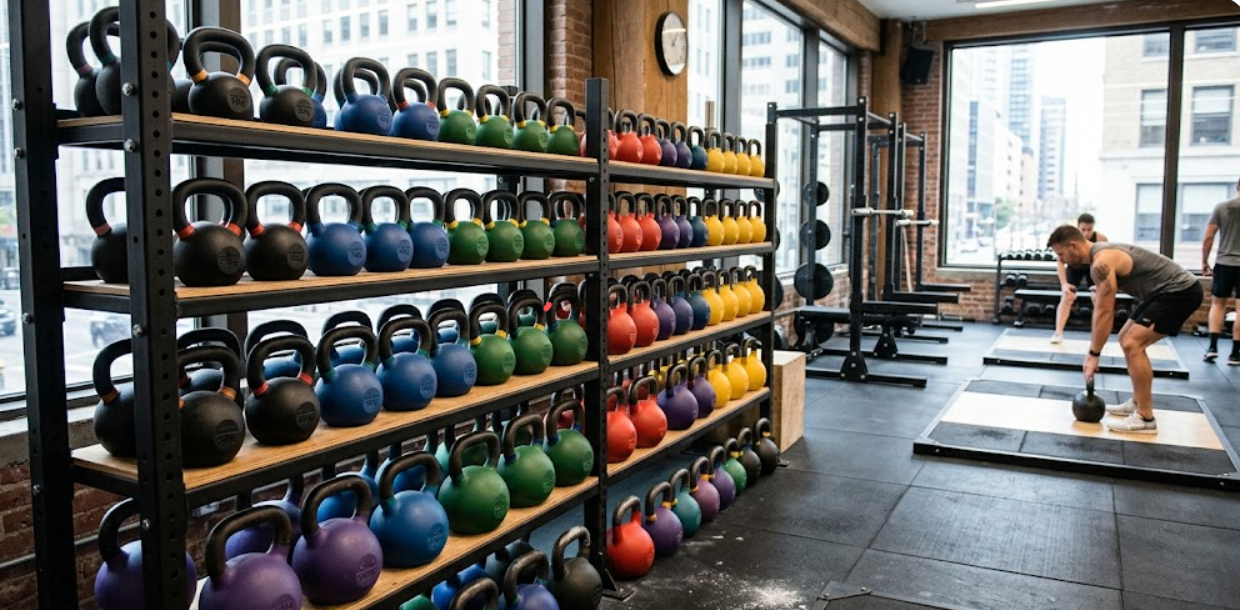
We have seen numerous boutique studios struggle with member retention because their "mismatched" equipment felt amateur. By switching to best competition style kettlebells, these facilities eliminated the friction of technical adjustments. The result was a safer lifting environment and a noticeable improvement in the speed at which members mastered complex movements like the snatch and clean.
Whether you are outfitting a CrossFit box or a high-end strength and conditioning hub, the technical specs of best competition kettlebells ensure that the equipment never becomes the bottleneck in an athlete's progression. From the perspective of a B2B gym equipment supplier, providing standardized gear reduces the risk of technique-related injuries, thereby lowering the facility's overall liability profile.
The Hidden Cost of Cheap Cast Iron: A Case Study on Equipment Failure
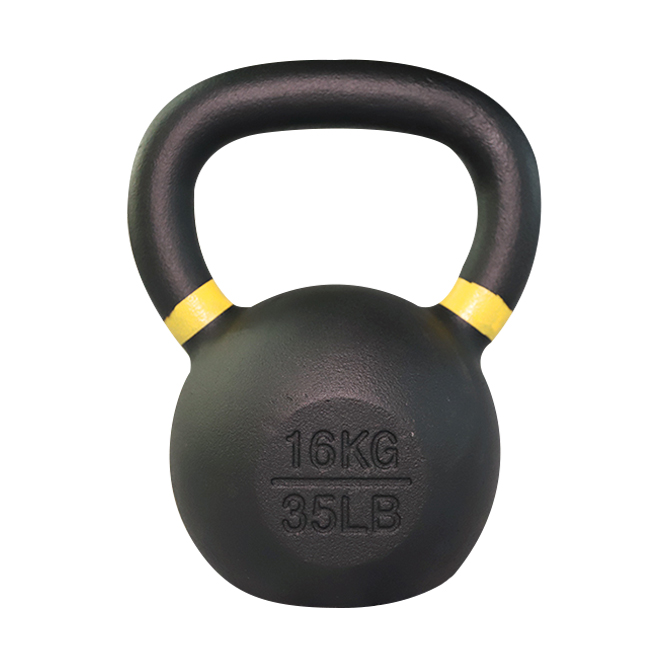
Procuring low-cost cast iron units often seems like a savvy budgetary move for new facilities. However, we recently consulted for a high-end club franchise with 30 locations that learned the hard way how inferior gear drains profit. Within six months, their "budget" kettlebells exhibited significant paint chipping and rust on the kettlebell grip. Most critically, weight testing revealed a variance of up to 8% per unit. For a professional athlete, a 24kg bell that actually weighs 26kg is a recipe for shoulder impingement and acute injury.
This gym faced a wave of member complaints and rising liability concerns. By replacing their inventory with the best competition kettlebells, they eliminated the risk of technical failure. Our best competition style kettlebells utilize CNC precision machining to keep weight tolerance within ±100 grams. For a commercial operator, this precision protects your members and preserves your brand reputation. High-quality steel doesn't crack or leak filler, ensuring that your initial investment doesn't turn into a recurring replacement expense every 12 months.
Engineering Excellence: Hollow Core Steel vs. Low-Grade Fillers
The structural integrity of the best competition kettlebells starts with the casting process. Many retail-grade bells are filled with a mixture of sand, lead shot, or sawdust to reach the target weight. Over time, these fillers shift, causing a "rattling" sound and, more importantly, an unstable center of gravity. When a member performs a high-repetition kettlebell workout, a shifting internal weight can cause the bell to "flop" unexpectedly, putting undue stress on the wrist and elbow joints.
Our best competition style kettlebells utilize a "no-filler" single-piece casting method. These hollow-core steel units are cast from a single mold, ensuring the weight is distributed perfectly toward the geometric center of the bell. This engineering choice is vital for the ergonomic design required in professional strength training. Because there are no welds or internal plugs, the bell remains structurally sound even after thousands of high-velocity drops on a rubberized gym floor.
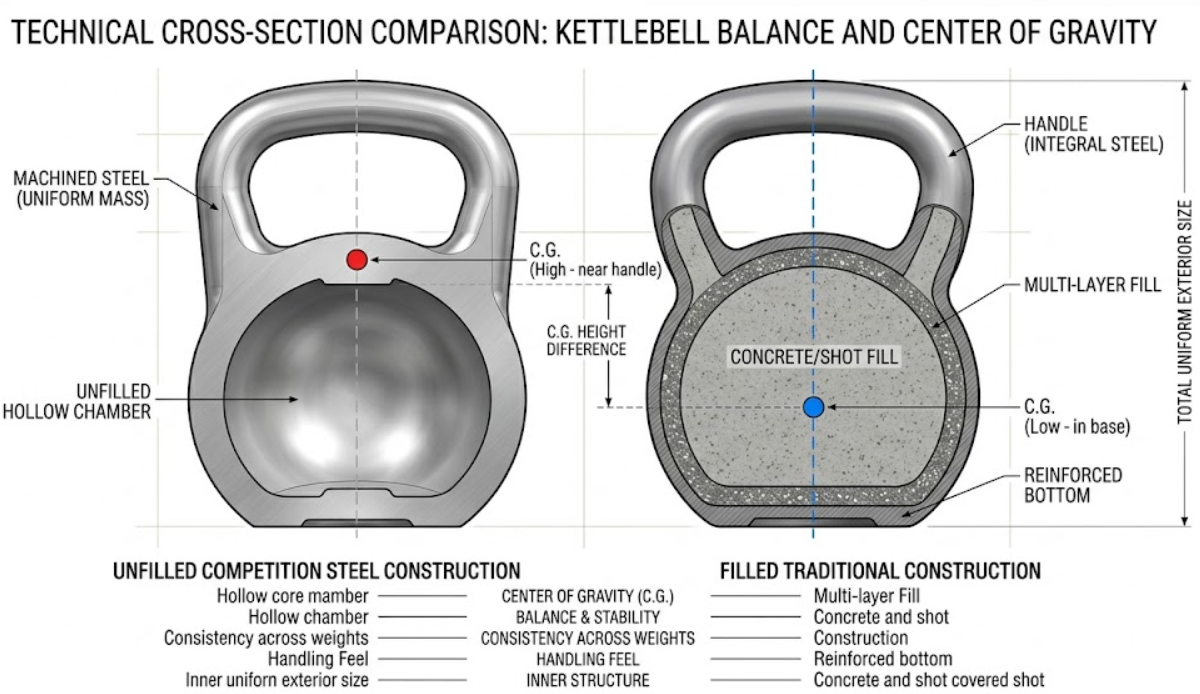
| Feature | Commercial Hollow Core Steel | Standard Cast Iron / Filled | Business Impact |
|---|---|---|---|
| Weight Accuracy | ±100g (Industrial Standard) | ±5% to 10% (Variable) | Member Safety & Injury Prevention |
| Internal Structure | Single-Piece Steel Casting | Welded Shell with Fillers | Equipment Lifespan (10+ Years) |
| Balance Point | Static Geometric Center | Shifts over time | Technique Consistency (Snatch/Clean) |
| Surface Durability | High-Grade Powder Coat | Enamel or Vinyl | Reduced Maintenance & Repainting |
From a B2B gym equipment procurement standpoint, the "Total Cost of Ownership" for steel is significantly lower than iron. While the upfront price of best competition kettlebells is higher, the absence of structural degradation means you won't be browsing catalogs for replacements in two years. For fitness equipment distributors, stocking hollow-core units also means fewer returns and warranty claims from disgruntled commercial clients.
Grip Ergonomics: Surface Texture and Handle Standards of best competition style kettlebells
The kettlebell grip is the most critical interface between the athlete and the equipment. In a commercial setting, handles that are too slick lead to safety hazards, while overly aggressive knurling causes torn calluses and member dissatisfaction. The best competition kettlebells feature a standardized 35mm handle diameter, which is the international benchmark for high-repetition kettlebell training. This specific thickness reduces forearm fatigue compared to the oversized handles often found on heavy cast iron units.
Procuring best competition style kettlebells with a professional-grade finish is a strategic move to reduce gym maintenance. We recommend handles that are fine-textured to hold magnesium carbonate (chalk) effectively without becoming abrasive. A bare steel or lightly porous finish allows the bell to rotate smoothly in the hand during high-velocity movements like the snatch or clean. For a gym owner, this translates to fewer mid-workout interruptions and a significantly lower rate of skin-related injuries among the membership base.
From a B2B fitness equipment perspective, handle consistency across the entire weight range is a massive selling point. When a distributor provides best competition kettlebells, they are offering a product that supports technical mastery. Whether a client is using an 8kg or a 32kg bell, the hand placement and transition mechanics remain identical. This technical continuity is exactly what professional strength coaches look for when outfitting a high-performance facility.
Durability Metrics: Powder Coating Performance in High-Volume Environments
In a high-traffic commercial gym, equipment is subjected to constant impact, sweat, and aggressive cleaning agents. Standard enamel paint on retail kettlebells is prone to "eggshelling"—where large flakes of paint chip off, exposing the raw iron to oxidation. This creates an unprofessional aesthetic and leads to structural pitting over time. The best competition kettlebells solve this through industrial-grade powder coat finish technology, which is electrostatically applied and cured under high heat to create a resilient chemical bond.
A high-quality powder coat finish provides a superior tactile feel while acting as a barrier against moisture and corrosion. In humid environments or coastal facilities, the best competition style kettlebells with a premium coating represent a significant reduction in long-term asset depreciation. Unlike vinyl-wrapped or rubber-dipped alternatives, which can tear and trap bacteria, a smooth powder-coated steel surface is easy to sanitize, supporting the hygiene standards expected in modern fitness centers.
When analyzing the return on investment for strength training gear, durability is the primary driver of profitability. A set of best competition kettlebells might have a higher initial acquisition cost, but the "cost per use" over a five-year period is dramatically lower. Because the coating resists chipping even during "bell-on-bell" contact in double kettlebell exercises, the equipment maintains its "new" appearance longer. This preserves the professional look of your facility, which is a key factor in member tours and new sign-ups.
We advise gym equipment distributors to prioritize manufacturers that use multi-stage coating processes. The best competition style kettlebells often undergo a sandblasting phase before coating to ensure maximum adhesion. This level of engineering detail is what separates a professional B2B gym equipment supplier from a generic retail brand. Investing in superior surface treatment is an investment in the longevity of your gym’s brand and the safety of your training environment.
Total Cost of Ownership (TCO): Calculating ROI on Premium Steel Equipment
Procurement decisions for high-volume facilities must go beyond the initial invoice price. When evaluating the best competition kettlebells, savvy gym owners look at the Total Cost of Ownership (TCO) over a five-to-ten-year lifecycle. Standard cast iron units typically require replacement or intensive refurbishing every 24 months due to handle oxidation and structural cracking. In contrast, best competition style kettlebells manufactured from high-grade steel are virtually indestructible in a commercial setting.
Consider the "Replacement Cycle Cost." If a budget kettlebell costs $60 but fails in two years, your ten-year cost is $300 plus shipping and labor for five separate orders. A premium unit costing $110 that lasts a decade represents a 63% saving in capital expenditure. Furthermore, the best competition kettlebells maintain a much higher resale value. Should your facility decide to upgrade or pivot its training model, professional-grade steel equipment often recoups 60-70% of its original value on the secondary market, whereas damaged cast iron is often sold as scrap.
Beyond the hardware, there is the "Soft Cost" of member experience. Mismatched, chipping, or inaccurate weights drive members toward competitors with better-maintained gear. Integrating the best competition style kettlebells into your strength training floor is a proactive retention strategy. It signals to your most dedicated clients that you invest in the tools they need for high-performance kettlebell technique. From an insurance perspective, the weight precision and structural reliability of steel units also help in maintaining a lower risk profile for your facility.
B2B Sourcing Strategy: OEM Customization and Wholesale Logistics
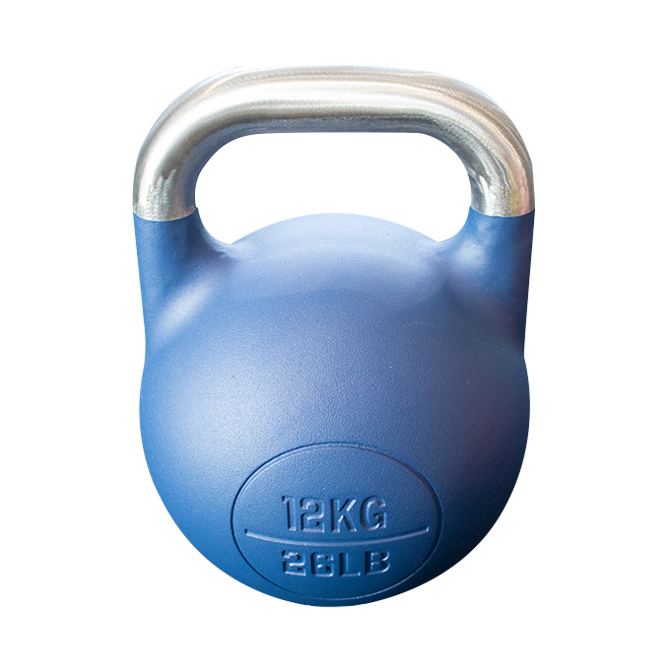
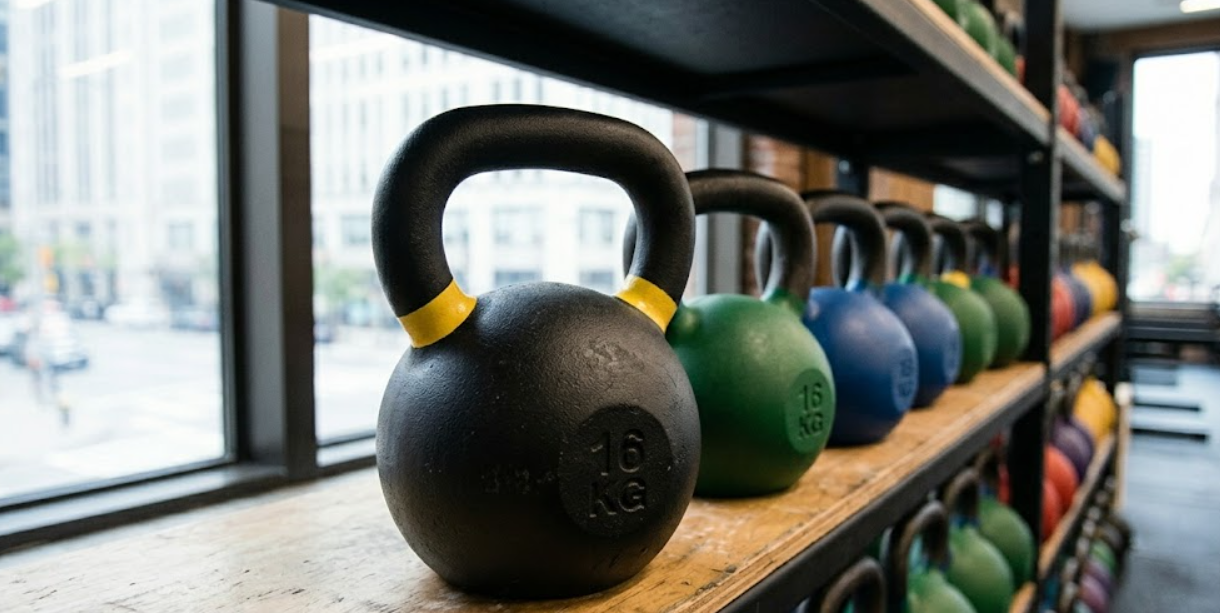
For fitness equipment distributors and large-scale franchises, the ability to customize equipment is a significant branding advantage. The best competition kettlebells can be sourced with custom logo embossing or laser engraving, turning a standard piece of fitness equipment into a powerful brand asset. High-end kettlebell OEM manufacturers offer private label services that allow you to specify color-coding for weight increments—such as the international standard of Blue for 20kg and Red for 32kg—while featuring your gym's unique visual identity.
Logistics and lead times are equally critical in B2B procurement. When ordering best competition style kettlebells in bulk, it is essential to work with a supplier that understands global shipping logistics and production lead time. A professional B2B gym equipment supplier should provide detailed quality assurance protocols and factory direct pricing to ensure the project stays within budget. We recommend sourcing from facilities that utilize gravity casting process and CNC machining to ensure every unit in a 500-unit order meets the same rigorous specifications.
Whether you are managing a single boutique studio or a regional distribution network, the best competition kettlebells offer a scalable solution. By establishing a relationship with a manufacturer that supports custom mold development and provides white label fitness products, you gain more control over your inventory and profit margins. Reliable wholesale fitness equipment sourcing removes the uncertainty from your supply chain, allowing you to focus on facility growth and athlete performance.
Comparison Table: Professional Grade vs. Retail Grade Kettlebells
To assist fitness equipment distributors and gym owners in their procurement process, the following table breaks down the technical differences between the best competition kettlebells and standard retail units. Understanding these metrics is essential for accurate budgeting and long-term asset management.
| Technical Specification | best competition kettlebells (Steel) | Retail / Standard Grade (Cast Iron) | Commercial Advantage |
|---|---|---|---|
| Structural Material | High-Grade Steel (Hollow Core) | Recycled Cast Iron (Filled) | Maximum impact resistance; zero internal shifting. |
| Weight Accuracy | Industrial CNC Machined (±100g) | Standard Casting (±5% to 8%) | Reduces injury risk and technical errors. |
| Handle Diameter | Consistent 33mm - 35mm | Variable (thicker as weight increases) | Protects grip strength and technical consistency. |
| Shell Dimensions | Standardized (210mm Diameter) | Variable (Small to Large) | Uniform rack storage and muscle memory retention. |
| Surface Treatment | Industrial Powder Coat | Enamel or Gloss Paint | Resists chipping; superior chalk adhesion. |
| Expected Lifespan | 10+ Years (Commercial Use) | 1 - 3 Years (Commercial Use) | Lower Total Cost of Ownership (TCO). |
When selecting the best competition style kettlebells, the focus should always be on the "Cost Per Use." While a steel competition bell may have a 40% higher acquisition price, its lifespan is often 500% longer than a standard cast iron alternative in a high-traffic facility. For a B2B gym equipment supplier, offering these specifications ensures a lower return rate and higher client satisfaction scores.