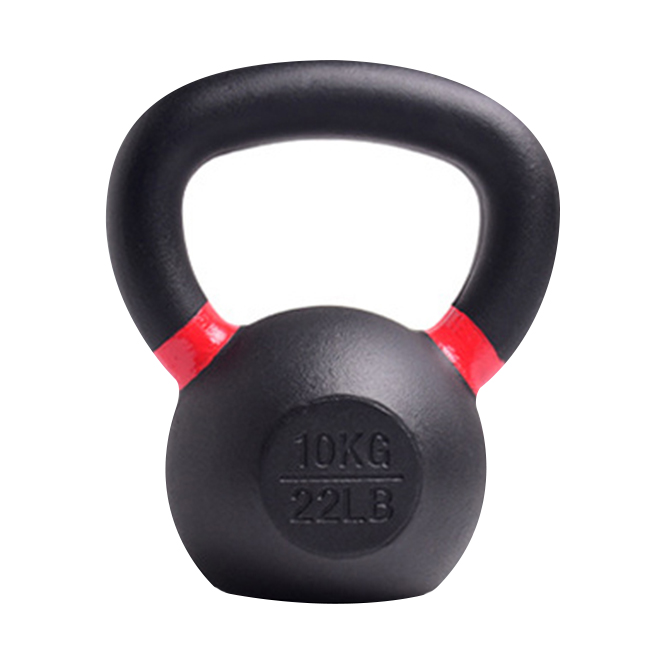
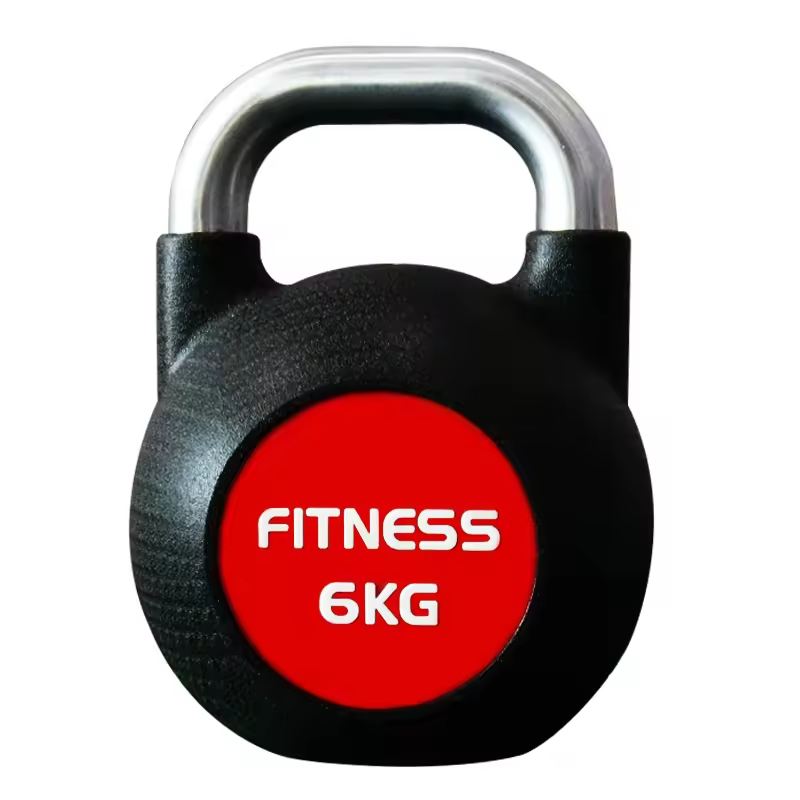
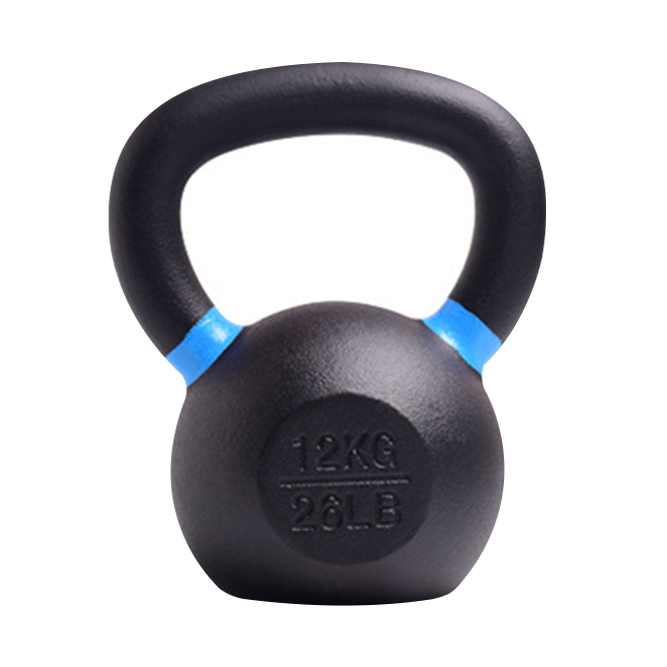
China Cast Iron Kettlebell Set Supplier | Commercial Grade & OEM Service
Defining the Value of a Commercial Cast Iron Kettlebell Set
A commercial-grade cast iron kettlebell set is a foundational investment for any high-volume fitness facility or retail distribution network. Engineered for durability, these sets utilize gravity casting to ensure a void-free structure, offering a versatile weight range that maximizes floor space efficiency while minimizing the total cost of ownership compared to individual retail purchases.
The Pain of Low-Quality Castings: Why Cheap Kettlebells Ruin Your ROI
In my 15 years of equipment procurement, I’ve seen countless gym owners and distributors fall for the "lowest price per kilo" trap. While a budget cast iron kettlebell set might look acceptable on a spec sheet, the hidden flaws in subpar manufacturing processes manifest quickly under commercial stress. We are talking about porous iron that cracks upon impact, handles with sharp casting seams that cause member injuries, and inconsistent weight tolerances that frustrate serious athletes.
When you procure a kettlebell set cast iron from a non-specialized foundry, you aren't just buying weights; you are inheriting liability. Rough, unrefined handles lead to excessive chalk usage and torn calluses, which directly impacts member retention in CrossFit boxes and studios. Furthermore, low-grade paint finishes flake off within months, leading to oxidation and an unprofessional "rust-bucket" aesthetic that devalues your brand's premium positioning.
The Hidden Costs of Fragmented Procurement
For distributors and large-scale gym chains, the agitation doesn't stop at product quality. Managing multiple vendors for different weight increments in a cast iron kettlebell set is a logistical nightmare that erodes your margins. Fragmented procurement leads to inconsistent handle diameters, varied powder coat textures, and a mismatched aesthetic that screams "second-rate facility."
More importantly, the administrative overhead of tracking separate shipments and the lack of a unified warranty protocol significantly increases your operational costs. If one weight increment in your cast iron kettlebell sets fails, dealing with a disconnected supply chain means weeks of downtime and mismatched replacements. This inefficiency kills your ROI, as the time spent on maintenance and vendor management should be spent on scaling your business or training your clients.
| Procurement Factor | Fragmented Low-End Supply | Integrated Professional Supplier |
|---|---|---|
| Weight Consistency | Tolerance > 5% (Common) | Strict Tolerance ± 2% (Industry Standard) |
| Handle Ergonomics | Rough seams, varied diameters | Consistent, deburred, ergonomic grip |
| Logistics Efficiency | High (Multiple shipping fees) | Optimized (Consolidated bulk palletizing) |
| Brand Cohesion | Mismatched logos/finishes | Unified OEM/Private Label aesthetic |
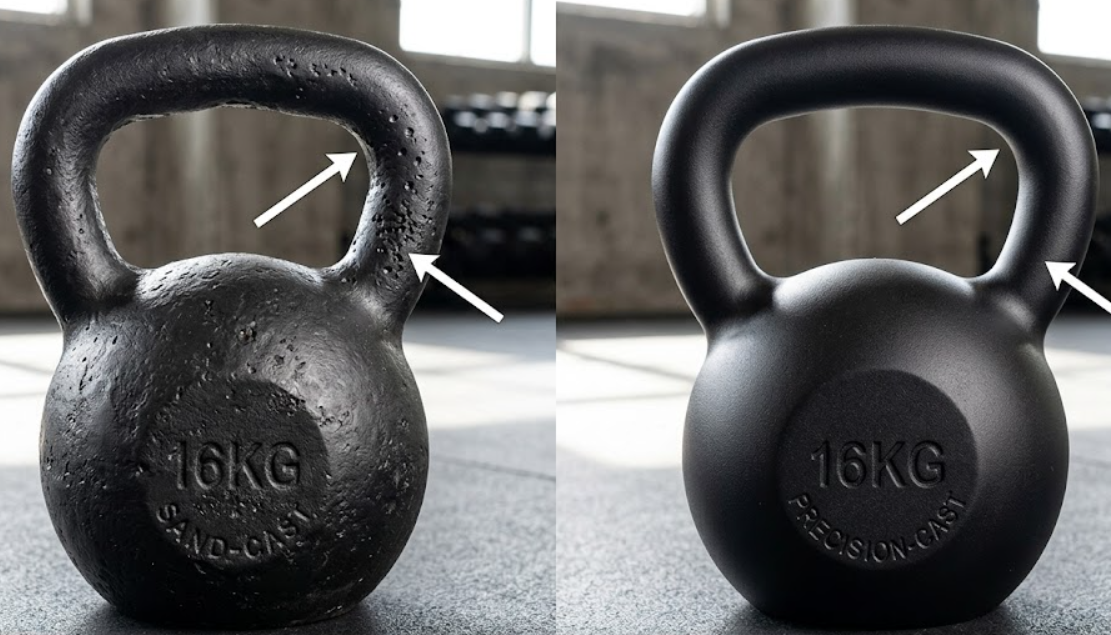
Gravity Casting vs. Sand Casting: Our Engineering Advantage
As an experienced cast iron kettlebell set consultant, I prioritize gravity casting over traditional sand casting for any commercial environment. The difference lies in structural density. Gravity casting involves pouring molten iron into a precision-engineered steel mold, which eliminates the air pockets and internal voids common in cheaper sand-cast products. For a gym owner, this means a kettlebell set cast iron that can withstand thousands of high-impact drops without structural failure.
Our foundry utilizes high-purity virgin iron, avoiding the brittleness associated with recycled scrap metal. This ensures the handle and the bell are part of a single, monolithic pour. By removing the "weak neck" syndrome found in two-piece welds, we provide a cast iron kettlebell set that guarantees long-term safety and durability. This engineering choice directly reduces your replacement frequency, ensuring that your initial capital expenditure remains a one-time investment for the next decade.
Customization & Branding: Private Label Solutions for Distributors
For distributors looking to dominate a local market, a generic cast iron kettlebell set is a missed opportunity for brand equity. We provide comprehensive OEM services that allow you to transform a commodity into a proprietary product line. Our private label program includes custom mold development for embossed logos, specific color-coded weight markers, and specialized surface textures tailored to your clientele's preferences.
The strategic advantage of sourcing cast iron kettlebell sets from an integrated supplier is the consistency of the branding. Whether your client orders a 4kg or a 40kg unit, the logo placement, depth of the weight engraving, and the powder coat finish remain identical across the entire range. This level of professional presentation is critical for securing contracts with high-end fitness franchises and government athletic departments who demand a cohesive visual identity.
Durability Metrics: Surface Coating and Handle Precision
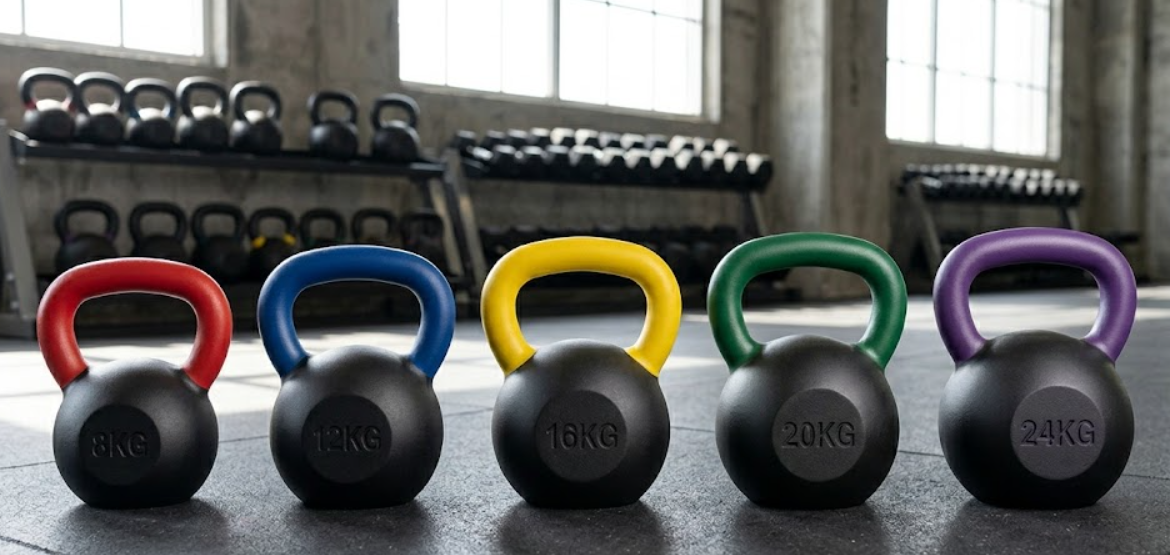
In the high-intensity environment of a commercial gym, the finish of a cast iron kettlebell set is its first line of defense. We utilize an industrial-grade powder coat finish that is electrostatically applied and heat-cured. Unlike standard liquid paint, this coating creates a resilient barrier against sweat-induced corrosion and chip damage. For a kettlebell set cast iron, this means maintaining a professional "like-new" appearance even after years of high-repetition kettlebell swings and floor-based exercises.
Beyond the coating, handle precision is where professional cast iron kettlebell sets are distinguished from amateur equipment. We maintain strict kettlebell handle size standards across the weight spectrum, ensuring that the window geometry allows for a comfortable, secure kettlebell grip during both single and double-handed movements. Each handle undergoes a dedicated deburring process to remove any casting flashes, providing a smooth surface that holds chalk effectively without being abrasive to the user's hands.
Logistics & Packaging: Reducing Your Landed Cost per Unit
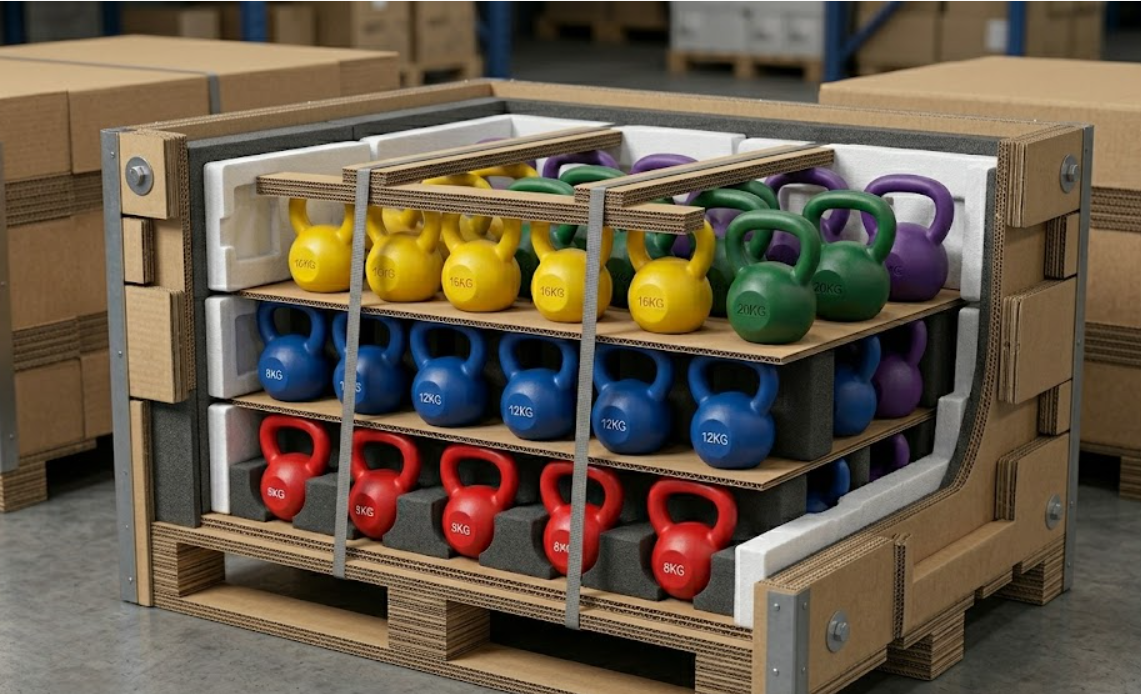
When sourcing a cast iron kettlebell set internationally, the product price is only half of the equation. As a specialized kettlebell OEM manufacturer, we understand that shipping high-density deadweight requires strategic palletization to minimize the "landed cost." Our packaging engineering team designs custom, reinforced crates that prevent shifting during maritime transit, virtually eliminating the 5-8% damage rate typical of standard cardboard shipping.
By optimizing the weight distribution within each container, we help our partners maximize their shipping cube. Whether you are ordering a cast iron kettlebell set in kilograms or pounds, our logistics team provides full DDP/CIF support, handling the complexities of customs clearance and last-mile delivery. For distributors, this streamlined supply chain translates directly into higher net margins and faster inventory turnover, as the products arrive retail-ready and "out-of-the-box" compliant with local safety standards.
Cost Comparison: Cast Iron vs. Competition Steel Kettlebells
When finalizing a cast iron kettlebell set procurement strategy, it is essential to weigh the total cost of ownership against other equipment types. While competition steel units have their place in professional lifting, a high-quality kettlebell set cast iron offers a significantly better ROI for general commercial fitness and CrossFit applications. The primary advantage is the "footprint-to-weight" ratio; cast iron is naturally more compact as the weight increases, allowing for higher weight consistency on a smaller kettlebell rack.
For a gym owner or distributor, the durability of a cast iron kettlebell set means fewer replacements due to structural fatigue. Our gravity-cast units do not have the filler materials often found in low-end steel bells, which can rattle or shift over time. By choosing cast iron kettlebell sets, you are investing in a non-depreciating asset that maintains its functional integrity and resale value far longer than composite or plastic-filled alternatives.
| Feature | Commercial Cast Iron Set | Competition Steel Set | Retail Vinyl/Cement |
|---|---|---|---|
| Average Lifespan | 10+ Years (Commercial) | 8-10 Years | 1-2 Years |
| Space Efficiency | Excellent (Compact) | Moderate (Bulkier) | Poor |
| Cost per Kilogram | Industry-Standard / Competitive | Premium / High | Low (High TCO) |
| Maintenance | Low (Occasional wipe-down) | Moderate | High (Fragile) |