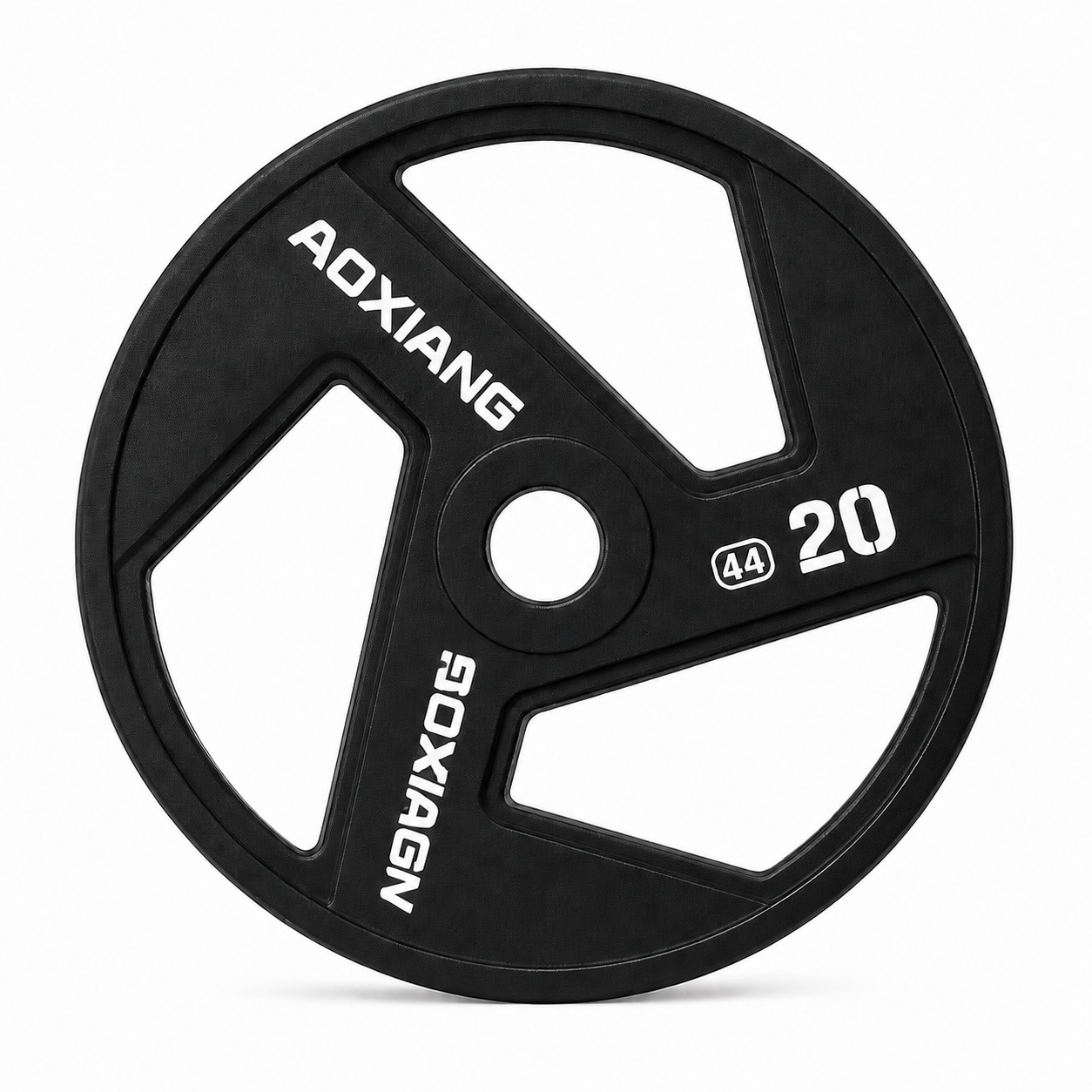
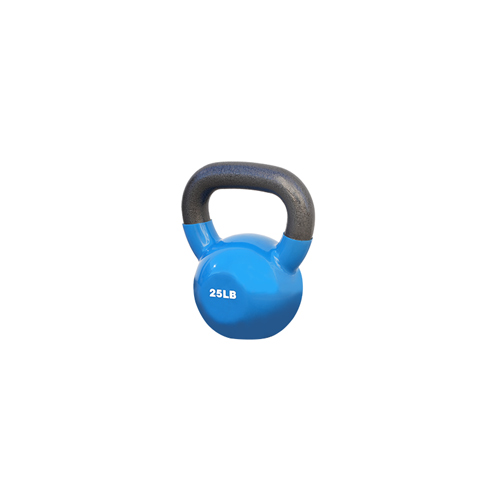
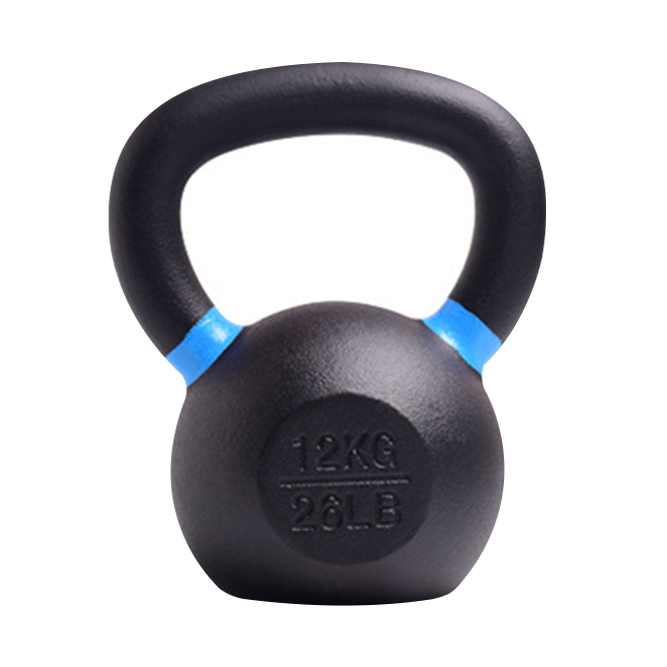
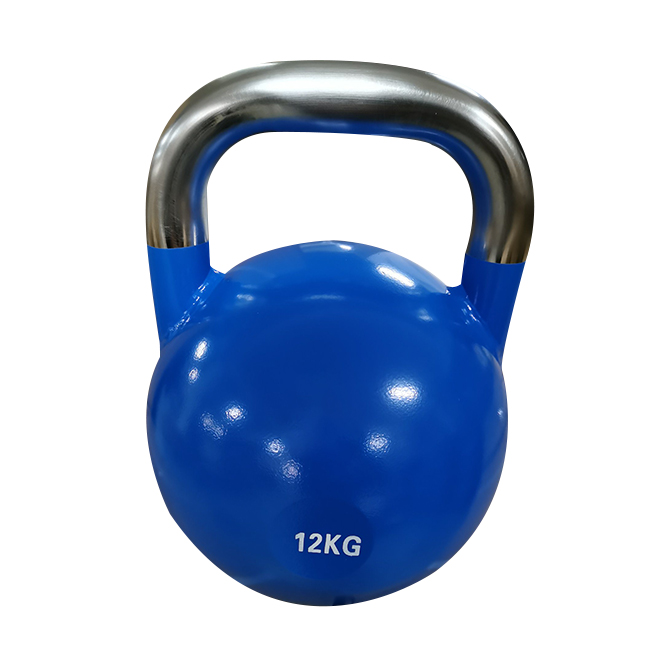
Factory Weights Gym: China Source Factory Supply Wholesale
Optimizing Inventory Margins with Direct Factory Sourcing
Distributors often struggle with thin margins caused by purchasing through multiple layers of trading companies, which artificially inflate the landed cost of heavy iron. While middleman traders may offer lower initial MOQs, they lack control over the commercial weight manufacturing process, often leading to unexpected quality variances and increased shipping overhead. For professional importers, securing a factory weights gym partnership directly with a China factory ensures a more predictable supply chain and significantly higher distributor margin potential.
The primary risk in large-scale fitness procurement is the "hidden cost" of low-quality casting and inconsistent weight tolerances. When sourcing through a third-party agent, you are paying for their service markup and their lack of technical oversight. By shifting to direct factory sourcing, you eliminate the middleman's profit margin and gain direct access to the production line, allowing for better management of freight volumes and product specifications.
Comparing Sourcing Models for Commercial Weight Distribution
| Procurement Metric | Middleman / Trading Company | Direct Factory Sourcing |
|---|---|---|
| Landed Cost | Higher due to multiple markups | Optimized through direct pricing |
| Product Control | Limited to agent's inspection | Direct oversight of wholesale gym weights |
| Customization (OEM/ODM) | Difficult and expensive | Seamless integration of private label |
| Supply Chain Transparency | Low; opaque manufacturing | High; direct factory communication |
| Profit Potential | Compressed by agency fees | Expanded via wholesale efficiency |
Effective gym equipment sourcing requires more than just finding the lowest price; it requires maximizing the value of every container load. A factory-direct relationship allows you to negotiate technical details—such as coating thickness or base material density—that directly impact the long-term durability of your inventory. For high-volume distributors, this level of control is the difference between a one-time shipment and a sustainable, high-margin product line.
To maximize long-term profitability, procurement leads must evaluate how production-level control affects the total cost of ownership. Sourcing through a wholesale gym weights manufacturer rather than a generalist trader allows for tighter control over technical specifications, ensuring that every shipment meets the rigorous durability standards required by commercial facilities. This direct approach minimizes the risk of receiving non-compliant goods that lead to costly returns or damaged brand reputation.
Beyond simple price-per-unit metrics, professional buyers should prioritize the ability to scale and customize. Whether you are expanding a regional distribution network or launching a specialized boutique brand, a factory-direct partnership provides the agility needed to adapt to market shifts. We recommend that importers request a detailed specification sheet and confirm the MOQ for custom branding before finalizing any bulk procurement contracts to ensure alignment with local market demands.
Beyond simple price-per-unit metrics, professional buyers should prioritize the ability to scale and customize. Whether you are expanding a regional distribution network or launching a specialized boutique brand, a factory-direct partnership provides the agility needed to adapt to market shifts. We recommend that importers request a detailed specification sheet and confirm the MOQ for custom branding before finalizing any bulk procurement contracts to ensure alignment with local market demands.
Leveraging OEM/ODM for Brand Differentiation
For established distributors, competing solely on price is a race to the bottom. To build long-term brand equity, high-volume buyers often utilize OEM/ODM capabilities to transition from generic commodities to branded specialty products. This level of customization—ranging from custom color coatings to bespoke weight increments and proprietary logo embossing—allows you to differentiate your catalog in a crowded commercial market.
Effective gym equipment sourcing must also account for the complexities of global logistics. A professional factory weights gym partner understands that bulk orders require specialized export packaging to prevent damage during sea freight. From reinforced pallets to optimized container loading patterns, every detail in the supply chain is designed to protect your investment and ensure that the product arrives at your warehouse in a condition that meets commercial-grade standards. Before initiating a large-scale shipment, we advise buyers to conduct a formal sample approval process and, where necessary, book a pre-shipment inspection to validate that all customized specifications are strictly adhered to.
Evaluating Material Integrity and Durability Standards
For professional importers and gym distributors, the initial purchase price is only one component of the long-term financial equation. When sourcing from a factory weights gym, the primary concern must shift from unit cost to the Total Cost of Ownership (TCO). Low-quality materials often lead to premature degradation, resulting in high replacement costs and diminished brand reputation for the facility operator.
Selecting a reliable commercial weight manufacturing partner ensures that the equipment can withstand high-frequency use in high-traffic environments. Using inferior materials, such as low-grade iron with high impurity levels, can lead to structural cracking or uneven weight distribution. Conversely, high-grade steel and precision-cast iron provide the stability required for long-term commercial deployment, effectively lowering the lifetime TCO by reducing maintenance cycles and replacement frequency.
Material Comparison for Commercial Procurement
| Material Specification | Durability Profile | Primary Risk Factor | Ideal Sourcing Context |
|---|---|---|---|
| High-Grade Cast Iron | High density; excellent impact resistance | Potential for surface chipping if poorly coated | Standard commercial weight sets |
| Precision Steel (Coated) | Superior structural integrity; high longevity | Higher initial wholesale investment | Premium studio/high-end gym setups |
| Low-Grade Recycled Iron | Moderate; prone to brittleness | Frequent cracking under heavy impact | Budget-tier or low-traffic retail use |
When conducting gym equipment sourcing, buyers should request specific metallurgical data or material certifications from the China factory. Understanding the difference between standard cast iron and high-grade steel allows distributors to better position their products in the market, whether they are offering budget-friendly options or premium, long-lasting professional equipment.
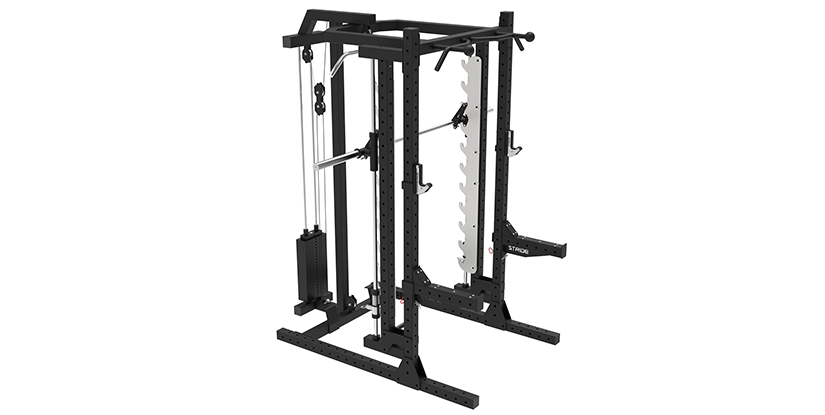
A critical failure point in the procurement cycle is the oversight of surface treatments. In high-humidity environments or heavy-use commercial facilities, inferior wholesale gym weights often suffer from rapid oxidation and coating failure. This is not merely an aesthetic issue; it is a structural risk that affects the longevity of the asset and increases the frequency of replacement orders for the distributor.
Optimizing Coating Integrity and Oxidation Resistance
To mitigate these risks, professional procurement leads must evaluate the application methods used during production. High-quality weight manufacturing utilizes advanced coating processes to ensure long-term durability. For instance, standard powder coating offers basic protection, but high-end commercial-grade equipment often utilizes specialized urethane or high-density rubber encapsulation to provide superior oxidation resistance. This layer acts as a barrier against moisture and chemical cleaners, preventing the internal metal from rusting and compromising the weight's structural integrity.
When evaluating a potential supplier, it is essential to confirm the thickness and adhesion strength of these coatings. A failure in coating integrity—such as peeling or cracking—can lead to internal corrosion, which eventually causes the weight to become unbalanced or brittle. For distributors managing large-scale projects, ensuring that the factory employs rigorous testing for coating adhesion and impact resistance is vital to maintaining a low maintenance load and high client satisfaction.
To ensure these standards are met, we recommend that buyers implement a formal factory-direct inspection or request a sample for independent stress testing. Verifying the material's reaction to environmental stressors and impact testing before a full-scale bulk order is a standard practice for minimizing long-term operational risks and ensuring the highest return on investment for the end-user.
To minimize long-term operational risks, procurement specialists should move beyond surface-level inspections. A robust sourcing strategy involves verifying the chemical composition of the metal and the mechanical properties of the finish. For large-scale distributors, the cost of a single defective batch—characterized by uneven weight distribution or premature rust—can outweigh the initial savings of a lower-tier wholesale price. It is highly recommended to request a sample for independent stress testing or to arrange a formal factory audit to ensure the production line meets international commercial standards.
Streamlining Logistics and Export Packaging Protocols
For international distributors and gym equipment importers, the total cost of ownership is heavily dictated by more than just the unit price. When sourcing a factory weights gym order, the technical precision of export packaging and container management determines whether your profit margins are protected or eroded by transit damage and unexpected surcharges. Efficient logistics planning ensures that heavy, high-density iron and rubberized products arrive at your facility in showroom condition, ready for immediate distribution or installation.
A common failure in commercial weight manufacturing occurs when a factory overlooks the structural requirements of long-haul sea freight. Without standardized palletization and reinforced crating, heavy dumbbells and plates can shift during ocean transit, leading to bent bars or damaged coatings. To mitigate these risks, professional gym equipment sourcing must prioritize container loading optimization. By strategically nesting different SKU types and utilizing high-strength bracing, we maximize the volumetric efficiency of every 40Hq container, effectively reducing the per-unit landed cost for our global partners.
Optimizing your supply chain requires a supplier who understands the physics of heavy-duty freight. We implement rigorous shipping damage prevention protocols, including moisture-proof wrapping and heavy-duty corner protection, to ensure that high-volume orders maintain their integrity from the China factory to your warehouse. This systematic approach to logistics minimizes the need for costly replacements and ensures a reliable wholesale fulfillment process for your commercial clients.
Packaging Specification Comparison: Domestic vs. Export Grade
Choosing the correct packaging tier is a critical decision for importers managing high-volume inventory. While standard domestic packaging may suffice for local regional transport, it lacks the structural reinforcement required for the high-vibration and humidity-variable environments of international sea freight. Professional wholesale gym weights procurement requires a distinction between basic protective layers and heavy-duty, export-ready solutions designed to withstand multiple handling points and long-duration ocean transit.
The following table outlines the standard differences between basic logistics and the professional-grade protocols used for global gym equipment sourcing to ensure product integrity and reduce the risk of transit-related claims.
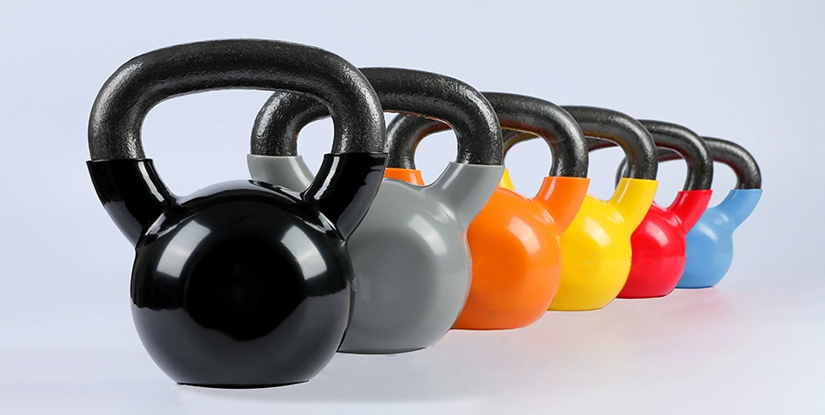
| Feature / Specification | Standard Domestic Packaging | Professional Export-Grade Packaging |
|---|---|---|
| Primary Protection | Single-layer polybag or thin cardboard | Reinforced heavy-duty corrugated boxes |
| Moisture Control | Minimal or none | Vacuum-sealed or moisture-absorbent silica packs |
| Structural Support | Standard palletizing | Reinforced wooden crates or heavy-duty pallets |
| Transit Suitability | Short-distance / Road freight | Long-haul sea freight and multi-modal transit |
| Durability Level | Low (Risk of denting/scuffing) | High (Optimized for high-density stacking) |
| Impact Resistance | Limited edge protection | Multi-angle corner guards and bracing |
For distributors looking to maximize their ROI, investing in higher-tier packaging protocols during the factory weights gym ordering process is a strategic move. High-density products like iron plates and dumbbells exert immense pressure on container walls; using reinforced crating prevents product deformation and ensures that your landed cost remains predictable by avoiding the high costs of damaged-goods replacement and customs delays.
For distributors looking to maximize their ROI, investing in higher-tier packaging protocols during the factory weights gym ordering process is a strategic move. High-density products like iron plates and dumbbells exert immense pressure on container walls; using reinforced crating prevents product deformation and ensures that your landed cost remains predictable by avoiding the high costs of damaged-goods replacement and customs delays.
Quality Control and Pre-Shipment Inspection Frameworks
For professional importers and distributors, the primary risk in factory weights gym procurement is not just the unit price, but the long-term cost of inconsistent quality. When sourcing in bulk, a single substandard batch can lead to high replacement costs and damaged reputation. Establishing rigorous quality control standards is the only way to ensure that every piece of equipment meets the durability requirements of a high-traffic commercial environment.
A reliable China factory must implement a multi-stage inspection process that goes beyond surface aesthetics. We focus on material integrity to prevent internal degradation or structural failure over time. This includes verifying the density of cast iron or the consistency of rubber coatings, ensuring that the commercial weight manufacturing process remains stable across large production runs. Without these checks, a wholesale order may suffer from uneven wear or premature oxidation.
Precision is critical in the weight industry. Our factory weights gym protocols include strict weight tolerance testing to ensure that a 25kg plate is actually 25kg within industry-standard margins. For gym equipment sourcing professionals, this level of accuracy is vital for maintaining equipment balance and professional grading. We recommend that all distributor partners request a pre-shipment inspection report or a sample approval to validate these technical specifications before the final export loading begins.
Standardized Inspection Checklist for Bulk Orders
To mitigate the risk of high landed costs caused by damaged or non-compliant goods, a structured inspection checklist must be integrated into the procurement workflow. This ensures that every component of your wholesale gym weights shipment adheres to the agreed-upon technical specifications. A professional supplier should provide transparent documentation at every stage of the production cycle.
| Inspection Stage | Primary Focus Area | Critical B2B Verification Metric |
|---|---|---|
| Raw Material Testing | Material Purity & Density | Chemical composition of iron/steel and rubber coating adhesion |
| In-Process Audit | Manufacturing Consistency | Dimensional tolerances and casting precision during production |
| Finished Product Audit | Physical Compliance | Weight accuracy, surface finish, and absence of structural defects |
| Pre-Shipment Inspection | Final Quality Assurance | Complete batch verification against the original sample approval |
| Export Packaging & Loading | Logistics Security | Container load stability and shipping safety protocols |
The final stage of the factory weights gym protocol involves rigorous export packaging. For high-volume shipments, standard palletizing is insufficient; we utilize reinforced, moisture-resistant packaging to protect against sea freight humidity and mechanical impact. Ensuring optimal shipping safety and container utilization is essential for optimizing your total landed cost and ensuring that your inventory arrives in a retail-ready state for your clients.
Before finalizing any large-scale purchase, we advise all procurement leads to confirm the specific factory audit procedures and request a detailed pre-shipment inspection report. This proactive approach to gym equipment sourcing minimizes the likelihood of costly returns and protects your distributor margins.
| Inspection Stage | Primary Focus Area | Critical B2B Verification Metric |
|---|---|---|
| Raw Material Testing | Material Purity & Density | Chemical composition of iron/steel and rubber coating adhesion |
| In-Process Audit | Manufacturing Consistency | Dimensional tolerances and casting precision during production |
| Finished Product Audit | Physical Compliance | Weight accuracy, surface finish, and absence of structural defects |
| Pre-Shipment Inspection | Final Quality Assurance | Complete batch verification against the original sample approval |
| Export Packaging & Loading | Logistics Security | Container load stability and shipping safety protocols |
The final stage of the factory weights gym protocol involves rigorous export packaging. For high-volume shipments, standard palletizing is insufficient; we utilize reinforced, moisture-resistant packaging to protect against sea freight humidity and mechanical impact. Ensuring optimal shipping safety and container utilization is essential for optimizing your total landed cost and ensuring that your inventory arrives in a retail-ready state for your clients.
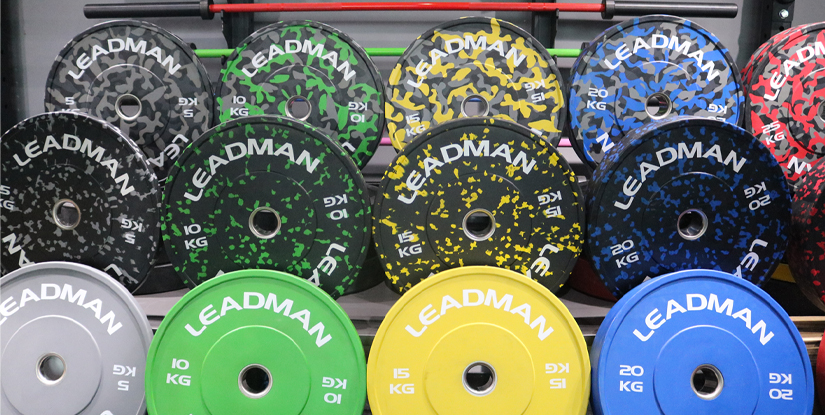
Before finalizing any large-scale purchase, we advise all procurement leads to confirm the specific factory audit procedures and request a detailed pre-shipment inspection report. This proactive approach to gym equipment sourcing minimizes the likelihood of costly returns and protects your distributor margins.
Strategic Procurement: MOQ and Lead Time Management
Effective factory weights gym procurement requires balancing inventory availability with capital efficiency. For distributors and large-scale gym operators, understanding the direct correlation between MOQ requirements and the production cycle is essential to maintaining a consistent supply chain without overextending warehouse capacity.
When managing bulk orders, professional buyers must account for the logistical complexities of commercial weight manufacturing. Unlike small-scale retail purchases, industrial-grade production involves specific material preparation, casting, and curing phases that dictate the final lead time. Relying on a China factory with standardized workflows allows for more predictable scheduling and better management of landed costs.
| Procurement Model | Typical MOQ | Production Lead Time | Best For |
|---|---|---|---|
| Standard Stock (Ready-to-Ship) | Low (e.g., 1-2 Pallets) | 7–14 Days | Urgent replenishment or small studio setups |
| Custom OEM/Private Label | High (Customized Volume) | 45–60 Days | Brand building and long-term distribution |
| Standardized Bulk Wholesale | Medium (Full Container Load) | 30–45 Days | Optimizing container utilization and margins |
To mitigate the risks of stockouts or excessive warehousing costs, we recommend aligning your sourcing strategy with your seasonal demand cycles. Requesting a detailed specification sheet and confirming the MOQ during the initial inquiry phase ensures that your project timelines remain realistic and your wholesale gym weights arrive in sync with your facility launch or distribution peak.
Optimizing Customization vs. Speed
Choosing between standard stock and a full ODM or OEM process is a strategic decision that affects both your brand identity and your capital turnover. While stock orders offer rapid deployment, they limit your ability to differentiate in a competitive market. Conversely, investing in custom branding through a specialized China factory allows for proprietary color schemes, logo embossing, and specific material finishes that build long-term brand equity and higher distributor margins.
For procurement leads, the decision often hinges on the complexity of the gym equipment sourcing journey. Custom manufacturing requires more rigorous pre-shipment coordination, including sample approval and mold validation, which extends the timeline but results in a more specialized product line. We suggest evaluating your current inventory turnover rates before committing to high-volume custom runs to ensure your landed cost remains optimized against your projected sales velocity.
Logistics, QC, and Total Landed Cost Control
Beyond production cycles, the final landed cost of your shipment is heavily influenced by the efficiency of export packaging and container loading optimization. For high-density products like cast iron or rubber-encased weights, even minor deviations in palletization or volume utilization can lead to significant wasted freight spend. A professional factory-direct approach ensures that packaging is engineered specifically for maritime transit, protecting the integrity of the factory weights gym equipment while maximizing every cubic meter of the container.
To ensure long-term durability and minimize replacement-related expenses, integrating a strict QC (Quality Control) protocol into your sourcing workflow is non-negotiable. This includes pre-shipment inspections to verify weight tolerances, surface finish consistency, and the structural integrity of handles or coatings. By coordinating with a reliable supplier to conduct on-site audits or third-party inspections before the shipping schedule is finalized, distributors can mitigate the risk of receiving substandard batches that could damage their reputation or increase maintenance-related overhead.
For large-scale importers, the goal is to transition from reactive purchasing to proactive supply chain management. We recommend requesting a detailed factory audit report and a breakdown of the estimated shipping schedule during the initial quote phase. This transparency allows you to better forecast your inventory arrivals and manage the cash flow required for large-scale wholesale distribution, ensuring your facility or retail network remains fully operational without unexpected downtime.