Selecting Best Cast Iron Plates for Commercial Gym Programs
Defining Procurement Criteria for High-Volume Training Environments
For a regional gym franchise or a high-traffic strength facility, the initial invoice price of weight plates is often a deceptive metric. While budget-conscious buyers may prioritize low unit costs, professional procurement managers must evaluate the best cast iron plates through the lens of total cost of ownership. In high-volume environments, the true expense lies in the frequency of replacement and the labor required for maintenance.
Optimizing Long-Term ROI Through Durability
Selecting equipment that meets strict commercial weight plate standards ensures that your inventory can withstand the mechanical stress of heavy barbell training without premature degradation. High-quality casting processes reduce the risk of structural fractures and uneven weight distribution, which are common in lower-tier manufacturing. By investing in superior durability, facilities significantly extend their replacement cycles, effectively lowering the annualized cost per pound of iron. This strategic approach to gym equipment procurement shifts the focus from immediate savings to a long-term ROI, protecting your capital expenditure against the rapid depreciation seen with substandard imports.
Evaluating Sourcing Strategies: Wholesale vs. Local Distribution
Deciding between direct factory sourcing and local distributors involves a trade-off between unit price and operational agility. For large-scale facility builds or multi-location expansions, the procurement logic shifts toward optimizing logistics and volume-based discounts. The following comparison highlights the typical variables encountered during the sourcing process.
| Sourcing Model | Typical MOQ | Logistics & Shipping | Lead Time Expectation | Primary Advantage |
|---|---|---|---|---|
| Factory Direct / Wholesale | High (Pallet/Container) | International Freight / Sea Port | 45–75 Days | Maximum Margin & Customization |
| Regional Distributor | Low (Single Box/Set) | Domestic Ground / LTL | 7–14 Days | Rapid Restocking & Ease of Return |
When evaluating barbell plate compatibility and long-term inventory needs, procurement managers should align their choice with their facility's growth velocity. Direct wholesale sourcing offers the lowest cost per pound for massive builds, whereas distributors provide the necessary buffer for smaller, incremental equipment updates. Selecting the right model depends on whether your priority is upfront capital preservation or minimizing downtime through localized supply chains.
Technical Precision and Equipment Longevity
A critical, often overlooked factor in the procurement process is the technical alignment between the plates and your existing barbell inventory. Achieving optimal barbell plate compatibility requires more than just matching weight increments; it demands strict adherence to precision tolerances. When plates are manufactured with inconsistent center hole diameter specifications, they can create uneven pressure points or excessive friction against the barbell sleeve.
For facility owners, this lack of precision leads to accelerated mechanical wear on expensive barbell sleeves, potentially causing permanent deformation or scoring. Prioritizing high-grade casting ensures a consistent fit that protects your equipment longevity. By demanding tight tolerances during the gym equipment procurement phase, you prevent the cascading costs associated with premature barbell replacement and frequent maintenance cycles, ensuring your high-performance bars remain functional for years of heavy use.
Matching Plate Thickness to Facility Programming and User Demographics
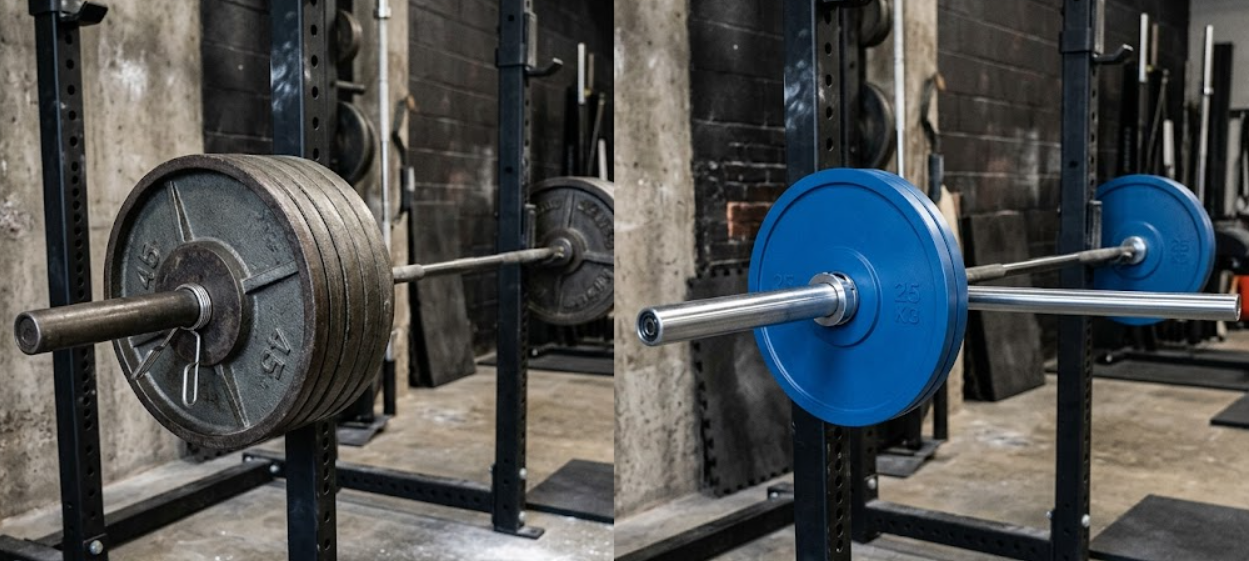
Optimizing your facility footprint requires a strategic understanding of how plate geometry affects barbell sleeve capacity. While high-density cast iron offers superior weight-to-volume ratios, the physical thickness of each unit directly dictates how many plates a single barbell can carry before reaching the end of the sleeve.
The Trade-Off Between Density and Sleeve Capacity
For commercial strength facilities, space optimization is often a battle between maximizing weight density and maintaining barbell plate compatibility. Thinner, high-density plates allow for more weight to be loaded on a single bar, which is essential for heavy compound movements in powerlifting-focused gyms. However, if your programming leans toward high-repetition functional training or lighter accessory work, standard-thickness plates may be more cost-effective for your inventory and easier for members to handle.
| Plate Profile | Primary Benefit | Best For | Storage Footprint |
|---|---|---|---|
| Thin/High-Density | Maximized Sleeve Capacity | Strength & Powerlifting | Compact/Vertical |
| Standard Cast Iron | Durability & Cost-Efficiency | General Commercial Gyms | Standard/Moderate |
| Bulk/Economy Cast | Low Initial Investment | Budget/Outdoor Facilities | Larger/Wide |
When sourcing for large-scale distributors or multi-unit gym chains, adhering to strict commercial weight plate standards ensures that your equipment remains compatible with premium barbell brands. Selecting the right thickness profile prevents premature wear on sleeves and ensures that your facility can support both heavy-duty athletes and general fitness members without frequent reordering.
The decision between high-density and standard profiles is rarely about the material quality itself, but rather the intended utility of your barbell setups. A mismatch in plate thickness can lead to logistical bottlenecks, such as running out of sleeve room during heavy training sessions or overpaying for density that your programming does not require.
Strategic Selection Based on Programming Density
Procurement managers must evaluate the typical load requirements of their target demographics. A facility catering to competitive strength athletes requires a higher volume of thin-profile plates to ensure that heavy barbell combinations do not exceed the physical length of the bar sleeve. Conversely, a standard commercial gym focusing on general fitness and circuit training can often achieve a better return on investment by stocking standard-profile plates, which are typically more economical for bulk wholesale orders.
| Profile Type | Typical Use Case | Sleeve Loading Capacity | Procurement Priority |
|---|---|---|---|
| Thin/High-Density | Powerlifting & Heavy Compound Lifting | High (Max weight per bar) | Performance & Space Efficiency |
| Standard/Traditional | General Fitness & Group Classes | Moderate (Standard weight per bar) | Cost-Efficiency & Durability |
| Economy/Wide-Profile | Budget Facilities & Outdoor Training | Lower (Limited weight per bar) | Low Initial Capital Outlay |
When calculating your total landed cost, consider that high-density plates may reduce the total number of units needed for high-load setups, potentially lowering long-term shipping volumes per kilogram of weight. However, for distributors managing high-volume inventory for general fitness clients, the lower unit cost of standard-profile cast iron often provides a more competitive edge in the market.
Optimizing Logistics and Inventory Through Strategic Sourcing
Efficient gym equipment procurement extends beyond selecting the best cast iron plates; it requires a calculated approach to logistics and MOQ (Minimum Order Quantity) management. When sourcing specialized thickness profiles, buyers must account for how variations in plate geometry affect container density and shipping costs. High-density plates may offer better weight-per-volume efficiency, but certain specialized profiles may trigger higher MOQ requirements from manufacturers, impacting your initial inventory management strategy.
For facility owners managing a complex facility layout, the goal is to balance stock depth with physical storage constraints. Relying on a single profile can create bottlenecks if your programming shifts. We recommend a tiered procurement strategy: secure a core stock of standard-profile plates to satisfy high-volume MOQ targets and lower your landed cost, while selectively sourcing high-density units for specialized strength zones. This approach ensures long-term compatibility between your barbell inventory and the diverse training needs of your members without overextending your storage footprint.
Verifying Barbell Plate Compatibility and Precision Tolerances
Procurement errors often stem from overlooking the technical synergy between weight plates and standard barbell sleeves. High-quality commercial weight plate standards require strict adherence to center hole precision to ensure a seamless fit. If the tolerance is too loose, the plate wobbles, increasing wear on the barbell; if too tight, it creates friction that complicates rapid loading and unloading during high-volume programming.
The Importance of Thickness-to-Weight Ratio
For facility owners, the thickness-to-weight ratio is a critical metric for space management and barbell plate compatibility. Thinner, high-density plates allow for more weight on the sleeve, which is essential for strength-focused programs. However, distributors must ensure that the casting process maintains a consistent center hole diameter to prevent uneven weight distribution, which can lead to barbell tilt or structural instability during heavy lifts.
Mechanical Impact of Plate Profiles on Sleeve Longevity
When sourcing for high-traffic facilities, the physical profile of the plate dictates the long-term maintenance requirements of your barbell inventory. The friction generated between the plate's inner diameter and the barbell sleeve can accelerate bushing wear if the tolerances are poorly managed. Selecting the right profile involves balancing the density of the cast iron with the intended movement speed of your members.
| Plate Profile Type | Typical Center Hole | Sleeve Interaction | Best Use Case |
|---|---|---|---|
| Standard (1-inch) | ~30mm - 32mm | High friction; rigid fit | Home gyms or low-impact training |
| Olympic (2-inch) | ~50mm - 51mm | Optimized for bearing rotation | Commercial strength & powerlifting |
| Precision Cast | Strict +/- 0.5mm | Minimal vibration/chatter | High-performance competitive facilities |
For B2B buyers, prioritizing precision-cast Olympic plates is often the more cost-effective long-term strategy. While the initial unit cost may be higher, the reduction in barbell sleeve replacement and the prevention of "plate rattle" ensures a higher ROI by protecting expensive barbell bearings from excessive vibration and impact stress.
Prioritizing Manufacturing Consistency and QC Inspection
To mitigate the risks of uneven weight distribution, procurement managers must demand rigorous QC inspection protocols from their suppliers. Inconsistent casting often results in significant tolerance deviations, where the weight may be correct, but the physical dimensions vary wildly. Such manufacturing consistency issues do more than just annoy users; they directly compromise the durability of your high-end barbell inventory.
When the center hole diameter fluctuates beyond precision tolerances, the resulting "chatter" or uneven loading creates repetitive mechanical shock. This impact stress can prematurely degrade the internal bushings and bearings of your barbells. For large-scale distributors or gym operators, sourcing plates that maintain a strict dimensional standard is a non-negotiable step in protecting long-term equipment reliability and reducing the total cost of ownership through decreased maintenance cycles.
Surface Finish and Total Cost of Ownership
The longevity of your inventory depends heavily on the chemical and physical interface between the metal and the environment. When sourcing for high-traffic facilities, procurement managers must weigh the initial unit cost against the long-term maintenance frequency and oxidation risks associated with different coatings.
| Finish Type | Durability Profile | Maintenance Requirement | Best Use Case |
|---|---|---|---|
| Raw Cast Iron | High oxidation risk in humid climates | Periodic oiling to prevent rust | Budget-conscious boutique studios |
| Powder Coating | High resistance to moisture and abrasion | Minimal; standard wipe-down | Commercial gyms and high-use facilities |
| Black Enamel | Excellent aesthetic and corrosion protection | Very low | Premium fitness centers and hospitality |
While raw cast iron offers a lower entry price, it often fails to meet strict commercial weight plate standards for long-term durability in non-climate-controlled environments. For distributors and large-scale gym owners, investing in powder-coated finishes typically yields a better ROI by reducing the labor costs required for rust remediation and ensuring the equipment remains professional in appearance over multiple years of heavy use.
Selecting the right finish is a strategic decision that impacts both your facility's visual standards and your operational budget. In many high-volume commercial settings, the choice between a basic painted surface and a high-grade powder coating can determine whether your equipment requires monthly upkeep or remains maintenance-free for several years.
Finish Performance Comparison
| Finish Type | Durability | Corrosion Resistance | Aesthetic Longevity |
|---|---|---|---|
| Raw / Natural | Low (prone to chipping) | Minimal (high oxidation risk) | Decreases rapidly without oil |
| Painted | Moderate | Standard | Subject to flaking under heavy use |
| Powder Coated | High (impact resistant) | Excellent | Maintains consistent professional look |
For procurement professionals managing large-scale orders, understanding these technical trade-offs is essential for minimizing total cost of ownership. While raw plates may lower initial shipping and unit costs, the long-term labor required for rust prevention often offsets those savings. In contrast, premium finishes provide the reliability needed for heavy barbell plate compatibility and consistent performance in diverse climates.
Operational Protocols and Storage Standards
Effective maintenance extends beyond the initial purchase. To protect the integrity of the best cast iron plates, facility managers should implement strict humidity control, especially in regions with high seasonal moisture. Utilizing industrial dehumidifiers in weight rooms prevents the oxidation that can compromise both the aesthetic and the structural thickness of the metal.
Cleaning protocols must be non-abrasive; avoid harsh chemicals that can degrade protective coatings. Instead, use a damp microfiber cloth to remove sweat and debris, ensuring plates are completely dry before storage. To maintain optimal barbell plate compatibility, inspect the center holes regularly for grit or buildup that could cause uneven loading or metal-on-metal wear against the barbell sleeves. For long-term storage, avoid stacking plates directly on concrete floors without palletized racking or specialized weight trees, as ground-level moisture exposure is a primary driver of premature corrosion.
Optimizing Inventory Mix for Wholesale and Distribution Models
For distributors and large-scale facility owners, selecting the best cast iron plates requires a calculated approach to inventory depth versus capital expenditure. A successful procurement strategy balances the high turnover of standard weight increments with the long-term durability of premium finishes to maximize return on investment.
Strategic Stocking and Cost-to-Durability Ratio
Maintaining a diverse SKU count is essential for meeting varied programming needs, yet overstocking niche weights can tie up critical liquidity. Buyers must evaluate the cost-to-durability ratio by weighing the initial acquisition cost against the expected replacement cycle in high-traffic commercial environments. Adhering to strict commercial weight plate standards ensures that even budget-friendly options maintain consistent tolerances and structural integrity.
| Inventory Profile | Primary Objective | Typical Use Case | Procurement Focus |
|---|---|---|---|
| High-Volume Essentials | Rapid Turnover | General Strength Floors | Unit Cost & MOQ |
| Specialized Increments | Program Precision | Powerlifting/Specialty Gyms | Tolerance & Precision |
| Premium Finished Sets | Aesthetic Longevity | Boutique/Hotel Fitness | Surface Coating Quality |
To optimize the Total Cost of Ownership (TCO), procurement managers must decide between broad-spectrum weight sets and specialized fractional options. While standard increments drive high-volume turnover, neglecting precision weights can limit a facility's ability to support advanced programming or progressive overload protocols.
Comparing Standard vs. Fractional Plate Configurations
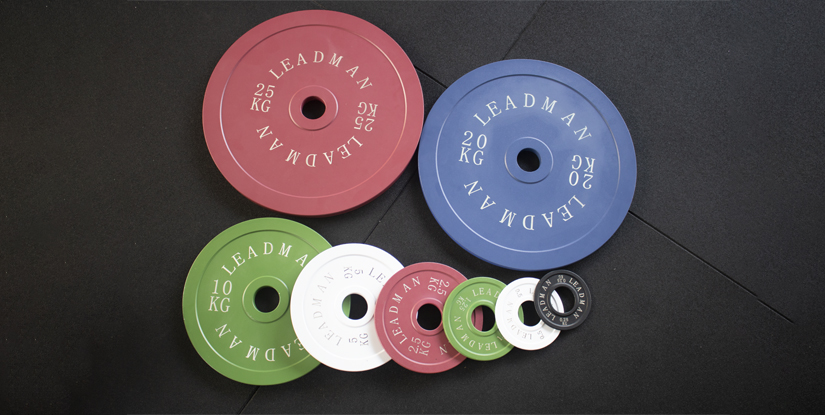
The following comparison highlights how different plate configurations impact barbell plate compatibility and long-term procurement efficiency. Choosing the right mix ensures that your equipment can accommodate both entry-level users and elite athletes without constant restocking requirements.
| Configuration Type | Increment Profile | Barbell Compatibility | Logistics & ROI Impact |
|---|---|---|---|
| Standard Sets (5kg–25kg) | High-volume, bulk jumps | Standard 50mm sleeves | Lower unit cost; ideal for mass distribution and general strength zones. |
| Fractional/Specialized (0.5kg–2.5kg) | Micro-loading precision | High precision/Tight tolerances | Higher SKU complexity; essential for performance-driven commercial programs. |
| Hybrid Mixed Inventory | Balanced weight distribution | Universal/Multi-purpose | Optimizes shipping volume and minimizes dead stock in warehouse settings. |
When sourcing, prioritize manufacturers capable of maintaining tight tolerances across both standard and fractional ranges. This consistency prevents issues with sleeve fitment and ensures that your facility remains compliant with professional training standards regardless of the weight increment being utilized.
Logistics Efficiency and Landed Cost Management
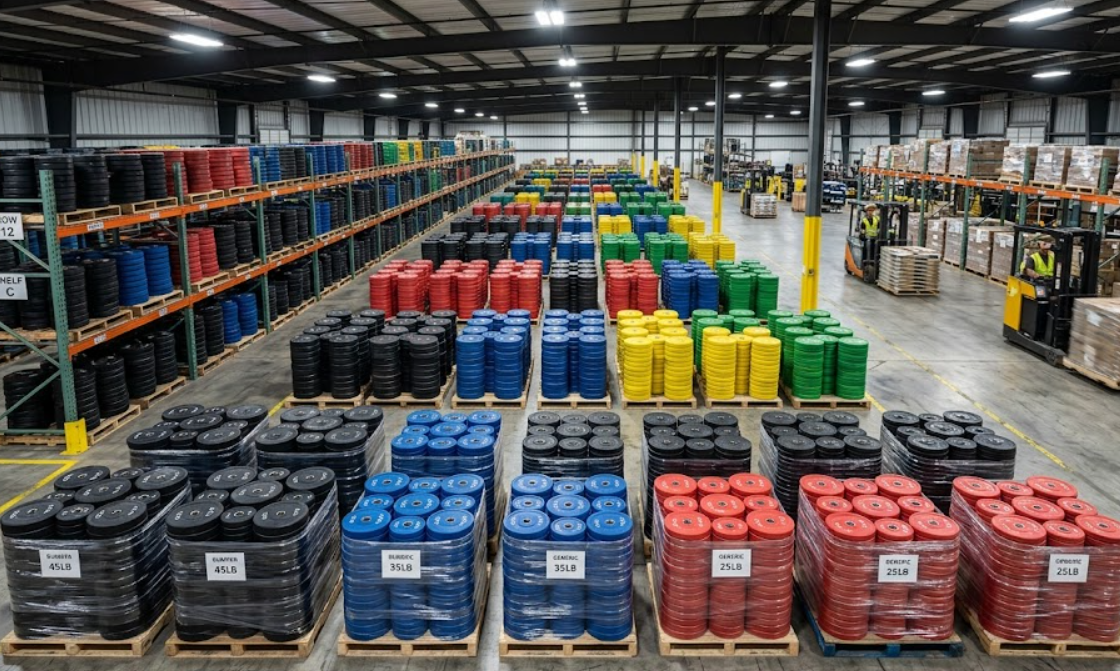
Optimizing gym equipment procurement extends beyond the unit price; true cost efficiency is found in the mastery of shipping density and MOQ optimization. Because cast iron is a high-density, heavy-duty commodity, shipping costs often represent a significant percentage of the total landed cost. To mitigate these expenses, buyers should coordinate with manufacturers to align order volumes with full container load (FCL) capacities rather than relying on less efficient less-than-container load (LCL) shipments.
Effective wholesale procurement requires a deep understanding of how packaging dimensions impact freight. For example, requesting specific pallet configurations or nested stacking methods can drastically improve the weight-to-volume ratio within a shipping container. By negotiating a higher MOQ that matches standard shipping increments, distributors can reduce the per-unit freight penalty, ensuring that the best cast iron plates arrive at the facility without the margin erosion caused by inefficient logistics.
Ensuring Structural Integrity via Rigorous Quality Control
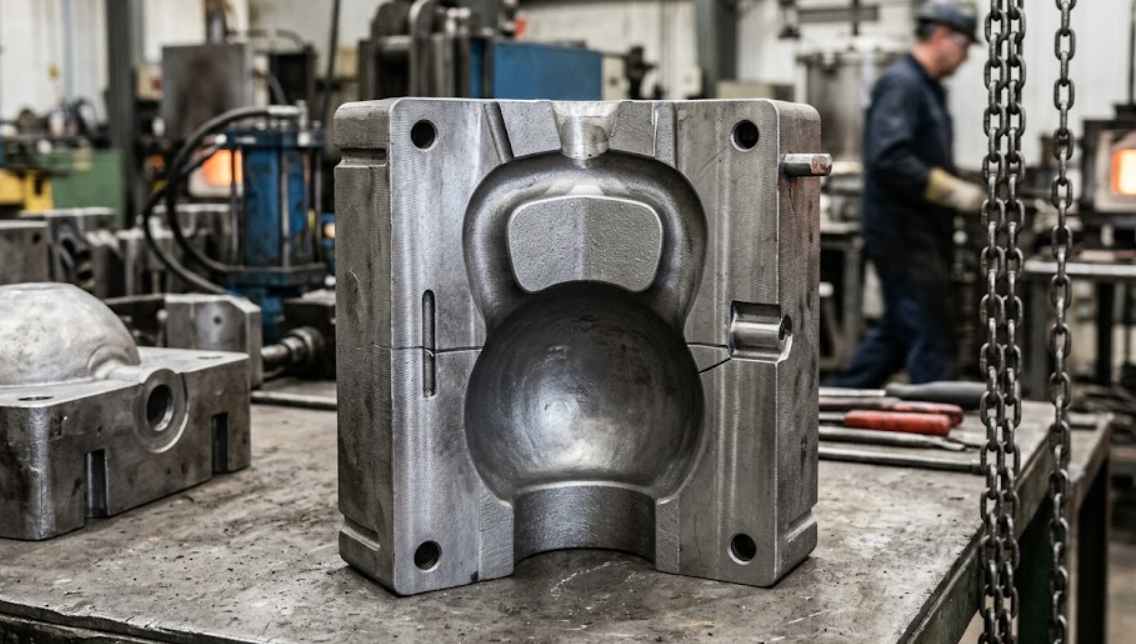
High-volume procurement requires more than just selecting a weight; it demands strict adherence to commercial weight plate standards to ensure long-term durability. For distributors and gym owners, the primary risk involves microscopic casting defects that compromise the structural integrity of the iron under heavy use. Reliable manufacturers implement multi-stage quality control (QC) protocols, including density testing and surface uniformity checks, to eliminate brittle points before the products leave the factory floor.
Beyond manufacturing precision, transit damage prevention is a critical variable in the global supply chain. Because cast iron is heavy and susceptible to impact, specialized packaging configurations—such as reinforced pallets and heavy-duty corrugated boxing—are essential for international sea freight. Without these rigorous logistics standards, even high-quality plates risk hairline fractures or coating chips during long-distance transit, directly impacting your total cost of ownership and facility maintenance cycles.
Packaging Configurations for Global Distribution
Procurement managers must evaluate packaging not just as a shipping requirement, but as a protective measure for the product's surface finish and structural stability. Selecting the appropriate tier of protection depends on your destination, the volume of the order, and the complexity of the inland logistics route.
| Packaging Type | Protection Level | Primary Use Case | Sea Freight Suitability |
|---|---|---|---|
| Standard Single Box | Basic (Surface only) | Local/Regional distribution | Low (Requires palletizing) |
| Reinforced Double-Wall | Moderate (Impact resistant) | National wholesale/Gym retail | Medium (Standard container load) |
| Export Grade Crating | High (Structural/Anti-corrosion) | International B2B/Large-scale import | High (Optimized for long-haul) |
For large-scale gym equipment procurement, we recommend the Export Grade configuration. This setup typically utilizes heavy-duty wooden crates or reinforced steel-banded pallets, which mitigate the risks of shifting and vibration during maritime transit. Investing in superior packaging at the factory level reduces the likelihood of receiving damaged goods, ensuring your inventory arrives ready for immediate installation.
Optimizing Bulk Shipment and Compatibility Verification
Effective gym equipment procurement extends beyond the initial purchase to the complexities of international freight. When managing high-volume orders, buyers must negotiate clear MOQ requirements and standardized palletization protocols to balance shipping efficiency with cost control. A well-structured pallet layout reduces dead space in sea containers, lowering the landed cost per unit for distributors.
Crucially, bulk order verification should include a technical audit of barbell plate compatibility. Before final shipment, confirm that the center hole diameters of the cast iron plates align with your existing barbell inventory—whether you are sourcing for standard 2-inch Olympic bars or specialized equipment. Verifying these specifications at the factory level prevents the costly logistical headache of receiving non-compatible stock that cannot be utilized in your facility’s programming.