Quality Control for Bells of Steel Adjustable Kettlebells
Deployment Logistics for High-Traffic Training Environments
For boutique studios or hotel fitness centers with limited square footage, optimizing the floor plan is critical to maximizing revenue per square foot. Implementing the bells of steel kettlebell adjustable system allows facility managers to consolidate multiple weight increments into a single footprint, effectively streamlining the commercial gym layout without sacrificing training variety.
When sourcing for high-density environments, procurement officers must prioritize space-saving benefits alongside high-traffic durability. Unlike traditional cast iron sets that require expansive racks and extensive storage zones, these adjustable units offer a compact solution that scales with user demand. Ensuring the mechanism can withstand repetitive weight transitions is essential for long-term operational efficiency and reduced replacement cycles in busy commercial settings.
The decision to transition from fixed weights to adjustable models involves a strategic trade-off between initial capital expenditure and long-term facility utility. Below is a comparison designed to assist distributors and gym owners in evaluating the footprint and operational requirements of each system.
| Evaluation Metric | Traditional Kettlebell Sets | Bells of Steel Adjustable Models |
|---|---|---|
| Footprint & Storage | Large; requires extensive rack space for multiple increments. | Minimal; single unit replaces multiple fixed weights. |
| Maintenance Frequency | Low; primarily surface cleaning and rust prevention. | Moderate; requires periodic mechanism and pin inspections. |
| Facility Layout | Fixed; requires dedicated, permanent storage zones. | Flexible; easily integrated into small-scale studio layouts. |
| Commercial Inspection | Visual check for coating integrity and handle wear. | Rigorous check of weight-selection pins and stability. |
While traditional sets offer simplicity, the commercial adjustable kettlebell inspection protocols are vital for maintaining safety in high-turnover environments. Buyers should ensure that the manufacturing standards for the locking mechanisms meet rigorous commercial-grade durability expectations to prevent mechanical failure during heavy training sessions.
Logistics and Procurement Optimization
Beyond floor layout, B2B buyers must align wholesale fitness equipment quality control with international shipping logistics. When ordering at scale, shipping volume and weight-to-volume ratios significantly impact landed costs. Because adjustable units are more complex than solid iron, distributors should verify that adjustable kettlebell manufacturing standards include reinforced, shock-absorbent packaging to prevent internal component displacement during long-haul transit.
For large-scale facility rollouts, MOQ considerations often dictate the balance between unit cost and inventory turnover. We recommend negotiating tiered pricing that accounts for the specialized handling required for adjustable mechanisms. Prioritize suppliers who provide documented evidence of durability for commercial use, ensuring that the transition from factory to gym floor maintains the integrity of the weight-selection components.
Mechanical Stability and Weight Selection Precision
In high-traffic fitness facilities, the longevity of adjustable equipment depends entirely on the integrity of its internal locking mechanisms. For distributors sourcing the Bells of steel kettlebell adjustable series, verifying mechanical stability is a non-negotiable step in the procurement process to prevent component fatigue or accidental weight shifts during high-intensity movement.
A rigorous commercial adjustable kettlebell inspection must prioritize the precision of the weight selection interface. Unlike standard fixed kettlebells, these modular units require exacting manufacturing standards to ensure that each increment remains seated securely. Discrepancies in weight distribution or imprecise locking can compromise the structural integrity of the unit, leading to increased maintenance costs and potential liability for gym operators.
When evaluating inventory for diverse client needs—ranging from boutique studios to large-scale commercial centers—it is essential to distinguish between the three primary weight-adjustment architectures. Each system presents a different trade-off regarding total cost of ownership (TCO) and operational downtime.
Mechanical Comparison of Weight Adjustment Systems
| Mechanism Type | Maintenance Frequency | Durability Rating | Commercial Suitability |
|---|---|---|---|
| Pin-Lock System | Low (Annual check) | High | High-traffic strength gyms |
| Plate-Loading | Moderate (Nut/Bolt tightening) | Very High | Traditional heavy lifting facilities |
| Dial/Selector System | High (Moving parts) | Moderate | Boutique studios & residential |
For B2B buyers, the choice between these systems should be driven by the intended environment. While dial systems offer speed, they often require more frequent replacement parts. Conversely, systems that meet strict wholesale fitness equipment quality control protocols—such as heavy-duty pin-locks—provide the reliability required for high-volume commercial turnover and minimal facility maintenance interventions.
Operational Durability and Long-Term Maintenance
Beyond the initial unboxing, facility managers must monitor the load-bearing capacity of the internal chassis throughout the equipment's lifecycle. Continuous use in commercial environments inevitably leads to subtle wear and tear on the adjustment pins and seating surfaces. To protect your procurement decision, we recommend establishing a standardized maintenance cycle that includes monthly inspections for any micro-movements or slight imbalances in the weight distribution.
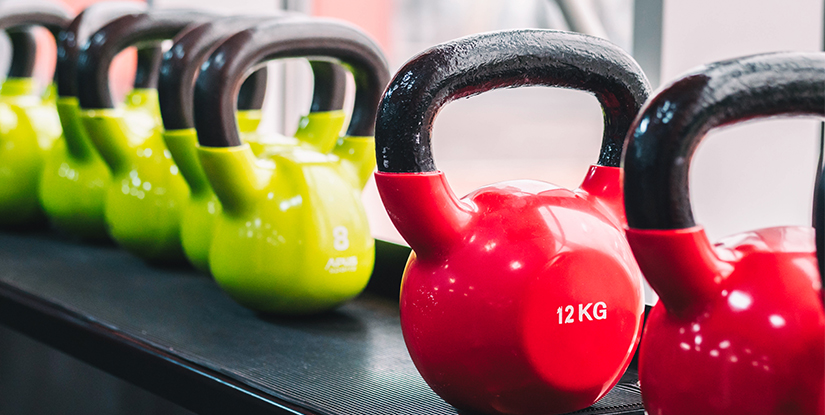
Reliable adjustable kettlebell manufacturing standards dictate that even after hundreds of adjustments, the locking mechanism should feel consistent and tactile. For distributors, advising clients to inspect the coating integrity and structural alignment regularly can significantly extend the service life of the inventory, ensuring the Bells of steel kettlebell adjustable units remain a high-performing asset rather than a recurring maintenance liability.
Surface Coating Integrity and Long-Term Wear Resistance
In high-traffic commercial gym environments, the exterior finish of equipment undergoes constant friction and impact. For the Bells of Steel kettlebell adjustable series, maintaining surface coating integrity is a critical factor in determining the total cost of ownership and long-term replacement cycles for distributors and facility managers.
Standard coatings often fail under high-frequency usage, leading to unsightly chipping or structural vulnerability. We prioritize evaluating the oxidation resistance of these models to ensure that the weight adjustment mechanisms remain protected from moisture and sweat. A robust finish prevents the premature degradation typically seen in lower-grade adjustable kettlebells, ensuring the product maintains a premium aesthetic and functional reliability throughout its service life in professional settings.
When sourcing for high-end boutique studios or large-scale fitness franchises, the choice of finish directly impacts the maintenance frequency and the long-term aesthetic appeal of the inventory. A professional commercial adjustable kettlebell inspection should always include a tactile and visual assessment of the coating's bond to the substrate to prevent delamination during heavy use.
| Coating Type | Durability Profile | Maintenance Frequency | Cost-Effectiveness (ROI) |
|---|---|---|---|
| Powder Coating | High impact resistance | Low; occasional wipe-down | Excellent for high-volume gyms |
| Cast Iron (Raw/Oil) | Moderate; prone to oxidation | High; requires regular oiling | Budget-friendly for entry-level |
| Rubberized Finish | Superior shock absorption | Moderate; debris buildup | Higher upfront cost; premium feel |
Distributors should note that while rubberized finishes offer better floor protection, powder-coated adjustable models typically provide the most balanced lifecycle for wholesale fitness equipment quality control standards, offering a professional look without the intensive upkeep required by raw metal surfaces.
Verification Protocols for Receiving Shipments
To mitigate the risk of receiving damaged inventory, procurement teams should integrate a specific procurement checklist into their receiving workflows. A thorough adhesion testing process—such as a basic cross-hatch or scratch test on a sample unit—can identify if the coating is prone to peeling under stress. Beyond surface aesthetics, verify that logistics handling protocols during transit did not cause micro-fractures in the finish. For distributors, ensuring high scratch resistance is essential to prevent customer returns and maintain a reputation for premium, durable fitness solutions.
Comparing Fixed vs. Adjustable Inventory Models
For distributors and facility managers, the decision between stocking traditional iron weights and modern adjustable systems hinges on the trade-off between unit cost and spatial efficiency. While fixed kettlebells offer simplicity, the Bells of Steel kettlebell adjustable model provides a high-density alternative that optimizes square footage and improves inventory turnover rates in premium training environments.
| Procurement Factor | Fixed Kettlebell Sets | Adjustable Kettlebell Systems |
|---|---|---|
| Storage Footprint | High (Requires extensive racks) | Low (Single unit replaces multiple) |
| Inventory Turnover | Slower (Large SKU volume) | Faster (Versatile weight range) |
| Shipping Volume | High (Bulky, heavy shipments) | Optimized (Compact packaging) |
| Commercial Gym Space Optimization | Limited by physical dimensions | Maximum (High utility per sq. ft.) |
Transitioning to an adjustable model allows B2B buyers to achieve significant footprint reduction without sacrificing the variety of resistance required by clients. This strategic shift is essential for boutique studios and high-end commercial gym space optimization, where every square meter must generate maximum ROI.
When evaluating long-term total cost of ownership (TCO), procurement teams must look beyond the initial purchase price. While fixed units have lower individual unit costs, the maintenance and replacement cycles for a full spectrum of weights can escalate. In contrast, high-quality adjustable systems require more rigorous wholesale fitness equipment quality control during the initial sourcing phase to ensure the mechanical components can withstand high-frequency commercial use without premature wear.
| Metric | Fixed Kettlebell Models | Adjustable Kettlebell Systems |
|---|---|---|
| Weight Range | Discrete increments (e.g., 8kg, 12kg, 16kg) | Continuous or wide-step range (e.g., 12kg–32kg) |
| Unit Cost | Lower per single unit | Higher per single unit (Replaces multiple SKUs) |
| Maintenance | Minimal (Mostly surface/coating checks) | Moderate (Requires mechanism/pin inspections) |
| ROI Driver | Durability and low entry price | Space efficiency and SKU reduction |
For distributors, the primary advantage of the bells of steel kettlebell adjustable approach is the reduction in SKU complexity. By stocking a single versatile model rather than dozens of individual weights, you reduce warehouse overhead and simplify the logistics of international shipping and customs documentation.
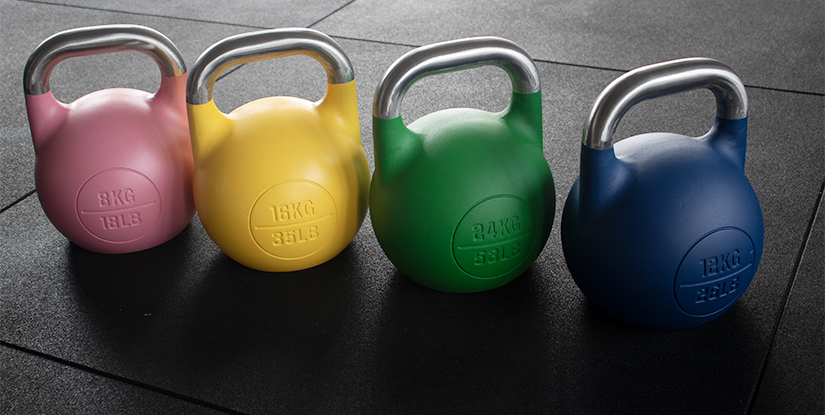
Strategic sourcing requires balancing versatility vs. durability against specific MOQ considerations. While adjustable systems streamline inventory, buyers must ensure the manufacturer adheres to strict adjustable kettlebell manufacturing standards to prevent mechanical failure in high-traffic zones. For large-scale distributors, prioritizing a single high-spec model over a fragmented catalog facilitates better facility layout optimization and more predictable replenishment cycles across global supply chains.
Standardizing Inspection Protocols for Bulk Imports
For distributors and gym operators, the long-term Total Cost of Ownership (TCO) is dictated by the precision of the mechanical components. Relying on substandard manufacturing standards during large-scale procurement can lead to premature mechanical failure and increased replacement frequency in high-traffic facilities.
Optimizing Mechanism Stability and Longevity
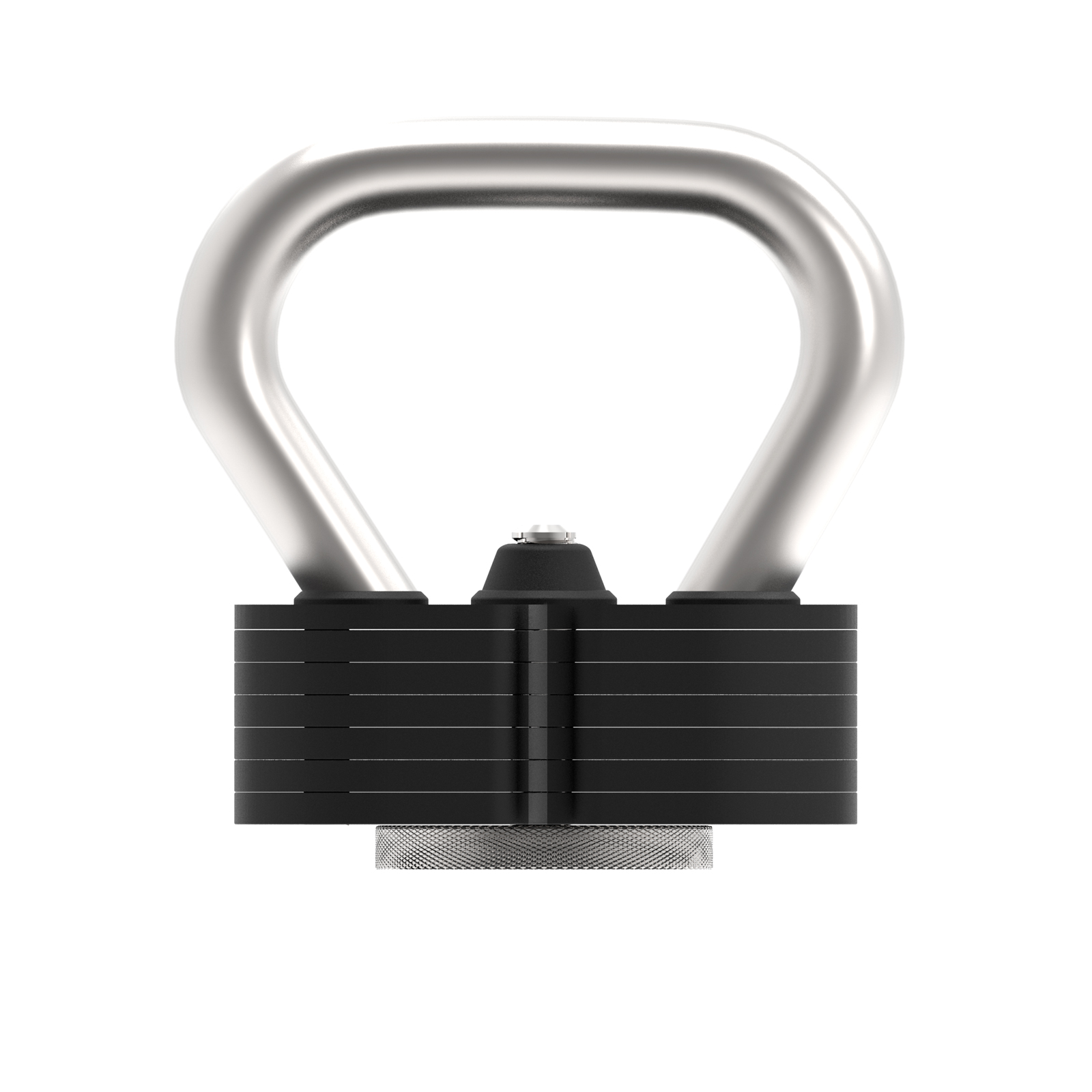
When sourcing the bells of steel kettlebell adjustable models, a rigorous commercial adjustable kettlebell inspection must prioritize the internal locking systems. Beyond surface aesthetics, inspectors should verify the mechanism stability by cycling through weight increments repeatedly to ensure smooth transitions without friction. A critical failure point in many wholesale orders is improper weight plate seating; if the plates do not seat perfectly within the housing, the center of gravity shifts, causing unbalanced swings and uneven wear on the adjustment rails. Verifying these tolerances during the factory audit phase prevents costly onsite maintenance issues and ensures the equipment meets the durability expectations of professional strength training environments.
Evaluating Coating Durability and Precision
Reliable wholesale fitness equipment quality control extends to the chemical and physical integrity of the outer shell. During pre-shipment audits, buyers should perform a cross-hatch test to evaluate coating adhesion, ensuring the powder coating or plating does not chip under high-impact use. Furthermore, adjustable kettlebell manufacturing standards require strict weight increment precision. Every plate must align with calibrated scales to prevent discrepancies that undermine professional training integrity. If the weight variance exceeds a 1-2% threshold, it indicates poor tolerance control, which can lead to significant liability and refund claims for distributors managing high-end commercial accounts.
Prioritizing Inspection Focus Areas for ROI
To streamline the procurement process, buyers should categorize inspection protocols based on their long-term impact on operational expenses. The following table assists procurement managers in weighing the technical requirements against potential maintenance costs and equipment lifespan.
| Inspection Category | Primary Focus Area | Impact on Maintenance & Cost |
|---|---|---|
| Mechanism | Locking system & rail smoothness | Reduces frequent part replacements and onsite labor. |
| Coating | Adhesion strength & finish integrity | Minimizes rust risks and maintains premium resale value. |
| Weight Accuracy | Increment precision & plate balance | Reduces client complaints and returns from high-end gyms. |
Prioritizing these variables ensures that your bulk import satisfies both durability and fiscal efficiency requirements.
Securing High-Density Cargo for International Logistics
For distributors managing high-volume orders, the logistics of moving heavy, precision-engineered equipment require more than standard boxing. Ensuring the integrity of the bells of steel kettlebell adjustable units during sea or air freight is a critical component of total cost of ownership, as transit damage to internal locking mechanisms can lead to costly returns and diminished client trust.
Because these units feature complex internal weight plates, maintaining high-density weight stability is essential. Specialized export packaging must account for the shifting center of gravity and the potential for impact during container handling. Effective shipping damage prevention strategies involve reinforced corrugated outer shells and customized internal bracing to isolate the adjustable components from external vibration and mechanical shock.
Implementing rigorous transit protection protocols ensures that when a shipment arrives at a commercial facility, the adjustment tracks and coatings remain in pristine, factory-spec condition. For B2B buyers, this level of commercial adjustable kettlebell inspection and packaging diligence directly translates to reduced replacement overhead and higher reliability in the global supply chain.
Logistics Scaling: Lcl vs. Fcl Packaging Standards
Procurement managers must decide between Less than Container Load (LCL) and Full Container Load (FCL) based on order volume and budget. While LCL is cost-effective for smaller boutique studio restocks, it carries higher risks of handling damage. In contrast, FCL offers superior stability for large-scale wholesale fitness equipment quality control, as the controlled environment reduces external interference.
| Shipping Type | Typical Volume/MOQ | Standard Protection Level | Primary Packaging Method |
|---|---|---|---|
| LCL (Less than Container Load) | Small/Mid-tier orders | Moderate; higher risk of vibration | Reinforced double-wall cartons with corner protectors |
| FCL (Full Container Load) | Bulk/Distributor orders | High; optimized for heavy density | Industrial wooden crates or heavy-duty palletized skids |
When sourcing, verify that your supplier utilizes palletized stacking for FCL shipments to prevent crushing. For LCL, ensure each unit undergoes a secondary inspection to confirm that the adjustable mechanism remains seated despite the increased movement inherent in shared container transit.
Final Pre-Loading Verification: Coating and Mechanism Integrity
Before the final container loading inspection, a rigorous quality check must focus on the durability of the external finish and the internal movement. High-quality adjustable kettlebell manufacturing standards require that the powder coating or plating demonstrates excellent coating integrity, showing no signs of chipping or micro-cracks that could lead to oxidation during long-haul sea transit.
Furthermore, technicians must verify mechanism stability by testing the weight-selection cycles under simulated stress. This ensures that the locking components will not seize or loosen due to the thermal fluctuations and vibrations typical of international shipping. For wholesale buyers, confirming these mechanical tolerances at the factory gate is the most effective way to mitigate the risk of receiving defective inventory.
Procurement Checklist for Wholesale Bell Selection
Selecting high-end adjustable weight systems requires shifting focus from the initial unit price to the long-term total cost of ownership (TCO). For distributors and gym owners, the value of a bells of steel kettlebell adjustable set is determined by its mechanical longevity and the reduction in replacement frequency within a high-traffic commercial environment.
Analyzing Durability vs. Initial Price
A low-cost entry point often masks hidden expenses in maintenance and premature failure. Rigorous wholesale fitness equipment quality control ensures that the internal locking mechanisms and weight-selection components can withstand thousands of cycles without losing precision. When sourcing, evaluate whether the manufacturer prioritizes cheap plastics or high-grade alloys, as this distinction directly impacts the lifecycle of the product in a professional setting.
| Procurement Metric | Economy Grade Selection | Professional Commercial Grade |
|---|---|---|
| Primary Material | Injection-molded plastics | Reinforced steel/alloy components |
| Mechanism Stability | High wear potential | High-cycle durability |
| Long-term ROI | Lower upfront, higher replacement | Higher upfront, lower TCO |
| Inspection Focus | Visual aesthetics | Commercial adjustable kettlebell inspection |
Effective commercial adjustable kettlebell inspection protocols must prioritize the structural integrity of the adjustment dial. Investing in premium builds minimizes the logistical headaches of processing warranty claims and ensures your facility or retail stock remains reliable for years.
Technical Tier Comparison for Bulk Sourcing
To optimize procurement decisions, buyers must look beyond basic aesthetics and scrutinize the technical specifications that govern long-term reliability. The following table compares standard manufacturing benchmarks to help you differentiate between budget-tier products and professional-grade equipment during the vetting process.
| Technical Benchmark | Standard Retail Tier | Commercial/Distributor Grade |
|---|---|---|
| Weight Increment Precision | ± 5% variance common | High-precision calibration |
| Coating Durability | Basic powder coating | Multi-layer anti-corrosion finish |
| Maintenance Frequency | Frequent lubrication/adjustment | Low-intervention design |
| Manufacturing Standards | Basic assembly protocols | Strict AKMS compliance |
When evaluating a factory's capability, verify that their adjustable kettlebell manufacturing standards include stress testing for the weight-selection interface. A higher investment in precision-engineered increments and robust coatings prevents the rapid depreciation of your inventory, ensuring a more stable return on investment for your clients.
Optimizing Inventory and Logistics Strategy
Successful procurement hinges on balancing Minimum Order Quantity (MOQ) requirements against shipping efficiency. For high-volume distributors, the volumetric weight of a bells of steel kettlebell adjustable shipment can significantly impact landed costs. Prioritize suppliers who offer optimized packaging to mitigate logistics safety risks and prevent transit-related damage to internal mechanisms. By aligning your ordering cycles with long-term replacement cycles rather than short-term discounts, you stabilize your supply chain and ensure consistent availability for your commercial clients.