Sourcing Best Cast Iron Olympic Plates for Distribution
Vetting Manufacturers for High-Volume Cast Iron Production
Many distributors fail by prioritizing low unit costs over rigorous manufacturing standards, resulting in high return rates due to cracked or uneven plates. A superior sourcing approach focuses on structural integrity and material density to ensure long-term durability in high-traffic commercial gym environments.
Prioritizing Structural Integrity and Material Consistency
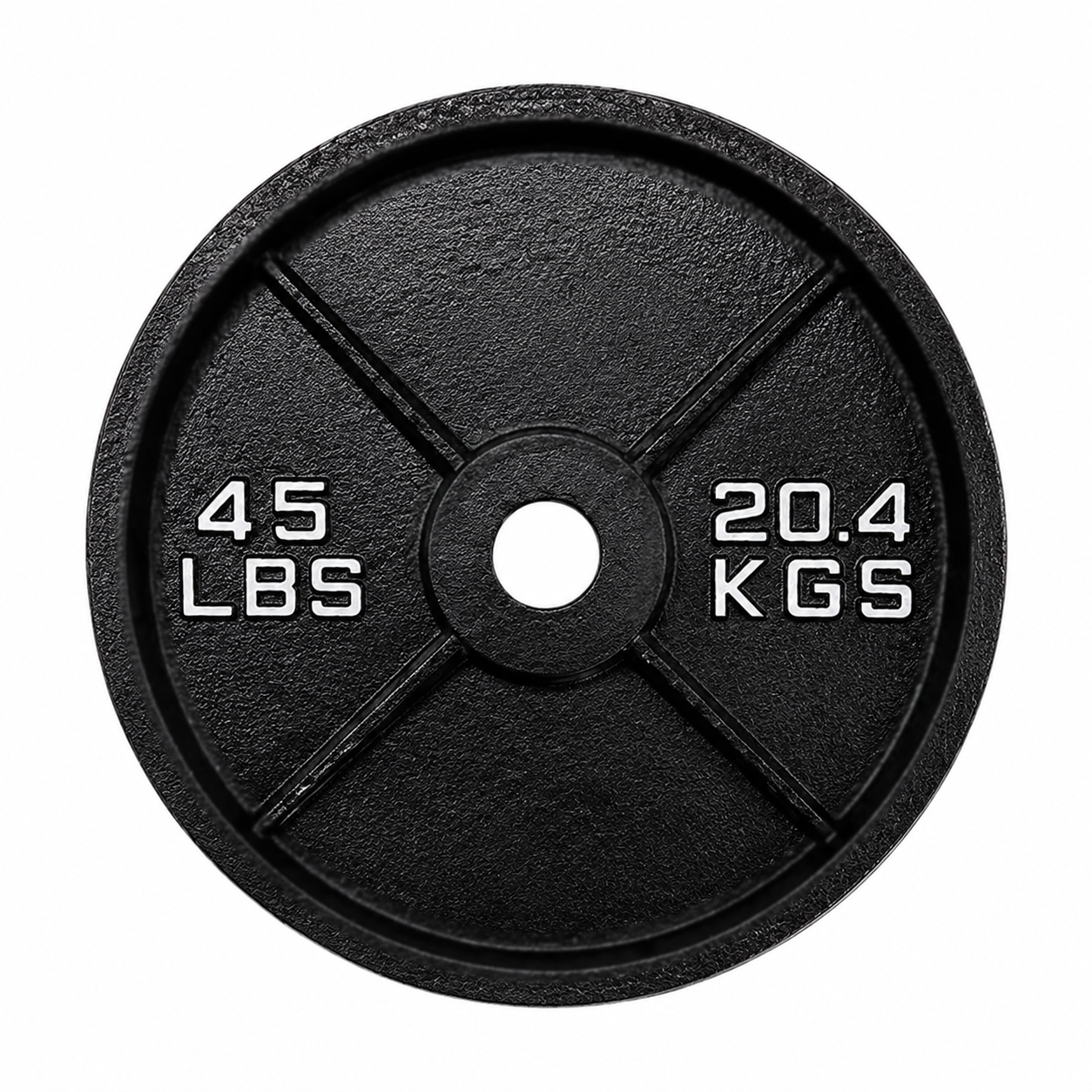
When sourcing the best cast iron olympic plates, the primary concern is the absence of casting defects such as air bubbles, cracks, or uneven thickness. High-quality production requires precise temperature control during the molten stage to ensure uniform density across the entire plate. Without strict quality control, batches may suffer from structural weaknesses that lead to premature failure under heavy impact. Professional commercial gym equipment sourcing necessitates a deep dive into a factory's ability to maintain consistent metallurgical properties, ensuring every unit meets the weight tolerances required for professional distribution.
To optimize your procurement ROI, you must understand how different casting techniques impact the lifespan of your inventory. While various methods exist to produce wholesale cast iron weight plates, the choice between traditional sand casting and modern precision methods significantly dictates the product's surface finish, weight accuracy, and overall resilience to impact.
| Feature | Sand Casting | Precision/Investment Casting |
|---|---|---|
| Structural Consistency | Moderate; potential for micro-voids | High; uniform density and strength |
| Surface Finish | Rough, granular texture | Smooth, refined, and premium feel |
| Weight Tolerance | Higher variance (±3–5%) | Tight precision (±1–2%) |
| Cost-Benefit | Lower entry cost; ideal for budget lines | Higher initial cost; better for premium brands |
For distributors targeting high-end strength facilities, precision casting offers a distinct advantage in brand reputation due to its superior dimensional stability. However, for bulk volume orders where margin optimization is the primary driver, high-quality sand casting remains a viable standard, provided the manufacturer maintains strict metallurgical oversight to prevent structural flaws.
Rigorous QC Protocols and Logistics Verification
Successful olympic plate bulk procurement relies on more than just selecting a capable foundry; it requires a formal verification of the manufacturer's internal inspection standards. A robust quality control (QC) framework must include mandatory weight tolerance testing and coating adhesion assessments. For example, a high-quality powder coating or paint finish should not chip or flake when subjected to standard mechanical stress or impact. If the coating fails during testing, it signals poor surface preparation, which eventually leads to rust and diminished product lifespan in humid commercial environments.
Beyond the factory floor, logistics-related durability is a critical variable for international distributors. Large-scale shipments are susceptible to friction and impact during sea freight. You should verify that the supplier uses reinforced, heavy-duty packaging and standardized palletizing methods to prevent edge damage and dimensional shifting. Before finalizing an MOQ, request documentation regarding their shipping protocols to ensure that the product arrives at your warehouse in the same condition it left the production line. Neglecting these logistical safeguards often results in unexpected replacement costs that can quickly erode your procurement margins.
Engineering Precision and Structural Integrity
For distributors and facility managers, the value of the best cast iron olympic plates lies in their long-term reliability under high-volume usage. Precision in manufacturing is not merely an aesthetic requirement but a fundamental necessity for maintaining a balanced barbell and ensuring user safety during heavy lifts. When conducting commercial gym equipment sourcing, buyers must prioritize suppliers that demonstrate strict control over density consistency and casting uniformity.
A single plate with a significant deviation in weight tolerance can compromise the mechanical balance of a barbell, leading to uneven load distribution. High-quality production ensures that every unit meets a specific margin of error, preventing the structural weaknesses that often plague low-tier wholesale cast iron weight plates. Robust structural integrity is the primary metric for reducing replacement cycles and maximizing the return on investment for commercial clients.
| Durability Metric | Standard Grade Plates | Premium Commercial Grade |
|---|---|---|
| Weight Tolerance | ± 3% to 5% variance | Strict ± 1% to 2% variance |
| Material Density | Variable air pockets | High-density, uniform pour |
| Impact Resistance | Prone to surface chipping | High structural resilience |
| Edge Integrity | Uneven or rough bevels | Precision-machined concentricity |
Beyond weight accuracy, the physical finish of the casting dictates the long-term maintenance requirements for a facility. Distributors should scrutinize the surface texture and edge profiles, as these factors directly impact how the plates interact with barbell sleeves and barbell coatings. Poorly controlled casting processes often result in micro-fractures or excessive surface roughness, which can accelerate wear on expensive barbell sleeves and increase the frequency of replacement requests from gym owners.
When evaluating factory capability during olympic plate bulk procurement, look for evidence of secondary machining processes. Premium manufacturers do not rely solely on the initial mold; they utilize precision grinding to ensure concentricity and a smooth surface finish. This level of control minimizes the risk of casting defects such as porosity or uneven bevels, ensuring that the wholesale cast iron weight plates remain functional and visually professional even after years of heavy impact and high-frequency turnover in a commercial setting.
Optimizing Surface Resilience and Logistics Efficiency
Durability extends beyond the internal cast to the external protective layers. During commercial gym equipment sourcing, it is critical to evaluate the surface coating durability. High-grade powder coating or specialized paint finishes prevent oxidation and rust, which is essential for maintaining a professional aesthetic in high-humidity environments. A failure in coating integrity leads to rapid degradation, increasing the Total Cost of Ownership (TCO) through premature replacement and increased maintenance labor.
Effective olympic plate bulk procurement requires a balanced approach to inspection protocols and shipping logistics. Rather than inspecting every single unit, implement a statistical sampling method upon arrival to verify surface coating adhesion and edge smoothness. Furthermore, optimize your shipping logistics by coordinating with suppliers who use reinforced, palletized packaging. This minimizes transit damage and ensures that high-volume orders arrive ready for immediate distribution, protecting your margins from the costs of defective returns.
Managing Warranty Claims and Defect Protocols in Bulk Orders
Establishing a rigorous inspection framework is critical when procuring the best cast iron olympic plates for commercial distribution. Unlike smaller retail orders, bulk shipments require a structured protocol to identify manufacturing defects before they impact your bottom line or facility reputation.
Standardizing Inspection Upon Arrival
A professional quality control (QC) standard begins the moment the shipment reaches your warehouse. Distributors should implement a systematic inspection upon arrival to verify the structural integrity of every unit. This process involves checking for surface casting flaws, uneven weight distribution, and concentricity issues that could compromise the center bore. Identifying these manufacturing defects early allows for streamlined warranty claims and prevents faulty inventory from reaching end-users.
| Inspection Metric | Standard Requirement | Red Flag for Rejection |
|---|---|---|
| Bore Diameter | Consistent 50.8mm (2-inch) | Ovality or irregular sizing |
| Surface Finish | Smooth, even coating | Cracks or deep pitting |
| Weight Tolerance | Within ±1-2% margin | Significant deviation per unit |
Categorizing Defects for Efficient Claims
To optimize commercial gym equipment sourcing, procurement managers must distinguish between aesthetic imperfections and functional failures. Classifying issues into cosmetic and structural categories ensures that your claims against the manufacturer are data-driven and professionally presented. Most high-quality wholesale cast iron weight plates will have minor surface variations, but structural flaws demand immediate intervention to avoid liability issues.
When managing olympic plate bulk procurement, establish a strict claim timeline. We recommend documenting all discrepancies within 14 to 30 days of receipt. Failure to report within this window often complicates the reconciliation process with overseas factories. Use the following framework to expedite your decision-making process during the QC phase:
| Defect Type | Impact on Use | Typical Resolution |
|---|---|---|
| Cosmetic (Paint chips, slight rust, uneven texture) | Minimal; primarily aesthetic impact | Accept as-is or request small credit |
| Structural (Cracks, uneven bore, weight variance >3%) | High; affects safety and barbell balance | Full replacement or credit for specific SKU |
| Dimensional (Incorrect diameter or sleeve fit) | Critical; prevents standard barbell use | Immediate rejection of the entire batch |
Longevity Through Preventive Maintenance
Even with high-grade manufacturing, the long-term durability of iron assets depends on environmental management. Distributors and facility owners must account for surface oxidation, which can occur if plates are stored in high-humidity environments or left in unconditioned spaces. Implementing a routine of preventive maintenance—such as wiping down surfaces and ensuring proper storage—minimizes the risk of rust and preserves the professional appearance of the inventory.
Effective olympic plate bulk procurement also requires evaluating the level of supplier accountability regarding product aging. A reliable manufacturer provides more than just a product; they offer technical guidance on coating resilience and longevity. By selecting suppliers that prioritize robust finishes, distributors can reduce the frequency of replacement cycles and provide better long-term value to their commercial clients.
Optimizing Inventory via Strategic MOQ and SKU Selection
Successful distribution hinges on balancing breadth of selection with capital efficiency. When sourcing the best cast iron olympic plates, distributors must avoid the trap of over-stocking niche weights that stagnate in warehouses. Effective commercial gym equipment sourcing requires a disciplined approach to SKU optimization, ensuring your inventory reflects the high-demand weight increments required by both strength athletes and general fitness enthusiasts.
Managing wholesale cast iron weight plates involves a calculated trade-off between lower unit costs from high-volume orders and the risk of deadstock. To maintain high inventory turnover, procurement managers should categorize their stock into "core essentials" and "specialty increments." This strategy ensures that capital is not tied up in low-velocity SKUs while maintaining the ability to fulfill large-scale facility orders promptly.
| Stocking Strategy | Primary Focus | Ideal For | Inventory Risk |
|---|---|---|---|
| Core Essentials | High-volume standard weights (5kg–25kg) | General gym distributors | Low (High turnover) |
| Specialty Increments | Niche/Extreme weights (35kg+) | Strength-focused retailers | Moderate (Slow movement) |
| Bulk Full-Set | Complete Olympic plate kits | Facility/Gym startups | High (Capital intensive) |
Selecting the right distribution model depends heavily on your target end-user and the logistical capacity of your warehouse. A high-volume, low-SKU approach maximizes efficiency for large-scale facility builds, whereas a low-volume, high-SKU model provides the variety required for boutique fitness studios or specialized retail environments.
| Distribution Model | Typical Weight Increments | MOQ Impact | Storage Requirements |
|---|---|---|---|
| General Retail/Mass Market | Standard 5kg to 25kg | Lower per SKU; higher total volume | High density; vertical pallet stacking |
| Specialized Strength Gyms | Full range (5kg to 50kg+) | Higher per SKU; diverse variety | Large footprint; specialized racking |
| Commercial Facility Projects | Bulk sets (Standard increments) | Extremely high; single-order focus | Temporary/On-site staging areas |
When planning olympic plate bulk procurement, consider that specialized increments often carry higher unit costs and slower turnover rates. For distributors, the most resilient strategy often involves anchoring the inventory with high-demand core weights while maintaining a lean selection of specialty plates to satisfy professional lifters without inflating warehousing overhead.
Logistical Efficiency and Container Optimization
Effective olympic plate bulk procurement extends beyond simple unit pricing; it requires a deep understanding of shipping density and freight economics. Because cast iron is a high-density, low-volume commodity, the primary goal is to maximize container optimization to reduce the landed cost per kilogram. Failure to account for the physical dimensions of pallets versus the weight limits of a standard 20ft or 40ft container can lead to "dead space" in your shipment, effectively increasing your per-unit shipping expense.
To mitigate these costs, procurement specialists must coordinate closely with manufacturers regarding factory MOQ negotiation and packaging configurations. Rather than ordering arbitrary quantities, align your purchase orders with full container loads (FCL) or optimized pallet patterns. Additionally, always factor in realistic lead times that account for both production cycles and ocean freight volatility. A well-coordinated logistics plan ensures that your warehouse replenishment cycles remain predictable, preventing stockouts during peak commercial gym build-out seasons.
Logistics Engineering for Heavy Cast Iron Shipments
When sourcing the best cast iron olympic plates, procurement managers must look beyond the unit price to the total landed cost. Because cast iron is exceptionally dense, the logistical weight often outweighs the volumetric weight, making freight strategy a critical component of commercial gym equipment sourcing.
Optimizing Freight Economics
The primary challenge in olympic plate bulk procurement is managing the high shipping density. While air freight offers rapid turnaround for small replenishment orders, the high cost per kilogram typically makes it non-viable for heavy iron goods. For large-scale distributor stocking, sea freight remains the industry standard to maintain healthy margins.
| Shipping Method | Primary Advantage | Typical Use Case | Cost Impact |
|---|---|---|---|
| Sea Freight (LCL/FCL) | Maximum cost-efficiency | Bulk distributor restock | Lowest landed cost |
| Air Freight | High speed/Low lead time | Urgent sample or small SKU needs | Highest landed cost |
To protect your margins, prioritize ocean freight for heavy shipments. Relying on air freight for high-density iron products can lead to prohibitive shipping fees that negate the savings gained from wholesale manufacturing prices.
Lcl vs. Fcl: Scaling Your Procurement Strategy
Choosing between Less than Container Load (LCL) and Full Container Load (FCL) depends heavily on your inventory turnover and warehouse capacity. While LCL provides flexibility for smaller, more frequent orders, FCL is the most effective way to drive down the cost per unit when sourcing high-density weight plates.
| Configuration | MOQ Impact | Lead Time | Cost Per Unit | Ideal For |
|---|---|---|---|---|
| LCL (Less than Container Load) | Lower; suitable for specialized SKUs | Medium (Includes consolidation time) | Moderate to High | Boutique gym replenishment |
| FCL (Full Container Load) | Higher; requires volume for 20ft/40ft | Predictable (Direct transit) | Lowest | Large-scale distributor stocking |
Distributors aiming for maximum competitive advantage should favor FCL configurations. By maximizing the weight capacity of a 20ft container, you optimize the ratio of product weight to shipping volume, ensuring the most efficient landed cost for your heavy iron inventory.
Standardizing Palletization and Breakage Prevention
Effective wholesale cast iron weight plates management requires rigorous palletization standards to prevent transit damage. Even though cast iron is robust, improper stacking can lead to structural fractures or surface chipping during ocean transit. Suppliers should utilize heavy-duty reinforced pallets and high-density shrink wrapping to stabilize the load. Implementing strict breakage prevention protocols—such as placing heavier plates at the base and utilizing edge protectors—is essential to minimize insurance claims and product loss.
Furthermore, procurement specialists must consider warehouse storage optimization when planning arrivals. High-density iron shipments require reinforced racking systems and clear weight-bearing floor layouts. By aligning your olympic plate bulk procurement cycles with your facility's physical capacity, you reduce handling labor and optimize the total cost of ownership (TCO). A well-planned logistical workflow ensures that the savings gained from high-volume orders are not lost to inefficient storage or avoidable shipping damage.
Calculating Total Landed Cost for Distribution Margins
Protecting your profit margins requires looking beyond the initial unit price of the best cast iron olympic plates. For high-volume distributors, the true cost is the landed cost—the total price of a product once it has arrived at your warehouse. Failure to account for freight complexities and weight-to-volume ratios can quickly erode the margins intended for your retail or facility clients.
Incoterms and Freight Logistics
Choosing between EXW (Ex Works) and FOB (Free On Board) significantly alters your risk profile and upfront capital requirements. Under EXW, you assume responsibility for all transport from the factory floor, which offers more control but higher logistical overhead. FOB terms are often preferred in wholesale cast iron weight plates procurement, as the manufacturer manages the transport to the port, transferring the primary shipping risks to the supplier before the goods hit the ocean.
Because iron is a high-density, low-volume commodity, shipping costs are driven heavily by weight rather than dimensional volume. Efficient olympic plate bulk procurement relies on optimizing container utilization to ensure you are not paying for "shipping air." High-density loading maximizes the weight capacity of a 40ft container, lowering the per-unit freight cost and improving your overall ROI.
| Procurement Model | Logistical Control | Typical Cost Driver | Margin Impact |
|---|---|---|---|
| EXW (Ex Works) | Maximum | Local trucking & port fees | Higher risk/Higher potential savings |
| FOB (Free On Board) | Moderate | Ocean freight & port congestion | Balanced risk/Predictable pricing |
| CIF (Cost, Insurance, Freight) | Minimum | Variable ocean freight rates | Lower risk/Higher per-unit cost |
Selecting the right procurement model is a strategic decision that dictates your long-term scalability. While direct sourcing offers the highest theoretical margins, it requires significant capital and logistical expertise. Conversely, working through regional distributors reduces immediate risk but introduces a markup that affects your final retail price.
Comparing Sourcing Models for Maximum ROI
To optimize your investment in commercial gym equipment sourcing, you must weigh the benefits of scale against the agility of local distribution. Below is a comparison of the two primary pathways for acquiring high-quality iron weight sets.
| Variable | Direct Factory Sourcing (High MOQ) | Regional Wholesale Distribution (Low MOQ) |
|---|---|---|
| Unit Cost | Lowest (Economies of scale) | Moderate (Includes distributor markup) |
| Shipping Speed | Slow (Long lead times & ocean transit) | Fast (Local or domestic stock) |
| Customization | High (Custom branding & specs) | Low (Standardized SKUs only) |
| Customs Complexity | High (Requires import/duty management) | Minimal (Domestic transaction) |
| Inventory Risk | High (Large capital tie-up) | Low (Just-in-time replenishment) |
For distributors targeting large-scale gym builds, the direct factory model is often the most profitable once shipping routes are stabilized. However, for boutique studios or specialized retailers, the regional wholesale model provides the necessary agility to react to market demand without the burden of heavy inventory carrying costs.
Hidden Costs in Quality Control and Compliance
A low per-unit price can become a liability if the procurement process fails to account for technical non-compliance and quality variability. In the production of cast iron, dimensional inaccuracies—such as deviations in the center hole diameter or thickness—are common. If these plates do not meet strict tolerance standards, they may not fit standard Olympic barbells, leading to expensive returns and damaged reputation among your B2B clients.
Beyond physical defects, professional commercial gym equipment sourcing requires a budget for rigorous oversight. You must factor in the cost of third-party inspection fees to verify weight accuracy and structural integrity before the shipment leaves the factory. Additionally, failing to accurately classify your goods can lead to unexpected import duties and customs penalties. For distributors, integrating these QC expenses and tax obligations into your initial landing cost calculation is essential to maintaining a sustainable competitive advantage.