Fitness Gear Adjustable Kettlebell Reviews | Evaluating
Vetting Manufacturers for High-Volume Adjustable Kettlebell Orders
For distributors supplying multi-site boutique studio franchises, the reliability of a single unit dictates the long-term maintenance overhead of the entire fleet. Unlike static cast iron, adjustable models rely on internal moving parts that must withstand constant friction and impact within high-use environments.
The Necessity of Structural Integrity
When sourcing at scale, commercial adjustable kettlebell durability must be evaluated through the lens of mechanical fatigue. In high-traffic facilities, the primary failure points are often found in the weight transition mechanism efficiency and the locking pins. If the internal tracks or weight plates lack precision engineering, even slight misalignment during a rapid change can lead to catastrophic failure or uneven weight distribution.
A robust manufacturing process should prioritize the structural integrity of the outer shell and the internal housing. High-quality production ensures that the mechanism can handle repetitive load shifts without loosening, preventing the common issue of rattling or weight slippage that often plagues lower-tier, consumer-grade adjustable hardware.
Mechanical Comparison for Procurement Decisions
Distributors and facility managers must differentiate between mechanism types to balance upfront cost against total cost of ownership (TCO). The following comparison outlines the standard engineering configurations found in the current market to assist in vendor selection and quality control protocols.
| Mechanism Type | Operational Speed | Durability Profile | Maintenance Requirements |
|---|---|---|---|
| Dial-Based (Rotary) | Moderate | High; fewer external moving parts | Low; periodic lubrication of gears |
| Pin-Lock (Manual) | Fast | Variable; depends on pin shear strength | Moderate; check for pin alignment |
| Slide-Track (Plate) | Slow | Very High; robust mechanical stability | Low; ensure track debris is cleared |
When reviewing factory specifications, look for indications of high-grade alloy construction and precision-milled components. A reliable supplier will provide clear data on the weight transition mechanism efficiency to ensure that rapid changes do not compromise the ergonomic balance of the bell. For large-scale rollouts, prioritizing mechanisms with lower maintenance frequency reduces long-term labor costs for gym operators.
Critical QC Questions for Bulk Sourcing
Effective fitness gear adjustable kettlebell reviews in a B2B context focus heavily on the long-term resilience of the internal hardware. Procurement managers should move beyond aesthetic checks and demand specific stress-test data regarding component fatigue. Ask your manufacturer: "What is the tested cycle count for the weight transition mechanism before structural tolerances deviate?" This distinction is vital for high-volume orders where a single faulty batch can derail a multi-site rollout.
Furthermore, consider how the footprint of the storage system impacts your facility layout impact. A supplier who understands commercial needs will offer modular storage solutions that accommodate the specific dimensions of their adjustable models. When negotiating MOQ considerations, ensure your contract includes a clear protocol for inspecting the weight transition speed consistency across a full production lot. Rapid, smooth transitions are essential to prevent user frustration and maintain the professional standard expected in premium commercial environments.
Standardizing Quality Control for Weight Transition Mechanisms
When conducting fitness gear adjustable kettlebell reviews for high-traffic facilities, the primary differentiator between retail-grade and professional equipment is the integrity of the internal locking system. In commercial environments, the weight transition mechanism efficiency dictates not only the user experience but also the long-term operational reliability of the unit.
Evaluating Commercial Adjustable Kettlebell Durability
For distributors and gym owners, commercial adjustable kettlebell durability is defined by how the mechanism handles high-frequency use without losing precision. Unlike home models, commercial units must withstand constant centrifugal force and repetitive impact during swings. Procurement teams must scrutinize the mechanical wear patterns of the selector pins and weight plates. If the adjustment components are made of low-grade polymers or thin-gauge metals, the system will inevitably suffer from structural fatigue, leading to increased maintenance costs and potential safety liabilities during heavy training sessions.
The following comparison outlines the technical trade-offs between common configurations. Selecting the right mechanism depends on whether your facility prioritizes rapid transitions for circuit training or absolute structural rigidity for heavy strength sessions.
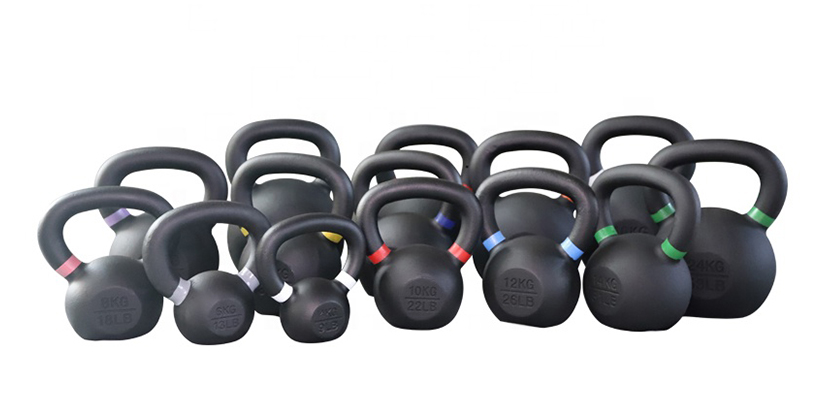
| Mechanism Type | Weight Transition Speed | Wear Resistance | Maintenance Frequency | Best Use Case |
|---|---|---|---|---|
| Pin-Lock Systems | Moderate | High | Low | Strength-focused studios |
| Plate-Sliding Mechanisms | High | Moderate | Moderate | High-flow HIIT/Circuit training |
| Selector Pins | Fastest | Lower | High | Lightweight retail/Home use |
From a procurement standpoint, the selection of a pin-lock system often yields a higher ROI for multi-site rollouts due to its superior wear resistance and lower maintenance frequency. While plate-sliding mechanisms offer better weight transition mechanism efficiency for rapid-fire training, they require stricter quality control regarding material thickness to prevent mechanical jamming over time. When negotiating MOQ or factory specifications, always request detailed documentation on the alloy grade used for the locking components to ensure they meet commercial durability standards.
Essential Inspection Checklist for B2B Sourcing
During factory audits or sample testing, procurement managers must look beyond the exterior finish to verify the internal integrity of the unit. A robust quality control process should include a physical stress test of the load-bearing stability. This involves cycling through the full weight range repeatedly to ensure a smooth transition without any resistance or misalignment. If the mechanism feels "gritty" or inconsistent during testing, it indicates poor tolerances that will lead to premature failure in a commercial setting.
When performing a technical deep dive, use this inspection checklist to validate B2B sourcing standards:
- Material Thickness: Measure the gauge of the internal weight plates and the outer shell to ensure they meet the specified heavy-duty requirements.
- Tolerance Testing: Verify that the locking components engage fully and securely at every weight increment to prevent shifting during high-velocity swings.
- Surface Integrity: Inspect for any burrs or sharp edges on the internal rails that could compromise the weight transition mechanism efficiency.
- Component Resilience: Test the durability of the adjustment levers under repetitive force to ensure they do not exhibit signs of bending or structural fatigue.
Prioritizing these technical checkpoints during the sampling phase mitigates the risk of high return rates and protects your reputation as a reliable distributor. Ensuring high material thickness and precise engineering at the factory level is the most effective way to guarantee long-term gym equipment space optimization and equipment longevity.
Evaluating Mechanical Longevity and Warranty Claim Protocols
For distributors and facility managers, the total cost of ownership (TCO) is dictated by how a product survives high-frequency usage scenarios. While initial unit costs are critical, the long-term ROI of adjustable kettlebells depends on the integrity of the internal locking systems and the resilience of the exterior casing under constant stress.
The Impact of Mechanism Quality on Operational Costs
In high-traffic commercial environments, weight transition mechanism efficiency is a primary driver of user satisfaction and maintenance schedules. If a mechanism is sluggish or prone to jamming, it increases downtime and potential liability. Buyers must prioritize commercial adjustable kettlebell durability by verifying the materials used in moving parts—specifically looking for reinforced steel versus polymer components to mitigate mechanical wear and tear over thousands of cycles.
| Mechanism Type | Durability Profile | Maintenance Frequency | Ideal Procurement Use Case |
|---|---|---|---|
| Selector Pin System | High (Steel-based) | Low | Large-scale commercial gyms |
| Dial/Rotation System | Moderate | Medium | Boutique studios & Personal Training |
| Slide-in Weight Plates | Very High | Minimal | High-intensity functional training centers |
When vetting factory capabilities, request documentation regarding cycle testing. A reliable supplier should demonstrate that their adjustment components can withstand repetitive impact and rapid weight transitions without losing structural precision, ensuring the equipment remains a stable asset rather than a recurring replacement expense.
Analyzing Failure Points and Replacement Cycles
Understanding the failure points of different adjustment styles allows procurement teams to better forecast replacement cycles. For instance, while dial-based systems offer high aesthetic value for premium boutique settings, they often present more complex internal geometries that can be susceptible to debris or fine dust ingress. Conversely, pin-lock mechanisms are mechanically simpler, making them more resilient in rugged, high-volume environments where rigorous hygiene protocols and high-impact usage are standard.
A key technical indicator of quality is the material composition of the internal tracks. In many professional settings, the friction-heavy parts of the mechanism are the first to show wear. When evaluating fitness gear adjustable kettlebell reviews or manufacturer spec sheets, look for mentions of high-grade alloy components or specialized coatings that reduce friction and prevent the "sticking" common in lower-tier adjustable equipment. Selecting the right mechanism ensures that gym equipment space optimization isn't undermined by a growing inventory of broken or non-functional units.
Mitigating Sourcing Risks Through QC and Warranty Protocols
Effective procurement extends beyond the initial purchase to the management of long-term operational risks. To protect margins, distributors must establish clear expectations regarding warranty claim protocols and quality control (QC) standards before finalizing any large-scale order. A robust agreement should detail how the manufacturer handles logistics damage—such as impact-induced misalignment during sea freight—to ensure the buyer is not penalized for shipping vulnerabilities.

Beyond structural integrity, verify the replacement parts availability for specialized components. High-performance adjustable models often rely on proprietary pins or unique locking plates; if these parts are not readily available, a single mechanical failure can render the entire unit unusable. For multi-site rollouts, consider the MOQ considerations for specialized components. Negotiating a dedicated stock of replacement increments or fasteners during the initial wholesale order can significantly reduce downtime and maintenance overhead compared to placing small, reactive orders later.
Optimizing Gym Floor Layout with Compact Weight Solutions
For facility managers and distributors, maximizing usable square footage is a critical metric for ROI. Transitioning from traditional cast-iron sets to adjustable options allows for superior gym equipment space optimization, effectively reducing the physical footprint required for strength training zones.
Impact on Boutique Studio Density
In high-rent urban environments, boutique studio density is often limited by the sheer volume of static kettlebell racks. By replacing multiple fixed-weight stations with a single, high-quality adjustable unit, operators can reclaim floor area for functional movement or HIIT circuits. This footprint efficiency is particularly vital when designing a commercial gym layout that must accommodate diverse training modalities within a constrained footprint.
| Storage Configuration | Space Requirement | Versatility Level | Best Use Case |
|---|---|---|---|
| Traditional Fixed Sets | High (Requires multi-tier racks) | Low (One weight per bell) | Large-scale commercial gyms |
| Adjustable Kettlebell Systems | Low (Single compact station) | High (Rapid weight scaling) | Boutique studios & Hotel gyms |
When evaluating the logistics of a multi-site rollout, buyers must weigh the speed of setup against the total floor area consumed. The primary advantage of modern adjustable systems lies in the weight transition mechanism efficiency, which drastically reduces the time spent by clients swapping heavy, static implements between sets.
Efficiency and Footprint Comparison
For wholesalers and distributors, sourcing products that offer high utility per square foot is a key selling point. While traditional sets offer high durability through simplicity, they demand significant rack space and higher shipping volumes due to bulk. In contrast, adjustable models minimize the storage requirements by consolidating a wide weight spectrum into a single, compact profile. This makes them ideal for high-turnover training environments where rapid weight adjustments are required without cluttering the functional training zone.
| Metric | Traditional Cast Iron Sets | Adjustable Kettlebell Models |
|---|---|---|
| Storage Footprint | Extensive (Tiered Racks) | Minimal (Single Station) |
| Weight Transition | Slow (Physical Swap) | Rapid (Mechanism-driven) |
| Shipping Volume | High (Bulky/Heavy) | Optimized (Compact) |
| Setup Complexity | High (Requires multiple racks) | Low (Single unit) |
Logistical Advantages for Distributors and Wholesalers
Beyond the immediate floor benefits for gym owners, professional buyers must consider the macro-level impact on the supply chain. One of the most overlooked aspects in fitness gear adjustable kettlebell reviews is the significant reduction in shipping volume compared to traditional iron sets. Because a single adjustable unit replaces a vast range of individual bells, the warehouse footprint required for inventory management is drastically lowered. This allows distributors to optimize inventory management processes, reducing per-unit shipping costs and easing the logistical burden of multi-destination freight. When sourcing for large-scale distribution, prioritizing models that balance high commercial adjustable kettlebell durability with compact packaging ensures a more efficient movement of goods from factory to end-user.
Logistics Strategy for Bulk International Shipments
Navigating the financial variables of importing adjustable weight systems requires a deep understanding of how physical dimensions influence the total landed cost. Unlike standard cast iron bells, adjustable models involve intricate internal components that demand specific packaging protocols to maintain commercial adjustable kettlebell durability during long-haul transit.
A critical factor for distributors is the shipping volume vs. weight ratio. Because these units are high-density yet involve bulky outer casings, optimizing container loadability is essential for maintaining margins. When conducting fitness gear adjustable kettlebell reviews for procurement purposes, buyers must look beyond the unit price and evaluate the volumetric weight. High-volume, low-weight packaging can inadvertently inflate freight costs, whereas strategically nested configurations allow for better gym equipment space optimization within shipping containers. For large-scale facility rollouts, sourcing directly from manufacturers who specialize in high-density packing can significantly reduce the per-unit landed cost through improved container utilization.
When determining your procurement timeline, the choice between air and sea freight involves a trade-off between speed and the cost-per-unit impact. For distributors managing inventory shortages or rapid facility launches, air freight offers immediate relief but drastically increases the landed cost. Conversely, sea freight remains the standard for high-volume B2B orders, though it requires much earlier lead-time planning.
The efficiency of the weight transition mechanism also plays a subtle role in your logistics planning. Complex, high-precision mechanisms often require more robust, protective internal packaging to ensure structural integrity during transit. This increased protection can affect packaging density, which in turn influences your total shipping volume. The following table compares common shipping configurations to assist in your procurement decision-making.
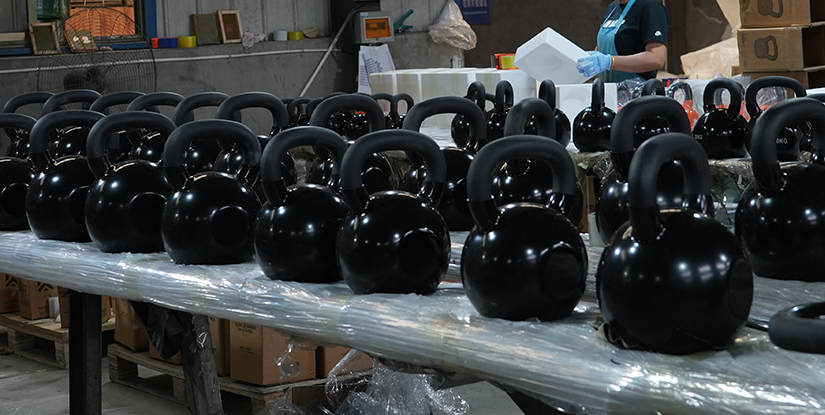
| Shipping Method | Typical Lead Time | Cost-Per-Unit Impact | Best Use Case |
|---|---|---|---|
| Air Freight | 7–14 Days | High | Urgent replenishment or small-batch boutique studio orders. |
| LCL (Less than Container Load) | 30–45 Days | Moderate | Mid-sized distributors testing new product SKUs. |
| FCL (Full Container Load) | 35–55 Days | Low | Large-scale commercial gym rollouts and high-volume wholesale. |
For maximum ROI, we recommend FCL shipments whenever possible. By optimizing the arrangement of units to maximize container density, you mitigate the costs associated with the protective packaging required for sensitive weight transition mechanisms, ultimately lowering the total landed cost for your facility or retail network.
Quality Control and Packaging Standards
Protecting the precision of the internal weight transition mechanism is a vital component of risk management during international procurement. Standard shipping methods often fail to account for the high-impact vibrations inherent in ocean freight, which can lead to internal misalignment or structural fatigue before the product even reaches your warehouse. To ensure long-term reliability, buyers must enforce strict bulk inspection protocols that go beyond mere visual checks.
Effective sourcing requires a manufacturer capable of implementing multi-layered protective packaging. This typically involves custom-fit high-density foam inserts or molded pulp buffers that secure the internal weight plates and the adjustment dial in a fixed position. Such measures are essential for minimizing breakage risks and preventing the mechanical failures that often occur when heavy components shift during transit. By demanding rigorous pre-shipment inspections—including a sample testing of the weight transition mechanism after simulated movement—distributors can ensure that the gym equipment space optimization achieved during packing does not come at the expense of product integrity. High-quality packaging acts as an insurance policy, protecting your margins by reducing the frequency of defective returns and ensuring the product arrives in a state ready for immediate commercial use.
Scaling from Prototype to Fleet Deployment
Moving from a single-unit test to a multi-site rollout requires a shift in focus from individual user experience to long-term operational stability. When conducting fitness gear adjustable kettlebell reviews for large-scale procurement, buyers must prioritize multi-site deployment consistency to ensure every facility receives identical performance standards.
A successful rollout depends on more than just the initial purchase price; it requires rigorous standardized QC protocols at the factory level. Without these, mechanical discrepancies across different batches can lead to uneven maintenance cycles and increased downtime across your network. Reliability in the commercial adjustable kettlebell durability category is the baseline for protecting your capital expenditure during expansion.
| Procurement Model | Primary Focus | Maintenance Risk | Typical ROI Driver |
|---|---|---|---|
| Single-Unit Testing | User Ergonomics | Low (Isolated) | Initial Feedback |
| Small Studio Batch | Aesthetics/Footprint | Moderate | Rapid Setup |
| Multi-Site Rollout | Standardized Quality | High (Systemic) | Operational Longevity |
Mechanical Comparison: Optimizing TCO and Floor Space
When evaluating different adjustment mechanisms, procurement managers must weigh the trade-off between speed and long-term mechanical integrity. A high-speed transition might improve the user experience, but it can also increase the frequency of component failure if the build quality is substandard. For high-traffic facilities, gym equipment space optimization is often achieved through high-density adjustable units that reduce the total number of individual SKUs required on the floor.
| Mechanism Type | Weight Transition Mechanism Efficiency | Footprint Efficiency | Maintenance Frequency | Long-Term ROI Profile |
|---|---|---|---|---|
| Selector Pin System | Moderate (Manual setup) | High (Compact) | Low (Robust/Simple) | Stable; lower replacement costs |
| Dial-Based System | High (Rapid adjustment) | Moderate (Larger diameter) | Moderate (Precision parts) | Higher initial cost; high user throughput |
| Internal Plate Slide | Variable (Complex movement) | High (Standard bell shape) | High (Internal friction) | Speculative; depends on factory QC |
For distributors and facility owners, selecting a mechanism is a decision about total cost of ownership (TCO). While dial-based systems offer superior weight transition mechanism efficiency for fast-paced classes, the selector pin remains the industry standard for durability in high-volume commercial environments due to its mechanical simplicity and lower failure rate.
Logistics and Scalability: Managing Volume and Distribution
For distributors and large-scale gym chains, the true cost of procurement is often hidden in the freight and storage phases. Efficient logistics optimization requires a deep understanding of the weight-to-volume ratio of your chosen adjustable models. Unlike standard iron kettlebells, adjustable units often feature complex outer shells or specialized packaging that can increase cubic volume, directly impacting shipping costs and container utilization rates.
When negotiating with manufacturers, prioritize transparency regarding bulk ordering capabilities and MOQ (Minimum Order Quantity) thresholds. A supplier capable of managing high-volume throughput without compromising quality control is essential for maintaining consistent inventory management across multiple locations. Large-scale buyers should evaluate whether the manufacturer offers nested packaging or modular shipping configurations to minimize empty space in sea containers, ensuring that the density of the shipment maximizes the value of every freight movement.