How to Unlock Adjustable Kettlebell Mechanisms Safely
Standard Operating Procedures for Weight System Access
Maintaining high-performance equipment requires a disciplined approach to how users interact with internal components. For facility managers and distributors, establishing a clear protocol for how to unlock adjustable kettlebell systems is essential to mitigate liability, ensure spec compliance, and protect long-term logistics of replacement parts. A failure to standardize these movements often leads to premature component failure in a high-traffic commercial gym environment.
Optimizing Kettlebell Mechanism Operation
Effective kettlebell mechanism operation relies on precision rather than force. To prevent mechanical fatigue and ensure smooth transitions between weight increments, operators must engage the locking pins or dials strictly according to the manufacturer's specified torque or release points. In a professional setting, neglecting these steps can cause micro-fractures in the adjustment tracks or misalignment of the internal plates. We recommend that gym owners implement a routine inspection schedule to verify that the unlocking sequence remains fluid, ensuring that the weight adjustment process does not compromise the structural integrity of the unit over thousands of cycles.
When evaluating procurement options, understanding the mechanical trade-offs between different adjustment systems is critical for calculating total cost of ownership (TCO). Different locking architectures offer varying degrees of resistance to heavy-duty use, which directly impacts the frequency of your commercial adjustable kettlebell maintenance protocols.
Mechanical Comparison for Procurement Evaluation
The following table outlines the technical differences between common adjustment types to assist buyers in selecting the most durable option for their specific facility needs.
| Mechanism Type | Ease of Operation | Durability Profile | Maintenance Frequency |
|---|---|---|---|
| Dial-based | High (Intuitive) | Moderate (Precision-dependent) | Periodic calibration required |
| Lever-based | Moderate (Requires force) | High (Rugged/Industrial) | Low (Standard lubrication) |
| Button-based | Very High (Fast) | Variable (Sensitive to debris) | High (Regular cleaning needed) |
For high-volume training centers, lever-based systems often provide the best ROI due to their resistance to environmental wear. However, if your facility prioritizes rapid circuit training, button-based or dial-based systems may be preferable, provided your staff adheres to strict adjustable kettlebell weight adjustment protocols to prevent internal jamming.
Lifecycle Management and Preventative Maintenance
To protect your investment and lower the long-term total cost of ownership (TCO), distributors must advise clients on consistent upkeep. A proactive maintenance strategy prevents the friction-related jams that often occur during an adjustable kettlebell weight adjustment. We recommend establishing strict inspection intervals—typically every 90 days for high-traffic commercial studios and every six months for boutique or hotel fitness centers. During these cycles, technicians should check for any misalignment in the internal tracks or wear on the locking pins.
Specific lubrication requirements are a critical variable for wholesale buyers to consider. Most precision-engineered mechanisms require a dry, silicone-based lubricant to prevent the buildup of dust and metal shavings, which can occur with heavy oil-based products. For distributors, ensuring that your end-users receive clear documentation on these maintenance standards is a key differentiator in quality control. By prioritizing these small operational details, you ensure the longevity of the equipment and reduce the frequency of costly replacement requests or warranty claims.
Evaluating Mechanical Complexity in Commercial Procurement
For distributors and facility managers, understanding how to unlock adjustable kettlebell weight systems requires looking beyond the user interface to the underlying engineering. The relationship between mechanical complexity and long-term durability is a critical trade-off; while advanced features offer versatility, they also increase the surface area for potential mechanical failure in high-traffic gym environments.
When sourcing for large-scale rollouts, procurement teams must weigh the sophistication of the adjustment mechanism against the requirements for commercial adjustable kettlebell maintenance. A system with too many moving parts may offer precise increments but often demands more frequent inspection and specialized upkeep to remain operational.
| Mechanism Type | Complexity Level | Durability Profile | Maintenance Requirement |
|---|---|---|---|
| Pin-Lock System | Low | High (Robust) | Minimal/Periodic |
| Dial/Selector System | Moderate | Medium | Regular Cleaning |
| Automated/Digital | High | Variable | High/Technical |
The choice of mechanism directly impacts the total cost of ownership (TCO). While a dial-based system might offer smoother weight transitions, it often introduces more points of failure due to internal friction or debris ingress. Conversely, a pin-lock system, though more rudimentary, is favored in heavy-use commercial settings due to its inherent structural simplicity and resistance to wear and tear.
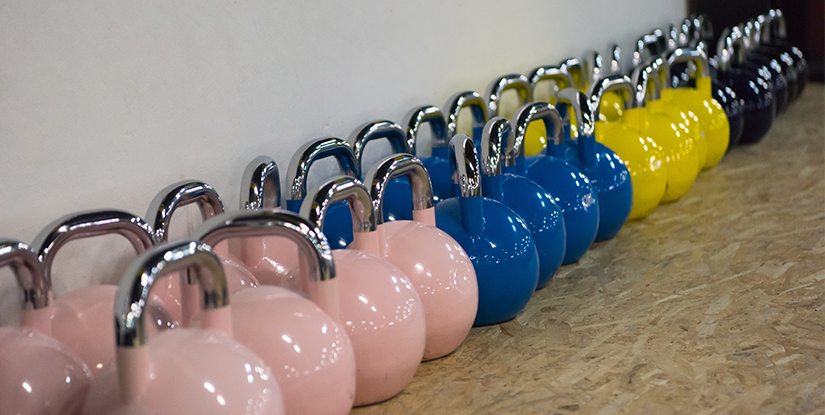
When evaluating an adjustable kettlebell weight adjustment system, procurement managers should prioritize the reliability of the locking interface. A high-quality mechanism must maintain structural integrity even after thousands of cycles. For high-volume distributors, selecting a design with fewer specialized components can reduce the long-term burden of commercial adjustable kettlebell maintenance and ensure the equipment remains a long-term asset rather than a recurring liability.
Prioritizing Factory Capability and Stress Testing
To mitigate the risks associated with component fatigue, professional buyers must look beyond the basic product specs and scrutinize the manufacturer's QC protocols. A robust factory capability is defined by more than just high output; it is determined by the rigor of their stress testing during the R&D phase. For high-volume orders, ensure the supplier performs cycle testing on the internal locking pins and selector plates to simulate years of repetitive weight transitions.
When negotiating MOQ for large-scale gym rollouts, request documentation regarding their material durability standards. A reliable manufacturer should provide data on how their mechanism handles impact and friction over thousands of uses. Vetting a distributor or supplier based on their ability to demonstrate consistent component strength will prevent the common issue of mechanical seizing or weight instability, protecting your long-term investment in commercial-grade adjustable equipment.
Optimizing Transition Speed for High-Traffic Facilities
In high-traffic environments like boutique studios or multi-functional training centers, the time required to adjust resistance directly dictates floor throughput. Understanding how to unlock adjustable kettlebell systems efficiently is not just a matter of user convenience; it is a critical factor in space optimization and operational flow.
When weight adjustment processes are cumbersome, equipment becomes a bottleneck, causing congestion in specialized training zones. For facility managers and distributors, selecting hardware with intuitive kettlebell mechanism operation ensures that clients spend more time training and less time wrestling with hardware. Furthermore, implementing a strict commercial adjustable kettlebell maintenance schedule prevents the mechanical seizing that often occurs in high-use settings, preserving the seamless transition speed necessary for maintaining a premium client experience and maximizing the utility of every square foot in the facility.
Selecting the appropriate hardware architecture is a strategic decision that balances initial procurement costs against long-term operational efficiency. Different mechanical configurations offer varying levels of speed and durability, which directly impacts the total cost of ownership (TCO) in commercial settings.
| Mechanism Type | Adjustment Speed | Durability Rating | Typical Maintenance Needs |
|---|---|---|---|
| Dial-Based (Rotary) | Moderate | High | Periodic lubrication of internal gears |
| Pin-Lock (Manual) | Fast | Medium | Checking pin alignment and spring tension |
| Selectorized (Slide) | Very Fast | High | Minimal; debris clearance in tracks |
For distributors focused on high-volume turnover, the selectorized or dial-based systems often provide a superior return on investment. While pin-lock systems are cost-effective for entry-level gym setups, more sophisticated adjustable kettlebell weight adjustment designs reduce the likelihood of mechanical failure during peak hours, ensuring your facility maintains a consistent flow of movement without technical interruptions.
Effective procurement decision-making requires looking beyond the unit price to evaluate how the mechanical design impacts long-term facility layout efficiency. A highly efficient weight change system allows a single training station to serve multiple purposes—from heavy swings to lighter mobility work—without requiring a large footprint of dedicated, single-weight kettlebells. By prioritizing models with streamlined movement paths, operators can reclaim valuable floor space that would otherwise be occupied by bulky, fixed-weight sets.
When sourcing for large-scale rollouts, prioritize hardware that minimizes downtime caused by mechanical friction or debris buildup. High-quality components ensure that the adjustment process remains consistent even under heavy daily use. Ultimately, investing in robust, well-engineered adjustment mechanisms reduces the frequency of replacement cycles, providing a more predictable lifecycle and a more professional environment for high-end commercial clients.
Risk Mitigation in Adjustable Kettlebell Weight Adjustment
Improper handling of weight transition systems can lead to significant mechanical wear and long-term structural fatigue. For facility managers, understanding how to unlock adjustable kettlebell mechanisms correctly is not just about user experience, but about protecting the long-term capital investment of the gym.
Operational Safety and Mechanical Integrity
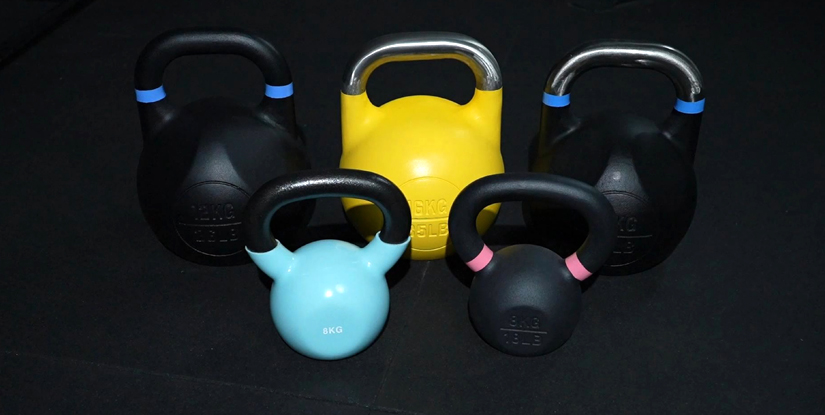
In high-traffic commercial gym settings, the frequency of adjustable kettlebell weight adjustment can accelerate the degradation of locking pins and internal gears. If staff or clients bypass standard operating procedures, the resulting friction and impact can cause misalignment within the internal housing. This mechanical instability poses a direct threat to operational safety, as a malfunctioning lock may fail under load. For distributors and procurement officers, prioritizing equipment with robust, high-tolerance locking components is essential to minimize replacement costs and mitigate liability risks associated with equipment failure.
Technical Comparison of Mechanism Longevity
Selecting the right hardware requires a deep dive into the specific kettlebell mechanism operation to forecast long-term service intervals. Different locking architectures demand varying levels of oversight; for instance, pin-based systems are generally more resilient to heavy use than complex gear-driven models. When calculating the Total Cost of Ownership (TCO), procurement managers must account for the maintenance frequency required to prevent mechanical seizure or structural failure.
Effective commercial adjustable kettlebell maintenance involves regular inspection of moving parts to ensure smooth weight transitions and prevent debris buildup within the housing. The following comparison highlights the maintenance intensity and typical failure points inherent in common commercial designs.
| Mechanism Type | Maintenance Intensity | Common Failure Points |
|---|---|---|
| Pin-and-Plate System | Low | Pin misalignment or spring fatigue |
| Dial/Selector Dial | Moderate | Internal gear wear or debris interference |
| Slide-and-Lock Track | High | Track friction or lubrication depletion |
For large-scale gym rollouts or distributor inventory, prioritizing designs with lower maintenance intensity can significantly reduce operational overhead and long-term labor costs.
Preventative Maintenance and Long-Term Durability
To ensure long-term durability, facility owners should implement a structured preventative maintenance schedule. A primary requirement for maintaining smooth kettlebell mechanism operation is the periodic application of high-grade, non-abrasive lubrication to moving joints and sliding tracks. Without proper lubrication, metal-on-metal friction can lead to seizing, which complicates the process of how to unlock adjustable kettlebell components during high-volume training sessions.
Distributors should also emphasize quality control regarding structural integrity. Inspecting the housing for hairline fractures or stress marks around the adjustment points can prevent catastrophic failures. By establishing a routine inspection checklist—focusing on pin tension, track cleanliness, and the integrity of the locking interface—procurement managers can extend the lifecycle of the equipment and protect the initial capital outlay against the wear and tear of a high-intensity commercial environment.
Logistics and Inventory Management for Modular Components
Managing modular fitness equipment requires a shift from traditional single-unit tracking to a more complex SKU management strategy. For distributors, the primary challenge lies in the logistical overhead associated with various weight increments and the specialized parts required for adjustable kettlebell weight adjustment systems.
Impact on Inventory Turnover and TCO
The modular nature of these units directly affects inventory turnover. Unlike fixed-weight kettlebells, adjustable models often require stocking secondary components such as specific weight plates, pins, or specialized locking mechanisms. If a single part in the sequence fails, the entire unit becomes non-functional, potentially increasing component replacement costs for the end-user.
From a procurement standpoint, high-quality commercial adjustable kettlebell maintenance protocols are essential to protect the initial investment. Buyers must evaluate whether the manufacturer provides a reliable supply chain for individual modules. Relying on a single-piece assembly can lead to higher long-term costs if replacement parts are not readily available through standard wholesale channels, ultimately impacting the total cost of ownership for large-scale facility rollouts.
Evaluating Total Cost of Ownership: Single-Piece vs. Modular Systems
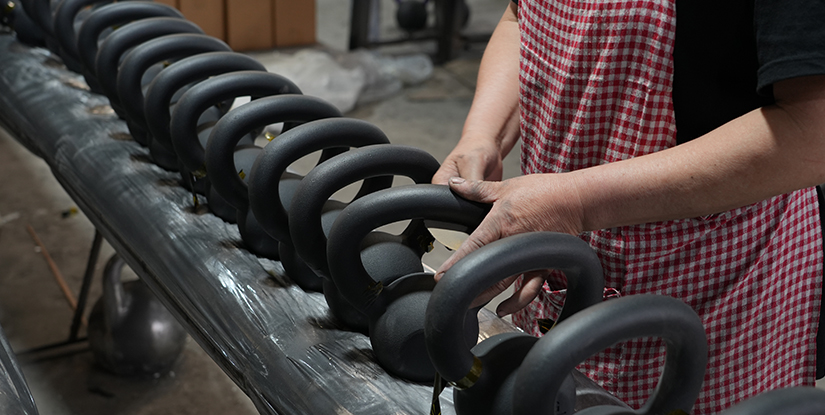
Procurement managers must weigh the immediate savings of single-piece designs against the long-term scalability of modular units. While a single-piece assembly may offer a lower initial entry price, the inability to replace specific components can lead to premature equipment decommissioning. A modular approach allows for targeted maintenance and incremental upgrades, which is critical for high-traffic commercial environments.
| Evaluation Metric | Single-Piece Construction | Modular Weight Systems |
|---|---|---|
| Initial Investment | Lower upfront cost per unit | Higher initial capital expenditure |
| Maintenance Frequency | Requires full unit replacement if damaged | Periodic component-level servicing |
| Replacement Part Availability | Limited; often requires new SKU | High; specific weights or pins available |
| Long-Term TCO | Higher due to replacement cycles | Lower due to extended equipment lifespan |
| Scalability for Gyms | Fixed; limited to original weight range | High; adaptable to changing client needs |
When sourcing, verify the manufacturer's capacity to supply individual weight modules independently. A robust supply chain for specialized parts ensures that knowing how to unlock adjustable kettlebell mechanisms remains a routine operational task rather than a precursor to a full equipment replacement.
Sourcing Strategies: MOQ and Spare Parts Management
To mitigate operational downtime, procurement professionals should look beyond the base unit price and investigate the manufacturer's support for the internal locking system. Understanding how to unlock adjustable kettlebell mechanisms is only half the battle; the other half is ensuring the parts required to keep that mechanism functional are readily accessible. Relying on a supplier that only offers full-unit replacements can lead to significant dead stock and wasted capital when a minor component fails.
When negotiating with overseas factories or large-scale distributors, prioritize vendors that offer a clear MOQ for spare parts. High-traffic commercial facilities often benefit from pre-ordering a percentage of the total unit count in specialized components—such as pins, springs, or locking collars—to keep on hand. A supplier with high distributor stock levels for these specific elements provides a safety net that protects your facility's uptime. Furthermore, always verify the mechanism durability through rigorous testing protocols before committing to large-scale orders, as the cost of replacing a broken internal component is often higher than the cost of purchasing a more durable, high-spec version initially.
Long-Term Lifecycle Analysis of Locking Mechanisms
For facility managers and distributors, the true cost of ownership is dictated by how effectively the weight adjustment system survives high-frequency use. Understanding how to unlock adjustable kettlebell systems without compromising the internal components is a critical component of commercial adjustable kettlebell maintenance. Improper handling of the kettlebell mechanism operation often leads to unintended wear and tear, which shortens the operational lifespan and forces premature replacement cycles.
When evaluating procurement options, buyers must look beyond the initial unit price and consider the long-term impact on facility management budgets. A high-precision locking mechanism may have a higher upfront cost but offers a significantly better ROI by reducing technical downtime and replacement frequency.
| Procurement Factor | Standard Spring-Lock Systems | Precision Dial/Selector Systems |
|---|---|---|
| Initial Unit Cost | Lower | Moderate to High |
| Maintenance Frequency | Higher (Spring Fatigue) | Lower (Precision Tuned) |
| Expected Lifespan | Moderate | Extended |
| ROI Profile | Short-term savings | Long-term TCO optimization |
To provide a more granular procurement analysis, we must differentiate between the three primary engineering approaches used in the industry. Each system offers a distinct trade-off between speed of use and long-term durability, which directly impacts your inventory turnover and client satisfaction levels.
| Mechanism Type | Durability Profile | Maintenance Requirements | Replacement Cycle | Cost-Efficiency |
|---|---|---|---|---|
| Mechanical Pin-Lock | High (Robust/Physical) | Low (Occasional lubrication) | Long-term | Best for high-traffic gyms |
| Magnetic/Electronic | Moderate (Sensitive) | Moderate (Battery/Sensor care) | Medium-term | Premium/Boutique settings |
| Spring-Loaded Dial | Variable (Fatigue risk) | High (Spring tension checks) | Short-term | Budget-friendly/Low-volume |
Distributors should prioritize mechanical pin-lock systems when sourcing for heavy-duty commercial environments. While magnetic or electronic interfaces offer a sleek user experience, they often introduce technical failure points that can complicate adjustable kettlebell weight adjustment in rugged training settings. For a predictable TCO, selecting a mechanism with a predictable, purely physical kettlebell mechanism operation ensures that your replacement cycle remains aligned with your long-term revenue projections rather than unexpected equipment downtime.
Optimizing Sourcing and Logistics Strategy
A successful procurement strategy for adjustable weight systems requires balancing immediate inventory needs with long-term reliability. When negotiating with manufacturers, focus on strict QC standards regarding the internal locking components. High-volume buyers should request detailed documentation on the durability testing of the weight adjustment mechanism to ensure it can withstand thousands of cycles without deformation.
From a distributor perspective, managing MOQ considerations is vital for maintaining a healthy cash flow while ensuring stock availability. While lower MOQs may allow for more diverse product testing, sourcing larger volumes of standardized mechanical systems often yields better unit pricing and more stable logistics stability. This approach mitigates the risk of shipping delays and ensures that your replacement parts or entire units maintain a consistent quality profile across all retail or facility locations. Ultimately, prioritizing factory capability and rigorous testing protocols over the lowest possible unit price will safeguard your long-term ROI and brand reputation.