Evaluating Go Zone Adjustable Kettlebell Durability
Inventory Dynamics and SKU Optimization for Distributors
For distributors supplying high-end boutique studios, the decision to stock a single versatile model versus a wide range of weight increments is a critical calculation of capital efficiency. When evaluating the go zone adjustable kettlebell, procurement managers must weigh the benefit of high SKU density against the logistical burden of carrying excessive specialized inventory.
Balancing Weight Increments and Capital Tie-Up
A common mistake in commercial procurement is over-ordering niche weight settings that offer diminishing returns. While high-precision commercial adjustable kettlebell specifications might suggest more frequent weight jumps, such granularity often leads to stagnant stock. Instead, focus on the weight selection mechanism reliability to ensure the core increments cover 90% of user requirements. By optimizing your selection toward high-demand ranges, you reduce the total number of unique units required in your warehouse, thereby freeing up liquid capital and reducing the complexity of your fulfillment processes.
Optimizing Procurement Budgets and Storage Footprint
Distributors must evaluate whether the high versatility of a single unit justifies the initial unit cost compared to traditional fixed-weight sets. The following comparison outlines the economic trade-offs between different inventory configurations to assist in your procurement planning.
| Configuration Type | Weight Range Coverage | Storage Footprint | ROI Potential |
|---|---|---|---|
| Single Versatile Unit | Broad (e.g., 8kg to 32kg) | Minimal (High density) | High for boutique/compact studios |
| Multi-Weight Set | Specific Increments | Substantial (Large volume) | Standard for traditional heavy-use gyms |
| Hybrid Inventory | Core + Specialized | Moderate | Optimized for diverse client bases |
When selecting a go zone adjustable kettlebell for bulk orders, consider that maximizing the weight range per unit significantly lowers your shipping and warehousing overhead. A higher density of weight options within a single SKU allows for more efficient container loading and reduces the total number of individual items your team must track and manage during fulfillment.
Assessing Long-Term Reliability and TCO
Beyond the initial purchase price, professional buyers must calculate the total cost of ownership (TCO) to avoid the hidden expenses of frequent replacements. A high-quality weight selection mechanism reliability is the primary factor in determining the long-term viability of your investment. If the internal switching components are prone to jamming or wear, the resulting downtime and replacement frequency will quickly negate any initial savings gained from a lower unit price.
Utilize this fitness equipment procurement checklist to evaluate the durability and maintenance cycle of your potential inventory:
- Mechanism Duty Cycle: Does the manufacturer provide data on the number of weight transitions the mechanism can withstand before mechanical fatigue?
- Maintenance Cycle Predictability: Are the moving parts easily accessible for routine inspection, or does the design require specialized tools for basic upkeep?
- Material Resilience: Are the adjustment pins or plates treated to prevent corrosion, especially in high-humidity commercial environments?
- Failure Impact: In the event of a mechanism error, can the unit be safely locked into a single weight, or does it become a total loss?
For distributors and facility managers, prioritizing units with robust, tested adjustment systems ensures a lower long-term maintenance burden and protects your profit margins against premature equipment failure and high turnover rates.
Mechanical Integrity in High-Traffic Environments
For distributors and facility managers, the primary concern with the go zone adjustable kettlebell is not just the weight range, but the longevity of the internal components. In a commercial gym setting, the weight selection mechanism reliability is the single most critical factor in determining the total cost of ownership. Unlike residential models, commercial-grade equipment must withstand high-frequency use and constant mechanical stress without failure.
Mechanical wear typically manifests in the locking pins or the sliding tracks used to transition between weight increments. If the internal adjustment system is poorly engineered, frequent adjustments can lead to misalignment or even catastrophic failure during a set. When sourcing for large-scale distribution, it is essential to evaluate how the go zone adjustable kettlebell manages friction and component fatigue under heavy, repetitive operational loads.
Mechanism Comparison and Durability Trade-Offs
When reviewing commercial adjustable kettlebell specifications, procurement managers must differentiate between the two primary adjustment architectures. The choice between a pin-lock system and a dial-adjustment system often dictates the long-term maintenance frequency and the overall durability of the unit in high-intensity training zones.

| Mechanism Type | Operational Speed | Structural Durability | Maintenance Profile |
|---|---|---|---|
| Pin-Lock System | Moderate | High (Static Locking) | Low (Minimal moving parts) |
| Dial-Adjustment | Fast | Moderate (Mechanical Wear) | Medium (Requires periodic calibration) |
A pin-lock mechanism is often preferred for heavy-duty strength facilities because it relies on physical displacement to secure weight plates, offering superior stability under high-impact swings. Conversely, a dial-adjustment system provides greater speed for circuit training or boutique studios but introduces more complex internal friction points. For bulk orders, prioritize a design that minimizes precision-dependent components to reduce the risk of mechanical failure over a multi-year lifecycle.
Quality Control Checklist for Bulk Shipments
Before finalizing a bulk order inspection, procurement specialists should implement a standardized fitness equipment procurement checklist to verify the tactile performance of each unit. A reliable go zone adjustable kettlebell must demonstrate a smooth transition between weight increments without any grinding sensations or mechanical resistance. During the QC process, test the weight selection mechanism multiple times to ensure consistent tactile feedback; the engagement should feel intentional and secure, rather than loose or unpredictable.
Beyond the internal gears, examine the load-bearing stability of the outer shell and the handle interface. A high-quality commercial unit should show no signs of structural deflection or vibration when the weight is shifted rapidly. For distributors, verifying these physical benchmarks during the receiving stage prevents the high costs associated with processing defective returns and ensures the long-term satisfaction of your B2B clients.
Analyzing Commercial Adjustable Kettlebell Specifications for High-Traffic Zones
In high-traffic zones, the durability of your strength training inventory directly impacts total cost of ownership and maintenance cycles. When sourcing a go zone adjustable kettlebell, procurement managers must look beyond basic weight increments to evaluate the structural integrity of the internal components and the outer housing.
Mechanical Longevity and Selection Reliability
The most frequent point of failure in adjustable resistance equipment is the transition mechanism. For commercial environments, weight selection mechanism reliability is the primary metric for long-term ROI. A failure in the locking system doesn't just render the unit unusable; it creates a significant liability in a busy facility. Evaluating commercial adjustable kettlebell specifications requires a focus on high-grade steel alloys and reinforced pivot points that can withstand thousands of adjustment cycles without losing precision or structural stability.
| Durability Factor | Standard Consumer Grade | Commercial-Grade Go Zone Standard |
|---|---|---|
| Mechanism Material | Plastic/Light Alloy | Reinforced Steel/Hardened Polymers |
| Adjustment Cycle Life | Low (Frequent jamming) | High (Designed for heavy daily use) |
| Impact Resistance | Moderate | High (Industrial coating/rugged build) |
| Maintenance Requirement | Frequent inspection needed | Minimal/Standardized |
Understanding the difference between selection methods is essential for a professional fitness equipment procurement checklist. While both systems are designed for rapid weight changes, they offer different trade-offs regarding mechanical wear and tear and long-term service intervals.
Selector Pin vs. Dial-Based Systems
The choice between a selector pin and a dial-based mechanism often dictates the long-term maintenance frequency of the unit. A selector pin system is generally more robust for heavy-duty settings, as it relies on physical displacement of metal components. However, it can be susceptible to debris interference if not properly housed. Conversely, dial systems offer smoother transitions and more precise increments, but the intricate internal gears may require more frequent inspection in environments with high user turnover.
When assessing go zone adjustable kettlebell options for bulk orders, consider how these mechanical differences affect your facility's operational workflow. A dial system might offer a more premium user experience, but a pin-based mechanism often provides the rugged reliability required for high-intensity functional training zones where equipment is frequently dropped or handled roughly.
Quality Assurance and Bulk Order Inspection
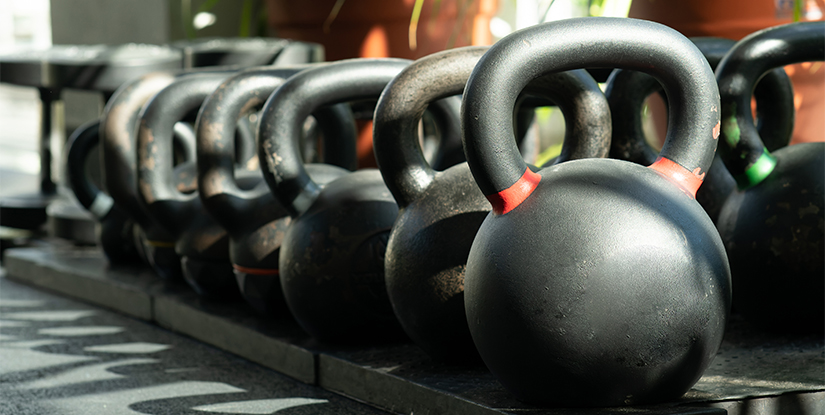
Before finalizing a large-scale purchase, distributors should implement a rigorous bulk order inspection protocol. Relying solely on factory certificates is insufficient; physical verification of the coating durability and surface finish is critical. In a commercial setting, the outer shell must resist oxidation and abrasion from repeated contact with gym flooring and chalk. A high-quality finish prevents the premature peeling that can compromise both the aesthetic and the structural integrity of the internal weight plates.
A professional fitness equipment procurement checklist should prioritize these three non-negotiable physical audits:
- Coating Resilience: Test for resistance to sweat, oils, and chemical cleaners to ensure long-term visual and structural stability.
- Tolerance Verification: Inspect the precision of the weight increments to ensure the mechanism remains smooth and consistent under load.
- Load-Bearing Stress Test: Confirm that the housing can withstand the impact of being placed on a hard surface without hairline fractures.
By prioritizing these technical details, procurement managers can accurately calculate the total cost of ownership (TCO). Investing in a more robust build upfront reduces the frequency of replacement cycles and minimizes the overhead associated with equipment downtime in professional training facilities.
Spatial Efficiency and Facility Layout Constraints
Optimizing floor area is a critical variable for high-end fitness facility design. When sourcing a go zone adjustable kettlebell, procurement managers must evaluate how the unit's physical dimensions influence the total square footage required for functional training zones. Unlike traditional fixed-weight kettlebells that require expansive, dedicated racks, adjustable models offer significant space-saving benefits by consolidating multiple weight increments into a single footprint.
Effective footprint optimization allows distributors and gym owners to maximize revenue-generating square footage. A well-planned commercial gym layout integrates these adjustable units into compact training stations, reducing the need for bulky storage shelving. This streamlined approach not only improves traffic flow within the facility but also lowers the long-term overhead costs associated with large-scale equipment inventory and floor space management.
When finalizing a bulk order, comparing the weight-to-volume ratio of different equipment types is essential for calculating long-term facility density. Procurement teams should analyze how different configurations impact the total floor space required for both active use and static storage. The following table provides a comparative overview of storage density and spatial requirements to assist in your facility layout planning.
| Equipment Type | Weight-to-Volume Ratio | Storage Density | Typical Floor Space Impact |
|---|---|---|---|
| Traditional Fixed Kettlebells | Low | Low (Requires wide racks) | High footprint per weight set |
| Go Zone Adjustable Kettlebell | High | High (Compact footprint) | Minimal; optimized for small zones |
| Standard Dumbbell Sets | Medium | Medium (Tiered shelving) | Moderate; requires linear space |
Reviewing these commercial adjustable kettlebell specifications ensures that your shipment aligns with your facility's actual capacity. A higher storage density allows distributors to offer more weight variety without increasing the physical footprint of the retail or training area. This efficiency is a key factor in the total cost of ownership when evaluating high-density training environments.
Inventory Organization and Maintenance Protocols
Efficient facility management requires more than just floor space; it demands a systematic approach to equipment organization. For distributors and large-scale gym operators, the way a go zone adjustable kettlebell is stored directly impacts the longevity of the internal components. Improper storage or cluttered weight zones can lead to mechanical interference, potentially compromising the weight selection mechanism reliability over time.
A professional fitness equipment procurement checklist should include specific requirements for the storage environment. To maintain high operational standards, ensure that training areas are kept free of debris that could enter the adjustment tracks. We recommend implementing a routine inspection schedule to verify that the locking mechanisms remain unobstructed and that the unit's exterior is free from corrosive elements. By prioritizing organized storage and consistent maintenance, facility owners can protect their investment and ensure the long-term durability of their adjustable inventory.
Optimizing Long-Term Operational Reliability
When sourcing high-volume inventory, your focus must shift from initial unit cost to the total cost of ownership. A robust fitness equipment procurement checklist should prioritize the mechanical integrity of the weight selection mechanism reliability to prevent frequent replacement cycles in high-traffic facilities.
Distributors and gym owners must evaluate how often a go zone adjustable kettlebell requires technical intervention. Standard commercial adjustable kettlebell specifications should include guidelines for lubrication intervals and part wear. While basic models may suffice for home use, commercial-grade units must demonstrate a predictable maintenance frequency and a documented operational lifespan that withstands daily heavy-duty usage without mechanical failure or weight drifting.
| Maintenance Factor | Standard Consumer Grade | Commercial Go Zone Standard |
|---|---|---|
| Mechanism Inspection | Occasional/Reactive | Scheduled/Preventative |
| Typical Lifespan | Limited/Low-cycle | High-frequency/Extended |
| Service Requirement | Part Replacement | Routine Lubrication & Calibration |
Comparing Mechanism Architectures for TCO Analysis
To accurately calculate the total cost of ownership, procurement managers must distinguish between the maintenance requirements of different internal configurations. The complexity of the weight selection mechanism reliability directly influences your long-term labor costs and inventory replacement frequency. For instance, a mechanical dial system offers rapid transitions but requires more precise internal tolerances compared to simpler, gravity-based or plate-based designs.
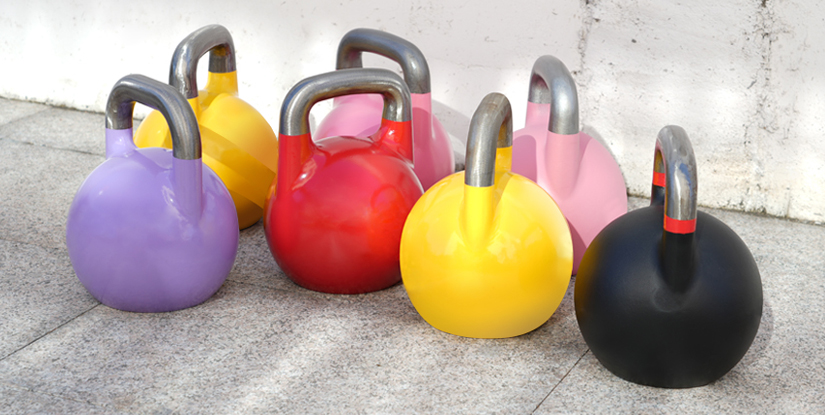
The following table assists in evaluating the trade-offs between mechanical and plate-based systems to determine which aligns better with your facility's operational budget and technical support capabilities.
| Mechanism Type | Maintenance Complexity | Typical Service Interval | Primary Durability Factor |
|---|---|---|---|
| Mechanical Dial/Pin | Moderate (Requires precision calibration) | Quarterly/Bi-Annually | Internal gear and spring integrity |
| Plate-Based/Manual | Low (Basic cleaning and inspection) | Annually/As needed | Structural frame and weight stability |
| Automated/Electronic | High (Requires technical expertise) | Per Season/High Usage | Sensor and electronic component longevity |
When reviewing commercial adjustable kettlebell specifications, always verify if the manufacturer provides a dedicated service protocol. High-traffic commercial settings often favor systems with lower maintenance complexity to minimize downtime and reduce the need for specialized on-site technicians.
Quality Control and Logistics Oversight
Managing a bulk order for a go zone adjustable kettlebell requires more than just reviewing a spec sheet; it demands a rigorous approach to factory-level oversight. To mitigate the risk of receiving defective units, procurement managers should mandate a strict bulk order QC protocol. This includes requesting documentation of factory testing, specifically regarding cycle counts and impact resistance, to ensure the mechanism can handle repeated weight transitions without losing calibration.
Logistics planning is equally critical for maintaining product integrity during transit. High-density adjustable weights are subject to significant kinetic stress during international shipping. Ensure your distributor inspection points include a verification of shipping durability, such as reinforced packaging and moisture-resistant sealing, to prevent corrosion of the internal components. Additionally, when negotiating MOQ considerations, clarify whether the minimum order quantity applies to a single SKU or a mixed assortment, as this can impact both shipping efficiency and your ability to test different weight configurations for quality consistency.
Mitigating Total Cost of Ownership (TCO) Through Quality Selection
For commercial distributors and facility managers, the true cost of equipment extends far beyond the initial purchase order. When evaluating the go zone adjustable kettlebell, the focus must shift from unit price to the long-term total cost of ownership (TCO). A low-cost alternative that fails under heavy daily use creates a cycle of frequent replacements and operational downtime.
High-tier commercial adjustable kettlebell specifications prioritize mechanical integrity to ensure facility longevity. Choosing a robust build quality over a cheaper, less durable model transforms the equipment from a consumable expense into a strategic asset. By investing in superior weight selection mechanisms and high-grade materials, buyers reduce the frequency of maintenance cycles and the need for bulk reordering, ultimately protecting profit margins through sustained durability.
To accurately forecast long-term expenditures, procurement teams must differentiate between entry-level consumer models and high-performance commercial gear. The primary variable in equipment depreciation is the weight selection mechanism reliability; a mechanism that experiences friction or misalignment after minimal cycles will rapidly escalate your maintenance frequency and labor costs.
Tiered Reliability Comparison
| Feature Attribute | Standard/Consumer Grade | Premium/Commercial Grade |
|---|---|---|
| Mechanism Type | Plastic/Spring-loaded pins | Precision steel/Locking plate |
| Component Wear | High (visible after 6 months) | Low (designed for heavy cycles) |
| Maintenance Needs | Frequent lubrication/replacement | Periodic inspection only |
| Operational Impact | High downtime/User frustration | Seamless weight transitions |
Essential Fitness Equipment Procurement Checklist
Before finalizing a bulk order, utilize this technical checklist to validate factory capability and product lifespan. These criteria help mitigate the risk of importing substandard hardware that increases your maintenance frequency:
- Verify the material density of the weight plates to ensure consistent center-of-gravity movement.
- Confirm the weight selection mechanism reliability via stress-test reports or physical sample inspection.
- Assess the coating durability to prevent chipping during high-volume commercial turnover.
- Evaluate the ease of part replacement for modular components to reduce long-term downtime.
Optimizing your procurement strategy requires looking past the invoice to the actual lifecycle of the hardware. When managing bulk order considerations, the goal is to achieve long-term operational savings by selecting units that withstand high-traffic environments without constant intervention. A disciplined approach to quality control (QC) benchmarks ensures that your inventory remains a reliable revenue driver rather than a recurring liability. By prioritizing manufacturers that offer transparent testing data and modular component designs, distributors can effectively minimize the hidden costs of premature equipment failure and frequent restocking cycles.