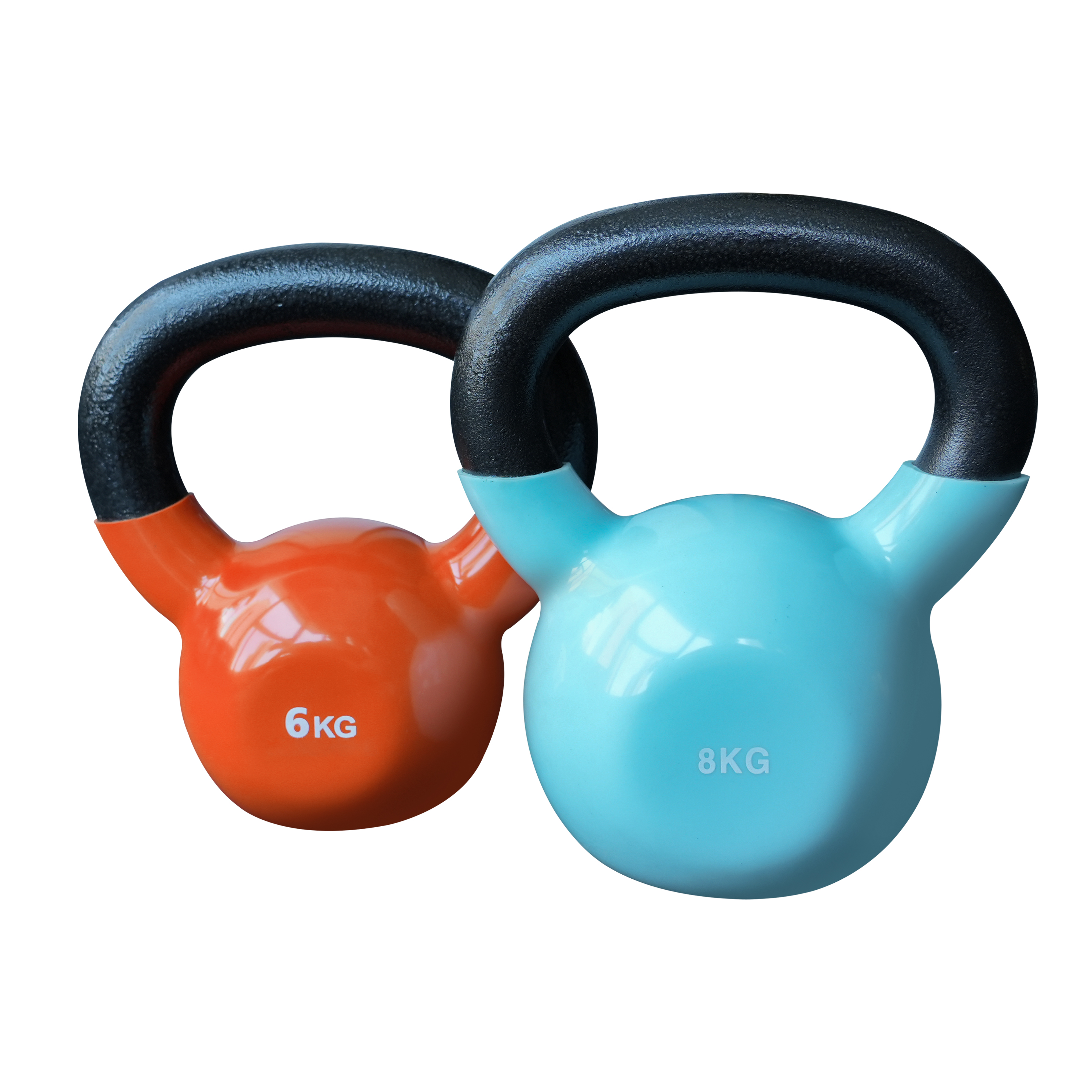
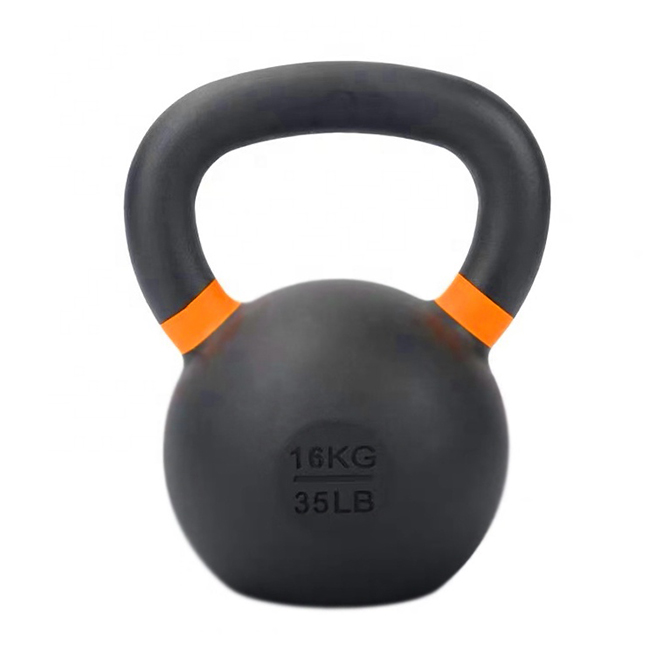
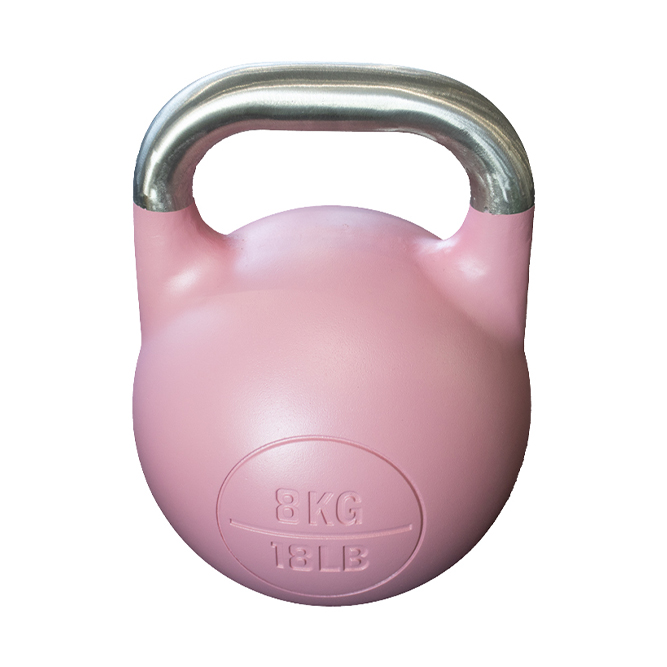
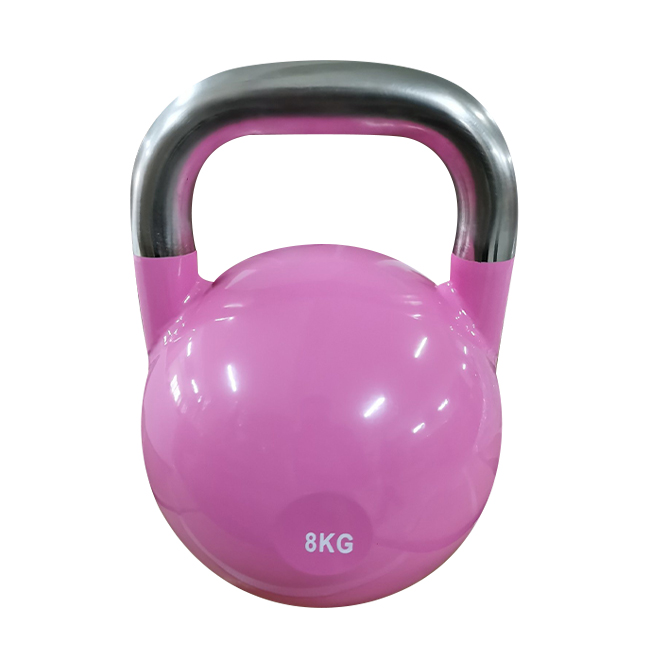
Proform Adjustable Kettlebell Comparison for Gym Rollouts
Analyzing Long-Term Value and Lifecycle Costs of Adjustable Systems
The proform adjustable kettlebell serves as a versatile strength tool designed to replace multiple fixed-weight units with a single, modular mechanism. B2B buyers select these systems to optimize floor space, reduce inventory complexity, and provide scalable resistance options within high-traffic commercial environments.
Evaluating Total Cost of Ownership
When planning multi-site fitness equipment procurement, the initial purchase price is only one component of the long-term investment. A professional assessment must account for the full lifecycle costs, including mechanical wear from frequent weight transitions and the durability of the adjustment locking mechanisms. High-quality commercial adjustable kettlebell specs should prioritize robust internal components that withstand thousands of cycles without losing precision.
Beyond the hardware, facility layout efficiency is a major driver of ROI. By utilizing a single adjustable unit instead of a full rack of fixed bells, operators can reclaim valuable square footage for other high-margin training zones. This density optimization allows distributors and gym owners to maximize revenue per square foot while maintaining a premium selection of adjustable kettlebell weight increments for their members.
To justify the shift from traditional inventory to modular systems, procurement managers must quantify the trade-offs between upfront capital expenditure and long-term operational efficiency. The following comparison highlights how the proform adjustable kettlebell performs against standard fixed sets in terms of space density and replacement cycles.
| Metric | Traditional Fixed Kettlebell Sets | Proform Adjustable System |
|---|---|---|
| Footprint/Space Usage | High (Requires extensive rack storage) | Low (Single unit replaces multiple SKUs) |
| Weight Increment Variety | Fixed (Limited by physical bell size) | Versatile (Seamless transitions) |
| Replacement Frequency | Low (Durable cast iron/steel) | Moderate (Mechanical parts require inspection) |
| Inventory Complexity | High (Multiple SKUs and weight classes) | Low (One model covers multiple ranges) |
For distributors managing large-scale rollouts, the primary advantage lies in logistics. Sourcing a single model with varied adjustable kettlebell weight increments simplifies shipping volumes and reduces the complexity of warehouse management compared to shipping dozens of individual fixed-weight units. While fixed bells offer unmatched durability in extreme environments, the adjustable system provides superior scalability for boutique studios and multi-functional training zones where floor space is a premium.
Logistics and Scalability for Large-Scale Rollouts
Managing multi-site fitness equipment procurement requires a focus on standardized quality control and predictable maintenance cycles. When scaling across various locations, the proform adjustable kettlebell offers a streamlined approach to inventory. Rather than managing dozens of disparate SKUs, procurement managers can standardize on a single model, which simplifies bulk ordering considerations and reduces the logistical burden on warehouse staff.
Durability standards are the most critical factor for high-volume distributors. While fixed bells are virtually indestructible, adjustable systems rely on mechanical integrity. Buyers should verify that the manufacturer provides clear guidelines for routine inspections to prevent mechanical failure. For large-scale deployments, sourcing from a factory capable of meeting strict tolerances ensures that every unit across all sites performs with consistent weight accuracy and mechanical reliability.
Technical Benchmarks for Commercial Adjustable Kettlebell Specs
When sourcing for multi-site fitness equipment procurement, durability is not a subjective feeling but a measurable metric of mechanical integrity. For high-traffic environments like boutique studios or hotel gyms, the ability of the proform adjustable kettlebell to withstand repetitive weight transitions without structural degradation is critical for long-term ROI.
Evaluating the mechanical components requires looking beyond the exterior coating. Professional buyers must verify the stability of the internal locking mechanisms to ensure that weight increment stability remains consistent even after thousands of cycles. A failure in the internal track or plate positioning can lead to uneven weight distribution, posing a safety risk in high-use environments.
| Durability Factor | Standard Consumer Grade | Proform Commercial Standard | Procurement Impact |
|---|---|---|---|
| Internal Mechanism | Plastic/Light Alloy | Reinforced Steel/High-Density Polymer | Reduced maintenance frequency |
| Weight Transition | Manual/Loose Fit | Precision-Locking System | Enhanced user safety |
| Impact Resistance | Moderate | High-Impact Resistant Shell | Extended product lifecycle |
| Increment Stability | Variable/Shifting | Fixed-Position Precision | Consistent training accuracy |
Distributors should prioritize models where the commercial adjustable kettlebell specs include hardened steel components for the weight-holding tracks. This ensures that the transition between increments does not cause wear on the internal rails, maintaining a seamless user experience across all facility locations.
Material Integrity and Maintenance Cycles
For large-scale facility rollouts, the total cost of ownership (TCO) is heavily influenced by the quality of the external coating and the robustness of the structural housing. A low-quality finish may chip or peel under heavy usage, exposing the internal weight plates to oxidation. When vetting a proform adjustable kettlebell, procurement managers should verify that the coating is designed for high-impact resistance to prevent surface degradation in high-intensity training zones.
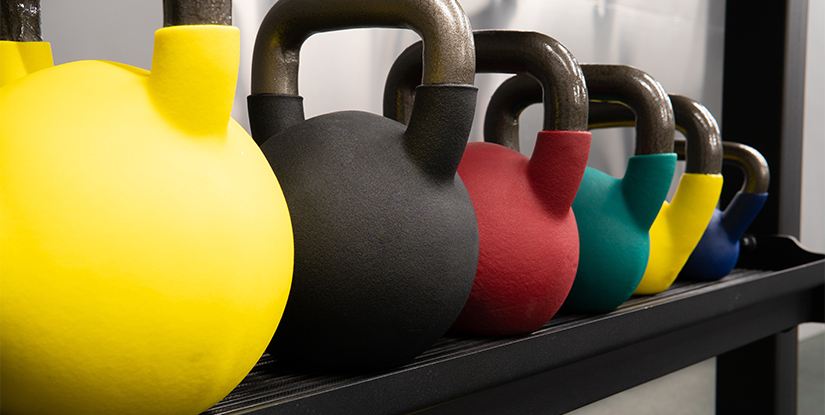
The following comparison highlights how specific material choices impact the maintenance frequency and long-term reliability of the equipment. Selecting a model with superior coating quality and high-density components reduces the need for frequent onsite inspections and part replacements across multiple sites.
| Specification Component | Standard Commercial Configuration | Proform Optimized Configuration | Operational Benefit |
|---|---|---|---|
| Outer Shell Material | Standard Polyurethane | High-Density Impact Polymer | Minimizes structural cracking |
| Surface Coating | Basic Powder Coat | Anti-Abrasion/Oxidation Layer | Maintains aesthetic longevity |
| Locking Mechanism | Spring-Loaded Pin | Precision-Engineered Steel Track | Reduces mechanical failure rates |
| Maintenance Interval | Quarterly Inspection | Bi-Annual/Annual Inspection | Lower labor costs for operators |
From a sourcing perspective, prioritizing these technical benchmarks ensures that the adjustable kettlebell weight increments remain stable and the external chassis remains intact during rigorous commercial use. This attention to detail is vital for distributors managing diverse inventory across various fitness environments.
Managing the logistics of bulk ordering requires a clear understanding of replacement cycles and long-term maintenance. For distributors, the total cost of ownership (TCO) extends far beyond the initial unit price; it encompasses the frequency of part replacements and the labor required for onsite upkeep. High-quality construction in a proform adjustable kettlebell ensures that wear and tear on the weight-selection track remains minimal, preventing the need for unscheduled inventory replenishment during peak seasons.
When planning multi-site rollouts, procurement teams must account for the logistics of bulk ordering, including shipping stability and volume-based quality control (QC) expectations. Ensuring that every unit in a large shipment meets strict tolerances is essential to avoid the high costs of cross-border returns or defective unit swaps. By focusing on equipment with high-density housing and standardized internal components, facility managers can stabilize their replacement cycles and maintain consistent equipment performance across all locations.
Optimizing Weight Increments for Diverse Programming Needs
Maintaining precision in weight increments is critical for long-term durability in high-traffic environments. When deploying the proform adjustable kettlebell across multiple facility locations, procurement managers must account for the mechanical wear inherent in frequent weight adjustments. Ensuring the internal locking mechanisms remain calibrated prevents the gradual loss of accuracy that often plagues lower-tier adjustable equipment.
Technical Comparison: Standard vs. Proform Profiles
The following comparison highlights the divergence in durability and maintenance frequency between generic adjustable options and the Proform model. This data assists procurement specialists in determining which unit offers the best return on investment for high-intensity training environments.
| Feature / Metric | Standard Adjustable Models | Proform Adjustable Kettlebell |
|---|---|---|
| Adjustment Mechanism | Basic pin or slide system | Precision-calibrated locking track |
| Adjustable Kettlebell Weight Increments | Often inconsistent over time | Highly stable, repeatable increments |
| Typical Maintenance Frequency | High (Frequent lubrication/inspection) | Low (Standard seasonal check-ups) |
| Durability Rating | Light-to-Medium Commercial | Heavy-Duty Commercial/Professional |
| Long-term TCO Profile | Lower upfront, higher replacement cost | Higher upfront, lower operational cost |
When sourcing for large-scale gym expansions, the stability of the weight increments is a non-negotiable quality control metric. A unit that maintains its structural integrity despite thousands of adjustment cycles significantly reduces the burden on facility maintenance teams and ensures consistent user experiences across all global locations.
Standardizing Inspection Protocols for Multi-Site Rollouts
Effective multi-site fitness equipment procurement extends far beyond the initial purchase and shipping phase. For large-scale distributors and gym chains, long-term operational efficiency depends on a standardized inspection framework that can be executed by local staff without specialized engineering training. Implementing a routine quarterly check of the internal selection components ensures that the proform adjustable kettlebell maintains its calibration despite heavy daily usage.
To streamline facility management, we recommend creating a digital checklist for site managers. This protocol should focus on the tactile feedback of the weight selection mechanism and the visual integrity of the outer casing. By institutionalizing these small-scale audits, procurement teams can identify potential wear patterns early, preventing widespread equipment failure across diverse locations and ensuring a predictable lifecycle for every unit in the fleet.
Spatial Efficiency in High-Density Layouts
Optimizing the footprint of a functional training zone is a critical variable for modern facility design. The proform adjustable kettlebell provides a significant advantage in high-density environments by consolidating multiple weight increments into a single unit. Instead of dedicating extensive floor area to sprawling kettlebell racks, procurement managers can utilize a more compact footprint, allowing for greater flexibility in the facility layout.
For multi-site fitness equipment procurement, this spatial advantage translates to standardized floor plans across diverse locations. Whether managing a boutique studio with limited square footage or a large-scale commercial gym, utilizing adjustable systems ensures that every square meter is utilized effectively. Standardizing on a single adjustable model reduces the logistical complexity of managing varied inventory sets and ensures a consistent user experience across all regional branches.
Footprint and Storage Density Comparison
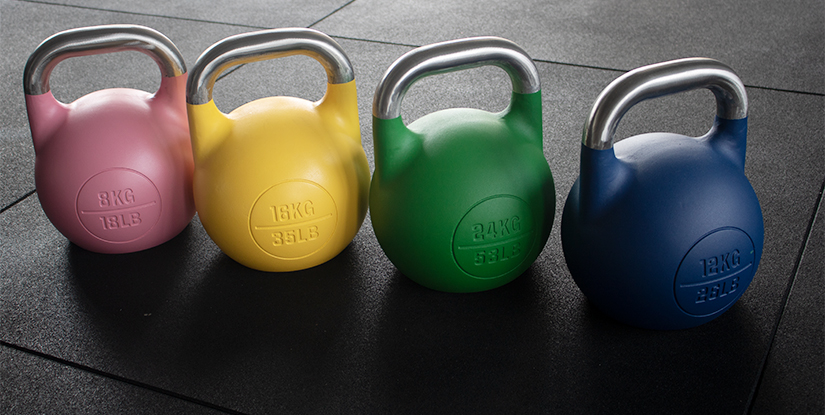
When calculating the total square footage required for a strength training zone, the difference between static and adjustable systems becomes a primary factor in floor plan optimization. Traditional kettlebell sets require extensive horizontal rack space to accommodate a full range of weights, whereas the proform adjustable kettlebell centralizes these variables into one station. This reduction in the required footprint allows distributors and facility managers to reclaim valuable floor space for other high-margin amenities.
Evaluating the commercial adjustable kettlebell specs against traditional sets reveals a significant shift in storage density. A single adjustable unit can replace a full set of 5 to 7 individual bells, drastically lowering the physical profile of the equipment zone. The following comparison highlights how different adjustable kettlebell weight increments impact the overall spatial requirements in a professional setting.
| Equipment Type | Average Footprint | Storage Requirement | Inventory Complexity |
|---|---|---|---|
| Traditional Kettlebell Set | High (Requires wide racks) | Extensive linear space | High (Multiple SKUs) |
| Proform Adjustable System | Low (Single compact unit) | Minimal/Vertical space | Low (Single SKU) |
For procurement teams, transitioning to adjustable systems simplifies the logistics of multi-site rollouts. By minimizing the number of individual pieces to track, shipping volumes are reduced, and the complexity of inventory management across various gym locations is significantly mitigated.
Logistical Scalability and Procurement Efficiency
Scaling a fitness brand across multiple territories requires a rigorous approach to standardization. Relying on a single, high-quality model like the proform adjustable kettlebell streamlines the multi-site architecture of a global rollout. When a procurement manager selects a single SKU to represent an entire weight range, they eliminate the risk of inconsistent equipment quality between flagship locations and smaller satellite studios.
This approach drastically improves procurement efficiency by simplifying the supply chain. Instead of managing dozens of unique part numbers, buyers can focus on a single, high-performance unit, which optimizes inventory management and reduces the administrative burden of tracking varied stock levels. For distributors and wholesalers, this means more predictable shipping volumes and simplified customs documentation. By consolidating adjustable kettlebell weight increments into one versatile system, organizations achieve much higher scaling potential, ensuring that new facility openings are equipped with identical, high-standard tools without the logistical friction of traditional heavy-iron sourcing.
Global Sourcing Strategies for Large-Scale Facility Rollouts
When managing multi-site fitness equipment procurement, the financial evaluation must extend beyond the initial invoice to account for the long-term lifecycle of the hardware. A low unit price often masks hidden costs associated with frequent replacement cycles or high maintenance requirements in high-traffic environments.
Evaluating TCO and Asset Longevity
For distributors and facility managers, the proform adjustable kettlebell offers a strategic advantage by optimizing the Total Cost of Ownership (TCO). Unlike traditional fixed-weight sets that require massive floor footprints and frequent expansion as client demographics shift, a single high-quality adjustable unit replaces multiple SKUs. This reduces inventory complexity and shipping volumes during international freight.
When reviewing commercial adjustable kettlebell specs, procurement professionals should prioritize mechanical durability and the precision of adjustable kettlebell weight increments. High-grade construction ensures that the adjustment mechanisms withstand thousands of cycles without losing calibration. Investing in premium builds minimizes the frequency of replacement cycles, ensuring that your capital expenditure delivers value across the entire lifespan of the facility's equipment rotation.
Budget Optimization: Fixed vs. Adjustable Models
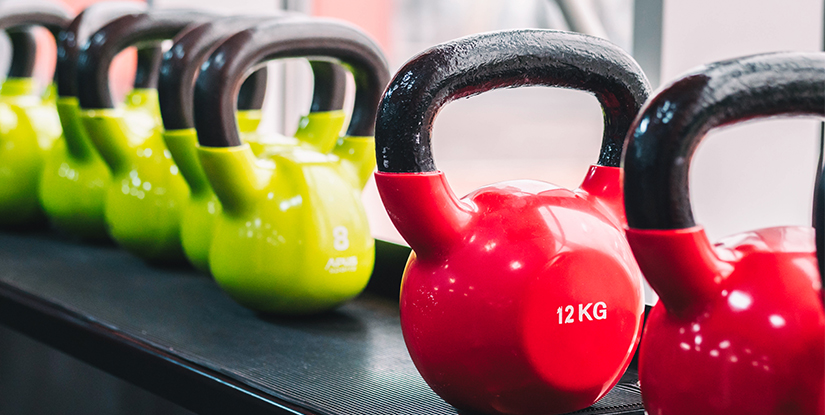
Budget planning for large-scale rollouts requires a granular understanding of the space-to-cost ratio. While individual fixed-weight kettlebells have a lower entry price per unit, the cumulative cost of a full spectrum of weights—including the logistics of shipping, storage, and the physical footprint required—often exceeds the investment in a versatile system. The proform adjustable kettlebell streamlines this by condensing a diverse weight range into a single, compact asset.
The following comparison illustrates the procurement savings realized when transitioning from traditional sets to adjustable technology in a commercial setting:
| Metric | Traditional Fixed-Weight Sets | Proform Adjustable Model |
|---|---|---|
| SKU Complexity | High (Multiple individual units) | Low (Single versatile unit) |
| Floor Space Requirement | Substantial (Large footprint) | Minimal (High density) |
| Weight Increments | Fixed (Limited progression) | Fluid (Granular adjustments) |
| Shipping/Logistics Cost | High (Bulk/Volume heavy) | Optimized (Compact/Consolidated) |
For multi-site operations, the ability to standardize on a single model simplifies quality control and parts sourcing. By leveraging a higher space-to-cost ratio, facility managers can allocate more square footage to other revenue-generating equipment while maintaining a sophisticated strength training experience.
Logistics and Scaling for Multi-Site Distribution
Scaling facility rollouts across various regions requires a procurement strategy that accounts for more than just unit costs. When ordering a proform adjustable kettlebell in volume, buyers must evaluate the manufacturer's capacity for bulk ordering and their ability to maintain strict quality control across large production runs. Inconsistent manufacturing can lead to calibration errors in weight increments, creating significant headaches during multi-site deployments.
Effective shipping logistics and warehousing management are critical to maintaining rollout timelines. Unlike traditional iron kettlebells that are heavy and occupy significant volumetric weight, the compact nature of adjustable models allows for more efficient container utilization. This density reduces the per-unit freight cost and simplifies the movement of goods from the factory to regional distribution hubs. For procurement managers, this means lower overhead during international transit and a more streamlined process for replenishing stock across diverse facility locations.
Ensuring Mechanical Integrity in High-Volume Procurement
When sourcing the proform adjustable kettlebell for multi-site gym rollouts, the primary risk shifts from individual unit performance to systemic mechanical failure. In high-traffic commercial environments, the internal locking mechanisms and weight selection components face constant friction and impact. Without rigorous quality control, even minor deviations in commercial adjustable kettlebell specs can lead to catastrophic failure during heavy swings or snatches.
For distributors managing high-volume wholesale orders, verifying the structural durability of the adjustment tracks and housing is non-negotiable. We recommend requesting batch-testing reports that specifically validate the mechanical integrity of the weight-locking system under repetitive stress. Ensuring that every unit meets exact tolerance standards prevents costly onsite maintenance and protects the long-term ROI of your fitness facility investments.
Technical Verification of Manufacturing Standards
To mitigate procurement risks, distributors must move beyond visual inspections and focus on technical benchmarks. A standardized evaluation of the proform adjustable kettlebell requires checking the precision of the internal components. Discrepancies in weight increment precision or structural stability can result in uneven weight distribution, which compromises user safety and increases the frequency of replacement requests.
The following table outlines the critical QC checkpoints required to validate that a shipment meets the necessary standards for commercial deployment:
| Evaluation Metric | Standard Requirement | Distributor Verification Method |
|---|---|---|
| Weight Increment Precision | ±1% to ±2% tolerance levels | Batch-sampling via calibrated digital scale |
| Structural Stability | Zero lateral movement in housing | Stress-test under dynamic swing simulation |
| Coating Durability | High-impact resistance (ASTM standard)Cross-hatch adhesion and scratch testing | |
| Locking Mechanism | Seamless transition between increments | Repetitive cycle testing (1,000+ cycles) |
Maintaining strict oversight of these technical variables ensures that the equipment remains functional throughout its lifecycle, reducing the total cost of ownership for your clients.
Logistics Integrity and Batch Consistency Management
For large-scale operations, the complexity of multi-site fitness equipment procurement extends far beyond the factory floor. A significant risk involves batch consistency; a single shipment must exhibit identical mechanical feel and weight precision across all units to prevent user confusion and uneven wear patterns across different facility locations. If one batch of the proform adjustable kettlebell deviates from the established specifications, it can compromise the brand standard of a global fitness chain.
Furthermore, procurement managers must evaluate shipping durability protocols to mitigate transit-related damage. High-density weight components are susceptible to internal component shifting if the packaging is insufficient for sea or air freight. When negotiating MOQ for bulk orders, ensure your contract includes specific inspection protocols that mandate pre-shipment verification of both individual unit integrity and master carton strength. Rigorous oversight during the logistics phase prevents the arrival of defective stock that could disrupt your rollout schedule and inflate secondary shipping costs.