Adjustable Kettlebell Set | Selecting Adjustable Kettlebell
Optimizing SKU Breadth and Inventory Velocity for Distributors
Many distributors mistakenly overstock dozens of individual fixed-weight units, which ties up liquid capital and slows inventory velocity. A more sophisticated sourcing strategy involves transitioning to an adjustable kettlebell set model, which drastically reduces the total number of physical SKUs required to satisfy a client's weight range requirements.
By integrating modular kettlebell systems into your catalog, you can optimize warehouse footprint and improve capital efficiency. Instead of managing a massive, slow-moving inventory of single-weight cast iron bells, a single high-quality commercial adjustable kettlebells solution allows you to fulfill diverse strength training needs with minimal storage volume. This streamlined approach enables faster turnover and reduces the logistical overhead typically associated with shipping and storing bulky, low-value individual weight increments.
To assist in your procurement decision-making, the following comparison illustrates the logistical and financial trade-offs between traditional fixed-weight inventories and modular systems. For multi-site rollouts, the primary objective is often minimizing the Total Cost of Ownership (TCO) while maximizing the utility per square foot of training space.
| Evaluation Metric | Fixed-Weight Kettlebell Sets | Modular Adjustable Systems |
|---|---|---|
| Storage Footprint | High; requires extensive racking | Low; compact footprint per weight range |
| Shipping Volume | High; large, non-stackable bulk | Low; optimized for container density |
| SKU Complexity | High; one SKU per weight increment | Low; single system covers multiple weights |
| Inventory Velocity | Slower; capital tied in specific weights | Faster; versatile demand fulfillment |
| TCO (Long-term) | Lower unit cost; higher logistical cost | Higher unit cost; lower operational overhead |
While fixed bells may offer a lower initial purchase price per unit, the hidden costs of warehouse management and shipping logistics often favor the adjustable kettlebell set model for large-scale facility deployments. Choosing a modular approach ensures your facility remains adaptable to evolving user demographics without requiring frequent, costly inventory refreshes.
Balancing Weight Increment Consistency with MOQ Requirements
In multi-site fitness equipment procurement, the tension between weight increment consistency and MOQ (Minimum Order Quantity) can significantly impact distributor margins. High-end facilities demand precise, predictable jumps—such as 2kg or 4kg steps—to ensure progressive overload. However, sourcing highly specialized modular increments often triggers higher MOQs or premium pricing from factories.
To maintain a high turnover rate across diverse locations, procurement managers should prioritize systems that offer standardized weight increments. This standardization allows you to leverage bulk purchasing power without sacrificing the mechanical precision required by professional athletes. By selecting a manufacturer capable of high-volume production with strict quality control on weight tolerances, you secure a reliable supply chain that balances cost-efficiency with the high-performance standards expected in commercial environments.
The Impact of Mechanical Precision on Long-Term Durability
For procurement managers overseeing multi-site fitness equipment procurement, the structural integrity of an adjustable kettlebell set hinges on more than just outer coating. True durability in a high-traffic environment is defined by mechanical precision—the ability of the internal locking mechanism to maintain weight increment consistency over thousands of adjustment cycles.
In many commercial settings, non-standardized modular kettlebell systems present a significant operational risk. If the weight increments deviate due to poor manufacturing tolerances, it creates uneven loading patterns that can lead to premature mechanical failure or uneven wear on the internal components. When sourcing commercial adjustable kettlebells for large-scale rollouts, ensuring that each weight change is exact and repeatable is essential to minimizing long-term maintenance costs and replacement frequency.
Mechanism Comparison for High-Volume Facilities
Selecting the right internal architecture is a critical decision for distributors and facility owners. The following comparison highlights how different mechanisms impact total cost of ownership (TCO) and long-term reliability in professional training environments.
| Mechanism Type | Durability Profile | Maintenance Frequency | Precision Level |
|---|---|---|---|
| Pin-Lock System | High (Rugged) | Low | Moderate |
| Dial/Selector Mechanism | Moderate | Medium | High |
| Plate-Based (Manual) | Very High | Minimal | Variable |
While dial-based systems offer superior precision for strength athletes, they often require more frequent inspections to prevent internal jamming. For multi-site rollouts where onsite technical support is limited, pin-lock or plate-based configurations typically offer the most resilient solution, ensuring the equipment remains operational under heavy daily usage without constant recalibration.
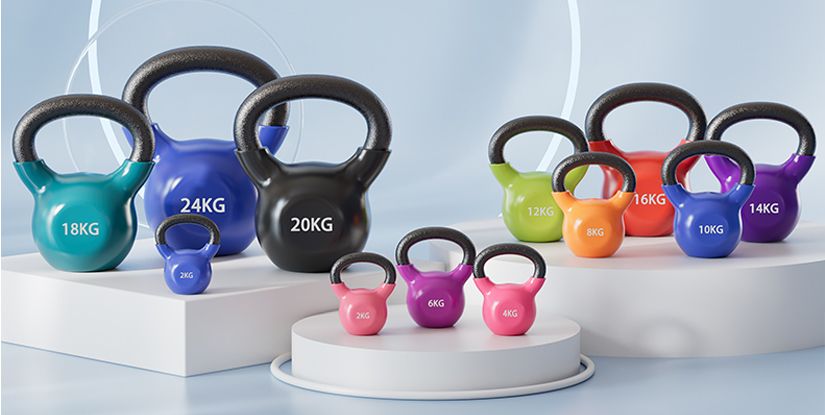
To protect your long-term ROI, prioritize suppliers who implement rigorous QC standards specifically targeting mechanical wear. In high-traffic gym settings, the friction between moving parts can degrade precision over time if the metallurgy is substandard. We recommend requesting data on the cycle-test endurance of the internal locking components. A robust manufacturing process ensures that modular kettlebell systems can withstand the constant physical impact and rapid weight transitions typical of professional strength training without losing structural alignment or weight accuracy.
Comparing Modular Kettlebell Systems for Facility Rollouts
When managing multi-site fitness equipment procurement, the logistical footprint of your strength training zone is a critical variable. An inefficiently managed adjustable kettlebell set can lead to cluttered floor plans and increased transit times for members, complicating the overall facility layout in high-traffic commercial environments.
Optimizing Footprint and Organization
Large-scale rollouts often struggle with the spatial density of commercial adjustable kettlebells. While modular systems offer versatility, they require dedicated, structured storage solutions to prevent equipment drift. For distributors and facility managers, footprint optimization is not just about floor space, but about streamlining the transition between weight increments to maintain a professional, organized training environment.
| Storage Configuration | Footprint Impact | Organizational Efficiency | Long-term TCO Factor |
|---|---|---|---|
| Individual Modular Racks | High (Requires more linear space) | Excellent (Specific weight slots) | Moderate (Higher initial unit cost) |
| Integrated Centralized Station | Low (Compact vertical design) | Good (Centralized access) | Optimal (Lower maintenance/replacement) |
| Open Floor Distribution | Variable (High clutter risk) | Poor (Hard to track inventory) | High (Increased wear and tear) |
Choosing between specialized racks and open distribution depends heavily on your facility's throughput and the specific density of your modular kettlebell systems. While open floor distribution may seem cost-effective during initial procurement, the long-term operational costs regarding equipment loss and floor-space inefficiency often outweigh the savings.
Evaluating Spatial Efficiency for Multi-Site Rollouts
For distributors managing high-volume shipments, the durability of the storage solution is as vital as the weight increments themselves. Integrated stations provide superior structural integrity for high-traffic zones, whereas modular kits offer better scalability for boutique settings where floor plans evolve frequently. Always consider the weight-bearing capacity of your chosen storage to ensure it aligns with the total mass of the complete set.
Logistics and Long-Term Maintenance Strategy
Scaling a rollout requires more than just selecting a high-quality adjustable kettlebell set; it demands a strategic approach to shipping volume and inventory management. Distributors must account for the volumetric weight of modular components to optimize container utilization. When negotiating MOQ considerations, ensure that the packaging protects the precision mechanisms from transit-related impact.
Beyond initial delivery, long-term maintenance protocols are essential to preserve the durability of the weight-adjustment components. A consistent weight distribution within specialized racks prevents uneven stress on the internal locking systems. For multi-site operations, investing in robust, dedicated storage reduces the total cost of ownership by minimizing mechanical wear and preventing accidental damage during high-frequency usage.
Prioritizing Mechanical Integrity in High-Traffic Environments
For multi-site fitness equipment procurement, the total cost of ownership is driven by how a product survives constant user interaction. In high-traffic environments, the internal locking mechanisms of an adjustable kettlebell set undergo significant stress. If the internal components lack structural rigor, frequent weight adjustments will lead to mechanical failure and increased replacement frequency.
Beyond basic durability, professional buyers must audit weight increment consistency. In a commercial setting, even slight deviations in weight accuracy between increments can disrupt progressive overload training and lead to client dissatisfaction. When sourcing commercial adjustable kettlebells, ensure the modularity relies on precision-engineered components that maintain both structural stability and exact weight calibration throughout the entire lifecycle of the unit.
Evaluating Mechanical Architectures for Operational Longevity
Selecting the right mechanism involves a trade-off between user speed and long-term service requirements. For distributors and facility managers, understanding the inherent maintenance profile of each system is essential for calculating realistic lifecycle costs and staffing needs.
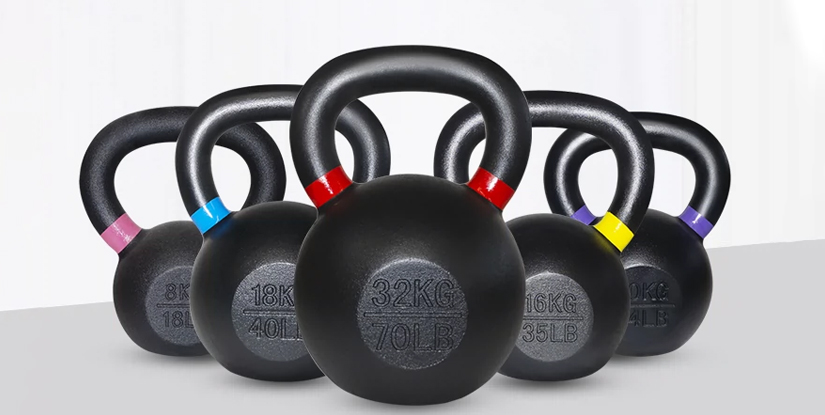
| Mechanism Type | Maintenance Frequency | Durability Profile | Ease of Use | Commercial Suitability |
|---|---|---|---|---|
| Selector Pin | Low | High (Heavy-duty steel) | Fastest adjustment | Ideal for high-volume gyms |
| Dial/Rotary System | Moderate | Medium (Precision gears) | Smooth transition | Boutique or studio settings |
| Plate-Loading | Minimal | Maximum (Non-mechanical) | Slower/Manual | Strength-focused facilities |
When auditing modular kettlebell systems, prioritize designs that minimize moving parts or utilize high-grade alloys. While dial-based systems offer a premium feel, pin-based or plate-loading structures often provide a more predictable ROI for multi-site rollouts due to their resilience against heavy-handed user interaction.
Strategic procurement requires looking beyond the initial purchase price to the long-term logistics of upkeep. For effective multi-site fitness equipment procurement, a primary risk is the lack of standardized replacement parts for complex modular kettlebell systems. If a single internal gear or locking pin fails, an entire unit may become dead stock, negatively impacting your TCO and operational uptime.
To optimize lifecycle management, verify that your manufacturer maintains a dedicated supply chain for wear-and-tear components. Reliable distributors should offer modularity that allows for component-level repairs rather than full-unit replacements. This capability ensures that even as individual units age, your facility remains fully functional without the need for massive, unscheduled capital outlays for entire new sets.
Logistics and Scalability in Global Sourcing
Optimizing a facility rollout requires balancing immediate procurement budgets against long-term operational expenditures. While a standard adjustable kettlebell set may offer a lower initial unit price, high-traffic commercial environments demand a focus on the total cost of ownership (TCO) to ensure durability and minimal replacement frequency.
Evaluating Modular Efficiency vs. Unit Cost
For distributors and large-scale gym operators, investing in modular kettlebell systems provides significant advantages in space management and inventory versatility. Unlike traditional fixed-weight options, commercial adjustable kettlebells allow facilities to expand weight ranges without the logistical burden of shipping multiple heavy individual units. This scalability reduces long-term freight costs and simplifies storage during multi-site expansion. When sourcing, procurement managers must weigh the trade-off between the lower upfront cost of basic models and the long-term value of high-durability modular components that withstand rigorous daily use in professional settings.
The following comparison highlights the strategic differences between various sourcing models. For those managing multi-site fitness equipment procurement, selecting the right configuration can significantly impact both the initial shipping volume and the long-term storage footprint across multiple locations.
| Sourcing Model | Primary Advantage | Logistics & Shipping Volume | Scalability & Versatility |
|---|---|---|---|
| Single Unit (Standard) | Low initial entry cost | High volume per weight unit | Limited; requires new SKU for every weight |
| Bulk Modular Systems | Optimized TCO & space | Low volume; highly compact | High; easy to add weight increments |
| Traditional Fixed Sets | Zero mechanical complexity | Extremely high shipping footprint | Low; difficult to scale without floor space |
When evaluating a modular kettlebell system, procurement professionals should prioritize the unit cost vs. versatility ratio. While modular units may carry a higher per-piece price, the drastic reduction in shipping volume and the ability to rapidly update weight ranges across various branches make them a superior choice for high-growth fitness franchises and global distributors.
Managing MOQ and Quality Control in Global Sourcing
Navigating global sourcing for an adjustable kettlebell set requires strict oversight of MOQ requirements and manufacturing precision. To prevent discrepancies during multi-site rollouts, buyers must verify that quality control (QC) protocols guarantee weight increment consistency across every batch. Reliable suppliers should provide documentation ensuring that mechanical parts and weight plates meet exact specifications before leaving the factory. Additionally, confirm that shipping durability is addressed through reinforced packaging, protecting the mechanism from impact damage during long-distance transit to your facility.
Space-Efficiency Strategies for Boutique and Hotel Gyms
For high-end boutique fitness studios and luxury hotel wellness centers, floor area translates directly to revenue potential. Utilizing an adjustable kettlebell set allows operators to maximize usable square footage by replacing expansive, multi-tier iron kettlebell racks with a single, compact station. This shift from static weight collections to modular systems enables more versatile floor programming without increasing the facility's physical footprint.
Optimizing Layout via Footprint Reduction
Traditional kettlebell setups require significant dedicated zones to accommodate various weight increments, often leading to cluttered training environments. By integrating commercial adjustable kettlebells, procurement managers can achieve significant footprint optimization. This is particularly critical in multi-site rollouts where standardized, compact equipment profiles ensure consistent aesthetics and spatial efficiency across diverse locations, from urban micro-gyms to expansive resort fitness hubs.
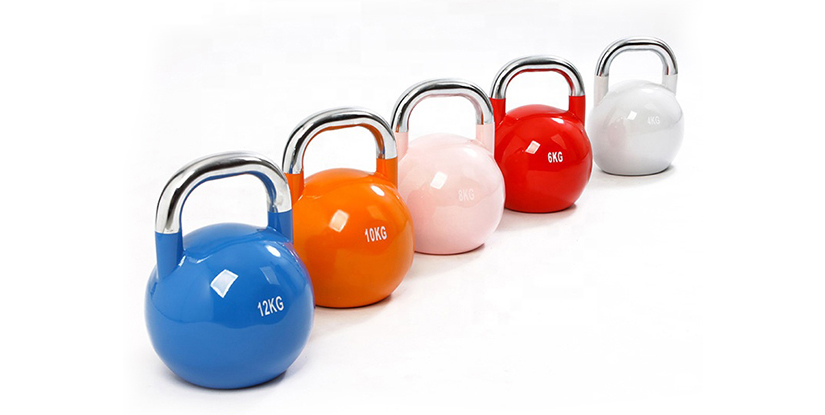
When evaluating procurement options for premium wellness facilities, the choice between fixed-weight inventory and modular systems impacts both the aesthetic cohesion and the long-term utility of the training floor. A strategic transition to modularity often results in a more streamlined, high-end appearance that favors minimalist design principles.
| Feature/Metric | Traditional Kettlebell Racks | Modular Kettlebell Systems |
|---|---|---|
| Floor Space Usage | High (requires extensive linear/tiered footprint) | Low (compact, single-station footprint) |
| Aesthetic Integration | Cluttered; visual weight increases with increments | Clean; uniform and minimalist profile |
| Inventory Versatility | Static; fixed weight increments only | Dynamic; rapid weight transitions |
| Deployment Speed | Slow (requires multiple heavy-duty racks) | Fast (standardized, single-unit setup) |
For distributors and facility managers, opting for modular kettlebell systems reduces the logistics complexity of shipping and installing multiple heavy racks. This approach provides a scalable solution that maintains a premium, high-density training environment regardless of the total available square footage.
Streamlining Multi-Site Logistics and Scalability
Standardizing on modular kettlebell systems simplifies multi-site fitness equipment procurement by reducing the volume of individual SKUs that must be tracked and shipped. Instead of managing dozens of disparate weight increments, procurement teams can deploy a unified system that ensures scalability across diverse facility types. This streamlined approach minimizes shipping overhead and simplifies the facility layout planning phase, as every location utilizes a predictable, compact footprint that accommodates both high-traffic commercial gyms and smaller boutique studio environments.
Maximizing Returns Through Modular Systems
For multi-site facility managers, the transition from traditional iron sets to an adjustable kettlebell set represents a strategic shift from high-volume inventory to high-density utility. Moving away from individual weight increments allows distributors and gym owners to optimize their capital expenditure by reducing the sheer number of SKUs required per location.
Optimizing Space-to-Equipment Ratio
Traditional kettlebell collections demand significant floor area and extensive storage racks to accommodate progressive loading. By implementing commercial adjustable kettlebells, operators achieve superior footprint optimization. A single modular unit replaces multiple static bells, effectively increasing the space-to-equipment ratio. This efficiency is critical for boutique studios or high-end hotel gyms where square footage is at a premium. Reducing the physical footprint not only clears floor space for functional training zones but also lowers the long-term total cost of ownership (TCO) by minimizing the replacement cycles and logistics overhead associated with expanding traditional iron inventories.
Long-Term Value and Configuration Comparison
When evaluating the ROI for large-scale rollouts, procurement specialists must look beyond the initial unit price. The true cost of ownership is determined by how frequently the equipment requires maintenance and how consistently it performs under heavy commercial use. Selecting the right configuration depends on whether your priority is rapid weight transitions or extreme durability for high-traffic environments.
| Feature Metric | Traditional Fixed Sets | Modular Kettlebell Systems |
|---|---|---|
| Weight Increment Consistency | High (Static) | Variable (Depends on mechanism) |
| Footprint Efficiency | Low (Requires extensive racking) | High (Compact storage) |
| Maintenance Requirements | Minimal (Primarily surface care) | Moderate (Mechanism inspection) |
| SKU Complexity | High (Multiple individual units) | Low (Single unit, multiple weights) |
| Long-Term Scalability | Difficult (Requires more floor space) | Efficient (Add more weight plates) |
For distributors and facility managers, modular kettlebell systems offer a distinct advantage in inventory management. While fixed bells offer unmatched simplicity, the ability to consolidate weight ranges into a single, high-quality adjustable unit significantly reduces shipping volumes and warehouse storage needs during initial procurement phases.
Final High-Volume Procurement Checklist
Successful multi-site fitness equipment procurement requires moving beyond unit-level testing to systemic validation. When ordering large volumes, your focus must shift toward batch-to-batch consistency and logistical reliability to prevent discrepancies between locations.
Before finalizing a purchase order, verify that your supplier adheres to strict QC standards regarding weight uniformity across batches. Inconsistent weight distribution between different production runs can compromise training standards across a franchise. Additionally, confirm the MOQ and shipping stability requirements; ensure that the packaging is engineered to withstand international transit without compromising the precision mechanisms of the adjustable kettlebell set. A robust checklist ensures that the equipment arriving at your first site is identical in performance and quality to the final location in your rollout.