Maintaining Pink Skull Kettlebell Sets in Commercial Gyms
Optimizing SKU Margins Through Aesthetic Fitness Equipment Selection
Procuring high-concept items requires balancing visual appeal against long-term depreciation risks. When sourcing a pink skull kettlebell, buyers must evaluate three critical checkpoints: the durability of the specialized coating, the potential for rapid aesthetic degradation in high-traffic environments, and the logistics of replacing damaged novelty units. Failure to account for these variables can quickly erode the expected ROI of boutique inventory.
The Link Between Maintenance and Profitability
For boutique gym owners and distributors, the value of a pink skull kettlebell lies in its ability to drive social media engagement and premium membership appeal. However, aesthetic fitness equipment maintenance is not merely a matter of cleanliness; it is a strategy to prevent premature SKU obsolescence. In high-traffic environments, even minor scuffs or pigment fading can transform a premium asset into a liability, leading to faster depreciation than standard black iron models. Effective boutique gym inventory care ensures that these high-margin novelty items maintain their "new" appearance, preserving the perceived value of the facility and protecting the initial capital expenditure.
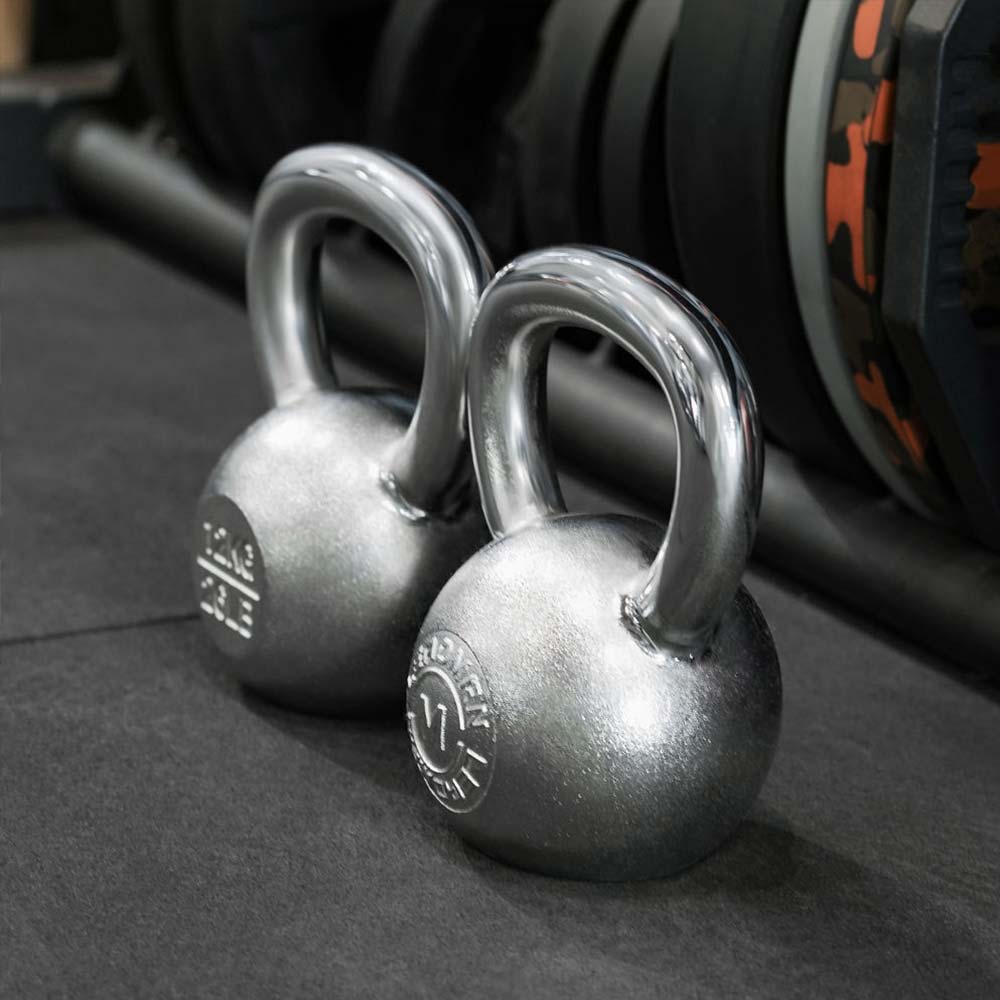
Selecting the right coating type directly impacts your long-term replacement cycles and overall SKU profitability. While standard cast iron relies on high-durability finishes, novelty items like the pink skull kettlebell often feature specialized layers that require a more nuanced assessment of total cost of ownership (TCO).
| Coating Type | Durability Level | Maintenance Frequency | Typical Replacement Cycle | Impact on SKU Margins |
|---|---|---|---|---|
| Industrial Powder Coating | High | Quarterly | 3–5 Years | Stable/Moderate |
| Silicone/Specialized Paint | Moderate | Monthly | 1–2 Years | High (Premium Pricing) |
| Standard Black Iron | Very High | Semi-Annually | 5+ Years | Low/Volume-Driven |
When calculating your procurement budget, consider that specialized finishes offer higher upfront margins but demand stricter oversight. Choosing a high-quality powder-coated finish provides the best balance for distributors, ensuring that the aesthetic integrity of the novelty design remains intact throughout its commercial lifecycle without excessive replacement costs.
Strategic Procurement and Quality Control
To secure long-term novelty kettlebell longevity, distributors must look beyond the initial unit price and focus on rigorous QC standards during wholesale procurement. High-end aesthetic gear is particularly susceptible to transit-related damage; therefore, demanding robust logistics and shipping protection—such as reinforced, custom-fit packaging—is essential to prevent micro-fractures in the specialized pigment before the product even reaches the gym floor. Implementing a strict inspection protocol for color consistency and coating adhesion helps mitigate the risk of high return rates. By prioritizing factory capability in specialized finishes and ensuring high-tier shipping protocols, buyers can effectively manage the total cost of ownership and maintain healthy profit margins on premium, high-concept inventory.
Structural Integrity and Surface Preservation Standards
When sourcing specialized inventory like a pink skull kettlebell, distributors must prioritize the balance between aesthetic appeal and mechanical durability. In a high-traffic commercial gym, the equipment undergoes constant impact and friction, making the internal density and external finish critical to the total cost of ownership.
The structural integrity of these novelty items depends on a high-quality cast iron or steel core that resists cracking under heavy use. Simultaneously, coating durability is the most significant variable in maintaining the visual value of the product. A premium powder coating or specialized paint application is essential to prevent chipping or discoloration, ensuring the distinctive skull relief remains sharp and the color stays vibrant throughout its lifecycle.
Evaluating Surface Finishes for Longevity
Procurement managers must decide between high-impact aesthetics and long-term wear resistance. While the visual novelty of a pink skull kettlebell drives boutique gym interest, the choice of surface finish dictates the frequency of replacement and the overall maintenance cycle of the inventory.
| Finish Type | Wear Resistance | Aesthetic Versatility | Maintenance Requirement |
|---|---|---|---|
| Powder Coating | High (Impact Resistant) | Matte or Gloss Options | Low (Wipe Down Only) |
| Silicone Coating | Moderate (Abrasion Sensitive) | Soft-Touch/High Grip | Medium (Avoid Harsh Chemicals) |
From a cost-benefit analysis perspective, powder coating offers superior protection for high-density training environments where equipment is frequently dropped or stored in metal racks. While silicone coatings provide a premium tactile experience for boutique studios, they require stricter aesthetic fitness equipment maintenance protocols to prevent surface degradation. For large-scale distributors, sourcing powder-coated options typically ensures better long-term ROI and reduces the risk of rapid inventory aging.
Proactive Inspection Protocols
To maximize novelty kettlebell longevity, facility managers should implement a standardized inspection checklist during every monthly inventory audit. This process moves beyond simple cleaning to identify subtle signs of surface degradation, such as micro-cracking in the paint or thinning of the grip texture, which often precede total coating failure.
Effective boutique gym inventory care involves checking for localized oxidation or uneven wear patterns on the skull relief. By establishing a rigorous maintenance cycle, procurement teams can predict replacement needs before equipment looks weathered, ensuring that the high-end aesthetic of the studio remains consistent and the inventory maintains its premium market value.
Establishing a Maintenance Framework
High-end boutique studios often prioritize visual appeal, but the unique aesthetic of a pink skull kettlebell requires more than standard upkeep. Unlike matte black iron, these novelty items feature specialized coatings that demand specific aesthetic fitness equipment maintenance protocols to prevent chipping or discoloration in high-traffic environments.
For facility managers and distributors, implementing a routine inspection schedule is vital for protecting the long-term value of the inventory. Monitoring surface integrity ensures that the distinctive sculptural details remain intact, preventing premature replacement costs and maintaining the premium brand image of the studio.
| Maintenance Approach | Initial Investment | Inspection Frequency | Long-term TCO |
|---|---|---|---|
| Reactive (Repair on Damage) | Low | Occasional | High (Frequent replacement) |
| Preventative (Scheduled) | Moderate | Monthly | Low (Extended lifecycle) |
| Automated (Strict Protocol) | Higher | Weekly | Lowest (Maximum durability) |
Optimizing Surface Preservation and Cleaning Selection
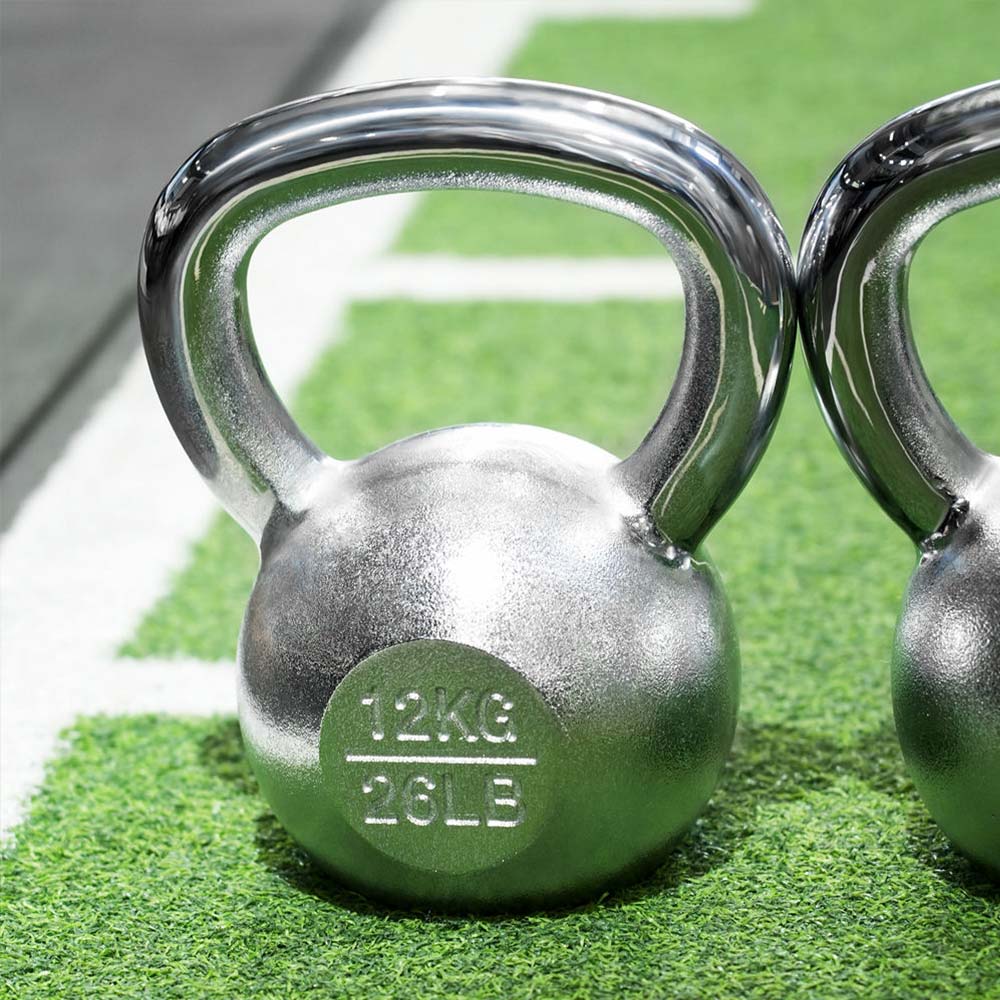
To ensure novelty kettlebell longevity, procurement officers must dictate specific cleaning standards to onsite staff. Using harsh chemical solvents or abrasive scrubbing pads can permanently degrade the specialized finish of the pink skull kettlebell, leading to premature oxidation or pigment loss. For boutique gym inventory care, the priority is using non-abrasive tools that preserve the sculptural detail without compromising the surface texture.
We recommend a protocol centered on pH-neutral solutions to maintain surface preservation. Below is a comparison of cleaning agents to help you determine the most cost-effective method for your facility's specific usage intensity:
| Agent Type | Effect on Finish | Recommended Use Case | Risk Level |
|---|---|---|---|
| pH-Neutral Soap | Highly Preservative | Daily light cleaning in boutique studios | Minimal |
| Isopropyl Alcohol | Moderate Risk | Sanitizing high-touch grip areas | Low/Medium |
| Industrial Degreasers | High Risk | Avoid for aesthetic novelty items | High |
By selecting the correct maintenance protocol, distributors and gym owners can significantly reduce the frequency of restocking orders and protect the visual ROI of their specialized equipment lines.
Strategic Procurement for Long-Term TCO
From a distributor perspective, understanding the inventory lifecycle of specialized items is critical for accurate forecasting. While standard iron kettlebells have predictable replacement cycles, novelty items like the pink skull kettlebell rely heavily on the quality of their maintenance-friendly coatings. High-quality, powder-coated finishes significantly lower the total cost of ownership by resisting the micro-abrasions common in high-traffic boutique settings.
Expert distributor advice suggests that prioritizing manufacturers who utilize multi-stage coating processes—rather than simple spray finishes—will yield a better return on investment. Investing slightly more upfront in high-spec finishes reduces the frequency of restocking and ensures the equipment retains its premium aesthetic through multiple turnover cycles.
Mitigating Wear on Novelty Kettlebell Longevity
Distributors and boutique studio owners often face a unique challenge: balancing high-concept aesthetics with the rigorous demands of high-traffic commercial settings. While a pink skull kettlebell serves as a powerful visual anchor for brand identity, its specialized surface coating is more susceptible to mechanical stress than standard matte iron finishes.
Maintaining the integrity of these pieces requires understanding how specific wear patterns develop. In high-intensity environments, the friction from repeated contact with rubber flooring or metal racks can compromise the decorative layer. Prioritizing aesthetic fitness equipment maintenance ensures that the specialized finish does not peel or discolor, preserving the premium look that justifies the higher price point of novelty inventory.
Evaluating Coating Durability for Long-Term ROI
When sourcing specialized inventory, the total cost of ownership depends heavily on the selected finish. For distributors, the trade-off between visual impact and long-term durability determines whether a product remains a premium asset or becomes a maintenance liability. The following comparison outlines the technical profiles of common coatings used for novelty designs.
| Coating Type | Impact Resistance | Color Retention | Maintenance Requirement | Procurement Profile |
|---|---|---|---|---|
| Powder Coating | High | Excellent | Low (Standard cleaning) | Best for high-volume gym use |
| Silicone/Rubber | Moderate | Good | Medium (Check for tears) | Ideal for boutique studio grip |
| Painted Finish | Low | Variable | High (Frequent touch-ups) | Lower initial MOQ/Cost |
For high-traffic facilities, we generally recommend powder-coated options. This method provides the most stable color retention for pink hues, preventing the fading often seen with thinner paint layers under heavy UV or friction exposure. Choosing the right specification during the initial order minimizes future replacement cycles and protects your profit margins.
Operational Protocols for Asset Preservation
To optimize the lifecycle of your inventory, implement strict cleaning protocols that avoid abrasive chemicals. Use a damp, lint-free microfiber cloth to remove sweat and chalk buildup, which prevents chemical reactions that lead to surface degradation. To mitigate the risk of oxidation or finish chipping, avoid storing these units in high-humidity zones without adequate ventilation.
Effective boutique gym inventory care also involves specific storage recommendations. Instead of stacking weights directly on top of one another, which can cause localized pressure points on the skull relief, use dedicated, padded kettlebell racks. Proper spacing and vertical storage are essential for novelty kettlebell longevity, ensuring the aesthetic remains intact for years of heavy-duty commercial use.
Storage Optimization and Facility Layout Constraints
Effective boutique gym inventory care begins with a strategic facility layout that treats aesthetic pieces as focal points rather than afterthoughts. Unlike standard iron weights, a pink skull kettlebell requires dedicated placement to prevent surface abrasions and maintain its visual appeal within a high-traffic environment.
When planning for floor space optimization, distributors and gym owners must account for the unique footprint of novelty equipment. Specialized racks or recessed shelving are often necessary to ensure these items remain visible yet protected from accidental collisions. Proper spatial management minimizes the risk of chipping the decorative finish, directly influencing the long-term ROI of your specialized inventory.
Storage Solution Comparison for Aesthetic Equipment
Selecting the correct storage configuration depends on your facility's footprint and how much you want to showcase the unique design elements. While standard floor storage is cost-effective, it often lacks the protection required for high-end novelty pieces. Use the following comparison to evaluate your procurement needs based on visibility and finish preservation.
| Storage Method | Footprint Impact | Design Visibility | Finish Protection |
|---|---|---|---|
| Vertical Racks | Minimal/Compact | High (Eye-level) | Moderate (Requires careful handling) |
| Horizontal Floor Rails | Medium/Linear | Low (Floor-bound) | High (Prevents impact) |
| Custom Shelving | High/Stationary | Maximum (Display-ready) | Superior (Controlled environment) |
For distributors focusing on boutique studio setups, vertical racks offer the best balance of space-saving and brand visibility. However, if your primary concern is minimizing long-term maintenance costs related to surface scuffs, custom shelving or recessed systems provide the most stable environment for preserving the integrity of the pink skull kettlebell aesthetic.
Beyond rack selection, physical isolation is the most critical factor in aesthetic fitness equipment maintenance. To ensure novelty kettlebell longevity, avoid storing these pieces in direct contact with heavy iron weights or cast iron plates. Metal-on-metal friction during movement can easily chip the specialized coating, degrading the premium look that justifies the higher price point for your clients.
Additionally, implement strict moisture control within your storage zones. High humidity in certain facility layouts can lead to oxidation or finish degradation if the pieces are left in damp corners. For high-volume distributors, ensuring a dry, climate-controlled storage environment is a vital step in protecting the long-term value of specialized inventory shipments.
Quality Control Benchmarks for High-Traffic Aesthetic Gear
Establishing rigorous inspection standards is vital for maintaining the premium look of boutique inventory. For distributors and facility managers, a routine visual inspection ensures that specialized items, such as the pink skull kettlebell, remain brand-standard and do not diminish the perceived value of the gym floor.
Evaluating Coating Integrity and Surface Wear
In high-traffic environments, the primary concern for aesthetic fitness equipment maintenance is the degradation of the decorative layer. Procurement teams should implement a weekly check focused on the coating integrity of each unit. Look for hairline fractures in the pink pigment or chipping around the skull relief points, as these often indicate impact fatigue or improper storage. Identifying these early prevents minor cosmetic issues from escalating into full replacement cycles, protecting your long-term ROI on specialty novelty gear.
Standardized Cleaning Protocols by Material Type
Effective boutique gym inventory care requires a differentiated approach to surface maintenance. Using the wrong chemical agent can lead to premature oxidation or pigment fading, particularly on high-contrast novelty items. Selecting the correct tool and frequency based on the specific surface type is essential for maximizing the lifespan of your specialized inventory.
Softmicrofiber cloth| Surface Material | Recommended Cleaning Agent | Ideal Frequency | Maintenance Focus |
|---|---|---|---|
| Powder Coated Steel | Mild soap and pH-neutral water | Weekly or bi-weekly | Preventing pigment oxidation |
| Silicone or Rubberized | Non-abrasive, silicone-free wipes | After every heavy use session | Removing sweat and oils |
| High-Gloss Finishes | Daily/As needed | Preventing micro-scratching |
For wholesale buyers and distributors, ensuring end-users follow these specific protocols is a key part of product support. Providing clear guidelines on cleaning prevents the common issue of surface dulling, ensuring the aesthetic appeal remains consistent throughout the equipment's commercial lifecycle.
Logistics and Storage Optimization
Beyond surface care, long-term novelty kettlebell longevity depends heavily on environmental stability and warehouse protocols. For distributors managing large-scale shipments, maintaining strict humidity control within storage facilities is non-negotiable to prevent moisture entrapment under the specialized pink coating. Furthermore, strictly enforced stacking protocols must be implemented during transit and on-site storage; uneven weight distribution or improper nesting can cause micro-fractures in the skull relief details. For high-volume distributor inventory management, ensuring that these aesthetic pieces are stored in climate-controlled zones rather than open-air loading docks significantly reduces the risk of premature surface oxidation and ensures the product arrives in showroom-ready condition.
Optimizing Investment Through Aesthetic Durability
Procuring a pink skull kettlebell requires a strategic balance between visual appeal and long-term utility. While novelty items drive boutique gym inventory care and social media engagement, buyers must account for the Total Cost of Ownership (TCO). High-traffic durability is the primary differentiator between a temporary trend and a long-term asset.
From a procurement standpoint, the trade-off involves choosing between standard powder coatings and high-grade aesthetic finishes. While specialty designs may carry a higher initial MOQ or unit cost, the long-term ROI is realized through effective aesthetic fitness equipment maintenance, preventing premature turnover of your boutique gym inventory.
| Procurement Focus | Standard Commercial Weight | Specialty Aesthetic Set |
|---|---|---|
| Primary Value | Functional Longevity | Brand Differentiation |
| Maintenance Level | Low/Routine | Moderate/Detailed |
| TCO Impact | Predictable Depreciation | Higher Initial/Managed Care |
Selecting the right sourcing model for specialized equipment like a pink skull kettlebell directly impacts your ability to manage both shipping costs and product consistency. Depending on whether you prioritize bulk savings or localized support, the logistical complexity and oversight requirements will shift significantly.
Sourcing Channel Comparison for Boutique Equipment
The following table outlines the operational differences between direct factory sourcing and utilizing a regional distributor for high-concept fitness inventory.
| Metric | Direct Factory Sourcing | Local/Regional Distributor |
|---|---|---|
| Typical MOQ | High (Full Container/Pallet) | Low (Per Unit/Small Batch) |
| Quality Control | Direct oversight/Third-party inspection | Relies on distributor's vetting |
| Lead Time | Extended (Production + Sea Freight) | Short (In-stock/Domestic Transit) |
| Logistics Complexity | High (Customs, Duties, Port Handling) | Low (Standard Domestic Delivery) |
| Cost Efficiency | Highest for large-scale scaling | Higher unit cost, lower risk |
For many boutique gym owners, the novelty kettlebell longevity depends on these initial decisions. While direct sourcing offers the best margin for large-scale facility rollouts, distributors provide the agility needed for smaller, rapid inventory updates without the burden of international shipping logistics.
Vetting Suppliers for Coating Integrity
A critical procurement decision involves verifying the factory capability regarding specialized finishes. When sourcing a pink skull kettlebell, generic manufacturing processes may result in thin, brittle coatings that chip under standard use. To ensure novelty kettlebell longevity, buyers should prioritize manufacturers that utilize multi-stage electrostatic powder coating or advanced heat-curing techniques.
Effective supplier vetting should include requests for coating adhesion test reports or cross-cut specifications. High-quality specialized weight sets must demonstrate high scratch resistance to maintain their aesthetic value in high-traffic environments. Prioritize partners who can demonstrate rigorous quality control during the painting and curing stages, as this prevents the premature degradation of the visual identity that justifies the premium price point of your boutique gym inventory.