Optimizing Inventory for Weight Plates and Barbell Sets
Strategic Procurement: Establishing Selection Criteria for Strength Sets
For a high-traffic commercial gym chain, the decision to replenish stock is rarely about finding the lowest quote; it is about mitigating long-term operational friction. While a boutique studio might prioritize aesthetic uniformity, large-scale facilities must account for the punishing reality of high-frequency usage scenarios. In these environments, a weight plates and barbell set is not a consumable commodity, but a critical piece of fixed capital that dictates the facility's maintenance schedule and user experience.
Successful commercial gym equipment wholesale procurement requires a shift in perspective from unit price to Total Cost of Ownership (TCO). When evaluating a supplier, the focus must move beyond the initial invoice to the lifecycle value of the hardware. Low-cost options often suffer from rapid coating degradation, bent bar sleeves, or inconsistent plate thickness, leading to premature replacement cycles. By prioritizing durability over initial cost, distributors and gym owners protect their margins, ensuring that their strength training inventory remains a reliable asset rather than a recurring replacement expense.
To achieve a high ROI, procurement professionals must move beyond superficial inspections and adopt a technical framework for evaluating material integrity. The discrepancy between budget-tier and premium-tier inventory often lies in the precision of manufacturing tolerances and the chemical stability of surface coatings. For instance, while cast iron remains a staple for high-volume strength training, the choice between a powder-coated finish and a high-grade urethane encapsulation significantly impacts the replacement cycle and long-term maintenance requirements.
Material Grade and Durability Comparison
Distributors should utilize the following benchmarks to differentiate between inventory tiers, ensuring that the weight plates and barbell set specifications align with the intended facility environment.
| Feature/Material | Cast Iron (Standard) | Urethane/Rubber (Premium) |
|---|---|---|
| Primary Composition | Cast iron with powder coating | High-density urethane or vulcanized rubber |
| Durability & Impact | Moderate; prone to chipping over time | High; superior shock absorption and longevity |
| Weight Tolerance | ± 2% to 3% deviation common | Strict < ± 1% deviation for precision |
| Ideal Use Case | Budget-conscious or home-gym retail | High-traffic commercial strength zones |
When negotiating with a fitness distributor supply chain partner, demand clarity on tolerance levels and coating thickness. A slight increase in unit cost for urethane-encapsulated plates often yields a much lower TCO by reducing floor damage and extending the functional lifespan of the equipment.
Logistics Efficiency and Scalable Procurement
Maximizing ROI extends far beyond the unit cost of a weight plates and barbell set; it requires a sophisticated approach to the fitness distributor supply chain. One of the most significant hidden costs in heavy strength equipment is the ratio of product weight to shipping volume. To optimize margins, procurement managers must focus on shipping density and the strategic management of container utilization. Relying on small, frequent orders often results in disproportionately high freight costs and inefficient use of container space, which can erode the benefits of wholesale pricing.
Effective strength training inventory management relies on balancing MOQ optimization with predictable replenishment cycles. Instead of reactive ordering, distributors should align their purchase volumes with full container load (FCL) benchmarks. By coordinating the procurement of both barbell sets and various plate diameters in a single shipment, you can maximize freight cost mitigation through better spatial stacking. This proactive approach ensures that you are not just buying quality hardware, but also optimizing the logistical footprint required to move high-density, high-weight inventory across global trade routes.
Technical Specifications and Material Integrity in Bulk Sourcing
For distributors and gym operators, the true cost of a weight plates and barbell set is rarely found in the initial purchase order. Instead, the long-term TCO (Total Cost of Ownership) is dictated by how well the equipment withstands high-frequency commercial use. When sourcing through commercial gym equipment wholesale channels, neglecting the metallurgical standards of the steel or the chemical composition of the coatings can lead to premature oxidation, surface chipping, and structural fatigue.
High-quality durability in strength training gear relies on two critical factors: structural stability and coating resistance. A barbell must maintain its whip and straightness under heavy loads, while weight plates require high-density casting to prevent cracking or uneven weight distribution. By prioritizing rigorous quality control regarding material density and protective finishes, buyers can extend replacement cycles and minimize the logistical headaches of frequent inventory replenishment.
Effective SKU rationalization requires a clear understanding of the technical distinctions between material types. For instance, distributors must differentiate between iron plates and bumper plates based on the intended facility environment. Iron plates, typically cast iron with a powder-coated or painted finish, offer excellent density and a compact profile, making them ideal for standard strength training. However, they lack the impact absorption of high-density rubber bumper plates. Bumper plates are essential for high-impact disciplines, as their specialized rubber composition protects both the floor and the barbell's structural integrity during heavy drops.
When evaluating the barbell component of a weight plates and barbell set, focus on the steel grade and manufacturing tolerances. Premium commercial bars often utilize high-tensile steel with specific tensile strength ratings to ensure consistent whip and durability. Furthermore, look for advanced corrosion resistance, such as high-grade chrome or stainless steel finishes, to prevent rust in humid gym environments. Rigorous quality control (QC) should verify that manufacturing tolerances—specifically regarding shaft straightness and sleeve rotation—meet international commercial standards to ensure long-term reliability for the end-user.
Beyond material composition, the logistical success of your fitness distributor supply chain depends on the precision of technical specifications. In bulk sourcing, even minor deviations in weight tolerance can disrupt strength training inventory management. If a shipment of 20kg plates arrives with a significant variance, it creates a cascade of issues: inconsistent client experiences, inaccurate shipping density calculations, and potential disputes over order fulfillment. For distributors, ensuring that every unit adheres to a strict +/- 1% or 2% tolerance is not just a quality concern—it is a financial one.
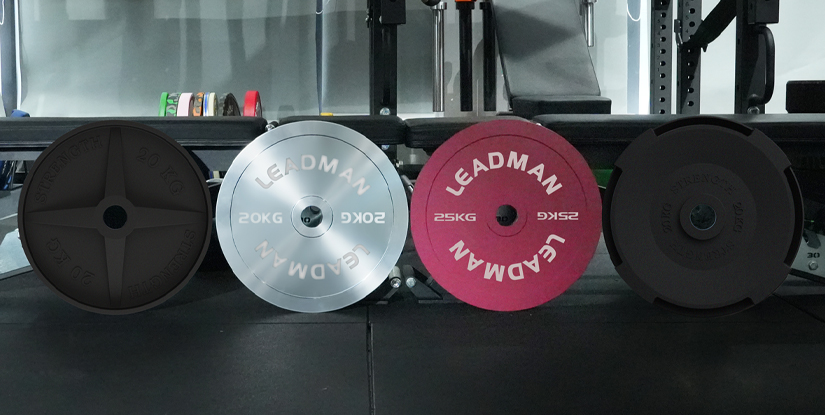
Managing the physical footprint of heavy iron and rubber also requires strategic planning regarding shipping density. Because weight plates and barbells are high-density, low-volume goods, the weight-to-volume ratio is extreme. This necessitates strict inspection protocols during the pre-loading phase to ensure that container weight limits are not exceeded by unexpected volumetric variances. When negotiating MOQ (Minimum Order Quantity) with manufacturers, buyers should demand transparency regarding the final packed weight versus the theoretical weight. This level of technical oversight prevents unexpected surcharges and ensures that your warehouse capacity is optimized for the actual physical load of the incoming stock.
Optimizing Warehouse Footprint for High-Density Plate Storage
Managing the logistics of a weight plates and barbell set inventory requires more than just floor space; it requires a strategic approach to weight distribution and verticality. For distributors specializing in commercial gym equipment wholesale, the transition from receiving bulk shipments to organized dispatching often creates a bottleneck. High-volume arrivals can quickly overwhelm standard shelving, leading to disorganized stock and increased labor costs during fulfillment.
The primary challenge lies in the extreme density of these products. Unlike lighter cardio machines, iron and rubber-coated plates exert massive downward pressure. Before implementing a new layout, procurement managers must verify the floor load capacity of their facility to prevent structural issues. Moving toward high-density racking or specialized vertical storage solutions is often the most efficient way to scale a fitness distributor supply chain without expanding the physical footprint.
| Storage Method | Space Efficiency | Structural Requirement | Best Use Case |
|---|---|---|---|
| Standard Pallet Racking | Moderate | Standard Industrial Floor | Bulk shipping/receiving |
| Vertical Plate Trees | High | Reinforced Concrete | Quick-access SKU picking |
| Heavy-Duty Tiered Racks | Very High | High Load-Bearing Surface | Long-term inventory display |
When deciding between palletized vs. unitized storage, distributors must weigh the speed of replenishment against the precision of order fulfillment. Horizontal storage via palletized stacks is highly efficient for inbound shipments and long-term storage of bulk weight plates and barbell set components. However, this method often consumes excessive floor area and can lead to uneven weight distribution if stacks are not perfectly leveled. This is critical for maintaining long-term strength training inventory management standards, as uneven pressure can slightly deform certain bumper plate edges over time.
In contrast, vertical storage—utilizing specialized racks or weight trees—offers superior footprint optimization for high-turnover SKUs. This method allows for faster picking and better visibility of varying plate denominations. For the barbells themselves, vertical storage is often preferred to ensure proper barbell sleeve protection; keeping them upright or in dedicated vertical cradles prevents the structural bowing that can occur if heavy sets are stored horizontally under excessive weight. Choosing the right configuration depends on whether your facility serves as a long-term storage hub or a high-velocity distribution center.
Beyond static storage, the fluid movement of heavy stock dictates the overall efficiency of your fitness distributor supply chain. A common failure in warehouse design is neglecting the clearance required for rapid replenishment cycles. If your aisles are too narrow or cluttered with low-turnover items, the time required to restock high-demand weight plates and barbell set components increases exponentially, driving up labor costs and slowing down outbound shipping.
To maintain high throughput, procurement and logistics managers must prioritize forklift accessibility and unobstructed transit lanes. This is especially critical during peak replenishment windows when heavy pallets of bumper plates arrive. Effective SKU rationalization—the process of grouping high-velocity items closer to dispatch zones—can significantly reduce travel time for heavy machinery. Furthermore, ensuring loading dock efficiency by maintaining a clear "buffer zone" between the receiving area and the main storage racks prevents bottlenecks. A well-planned layout ensures that heavy weight plates can be moved from the inbound dock to their designated high-density racks without disrupting the daily outflow of orders.
Managing SKU Rationalization Across Barbell and Plate Variations
For many distributors, the temptation to offer an exhaustive range of weight plate denominations and specialized barbell types can lead to a significant financial trap. While a diverse catalog may appear attractive to end-users, SKU proliferation often results in a fragmented inventory that stifles liquidity. When you carry too many niche variations—such as highly specific fractional plates or multiple specialized bar coatings—you face a direct increase in storage overhead and administrative complexity.
This excessive diversification leads to substantial capital tie-up, where liquid assets are frozen in slow-moving stock rather than being reinvested in high-demand items. A streamlined approach to your weight plates and barbell set inventory ensures a healthier inventory turnover ratio. By prioritizing high-velocity standard sizes and high-quality core sets, distributors can optimize their warehouse footprint and reduce the risk of dead stock, ensuring that capital remains fluid and responsive to market shifts.
To maintain a competitive edge in commercial gym equipment wholesale, distributors must implement a rigorous cost-benefit analysis when selecting product depths. The goal is to identify high-velocity SKUs—such as standard 45 lb (20 kg) bumper plates and versatile 20 kg Olympic barbells—which drive the majority of your volume. These items justify higher stock levels because their rapid turnover minimizes the cost of capital stagnation.
Conversely, low-velocity SKUs, like specialized fractional plates or high-end competition bars, should be managed with extreme caution. While these items add prestige to your catalog, they often demand higher MOQ optimization to remain cost-effective during shipping and procurement. Instead of overstocking these niche variations, consider a "just-in-time" replenishment strategy or sourcing them in larger, infrequent batches to balance the cost of storage against the risk of obsolescence. A successful fitness distributor supply chain prioritizes the density of high-demand items, ensuring that warehouse space is occupied by products that move as fast as the market demands.
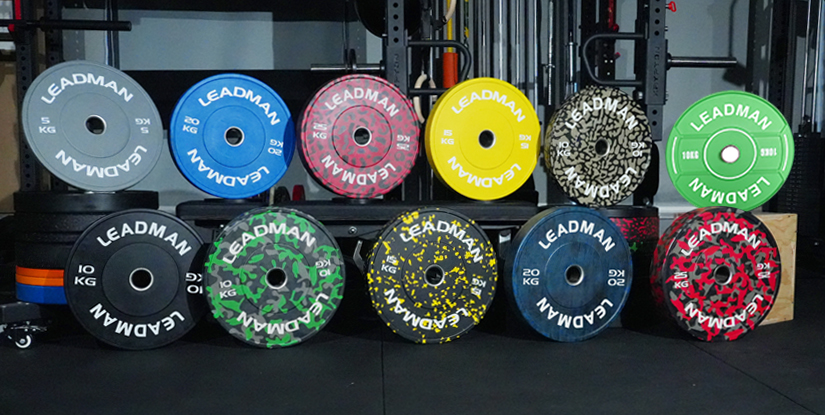
Deciding between a broad catalog and a specialized core selection is a fundamental financial decision. A wide variety of SKUs may capture more market segments, but it inevitably drives up the Total Cost of Ownership (TCO) through increased labor and logistics overhead. To visualize these trade-offs, consider the following comparison of common procurement models used in the strength training industry.
Inventory Strategy Comparison
| Metric | Broad Variety (Niche Focus) | High-Volume Core (Standardized) |
|---|---|---|
| Logistics Complexity | High (Multiple handling requirements) | Low (Standardized packaging/stacking) |
| Procurement Frequency | Frequent (Smaller, varied orders) | Periodic (Large, consolidated shipments) |
| Storage Density | Lower (Fragmented footprint) | Higher (Optimized palletization) |
| Total Cost of Ownership | Higher (Increased administrative/holding costs) | Lower (Economies of scale/faster turnover) |
For most distributors, the High-Volume Core model offers a more predictable strength training inventory management cycle. By focusing on standardized dimensions and high-demand weights, you can leverage larger shipment volumes to reduce per-unit freight costs and simplify quality control inspections at the factory level.
Logistics and Compliance in International Strength Equipment Distribution
Managing the international transit of a weight plates and barbell set involves navigating a unique set of physical constraints that light-duty fitness goods rarely encounter. Unlike cardio machines that often deal with volumetric constraints, strength training inventory is defined by extreme mass density. For distributors, the primary challenge lies in the tension between actual weight and shipping density. Because iron and rubberized plates are incredibly heavy but occupy relatively little space, shipments often hit maximum weight capacities long before the container is physically full.
Effective freight cost management requires a sophisticated approach to container load optimization. Relying on standard pallet configurations can lead to inefficient "dead space" or, conversely, exceeding legal road weight limits during inland transit. To protect margins, procurement specialists must coordinate closely with factory logistics teams to balance the ratio of high-density plates against the more voluminous barbell sleeves and packaging. Mastering this calculation ensures that every cubic meter of sea freight is utilized without compromising the structural integrity of the shipment or incurring unexpected surcharges due to weight discrepancies.
Beyond the physical shipment, maintaining a competitive edge in the commercial gym equipment wholesale market requires a disciplined approach to strength training inventory management. Distributors often struggle with the volatility of demand for specific denominations, leading to either capital-intensive overstock or lost sales due to stockouts. To mitigate these risks, implement a rigorous SKU rationalization process that categorizes your inventory based on velocity and utility. For example, standard 45 lb (20 kg) plates and Olympic barbells are high-turnover items that demand a much tighter replenishment cycles framework than niche, specialized equipment.
A strategic procurement model should prioritize the automation of reorder points for these core sets. Rather than relying on manual counts, successful distributors use historical turnover data to trigger procurement requests well in advance of depletion. By synchronizing your replenishment cycles with factory lead times and seasonal spikes in gym build-outs, you ensure that your most essential weight plates and barbell set configurations remain available. This proactive stance prevents the high cost of emergency air freight and ensures your supply chain remains both lean and responsive to market shifts.
When a sudden surge in demand or a supply chain disruption threatens your stock levels, the decision between sea freight and air freight becomes a critical calculation of Total Cost of Ownership (TCO). For a professional fitness distributor supply chain, the choice is rarely about speed alone; it is about the economic impact of the weight-to-volume ratio on your bottom line.
The following logistics decision matrix serves as a benchmark for determining the most cost-effective transit method for your weight plates and barbell set inventory based on urgency and product density.
| Metric | Sea Freight (Standard/LCL) | Air Freight (Express/Cargo) |
|---|---|---|
| Primary Driver | Cost Efficiency & Bulk Volume | Urgency & Speed to Market |
| Typical Lead Time | 30–50+ Days | 5–10 Days |
| Shipping Cost Profile | Low (Ideal for high-mass density) | High (Prohibitive for heavy iron) |
| Optimized for heavy, compact items | Expensive for high-density goods | |
| Best Use Case | Routine replenishment of core SKUs | Emergency restock of lightweight accessories |
From a procurement standpoint, air freighting high-density items like iron plates is rarely a viable long-term strategy due to the extreme weight-to-volume penalties. Most distributors reserve air freight exclusively for lightweight, high-value components—such as specialized barbell collars or premium barbell sets—to bridge short-term gaps in their strength training inventory management during peak seasons.
Quality Control Protocols for Large-Scale Strength Inventory
In the high-volume environment of a commercial fitness facility, the margin for error regarding equipment longevity is razor-thin. For distributors and gym operators, the true cost of a weight plates and barbell set is not found in the initial purchase price, but in the long-term maintenance and replacement cycles. When inventory is subjected to high-frequency usage, even minor structural weaknesses can escalate into significant liabilities.
Reliable commercial gym equipment wholesale sourcing must prioritize rigorous testing for both impact resistance and material fatigue. A barbell that fails under heavy load or a plate that cracks due to poor casting integrity does more than just disrupt a workout; it compromises the structural integrity of the entire training station. To mitigate the risk of client dissatisfaction and high replacement costs, procurement professionals should demand documentation regarding the durability of core components. Ensuring that every unit can withstand the relentless kinetic stress of professional strength training is essential for maintaining a stable, low-maintenance inventory.
To ensure long-term reliability, distributors must move beyond visual inspections and implement a technical audit focused on precision engineering. During factory inspections or pre-shipment audits, your quality control protocols should verify specific mechanical tolerances that dictate the lifespan of the equipment. A failure to validate these metrics often results in premature wear, increasing the frequency of replenishment cycles and complicating strength training inventory management.
When evaluating a weight plates and barbell set shipment, focus on these four critical technical benchmarks:
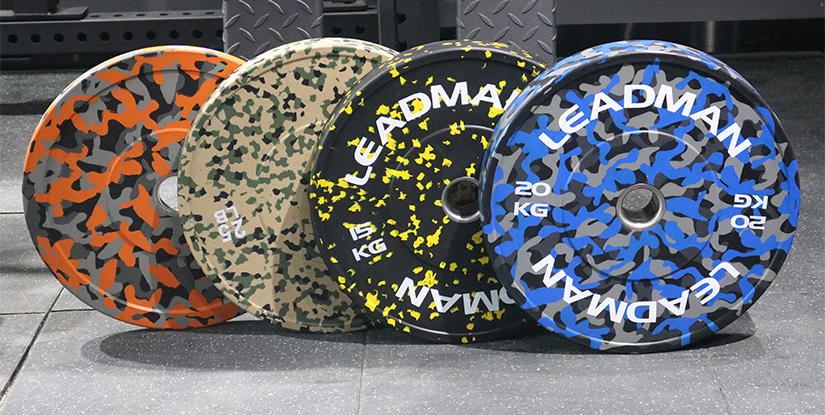
- Tolerance Levels: Verify that weight plate deviations remain within strict percentage margins (typically <1% for competition grade) to ensure uniform loading across all racks.
- Coating Thickness: Inspect the micron level of rubberized or polyurethane coatings to prevent oxidation and peeling under high-impact use.
- Barbell Sleeve Rotation: Test the sleeve bearing or bushing mechanism to ensure smooth, frictionless rotation, which prevents uneven torque on the bar.
- Material Uniformity: Assess the density and surface consistency of cast iron or urethane plates to prevent structural cracking during heavy drops.
By standardizing these inspection points, buyers can secure high-performance assets that justify their premium placement in a commercial facility.
The distinction between high-tier and budget-tier inventory often becomes visible only after several months of intense operation. For a fitness distributor supply chain, distinguishing between these tiers during the procurement phase is vital to prevent costly after-sales service issues. Below is a technical breakdown to help your team differentiate between standard-grade and professional-grade components during quality audits.
Durability Assessment Matrix
| Component | Common Failure Mode | Inspection Metric |
|---|---|---|
| Barbell Sleeve | Excessive barbell sleeve friction | Rotation smoothness and bearing/bushing tolerance |
| Weight Plate Edge | Plate edge chipping or cracking | Impact resistance and casting density uniformity |
| Surface Coating | Coating durability (peeling/oxidation) | Micron thickness and adhesion strength under stress |
| Knurling Pattern | Pattern flattening or erosion | Depth consistency and metal hardness (Rockwell scale) |
Utilizing this matrix allows procurement officers to move from subjective "feel" to objective technical validation. Identifying these failure points early ensures that the weight plates and barbell set you stock can withstand the high-impact demands of a commercial environment without frequent replacement.
Anticipating Replenishment Cycles for High-Turnover Strength SKUs
In the high-stakes environment of commercial gym equipment wholesale, the financial equilibrium rests on the precision of your inventory. For distributors, the management of a weight plates and barbell set catalog involves a delicate balancing act between liquidity and availability. Maintaining excessive stock levels of heavy iron or bumper plates ties up significant capital, increasing your cost of capital and consuming valuable warehouse footprint that could be utilized for higher-margin machinery.
However, the cost of being under-stocked is often more damaging to long-term profitability. Severe stockout risks do more than just halt immediate sales; they disrupt the procurement cycles of your B2B clients, potentially driving them toward competitors with more reliable supply chains. Effective demand forecasting must account for the inherent volatility in the fitness industry, where sudden shifts in strength training trends can rapidly deplete specific weight increments. By aligning your replenishment cycles with both historical turnover rates and projected market shifts, you can mitigate the dual threats of stagnant inventory and lost revenue opportunities.
To refine your strength training inventory management, you must implement a rigorous SKU rationalization process. Relying on a single replenishment schedule for all items is a common mistake that leads to inflated storage costs and inefficient cash flow. Instead, categorize your inventory based on the inventory turnover ratio to distinguish between high-velocity staples and specialized, low-frequency equipment. This strategic approach ensures that your fitness distributor supply chain remains lean and responsive to real-time demand.
The following framework illustrates how to segment your stock to optimize warehouse utility and capital deployment:
| Category | Typical Item Profile | Replenishment Strategy |
|---|---|---|
| High-Turnover | Standard 20kg/45lb bumper plates, basic barbell sets | Maintain safety stock; automate reorder points based on high velocity. |
| Low-Turnover | Specialized fractional plates, high-end Olympic bar sets | Order on demand or maintain minimal stock to prevent capital stagnation. |
By differentiating these tiers, you ensure that capital is not trapped in slow-moving specialty items while simultaneously guaranteeing that your most profitable, high-demand weight plates and barbell set configurations are always ready for immediate shipment.
Optimizing Logistics and Landed Cost Through Bulk Procurement
When scaling your inventory, the most significant lever for controlling the total landed cost is the strategic optimization of shipping volume. Because weight plates and barbell sets are high-density, heavy-weight products, the cost-per-unit is heavily dictated by how effectively you utilize container space. Relying on smaller, frequent shipments often leads to inflated freight expenses and higher administrative overhead, which can erode your margins during bulk procurement cycles.
To maximize efficiency, distributors should prioritize container optimization by calculating the volumetric weight against the actual weight of the iron or rubber components. A well-planned load plan ensures that you are not paying for "shipping air," especially when combining various plate diameters and barbell lengths. Furthermore, a disciplined lead time buffer is non-negotiable. Given the complexities of international sea freight and port congestion, failing to account for extended transit times can result in critical stockouts of high-demand SKUs.
We recommend establishing a Minimum Order Quantity (MOQ) that aligns with full or high-percentage container loads. While this requires more upfront capital, the economies of scale achieved through sea freight and consolidated shipping significantly lower the unit cost. By synchronizing your replenishment orders with these logistical realities, you transform your supply chain from a reactive cost center into a proactive tool for competitive pricing and market dominance.