Optimizing Inventory Turns for Weight Plates and Bars
Critical Procurement Benchmarks for High-Volume Strength Training Assets
Weight plates and bars constitute the foundational inventory for any high-performance strength facility. B2B buyers prioritize these assets because they represent high-durability, high-utility components that undergo constant mechanical stress, requiring strict adherence to material density and dimensional precision to ensure long-term operational stability.
For distributors, the true metric of success lies in maximizing return on investment (ROI) through intelligent capital allocation. A common pitfall in fitness equipment wholesale is over-extending the product catalog with excessive SKU density. While offering a wide variety of specialized increments may seem beneficial, it often leads to significant capital tie-up in slow-moving stock. When capital is locked in niche weight increments that lack consistent demand, the inventory turnover velocity drops, directly impacting your liquidity.
A sophisticated procurement strategy focuses on balancing high-demand staples—such as standard 45lb/20kg plates and Olympic bars—with a lean selection of specialized items. By optimizing your stock levels toward high-velocity assets, you ensure that your working capital remains fluid, allowing for faster replenishment cycles and a more agile response to market shifts.
To achieve sustainable margins, distributors must shift focus from initial unit price to the Total Cost of Ownership (TCO). Evaluating the cost-benefit of different product tiers is essential for effective strength training inventory management. For instance, while standard iron plates offer a lower entry price and lower shipping costs per unit, their durability profile and replacement cycles differ significantly from premium urethane-coated options. In high-traffic commercial environments, the higher upfront cost of urethane is often offset by reduced maintenance and a longer service life, preventing the frequent replacement cycles that erode profit margins over time.
Strategic procurement also relies on leveraging bulk procurement advantages. By consolidating orders for high-demand weight plates and bars, distributors can optimize container utilization and reduce the per-unit impact of international freight. However, these economies of scale must be balanced with rigorous quality control (QC). Inconsistent manufacturing standards in high-volume orders can lead to dimensional inaccuracies or uneven weight distribution, which increases the risk of returns and damages long-term brand reputation. A disciplined approach—prioritizing high-quality manufacturing capability over the lowest possible MOQ—ensures that your inventory remains a high-performing asset rather than a liability.
Determining the optimal mix of stock requires a granular understanding of how different product tiers perform across various facility models. To assist in your procurement planning, the following comparison highlights the trade-offs between high-velocity staples and high-margin specialized assets.
| Product Category | Turnover Speed | Target Facility Type | Procurement Frequency |
|---|---|---|---|
| Standard Iron Plates & Bars | High (Consistent Demand) | Budget Gyms, Garage Gyms, General Commercial | High (Frequent Replenishment) |
| Premium Bumper/Urethane Sets | Moderate (Niche Demand) | CrossFit Boxes, Performance Centers, High-End Clubs | Medium (Strategic Restocking) |
When selecting your inventory composition, consider the liquidity profile of each tier. Standard iron weight plates and bars serve as your volume drivers; they move quickly and maintain high demand in entry-level markets, making them ideal for maintaining consistent cash flow. Conversely, premium urethane or high-grade bumper sets often command higher margins and cater to specialized training environments. While these items may have a slower turnover rate, their extended lifespan and durability profile make them indispensable for premium clients who prioritize long-term asset stability over initial unit cost.
Technical Specifications and Material Integrity in Wholesale Sourcing
For distributors, the true cost of a shipment is rarely defined by the initial invoice price, but by the frequency of replacement cycles. When sourcing weight plates and bars for high-traffic commercial environments, material composition becomes the primary driver of long-term reliability. Low-grade steel or substandard rubber coatings often fail under the mechanical stress of daily heavy lifting, leading to premature oxidation, cracking, or dimensional inaccuracies that disrupt a gym's operational flow.
To optimize the Total Cost of Ownership (TCO), procurement specialists must prioritize commercial-grade standards regarding wear resistance. High-density urethane coatings offer superior protection against impact and environmental degradation compared to basic rubber, while high-tensile steel alloys ensure that barbell whip remains consistent over years of use. Investing in premium material specifications reduces the burden of frequent restocking and minimizes the logistical headaches associated with warranty claims and defective inventory replacement.
Selecting the wrong combination of coating and core material can lead to rapid stock obsolescence. For instance, a distributor providing low-grade black oxide bars to a humid coastal gym environment will likely face high return rates due to surface oxidation. Similarly, standard rubber-encased plates may suffer from delamination or cracking if the internal density is insufficient for high-impact drops. To mitigate these risks, we recommend a rigorous technical assessment of the surface finish and material core before finalizing bulk orders.
The following framework assists in evaluating the durability and maintenance requirements of various weight plates and bars configurations:
| Material/Coating Type | Primary Application | Maintenance Profile | Lifespan Expectation |
|---|---|---|---|
| Chrome Plating (Bars) | Premium Commercial Gyms | Low; highly resistant to rust | High/Long-term |
| Black Oxide (Bars) | Standard/Budget Strength Rooms | Moderate; requires oiling | Medium |
| Zinc Coating (Bars/Plates) | General Commercial Use | Low; good corrosion barrier | Medium-High |
| Cast Iron (Plates) | Traditional Strength Training | Minimal; prone to chipping | Very High |
| Rubber/Bumper (Plates) | High-Impact/Olympic Lifting | Low; protects flooring | High |
| Urethane (Plates) | Premium/High-Traffic Facilities | Negligible; extreme durability | Maximum |
When negotiating with factories, ensure that quality control protocols specifically address the thickness of the plating and the shore hardness of the coatings. This level of technical scrutiny ensures that your inventory remains a high-value asset rather than a liability caused by environmental wear.
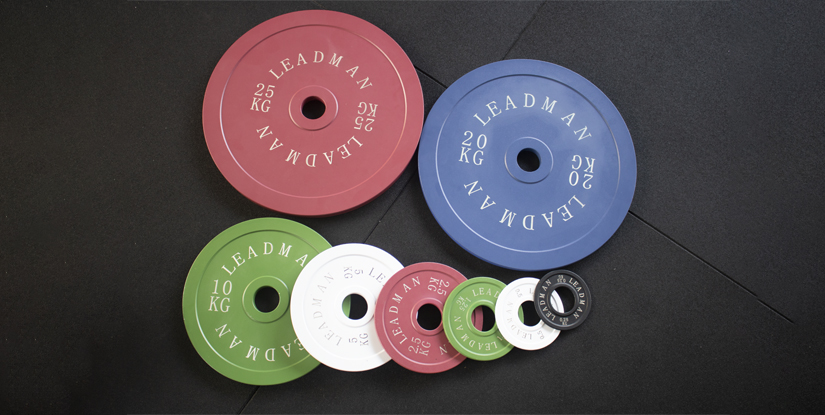
Beyond material selection, the stability of your supply chain relies heavily on the precision of the manufacturing process. Inconsistent production leads to the most common distributor headache: dimensional variance. For example, if weight plate diameters deviate from standard tolerances, they may not seat correctly on bars, or worse, create an unbalanced load that compromises the athlete's safety and the equipment's structural integrity. Such defects are not merely aesthetic; they are functional failures that trigger expensive returns and damage your reputation in the fitness equipment wholesale market.
Rigorous Inspection Protocols and Manufacturing Consistency
To ensure incoming shipments meet strict technical specifications, buyers must demand transparency regarding factory capability. A reliable manufacturer should implement multi-stage inspection protocols that go beyond surface-level checks. This includes verifying tolerance levels for both the shaft diameter of bars and the center hole dimensions of plates to ensure perfect compatibility.
A robust quality management system should include:
- Dimensional Verification: Using precision calipers to ensure weight plates and bars adhere to strict millimeter-level tolerances.
- Structural Integrity Testing: Stress-testing bar knurling and sleeve rotation mechanisms to prevent mechanical failure under heavy loads.
- Weight Calibration: Regular batch testing to ensure mass deviation remains within the acceptable percentage for commercial standards.
- Surface Uniformity Audits: Checking for uneven plating or coating thickness that could lead to localized corrosion or peeling.
By prioritizing manufacturers who demonstrate high manufacturing consistency through these technical benchmarks, distributors can effectively minimize defective returns. This proactive approach to quality control secures the strength training inventory lifecycle, ensuring that every unit shipped to a client performs exactly as specified, regardless of the volume or frequency of the order.
Optimizing SKU Rationalization for Diverse Gym Environments
The physical footprint of a facility is often its most expensive asset. For distributors and gym owners, managing the storage of weight plates and bars requires a nuanced understanding of the specific venue type. A boutique fitness studio, where every square foot is optimized for aesthetics and specialized movement, faces vastly different spatial constraints than a large-scale commercial gym or a heavy-duty strength facility. While the former prioritizes streamlined, high-end aesthetics with minimal clutter, the latter must manage high-volume turnover and massive inventory depth.
Without a strategic approach to space optimization, SKU proliferation can quickly lead to disorganized training floors and inefficient footprint management. Over-ordering varied increments or neglecting high-density storage solutions can result in "dead stock" that occupies valuable floor space without generating consistent revenue. Effective procurement involves balancing the breadth of available weight increments against the physical reality of the facility's storage capacity.
| Facility Profile | Primary Storage Priority | Typical SKU Strategy | Footprint Impact |
|---|---|---|---|
| Boutique Studio | Aesthetic Integration | Limited, high-quality sets | Minimal/Compact |
| Commercial Gym | Volume & Accessibility | Full range of standard increments | Moderate/High |
| Performance Center | Durability & Depth | Heavy-duty, specialized plates | Maximum/Industrial |
To maintain a lean and profitable strength training inventory, distributors must implement a rigorous SKU rationalization process based on the utility-to-volume ratio. This means distinguishing between standard vs. specialty plates to ensure high-demand increments do not crowd out niche items. For example, while 45lb (20kg) and 25lb (10kg) plates are essential high-turnover staples, carrying an excessive variety of micro-loading increments or highly specialized bumper plates may yield a poor return on the physical space they occupy.
A smart bulk procurement strategy prioritizes high-density storage compatibility. When sourcing from a factory, evaluate how different plate thicknesses affect your vertical stacking capabilities and rack density. If your distribution model relies on rapid replenishment, focus on stocking standard increments that fit high-capacity weight trees. By analyzing which weight increments drive the most frequent orders, you can reduce the volume of stagnant stock and optimize your warehouse footprint, ensuring that every cubic meter of storage is occupied by high-velocity, high-margin assets.
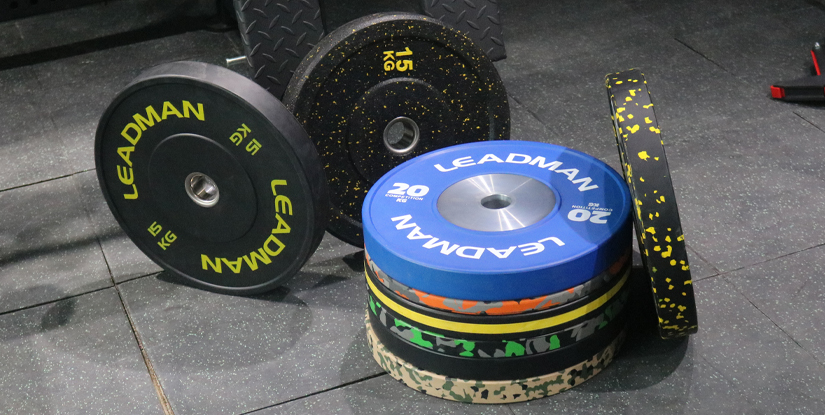
Beyond general facility types, the physical dimensions and material composition of individual SKUs dictate how they occupy your showroom or warehouse. A distributor's ability to maximize density depends on understanding the volumetric profile of different product categories. For instance, while iron plates offer a compact footprint, they require different handling protocols compared to the thicker, high-volume profiles of modern bumper plates. Miscalculating these dimensional differences during the procurement phase can lead to unexpected shipping overheads or insufficient storage capacity at the destination.
The following comparison illustrates how varying product types impact your spatial management and operational flow:
| Product Type | Storage Footprint Profile | Typical Use Case |
|---|---|---|
| Bumper Plates | High (Thicker Profile) | High-impact / Olympic lifting |
| Iron Plates | Medium (Standard Profile) | Standard strength training |
| Olympic Bars | Low (Linear/Longitudinal) | Precision / Technical loading |
When selecting fitness equipment wholesale options, consider that bumper plates often necessitate more robust, specialized racking due to their increased thickness and diameter. Conversely, while Olympic bars occupy minimal horizontal volume, their length requires long-span storage solutions to prevent bending or damage. By aligning your gym supply chain with these specific physical characteristics, you can more accurately forecast shipping volumes and optimize the density of your inventory within any given square footage.
Logistical Constraints and Container Load Optimization for Heavy Iron
For distributors and gym equipment wholesalers, the primary challenge in managing weight plates and bars is not just the procurement cost, but the sheer physics of international freight. Unlike lighter cardio machinery, strength training inventory is defined by high density and extreme weight. This creates a precarious balancing act between maximizing container utilization and managing the rising costs of ocean and heavy-freight logistics.
The financial impact of shipping density cannot be overstated. When importing iron or rubber-coated plates, the discrepancy between actual weight and volumetric weight often dictates the final landed cost. If your shipping configuration fails to optimize the vertical and horizontal space within a container, you are essentially paying to ship air. Efficiently nesting plates and strategically stacking bars is critical to minimizing freight costs. A failure to master these loading patterns results in underutilized containers, which directly erodes your profit margins and complicates the gym supply chain efficiency.
To mitigate these costs, procurement professionals must decide between palletization and loose loading based on the specific SKU profile. While palletized shipments offer superior protection and faster unloading speeds, they often sacrifice significant container volume due to the height of the pallets and the structural requirements of the stacking. In contrast, loose loading—often referred to as floor loading—allows for much tighter nesting of weight plates and bars, maximizing the total weight capacity of the container without leaving excessive dead space.
The following comparison outlines how different loading strategies impact your shipping efficiency and total landed cost:
| Loading Strategy | Best Use Case | Volume Optimization | Handling Speed |
|---|---|---|---|
| Palletization | High-end Olympic bars and precision plates | Lower (includes pallet footprint) | Fast (Forklift ready) |
| Loose Loading | Bulk iron plates and standard bumper sets | High (Maximum density) | Slow (Manual labor required) |
When managing a diverse inventory, we recommend a hybrid approach. Use loose loading for high-density, low-margin items like standard iron plates to drive down the per-unit freight cost. For more sensitive or high-value weight plates and bars, palletization reduces the risk of structural deformation during transit, protecting your investment at the expense of a slightly higher volumetric footprint.
Beyond physical loading patterns, distributors must navigate the complex relationship between Minimum Order Quantity (MOQ) and the freight-to-value ratio. In the fitness equipment wholesale market, the density of iron and rubberized steel means that even a small increase in order volume can hit the maximum weight capacity of a container long before the volume is filled. This creates a dilemma: ordering smaller, more frequent batches to maintain lean inventory, or placing large-scale orders to maximize shipping efficiency.
A high freight-to-value ratio is a common pitfall when sourcing standard weight plates and bars. If the cost of logistics consumes too large a percentage of the product's landed value, your ability to compete on price diminishes. To optimize inventory replenishment, procurement teams should synchronize their strength training inventory cycles with full container load (FCL) milestones. Rather than treating every replenishment as an isolated event, view your orders as a strategic effort to balance the cost of holding stock against the high cost of shipping underutilized weight capacity. By aligning your gym supply chain with container-optimized quantities, you effectively lower the per-unit landed cost and protect your margins from logistical volatility.
Quality Control Protocols for Precision-Engineered Bars and Plates
For distributors and commercial gym operators, the cost of a return is rarely just the price of the unit; it is the logistical overhead and the hit to brand reputation. High-performance strength training inventory requires more than just visual inspections. Because weight plates and bars are subject to extreme mechanical stress, even minor deviations in manufacturing standards can lead to catastrophic failures in a commercial setting.
Maintaining a high-tier inventory requires a focus on structural integrity. Precision-engineered bars must undergo rigorous tolerance testing to ensure that whip, knurling depth, and sleeve rotation remain consistent under heavy loads. Similarly, weight plates must be evaluated for dimensional accuracy to prevent uneven loading, which can damage both the equipment and the user's biomechanics. By implementing strict inspection protocols during the sourcing phase, buyers can mitigate the risks of receiving substandard batches that fail to meet the strict demands of professional weightlifting environments.
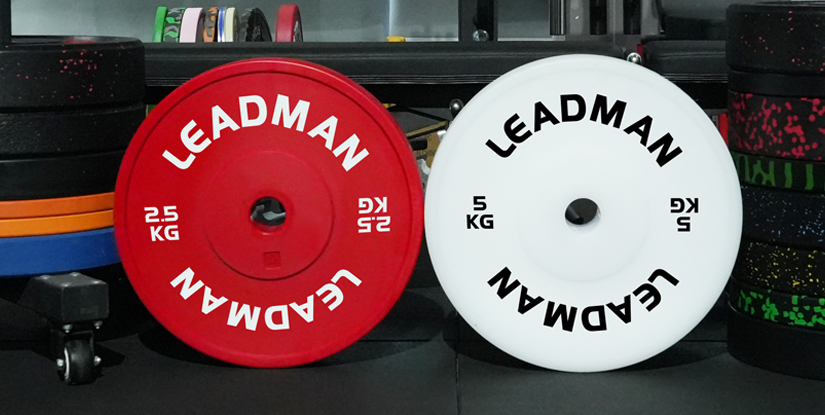
To safeguard your investment, distributors should implement a standardized inspection framework during factory audits or upon arrival at the warehouse. This process moves beyond superficial aesthetics to verify the mechanical tolerances that define high-end strength training inventory. When inspecting weight plates and bars, the focus must remain on three critical physical attributes: surface integrity, mechanical friction, and mass accuracy.
First, evaluate the surface coating consistency on plates to ensure there are no bubbling or uneven applications that could lead to premature oxidation or chipping. For barbell inspection, verify knurling uniformity across the entire shaft to prevent grip inconsistencies that compromise safety. Additionally, test the sleeve rotation smoothness by ensuring the bearings or bushings allow for fluid, uninterrupted movement without catching or excessive friction. Finally, verify that the weight deviation limits fall within the industry-standard tolerance—typically within 1% to 2% for professional-grade equipment—to prevent uneven loading and ensure the long-term reliability of your stock.
To streamline the receiving process and ensure your fitness equipment wholesale shipments meet strict commercial standards, use the following technical checklist. This framework allows procurement managers to move from subjective observation to objective verification, ensuring that every batch of incoming stock aligns with your quality benchmarks.
| Inspection Category | Critical Metric | Acceptable Tolerance | Verification Method |
|---|---|---|---|
| Plate Mass Accuracy | Weight Deviation | ±1% to 2% | Calibrated digital scale comparison |
| Barbell Diameter | Shaft Uniformity | ±0.25mm | Precision micrometer measurement |
| Sleeve Rotation | Bearing Friction | Smooth/Fluid motion | Manual rotation under zero-load test |
| Knurling Depth | Grip Profile | Consistent texture | Tactile feel and visual depth check |
| Coating Integrity | Surface Adhesion | Zero bubbling/flaking | Visual inspection under high-lumen light |
Utilizing this structured approach minimizes the risk of SKU discrepancies and reduces the likelihood of costly returns. For high-volume distributors, documenting these results for every shipment provides a vital audit trail, ensuring that your weight plates and bars inventory remains a reliable asset for high-traffic commercial facilities.
The Financial Burden of Dead Stock and Heavy Logistics
In the commercial strength sector, mismanagement of inventory goes beyond simple shelf space; it directly impacts liquid capital. Unlike lighter accessory items, weight plates and bars present a unique logistical challenge due to their high density and low value-to-volume ratio. When a distributor over-orders specific weight increments that do not move, they are not just storing metal; they are locking up significant capital in high-mass assets that are expensive to relocate and costly to maintain.
The storage overhead for these components is substantial. Because of the extreme weight of steel and rubberized plates, warehouse floor loading capacities and specialized racking systems become critical cost drivers. If a procurement cycle is not tightly aligned with market demand, the resulting capital tie-up can stifle a distributor's ability to pivot toward newer, high-demand SKUs. For those operating in the fitness equipment wholesale market, failing to optimize these replenishment cycles often leads to a cycle of high carrying costs and diminished cash flow, making efficient stock rotation a vital metric for long-term profitability.
Effective procurement requires a nuanced understanding of the trade-off between bulk discounts and the agility of frequent, smaller shipments. While high Minimum Order Quantities (MOQ) can lower the per-unit cost from a factory, they simultaneously increase the risk of SKU obsolescence and escalate domestic freight expenses. To maintain a lean gym supply chain, distributors must implement a rigorous SKU rationalization process, categorizing inventory based on velocity and physical volume.
A strategic approach involves differentiating between high-velocity staples and specialized, low-turnover items. For instance, standard 45 lb (20 kg) plates and Olympic bars typically justify bulk procurement due to predictable demand. Conversely, specialized fractional plates or niche bar knurling patterns may be more cost-effectively managed through smaller, more frequent replenishment cycles to avoid excessive storage costs and capital stagnation.
Inventory Velocity vs. Logistics Cost Framework
| Inventory Category | Typical Items | Recommended Procurement Strategy | Logistics Consideration |
|---|---|---|---|
| High-Turnover | Standard 45 lb plates, 20 kg bars | Bulk/Large MOQ | Optimize via full container loads (FCL) |
| Medium-Turnover | 10–25 lb plates, specialized barbell sets | Hybrid (Seasonal/Scheduled) | Balance shipping frequency with volume |
| Low-Turnover | Fractional plates, specialty training bars | Small/Just-in-Time (JIT) | Minimize warehouse footprint and dead stock |
By applying this framework, distributors can achieve better logistics cost optimization, ensuring that heavy, high-density goods move through the supply chain without creating unnecessary bottlenecks in the warehouse.
Mitigating Price Volatility and Lead Time Risks
Beyond simple storage costs, the true complexity of managing strength training inventory lies in navigating the volatility of raw material pricing and global shipping lanes. Steel and rubber are subject to market fluctuations that can drastically alter landed costs between procurement cycles. Relying on reactive ordering often results in paying a premium during periods of high demand or facing stockouts when logistics bottlenecks occur.
To safeguard margins, distributors must transition from reactive buying to proactive procurement forecasting. This requires a deep integration of factory production cycles into your planning. Understanding how long it takes a manufacturer to transition from raw steel to finished Olympic bars or calibrated plates allows you to account for realistic lead time management. By factoring in these production windows alongside seasonal demand spikes—such as the pre-New Year fitness surge—buyers can secure stock before market prices peak or shipping capacities tighten.
A successful strategy involves building a buffer that accounts for both manufacturing lag and transit uncertainty. Rather than waiting for stock levels to hit a critical low, procurement teams should trigger replenishment based on projected demand curves. This foresight ensures that your inventory remains resilient against sudden supply chain disruptions, maintaining a steady flow of essential equipment to your clients without the penalty of emergency air freight or expedited production surcharges.