weight plates and bar set | Optimizing Gym Floor Layout
Establishing Rigorous Vendor Standards for Strength Equipment Imports
For high-volume commercial gym chains and large-scale fitness distributors, the cost of a product is rarely defined by the initial invoice alone. In environments characterized by high-frequency usage, a weight plates and bar set that fails prematurely creates a cascading failure in both facility flow and profit margins. When equipment begins to show wear, it forces premature replacement cycles and disrupts the carefully planned gym floor space planning, ultimately increasing the total cost of ownership (TCO) for the end-user.
To mitigate these risks, procurement specialists must look beyond basic aesthetics and scrutinize the underlying structural integrity of the hardware. High-tier commercial barbell configurations require a precise marriage of high-grade steel and advanced surface treatments. We advise vetting suppliers based on their steel grade specifications and the depth of their coating resistance—ensuring that the finish can withstand constant friction and oxidation without degrading. Selecting equipment with these rigorous material standards ensures that your inventory remains a durable asset rather than a recurring maintenance liability.
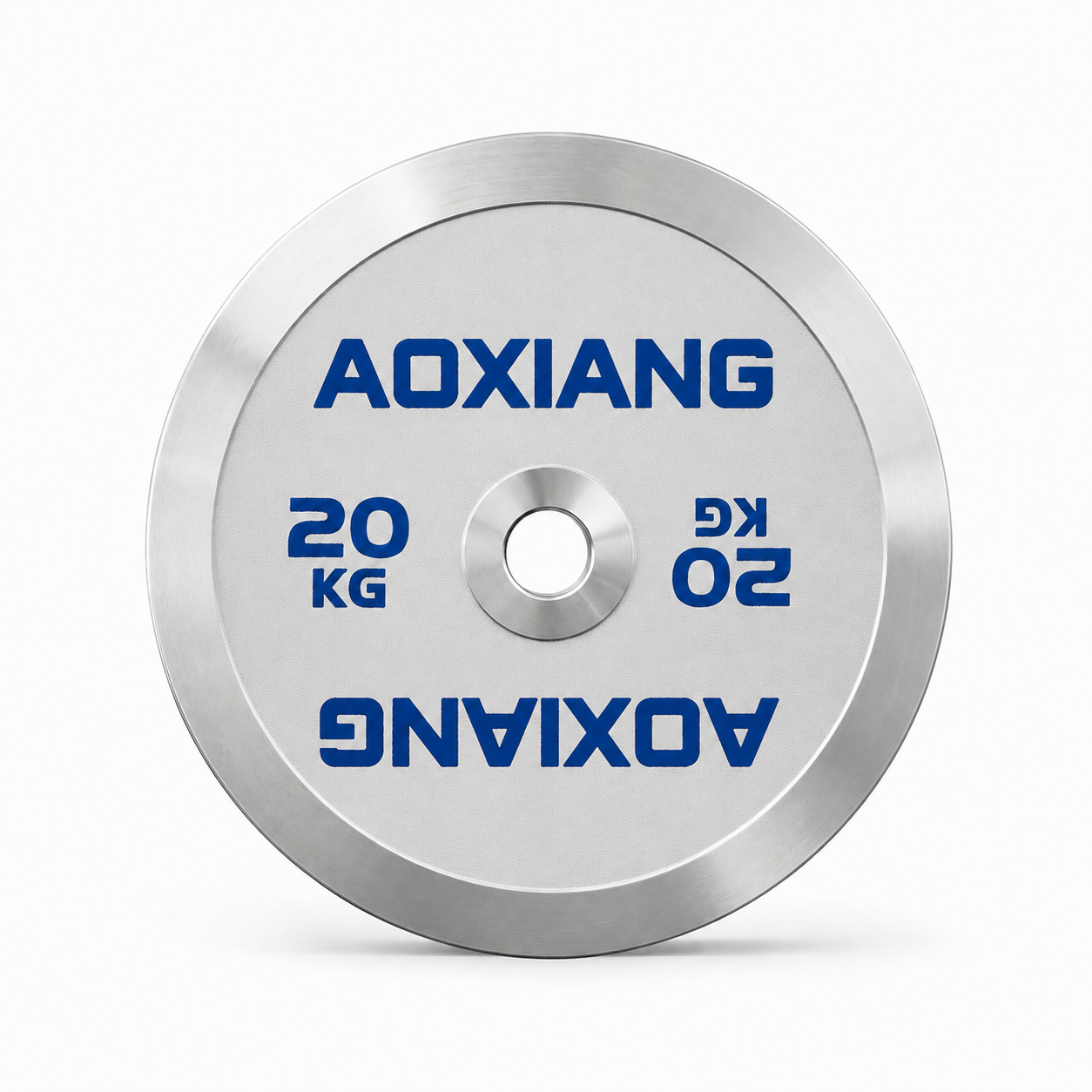
Material selection is the primary driver of long-term durability and maintenance requirements. When sourcing a weight plates and bar set, B2B buyers must differentiate between various manufacturing processes to accurately forecast replacement cycles. For instance, standard cast iron plates offer a cost-effective solution for budget-conscious facilities, but they are prone to chipping and surface oxidation if not stored in climate-controlled environments. In contrast, high-end bumper plates featuring a heavy-duty rubberized coating provide superior impact absorption, protecting both the floor and the equipment itself, which is critical for maintaining high strength training equipment density without excessive noise or vibration.
The barbell component requires even stricter scrutiny regarding metallurgical finishes. While traditional chrome plating is common, premium configurations often utilize stainless steel or specialized hard-chrome finishes to prevent corrosion and ensure smooth rotation of the sleeves. From a B2B procurement standpoint, investing in these advanced coatings may increase the initial unit price, but it significantly lowers the TCO by extending the equipment's functional lifespan and reducing the frequency of refurbishments. Evaluating these technical specifications during the RFQ stage allows distributors to offer more reliable, long-term solutions to their clients.
Beyond material selection, the reliability of a bulk shipment depends heavily on the rigor of the manufacturer's internal quality control protocols. For distributors managing large-scale gym floor space planning, the greatest risk is not just individual product failure, but the lack of uniformity across a single shipment. Inconsistent weight distributions or varying bar diameters can disrupt the calibrated training experience and lead to uneven wear on other hardware. Therefore, we recommend requiring detailed documentation regarding factory inspection processes and standardized testing protocols before finalizing any purchase order.
A professional-grade weight plates and bar set must adhere to strict tolerance levels to ensure weight precision and dimensional accuracy. When ordering at scale, ensure your vendor provides data on load-bearing consistency, particularly for barbell sleeves that must withstand repeated heavy loading without permanent deformation. Furthermore, verify that the supplier maintains strict MOQ compliance and quality checkpoints throughout the production run. This level of scrutiny ensures that your strength training equipment density remains stable over time, as every unit in the facility will perform with the same predictable reliability, regardless of when it was unboxed.
Quality Control Protocols for High-Volume Plate and Barbell Shipments
For distributors and large-scale facility managers, the logistical risk of receiving non-compliant inventory is a significant threat to operational uptime. When managing high-volume orders, relying solely on visual inspections is insufficient. To maintain long-term equipment density stability, procurement protocols must prioritize batch consistency and strict technical specifications. Discrepancies in weight or bar knurling across different shipments can disrupt standardized commercial barbell configurations, leading to uneven wear on racks and uneven training experiences for members.
A robust quality assurance workflow should include rigorous tolerance testing to ensure every unit within a weight plates and bar set meets the exact weight deviation standards required for professional use. Beyond simple weight checks, evaluating the structural integrity of the steel and the durability of the coating is essential for preventing premature degradation in high-traffic environments. By implementing these stringent inspection standards at the factory level, buyers can mitigate the risk of logistical bottlenecks and ensure that their strength training zones remain consistent and reliable throughout the product lifecycle.
To ensure seamless integration into your facility, we recommend a standardized inspection workflow during the receiving process. A single defective unit can disrupt the intended strength training equipment density, forcing unnecessary maintenance downtime or premature replacement. Professional procurement standards require more than a cursory glance; they demand a technical verification of the mechanical and physical attributes that dictate long-term durability.
Use the following checklist to evaluate incoming shipments of your weight plates and bar set against industry-standard tolerances:
| Inspection Parameter | Technical Focus | B2B Quality Standard |
|---|---|---|
| Weight Accuracy | Deviation per unit | Strict +/- 1% to 2% tolerance |
| Coating Uniformity | Surface texture & adhesion | No bubbling, cracking, or uneven thickness |
| Sleeve Smoothness | Plate loading/unloading | Consistent rotation without friction drag |
| Bearing Friction | Barbell spin quality | Smooth, controlled rotation under load
Rigorous oversight during these stages prevents the long-term complications of mismatched equipment sets. By verifying these specifications immediately upon arrival, facility managers can protect their gym floor space planning and ensure that all commercial barbell configurations remain high-performing assets rather than maintenance liabilities.
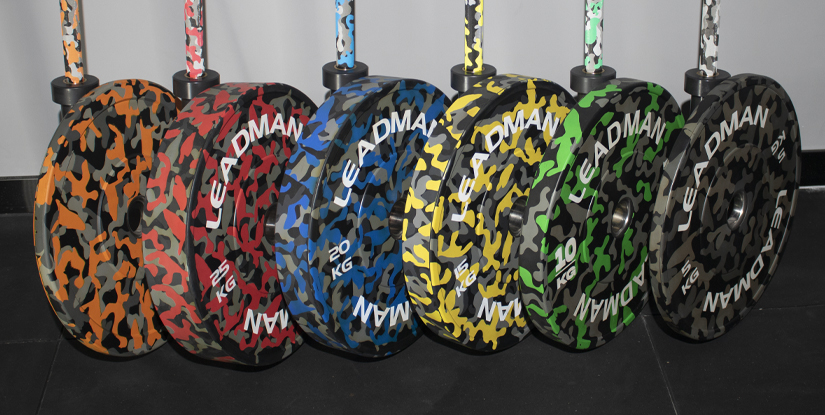
Beyond initial acceptance, the long-term value of your procurement depends on disciplined upkeep. In high-traffic commercial environments, the total cost of ownership (TCO) is rarely determined by the purchase price, but rather by how effectively you manage the degradation of high-use assets. Neglecting routine care leads to accelerated depreciation, forcing premature capital expenditures that disrupt your long-term gym floor space planning.
Lifecycle Management and Asset Preservation
To protect your investment in every weight plates and bar set, procurement teams should mandate a strict preventative maintenance schedule. For steel-based components, oxidation prevention is the primary concern. Even high-quality coatings can suffer micro-abrasions from frequent loading and unloading, exposing the core metal to humidity and sweat. We recommend periodic inspections for surface integrity and the application of specialized protective treatments to prevent rust.
For the mechanical components of your commercial barbell configurations, establishing regular lubrication cycles is non-negotiable. Bearings and bushings require precise, infrequent maintenance to ensure smooth rotation without seizing. By integrating these technical protocols into your facility's standard operating procedures, you ensure that your strength training equipment density remains a high-performing asset, maximizing the functional lifespan of your entire inventory.
Optimizing Training Zones through Strategic Commercial Barbell Configurations
Effective gym floor space planning extends beyond simple square footage; it requires a precise understanding of how different commercial barbell configurations influence the movement radius of your members. When sourcing a weight plates and bar set for a high-traffic facility, procurement specialists must account for the total footprint of the equipment in use. A standard Olympic barbell setup requires not only the length of the bar itself but also a safety buffer to accommodate plate thickness and user mobility. Neglecting this spatial logic often leads to congestion in high-traffic zones, potentially creating safety hazards or limiting the perceived capacity of your strength training area.
Strategic footprint management ensures that your facility maintains a professional flow, even during peak hours. By selecting specific configurations that optimize storage and accessibility, distributors can maximize the utility of every square meter. Below is a comparison of common storage and setup profiles to assist in your inventory planning.
| Configuration Type | Spatial Footprint | Storage Efficiency | Best Use Case |
|---|---|---|---|
| Standard Free Weight Rack | Moderate | Low (Linear) | Open-concept weight rooms |
| Vertical Plate Trees | Minimal | High (Vertical) | High-density training zones |
| Integrated Power Rack Sets | High | Moderate | Dedicated strength stations |
When evaluating bulk orders, consider how the weight plates and bar set dimensions will interact with your existing floor layout to prevent bottlenecks near heavy lifting stations.
Deciding between a compact or high-capacity setup requires a rigorous assessment of your intended strength training equipment density. For boutique studios or urban fitness centers where square footage is at a premium, prioritizing space-saving configurations—such as nesting vertical plate storage or integrated barbell holders—can significantly improve facility flow. This approach minimizes the visual clutter and physical obstacles that often disrupt movement in smaller training zones.
Conversely, large-scale commercial gyms must adopt a different B2B procurement logic. In these environments, the goal is to maximize throughput without compromising the equipment footprint of a single lifting station. While high-capacity sets allow for more diverse training sessions, they require a more generous allocation of space to prevent user collisions. When sourcing your next weight plates and bar set, evaluate whether your facility goals lean toward high-density efficiency or expansive, premium-feel movement zones. Balancing these variables during the initial procurement phase prevents the long-term operational headache of overcrowded, inefficient training floors.
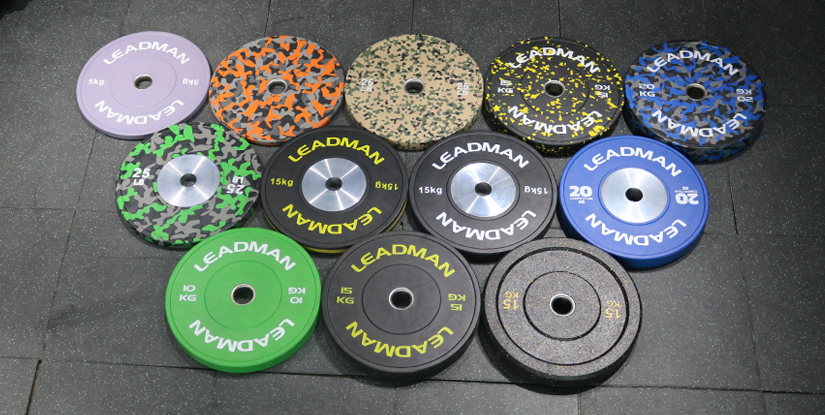
To facilitate more precise procurement decisions, it is essential to look beyond the general category and analyze how specific mechanical dimensions dictate your actual usable area. The relationship between bar length, plate thickness, and the resulting equipment profile determines how much "dead space" is created around each lifting station. For instance, a set utilizing high-density urethane plates will offer a thinner profile compared to standard rubber-coated versions, allowing for more weight on the sleeve without increasing the total length of the load. This distinction is critical when calculating your total strength training equipment density during the initial facility design phase.
The following table provides a technical comparison to help you visualize how different configurations impact your spatial requirements and long-term floor management.
| Configuration Profile | Typical Bar Length | Plate Thickness Impact | Storage Footprint | Density Optimization |
|---|---|---|---|---|
| Standard Olympic Set | 220cm | Standard (Higher) | Linear/Horizontal | Moderate |
| Compact/Training Set | 180cm - 200cm | Slim/High-Density | Vertical/Compact | High |
| Heavy-Duty Power Set | 220cm+ | High-Volume/Bulk | Stationary/Fixed | Low |
When negotiating with manufacturers or distributors, request detailed specifications regarding sleeve diameter and plate thickness. A precise weight plates and bar set specification sheet will allow your logistics team to calculate exact clearance zones, ensuring that your equipment procurement aligns perfectly with your facility's physical constraints.
Managing Strength Training Equipment Density in High-Traffic Facilities
For facility operators, the relationship between equipment density and long-term profitability is often determined by the durability of the core assets. While high-density layouts maximize the number of training zones within a fixed square footage, they also subject the hardware to accelerated wear. When selecting your weight plates and bar sets, the procurement focus must shift from initial unit cost to the Total Cost of Ownership (TCO).
In high-traffic zones, substandard commercial barbell configurations frequently lead to premature degradation, such as knurling wear or plate deformation. This necessitates frequent replacement cycles, which disrupts facility flow and inflates maintenance budgets. By sourcing high-grade, industrial-spec steel and precision-molded plates, distributors and gym owners can mitigate the risks associated with high-intensity usage. Investing in premium specifications ensures that even under heavy load and constant rotation, the equipment maintains its structural integrity, effectively reducing the frequency of turnover and protecting your long-term ROI.
Optimizing your procurement strategy requires a nuanced understanding of material durability versus usage intensity. When planning gym floor space, the choice between iron and rubberized materials dictates both the longevity of the equipment and the required floor protection. For standard strength zones with moderate turnover, cast iron plates offer a cost-effective solution with a predictable maintenance cycle. However, in high-impact functional areas or heavy lifting zones, high-density rubber bumper plates are a strategic necessity to protect both the hardware and the subfloor.
A smart decision-making framework weighs the initial capital expenditure against the expected replacement frequency. While iron configurations may have a lower entry price, the long-term costs of floor damage and plate chipping in high-impact environments can quickly erode margins. Conversely, investing in high-spec bumper plates and heavy-duty barbell sets reduces the frequency of replacement cycles and minimizes downtime. For wholesalers and large-scale distributors, selecting the right material grade is a vital component of effective gym floor space planning and long-term asset management.
To assist procurement managers in evaluating these long-term financial implications, we have outlined a comparison between standard and premium configurations. This comparison focuses on how different material grades and construction standards impact your operational overhead and facility maintenance cycles.
Configuration ROI Comparison
| Feature Metric | Standard Commercial Setup | High-Intensity Performance Setup |
|---|---|---|
| Primary Material | Standard Cast Iron / Basic Steel | High-Density Rubber / Precision Steel |
| Typical Lifespan | Moderate (Subject to chipping/oxidation) | Extended (Designed for high-impact) |
| Space Footprint | Compact/Traditional | Variable (Requires more floor buffer) |
| Replacement Frequency | Higher in high-traffic zones | Lower; optimized for heavy rotation |
| Maintenance Focus | Surface rust and structural check | Minimal; focus on grip and texture |
When calculating your budget, remember that the weight plates and bar set selection is not just a one-time purchase but a recurring operational variable. A high-spec performance setup may require a higher initial MOQ or unit price, but it significantly lowers the long-term cost of equipment density management by reducing the frequency of replacement and floor repairs.
Calculating Landed Costs and Logistics for Heavy Iron Shipments
When sourcing a professional weight plates and bar set, many procurement managers fall into the trap of focusing solely on the unit price or the factory EXW quote. However, for high-density strength training equipment, the true financial impact is often determined by the logistics profile. Because iron and steel are exceptionally heavy yet occupy significant volume, the relationship between weight and dimensions dictates your final margins.
Efficient bulk procurement requires a sophisticated understanding of the total landed cost. You must account for how shipping density affects your container utilization; a shipment that is "volume-out" before it is "weight-out" represents wasted freight spend. Factors such as volumetric weight and the specific stacking configurations of your weight plates can drastically alter the freight costs per unit. To optimize your budget, work with suppliers who can provide optimized packing lists that balance the density of the barbell configurations with the bulk volume of the plates, ensuring you are not paying to ship air while minimizing the impact of heavy-duty ocean freight charges.
Selecting the right shipping method depends heavily on your order volume and the specific commercial barbell configurations you are sourcing. For smaller boutique studio refreshes, LCL (Less than Container Load) offers flexibility, but it often carries a higher risk of damage due to frequent handling and less control over the weight-to-volume ratio. For larger distributors or full-scale facility builds, moving toward FCL (Full Container Load) is generally more cost-effective, as it allows for maximum container optimization and minimizes the per-unit freight impact.
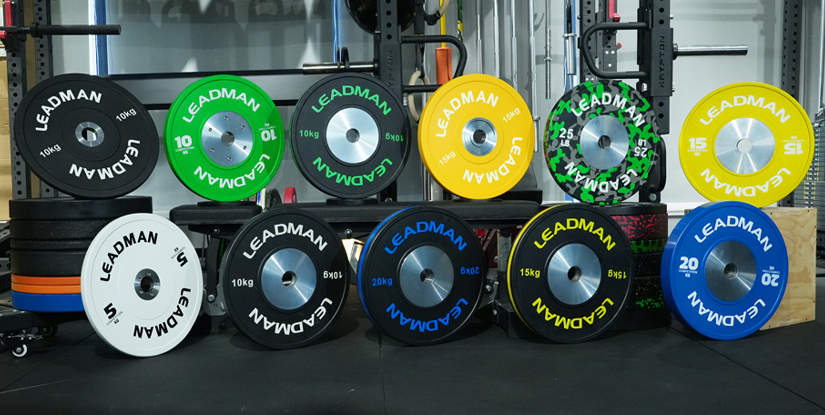
To prevent logistical bottlenecks, prioritize suppliers who utilize standardized palletization and professional crating. A well-structured loading plan ensures that high-density items, like bumper plates, are positioned to stabilize the load, while longer barbell sets are protected from bending or structural stress. By requesting a detailed packing diagram during the RFQ stage, you can verify how the manufacturer manages the density of the shipment. This level of transparency allows you to accurately forecast landed costs and ensure that your strength training equipment arrives intact, ready for immediate deployment on the gym floor.
Beyond the freight quote, the most significant hidden cost in high-volume orders stems from poor gym floor space planning and inadequate pre-shipment oversight. When managing high strength training equipment density, the physical footprint of your shipment is as critical as its weight. If the manufacturer lacks rigorous loading protocols, the structural integrity of your barbell sets may be compromised by the immense downward pressure exerted by stacked plates during transit. This mismatch between high-density goods and improper packaging often results in bent shafts or damaged knurling, leading to costly returns and facility downtime.
To mitigate these risks, professional buyers must demand a strict QC inspection process that extends beyond mere product specifications to include the entire packing sequence. Ensure your supplier implements a comprehensive damage prevention strategy, such as using heavy-duty dividers or specialized bracing for long-form steel components. A high-quality manufacturer will provide a detailed weight distribution report, proving that the shipment is balanced to prevent shifting. By prioritizing these logistical standards during the sourcing phase, you protect your long-term investment and ensure that your facility's capacity is determined by your design, not by damaged or unusable inventory.
Long-Term Asset Lifecycle and Warranty Management for Weight Sets
When sourcing for high-traffic facilities, procurement professionals often fall into the trap of evaluating only the initial purchase price. However, a sophisticated buyer understands that the true cost of a weight plates and bar set is dictated by its lifecycle. Low-grade steel or inferior coatings lead to rapid oxidation and mechanical fatigue, forcing premature replacement cycles that disrupt your gym floor space planning and inflate your operational budget.
To maximize long-term asset value, focus on the structural integrity of commercial barbell configurations. High-quality sets must feature superior impact resistance to withstand the rigorous demands of heavy lifting without structural deformation. Furthermore, the durability of coatings—such as high-grade polyurethane or advanced powder coating—is a critical variable. These layers protect the internal steel from moisture and chemical degradation, ensuring the equipment remains functional despite high usage. By prioritizing these technical specifications during the factory vetting process, distributors can maintain a stable strength training equipment density without the constant need to swap out worn-out inventory, ultimately stabilizing the facility's long-term TCO.
Evaluating the technical grade of your inventory is essential for accurate budget forecasting. While standard cast iron remains a staple for budget-conscious entry-level facilities, premium urethane options offer a significantly different depreciation curve. A mismatch between your facility's intensity and the equipment's material grade can lead to unexpected maintenance costs and diminished user experience.
The following framework provides a technical comparison to assist in determining which tier aligns with your operational requirements and long-term scaling strategy:
| Feature / Material Grade | Standard (Cast Iron / Powder Coat) | Premium (Urethane / High-Grade Steel) |
|---|---|---|
| Primary Material | Cast Iron with Powder Coating | High-Density Polyurethane |
| Bearing/Bushing Longevity | Moderate; requires periodic lubrication | High; optimized for high-frequency rotation |
| Surface Finish Durability | Prone to chipping under heavy impact | Highly resistant to abrasion and oxidation |
| Typical Replacement Cycle | 2–4 years in high-traffic environments | 5+ years in professional strength zones |
When negotiating with manufacturers, request detailed specifications regarding the thickness of the urethane layer and the grade of the steel bushings. For distributors managing large-scale gym floor space planning, investing in the premium tier often results in a lower total cost of ownership due to the extended intervals between replacement cycles and reduced maintenance labor.
Beyond material selection, the reliability of your procurement process hinges on rigorous technical oversight during the manufacturing phase. A common oversight in large-scale orders is failing to account for manufacturing tolerances. Even a slight deviation in the diameter of a weight plate or the sleeve thickness of a barbell can lead to uneven weight distribution and accelerated wear on your lifting platforms. When ordering a comprehensive weight plates and bar set, ensuring that every unit adheres to strict dimensional standards is non-negotiable for maintaining a professional training environment.
To mitigate risk, procurement managers should mandate specific QC inspection points before any shipment leaves the factory. This includes verifying the concentricity of the plates, the tensile strength of the barbell steel, and the precision of the knurling. Furthermore, shipping stability must be a core part of your quality checklist. Bulk orders of heavy steel components are susceptible to transit-induced damage if the packaging and palletization protocols are insufficient. Establishing high standards for bulk procurement reliability—from the initial factory test to the final container loading—ensures that your equipment arrives in peak condition, preventing the logistical headaches and hidden costs of damaged or substandard inventory.