How to Choose the Best Barbell and Weight Plates Guide
Essential Criteria for Selecting High-Performance Lifting Gear
Many distributors often prioritize low initial unit costs, only to face high replacement rates due to premature wear. This mistake leads to damaged reputation and lost revenue. A more sophisticated sourcing approach focuses on the structural integrity of strength training equipment, ensuring that every piece of barbell & weight plates inventory can withstand years of high-volume usage without compromising safety or performance.
When evaluating barbell & weight plates, the technical specifications of the raw materials are non-negotiable. For instance, the specific steel grade used in the bar determines its tensile strength and ability to maintain its whip without permanent deformation. Furthermore, high-tier high-performance lifting gear must exhibit exceptional knurling durability; the grip pattern should remain sharp and consistent even after heavy use. We also recommend inspecting the coating longevity of the sleeves and plates—whether it be chrome, zinc, or black oxide—to ensure the equipment remains resistant to oxidation and surface degradation in various gym environments.
Material Durability and Usage Intensity
Selecting the right barbell types and plate materials is a strategic decision that balances long-term utility against upfront investment. For high-traffic commercial facilities, the choice between steel, iron, and rubberized materials dictates both the lifecycle of the product and the level of maintenance required. A thorough weight plate selection process must account for the specific training style—whether it involves heavy, static lifting or high-impact dynamic movements.
For example, while cast iron is a staple for traditional strength training, it lacks the shock absorption found in premium rubberized options. Understanding these nuances helps distributors and gym owners provide more reliable strength training equipment to their end users. Use the following comparison to align your inventory with your target market's needs:
| Material Type | Primary Use Case | Durability Level | Maintenance Needs |
|---|---|---|---|
| Steel/Iron | Powerlifting & Traditional Lifting | High (Rigid) | Low (Check for rust) |
| Bumper (Rubber) | CrossFit & Olympic Lifting | High (Impact Resistant) | Moderate (Surface wear) |
| Standard Cast Iron | Budget-Friendly Home Gyms | Moderate | Moderate (Oxidation risk) |
When sourcing barbell & weight plates, always consider that a slightly higher initial cost for high-grade materials often results in a much lower total cost of ownership due to reduced replacement frequency.
Verifying Structural Integrity and Precision
Beyond material composition, true durability is found in the mechanical precision of the components. When inspecting high-end barbell & weight plates, the first point of failure is often the interface between the bar and the load. We advise checking the barbell sleeve rotation specifically; the bearings or bushings must allow for a smooth, consistent spin to prevent uneven torque during heavy lifts. A stiff or grinding sleeve is a red flag for poor structural integrity and can lead to premature mechanical failure.
Furthermore, weight plate precision is a critical metric for professional-grade strength training equipment. High-quality plates should maintain strict dimensional tolerances to ensure they sit flat and do not wobble on the sleeve. Inconsistent thickness or uneven weight distribution can disrupt a lifter's balance and accelerate wear on the barbell. By verifying these physical indicators during your procurement process, you ensure that your investment provides reliable, long-term performance for any training environment.
Understanding the Nuances of Different Barbell Types
When sourcing high-end strength training equipment, many buyers overlook how subtle structural variations dictate the long-term lifecycle of the product. The durability of your barbell & weight plates setup depends heavily on the precision of the initial build. For instance, the shaft diameter is a critical specification; a standard 28.5mm shaft is common for general fitness, but professional-grade 29mm or 28mm Olympic bars offer the specialized whip and stability required for heavy lifting.
Furthermore, the longevity of different barbell types is often determined by their surface treatment. High-quality knurling quality—the texture etched into the steel—can degrade if the metal is too soft, leading to a loss of grip precision over time. To ensure your investment withstands high-frequency use and varying climates, look for advanced rust prevention coatings, such as hard chrome or specialized black oxide. These finishes protect the steel integrity, reducing the need for frequent replacement and ensuring a consistent training experience for your end-users.
To optimize your procurement strategy, it is essential to align the specific barbell types with your facility's expected traffic and maintenance capabilities. Choosing a bar that is over-engineered for a low-traffic studio leads to unnecessary capital expenditure, while under-specifying for a high-performance gym results in premature wear and increased operational downtime. A clear understanding of these categories helps in making a sustainable weight plate selection and overall equipment investment.
| Barbell Category | Usage Intensity | Maintenance Level | Ideal User |
|---|---|---|---|
| Olympic Bar | High (Commercial) | Moderate | Professional Athletes & Gyms |
| Standard Bar | Low to Moderate | Low | Home Gyms & Beginners |
| Specialty Bar (EZ/Trap) | Variable | Moderate | Specialized Strength Training |
When evaluating strength training equipment, remember that higher-intensity bars often require more precise lubrication of the sleeves to maintain smooth rotation. For large-scale distribution or facility upgrades, prioritizing bars with superior bearing systems and robust coatings will significantly lower your long-term maintenance overhead.
Beyond the shaft, the most critical factor in equipment longevity is the sleeve diameter compatibility between your barbell & weight plates. A mismatch here can cause catastrophic wear on the internal bearings. For example, using bumper plates—which are designed for high-impact drops in CrossFit or Olympic lifting—requires a bar with high-quality bushings or bearings to handle the kinetic energy. If the sleeve fit is too loose or the tolerances are poor, the resulting vibration can cause premature mechanical failure.
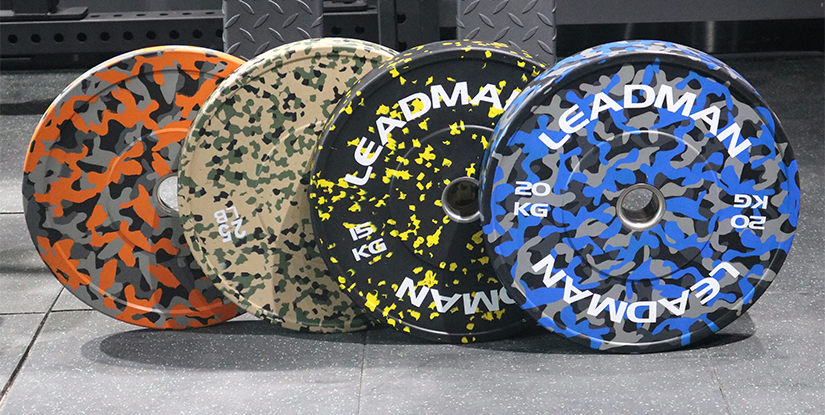
Conversely, when sourcing iron plates for traditional bodybuilding, the focus shifts to surface friction. While bumper plates offer excellent friction reduction during high-velocity movements, iron plates provide a more stable, fixed feel. To protect your investment, ensure that the center holes of your weight plate selection perfectly match the sleeve diameter of your chosen barbell types. This precision prevents metal-on-metal grinding, reducing the need for frequent part replacements and ensuring your strength training equipment remains a durable asset for years.
Optimizing Your Training Setup with Precision Weight Plate Selection
When sourcing strength training equipment, many buyers focus solely on the initial invoice price, often overlooking the total cost of ownership. Selecting the right barbell & weight plates requires a strategic balance between upfront expenditure and long-term durability. While iron plates offer a lower entry point, high-traffic commercial environments often demand more resilient solutions to protect flooring and reduce maintenance frequency.
To help you determine the long-term value of your investment, we have compared the most common materials used in professional settings. Understanding the distinction between rubber-coated vs. iron plates is essential for optimizing your budget without sacrificing equipment lifespan.
| Plate Material | Initial Cost | Durability & Protection | Best Use Case |
|---|---|---|---|
| Cast Iron | Low | Moderate (Higher floor impact) | Budget-conscious home gyms |
| Rubber-Coated | Medium | High (Reduces noise/wear) | Commercial fitness centers |
| Bumper (High-Density) | High | Maximum (Optimized for drops) | CrossFit & High-Intensity Training |
Investing in premium barbell & weight plates may require a higher initial outlay, but the reduction in replacement cycles and facility repairs often yields a much better return on investment. For distributors and gym owners, choosing the right material ensures that your strength training equipment remains a functional asset rather than a recurring expense.
Effective weight plate selection is not just about purchasing weight; it is about aligning your budget tiers with the specific demands of your facility. For instance, while cast iron is a cost-effective solution for light use, it lacks the noise reduction and impact absorption required in high-performance environments. In contrast, high-density bumper plates, though more expensive, are engineered for the extreme durability needed during heavy Olympic lifts. By evaluating these variables, you can ensure your barbell & weight plates investment supports your long-term operational goals rather than causing frequent equipment turnover.
Building a high-performance training environment does not require a massive upfront capital outlay. Instead, we recommend a tiered investment strategy that allows you to scale your setup as your facility grows. Rather than purchasing an exhaustive range of barbell types and weights all at once, smart buyers often begin with high-quality starter sets that focus on core essentials. For example, a single high-grade Olympic barbell and a fundamental set of plates can serve as the foundation for a functional lifting area.
As your training volume increases or your client base expands, you can focus on upgrading equipment with specialized items, such as transitioning from standard iron to high-density bumpers. This incremental approach ensures that your weight plate selection remains aligned with your current cash flow while preventing the need to replace low-quality gear prematurely. By prioritizing a versatile, high-quality base, you build a scalable ecosystem where each new addition enhances the overall utility of your strength training equipment without overwhelming your initial budget.
Material Integrity and Long-Term Reliability Standards
When sourcing professional-grade strength training equipment, the longevity of your investment depends entirely on the metallurgical integrity of the steel. For high-traffic commercial facilities, selecting inferior barbell & weight plates leads to rapid degradation, increased maintenance costs, and compromised safety. We recommend focusing on the steel tensile strength to ensure the bar can withstand heavy loads without permanent deformation or snapping under pressure.
The durability of high-quality barbell types is further defined by two critical factors: knurling durability and corrosion resistance. A precision-etched knurl must remain sharp and consistent over years of heavy use to provide a secure grip, while the coating—whether it be chrome, black oxide, or zinc—must act as a robust barrier against oxidation. When evaluating weight plate selection, ensure the plating is uniform to prevent chipping during high-impact drops. Investing in superior materials ensures that your equipment maintains its structural performance and aesthetic appeal throughout its entire lifecycle.
Beyond the steel bar, your weight plate selection should be dictated by the intended environment and the frequency of high-impact movements. For standard lifting, cast iron remains the industry benchmark due to its cost-effectiveness and compact profile. However, in high-intensity functional training zones, the durability requirements shift toward bumper plates. These are engineered specifically to absorb kinetic energy during heavy drops.
When comparing options, a high-grade urethane coating offers superior impact resistance compared to standard rubber. While cast iron is excellent for traditional strength work, urethane provides a more resilient surface that resists cracking, tearing, and environmental degradation. For commercial distributors or gym owners, choosing plates with a premium urethane coating minimizes long-term replacement costs and ensures the equipment remains functional under the most rigorous training conditions. Selecting the right material density and exterior finish is essential to maintaining a professional-grade training environment.
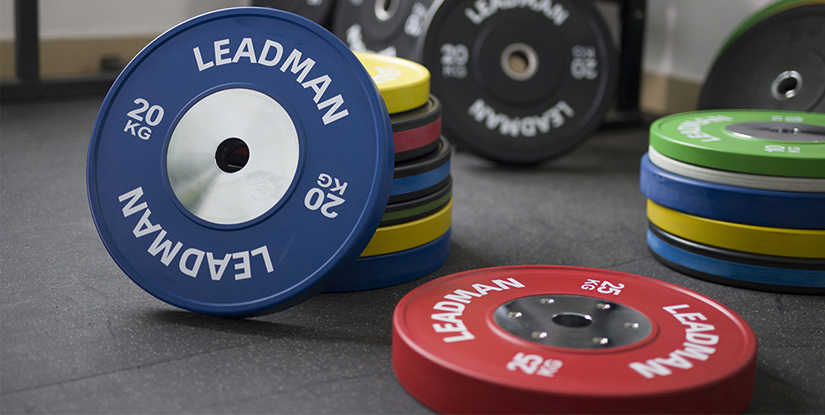
To streamline your decision-making process, we have developed a material comparison guide. This table helps you align your weight plate selection with your specific facility needs, whether you are managing a budget-conscious boutique studio or a heavy-duty commercial warehouse. Understanding the relationship between maintenance level and lifespan is vital for long-term ROI in strength training equipment procurement.
| Material Type | Best Use Case | Maintenance Level | Lifespan | Budget Tier |
|---|---|---|---|---|
| Cast Iron | Standard Strength Training | Moderate (Rust Watch) | Very Long | Economy |
| Rubber Coated | General Gym Environments | Low | Long | Mid-Range |
| Urethane | High-Impact/Commercial | Minimal | Maximum | Premium |
While barbell & weight plates made of cast iron offer exceptional durability for traditional lifting, high-performance facilities often find that the increased upfront cost of urethane is offset by lower replacement rates. Choosing the right tier ensures your equipment survives the rigors of daily professional use.
Strategic Sourcing for Strength Training Equipment Collections
When designing a high-performance facility or a premium home gym, the physical footprint of your strength training equipment is often the most overlooked variable. High-quality barbell & weight plates are the backbone of any lifting area, but their dimensions and storage requirements directly dictate your space optimization strategy. For distributors and gym owners, selecting the right combination is not just about weight capacity, but about how much floor area the setup occupies during and after a session.
For instance, choosing between standard Olympic plates and more compact, high-density alternatives can significantly alter the radius needed for safe movement. In compact training setups, the goal is to maximize utility without creating clutter. By understanding how different barbell types and plate thicknesses interact with storage solutions like vertical trees or specialized racks, you can ensure your facility remains professional, organized, and efficient, regardless of the total square footage available.
To assist in your procurement planning, we have categorized common configurations based on typical footprints and usage demands. This comparison helps you determine which barbell & weight plates combinations align best with your facility's spatial constraints and intended user profile.
| Setup Type | Space Requirement | Primary Barbell Types | Weight Plate Selection | Recommended Storage Solutions |
|---|---|---|---|---|
| Compact/Home Studio | Minimal (10-15 sqm) | Fixed-weight or Short Bars | Compact Bumper Plates | Wall-mounted racks or vertical trees |
| Boutique Fitness | Moderate (30-50 sqm) | Standard Olympic Bars | Standard Bumper & Iron Plates | Compact plate trees |
| Commercial Strength Zone | Expansive (100+ sqm) | Specialized/Multi-grip Bars | High-density/Thin Bumper Plates | Heavy-duty integrated rack systems |
When sourcing for smaller footprints, prioritize high-density weight plate selection to maximize the number of plates that can fit on a single bar without increasing the overall width. For larger-scale strength training equipment deployments, investing in integrated storage solutions is essential to maintain a professional aesthetic and ensure efficient floor transitions between training sessions.
Beyond mere dimensions, a smart procurement strategy focuses on long-term durability to avoid the logistical headache of frequent replacements. Investing in high-quality barbells and high-density plates is a long-term investment that pays dividends in both operational efficiency and facility aesthetics. Lower-grade equipment often requires more frequent turnover, which not only disrupts your training flow but also necessitates constant expansion of your storage footprint to accommodate aging or damaged stock.
To maintain a professional environment, prioritize efficient organization through specialized hardware. Selecting equipment designed for compatibility with integrated rack systems or vertical storage trees ensures that your barbell & weight plates remain accessible yet out of the way when not in use. By choosing premium, wear-resistant materials, you reduce the need for excessive storage expansion and ensure that your training area remains a streamlined, high-performance zone for years to come.
Logistics and Handling Considerations for Heavy Iron Shipments
Procuring high-density strength training equipment involves more than just selecting the right specifications; it requires a deep understanding of the logistical complexities inherent in moving massive loads. When ordering bulk barbell & weight plates, the sheer shipping weight poses a significant challenge to both freight stability and long-term structural durability. Even the highest quality steel can suffer from micro-fractures or alignment shifts if subjected to improper handling during international transit.
To mitigate these risks, professional importers must prioritize suppliers who adhere to rigorous packaging standards. This includes utilizing reinforced steel crates and heavy-duty palletization designed specifically for transit damage prevention. A robust shipping strategy ensures that your barbell & weight plates arrive at your facility with their precision knurling and plate thickness perfectly intact, preventing the costly headaches of receiving damaged or unbalanced inventory.
Beyond the transit phase, how you manage your inventory on-site dictates the lifespan of your assets. Improper storage of heavy iron can lead to oxidation, uneven weight distribution, or floor damage. Selecting the right storage solutions depends heavily on your facility's footprint and the specific barbell types you carry. For instance, a high-traffic commercial gym requires different organizational logic than a boutique studio or a specialized lifting platform.
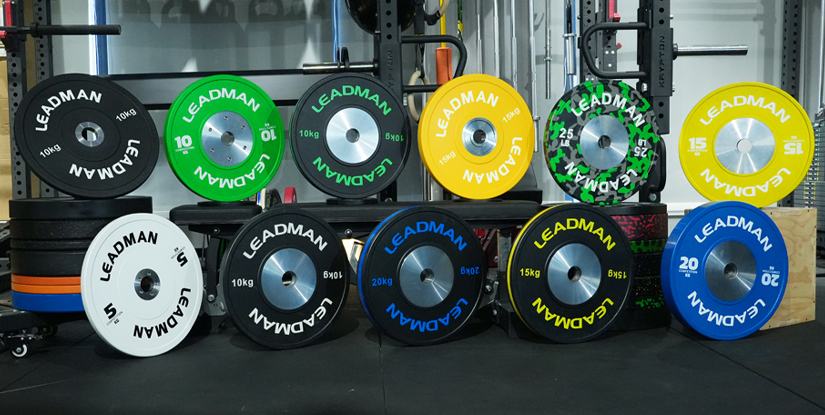
To help you optimize your floor plan and streamline weight plate selection and organization, we have outlined the most common configurations below:
| Setup Type | Primary Storage Solutions | Maintenance Difficulty | Space Requirements |
|---|---|---|---|
| High-Volume Commercial | Vertical Plate Trees & Heavy-Duty Racks | Moderate (Requires routine cleaning) | High (Large footprint needed) |
| Boutique/Specialty Studio | Wall-Mounted Brackets & Integrated Racks | Low (Compact & accessible) | Low (Vertical optimization) |
| Home/Small Studio | Stackable Peg Systems or Floor Mats | Low (Simple organization) | Minimal (Highly flexible) |
When evaluating strength training equipment for your facility, always consider the long-term accessibility of your barbell & weight plates. A well-organized storage system not only preserves the integrity of the metal but also improves the user experience by reducing clutter and transit time between sets.
Preserving Asset Integrity Through Routine Care
Once your shipment arrives, the focus shifts from logistics to long-term maintenance. Even premium-grade barbell & weight plates are susceptible to environmental degradation if left unattended. The primary enemy of high-quality iron and steel is oxidation. To ensure maximum long-term durability, strict moisture control is essential. We recommend storing your inventory in climate-controlled environments or, at the very least, elevated off the concrete floor to prevent moisture wicking, which can lead to premature rust and surface pitting.
For the mechanical components of your barbell types, such as sleeves and bearings, regular lubrication is a non-negotiable aspect of home gym upkeep and commercial facility management. A light application of specialized bearing oil prevents friction-related wear and keeps the rotation smooth. By implementing a consistent care schedule, you protect your investment, ensuring that your strength training equipment remains a high-performing asset rather than a depreciating liability.
Common Pitfalls in Bulk Purchasing Strength Gear
When scaling a facility or upgrading a commercial gym, the temptation to prioritize the lowest quote is high. However, a low initial price often masks the true cost of ownership. In the realm of strength training equipment, the difference between a budget-tier product and a premium build is measured in years, not months. Choosing inferior barbell & weight plates may save capital upfront, but it frequently leads to premature wear, bent shafts, or uneven weight distribution that necessitates frequent replacement.
We often see buyers overlook the nuances of different barbell types—such as the structural differences between Olympic and specialized training bars—only to realize too late that the metal lacks the necessary tensile strength for heavy-duty use. Investing in high-quality barbell & weight plates is a long-term investment in your facility's reliability. While the durability vs. initial price debate is a common friction point, the reality is that high-performance gear reduces downtime and prevents the logistical headaches of constant re-ordering. Opting for quality ensures your equipment remains a stable asset rather than a recurring expense.
To avoid the "cheap trap," it is essential to look beyond the sticker price and evaluate the long-term value. A budget-friendly purchase might seem attractive for a single shipment, but when you factor in the replacement frequency and the potential for equipment failure, the cost-per-use often skyrockets. When conducting your weight plate selection, remember that precision in weight increments and material density determines how long your inventory remains viable in a high-traffic environment.
Budget vs. Premium Gear
| Dimension | Budget-Tier Gear | Premium-Grade Gear |
|---|---|---|
| Material Quality | Standard steel or basic rubber; prone to warping. | High-tensile steel and precision-molded urethane. |
| Lifespan | Short-term; requires frequent replacement. | Long-term; built for heavy-duty commercial use. |
| Maintenance | High; requires constant monitoring for wear. | Low; engineered for durability and stability. |
| Best For | Light home use or temporary setups. | Professional gyms and high-performance facilities. |
Ultimately, high-quality barbell & weight plates serve as the backbone of your training environment. Prioritizing structural integrity over the lowest possible quote ensures that your strength training equipment remains a reliable asset rather than a constant maintenance burden.
The Hidden Costs of Logistics and Storage
While the unit price of a single piece of gear is easy to calculate, the true expense of a bulk order lies in the logistics. When sourcing barbell & weight plates in large quantities, shipping costs can fluctuate wildly based on total tonnage and volume. Because high-density steel and rubberized materials are incredibly heavy, even a slight miscalculation in weight can lead to unexpected freight surcharges or the need for specialized heavy-lift equipment upon arrival.
Furthermore, procurement specialists often underestimate the storage space required for a full inventory. A diverse weight plate selection—ranging from fractional plates to heavy 45lb or 25kg discs—requires significant square footage and specialized racking to remain organized and safe. One of the most frequent bulk purchasing pitfalls is failing to account for the footprint of the equipment once it leaves the shipping container. Without a dedicated plan for organized storage, your premium strength training equipment can quickly become a cluttered safety hazard rather than a streamlined professional asset.