Why Steel Weight Plates Are a Staple for Home Gyms
Evaluating the Long-Term Value of Steel vs. Alternative Weight Materials
When a boutique fitness studio or a high-end residential gym renovates its strength training area, the procurement decision often centers on the tension between upfront costs and future replacement cycles. While budget-friendly options like plastic-coated or low-grade rubber-coated weights might seem attractive during the initial setup, they often lack the structural integrity required for high-frequency use. For serious lifters, the initial investment in steel weight plates is a strategic move that prioritizes gym equipment durability over short-term savings.
Investing in high-quality iron weight plates or precision-engineered steel reduces the frequency of turnover. Unlike cheaper alternatives that may crack, peel, or lose their shape under heavy impact, steel weight plates are built to withstand decades of rigorous training. This reliability ensures a superior cost-per-use ratio, making them the most economical choice for any facility looking to minimize maintenance and replacement expenses over time.
| Material Type | Upfront Cost | Durability Profile | Long-Term Value |
|---|---|---|---|
| Plastic/Vinyl Coated | Low | Low (prone to tearing) | Low (frequent replacement) |
| Standard Rubber | Moderate | Medium (wear over time) | Moderate |
| Steel Weight Plates | Higher | High (extreme impact resistance) | High (maximum long-term value) |
Ultimately, choosing steel weight plates is about recognizing that the cheapest option at the point of purchase is rarely the most cost-effective one. By prioritizing durability and structural stability, buyers secure a lasting asset that maintains its form and function through years of heavy lifting.
Beyond pure longevity, the economic advantage of steel weight plates becomes even more apparent when considering space optimization. In home gym environments or compact commercial studios, every square foot of floor space is a premium asset. Because steel offers a much higher density than rubber or plastic alternatives, you can achieve higher loading capacities on a single barbell without the bulk associated with thicker, less efficient materials.
The following comparison illustrates how different materials impact your training footprint and overall equipment utility:
| Material Type | Durability | Space Efficiency | Lifespan | Best For |
|---|---|---|---|---|
| Plastic/Vinyl | Low | Low (Bulky) | Short | Light Home Use |
| Bumper Plates | Moderate | Medium | Medium | Olympic Lifting |
| Steel Weight Plates | High | High (Compact) | Long-term | Heavy Strength Training |
Choosing iron weight plates or precision steel ensures that your weight tree remains streamlined and your barbell can reach maximum load limits without running out of sleeve space. This efficiency makes steel weight plates a smarter procurement choice for those seeking to maximize both their training potential and their available square footage.
Beyond pure longevity, the economic advantage of steel weight plates becomes even more apparent when considering space optimization. In home gym environments or compact commercial studios, every square foot of floor space is a premium asset. Because steel offers a much higher density than rubber or plastic alternatives, you can achieve higher loading capacities on a single barbell without the bulk associated with thicker, less efficient materials.
The following comparison illustrates how different materials impact your training footprint and overall equipment utility:
| Material Type | Durability | Space Efficiency | Lifespan | Best For |
|---|---|---|---|---|
| Plastic/Vinyl | Low | Low (Bulky) | Short | Light Home Use |
| Bumper Plates | Moderate | Medium | Medium | Olympic Lifting |
| Steel Weight Plates | High | High (Compact) | Long-term | Heavy Strength Training |
This compact design is a game-changer for buyers. While iron weight plates may require a higher initial outlay, the ability to pack more mass into a smaller footprint reduces the need for expansive storage solutions and multiple weight trees. When calculating total replacement costs, the density of steel minimizes the frequency of purchasing new sets due to wear or volume limitations. For anyone focused on home gym longevity, the high density of steel ensures that your training setup remains scalable and space-efficient for years to come.
Why Compact Density Matters for High-Performance Training Spaces
When designing a home gym, the most significant constraint is rarely the budget, but rather the available square footage. Unlike commercial facilities with expansive footprints, residential training areas demand extreme space efficiency. This is where the high density of steel weight plates becomes a decisive advantage for the serious lifter. Because steel is significantly more compact than many alternative materials, it allows for a much higher load capacity on a single barbell without the bulk that hinders movement.
While iron weight plates are a reliable standard, high-grade steel weight plates offer a superior compact design that optimizes your storage and training zones. By choosing high-density steel, you can stack more weight in a smaller footprint, effectively maximizing your training potential within a limited area. For distributors and boutique gym suppliers, offering these space-saving solutions is essential for meeting the growing demand for high-performance, small-scale residential fitness setups.
Understanding the physical volume difference between materials is essential for anyone managing a limited training area. When you transition from traditional iron weight plates to high-density steel weight plates, you aren't just upgrading the material; you are reclaiming your floor space. The primary benefit lies in the volume-to-weight ratio, which directly impacts both the barbell's capacity and your facility's organization.
Material Density and Footprint Comparison
The following comparison illustrates how switching to a more compact material can optimize your gym equipment durability and storage efficiency. As a professional in the fitness supply chain, we often see that the ability to load more weight on a shorter bar is a major selling point for premium home gym setups.
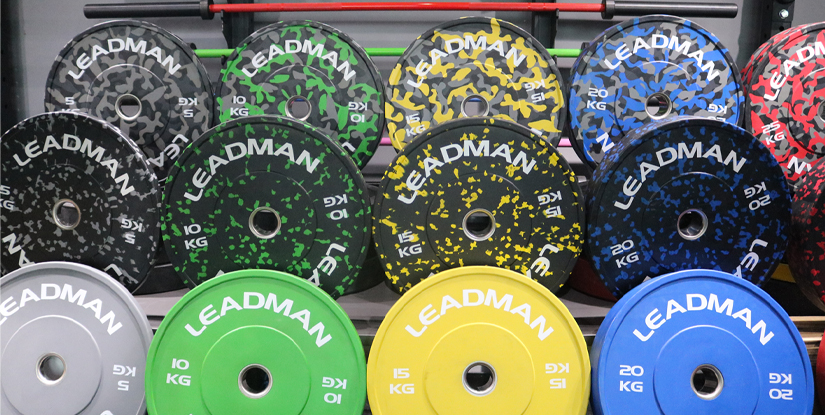
| Feature | Standard Iron Plates | High-Density Steel Plates |
|---|---|---|
| Relative Volume | Higher (Bulky) | Lower (Compact) |
| Storage Footprint | Expansive/Large | Minimal/Streamlined |
| Barbell Loading | Limited by plate thickness | High capacity per inch |
| Space Optimization | Requires more rack space | Ideal for tight environments |
By prioritizing steel weight plates, you ensure that your training sessions remain uninterrupted by the physical bulk of the equipment. This density allows for a much more streamlined aesthetic and functional layout, making it a smarter investment for any high-performance residential space.
Beyond the immediate benefits of floor space, investing in high-density steel provides significant long-term value for the discerning lifter. While lower-grade options might seem cost-effective initially, the superior durability of premium steel weight plates ensures they remain a permanent fixture in a collection rather than a consumable. This is a critical distinction for those building a professional-grade home setup intended to last decades.
The professional feel of high-density steel also translates to more consistent high-performance training. Because these plates are thinner and more structurally stable, they reduce the "oscillation" or wobbling often felt when loading heavy bars with bulkier iron weight plates. For distributors and retailers, sourcing these high-density options means offering a product that satisfies the technical requirements of elite athletes who demand precision, reliability, and a streamlined training environment.
The Resilience of Iron Weight Plates in High-Traffic Environments
When building a high-performance home gym or outfitting a professional facility, the primary concern for any buyer is the longevity of the investment. Unlike rubber-coated alternatives that may degrade or crack under extreme temperature shifts, steel weight plates offer a level of structural integrity that is essential for long-term use. The inherent density of high-grade metal ensures that these components can withstand the repetitive, high-velocity nature of heavy lifting impact without losing their shape or functional precision.
In many high-traffic environments, equipment is subject to constant friction and mechanical stress. Whether you are sourcing iron weight plates for a commercial distribution project or upgrading a personal training space, the material's ability to resist deformation is a critical factor in gym equipment durability. By prioritizing high-density steel, users ensure that their training setup remains a reliable asset that survives years of rigorous, heavy-duty loading and unloading.
To understand the true value proposition, one must look at how different materials respond to the inevitable wear and tear of consistent training. While many options exist, the distinction in gym equipment durability becomes most apparent when comparing high-density metal against softer or composite materials. For those focused on long-term value, the resistance to physical degradation is a non-negotiable quality.
The following comparison illustrates why steel weight plates remain the industry standard for professionals who prioritize a low-maintenance, high-impact training environment:
| Feature Factor | Steel/Iron Plates | Rubber-Coated Options |
|---|---|---|
| Wear and Tear | Extremely resistant to chipping or peeling | Prone to surface cracking or edge peeling |
| Maintenance | Minimal; easy to clean and inspect | Requires monitoring for coating integrity |
| Thickness Profile | Ultra-compact for high-density loading | Bulkier, limiting total weight capacity |
| Lifespan | Decades of consistent functional use | Dependent on coating durability |
Choosing iron weight plates significantly reduces the frequency of replacement cycles. Because these plates do not suffer from the degradation of external layers, they maintain their precise dimensions and weight accuracy over time, providing a more stable and predictable investment for any serious lifting setup.
Ultimately, the decision to prioritize high-grade metal is an investment in the future of your training facility. When we evaluate the lifecycle of training tools, long-term reliability is often the deciding factor between a setup that requires constant upkeep and one that supports consistent training for years without interruption. By selecting steel weight plates, you are opting for a product that remains virtually unchanged by the passage of time or the intensity of the workout.
For serious lifters and gym owners alike, the goal is to minimize the total cost of ownership. While some materials may offer a lower initial price point, they often fail to meet the standards of gym equipment durability required for heavy-duty lifting. Investing in high-quality iron weight plates ensures that your equipment remains a functional, high-performing asset, providing much greater long-term value than more fragile alternatives. This level of resilience is what transforms a simple home gym into a professional-grade training sanctuary.
Optimizing Maintenance and Longevity for Professional Collections
To protect your investment in high-quality steel weight plates, a proactive approach to care is essential. Unlike rubber-coated alternatives, the exposed metal surfaces of iron weight plates are inherently susceptible to environmental factors. The primary objective for any gym owner or serious enthusiast is effective rust prevention through consistent moisture control. Even in climate-controlled home environments, humidity can settle on the metal, leading to oxidation if left unaddressed.
Maintaining your collection requires minimal effort but high consistency. We recommend regular surface cleaning to remove sweat, chalk dust, and debris, which can trap moisture against the metal. After a session, wiping the plates with a dry, lint-free cloth ensures no residue remains. For long-term storage, keeping your equipment in a dry, well-ventilated area is the best way to ensure gym equipment durability. If you notice minor discoloration, a light application of a specialized metal protectant can restore the surface and prevent deep corrosion, extending the functional life of your strength training assets.
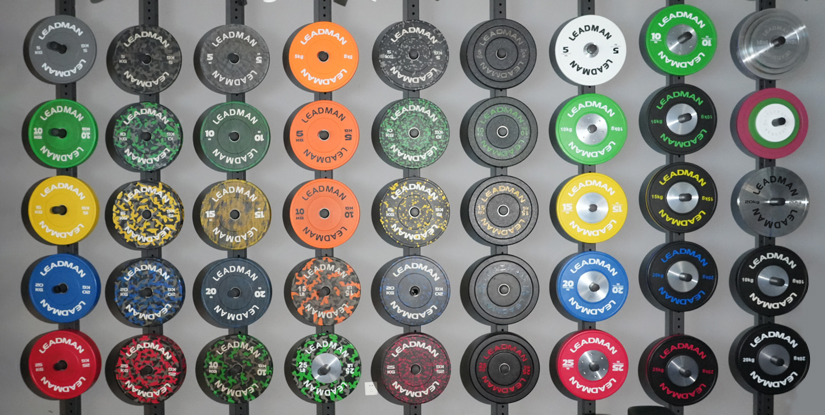
When deciding on a procurement strategy, understanding the trade-off between different materials is vital for long-term value. While steel weight plates and iron weight plates require more diligent care regarding humidity, they offer a distinct advantage in terms of structural integrity compared to rubber coated options. Rubber can degrade, crack, or peel over time due to UV exposure or temperature fluctuations, often requiring more frequent replacement cycles.
To help you evaluate your long-term maintenance frequency, consider the following comparison:
| Feature | Steel Weight Plates | Rubber Coated Plates |
|---|---|---|
| Maintenance Effort | Low (Requires occasional drying/oil) | Low (Requires surface cleaning) |
| Environmental Sensitivity | High (Sensitive to humidity/moisture) | Moderate (Sensitive to UV/extreme heat) |
| Long-term Durability | Exceptional (If kept dry) | Variable (Rubber may peel/crack) |
Ultimately, the gym equipment durability of steel relies heavily on the storage environment. If your facility or home gym is prone to high humidity, investing in a dehumidifier or a dedicated storage rack is a small price to pay for the longevity of your high-density metal collection.
Beyond basic cleaning, the most effective way to safeguard your steel weight plates care routine is through professional-grade organization. Utilizing dedicated weight trees or heavy-duty racks prevents the plates from sitting directly on damp floors, which is a common cause of premature oxidation. This type of organized storage not only optimizes your floor space but also ensures proper airflow around each unit, facilitating consistent humidity control within your training area.
For those managing large-scale collections, we suggest treating these assets as a long-term investment. Integrating a high-quality dehumidifier in your gym space can significantly mitigate the risks associated with seasonal moisture shifts. By combining structured vertical storage with a controlled atmosphere, you ensure that your iron weight plates remain in pristine condition, preserving their structural integrity and aesthetic finish for decades of heavy lifting.
Sourcing High-Grade Steel Components for Global Distribution
When building a high-performance training environment, the budget is often dictated by the procurement channel. Many enthusiasts and gym owners inadvertently pay a premium by purchasing through retail distributors who add significant markups to the final price. However, by focusing on manufacturing efficiency and sourcing directly from specialized production facilities, you can secure a much more cost-effective training setup without sacrificing quality.
Opting for steel weight plates through direct factory channels allows you to bypass the heavy overhead of local retail branding. While iron weight plates are widely available, high-grade steel variants produced at the source offer superior long-term value. This is because direct sourcing ensures you are paying for the raw material and precision engineering rather than the logistics and marketing costs associated with middle-market distributors. For those looking to scale a home gym or a commercial facility, prioritizing factory-direct procurement is the smartest way to maximize your investment and ensure gym equipment durability over years of rigorous use.
To make an informed purchasing decision, it is essential to weigh the initial capital expenditure against the expected lifecycle of your equipment. While different materials serve various training niches, understanding the financial trade-offs helps in optimizing your procurement strategy. Below is a comparison to help you visualize how steel weight plates stack up against other common options regarding budget and longevity.
| Material Type | Initial Investment | Durability Profile | Maintenance Needs |
|---|---|---|---|
| Steel Weight Plates | Moderate/Optimized | High (Excellent gym equipment durability) | Low (Minimal surface care) |
| Rubber/Bumper Plates | Higher | Moderate (Susceptible to wear) | Moderate (Surface degradation) |
| Standard Iron | Lowest | Variable (Prone to oxidation) | High (Frequent rust prevention) |
In many professional settings, the slightly higher upfront cost of premium steel weight plates is offset by their resilience. Unlike cheaper alternatives that may require frequent replacement, high-grade steel provides a stable, long-term solution that protects your bottom line by reducing the frequency of reordering.
Beyond material quality, a critical factor in procurement efficiency is the physical footprint of the order. When managing global distribution, the logistics of moving heavy weight can become a significant overhead. This is where the compact design of steel weight plates offers a distinct advantage over bulky alternatives like rubber bumper plates. Because steel is significantly denser, it provides a much higher weight-to-volume ratio, allowing more mass to be packed into a smaller shipping container.
For distributors and large-scale buyers, this translates directly into improved shipping efficiency. By maximizing the load density per pallet, you reduce the number of shipments required to fulfill an order, effectively lowering the landed cost per unit. Sourcing high-grade steel components that are engineered for precision ensures that even with a streamlined profile, you are not sacrificing gym equipment durability. Ultimately, selecting steel-based solutions optimizes your supply chain by minimizing freight volume and maximizing the utility of every cubic meter in transit.
Selecting the Right Specifications for Diverse Strength Training Needs
When building a high-performance home setup, the primary concern for any serious lifter is the longevity of their investment. Unlike rubber-coated alternatives that may degrade or crack over time, steel weight plates offer a level of structural integrity that is hard to match. The core advantage lies in their high-density construction; because steel is significantly more compact than many other materials, it provides a streamlined profile that maximizes barbell capacity without adding unnecessary bulk.
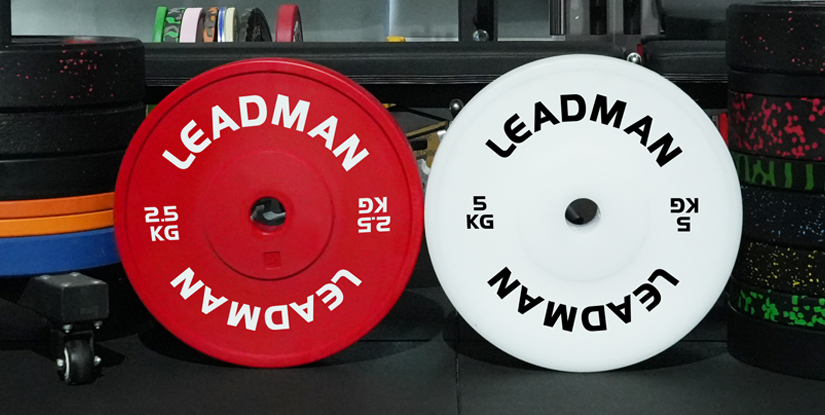
This density is the foundation of superior gym equipment durability. Whether you are sourcing iron weight plates for a garage gym or a professional training studio, the inherent strength of the metal ensures a high resistance to wear and tear during heavy compound lifts. While cheaper options might suffer from surface deformation or structural fatigue, high-quality steel remains stable under constant impact. For those looking to build a long-term training environment, choosing dense, high-grade steel ensures that your equipment remains a reliable constant in your fitness journey for years to come.
Choosing the right material involves more than just weight increments; it requires a strategic look at your specific training environment. To help you decide which configuration best suits your setup, we have outlined a comparison based on the most common user requirements.
| Feature/Requirement | Steel Weight Plates | Rubber-Coated Plates |
|---|---|---|
| Space Efficiency | High (Ultra-compact profile) | Lower (Bulkier thickness) |
| Maintenance Requirements | Minimal (Occasional wipe-down) | Moderate (Monitor for coating peel) |
| Long-term Value | Excellent (High durability/longevity) | Variable (Dependent on coating quality) |
| Best Use Case | Heavy lifting & limited space | General cardio & light strength |
If your goal is to maximize your barbell's capacity while maintaining a sleek, organized rack, steel weight plates are the clear winner. Their superior space efficiency allows you to stack more weight on a single bar without hitting the physical limits of the sleeve. Furthermore, the low maintenance requirements of high-grade steel mean that once you invest, your focus remains entirely on your training rather than equipment upkeep. For those prioritizing long-term value, the structural resilience of metal ensures your setup remains professional-grade for a lifetime.
Beyond material density, the true mark of premium steel weight plates lies in the precision of their manufacturing. For serious strength athletes, even a slight deviation in weight or a rough edge can disrupt a training session. This is why we emphasize the importance of precision engineering when selecting high-end equipment. High-quality production processes ensure consistent weight distribution across every unit, meaning a 20kg plate is exactly 20kg every single time. This level of accuracy is non-negotiable for those performing heavy compound movements where balance is critical.
Furthermore, the manufacturing quality directly impacts the user experience during high-intensity sessions. Superior iron weight plates are designed for smooth loading and unloading, featuring refined center holes that slide onto the barbell without friction or hesitation. This attention to detail provides a professional-grade feel that mimics the high-end equipment found in commercial facilities. When you invest in plates that prioritize these technical specifications, you are ensuring that your training transitions are seamless and that your barbell remains perfectly balanced, regardless of the load.
Implementation checklist for buyers
When scaling a home gym or a boutique fitness studio, the initial procurement decision often boils down to a single question: Is the upfront cost justified by the equipment's lifespan? While rubber-coated alternatives offer certain aesthetic benefits, professional lifters and savvy distributors increasingly prioritize steel weight plates due to their unmatched long-term value. Unlike cheaper composite materials that may degrade or take up excessive volume, high-quality iron weight plates provide a level of durability that withstands years of high-intensity use without losing structural integrity.
From a logistics and storage perspective, the space efficiency of steel is a significant advantage. Because these plates are thinner and more compact than bulky bumper plates, you can achieve higher load densities on a standard barbell and within your storage racks. This makes them an ideal investment for those looking to maximize training capacity while minimizing the physical footprint of their facility.
To help you determine the most cost-effective path for your facility or personal setup, we have outlined a comparison below. Evaluating the gym equipment durability against your specific training volume and spatial constraints is essential for maximizing your return on investment.
| Material Type | Lifespan | Space Requirement | Best For |
|---|---|---|---|
| Steel Weight Plates | Very High (Decades) | Minimal/Low Profile | Serious Lifters & High-Density Home Gyms |
| Iron Weight Plates | High (Long-term) | Moderate | Standard Strength Training & Budget-Conscious Setups |
| Bumper/Rubber Plates | Moderate (Wear-prone) | High/Bulky | Olympic Lifting & High-Impact Drops |
Choosing steel weight plates ensures that your procurement budget is spent on equipment that remains functional and compact through countless training cycles. While the initial selection process requires careful consideration of load density, the long-term gym equipment durability offered by steel typically results in a much lower total cost of ownership compared to frequent replacements of lower-grade alternatives.
To ensure your procurement yields high-performance assets rather than depreciating liabilities, we recommend utilizing a rigorous inspection protocol before finalizing any wholesale order. High-quality steel weight plates should be evaluated not just by their weight, but by their manufacturing precision and finish quality.
The Professional Buyer’s Inspection Checklist
Before committing to a large-scale shipment, verify these four critical technical benchmarks to guarantee long-term gym equipment durability:
- Weight Precision: Request a tolerance specification from the manufacturer. Premium iron weight plates should maintain extremely tight weight deviations to ensure balanced barbell loading during heavy sets.
- Coating Thickness: Inspect the powder coating or plating. A consistent, even layer is vital to prevent oxidation and ensure the steel weight plates remain resistant to moisture and environmental wear.
- Surface Uniformity: Check for smoothness in the center bore and outer edges. Any irregularities can lead to uneven wear on your barbells or uneven distribution of weight.
- Long-term Maintenance: Confirm the ease of cleaning. High-grade finishes should allow for simple wipe-downs to remove chalk and sweat without compromising the protective layer.
By prioritizing these technical details during the sourcing phase, you secure a reliable training environment and a superior return on your investment.