Steel vs Cast Iron Weight Plates: Which Is Better?
Optimizing Inventory Margins: The Economic Impact of Material Selection
When a boutique fitness studio is scaling its inventory or a regional gym chain is planning a facility refresh, the decision often hinges on more than just aesthetics; it is a calculated move to protect margins. Selecting the right material for your weight sets can significantly impact your initial investment and your ability to scale. While both options serve the same fundamental purpose, the steel vs cast iron weight plates debate is essentially a question of how you allocate your capital across your procurement lifecycle.
For distributors and facility owners, the cost-effectiveness of a purchase is rarely determined by the sticker price alone. Cast iron remains a staple for high-volume orders due to its lower entry cost, making it an excellent choice for budget-conscious setups. However, when evaluating steel vs iron gym equipment, we must look at the long-term value. High-grade steel plates may require a higher upfront outlay, but their density and resistance to the wear-and-tear seen in iron weight plate durability can lead to lower replacement frequencies, ultimately stabilizing your long-term maintenance budget.
To simplify your procurement strategy, we have categorized these options into specific tiers based on usage frequency and financial planning. This weight plate material comparison helps clarify where your capital is best utilized.
| Usage Scenario | Recommended Material | Budget Tier | Maintenance Profile |
|---|---|---|---|
| Home Gyms / Small Studios | Cast Iron | Low - Entry Level | Occasional care |
| Commercial Gyms / High Traffic | Steel | Mid - Premium | Minimal/Low Cost |
While cast iron offers an attractive entry point for startups, the iron weight plate durability may fluctuate under extreme, non-stop commercial use. Conversely, investing in steel often results in lower maintenance costs over a five-year cycle, as the material is less prone to the structural chipping often seen in lower-grade iron. When deciding on steel vs cast iron weight plates, consider whether you prefer a lower immediate cost or a more durable, long-term asset for your facility.
Ultimately, a smart procurement strategy requires looking beyond the initial invoice to understand the total cost of ownership. While cast iron may lower your immediate shipping and procurement costs, the long-term replacement cycles can be more frequent if the equipment is subjected to heavy, high-impact training. In high-traffic commercial environments, even minor degradation in iron weight plate durability can necessitate frequent inventory refreshes, which disrupts operational continuity.
In contrast, selecting high-density steel often functions as a hedge against future inflation and rising replacement costs. Although the steel vs iron gym equipment comparison might show a higher price tag per unit today, the extended lifespan of steel assets typically results in a more predictable and lower maintenance cost over several years. For distributors and facility managers, the goal is to balance the immediate budget against the long-term durability of the inventory to ensure that the choice made during the initial sourcing phase remains a profitable one throughout the equipment's lifecycle.
Density and Volume: Managing Floor Space in High-Traffic Facilities
When designing a commercial layout, the physical footprint of your equipment is just as critical as the total square footage. The primary distinction in the steel vs cast iron weight plates debate often comes down to density and volume. Because steel is generally more dense than standard cast iron, steel plates can achieve the same weight with a significantly thinner profile. This reduction in thickness allows for more weight to be loaded onto a single barbell without hitting the limit of the sleeve, which is a vital consideration for strength-focused high-traffic facilities.
For distributors and gym owners, this efficiency translates directly into compact storage solutions and optimized floor space. If your facility utilizes vertical weight trees or specialized storage racks, the slimmer profile of steel equipment can maximize your inventory density. Choosing the right weight plate material comparison metric ensures that your facility remains organized and professional rather than cluttered with bulky, oversized iron plates.
| Storage Factor | Steel Plate Profile | Cast Iron Plate Profile |
|---|---|---|
| Thickness/Volume | Slim & Compact | Bulkier & Thicker |
| Barbell Capacity | High weight/Low sleeve usage | Standard weight/Higher sleeve usage |
| Storage Efficiency | Optimized for small footprints | Requires more rack depth |
Ultimately, the steel vs iron gym equipment decision impacts your facility's operational flow. When evaluating space efficiency, steel offers a clear advantage for boutique studios or high-density training centers where every inch of the barbell sleeve and storage rack counts. While cast iron remains a reliable staple, the increased thickness of iron plates can lead to faster sleeve saturation, limiting the total load capacity of your bars. For professionals managing storage requirements in limited square footage, selecting high-density steel ensures a more streamlined, professional aesthetic and maximizes the utility of your available floor area.
Beyond the immediate barbell loading capacity, the long-term logistical advantages of steel become apparent in the management of a professional setup. In many high-traffic gym layouts, the ability to rotate equipment and clear floor paths is essential for safety and client flow. Because steel plates occupy less volume, they allow for a more space-saving approach to accessory management, preventing the "bulky look" often associated with older, traditional iron sets.
When performing a weight plate material comparison, buyers should consider how much room their storage solutions actually consume. A rack filled with thick cast iron plates can quickly become a visual and physical bottleneck. In contrast, the streamlined nature of steel minimizes the depth required for weight trees and storage pegs. While iron weight plate durability is a proven standard, the sheer bulk of iron can sometimes compromise the agility of a facility. For operators focused on maximizing utility per square foot, high-density steel provides a sophisticated, high-performance solution that keeps the training environment feeling open and modern.
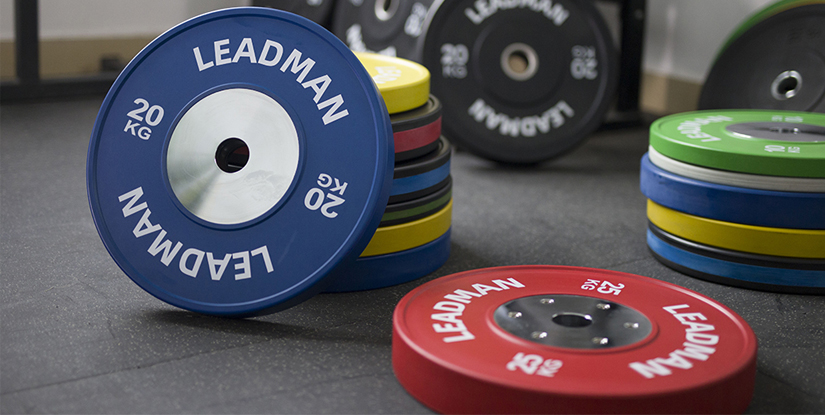
Durability Profiles: Assessing Long-Term Wear for Commercial Use
When sourcing equipment for high-traffic facilities, the primary concern is how the material handles the rigors of daily use. In the debate of steel vs cast iron weight plates, the distinction lies in how each material manages mechanical stress. Cast iron is a staple in many gyms due to its density, yet its iron weight plate durability is often tested by its inherent brittleness. Under extreme temperature fluctuations or heavy impact, cast iron can be prone to cracking or chipping if dropped improperly.
In contrast, high-grade steel offers superior impact resistance. Because steel is a more ductile metal, it tends to absorb kinetic energy rather than fracturing, maintaining its structural integrity even in rugged environments. While cast iron may show more significant surface wear or pitting over years of heavy handling, steel remains a resilient choice for facilities prioritizing long-term asset stability. Choosing the right material is a strategic decision that impacts both the lifespan of the equipment and the frequency of replacement cycles.
Beyond structural toughness, the long-term value of your inventory depends heavily on surface preservation. This weight plate material comparison becomes most visible when evaluating rust resistance and coating longevity across different environments. For instance, in humid climates or high-intensity training zones, untreated cast iron can develop surface oxidation relatively quickly, requiring more frequent cleaning or repainting to maintain a professional appearance.
Steel-based plates, often finished with advanced powder coating or specialized plating, generally offer a more consistent maintenance frequency profile. While cast iron is exceptionally rugged, the cost of upkeep can vary depending on the quality of the initial manufacturing. When deciding between steel vs iron gym equipment, consider your specific setting: commercial vs home use dictates whether you need a "set and forget" solution or if your staff can manage routine aesthetic maintenance. For large-scale distributors and facility owners, selecting steel often translates to lower long-term labor costs regarding surface upkeep, even if the initial procurement requires careful attention to coating specifications.
When evaluating the total cost of ownership, the choice between steel vs cast iron weight plates should be viewed as a long-term investment rather than just an upfront expense. For professional facilities hosting heavy-duty training sessions, the lifecycle of the equipment is the ultimate metric of success. High-intensity environments demand gear that can withstand thousands of repetitions and occasional high-impact drops without degradation.
While cast iron offers a classic, cost-effective entry point, steel-based configurations often provide a more predictable lifecycle in high-traffic zones. The decision between steel vs iron gym equipment ultimately hinges on your facility's operational model. If your goal is to minimize replacement cycles and reduce the overhead of constant inventory updates, investing in high-grade steel can offer better long-term value. For distributors and gym owners, prioritizing materials that balance density with impact resilience ensures that your equipment remains a reliable asset through years of rigorous use.
Maintenance Cycles and Surface Integrity Over Time
When managing high-traffic commercial facilities, the long-term iron weight plate durability depends heavily on how the material reacts to environmental moisture and physical impact. Cast iron is inherently porous, making it highly susceptible to oxidation if the protective coating is compromised. In humid training environments, untreated cast iron can develop surface rust, which may eventually impact the surface integrity and aesthetic value of your inventory. For distributors, this means a higher requirement for periodic inspection and localized rust prevention measures.
In the steel vs cast iron weight plates debate, steel often offers a different degradation profile. While steel plates are frequently finished with advanced powder coatings or plating to mitigate corrosion, any deep scratch can expose the base metal to oxygen. However, because steel construction is often more uniform, the way it handles surface wear differs from the grainier texture of cast iron. Understanding these weight plate material comparison nuances ensures you source equipment that maintains its professional appearance throughout its operational lifecycle, reducing the frequency of replacement or heavy refurbishment.
The actual maintenance difficulty for your facility is often dictated by your local climate. In coastal regions or high-humidity gymnasiums, the risk of surface degradation increases significantly. While a high-quality finish can extend the life of both materials, the long-term coating longevity of steel plates often outperforms cast iron due to the smoother, non-porous surface that better accepts modern electrostatic powder coatings. If your facility lacks centralized climate control, your choice in steel vs iron gym equipment will directly impact your annual upkeep budget and the frequency of cleaning cycles.
To help you determine the most cost-effective option for your specific environment, we have outlined the primary maintenance variables in the table below:
| Environment Type | Cast Iron Care Requirements | Steel Care Requirements |
|---|---|---|
| High Humidity / Coastal | Requires frequent inspections for oxidation and rust prevention. | Requires high-grade plating or heavy-duty powder coating. |
| Climate Controlled | Minimal upkeep; occasional wiping to remove dust/sweat. | Standard cleaning; very low risk of surface degradation. |
| High-Impact / Heavy Use | Watch for chipping in the paint due to porous surface. | Monitor for deep scratches that expose the base metal. |
This weight plate material comparison highlights that while cast iron is a rugged classic, steel-based solutions often provide a more predictable maintenance schedule in varied global climates.
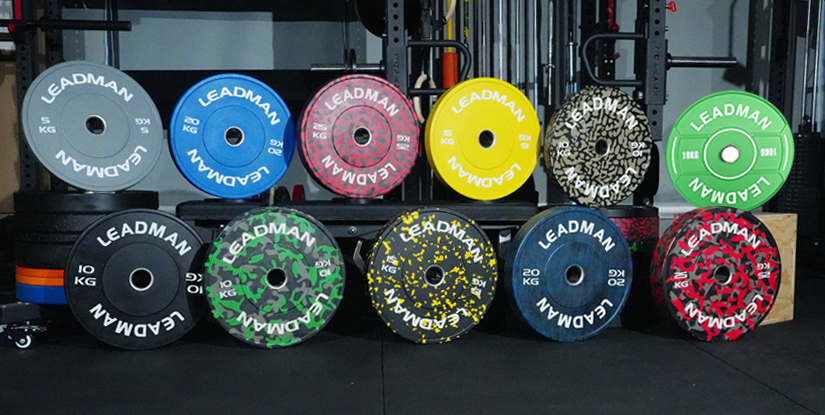
To maximize the ROI on your procurement, implementing a consistent regimen for long-term upkeep is essential. Regardless of whether you prioritize the density of iron or the precision of steel, moisture control remains the single most important factor in preventing premature degradation. For facility managers, this means ensuring that storage areas are well-ventilated and that equipment is not left in damp environments where condensation can settle on the surface.
Effective cleaning tips for professional settings involve using a non-abrasive, pH-neutral solution to wipe down surfaces after heavy training sessions. When dealing with steel vs iron gym equipment, avoid using harsh chemical solvents that can strip away protective layers. For cast iron, a light application of a specialized metal protectant can help seal the surface, whereas steel plates usually only require a routine wipe-down to remove sweat and chalk residue. By adhering to these simple protocols, you ensure your inventory remains a premium asset for years to come.
The Weight Plate Material Comparison: Performance vs. Longevity
When sourcing inventory for a new facility or upgrading a home gym, the decision between steel vs cast iron weight plates often comes down to a calculated trade-off between upfront capital expenditure and lifecycle value. While both materials are staples in the industry, they offer distinct profiles regarding density and physical footprint. Cast iron is a traditional heavyweight, often favored for its cost-effective manufacturing processes, yet it requires a specific understanding of iron weight plate durability to avoid premature cracking under extreme thermal shifts or impact.
On the other hand, steel options frequently provide a more compact profile due to higher material density, allowing for more weight on the barbell without compromising stability. However, the true divergence appears in long-term maintenance requirements. While steel can be more resilient in high-traffic commercial environments, the initial investment is typically higher. Buyers must weigh whether the immediate savings of iron justify the potential for more frequent replacements or surface degradation over time.
To simplify your procurement strategy, we have synthesized a weight plate material comparison focused on the practical variables that impact your bottom line. Understanding these dimensions helps mitigate the risk of inefficient capital allocation during large-scale facility setups.
| Dimension | Cast Iron Plates | Steel Plates |
|---|---|---|
| Budget | Lower initial cost; ideal for high-volume, budget-conscious builds. | Higher upfront investment; better for premium tier branding. |
| Space Efficiency | Bulky profile; requires more storage and barbell real estate. | Compact footprint; maximizes weight capacity on a single bar. |
| Usage Frequency | Suited for standard strength training and moderate environments. | Optimized for heavy-duty, high-traffic commercial settings. |
When evaluating steel vs iron gym equipment, consider that while cast iron offers immediate relief for tight budgets, steel often delivers superior space efficiency for high-performance lifting. For distributors and facility owners, the goal is to match the material's inherent characteristics to the specific intensity of the end-user's training environment.
Ultimately, your procurement choice should be driven by the projected lifecycle of your facility. If you are designing a high-end commercial gym where bar loading capacity and aesthetic density are critical, investing in steel is often the most strategic move. The higher investment value of steel is realized through its ability to withstand intense, heavy-duty use without the bulk, ensuring your equipment remains a premium asset for years. It is a long-term play for durability and space optimization.
Conversely, for a home gym setup or a startup facility operating on a lean budget, cast iron remains a highly reliable and cost-effective standard. It provides excellent utility for those who prioritize traditional strength training without the need for extreme compactness. When navigating the steel vs iron gym equipment landscape, always align your material selection with your specific operational scale. Whether you prioritize immediate cost savings or long-term structural efficiency, choosing the right material ensures your capital is deployed effectively toward your long-term fitness goals.
Strategic Sourcing: Selecting the Right Material for Your Target Market
When calculating the ROI for gym owners, the decision often hinges on the balance between upfront expenditure and lifecycle value. In the weight plate material comparison, the initial purchase price of cast iron is generally lower, making it a popular choice for budget-conscious startups or residential fitness brands looking to minimize initial CAPEX. However, while the entry cost is attractive, the long-term durability and maintenance costs of cast iron can rise if the environment is not strictly controlled to prevent oxidation.
In contrast, choosing steel vs cast iron weight plates involves weighing the premium cost of steel against its superior longevity. High-grade steel plates often offer a more compact footprint and higher resistance to wear, which can reduce the frequency of replacements in high-traffic commercial facilities. For distributors and large-scale facility managers, investing in steel may result in a better long-term financial outcome despite the higher starting price. Ultimately, the steel vs cast iron weight plates debate is not just about the price tag, but about which material aligns best with your facility's projected usage intensity and maintenance capacity.
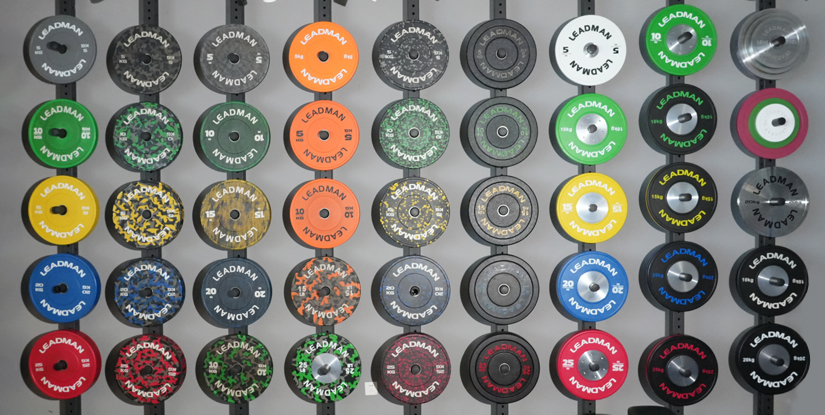
To simplify your procurement decision, we have outlined how these materials perform across different business models. Understanding the steel vs iron gym equipment trade-offs through the lens of usage intensity and budget tiers can prevent costly oversights during your next bulk order.
| User Profile | Primary Focus | Recommended Material | Space Efficiency | Replacement Frequency |
|---|---|---|---|---|
| Home Gym / Boutique Studio | Low to Mid Budget | Cast Iron | Standard | Low (under controlled humidity) |
| High-Traffic Commercial Gym | Long-term ROI | Steel | High (Compact) | Minimal |
| Premium Fitness Clubs | Premium Experience | Steel | Maximum | Very Low |
When evaluating iron weight plate durability, remember that while cast iron is highly reliable for standard lifting, it is more susceptible to chipping under extreme impact. Conversely, steel provides a more streamlined profile for crowded gym floors. If your goal is to maximize space efficiency in a dense urban facility, the higher density and thinner profile of steel plates often justify the premium. For distributors, matching the material to the specific user profile ensures higher client satisfaction and lower return rates due to wear.
Beyond the unit price, professional buyers must analyze the hidden variables in the total landed cost. A critical factor in the steel vs cast iron weight plates decision is shipping density. Because steel typically offers a more compact volume for the same weight, it can significantly alter your logistics costs during international transit. When managing bulk purchasing considerations, the relationship between volume vs weight becomes a decisive variable in your procurement budget.
For large-scale distributors, shipping high-density steel plates often means more weight per cubic meter, potentially optimizing container utilization and reducing the freight cost per kilo. While cast iron is often cheaper at the factory level, the larger physical footprint of certain iron molds can lead to higher volumetric weight charges. When weighing steel vs iron gym equipment, do not overlook how these shipping density advantages can offset the higher material cost of steel. A smart procurement strategy evaluates the final delivered price—inclusive of ocean freight and customs—rather than just the factory Ex-Works price, ensuring your weight plate material comparison accounts for the true cost of global logistics.
Maximizing Your Investment: The ROI Perspective
When evaluating steel vs cast iron weight plates, the decision hinges on your long-term business model. For high-traffic commercial facilities, the initial budget vs longevity equation is critical. While cast iron offers a lower entry price, steel plates often provide a superior return on investment through enhanced long-term durability and reduced replacement frequency in heavy-use environments.
From a logistics and facility management standpoint, space efficiency is a hidden cost. Steel plates are typically thinner and more compact, allowing for denser storage and more streamlined weight trees. This weight plate material comparison reveals that while cast iron is cost-effective for small-scale setups, steel is the smarter procurement choice for scaling operations. We recommend prioritizing steel if your goal is to minimize footprint and maximize the lifespan of your equipment under rigorous daily use.
To simplify your procurement strategy, we have outlined how different usage scenarios impact your bottom line. This comparison helps you determine whether the lower upfront cost of iron outweighs the long-term efficiency of steel for your specific facility needs.
| Feature/Scenario | Cast Iron Plates | Steel Weight Plates |
|---|---|---|
| Ideal User Type | Home gyms & budget studios | High-performance & commercial gyms |
| Space Requirements | Bulky/Higher volume | Compact/High density |
| Maintenance Level | Moderate (Rust prevention) | Low (High resistance) |
| Durability Profile | Standard iron weight plate durability | High-impact endurance |
In the steel vs iron gym equipment debate, your choice should reflect your facility's density goals. If you are managing limited square footage or high-frequency turnover, the premium for steel is often offset by reduced downtime and optimized storage capacity.
Final Decision: Your Quick-Check Guide
Before finalizing your next wholesale order, use this checklist to align your selection with your specific operational demands. Whether you are prioritizing upfront savings or long-term operational efficiency, these four pillars will guide your final decision.
- High-Frequency Use: If your facility operates 24/7 or manages heavy powerlifting sessions, prioritize steel for its superior durability and resilience against constant impact.
- Storage Constraints: Are you working with limited square footage? Choose steel to take advantage of higher density and thinner profiles, allowing more weight on a single bar or rack.
- Maintenance Capability: For low-maintenance environments, steel offers a more streamlined lifecycle compared to the standard iron weight plate durability requirements.
- Budget vs. Scale: Select cast iron for entry-level setups or boutique home-gym projects where initial capital expenditure is the primary concern.
By weighing these factors in your weight plate material comparison, you ensure your procurement aligns perfectly with your facility's long-term growth and spatial capacity.