types of weight plates | Selecting Weight Plate Types for
Optimizing Inventory Breadth and Margin for Fitness Distributors
A boutique strength studio focusing on heavy lifting faces a different financial reality than a large-scale commercial gym chain. While the former may prioritize specialized, high-impact equipment, the latter must manage massive inventory volumes where the margin for error in replacement costs is razor-thin. When sourcing, distributors and facility managers often face the dilemma of choosing between the immediate savings of lower-cost options and the long-term stability of premium materials.
Balancing Initial Outlay with Total Cost of Ownership
The debate of cast iron vs rubber plates is rarely about which is "better," but rather which offers the best long-term value for a specific facility profile. Cast iron provides a lower entry price point and extreme durability for standard strength training, but it lacks the shock absorption required for high-velocity movements. Conversely, high-quality bumper plate materials, such as high-density vulcanized rubber, protect both the equipment and the facility flooring. While the initial procurement cost for rubberized options is higher, the reduction in maintenance requirements and the extended lifespan of the surrounding environment often result in a much lower Total Cost of Ownership (TCO). For high-traffic commercial environments, investing in superior durability upfront prevents the recurring logistical headaches and replacement expenses associated with cheaper, less resilient alternatives.
To effectively manage stock levels and client expectations, distributors should categorize their offerings based on the end-user's specific operational environment. A tiered approach allows you to serve both the budget-conscious home gym enthusiast and the high-performance commercial facility without overextending your capital.
The following data structure illustrates how different types of weight plates align with various market segments, helping you determine the ideal inventory mix for your target demographic.
| Material Type | Initial Cost Level | Durability/Lifespan | Ideal Use Case | Maintenance Frequency |
|---|---|---|---|---|
| Cast Iron | Low | High (Decades) | Standard Strength/Home Gyms | Low (Rust Prevention) |
| Vinyl/Plastic Coated | Medium | Moderate | Light Commercial/Boutique | Moderate (Surface Cleaning) |
| High-Density Rubber | High | Very High | CrossFit/Olympic Lifting | Low (Impact Protection) |
When calculating your procurement strategy, consider that while cast iron offers higher margins on low-volume orders, premium rubberized options often secure larger, recurring contracts with professional training centers. Aligning your sourcing capability with these distinct tiers ensures you remain competitive across the full spectrum of the fitness industry.
Logistics Optimization and SKU Efficiency
Effective commercial gym equipment procurement requires more than just selecting high-quality materials; it demands a sophisticated understanding of how different types of weight plates impact your supply chain. A common mistake in inventory management is over-diversifying SKUs without accounting for the physical realities of shipping volume and weight-to-size ratios. For instance, while a wide variety of bumper plate diameters might appeal to a diverse clientele, an excessive inventory breadth can lead to fragmented shipments and increased freight costs per unit.
To maximize logistics optimization, distributors should aim for a strategic balance between specialized items and high-turnover staples. When negotiating with manufacturers, consider how the physical dimensions of your chosen plate types influence container utilization. High-density rubber plates, while durable, may require different pallet configurations compared to compact cast iron sets. By aligning your MOQ (Minimum Order Quantity) requirements with standard shipping increments, you can reduce the overhead of "dead space" in containers. A streamlined approach—focusing on high-demand weight increments and standardized packaging—ensures that your capital is not tied up in slow-moving, high-volume freight, ultimately protecting your profit margins during international transit.
Material Engineering: Evaluating Bumper Plate Materials for High-Impact Use
In a high-traffic commercial gym environment, the longevity of your inventory is dictated by how well your equipment manages kinetic energy. When selecting various types of weight plates, procurement specialists must look beyond simple weight increments and focus on the engineering of the core components. The durability of a plate is not merely about its ability to withstand weight, but its capacity to endure repetitive, high-impact use without compromising structural integrity.
The choice of bumper plate materials directly influences the shock absorption capabilities of the unit. High-density vulcanized rubber is the industry standard for professional strength facilities because it effectively dissipates energy during heavy drops. This density prevents the material from cracking or deforming over time, ensuring the plates remain consistent in diameter and weight. For distributors and facility owners, investing in superior material density reduces the frequency of replacements and lowers the long-term total cost of ownership, even if the initial unit cost is slightly higher.
When conducting a comparative analysis of cast iron vs rubber plates, the decision often hinges on the specific operational environment of the facility. Cast iron plates offer exceptional density and a compact profile, making them ideal for traditional strength training where floor impact is minimal. However, they require high-quality surface coatings—such as powder coating or specialized paint—to prevent oxidation and rust. Without a robust finish, the metal is susceptible to environmental degradation, which can increase long-term maintenance requirements.
Conversely, high-grade rubberized plates are engineered for high-impact zones. While they demand different storage considerations due to their volume, their superior wear resistance makes them the more cost-effective choice for CrossFit boxes or heavy lifting studios. From a procurement standpoint, evaluating the thickness and the quality of the edge-to-edge finish is critical. A well-engineered rubber plate maintains its shape under extreme pressure, ensuring that the center hole remains true and the surface does not degrade, thereby extending the equipment's functional lifecycle and stabilizing your long-term capital expenditure.
To streamline your sourcing process, we have synthesized the technical specifications of the most common materials into a comparative framework. This data allows procurement managers to align equipment selection with the specific mechanical demands and maintenance budgets of their clients or facilities.
| Material Type | Impact Resistance | Surface Durability | Typical Use Case | Maintenance Level |
|---|---|---|---|---|
| Solid Cast Iron | Low (High vibration) | Moderate (Requires coating) | Traditional Strength/Bodybuilding | Low (Monitor for oxidation) |
| Virgin Rubber Bumper | High (Excellent absorption) | High (Abrasion resistant) | Olympic Lifting/CrossFit | Minimal (Standard cleaning) |
| Urethane Bumper | High (Extreme density) | Very High (Chemical/UV resistant) | Premium Commercial/High-Traffic | Very Low (Highly stable) |
| Steel/Iron Core Rubber | Moderate | Moderate | General Fitness/Home Gyms | Moderate (Check for edge wear) |
Note for Buyers: When negotiating with manufacturers, always request specific details regarding the coating thickness for iron-based plates and the density specifications for rubberized options. This technical scrutiny ensures that the delivered goods meet the rigorous standards required for commercial-grade durability and long-term operational efficiency.
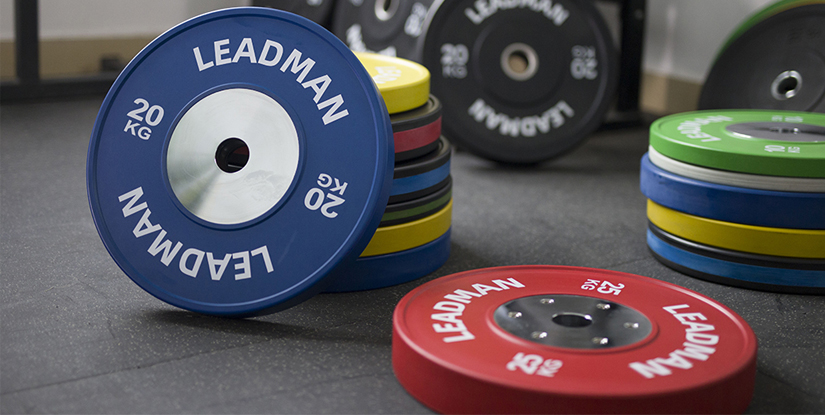
Cast Iron vs Rubber Plates: Determining the Best Fit for Facility Footprints
When optimizing a commercial gym layout, procurement decisions extend beyond unit price to the physical footprint each weight type occupies. The choice between cast iron vs rubber plates significantly impacts how much usable floor space remains in high-traffic zones and the long-term integrity of your subflooring.
Cast iron plates offer a slim profile, making them ideal for compact strength training areas or specialized barbell racks where space is at a premium. However, their density and lack of shock absorption necessitate high-grade floor protection to prevent structural damage. Conversely, rubberized plates—particularly bumper plates—are thicker and increase the diameter of the weight set. While this requires more clearance between equipment, the inherent dampening properties reduce the need for heavy-duty platform installations in certain functional training zones.
| Plate Material Type | Profile Thickness | Floor Impact Level | Ideal Facility Placement |
|---|---|---|---|
| Cast Iron | Low / Slim | High (Requires Mats) | Compact Strength Racks |
| Rubber Bumper | High / Thick | Low (Self-Dampening) | Open Functional Areas |
| Steel/Rubber Hybrid | Moderate | Medium | Multi-purpose Training Zones |
For distributors and facility owners, balancing these spatial requirements is essential for facility layout optimization. Selecting the wrong profile can lead to unexpected costs in flooring maintenance or restricted movement in high-density training environments.
Beyond simple floor coverage, procurement officers must evaluate the relationship between bumper plate materials and storage density. Because rubberized options are inherently thicker to accommodate the volume of the coating, they occupy more linear space on weight trees and vertical storage racks compared to their cast iron counterparts. This discrepancy can affect your shipping volume calculations and the total number of SKUs your storage solution can hold.
When sourcing for high-volume facilities, consider how vibration and noise attenuation affect your operational environment. While cast iron requires more rigorous maintenance of the subfloor, rubberized plates offer superior noise reduction, which is a critical factor for multi-use commercial spaces or boutique studios where sound control is a priority. In the context of commercial gym equipment procurement, the goal is to match the plate profile to the specific training intent—optimizing for either high-density storage or high-impact durability.
Strategic procurement requires a deep dive into the long-term total cost of ownership rather than just the initial purchase order value. While cast iron may present a lower upfront cost and a smaller physical volume, the hidden expenses often lie in the accelerated wear of flooring and the increased frequency of subfloor inspections. For large-scale warehouse gyms or heavy-lifting zones, the durability of the impact surface is just as vital as the weight plates themselves.
Conversely, selecting high-quality types of weight plates with integrated rubber coatings serves as a space-saving solution for facility maintenance budgets. By reducing the kinetic energy transferred to the ground, these plates minimize the maintenance requirements associated with repairing cracked tiles or uneven flooring. When calculating your logistics and inventory, remember that while rubberized plates demand more volume per unit, their ability to protect your facility's structural integrity often results in a more favorable long-term ROI for high-traffic commercial environments.
Maintenance Cycles and Longevity in Commercial Gym Equipment Procurement
For facility managers and distributors, the initial purchase price is only one part of the financial equation. When evaluating different types of weight plates, the long-term impact on operational overhead becomes the deciding factor in profitability. Selecting the wrong material can lead to premature degradation, requiring frequent replacements that disrupt gym operations and inflate the total cost of ownership (TCO).
The decision between cast iron vs rubber plates often hinges on the intended environment and usage intensity. While cast iron offers high density and a lower upfront cost, it is susceptible to chipping or oxidation if the coating is compromised. Conversely, high-quality bumper plate materials, such as virgin or recycled rubber, are engineered to absorb impact, protecting both the equipment and the facility flooring. Understanding how these bumper plate materials behave under heavy use allows procurement professionals to balance upfront capital expenditure against the long-term durability and maintenance cycles required for a high-traffic commercial setting.
To streamline your procurement strategy, we have synthesized the primary maintenance variables into a comparative overview. This allows for a more accurate assessment of how different material compositions affect your long-term facility upkeep and labor allocation.
| Plate Type | Primary Material Focus | Maintenance Frequency | Surface Degradation Risks | Storage Requirements |
|---|---|---|---|---|
| Cast Iron | Iron/Steel with Powder Coating | Low to Moderate | Rust/Oxidation if coating chips | Dry, humidity-controlled areas |
| Rubber/Urethane | Virgin or Recycled Rubber | Low | Surface scuffing or odor buildup | Standard indoor environments |
| Bumper Plates | High-Density Impact Rubber | Minimal | Compression or edge fraying | Vertical or horizontal racks |
When sourcing at scale, consider that cast iron requires more rigorous inspection for oxidation, especially in humid climates, which can affect resale value. In contrast, high-grade bumper plates are generally more forgiving regarding impact, though the quality of the rubber core dictates how well the plate maintains its structural integrity over thousands of drops. For distributors, prioritizing materials with high resistance to surface degradation ensures a lower frequency of customer complaints and more consistent product performance across different global shipping environments.
Beyond material composition, successful commercial gym equipment procurement requires a deep understanding of the logistics chain and environmental stressors. Even the highest-grade plates can suffer from significant value depreciation if the transit and storage protocols are inadequate. For wholesalers and large-scale distributors, quality control must extend beyond the factory floor to include the entire lifecycle of the inventory.
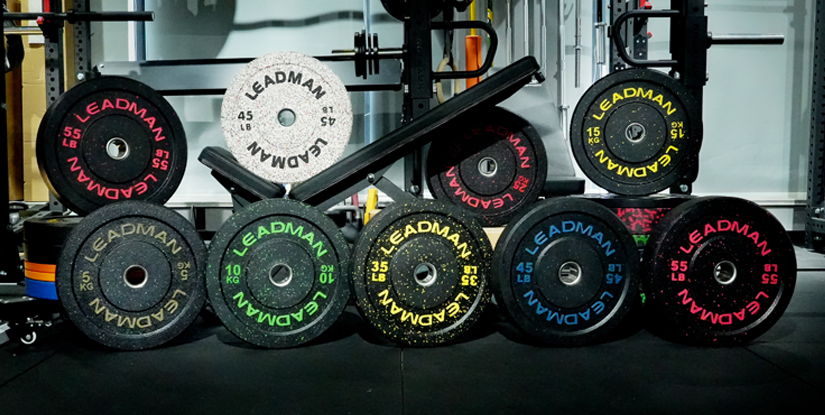
Logistics, Storage, and Environmental Integrity
One of the most overlooked variables in the procurement process is the impact of warehouse storage conditions on product longevity. For metal-based plates, even a minor breach in coating integrity can initiate oxidation. If inventory is held in high-humidity environments or non-climate-controlled warehouses for extended periods, the risk of rust formation increases, potentially compromising the aesthetic and structural standards required for premium commercial settings.
Furthermore, shipping durability is a critical metric for overseas procurement. When ordering high volumes, the mechanical stress of long-distance sea freight and repeated handling can lead to micro-fractures in rubberized edges or chipping in powder-coated surfaces. We recommend that buyers verify the packaging specifications with their manufacturer to ensure that crates and pallets are designed to withstand heavy stacking and environmental shifts. By prioritizing robust packaging and strictly monitoring storage humidity, procurement professionals can minimize the risk of receiving compromised stock and ensure that the inventory maintains its premium quality from the factory to the final installation site.
Total Cost of Ownership: Beyond the Initial Unit Price
For facility owners and distributors, the most expensive weight plate is often the one that needs replacing after only twelve months of heavy use. While low-cost options may satisfy immediate budget constraints during initial procurement, they frequently fail to account for long-term operational expenses. A high-quality selection strategy shifts the focus from the per-unit price to the Total Cost of Ownership (TCO), evaluating how material durability and maintenance requirements impact your bottom line over several years.
When comparing different bumper plate materials, the trade-off between upfront investment and longevity becomes clear. For instance, the debate of cast iron vs rubber plates is not just about feel, but about how each material interacts with your flooring and structural integrity. High-grade rubberized compositions offer superior shock absorption, reducing the frequency of floor repairs and equipment recalibration, whereas lower-grade materials may crack or degrade under high-volume commercial use.
| Material Type | Initial Procurement Cost | Durability Profile | Maintenance/Long-term Value |
|---|---|---|---|
| Standard Cast Iron | Low | High (Structural) | Requires rust prevention; high impact risk to floors. |
| Premium Rubber Bumper | Moderate to High | High (Impact Resistance) | Protects facility surfaces; minimal upkeep required. |
| Entry-level Bumper | Low to Moderate | Moderate | Higher risk of surface peeling or edge degradation. |
Optimizing your inventory requires a balance between volume-based discounts and the expected lifecycle of the product. Selecting premium materials may increase your initial shipping and freight costs, but it significantly lowers the long-term cost of frequent replacements and labor-intensive maintenance.
A sophisticated approach to commercial gym equipment procurement involves calculating the replacement frequency of your inventory. While cast iron plates are highly durable in terms of structural integrity, their lack of shock absorption can lead to secondary costs, such as damaged barbell sleeves or worn-out flooring. Conversely, high-quality urethane or premium rubber bumper plates, though more expensive at the point of sale, often present a more favorable ROI for high-traffic strength facilities due to their ability to withstand repeated high-velocity drops without losing shape or surface integrity.
When negotiating with manufacturers or distributors, it is essential to request data regarding the material density and coating resilience. A lower unit price is rarely a bargain if the product requires a complete overhaul within two years of standard commercial operation. By prioritizing materials that offer both impact resistance and long-term structural stability, buyers can ensure their capital expenditure serves the facility for a full lifecycle, rather than becoming a recurring operational expense.
To maximize the ROI of your procurement cycle, professional buyers must look beyond individual unit costs and consider the logistical complexities of large-scale orders. When sourcing various types of weight plates, the most effective way to mitigate risk is through rigorous quality control (QC) protocols and strategic bulk purchasing. Relying solely on the lowest bid often leads to hidden costs in logistics, such as unexpected damage during transit or high return rates due to dimensional inaccuracies.
Strategic Procurement Advice for B2B Buyers:
Rather than sourcing a fragmented list of SKUs from multiple vendors, aim to consolidate your order with a single, capable factory or a reliable distributor. This approach simplifies logistics and provides greater leverage for volume-based pricing. However, do not sacrifice oversight for speed; insist on pre-shipment inspections to verify material density, color consistency, and tolerance levels. By integrating strict quality control into your bulk purchasing strategy, you protect your total cost of ownership, ensuring that your investment in high-performance equipment remains a long-term asset rather than a recurring liability.
Logistics and Quality Control Standards for Bulk Weight Plate Imports
When scaling a facility, the financial implications of selecting specific types of weight plates extend far beyond the initial purchase order. Procurement professionals must look past the unit price to evaluate the total cost of ownership (TCO), which includes long-term durability, replacement frequency, and floor protection requirements. For instance, the decision between cast iron vs rubber plates is not merely a matter of preference; it is a calculation of how material wear affects your operational budget over a five-year cycle.
In high-volume wholesale orders, variations in bumper plate materials can lead to significant logistical headaches if quality standards are not strictly defined. Discrepancies in manufacturing tolerances—such as inconsistent thickness or diameter deviations—can cause uneven loading on barbells and premature wear on equipment. To mitigate these risks, distributors should demand rigorous documentation regarding material consistency. Ensuring that every batch meets exact specifications is essential for maintaining professional standards and avoiding the hidden costs of substandard imports.
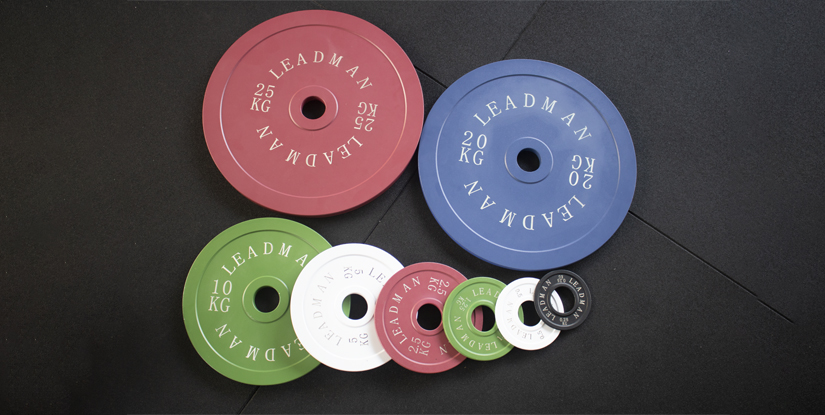
Understanding the relationship between material density and shipping volume is critical for optimizing freight costs during large-scale procurement. While iron-based plates offer high density and a smaller physical footprint, they lack the impact absorption found in high-grade rubber. Conversely, bumper plates, though more durable under heavy impact, often require more strategic container loading due to their increased volume and weight distribution. To assist in your decision-making, we have outlined the typical performance and logistical profiles below.
| Plate Type | Weight Density | Shipping Volume | Durability Profile | Maintenance Frequency |
|---|---|---|---|---|
| Cast Iron | High | Low | Excellent (Rigid) | Low (Periodic inspection) |
| Rubber Coated | Medium | Medium | Good (Surface wear) | Moderate (Surface cleaning) |
| Full Bumper | Lower | High | Superior (Impact resistant) | Low (High longevity) |
For commercial gym equipment procurement, the most cost-effective strategy involves balancing the upfront shipping weight against the long-term replacement cycle. While iron plates may lower initial freight expenses due to higher density, the potential for floor damage and noise can increase indirect facility costs. When sourcing via wholesale channels, always verify the manufacturer's ability to maintain strict diameter tolerances to ensure seamless loading and optimized container utilization.
Managing high-volume imports requires a transition from simple product selection to rigorous risk management. To avoid the common pitfalls of international sourcing, buyers must establish clear inspection protocols before the production line even begins. A primary concern for distributors is dimensional accuracy; even a slight deviation in diameter or center hole alignment can render a shipment unusable for high-end barbell systems. We recommend setting a strict weight deviation limit—typically within a ±1% to 2% tolerance—to ensure professional-grade consistency across the entire set.
Beyond physical dimensions, the coating integrity of the plates must be a non-negotiable checkpoint. Whether dealing with powder coating on iron or UV-stabilized rubber, any sign of peeling, bubbling, or uneven application can lead to rapid degradation in a commercial environment. Furthermore, procurement managers should confirm the factory's MOQ (Minimum Order Quantity) and their capability for container loading optimization. Efficiently stacking plates to maximize weight-to-volume ratios is essential for reducing the landed cost per unit, ensuring that your freight budget is utilized effectively without compromising the structural safety of the shipment.
Strategic Sourcing: Aligning SKU Selection with Client Demographics
In professional commercial gym equipment procurement, the most expensive mistake is not the initial unit cost, but the failure to align product specifications with the actual user profile. A one-size-fits-all approach to inventory often leads to premature equipment degradation or unnecessary capital expenditure. To maximize long-term ROI, buyers must categorize their facility's primary usage patterns before finalizing any bulk order.
For instance, high-traffic vs. low-impact environments require vastly different investment strategies. A high-performance CrossFit box or a heavy-duty strength facility demands high-grade bumper plate materials that can withstand repeated high-velocity drops without compromising structural integrity. Conversely, a boutique wellness studio or a luxury hotel gym may prioritize space-saving aesthetics and lower noise profiles, where traditional iron plates or thin-profile calibrated plates suffice. Selecting the wrong types of weight plates for these specific demographics results in higher maintenance overhead and frequent replacement cycles. By matching the durability of the material to the intensity of the training environment, distributors and facility owners can ensure a lower total cost of ownership and a more predictable equipment lifecycle.
Understanding the trade-offs between cast iron vs rubber plates is essential for calculating the true cost of a facility build-out. While iron plates offer a lower initial purchase price, they lack the shock absorption required for high-impact zones, potentially leading to increased floor damage and higher long-term facility maintenance requirements. In contrast, high-quality rubber-coated or solid bumper plates protect the subfloor and reduce ambient noise, which is a critical factor for multi-use commercial spaces.
The following B2B procurement decision matrix assists buyers in evaluating the total cost of ownership (TCO) based on the intended training intensity and facility type:
| Facility Profile | Preferred Material | Durability Expectation | Maintenance & TCO Logic |
|---|---|---|---|
| CrossFit / Strength Center | Bumper Plates (Rubber) | High (Impact Resistant) | Low floor repair costs; higher initial SKU cost. |
| Standard Commercial Gym | Cast Iron / Coated Iron | Moderate (Standard Wear) | Low unit cost; requires periodic surface inspection. |
| Boutique / Hotel Gym | Thin-Profile / Neoprene | Low (Aesthetic Focus) | Focus on space-saving and noise reduction. |
When negotiating with manufacturers, prioritize durability and material consistency over the lowest possible unit price. A slightly higher investment in high-density rubber or precision-cast iron often yields a superior ROI by extending the replacement cycle and minimizing operational downtime.
Optimizing Logistics and Inventory Turnover
Beyond material selection, sophisticated procurement requires a deep understanding of how physical dimensions impact your bottom line. For distributors and large-scale gym operators, the relationship between weight plate density and shipping volume is a critical lever for controlling landed costs. High-density materials, such as high-grade vulcanized rubber, allow for a more compact profile, which directly aids in shipping volume optimization. When you can pack more mass into a smaller cubic footprint, you significantly reduce the freight-to-weight ratio, lowering the per-unit shipping cost during international transit.
Strategic bulk ordering also demands a careful balance between MOQ (Minimum Order Quantity) and inventory turnover rates. While increasing order volumes typically unlocks better tiered pricing from the factory, it also ties up working capital in physical stock. To maintain a lean supply chain, we recommend analyzing your facility's most frequently utilized weight increments. By focusing your largest orders on high-turnover SKUs—such as standard 45lb/20kg plates—you can leverage economies of scale without over-investing in niche, slow-moving sizes. Effective logistics planning ensures that your stock levels remain high enough to meet demand spikes while minimizing the footprint required in your warehouse or storage area.