how accurate are weight plates | Understanding Weight Plate
Verifying Supplier Competency through Precision Audits
For distributors and facility managers, the true cost of a procurement error extends far beyond the initial invoice. When assessing how accurate are weight plates within a specific shipment, buyers must look past surface aesthetics to evaluate three critical checkpoints: the potential for mechanical imbalance, the deviation from technical specifications, and the logistical implications of weight discrepancies in bulk shipping. Ignoring these variables creates a significant procurement risk, as inconsistent mass distribution can lead to premature wear on barbell sleeves and uneven loading patterns that disrupt high-traffic training environments.
Establishing a rigorous protocol for quality control is essential for mitigating these long-term operational liabilities. Rather than accepting generic manufacturing claims, professional buyers should demand documentation regarding commercial weight plate tolerances and adherence to precision weight plate standards. Implementing periodic weight audits during the receiving process ensures that your inventory remains consistent. This proactive approach to long-term maintenance protects your reputation as a reliable supplier and ensures that the equipment delivered to your clients meets the exacting standards required for professional-grade strength training.
To effectively vet a manufacturing partner, procurement teams should move beyond simple MOQ discussions and focus on the depth of the factory’s internal testing infrastructure. A high-caliber supplier will provide a transparent inspection checklist that includes calibrated digital scale verification and specific protocols for weight deviation testing. It is not enough to know that a plate is "close to spec"; you must confirm that the manufacturer utilizes standardized testing methods to ensure batch consistency across large-scale production runs.
When evaluating supplier competency, request access to their internal factory QC protocols and technical data sheets. A professional documentation package should clearly outline the allowable margin of error for various materials—whether cast iron or urethane—and how these tolerances are monitored during the molding or casting stages. By requiring these technical specifications upfront, distributors can mitigate the risk of receiving inconsistent shipments, ensuring that every unit in a bulk order aligns with the precision required for high-end commercial gym installations.
To facilitate a more objective vetting process, procurement specialists should utilize standardized benchmarks when reviewing a manufacturer's technical data sheets. Relying on vague assurances of "high quality" is insufficient for large-scale distribution; instead, you must demand specific numerical tolerances that align with the intended application of the equipment. The following table illustrates the typical industry expectations for precision across different material types, providing a baseline for your quality assurance discussions.
Standard Tolerance Benchmarks by Plate Type
| Plate Material Type | Typical Tolerance Range | Precision Level | Commercial Grade Requirement |
|---|---|---|---|
| Cast Iron | ±1% to ±3% | Standard | High-volume commercial/Home gym |
| Urethane Bumper | ±0.5% to ±1.5% | High | Professional/Olympic training |
| Precision Calibrated | < ±0.5% | Ultra-High | Elite competition/Strength sports |
When negotiating bulk orders, use these benchmarks to define your acceptance criteria. A supplier capable of maintaining a ±1% tolerance for urethane bumpers demonstrates a superior level of factory control and technical maturity. If a manufacturer cannot provide a specific tolerance range for their production lines, it serves as a critical indicator of potential batch inconsistency, which can complicate your inventory management and long-term client satisfaction.
The Impact of Tolerance Deviations on Long-term Equipment Reliability
When sourcing high-volume inventory, procurement specialists often overlook how subtle discrepancies in weight can compromise an entire facility. Understanding how accurate are weight plates is not just about mathematical precision; it is a fundamental matter of protecting your capital investment. When commercial weight plate tolerances fall outside acceptable industry standards, the resulting uneven load distribution creates significant mechanical stress. This imbalance shifts the center of gravity during movement, leading to erratic oscillations that damage the structural integrity of premium barbells and power racks.
For gym operators and distributors, these deviations translate directly into increased maintenance overhead. Inconsistent thickness or density leads to accelerated barbell wear, specifically targeting the sleeves and internal bearings of high-end bars. Over time, this premature fatigue diminishes long-term equipment reliability, forcing facilities to replace expensive lifting components sooner than projected. By prioritizing strict gym equipment quality control during the manufacturing stage, buyers ensure that their heavy-duty infrastructure remains stable and durable under heavy usage cycles.
The relationship between precision and durability is a critical factor in calculating the Total Cost of Ownership (TCO). Inconsistent weight distribution does more than just affect the lifter; it accelerates the physical degradation of your facility's assets. High-precision standards act as a safeguard for your long-term inventory, whereas low-tolerance products often lead to hidden replacement costs. The following table illustrates how these variables influence the operational lifecycle of commercial fitness assets.
| Precision Standard Level | Maintenance Frequency | Impact on Equipment Lifespan | TCO Projection |
|---|---|---|---|
| High-Precision (Standardized) | Low / Scheduled | Maximum; protects barbell sleeves | Optimized through longevity |
| Moderate Tolerance | Medium / Periodic | Standard; gradual wear expected | Stable; predictable replacement |
| Low-Precision (Variable) | High / Frequent | Reduced; increased risk of fatigue | High; driven by premature replacement |
For distributors, selecting products with rigorous precision weight plate standards is a strategic decision to reduce after-sales service requests. Investing in superior gym equipment quality control minimizes the frequency of component failures, ensuring that the durability vs. precision ratio remains in favor of the facility operator, ultimately protecting the bottom line.
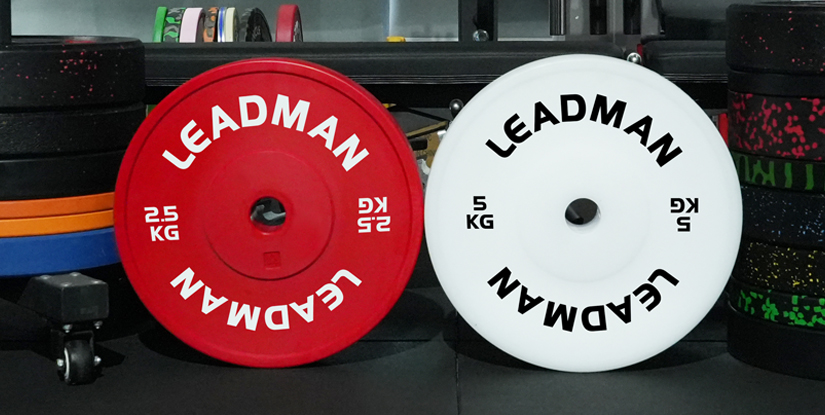
To mitigate these long-term risks, B2B buyers must shift focus from unit price to the factory’s internal manufacturing consistency. A low-cost supplier might offer competitive MOQs, but without a documented quality control framework, you face significant procurement risk through inconsistent shipments. When a single batch lacks batch uniformity, the weight variance between plates can cause uneven wear on specialized lifting surfaces, leading to premature replacement cycles across your entire inventory.
A professional durability assessment during the sourcing phase should involve more than just checking the weight; it requires auditing the supplier's ability to maintain precision across large-scale production runs. Ask for specific data regarding their calibration processes and how they manage material density variations. By ensuring the manufacturer adheres to strict precision weight plate standards, you protect your reputation as a distributor and ensure that the equipment you supply remains a reliable, long-term asset for high-traffic commercial environments.
Mitigating Warranty Risks via Strict Quality Control Standards
For facility owners and distributors, the true cost of weight plates extends far beyond the initial purchase price. When evaluating how accurate are weight plates in a commercial setting, the focus must shift toward the long-term Total Cost of Ownership (TCO). If a shipment lacks strict adherence to precision weight plate standards, the repercussions manifest as increased maintenance overhead and premature equipment failure.
Inconsistent commercial weight plate tolerances often lead to subtle imbalances. While a single plate might only deviate by a few grams, a full set of imbalanced weights creates uneven wear on barbell sleeves and barbell bearings. This mechanical stress compromises the structural integrity of high-end lifting bars, leading to expensive replacement cycles and frequent warranty claims. By prioritizing high-precision manufacturing during the sourcing phase, procurement professionals can mitigate these operational risks, ensuring that equipment longevity aligns with the rigorous demands of high-traffic commercial gyms.
To safeguard your margins, you must move beyond surface-level inspections and demand transparency regarding the factory's internal quality control. Reliable manufacturers do not just promise accuracy; they provide documented evidence of their testing protocols. When vetting potential suppliers for bulk orders, look for a systematic approach to managing weight deviation through standardized calibration processes.
A Procurement Checklist for Factory Verification
Before finalizing any large-scale contract, ensure your technical specifications include a clear definition of acceptable manufacturing tolerances. A professional procurement checklist should include the following verification points:
- Batch Consistency Protocols: Ask if the manufacturer uses automated calibration to ensure that the first plate in a production run matches the last.
- Weight Deviation Thresholds: Define the maximum allowable percentage of error per unit to prevent discrepancies during inventory management.
- Material Homogeneity: Confirm that the density of the iron or rubber coating is uniform to prevent localized weight shifts.
- Pre-Shipping Inspection Standards: Inquire about the specific inspection protocols used for bulk orders, such as random sampling via high-precision digital scales.
Establishing these technical guardrails during the sourcing phase protects your reputation as a distributor and reduces the likelihood of costly returns or client dissatisfaction.
Operational Impact of Tolerance Variance
Understanding the relationship between precision and long-term maintenance is essential for calculating the true lifecycle of gym assets. High-precision manufacturing reduces the mechanical friction that causes premature wear on expensive barbell components. The following table illustrates how varying levels of accuracy influence the operational rhythm of a facility and the frequency of required equipment interventions.
| Precision Level | Typical Tolerance Standard | Maintenance Window | Replacement Frequency | Grade Category |
|---|---|---|---|---|
| High-Precision | < ±1% deviation | Extended; minimal barbell sleeve inspection | Low; long-term durability | Commercial / Professional |
| Standard Commercial | ±2% to 3% deviation | Moderate; periodic cleaning and checking | Medium; standard wear patterns | Commercial / Mid-tier |
| Standard/General | ±5% or greater | Frequent; high risk of uneven wear | High; rapid component degradation | Residential / Home Gym |
For distributors and large-scale gym operators, sourcing at the high-precision level is a strategic decision. While the initial unit cost may be higher, the reduction in maintenance frequency and the extended lifespan of ancillary equipment—such as premium barbells and bearing systems—results in a significantly lower TCO. Investing in high-standard manufacturing prevents the "hidden costs" of inconsistent weight distribution that often plague lower-grade inventory.
Optimizing Inventory Management with Consistent Weight Specifications
For distributors and large-scale gym suppliers, the operational headache often stems from more than just shipping logistics; it involves the hidden volatility of product specifications. When procurement teams ask how accurate are weight plates, they are often looking beyond the physical weight to the impact on their bottom line. Inconsistent manufacturing leads to inventory discrepancies that disrupt digital stock counts and complicate replenishment cycles.
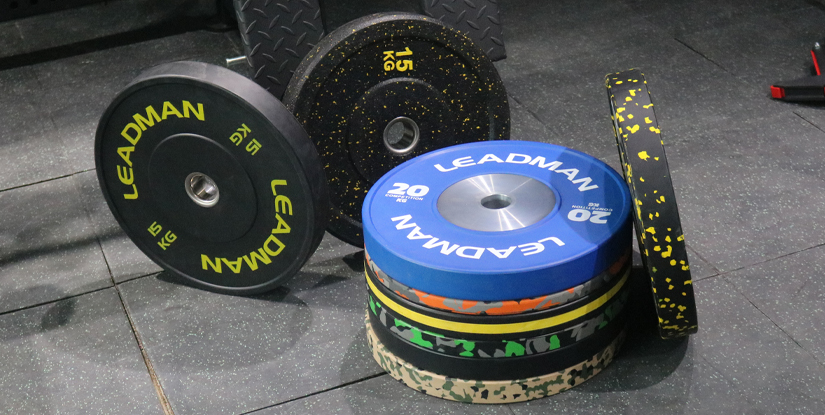
If a shipment of 20kg plates arrives with a variance that exceeds precision weight plate standards, the distributor faces a mismatch between the physical stock and the recorded SKU weight. This lack of SKU consistency can lead to incorrect shipping weight calculations, unexpected freight surcharges, and dissatisfied end-users who notice the imbalance. Maintaining strict commercial weight plate tolerances is therefore a critical factor in ensuring predictable inventory turnover and reliable warehouse management.
| Procurement Factor | High-Tolerance Precision Plates | Standard Commercial Plates |
|---|---|---|
| SKU Predictability | High consistency; easy to automate | Moderate variance; manual checks required |
| Inventory Accuracy | Minimal discrepancy in stock counts | Risk of weight-based mismatches |
| Shipping Logistics | Stable weight profiles for freight | Potential for weight fluctuations |
| Distributor Risk | Low; predictable replenishment | Higher; requires frequent auditing |
When evaluating potential factory partners, professional buyers must look beyond the surface-level price point and examine the actual technical specifications. The following comparison helps procurement officers differentiate between tiers of production to align with their specific business model, whether they are supplying boutique fitness studios or high-traffic commercial franchises.
| Quality Tier & Precision Level | Target Market Application | Quality Control Focus | Logistics & Sourcing Impact |
|---|---|---|---|
| Premium/Competition Grade (High-Precision) |
Professional training facilities and sanctioned competitions. | Strict adherence to single-digit tolerance deviations; high-end casting. | Predictable shipping weights; ideal for high-value, low-volume SKU management. |
| Standard Commercial Grade (Mid-Tier) |
General fitness clubs and large-scale commercial gyms. | Standardized manufacturing processes with acceptable commercial variance. | Stable replenishment cycles; balanced cost-to-durability ratio for distributors. |
| Economy/Home-Use Grade (Low-Precision) |
Residential setups or budget-friendly fitness outlets. | Loose tolerances; focus on material volume over exact weight accuracy. | Higher risk of weight-based freight surcharges and inventory discrepancies. |
Selecting the appropriate tier is a strategic decision. While premium precision reduces the administrative burden of auditing and returns, standard commercial grades often provide the most scalable ROI for high-volume distributors managing massive warehouse stock. Understanding these benchmarks ensures your sourcing decisions support both long-term equipment lifespan and efficient warehouse operations.
Beyond immediate inventory counts, the precision of your stock directly dictates the total cost of ownership (TCO) for your clients and the reliability of your own supply chain. A common oversight in large-scale procurement is neglecting the impact of weight drift—the gradual deviation in weight caused by material degradation or inconsistent manufacturing batches. For a facility manager, a set of plates that loses its exact calibration over time represents a hidden cost in maintenance and user dissatisfaction. For a distributor, sourcing products with poor gym equipment quality control means facing higher return rates and damaged brand reputation.
Reliable bulk ordering reliability is built on the foundation of specification stability. When a manufacturer provides consistent weight profiles, it streamlines your replenishment cycles, allowing for automated reordering based on predictable shipping weights and volume. Conversely, sourcing low-tolerance equipment may offer a lower upfront cost, but the long-term value is often eroded by the logistical friction of managing inconsistent SKUs. To secure long-term value, procurement professionals should prioritize partners who treat weight accuracy as a core metric of structural integrity rather than just a secondary specification.
Logistics and Landed Cost Considerations for High-Density Loads
For distributors and gym equipment wholesalers, the true cost of an order is rarely just the unit price; it is the landed cost per kilogram. When evaluating how accurate are weight plates, one must look beyond the gym floor and toward the shipping container. Inconsistent manufacturing tolerances lead to density variations that can disrupt even the most calculated logistics plans. If a batch of plates deviates from the target weight due to poor quality control, you may find yourself paying for "phantom weight" that adds nothing to your inventory value but increases your freight bill.
Precision is vital for shipping cost optimization. High-density steel or rubber-coated plates are designed to maximize weight within a fixed volume. However, if the dimensions are inconsistent, it compromises container load efficiency. Discrepancies between volumetric weight vs. actual weight can lead to unexpected surcharges or, more commonly, wasted cubic capacity. When precision is high, you can pack containers more tightly and predictably, ensuring that every cubic meter of your sea freight is utilized to transport maximum revenue-generating mass.
Discrepancies in manufacturing precision do more than just affect gym floor performance; they directly impact your bottom line through cumulative logistical inefficiencies. When sourcing at scale, even a small margin of error in weight distribution can lead to significant inventory inaccuracies and higher landed costs.
The following comparison illustrates how varying levels of precision influence the Total Cost of Ownership (TCO) and long-term procurement planning for high-volume distributors.
| Metric | Standard Precision (±2-3%) | High-Precision (±0.5-1%) |
|---|---|---|
| Inventory Accuracy | Lower; requires manual weight verification | High; streamlined digital tracking |
| Density Impact | Variable; inconsistent volume-to-weight ratio | Stable; optimized for high-density packing |
| Shipping Cost per Unit | Unpredictable; higher risk of freight surcharges | Optimized; predictable container utilization |
| Long-term TCO | Higher due to replacement and shipping waste | Lower via improved logistics efficiency |
For professional procurement, adhering to strict precision weight plate standards ensures that your shipping manifests align with actual container weight. Investing in superior commercial weight plate tolerances reduces the risk of "dead weight" in transit, protecting your margins during international freight movements.
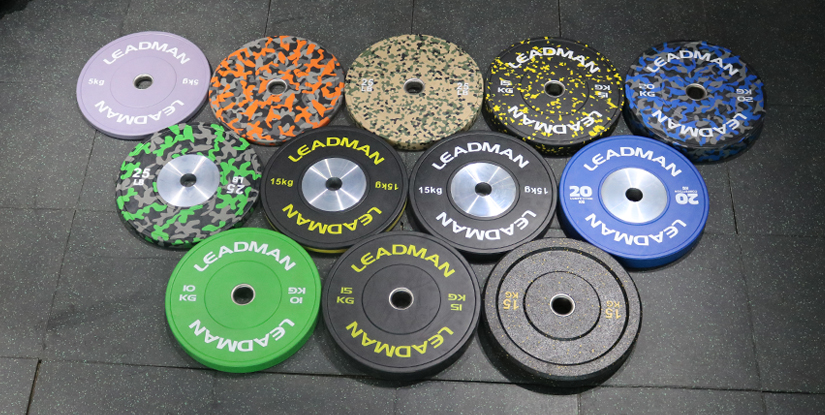
Beyond the immediate freight bill, procurement reliability is often undermined by the hidden costs of inventory auditing and warehouse management. When a supplier lacks rigorous gym equipment quality control, the resulting weight discrepancy creates a ripple effect throughout the supply chain. A shipment that arrives under the expected mass may satisfy the gross weight requirement of a shipping manifest, but it fails to meet the actual unit count required for retail or facility deployment.
This lack of high-density load stability forces distributors into constant manual verification, increasing labor costs and complicating stock-taking processes. If your SKU counts and actual mass do not align, your digital inventory management systems become unreliable, leading to inaccurate replenishment orders and potential stockouts. For high-volume buyers, prioritizing precision is not just about the weight on the bar; it is a strategic move to ensure procurement reliability and minimize the operational friction caused by inconsistent material density.
Strategic Sourcing: Balancing Precision and Bulk Procurement
For facility owners and distributors, the true cost of a weight plate is not found in the initial invoice, but in the total cost of ownership. When evaluating how accurate are weight plates during the sourcing phase, procurement professionals must look beyond the unit price to the long-term impact on equipment lifespan. Low-quality manufacturing often results in inconsistent commercial weight plate tolerances, which creates a ripple effect of mechanical issues across a commercial gym floor.
Significant deviations in mass distribution lead to uneven wear on barbell sleeves and bearing systems. This lack of precision causes subtle imbalances that, over time, compromise the structural integrity of high-end lifting bars and racks. From a management perspective, these inaccuracies translate directly into increased maintenance costs and premature replacement cycles for expensive strength equipment. By prioritizing high-standard precision weight plate standards during bulk procurement, distributors can mitigate the risk of frequent equipment downtime and ensure a more durable, high-performance inventory for their end-users.
Optimizing your procurement strategy requires a nuanced understanding of quality tiers and their respective applications. To maximize ROI, buyers should categorize their inventory needs based on the specific demands of the target environment. For example, high-performance training facilities often require strict adherence to precision weight plate standards to ensure athlete safety and barbell longevity, whereas general fitness centers may find higher margins in standard-grade equipment.
When negotiating with manufacturers, consider the following framework to balance gym equipment quality control with budget constraints:
- Premium Tier: Highest precision with minimal tolerance variance. Ideal for professional strength clubs where equipment longevity and brand reputation are paramount.
- Standard Commercial Tier: Reliable consistency suitable for large-scale distributors and commercial gyms focusing on high-volume throughput.
- Economy Tier: Best for budget-conscious retail or home-use markets, though it carries higher risks regarding long-term maintenance.
A sophisticated cost-benefit analysis reveals that increasing your MOQ (Minimum Order Quantity) for higher-tier precision plates can often offset the initial price premium by reducing the frequency of replacement orders and equipment repairs. Successful distributors prioritize these quality benchmarks to build long-term reliability into their supply chains.
Beyond individual product performance, procurement leaders must address the logistical complexities of large-scale sourcing. One of the most overlooked risks in global trade is shipping weight consistency. When ordering high-volume shipments, even minor deviations in mass can lead to significant discrepancies in container weight calculations and freight costs. A lack of rigorous quality control (QC) at the factory level can result in a shipment that fails to meet the exact weight specifications required for professional inventory management, potentially leading to disputes with end-clients or customs discrepancies.
To safeguard your margins, it is essential to vet factory capability through a lens of systematic precision. A reliable manufacturer should demonstrate a robust quality control protocol that includes batch-testing and weight verification before any container is sealed. For distributors, this level of transparency is the foundation of distributor reliability. By ensuring that the bulk procurement risks—such as weight variance and uneven distribution—are mitigated at the source, you protect your inventory management workflows and ensure that every SKU delivered to your warehouse aligns perfectly with your catalog specifications.