barbells and weight plates | Optimizing Gym Performance
Evaluating the Long-Term Value of High-Grade Strength Training Equipment
When procurement specialists evaluate a new facility layout, they often face a critical tension between immediate budget constraints and future operational stability. A successful acquisition strategy requires looking beyond the invoice to identify three essential checkpoints: the risk of premature wear, the precision of technical specifications, and the logistical reliability of the supply chain. Neglecting these factors often leads to a cycle of frequent replacements that disrupts training workflows and inflates total ownership costs. By prioritizing high-spec barbells and weight plates, buyers transition from merely purchasing goods to investing in foundational assets that maintain their integrity under heavy use.
The relationship between initial cost vs. durability is perhaps the most significant metric in commercial fitness management. While lower-tier strength training equipment may offer an attractive entry price, the lack of standardized metallurgical quality and coating resilience often results in rapid degradation. High-grade barbells and weight plates are engineered to withstand the rigors of high-volume environments, ensuring that the long-term value remains high through consistent performance and minimal maintenance. Investing in premium olympic weightlifting gear minimizes the hidden costs of equipment downtime and frequent re-ordering, ultimately protecting the facility's bottom line and reputation.
To visualize the fiscal impact of these choices, consider the lifecycle of professional-grade gear versus budget alternatives. While the upfront expenditure for premium barbells and weight plates is higher, the total cost of ownership is often significantly lower when viewed through a multi-year lens. Low-cost options frequently fail to meet strict gym durability standards, leading to issues such as knurling wear, shaft bending, or plate cracking under heavy loads.
The following comparison highlights why specialized olympic weightlifting gear is a strategic procurement choice rather than a luxury expense:
| Metric | Budget-Tier Equipment | Premium Commercial Gear |
|---|---|---|
| Maintenance Frequency | High (Frequent lubrication/inspection) | Low (Minimal routine care required) |
| Replacement Cycles | Short (12–24 months in high-traffic areas) | Extended (Multiple years of heavy use) |
| Operational Impact | Frequent downtime for repairs/swaps | Consistent availability for members |
By selecting equipment built to withstand high-frequency use, facility owners mitigate the risk of constant replacement cycles. Choosing high-spec strength training equipment ensures that your capital expenditure serves the facility for years, rather than becoming a recurring line item in your annual operating budget.
Ultimately, the most effective way to maximize training efficiency is to eliminate the friction caused by substandard gear. When a facility relies on low-grade barbells and weight plates, the hidden costs extend far beyond the initial purchase price; they manifest as member dissatisfaction, increased labor for equipment inspection, and the logistical headache of constant re-ordering. A true investment in quality acts as a hedge against these operational inefficiencies. By prioritizing high-spec olympic weightlifting gear that meets rigorous gym durability standards, procurement managers secure a predictable, stable environment. This strategic approach shifts the focus from minimizing the immediate invoice to optimizing the total cost of ownership. In the long run, the financial wisdom of sourcing high-performance strength training equipment becomes clear: you are not just buying metal and rubber, you are purchasing years of uninterrupted service and sustained facility reliability.
Material Integrity and the Lifecycle of Olympic Weightlifting Gear
In high-traffic commercial environments, the physical stress placed on olympic weightlifting gear is relentless. When athletes perform heavy cleans or snatches, the equipment undergoes extreme kinetic energy transfers. If the barbells and weight plates are not engineered to withstand these forces, the resulting micro-fractures or deformations can compromise structural integrity and pose safety risks. For distributors and gym owners, sourcing equipment with high high-impact resistance is not just about performance; it is a critical strategy to reduce replacement cycles and protect long-term capital investments.
Selecting the right grade of steel and high-density rubber is essential for maintaining gym durability standards. Below, we compare how different material compositions affect the operational lifespan of your heavy lifting inventory.
| Material Grade | Impact Resistance | Typical Use Case | Maintenance Level |
|---|---|---|---|
| Standard Steel/PVC | Moderate | Home gyms or light retail | Frequent inspection required |
| High-Tensile Steel | High | Professional strength training | Standard upkeep |
| Premium Olympic Grade | Extreme | Competitive/Commercial lifting | Minimal, long-term reliability |
Investing in premium barbells and weight plates ensures that the equipment can endure thousands of drops without losing its calibration or structural strength. For professional procurement, prioritizing these high-spec materials is the most effective way to mitigate the costs of equipment failure in demanding environments.
Choosing the right level of strength training equipment requires a nuanced understanding of how different environments impact material fatigue. A high-performance facility often faces a much higher turnover of gear compared to boutique studios. To ensure your facility meets strict gym durability standards, it is helpful to categorize your selection based on the expected intensity of use and the specific mechanical stresses involved.
The following guide helps clarify which configurations offer the best return on investment based on your operational needs:
| Material Type | Durability Profile | Best Use Case |
|---|---|---|
| Cast Iron | High (Rigid) | Traditional strength training and heavy static lifting |
| Rubber-Coated Steel | High (Impact-Absorbent) | High-traffic commercial gyms and functional training zones |
| Bumper Plates (High-Density) | Extreme (Resilient) | Dynamic olympic weightlifting gear and heavy drop sets |
When sourcing barbells and weight plates, we recommend matching the material density to your facility's primary training style. While cast iron is cost-effective for static movements, rubberized or bumper options are indispensable for protecting both your flooring and the equipment itself during high-velocity training sessions.
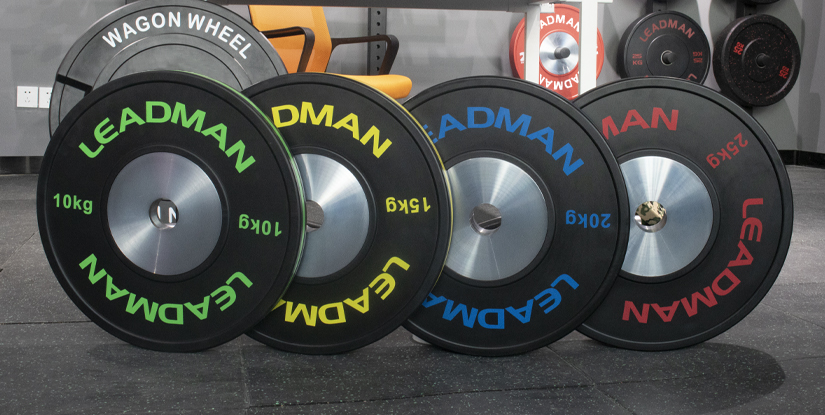
Beyond the initial purchase, maximizing the lifecycle of your inventory requires a proactive approach to maintenance. In professional fitness settings, even the highest-quality strength training equipment is subject to inevitable wear and tear. For example, salt from perspiration can lead to oxidation on steel bars, while repeated heavy drops can eventually compress even the most resilient bumper plates. Implementing a routine inspection schedule allows facility managers to identify minor surface issues before they escalate into structural failures.
To optimize your return on investment, we suggest a tiered maintenance strategy:
- Surface Care: Periodically wiping down barbells and weight plates to remove moisture and prevent corrosion.
- Mechanical Check: Regularly inspecting the rotation of sleeves and bearings to ensure smooth movement during dynamic lifts.
- Environmental Control: Maintaining optimal humidity levels in the training area to preserve the integrity of both metal and rubber components.
By integrating these simple oversight protocols, distributors and gym owners can significantly extend the functional life of their olympic weightlifting gear, ensuring that high-quality barbells and weight plates remain a reliable asset for years to come.
Precision Engineering: Why Barbell Specifications Dictate Training Efficiency
Maintaining the mechanical integrity of your facility's inventory requires more than just surface-level cleaning; it demands an understanding of how high-grade strength training equipment reacts to heavy use. When sourcing barbells and weight plates, the technical specifications of the steel and the coating directly influence your long-term operational costs. For instance, a barbell with subpar knurling or low-quality plating is highly susceptible to oxidation prevention failures, leading to premature rust and decreased user grip confidence.
To ensure maximum durability, professional buyers must prioritize equipment designed for routine lubrication of the sleeve bearings. High-quality olympic weightlifting gear is engineered to handle high-frequency impact, but without the correct metallurgical standards, the internal components can seize or degrade. By selecting premium barbells and weight plates that adhere to strict gym durability standards, facility owners can prevent the performance degradation that often plagues budget-tier wholesale shipments, ensuring a consistent training experience for years.
Understanding the relationship between equipment type and upkeep is essential for optimizing your facility's operational budget. Different categories of strength training equipment demand varying levels of attention, and neglecting these nuances can significantly shorten the longevity of your investment. For example, high-performance olympic weightlifting gear—such as precision-engineered bars and bumper plates—is built for high-impact use, yet it requires specific care to maintain sleeve rotation and surface integrity.
The following comparison highlights how environmental factors and frequency of use dictate the maintenance difficulty across common inventory types:
| Equipment Type | Primary Maintenance Focus | Maintenance Difficulty | Typical Lifespan Factor |
|---|---|---|---|
| Premium Olympic Gear | Sleeve lubrication & bearing check | Moderate | High (with care) |
| Standard Iron Plates | Rust prevention & surface cleaning | Low | Very High |
| Rubber-Coated Plates | Checking for coating cracks/peeling | Low | Medium (environment sensitive) |
When sourcing barbells and weight plates at scale, we recommend evaluating the expected climate of your destination. High-humidity environments necessitate more frequent inspections to ensure your barbells and weight plates remain in peak condition, protecting your initial capital expenditure.
Proactive Care and Longevity Protocols
To uphold the highest gym durability standards, facility managers must implement systematic cleaning protocols that go beyond aesthetics. For high-performance barbells and weight plates, dust and sweat accumulation can act as abrasives, potentially damaging knurling or degrading rubber surfaces. We suggest using a non-corrosive, pH-neutral cleaner for surface cleaning, ensuring all moisture is fully evaporated to assist in preventing rust on steel components.
A critical, often overlooked aspect of maintaining olympic weightlifting gear is bearing care. To prevent the internal sleeves from seizing, periodic inspection and light lubrication of the rotation mechanism are essential. Furthermore, implementing organized storage solutions—such as dedicated vertical racks or specialized plate trees—is vital in professional fitness settings. Proper storage solutions not only protect your strength training equipment from floor-level moisture and high-traffic impact but also optimize floor space, ensuring your long-term investment remains as functional as the day it was unboxed.
Optimizing Floor Load and Storage Density for Heavy Plate Sets
When designing a high-performance training facility, many distributors and gym owners overlook the physical footprint of their heavy lifting zones. Managing high-volume barbells and weight plates requires more than just floor space; it requires a strategic approach to weight distribution and organizational density. Without a plan, disorganized olympic weightlifting gear can quickly lead to a cluttered environment that compromises both safety and spatial efficiency.
A common mistake in facility layout is failing to account for the actual floor footprint occupied by horizontal racks and scattered plates. To maximize your square footage, we recommend prioritizing vertical storage solutions. Utilizing specialized upright trees or multi-tier plate racks allows you to reclaim valuable floor area, ensuring that your premium strength training equipment remains accessible without obstructing movement. By shifting the bulk of your inventory upward, you optimize the training flow and maintain a professional, high-density layout that meets strict gym durability standards.
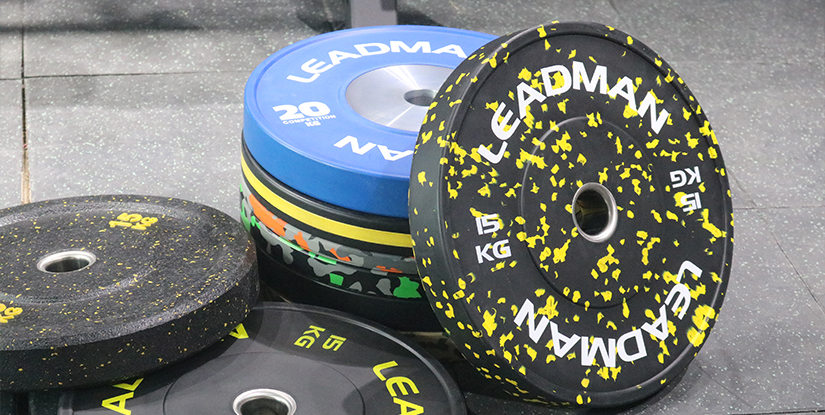
Choosing the right configuration depends heavily on your specific facility layout and the frequency of heavy lifting sessions. For boutique studios or boutique training centers where square footage is at a premium, verticality is your greatest asset. A centralized barbell tree serves as an excellent anchor point, keeping your most frequently used bars upright and organized. This method significantly increases storage density by utilizing the vertical void rather than spreading equipment across the floor.
In larger commercial environments or high-traffic strength zones, specialized weight plate racks are often more efficient for high-volume turnover. Depending on your floor plan, you may choose between wall-mounted units to keep the center aisle clear or heavy-duty floor-standing racks for easy access during intense sessions. When sourcing these components, always consider the floor load capacity of your facility; concentrated weight from high-capacity plate trees can exert significant pressure on specific points. Selecting high-quality strength training equipment that balances stability with a compact footprint ensures your facility remains both safe and professionally organized.
Beyond organization, the structural integrity of your facility relies on how you manage impact and concentrated loads. Proper weight distribution is a critical component of long-term maintenance for any professional training zone. When high-density barbells and weight plates are stored or dropped in a single area, the sheer force can degrade subflooring over time if the foundation is not adequately prepared. To uphold rigorous gym durability standards, we advise investing in high-density rubber flooring or specialized impact mats specifically designed for heavy lifting areas.
Effective floor protection goes beyond just preventing scratches; it involves dampening vibrations and absorbing kinetic energy to protect the building's structural slab. When sourcing your strength training equipment, ensure that your procurement strategy includes high-grade, shock-absorbent surfaces that can withstand the repetitive stress of olympic weightlifting gear. By balancing the placement of heavy storage units and utilizing professional-grade flooring, you mitigate the risk of structural wear and extend the functional lifespan of your entire facility.
Sourcing Strategies for Reliable Global Wholesale Partnerships
When scaling a commercial facility, the temptation to prioritize the lowest unit price on barbells and weight plates can be a costly mistake. In the high-traffic environment of a professional gym, the true metric of success is not the initial invoice total, but the long-term value provided by your strength training equipment. Sourcing from unverified suppliers might save capital upfront, but it often leads to a cycle of frequent failures and premature turnover.
Smart procurement professionals understand that the initial investment vs. replacement costs is a critical calculation. Substandard steel or low-grade coatings result in bent bars and chipped plates, necessitating constant reinvestment and causing operational downtime. By focusing on high-grade olympic weightlifting gear that meets rigorous gym durability standards, you mitigate the hidden expenses of maintenance and frequent restocking, ensuring your facility remains profitable and functional for years to come.
To optimize your procurement budget, it is essential to align your sourcing tier with your specific facility model. Whether you are outfitting a high-end boutique studio or a heavy-use commercial center, the relationship between cost and equipment lifespan varies significantly.
Budget Allocation Framework
The following comparison helps determine which investment level suits your operational needs, specifically regarding the durability of your barbells and weight plates and the subsequent maintenance frequency required to keep them in peak condition.
| Gym Model | Primary Focus | Equipment Tier | Expected Maintenance |
|---|---|---|---|
| Boutique / Studio | Aesthetics & UX | Premium/Specialized | Low (Visual upkeep) |
| Commercial / Full-Scale | High Volume & ROI | Standard Professional | Moderate (Routine checks) |
| Performance / CrossFit | Extreme Durability | High-End Olympic weightlifting gear | High (Impact monitoring) |
Selecting the correct tier ensures that your strength training equipment meets necessary gym durability standards without overspending on features your members may not utilize. A well-planned procurement strategy balances the immediate capital expenditure against the long-term operational stability of your facility.
Mitigating Risk in International Procurement
Beyond the unit price, the most significant financial risks in sourcing barbells and weight plates lie in the complexities of global supply chains. Many buyers overlook the impact of shipping logistics on their final landed cost. Heavy, high-density items like iron plates incur substantial freight charges, and failing to account for specialized palletizing or container optimization can lead to unexpected expenses that erode your margins.
To safeguard your investment, we recommend implementing rigorous quality assurance protocols before any shipment leaves the factory. Relying solely on a supplier's word is insufficient; you must verify that the bulk procurement order has undergone strict durability testing. This includes checking tensile strength in bars and impact resistance in bumper plates. By prioritizing manufacturers with transparent quality control processes and established factory capability, you ensure that the strength training equipment arriving at your facility meets professional gym durability standards without the need for expensive returns or replacements.
Navigating Quality Control and Compliance in International Shipments
When sourcing heavy-duty equipment for high-traffic facilities, the primary concern for distributors is often the discrepancy between perceived quality and actual performance. Relying on visual inspection alone is insufficient when your reputation depends on the longevity of your inventory. To mitigate risk, professional buyers must prioritize gym durability standards that go beyond surface aesthetics. High-quality barbells and weight plates should undergo rigorous testing to ensure they can withstand the mechanical stress of daily commercial use without deformation or structural failure.
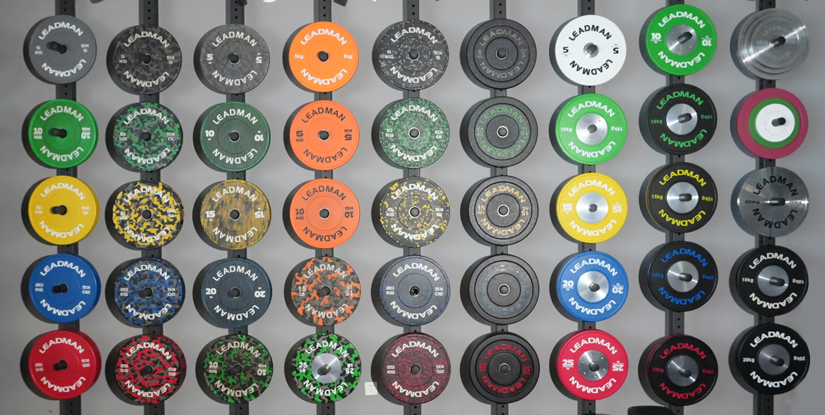
A critical factor in successful procurement is verifying international compliance and material consistency across large-scale orders. Whether you are importing olympic weightlifting gear or standard strength training equipment, the metallurgical composition must remain uniform. Inconsistent steel density or uneven plate thickness can lead to uneven weight distribution, which compromises both safety and the long-term lifespan of the equipment. By demanding strict adherence to global manufacturing benchmarks, you ensure that every shipment arrives meeting the exact specifications required for professional-grade performance.
To make an informed procurement decision, it is essential to distinguish between equipment designed for casual use and gear engineered for high-intensity environments. The following comparison helps identify which tier of barbells and weight plates aligns with your facility's specific operational needs.
| Feature | Standard Commercial Grade | Professional/Olympic Grade |
|---|---|---|
| Usage Frequency | Moderate; suitable for general fitness clubs. | High; designed for constant heavy lifting. |
| Primary Material | Basic steel or cast iron. | High-tensile steel and precision rubber. |
| Maintenance Needs | Regular inspection for surface rust/wear. | Minimal; engineered for high durability. |
| Ideal Use Case | Standard strength training equipment. | Advanced olympic weightlifting gear. |
When evaluating these tiers, consider the long-term cost of maintenance versus initial investment. While standard gear may offer lower upfront costs, professional-grade olympic weightlifting gear is built to endure the rigorous impact of competitive training. For high-volume distributors, choosing equipment that meets strict gym durability standards reduces the frequency of replacements and ensures a more reliable experience for the end-user.
Securing Integrity Through Rigorous Inspection and Shipping Protocols
Beyond material composition, the final frontier of procurement lies in the logistics phase. Even the highest-caliber barbells and weight plates can suffer structural or aesthetic degradation if the shipping safety protocols are inadequate. For distributors managing large-scale imports, a robust quality control process must extend to the way items are palletized, crated, and secured for long-haul transit. Improper stacking or insufficient moisture protection can lead to bent shafts or compromised coatings before the shipment even reaches your warehouse.
To guarantee long-term reliability, we recommend implementing a multi-stage verification process. This includes pre-shipment inspections that check for dimensional accuracy and weight tolerance, as well as verifying that all strength training equipment is encased in export-grade packaging designed for maritime or transcontinental transport. By prioritizing these strict oversight measures, you protect your capital investment and ensure that your inventory arrives in peak condition, ready for the demands of high-performance professional fitness settings.
Common Misconceptions Regarding Professional Weight Plate Selection
A frequent oversight among facility buyers is the assumption that all weight plates are interchangeable. In high-traffic commercial environments, treating barbells and weight plates as mere commodities can lead to unexpected operational costs. Many procurement managers overlook how subtle differences in manufacturing affect long-term gym durability standards, often realizing the mistake only when equipment begins to show signs of wear.
The reality is that material quality dictates the frequency of your maintenance schedule. Low-grade strength training equipment often suffers from rapid material degradation due to oxidation or structural fatigue. For instance, inferior surface coating maintenance requirements can turn a cost-effective initial purchase into a logistical headache. While budget-friendly options might seem attractive, high-quality olympic weightlifting gear is engineered to resist chipping and corrosion. Investing in superior materials ensures that your plates maintain their calibration and aesthetic appeal, significantly reducing the labor and downtime required for routine upkeep in professional fitness settings.
When evaluating your inventory, it is helpful to categorize your selection based on the expected maintenance frequency and the inevitable wear and tear of a commercial floor. Not all barbells and weight plates demand the same level of attention, and understanding this distinction is vital for effective facility management.
Rubber-coated or urethane-encapsulated plates are often considered the "set and forget" choice for high-impact zones. While the initial budget vs longevity calculation might favor them, their robust exterior minimizes cleaning requirements and protects the internal weight core from environmental damage. Conversely, traditional cast iron or thin-coated steel plates—frequently found in basic strength training equipment kits—require more rigorous inspection for rust and surface oxidation. If you are sourcing high-performance olympic weightlifting gear, you must account for the specialized care needed to maintain precision and grip. Choosing the right balance between high-maintenance utility and durable, low-care assets will ultimately stabilize your long-term operational overhead.
One of the most persistent myths in the industry is that premium barbells and weight plates require expensive, specialized service contracts to remain functional. Many facility managers believe that high-performance olympic weightlifting gear demands a high-cost technical team, but this is rarely the case. In reality, the longevity of your strength training equipment is largely determined by fundamental environmental management rather than complex mechanical repairs.
The key to maintaining high gym durability standards lies in proactive, basic care. Implementing efficient storage solutions, such as dedicated vertical racks or specialized plate trees, prevents the structural deformation often caused by improper stacking. Furthermore, strict moisture control is essential; ensuring your training area remains dry prevents oxidation on steel components and prevents the degradation of rubber coatings. By incorporating a simple routine inspection—checking for loose sleeves or surface rust—you can identify minor issues before they become costly replacements. In demanding professional fitness settings, consistent, low-effort oversight is far more effective than waiting for a failure to occur.