Choosing the Right Weight Bar and Weight Plates for Home
Optimizing Inventory Margins with High-Demand Strength Training Equipment
When sourcing for home fitness setups, professional buyers must navigate three critical checkpoints: mitigating the risk of premature wear, verifying technical specifications, and ensuring logistics efficiency. Selecting subpar strength training equipment often leads to high return rates and damaged brand reputation when components fail under standard use. To maximize your margins, you must look beyond the initial price tag and focus on the technical integrity of the weight bar and weight plates being ordered. A strategic procurement approach prioritizes high-quality materials that can withstand rigorous mechanical stress, ensuring that your inventory remains a reliable asset rather than a recurring liability.
Investing in premium weight bar and weight plates is a long-term investment in product durability. While budget-grade options may offer a lower entry cost, they frequently suffer from uneven weight distribution or oxidation issues, which diminish their resale value and lifespan. By securing barbell sets manufactured with precision-engineered steel and high-density casting, you provide end-users with professional-grade reliability. This commitment to quality reduces the frequency of replacements and strengthens your position as a trusted provider of high-end weightlifting essentials in the competitive home fitness market.
To help you align your procurement strategy with specific consumer segments, we have categorized common barbell sets based on typical market demand and performance requirements. This comparison allows you to tailor your inventory to match the specific intensity and budget levels of your target audience, ensuring a higher turnover rate for your weightlifting essentials.
| Set Tier | Usage Frequency | Primary Material Focus | Maintenance Level | Budget Profile |
|---|---|---|---|---|
| Entry-Level | Occasional/Light | Standard Steel / PVC | Low | Economical |
| Intermediate | Regular/Moderate | Chrome Plated Steel | Moderate | Mid-Range |
| Professional | High/Intensive | High-Tensity Steel / Rubber | High Precision | Premium |
Understanding these distinctions is vital when sourcing a weight bar and weight plates. For example, while entry-level sets serve the casual home user, high-performance strength training equipment demands more robust construction to handle frequent impact. By diversifying your stock across these tiers, you can effectively capture a wider market share while managing the long-term maintenance expectations of your clients.
Beyond tiering, true ROI is found in the versatility of the products you supply. A common pitfall in home gym setup procurement is selecting static, low-capacity items that cannot grow with the user. Instead, we recommend a smart purchasing strategy that focuses on modularity. By offering a weight bar and weight plates combination that supports progressive overload—such as high-standard Olympic bars paired with easily incremental plate increments—you satisfy the user's long-term fitness journey. This approach ensures your customers aren't just buying a one-time kit, but a scalable system. When your inventory can transition from basic strength building to advanced lifting, you increase customer lifetime value and minimize the need for frequent, small-scale reordering, ultimately optimizing the efficiency of your entire distribution model.
Evaluating Barbell Sets for Diverse Training Environments
When building a residential setup, many enthusiasts overlook the fact that strength training equipment undergoes significant mechanical stress, even in controlled settings. Unlike commercial facilities with specialized flooring and climate control, home gym environments are often subject to fluctuating humidity and varying surface stability. This makes the durability of your weight bar and weight plates a critical factor in your initial procurement decision.
Investing in premium barbell sets is not merely about immediate performance; it is a long-term investment in the reliability of your training routine. Low-grade steel or poorly coated plates may succumb to oxidation or structural fatigue much sooner when exposed to domestic environments. By prioritizing high-grade materials and precision engineering from the start, you ensure that your equipment remains a functional asset rather than a recurring replacement cost, providing consistent resistance and safety for years to come.
To select the most effective weightlifting essentials, you must match the equipment specifications to your specific training frequency and available square footage. For instance, a high-impact Olympic lift requires different structural integrity than a standard strength session. Use the following guide to navigate the common configurations found in high-quality barbell sets.
| Configuration Type | Dimensions/Specs | Material/Coating | Ideal Use Case | Maintenance Level |
|---|---|---|---|---|
| Standard Barbell Set | 7-foot length | Chrome or Zinc | General strength & hypertrophy | Low |
| Olympic Barbell Set | 7.2-foot length | Hard Chrome or Cerakote | Dynamic lifting & high impact | Moderate |
| Compact Training Set | 5-foot length | Powder Coated | Limited space/Residential | Minimal |
When sourcing your weight bar and weight plates, consider that more specialized coatings often offer better resistance to domestic environmental factors, such as moisture. While a standard chrome finish is cost-effective for basic use, a premium coating can significantly extend the lifespan of your strength training equipment, ensuring the set remains a staple of your home gym for the long term.
Prioritizing Build Quality and Precision
To ensure your weight bar and weight plates can withstand the rigors of consistent training, you must look beyond aesthetic appeal and inspect the technical specifications. A primary indicator of high-quality strength training equipment is the precision of the knurling. Effective knurling provides the necessary grip security without being overly aggressive, a crucial detail for maintaining control during heavy lifts in a residential setting. If the knurling is inconsistent or shallow, it may compromise safety over time.
Furthermore, pay close attention to coating durability. Whether you are selecting a zinc, chrome, or specialized finish, the coating must be resilient enough to prevent oxidation and wear during frequent handling. Finally, when evaluating barbell sets, verify the weight plate precision. High-quality plates should have minimal tolerance deviations to ensure balanced loading. Selecting gear with these rigorous standards prevents the frustration of uneven weight distribution and ensures your long-term training stability.
Material Selection for Long-Term Weightlifting Essentials
When investing in high-quality strength training equipment for a home environment, the longevity of your setup depends heavily on how the materials react to humidity and sweat. Unlike climate-controlled commercial gyms, home environments often face fluctuating temperatures and varying moisture levels, making oxidation prevention a critical factor in your procurement checklist. Choosing the wrong finish can lead to premature rust, which not only ruins the aesthetic but also compromises the structural integrity of your weight bar and weight plates over time.
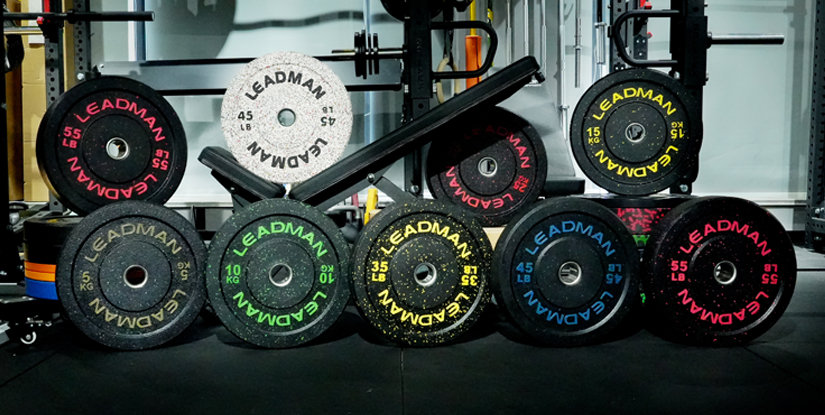
To ensure maximum strength training equipment longevity, you must decide between standard coatings and premium metallurgy. While chrome plating offers a classic, high-shine look and excellent surface hardness, it can eventually chip or peel if the application is substandard. In contrast, stainless steel provides superior natural resistance to corrosion, making it a premium choice for those prioritizing long-term durability without the need for constant re-coating.
| Material Type | Corrosion Resistance | Maintenance Level | Best Use Case |
|---|---|---|---|
| Chrome Plated | Moderate | Regular cleaning required | Standard home gym setups |
| Stainless Steel | High | Low maintenance | High-humidity or premium environments |
| Zinc/Black Oxide | Low | High (prone to rust) | Budget-conscious, dry environments |
When sourcing your barbell sets, always verify the thickness of the plating or the grade of the steel. A well-selected weight bar and weight plates combination should withstand years of heavy use without showing signs of surface degradation or structural weakness.
Beyond the bar itself, the composition of your weightlifting essentials dictates how much upkeep your training space will require. Selecting the right material for your weight bar and weight plates is a balancing act between your environmental conditions and your long-term budget. For instance, while cast iron is a staple in many barbell sets, it requires much more vigilance regarding moisture than high-density rubber or specialized steel alloys.
The following comparison helps you evaluate how different materials perform in real-world home or garage settings, focusing on durability and upkeep requirements:
| Material | Durability | Maintenance Level | Best For (Home/Garage/Gym) | Cost Factor |
|---|---|---|---|---|
| Steel (Standard) | High | Moderate | Indoor Home Gym | Mid-Range |
| Cast Iron | Very High | High (Rust-prone) | Dry Garage/Basement | Budget-Friendly |
| Rubber/Bumper | Extreme | Low | Garage/Multi-use Space | Premium |
When building your strength training equipment inventory, consider that rubberized options often offer the best protection for your flooring and require the least amount of cleaning. However, if you are prioritizing a compact, high-density weight bar and weight plates setup for a limited space, traditional iron remains a reliable, cost-effective standard provided your environment stays dry.
Optimizing Longevity Through Proactive Care
Even the highest-grade barbell sets require a systematic approach to upkeep to prevent premature wear. To preserve the smooth rotation of your weight bar and weight plates, we recommend implementing a consistent cleaning routine. After every heavy session, use a slightly damp microfiber cloth to remove sweat and skin oils, which are highly acidic and can degrade metal finishes. Ensure all components are completely dry before storage to maintain strict moisture control, especially in unconditioned spaces like garages or basements.
For mechanical longevity, don't overlook the internal components. Periodically applying a specialized, thin lubricant to the weight bar sleeves ensures that the bearings or bushings remain fluid, preventing friction-induced damage. Furthermore, preventing rust in home environments often comes down to how you store your strength training equipment. Avoid leaving your weightlifting essentials directly on concrete floors, where condensation often accumulates; instead, utilize a dedicated rack to improve airflow and protect your investment from the ground up.
Balancing Load Capacity and Storage Footprints
Designing a functional home training environment often presents a direct conflict: the desire for heavy-duty strength training equipment versus the reality of limited square footage. While professional facilities can accommodate expansive barbell sets and sprawling storage racks, residential users must prioritize efficiency. High-performance weight bar and weight plates are essential for progressive overload, yet their physical footprint can quickly overwhelm a small room if not selected strategically.
A well-planned home gym layout requires more than just buying gear; it demands a space-saving approach to equipment selection. Whether you are sourcing for a boutique studio or a personal garage setup, the goal is to maximize load capacity without sacrificing mobility. Understanding how the dimensions of your weight bar and weight plates impact your available floor space is the first step in building a durable, high-utility training zone.
When selecting your weightlifting essentials, the material composition of your plates dictates both the volume of your gear and your storage options. For instance, choosing between bumper plates vs iron plates is a critical decision for footprint management. Bumper plates are typically thicker and made of high-density rubber, which is ideal for high-impact lifting but requires more linear shelf space. In contrast, iron plates offer a much slimmer profile, allowing you to load more weight onto a single weight bar and weight plates setup without increasing the total length of the bar. This makes iron a preferred choice for those prioritizing compact storage in tight quarters.
Furthermore, your choice of barbell sets should be paired with a dedicated storage strategy to maintain a clean training area. If you have vertical clearance, vertical vs horizontal storage becomes the primary debate. Vertical weight trees utilize height to minimize floor area, whereas horizontal racks are more stable but demand more surface area. For premium strength training equipment setups, we recommend integrating specialized storage solutions that allow for quick transitions, ensuring your home gym remains organized and functional regardless of its size.
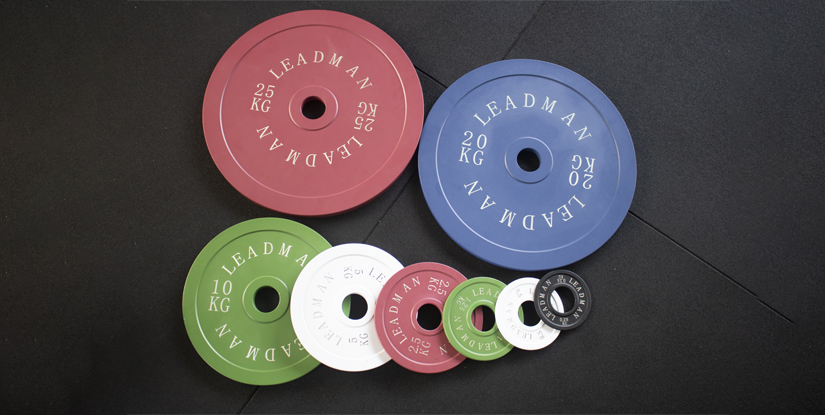
Optimizing a residential training zone requires a strategic approach to floor space optimization. Without a dedicated organizational system, a collection of weight bar and weight plates can quickly turn a functional workout area into a cluttered, hazardous environment. To maintain a professional-grade aesthetic and ensure safety, we suggest prioritizing vertical storage solutions that utilize the height of your room rather than the width of your floor.
A high-quality weight tree is one of the most effective investments for any serious home gym. By consolidating your weightlifting essentials onto a single, sturdy base, you reclaim valuable square footage for movement and mobility. Whether you are choosing between a specialized barbell stand or a multi-tier plate rack, the goal is to keep your strength training equipment off the ground and organized. This not only prevents accidental damage to your barbell sets but also ensures that your training space remains a clean, high-performance environment ready for your next heavy lifting session.
Precision and Grip: The Fundamentals of Bar Quality
When investing in a home gym, the temptation to prioritize low upfront costs can often lead to a deceptive "cheap replacement cycle." Many buyers overlook the fact that high-quality strength training equipment is an asset, not just an expense. A budget-friendly bar might look functional, but without proper knurling precision, you risk losing grip during heavy lifts, which compromises both safety and performance.
Beyond the tactile feel, the internal integrity of your weight bar and weight plates determines their long-term viability. We often see distributors struggle with inferior products that lack sufficient steel tensile strength, leading to permanent bending under heavy loads. While premium barbell sets may require a higher initial investment, the superior metallurgical standards ensure the bar maintains its whip and straightness over years of use. Choosing quality over the lowest price point is the most effective way to ensure your weight bar and weight plates remain a reliable staple of your training routine rather than a recurring procurement headache.
To make an informed decision, it is helpful to view your purchase through the lens of cost-per-use rather than just the initial sticker price. While entry-level gear serves a purpose for light, casual movement, professional-grade weightlifting essentials are engineered for high-frequency impact and durability. For those building a long-term home setup, the distinction between "disposable" equipment and a lasting investment becomes clear when you consider maintenance and replacement cycles.
Investment Framework: Budget vs. Premium
The following comparison helps clarify which tier of barbell sets aligns with your specific training goals and long-term budget strategy.
| Feature | Budget/Home Use | Premium/Performance |
|---|---|---|
| Primary Use | Light resistance & general fitness | Heavy lifting & high-intensity training |
| Durability | Moderate; prone to wear | High; built for heavy impact |
| Maintenance | Frequent replacement likely | Minimal; long-term stability |
| Cost-Per-Use | Higher over time due to turnover | Lower due to extended lifespan |
When sourcing your weight bar and weight plates, remember that premium strength training equipment often requires less frequent oversight. While the upfront cost is higher, the stability of the steel and the resilience of the plate coatings mean you won't be searching for replacements every few months. For a dedicated athlete, investing in quality early is the most efficient way to scale a home gym without constant reinvestment.
Strategic Resource Allocation
A smart investment strategy involves prioritizing where your capital delivers the most value. In the context of a complete weight bar and weight plates setup, we recommend focusing your budget on the barbell first. The bar is the structural foundation of your lifts; a subpar bar with poor quality control indicators—such as inconsistent knurling or low-grade steel—cannot be easily upgraded or fixed once purchased. Conversely, weight plates are relatively straightforward components where you can find excellent value in high-quality, mid-tier options that offer great durability without the premium price tag of professional competition plates.
By allocating more funds to a high-spec bar and managing the cost of your barbell sets through more economical plate selections, you achieve significant long-term savings. This approach ensures that your core weightlifting essentials remain safe and functional for years, preventing the need to replace a bent or damaged bar. Ultimately, balancing your budget this way allows you to build a professional-grade home environment that grows with your strength, rather than one that requires constant, costly updates due to equipment failure.
Selecting Plate Types Based on Usage Intensity
When sourcing strength training equipment for a home environment, the longevity of your investment depends heavily on matching material properties to your intended training volume. The distinction between rubber-coated vs. iron plates is not merely aesthetic; it is a fundamental decision regarding durability and floor protection.
For enthusiasts focused on high-impact movements, such as Olympic lifting or heavy deadlifts, high-density rubberized options are essential. These are designed to absorb shock and mitigate the wear on both the weight bar and weight plates during intense sessions. Conversely, standard cast iron plates are highly durable for traditional bodybuilding but offer less protection against impact fatigue. If your setup involves frequent dropping or high-velocity movements, opting for premium barbell sets with integrated rubber bumpers will significantly extend the lifecycle of your weightlifting essentials and preserve the integrity of your flooring. Choosing the right material ensures your equipment remains a reliable asset rather than a maintenance liability.
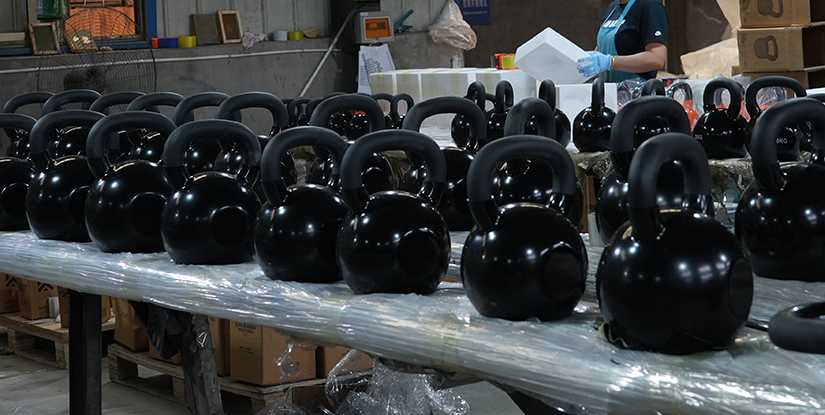
To optimize your procurement strategy, it is vital to understand how different materials impact long-term upkeep and noise levels. Selecting the correct weight bar and weight plates configuration depends on whether your priority is space efficiency, sound dampening, or sheer ruggedness. A well-chosen set minimizes the need for frequent replacement or floor repairs.
The following comparison outlines the primary options found in professional-grade barbell sets to help you decide which weightlifting essentials best suit your specific home environment and maintenance capacity.
| Plate Type | Durability & Impact | Noise Reduction | Maintenance Level | Best Use Case |
|---|---|---|---|---|
| Bumper Plates | High (Shock Absorbing) | Excellent | Low (Minimal Wear) | Olympic Lifting & High-Impact |
| Rubber Coated | Medium-High | Good | Moderate (Check Coating) | General strength training equipment |
| Cast Iron | High (Brittle under impact) | Low (High Noise) | High (Rust Prevention) | Bodybuilding & Space-Saving |
While cast iron is a classic choice for compact weightlifting essentials, it requires more attention to prevent oxidation in humid environments. For those seeking a "set and forget" solution, bumper plates offer the highest degree of durability and the lowest noise profile, making them the superior choice for residential settings where floor preservation and sound control are paramount.
Preserving Your Investment: Maintenance and Storage
To ensure the long-term durability of your weight bar and weight plates, proactive care is essential. The primary enemy of metal strength training equipment is oxidation. Even high-quality steel can succumb to rust if exposed to improper moisture control. We recommend storing your barbell sets in a climate-controlled environment, away from direct humidity or damp garage floors, to prevent surface degradation.
When it comes to storage solutions, avoid stacking iron plates directly on concrete, as this can trap moisture and accelerate corrosion. Utilizing dedicated weight trees or specialized racks keeps your weightlifting essentials elevated and organized. For the bar itself, a light application of specialized lubricant can help in preventing rust on the knurling. By implementing these simple maintenance habits, you protect the structural integrity of your gear, ensuring your home setup remains a high-performing asset for years to come.
Streamlining the Procurement Process for Home Fitness Solutions
When building a home gym, the temptation to prioritize the lowest initial price point often leads to hidden expenses down the road. While budget-tier barbell sets may seem attractive at first glance, they frequently lack the structural integrity required for consistent use. For serious enthusiasts, selecting a premium weight bar and weight plates is a strategic long-term investment rather than a simple purchase. Low-grade strength training equipment often suffers from premature oxidation, bent shafts, or uneven plate distribution, forcing frequent replacements that drive up the total cost of ownership.
Investing in high-grade steel and precision-engineered coatings ensures superior durability and maintains the calibration of your weight bar and weight plates over years of heavy lifting. By focusing on quality vs. cost, you avoid the cycle of purchasing disposable gear. A single set of professional-standard equipment offers a much higher return on investment, providing a reliable foundation for progressive overload without the need for constant upgrades or technical recalibration.
To optimize your budget, we recommend categorizing your selection based on your specific training objectives and long-term usage patterns. A mismatch between your intensity level and your equipment tier often results in wasted capital. Use the following framework to determine which level of weightlifting essentials aligns with your home setup goals.
| Budget Tier | Usage Frequency | Maintenance Level | Space Considerations | Ideal For |
|---|---|---|---|---|
| Entry-Level | Occasional/Light | Low | Minimal/Compact | General wellness & light toning |
| Intermediate | Regular/Consistent | Moderate | Standard Garage/Room | Progressive strength building |
| Premium/Pro | High Intensity/Daily | High (Precision) | Dedicated Training Area | Competitive lifting & heavy loads |
When sourcing your weight bar and weight plates, remember that higher-tier strength training equipment often requires more disciplined upkeep to preserve its calibration. However, the increased stability of a premium barbell set significantly reduces the risk of mechanical failure during peak lifts, ensuring your investment remains functional for years to come.
To maximize efficiency during the setup phase, focus on sourcing cohesive sets rather than piecing together disparate components from multiple vendors. A common pitfall in home gym assembly is a lack of compatibility between the sleeve diameter of the weight bar and weight plates. If the plate bore is even slightly off-spec compared to the bar, you risk uneven loading, increased friction, or even damage to the bearings. By selecting a unified collection of weightlifting essentials, you ensure that every piece is engineered to work in harmony, creating a seamless transition between different lifting movements.
Beyond product specifications, professional procurement requires careful attention to shipping considerations. High-density strength training equipment is heavy and subject to significant transit stress. We suggest verifying that your supplier utilizes reinforced packaging and provides clear quality assurance protocols to mitigate the risk of transit-related damage. Sourcing a complete barbell set from a single, reliable source simplifies logistics and ensures that your entire kit arrives ready for immediate, high-performance use without the frustration of mismatched parts.