How to Choose the Right Bar with Weight Plates Guide
Vetting Manufacturers for High-Performance Lifting Sets
A professional bar with weight plates serves as the backbone of any serious strength program, combining a precision-engineered barbell with calibrated weight increments. B2B buyers prioritize these sets because they represent a foundational investment in long-term gym utility and athlete safety.
When sourcing barbell training equipment, the primary concern should be the durability of the components under heavy load. High-quality high-performance lifting sets are not merely pieces of iron; they are engineered products that must maintain their structural integrity over years of repetitive stress. For distributors and gym owners, a failure in manufacturing standards can lead to catastrophic equipment failure and significant liability. We recommend vetting suppliers based on their metallurgical consistency and the precision of their knurling, ensuring that every bar with weight plates can withstand the rigorous demands of a commercial environment without bending or losing its calibration.
To differentiate between professional-grade gear and budget-tier alternatives, you must look beyond the surface. High-end weightlifting bar sets are defined by their material consistency and the precision of their manufacturing processes. A common red flag in low-grade production is uneven weight distribution, where plates or bar sleeves deviate from their calibrated mass, creating dangerous imbalances during heavy lifts. True quality is found in rigorous quality control protocols that ensure every piece in the set meets strict tolerance standards.
The following comparison helps identify whether a supplier’s barbell training equipment is built for longevity or temporary use:
| Feature | Professional Grade (Commercial) | Budget Tier (Home/Light Use) |
|---|---|---|
| Material Consistency | Precision-engineered steel with uniform density | Variable alloy quality; potential for warping |
| Weight Distribution | Calibrated precision for balanced lifting | Potential +/- deviations in plate mass |
| Durability Focus | High-tensile strength for heavy loading | Standard thickness; prone to bending |
| Manufacturing | Strict quality control & testing | Basic assembly with minimal oversight |
When selecting your next bar with weight plates, prioritize suppliers who can provide technical specifications regarding steel grade and calibration accuracy to ensure long-term reliability.
Beyond the physical specifications, a reliable procurement strategy requires verifying the supplier's underlying factory capability. It is not enough to simply trust a product description; you must ensure the manufacturer possesses the infrastructure to maintain consistent weight accuracy across every single production batch. High-tier home gym essentials require a level of precision that only a facility with automated calibration tools and rigorous quality assurance protocols can provide.
A robust quality control system is the difference between a one-time purchase and a sustainable inventory. When sourcing weightlifting bar sets, ask whether the manufacturer performs regular stress testing and mass-verification on their finished goods. A supplier capable of maintaining tight tolerances ensures that your clients experience the same reliable performance during long-term use, regardless of when the specific unit was manufactured. Prioritize partners who demonstrate a deep understanding of metallurgical stability to protect your reputation and ensure the longevity of the barbell training equipment you distribute.
Standardizing Quality Control for Precision Weightlifting Bars
When sourcing weightlifting bar sets for commercial distribution or high-end fitness facilities, the most overlooked risk is the variance in production quality. A subpar manufacturing process can lead to uneven weight distribution, which compromises both the user's lifting mechanics and the long-term integrity of the barbell training equipment. Without strict oversight, even small deviations in the density of weight plates or the knurling depth of the bar can create significant safety hazards during heavy lifts.
To ensure your inventory remains a premium offering, it is vital to prioritize suppliers who utilize precision manufacturing techniques. High-quality bar with weight plates combinations must maintain absolute consistency in weight distribution across every unit in a production batch. For distributors and gym owners, investing in equipment built to these rigorous standards reduces replacement costs and builds trust with end-users who demand professional-grade reliability.
Maintaining the longevity of your inventory is just as critical as the initial procurement process. Even the highest-grade bar with weight plates can suffer from degradation if proper upkeep protocols are neglected. To protect your investment and ensure these home gym essentials remain in professional condition, a systematic approach to maintenance is required.
Preserving Integrity Through Preventative Care
The primary enemy of high-quality steel and cast iron is moisture. To effectively manage preventing oxidation, implement strict cleaning protocols after every heavy training session. Use a dry, microfiber cloth to remove sweat and debris from the knurling and plate surfaces. For the rotating sleeves of the bar, periodic lubrication with a specialized silicone-based oil is essential to ensure smooth bearing movement and prevent friction-induced wear.
Finally, professional storage tips can drastically extend the lifespan of your barbell training equipment. Avoid storing your gear in damp or unconditioned environments where humidity levels fluctuate. Utilizing dedicated weight trees or specialized racks keeps the bar with weight plates off the floor, reducing the risk of impact damage and surface corrosion, ensuring your equipment stays retail-ready for longer.
To help you streamline your operational workflow, we have developed a quick-reference guide. This comparison helps you determine the necessary upkeep frequency based on how the equipment is utilized in your facility or private setting. Selecting the right level of care ensures your bar with weight plates remains a durable asset rather than a recurring expense.
| Training Intensity | Maintenance Frequency | Cleaning Method | Storage Requirement |
|---|---|---|---|
| Low (Casual/Home) | Monthly | Dry microfiber wipe | Standard rack or corner |
| Moderate (Personal Training) | Weekly | Damp cloth & mild soap | Dedicated weight tree |
| High (Commercial/Competitive) | Daily/Post-Session | Debris removal & silicone oil | Climate-controlled rack |
By aligning your maintenance schedule with the actual usage of your weightlifting bar sets, you can optimize labor costs while preserving the premium feel of your home gym essentials. Consistent care is the most effective way to mitigate the depreciation of high-value barbell training equipment.
Navigating Warranty Protocols for Heavy-Duty Training Equipment
When sourcing barbell training equipment, the true cost is not found in the initial invoice, but in the lifecycle of the product. For distributors and gym owners, a bar with weight plates represents a significant long-term investment that must withstand high-frequency usage. Choosing lower-tier options to save on upfront procurement costs often leads to premature mechanical failure, forcing expensive replacement cycles.
To protect your margins, prioritize manufacturers that emphasize rigorous manufacturing standards and structural stability. A high-quality bar with weight plates should offer uncompromising structural integrity, ensuring the steel does not deform under heavy loads. We recommend selecting suppliers who provide comprehensive warranty coverage as a testament to their durability standards. A robust warranty is more than just a safety net; it is a verification of build quality that ensures your home gym essentials or commercial inventory remains functional and profitable for years to come.
Understanding the nuances of protection tiers is essential when evaluating the ROI of your weightlifting bar sets. While entry-level models are suitable for light use, professional and commercial-grade equipment requires a different level of assurance. A detailed warranty structure typically reflects the intensity of the intended training environment and the sophistication of the internal components.
The following comparison illustrates how coverage levels generally scale with the quality of the bar with weight plates you are sourcing. This helps in determining whether a specific set meets the rigorous demands of your client base or facility requirements.
| Feature / Coverage Aspect | Standard Set | Professional Grade | Industrial/Commercial |
|---|---|---|---|
| Coating & Surface | Basic Chrome/Paint | Advanced Cerakote/Zinc | High-Grade Hard Chrome |
| Bearing Smoothness | Bushings Only | High-Precision Bearings | Heavy-Duty Needle Bearings |
| Plate Durability | Limited Impact Life | High-Density Rubber/Cast | Premium Bumper/Steel |
| Typical Warranty Focus | Structural Integrity | Mechanical Performance | Full Lifecycle Reliability |
When selecting home gym essentials for retail or distribution, always verify if the warranty covers the internal mechanisms, such as bearing rotation, rather than just the exterior finish. This distinction is vital for maintaining long-term customer satisfaction and minimizing returns.
Beyond the technical specifications, the most critical factor in securing your ROI is verifying manufacturer accountability. A reputable supplier does not just sell a bar with weight plates; they stand behind the quality control processes used during production. Before finalizing any bulk order, we advise scrutinizing the transparency of their replacement policies. Does the supplier offer a clear protocol for structural defects, or is the coverage limited to superficial aesthetics? A vendor that provides specific, actionable buyer protection demonstrates that they have confidence in their weightlifting bar sets.
True long-term value is found in the ability to mitigate risk through documentation. High-tier manufacturers often provide detailed testing reports regarding tensile strength and bearing longevity. By prioritizing sources that offer comprehensive, verifiable warranties, you insulate your business from the volatility of equipment failure. This proactive approach ensures that your barbell training equipment inventory remains a reliable asset rather than a recurring liability, ultimately protecting your reputation and your bottom line.
Optimizing Packaging Standards for Global Shipping Safety
When sourcing a bar with weight plates at a wholesale volume, the lowest initial price tag can often become a deceptive trap. Many distributors overlook the fact that heavy barbell training equipment is highly susceptible to transit-related issues. Without rigorous quality control in the packing stage, your shipment faces a high risk of shipping damage, such as bent shafts or scratched plate surfaces, which can compromise the integrity of the entire set.
We emphasize that investing in superior protective layering—such as reinforced corrugated boxes and custom foam inserts—is a strategic move for your bottom line. While the upfront cost per unit might be slightly higher, it drastically reduces replacement costs and the logistical headaches of processing damaged returns. Ultimately, prioritizing robust packaging ensures long-term value, guaranteeing that your weightlifting bar sets arrive in pristine condition, ready for immediate use in any professional or home environment.
To help you make an informed decision during the procurement process, we have outlined how different packaging configurations influence both the safety of your barbell training equipment and your total landed cost. Selecting the right level of protection depends on your shipping distance, the weight of the order, and your specific risk tolerance for transit damage.
| Packaging Type | Protection Level | Cost Impact |
|---|---|---|
| Standard Single Box | Basic | Low |
| Reinforced Cardboard & Foam Inserts | Moderate | Medium |
| Heavy-Duty Crates | Maximum | High |
For small-scale home gym essentials, a standard box may suffice. However, for bulk orders of a bar with weight plates, we generally recommend at least reinforced cardboard combined with custom foam inserts to prevent metal-on-metal friction. If you are importing high-volume weightlifting bar sets via sea freight, utilizing heavy-duty crates is the most reliable way to mitigate the impact of stacking and rough handling during long-haul transit.
Beyond the physical box, true logistics safety depends on how the internal components interact during movement. When a shipment contains a bar with weight plates, the primary risk is uneven movement within the container. If the weight distribution is not properly balanced, the heavy plates can shift, causing kinetic impact against the barbell shaft. This can lead to permanent structural deformation, even within high-grade barbell training equipment.
To safeguard your investment, we suggest verifying the manufacturer's bulk shipping stability protocols. A reliable supplier should utilize internal dividers or specialized bracing to ensure the weightlifting bar sets remain static. We highly recommend a strict inspection process upon arrival: check for any signs of container shifting or box compression. By insisting on these high standards, you ensure that your home gym essentials arrive as a cohesive, high-performance unit rather than a collection of damaged parts.
Calculating Landed Costs for Bulk Barbell Orders
When sourcing a bar with weight plates for a commercial facility or a large-scale distribution project, many buyers fall into the trap of focusing solely on the factory unit price. However, the true total investment is determined by the landed cost—the final price of the goods once they arrive at your warehouse door. Neglecting this distinction can lead to significant budget overruns, especially when dealing with heavy barbell training equipment.
The primary driver of variance in your total investment is the logistics profile. Because a high-quality bar with weight plates is exceptionally dense, your freight costs will be heavily influenced by both shipping weight and volumetric weight. If your weightlifting bar sets are packed in oversized crates, you may be charged based on the space they occupy rather than their actual mass, significantly increasing the cost per unit.
| Cost Factor | Low-Cost Sourcing Model | Premium Logistics Model |
|---|---|---|
| Primary Focus | Lowest Unit Price | Total Landed Cost |
| Shipping Impact | High volumetric weight risks | Optimized shipping weight |
| Hidden Expenses | High freight costs & duties | Predictable total investment |
| Ideal For | Small, one-off orders | Bulk home gym essentials supply |
To protect your margins, always request a comprehensive quote that accounts for the dimensional weight of the bar with weight plates. A smart procurement strategy prioritizes efficient packaging to minimize the impact of freight costs, ensuring your home gym essentials remain profitable and competitively priced in the North American market.
Understanding how the logistics method shifts your budget is crucial for maintaining healthy margins. Whether you are stocking a boutique studio or fulfilling a large distributor order, the relationship between speed and expense is direct. For high-density items like a bar with weight plates, the choice of transport can drastically alter your final per-unit price.
Shipping Method vs. Cost Impact
| Shipping Method | Speed | Cost-Efficiency | Ideal For |
|---|---|---|---|
| Air Freight | Very Fast | Low (Highest Expense) | Urgent, small-batch weightlifting bar sets |
| Sea Freight (LCL) | Moderate | High (Medium Expense) | Mid-sized orders of barbell training equipment |
| Sea Freight (FCL) | Slow | Very High (Lowest Expense) | Bulk distribution of home gym essentials |
In many cases, transitioning from air to sea freight for your bar with weight plates can save a significant percentage of your total budget. While sea freight requires more advanced planning, the massive reduction in freight costs makes it the gold standard for professional buyers looking to scale their inventory efficiently.
Beyond the mode of transport, achieving a competitive edge requires a granular look at the structural elements of your order. To truly optimize your budget planning, you must look past the individual item price and consider the cumulative impact of logistics management and regulatory compliance.
Strategies for Margin Protection
One of the most effective ways to lower the landed cost of your weightlifting bar sets is through packaging optimization. Because a bar with weight plates consists of both long, slender steel and dense, heavy iron or rubber, the way these components are nested in a shipping container can drastically change your volumetric weight. A manufacturer capable of customized, high-density packing can help you fit more units into a single container, effectively lowering the shipping cost per unit.
Furthermore, professional budget planning must account for customs duties and local import taxes. When importing heavy barbell training equipment, small oversight in HS code classification or documentation can lead to unexpected fees at the port. We recommend consolidation strategies—combining your bar with weight plates with other home gym essentials from the same region—to maximize container utility and streamline the clearing process. Ultimately, focusing on these logistical efficiencies ensures long-term value and a healthier bottom line for your distribution business.
Selecting the Ideal Bar and Plate Configuration for Your Space
When planning a home gym or a boutique studio, the physical footprint of your barbell training equipment is often the most overlooked constraint. It is not just about the barbell length itself, but how the total width of the bar with weight plates interacts with your surrounding environment. For instance, a standard Olympic bar requires significantly more lateral clearance than a shorter training bar, especially when accounting for the plate diameter of heavy iron or rubberized discs.
If you are working with limited square footage, you must visualize the maximum extension of the plates during a lift. A standard 7-foot bar paired with large-diameter plates creates a wide radius that can easily strike walls or furniture. To optimize your layout, we recommend integrating vertical storage solutions, such as weight trees or specialized racks, to keep your weightlifting bar sets organized and off the floor. Proper spatial planning ensures your home gym essentials remain functional without crowding your training area.
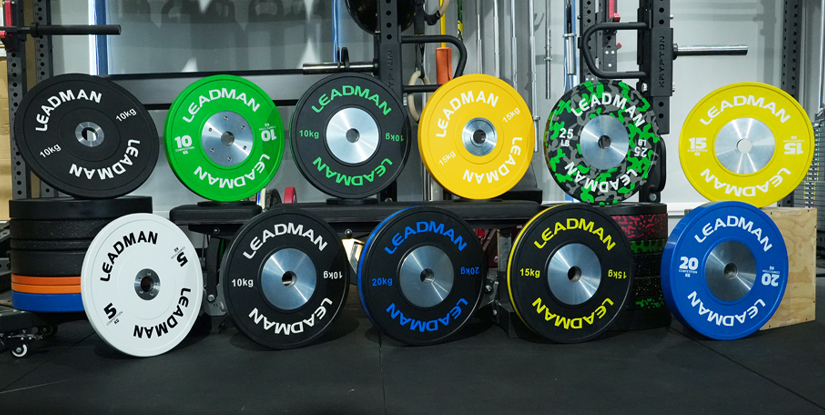
To help you make an informed decision, we have categorized common configurations based on typical spatial constraints and usage intensity. Choosing the right scale of weightlifting bar sets depends heavily on whether you are prioritizing high-performance movements or maximizing utility in a small footprint.
| Configuration Type | Typical Training Style | Space Requirements | Storage Needs |
|---|---|---|---|
| Compact (Short Bar/Fixed Weights) | General conditioning, limited mobility | Minimal; ideal for small apartments | Low; easily tucked under furniture |
| Standard (Olympic 7ft Bar) | Strength training, Olympic lifting | Moderate; requires 10ft+ clearance | Moderate; requires a dedicated rack |
| Professional (Full Set + Large Plates) | High-intensity, heavy lifting | High; needs significant lateral room | High; requires specialized weight trees |
When sourcing your barbell training equipment, always consider the "swing zone." Even a high-quality bar with weight plates requires a buffer zone to prevent the plates from striking walls during lateral movements. Selecting a configuration that aligns with your actual floor area prevents equipment fatigue and ensures long-term usability of your home gym essentials.
Optimizing Layout with Vertical vs. Horizontal Storage
Once you have selected the appropriate configuration, the final step in managing your floor space is determining how to store your gear. Effective organization is the difference between a professional-grade studio and a cluttered room. When dealing with premium weightlifting bar sets, many users struggle with the sheer volume of iron or bumper plates occupying the ground area.
For those looking to maximize utility, we often recommend prioritizing vertical storage. Utilizing specialized weight trees or upright plate racks allows you to stack your bar with weight plates vertically, reclaiming valuable square footage for actual training movements. While horizontal racks are excellent for quick access during high-frequency sessions, vertical solutions are the ultimate way to maintain the aesthetic and safety of your home gym essentials. By lifting your equipment off the floor, you not only clear the way for better mobility but also protect your high-quality barbell training equipment from accidental damage or tripping hazards.
Long-term Value: Balancing Material Quality and Lifespan
When sourcing barbell training equipment, the most common mistake is overlooking the metallurgical foundation. A high-quality bar with weight plates is not merely a tool; it is a long-term asset that must withstand repetitive high-impact stress. For distributors and gym owners, the true value lies in the steel grade used during manufacturing. Superior bars are engineered with high tensile strength, ensuring the shaft maintains its whip and straightness even under maximum loads without permanent deformation.
Beyond structural integrity, environmental resilience is a critical factor for longevity. Lower-grade metals are prone to rapid oxidation, especially in humid training environments or coastal regions. To prevent rust and maintain a professional aesthetic, premium weightlifting bar sets utilize advanced coatings that provide exceptional corrosion resistance. Investing in these high-spec materials reduces replacement frequency and maintenance overhead, ensuring your home gym essentials or commercial inventory remains a reliable, durable staple for years to come.
Choosing the right finish is a strategic decision that balances upfront investment against long-term maintenance requirements. Depending on the intended training environment, different coatings offer varying levels of protection and tactile feedback. For instance, while basic zinc coatings are cost-effective, they often require more frequent cleaning to prevent oxidation. In contrast, premium options like stainless steel or high-grade chrome provide a much higher standard of durability for professional-grade weightlifting bar sets.
To help you decide which bar with weight plates configuration best fits your needs, consider this comparison of common finishes:
| Material Type | Durability Level | Maintenance Level | Best Use Case |
|---|---|---|---|
| Stainless Steel | Exceptional | Very Low | High-humidity environments / Premium setups |
| Chrome | High | Moderate | Standard commercial or robust home gym essentials |
| Zinc | Moderate | Higher | Budget-conscious or low-frequency training |
When evaluating barbell training equipment, remember that a slightly higher initial cost for superior materials often results in a lower total cost of ownership. Selecting high-spec finishes ensures your equipment remains a reliable staple rather than a recurring expense.
True durability, however, is not just about the surface finish; it is about the synergy between the bar and the load. A high-performance bar with weight plates relies on the seamless interaction of its components to maintain functional excellence. One of the most critical factors to scrutinize is the weight distribution across the shaft. If the bar and the plates are not perfectly calibrated, uneven loading can cause micro-stresses that compromise the structural integrity of the steel over time.
The Importance of Component Synergy
To ensure a long-term investment, you must look closely at the mechanical interface. High-quality weightlifting bar sets feature precision-engineered bearing quality within the sleeves. This ensures that as the weight rotates, the friction is minimized, preventing jerky movements that can damage both the bar and the plates. Furthermore, the plate coating must be robust enough to withstand constant contact with the bar's knurling without chipping or degrading. When the bar, sleeves, and plates work in total harmony, the entire set remains a reliable piece of barbell training equipment, capable of enduring years of heavy-duty training cycles without mechanical failure.