barbell and weight plates manufacturer | How to Optimize
The Economic Calculus of Strength Training Inventory
When scaling a fitness facility, procurement decisions often hinge on a delicate trifecta: mitigating operational risk, verifying technical specifications, and managing complex international logistics. Many buyers find themselves caught in a cycle of reactive purchasing, where the pressure to minimize immediate outlays leads to overlooked long-term liabilities. Choosing a barbell and weight plates manufacturer is not merely a line item in a budget; it is a decision that dictates your facility's overhead for the next decade. If you prioritize the lowest possible price point without vetting factory capabilities, you risk frequent replacement cycles and diminished user satisfaction.
The tension between durability vs. initial cost defines the success of your strength training equipment supply strategy. While budget-tier options may look attractive on a quarterly spreadsheet, they often lack the structural integrity required for high-traffic commercial environments. Investing in premium manufacturing standards ensures a higher long-term ROI by reducing the frequency of equipment failure and the logistical headaches of re-ordering. Ultimately, viewing your inventory through the lens of a strategic asset rather than a consumable expense allows you to stabilize your gym inventory management and protect your bottom line against the hidden costs of low-quality alternatives.
To navigate this, we recommend a structured cost-benefit analysis that looks beyond the initial invoice. Effective fitness facility procurement requires understanding how different quality tiers impact your operational workflow. A low-cost barbell may save capital today, but if the knurling wears down or the sleeves lose rotation within months, your replacement and shipping costs will skyrocket.
The following framework helps categorize your selection based on your specific facility model and usage intensity:
| Facility Type | Preferred Quality Tier | Primary Economic Driver | Inventory Strategy |
|---|---|---|---|
| Boutique/Home Studio | Mid-Range / Standard | Aesthetic & Initial Setup Cost | Lean, specialized stock |
| High-Traffic Commercial Gym | Premium / Professional | Durability & Low Maintenance | Robust, high-volume gym inventory management |
| CrossFit/Performance Center | High-Spec / Industrial | Impact Resistance & Longevity | Heavy-duty, specialized replacement cycles |
By aligning your choice of barbell and weight plates manufacturer with these tiers, you ensure that your capital expenditure directly supports your facility's long-term operational stability rather than becoming a recurring deficit.
Beyond the initial purchase, the true metric of success is the total cost of ownership. Many procurement specialists fail to account for the compounding expenses triggered by poor-quality sourcing. When a barbell and weight plates manufacturer lacks rigorous quality control, the resulting equipment failures trigger frequent replacement cycles that do more than just drain your budget; they disrupt your operational flow. Each time a barbell sleeve sticks or a plate develops a structural flaw, you are hit with the secondary costs of expedited shipping, increased labor for installation, and the potential loss of member trust.
Furthermore, supply chain reliability is a critical variable in scaling inventory. Relying on a partner with inconsistent production or logistical capabilities can lead to stockouts during peak expansion periods. These delays create a bottleneck in your fitness facility procurement, preventing you from meeting growth demands. By prioritizing a partner with proven factory capacity and stable shipping lanes, you mitigate the risk of sudden capital spikes and ensure that your growth remains predictable and cost-effective.
Balancing SKU Breadth with Facility Footprint
One of the most persistent challenges in gym inventory management is the tension between variety and volume. While a diverse range of weight increments attracts more members, the physical footprint required to store them can quickly become unmanageable. High inventory density is essential to prevent your training floor from becoming a cluttered warehouse, yet over-optimizing for space often leads to gaps in your strength training equipment supply.
To navigate this, procurement professionals must move beyond simple ordering and focus on space optimization. Choosing a strategic barbell and weight plates manufacturer allows you to balance high-quality, stackable designs with the specific dimensions of your facility. The right partner helps you select equipment that maximizes utility without sacrificing precious square footage.
| Storage Approach | Footprint Impact | Pros | Cons |
|---|---|---|---|
| Standard Plate Trees | High | Easy access for members | Consumes significant floor area |
| Vertical Weight Racks | Low | High inventory density | Can be harder to organize |
| Wall-Mounted Systems | Minimal | Maximizes open floor space | Requires permanent installation |
Beyond rack systems, the specific weight plate types you source will dictate your long-term storage footprint. When approaching fitness facility procurement, we often recommend evaluating the dimensional efficiency of your core inventory. For example, traditional iron plates are often thinner, allowing for more weight per linear inch on a barbell, but they lack the durability of modern alternatives in high-impact environments.
In contrast, bumper plates are essential for functional training, yet their increased thickness requires more robust vertical storage solutions to avoid clutter. To optimize your selection, consider this strategic framework:
- High-Volume/Low-Variety: Best for specialized strength gyms. Focus on a deep stock of standard increments (e.g., 20kg/45lb) to minimize SKU count while maximizing density.
- Low-Volume/High-Variety: Ideal for boutique studios. Prioritize a wide range of lighter, fractional plates to cater to diverse users, but invest in compact, tiered storage to prevent floor congestion.
By selecting a barbell and weight plates manufacturer that offers both standardized sizing and specialized storage-friendly designs, you ensure your strength training equipment supply supports, rather than hinders, your facility's flow.
Streamlining Layout Through Standardized Sizing
Effective facility layout planning requires more than just arranging machines; it demands a deep understanding of how equipment dimensions interact with your square footage. A common pitfall in fitness facility procurement is sourcing disparate product lines that lack dimensional consistency. When plate diameters and thickness profiles vary wildly between suppliers, your storage solutions become inefficient, leading to wasted gaps and disorganized racks.
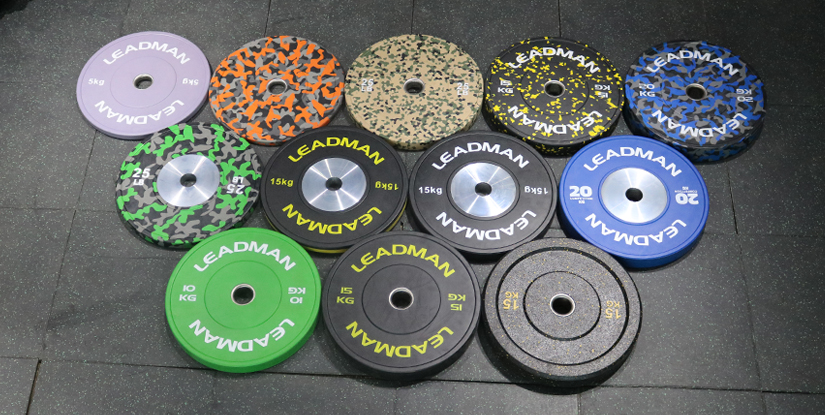
To achieve efficient procurement, prioritize standardized sizing across your entire inventory. Selecting a barbell and weight plates manufacturer that adheres to strict international tolerances ensures that your plates stack predictably and fit seamlessly into vertical storage systems. This consistency allows you to maximize the weight-to-volume ratio on your bars and in your racks, effectively increasing your inventory density without expanding your physical footprint. By standardizing your core increments, you reduce the complexity of gym inventory management and ensure that your strength training equipment supply remains organized, accessible, and professional in appearance.
Selecting a Partner for High-Volume Weight Plate Cycles
In high-traffic commercial environments, the difference between a profitable facility and a maintenance nightmare often comes down to the caliber of your strength training equipment supply. When your gym sees constant turnover, equipment is subjected to relentless high-volume usage that can quickly degrade inferior products. Selecting a premium barbell and weight plates manufacturer is not just about initial cost savings; it is a strategic decision regarding the long-term durability of your assets.
Standard consumer-grade gear often fails under the pressure of heavy lifting cycles, leading to premature wear and tear on coatings and structural integrity. A specialized barbell and weight plates manufacturer focuses on material density and precision engineering to ensure that plates remain balanced and bars remain straight despite heavy use. By prioritizing high-grade steel and robust finishes, you mitigate the risk of frequent replacements, ensuring your inventory remains a reliable staple of your facility rather than a recurring expense.
To navigate fitness facility procurement effectively, we recommend categorizing your needs based on the expected intensity of use. Not every facility requires the same level of impact resistance, and matching your equipment to your specific environment is vital for efficient gym inventory management.
Consider the following framework when evaluating a barbell and weight plates manufacturer for your next shipment:
| Facility Type | Primary Requirement | Expected Maintenance Frequency |
|---|---|---|
| Commercial Strength Gym | Maximum material quality and structural integrity | Low (Annual inspections) |
| CrossFit / HIIT Studio | High impact resistance for dropped weights | Moderate (Surface checks) |
| Hotel / Boutique Studio | Aesthetic durability and quiet operation | Low (Cosmetic upkeep) |
By aligning your sourcing strategy with these durability tiers, you ensure that your strength training equipment supply provides a consistent return on investment. High-quality steel and advanced plating do more than just look professional; they reduce the labor costs associated with constant equipment turnover.
Ultimately, the decision to partner with a specialized barbell and weight plates manufacturer should be viewed through the lens of a long-term investment rather than a one-time expense. While lower-priced, unverified options might seem attractive during initial fitness facility procurement, they frequently result in hidden costs through rapid degradation and frequent replacement cycles. Choosing a partner that prioritizes rigorous quality control and high-grade materials ensures that your equipment can withstand the rigors of heavy-duty training without compromising safety or performance.
Prioritizing durability over the lowest possible unit price directly enhances your operational efficiency. When your gear remains in peak condition, your staff spends less time managing broken equipment or dealing with uneven weight distributions and more time focusing on member experience. A reliable barbell and weight plates manufacturer provides the stability your business needs to scale, ensuring that your gym inventory management remains predictable and your overhead stays controlled over the coming years.
Mitigating Logistics Friction in Heavy Equipment Imports
When sourcing heavy iron, the sticker price is rarely the final number. For many procurement professionals, the true challenge lies in calculating the landed cost of a shipment. Because iron products are high-density, the relationship between shipping weight vs. volume can drastically alter your budget. If your barbell and weight plates manufacturer does not prioritize container optimization, you may face unexpected hidden freight fees that erode your margins.
Effective gym inventory management requires more than just tracking stock levels; it requires understanding how freight density impacts your bottom line. Relying on a strength training equipment supply partner with sophisticated loading protocols ensures that you aren't paying to ship "air" or dealing with inefficient pallet configurations. By selecting a partner capable of optimizing both weight distribution and volume utilization, you stabilize your fitness facility procurement costs and prevent logistics-related budget overruns during large-scale facility expansions.
To avoid budget volatility, you must evaluate how different transit modes influence both your immediate cash flow and your long-term gym inventory management. High-density items like iron plates are subject to strict weight limits per container, meaning your choice of shipping method directly dictates your ability to maintain a consistent strength training equipment supply without overpaying for transit.
The following comparison outlines how standard logistics choices impact your fitness facility procurement budget and the stability of your stock levels:
| Shipping Method | Budget Impact | Delivery Time | Stock Stability |
|---|---|---|---|
| FCL (Full Container Load) | Lowest per-unit cost | Longest lead time | Highest; ideal for bulk replenishment |
| LCL (Less than Container Load) | Moderate/Variable | Medium | Good for mid-sized expansions |
| Air Freight | Highest (Premium) | Fastest | Low; best for emergency/small orders |
When negotiating with a barbell and weight plates manufacturer, always request a breakdown of how they optimize container loading. A partner who masters weight-to-volume ratios will help you mitigate the risk of high freight costs while ensuring your facility stays fully equipped.
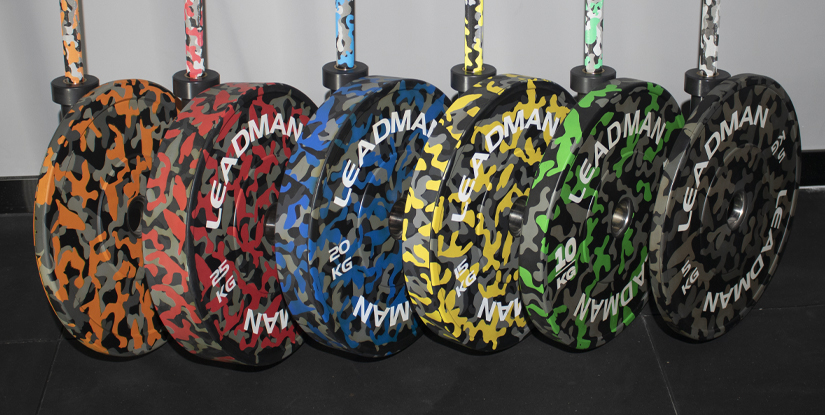
Beyond freight rates, the most significant financial leak in fitness facility procurement often occurs after the shipment leaves the factory. Damage during transit is a persistent risk with high-density iron products; a single poorly packaged shipment can lead to costly returns, replacement claims, and disrupted training schedules. To achieve cost-effective sourcing, you must look beyond the initial invoice and scrutinize the partner's approach to packaging durability.
A reliable barbell and weight plates manufacturer should treat packaging as a core component of product quality, not an afterthought. High-quality steel bars require specialized sleeves and protective wrapping to prevent bending or surface oxidation, while weight plates demand heavy-duty palletization to withstand the rigors of sea freight. We recommend prioritizing suppliers who offer consolidated shipments. By grouping various SKUs into a single, professionally secured load, a manufacturer can improve structural stability within the container. This strategy is essential for minimizing damage during transit, effectively reducing the overhead associated with defective goods and ensuring your strength training equipment supply arrives ready for immediate use in your facility.
Standardization and Quality Control in Global Sourcing
In high-traffic commercial environments, the margin for error regarding equipment integrity is razor-thin. When sourcing through a barbell and weight plates manufacturer, the primary concern isn't just the initial cost, but the long-term durability of the steel and rubber components. Inconsistent manufacturing processes can lead to catastrophic failures, such as uneven weight distribution or structural fatigue, which compromise safety protocols within your facility.
To mitigate these risks, procurement professionals must prioritize partners who adhere to rigorous quality control standards. A reliable strength training equipment supply should offer consistent metallurgical properties and precision tolerances across every unit. Whether you are managing a boutique studio or a large-scale fitness center, ensuring that your gym inventory management strategy accounts for high-grade manufacturing consistency is essential to preventing premature replacement cycles and protecting your members from preventable injury.
Understanding the distinction between different manufacturing tiers is vital for effective fitness facility procurement. A common mistake is over-investing in high-end professional gear for low-traffic areas or, conversely, under-specifying equipment for high-intensity zones, leading to rapid degradation and increased maintenance costs.
To optimize your budget and ensure longevity, use the following comparison to align your sourcing needs with the appropriate equipment grade:
| Tier Level | Weight Tolerance | Coating Durability | Maintenance Frequency | Budget Impact |
|---|---|---|---|---|
| Home/Residential | Moderate (±2-3%) | Standard (Paint/Basic Chrome) | Low (Occasional Cleaning) | Minimal Initial Investment |
| Commercial/Boutique | High (±1-2%) | Enhanced (Powder Coating/Zinc) | Medium (Regular Inspection) | Moderate/Balanced |
| Professional/Elite | Precise (±0.5-1%) | Premium (Hard Chrome/High-Grade Rubber) | High (Strict Maintenance Cycles) | Significant/Long-term Value |
By selecting a barbell and weight plates manufacturer that offers tiers matching your specific usage scenarios, you can better manage your strength training equipment supply lifecycle. This strategic approach ensures that your capital is deployed where it offers the highest return on durability and user safety.
Beyond selecting the right tier, successful fitness facility procurement requires a deeper look into the technical validation of your supplier. We recommend requesting documentation regarding their internal material testing protocols. A high-caliber barbell and weight plates manufacturer should be able to demonstrate how they verify the tensile strength of steel shafts and the density uniformity of bumper plates. Without these benchmarks, you risk receiving shipments with significant batch consistency issues, where one set of plates may differ in diameter or weight from the next, disrupting your floor layout and precision training.
Effective gym inventory management also relies on a proactive approach to long-term maintenance. During the vetting process, ask potential partners about their quality management systems (QMS) and how they handle deviations in raw material batches. Verifying these standards upfront ensures that the equipment you install today remains a reliable asset for years, rather than a recurring replacement expense that drains your operational budget.
Optimizing Long-Term ROI through Material Integrity
When calculating the true cost of a fitness facility, the most significant oversight often occurs during the initial procurement phase. Many buyers fall into the trap of prioritizing low upfront prices, only to realize later that inferior strength training equipment supply leads to premature wear and frequent replacement cycles. To achieve a sustainable return on investment, you must look beyond the sticker price and evaluate the material integrity of every piece of iron and steel in your inventory.
A high-quality barbell and weight plates manufacturer focuses on the metallurgical standards of their products, ensuring that bars maintain their whip and plates resist cracking under heavy impact. While budget-tier options may seem attractive for small-scale setups, the durability vs. initial cost debate becomes critical as your facility scales. Investing in premium-grade steel and high-density urethane coatings reduces the frequency of hardware failure and diminishes the need for constant gym inventory management. Ultimately, selecting a partner who prioritizes robust construction ensures that your capital expenditure serves your facility for years rather than a single high-traffic season.
To make informed decisions during fitness facility procurement, it is essential to match the material grade to your specific operational environment. Choosing a single standard for all zones can lead to either overspending on unnecessary durability or under-investing in high-traffic areas, resulting in higher long-term replacement costs.
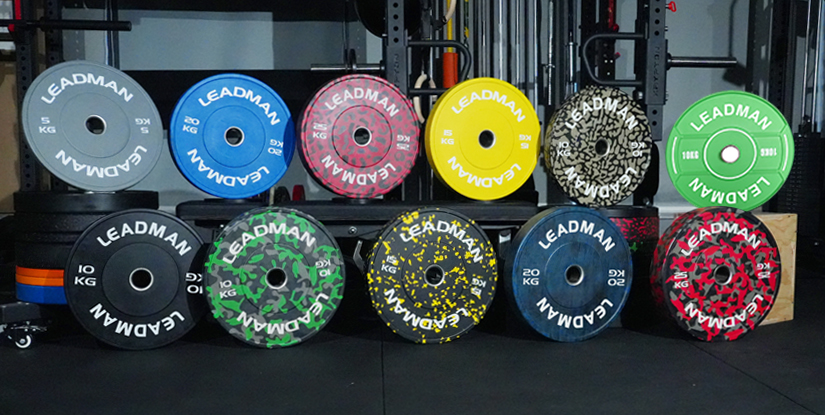
The following framework illustrates how different material compositions impact the lifecycle of your assets. By aligning your selection with the intended intensity of use, you can optimize your budget and streamline gym inventory management.
| Material Type | Typical Lifespan | Ideal Setting | Maintenance Level |
|---|---|---|---|
| Standard Carbon Steel | Moderate | Home Gyms / Small Studios | Low |
| Stainless Steel / Chrome | High | Commercial Weight Rooms | Medium (Corrosion Control) |
| High-Density Urethane/Rubber | Very High | High-Traffic Performance Centers | Minimal |
Selecting a barbell and weight plates manufacturer that offers a diverse range of these grades allows you to tier your equipment. This strategic approach ensures that heavy-duty lifting zones are equipped with resilient, impact-resistant gear, while lighter training areas remain cost-effective and functional.
Beyond the physical build, true value is found in the reliability of your sourcing partner. A professional barbell and weight plates manufacturer does more than just ship products; they provide a consistent supply chain that protects your facility from the volatility of global logistics. When your procurement is anchored by a partner with rigorous quality control, you effectively eliminate the "hidden costs" of downtime—such as the lost revenue caused by out-of-order equipment or the logistical headache of emergency re-orders.
A strategic fitness facility procurement plan views high-quality equipment as a depreciating asset that should be managed for long-term ROI. By prioritizing manufacturers that utilize standardized manufacturing processes, you ensure that replacement parts or additional weight sets match your existing inventory perfectly in weight, diameter, and texture. This level of precision prevents the friction often seen in low-tier strength training equipment supply, where mismatched equipment can disrupt training flow and increase maintenance overhead. Ultimately, sourcing from a reputable factory allows you to shift your focus from constant hardware troubleshooting to operational growth.
Implementation checklist for buyers
When scaling a commercial facility, the temptation to prioritize the lowest unit price is high. However, savvy procurement professionals know that the cheapest strength training equipment supply often leads to higher operational expenses down the line. To maximize your return on investment, you must shift your focus from the initial invoice to the long-term value proposition of your inventory.
A high-quality barbell and weight plates manufacturer provides more than just steel; they provide predictable maintenance cycles. Low-grade plating may chip under heavy use, and substandard bushings can lead to frequent mechanical failures, forcing premature replacements. By investing in premium materials, you reduce the frequency of equipment downtime and the labor costs associated with constant repairs.
Consider the durability vs. initial cost equation: high-spec barbells and precision-cast plates may require a larger upfront budget, but they significantly lower the total cost of ownership. This strategic approach ensures your gym inventory management remains efficient, preventing the constant cycle of re-ordering and shipping costs that plague facilities using inferior, short-lived equipment.
To streamline your fitness facility procurement, we recommend categorizing your purchasing needs based on the specific intensity of your environment. A one-size-fits-all approach to sourcing often results in either over-spending on unnecessary high-spec gear or suffering the consequences of under-spec equipment in heavy-use zones.
The following framework helps you align your budget with the actual demands of your facility, ensuring that your strength training equipment supply strategy supports sustainable growth and high ROI.
| Facility Type | Recommended Equipment Grade | Expected Lifespan | Maintenance Level | ROI Speed |
|---|---|---|---|---|
| Boutique Studio / Home Gym | Standard Commercial | 3–5 Years | Low | Rapid |
| Mid-Range Fitness Club | Professional Grade | 5–8 Years | Moderate | Steady |
| High-Traffic Performance Center | Elite / Competition | 8+ Years | High (Precision Tuning) | Long-term |
By utilizing this comparison, you can refine your gym inventory management to ensure that high-wear areas receive the most robust products, while lighter-use zones remain cost-effective. This targeted selection process is the hallmark of professional-grade fitness facility procurement.
To finalize your procurement strategy, use this checklist to ensure your supply chain remains resilient. A successful partnership with a barbell and weight plates manufacturer depends on proactive communication rather than reactive ordering.
Strategic Optimization Checklist
- Stock Level Optimization: Establish minimum threshold levels for high-turnover items like standard iron plates to avoid stockouts during peak periods.
- Seasonal Demand Planning: Align your fitness facility procurement cycles with global shipping trends and seasonal surges in gym memberships to ensure seamless replenishment.
- Vendor Reliability Assessment: Beyond pricing, verify the manufacturer's ability to maintain consistent production capacity and meet strict lead times.
- Quality Control Checkpoints: Implement rigorous inspections at the factory level—specifically for barbell knurling consistency and plate weight tolerances—to minimize defective returns.
- Communication Protocols: Maintain a direct feedback loop with your strength training equipment supply partner to adjust orders based on real-time facility growth.
By integrating these checkpoints, you transition from simple purchasing to strategic gym inventory management, effectively insulating your operations against unexpected downtime and supply volatility.