Choosing the Right Bar and Weight Plates for Your Gym
Defining Your Standards: A Pre-Purchase Checklist for Strength Equipment
Before finalizing any procurement order, professional buyers must navigate three critical checkpoints: assessing the structural risk of substandard materials, verifying technical specifications against usage intensity, and accounting for the logistical complexities of heavy freight. Many distributors fall into the trap of prioritizing the lowest quote, but a failure to evaluate these factors often results in unexpected downtime. When sourcing bar and weight plates, it is essential to look beyond the surface level of a transaction to ensure your inventory meets the rigorous demands of a high-traffic facility.
The Reality of Value vs. Cost
In the world of strength training equipment, there is a significant distinction between the initial price vs. lifecycle cost. While low-cost gym weight sets may appear attractive on a balance sheet, they frequently lack the durability required for commercial environments. Choosing inferior olympic weightlifting gear often leads to premature oxidation, bent shafts, or cracked plate edges, forcing frequent replacements. We advise viewing your purchase as a long-term investment; high-quality bar and weight plates maintain their structural integrity and calibration over years of heavy use, ultimately reducing the total cost of ownership and ensuring your facility remains operational without constant reinvestment.
To effectively allocate your capital, you must categorize your needs based on the anticipated intensity of use. A common mistake is over-investing in high-spec gear for low-traffic areas or, conversely, under-specifying equipment for high-performance zones. Using a structured framework allows you to balance upfront expenditures with long-term operational reliability.
Budget Tier Comparison Framework
The following table provides a practical guide to help you align your procurement strategy with your facility's specific requirements, whether you are sourcing gym weight sets for a boutique studio or a high-volume training center.
| Budget Tier | Primary Use Case | Usage Frequency | Maintenance Requirements |
|---|---|---|---|
| Home / Entry-Level | Personal training or small studios | Low to Moderate | Minimal; basic cleaning and visual inspections |
| Professional / Commercial | High-traffic gyms and CrossFit boxes | High / Constant | Regular; requires checking bearing smoothness and surface coating integrity |
When selecting bar and weight plates, remember that olympic weightlifting gear designed for professional settings is engineered to withstand thousands of repetitions. Investing in the correct tier prevents the logistical headache of frequent restocking and ensures your strength training equipment remains a reliable asset rather than a recurring expense.
Identifying Hidden Costs in Substandard Gear
A low quote on bar and weight plates often masks significant long-term liabilities. One of the most common issues in low-grade olympic weightlifting gear is a lack of precision in manufacturing. When quality control is neglected, you may receive plates with uneven weight distribution or bars with inconsistent knurling. This lack of precision does more than just disrupt a workout; it creates a safety risk and a mechanical imbalance that can damage other strength training equipment over time.
Furthermore, poor-quality finishes lead to rapid knurling degradation and surface oxidation, making the equipment difficult to handle and aesthetically unappealing. From a procurement standpoint, the replacement frequency of these substandard items drastically increases your total cost of ownership. Instead of a one-time capital expenditure, you face recurring shipping costs, restocking logistics, and labor downtime. To protect your margins, prioritize suppliers who demonstrate rigorous quality control standards to ensure your gym weight sets remain a durable asset rather than a continuous drain on your budget.
Technical Specifications of High-Performance Olympic Weightlifting Gear
When sourcing strength training equipment for high-traffic facilities, the most critical factor is the structural integrity of the metal. A premium barbell is not just a piece of steel; it is a precision tool designed to withstand extreme stress. For professional athletes and heavy lifters, the bar and weight plates they use must maintain their shape and elasticity under immense loads. This is where steel quality becomes the deciding factor in your procurement process.
High-end olympic weightlifting gear relies heavily on high tensile strength. A bar with superior tensile properties can bend under heavy weight and snap back to its original straightness without permanent deformation. Beyond the core steel, the longevity of your gym weight sets depends on the precision of the knurling. High-quality knurling must be consistent and durable, ensuring a secure grip without wearing down or becoming smooth over time. Investing in these technical specifications ensures long-term durability and reduces the frequency of equipment replacement in demanding commercial environments.
While the barbell provides the foundation, the composition of your bar and weight plates determines the long-term stability of your training environment. For commercial-grade strength training equipment, the manufacturing of bumper plates requires much more than a simple casting process. High-performance plates must adhere to strict tolerance standards to ensure that weight distribution remains symmetrical. Even a minor deviation in mass or thickness can lead to uneven loading, which compromises both the athlete's form and the longevity of the barbell.
To protect your investment, look for plates featuring a high-density rubber coating. This outer layer serves two vital functions: it provides impact absorption to reduce floor vibration and protects the internal core from environmental wear. In professional olympic weightlifting gear, precision in the center hole diameter is also non-negotiable; a perfect fit ensures the plates slide smoothly without wobbling, maintaining the balance of your gym weight sets during high-intensity movements. Prioritizing these material standards during your sourcing phase minimizes maintenance costs and ensures a consistent user experience.
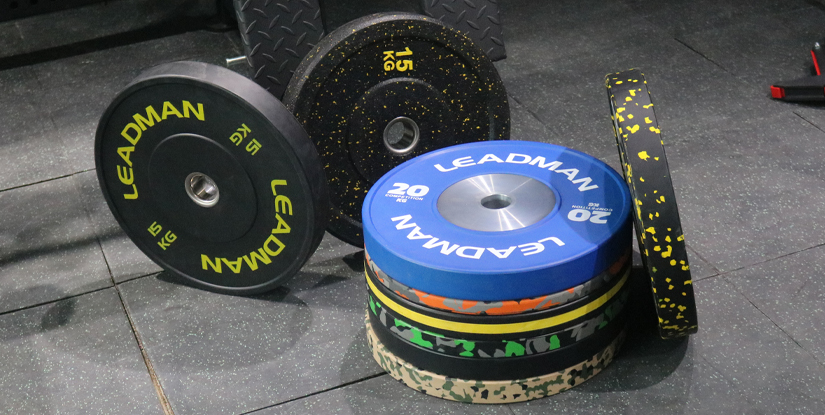
Selecting the right materials is a strategic decision that balances operational longevity with your facility's specific training needs. Depending on whether you are outfitting a high-impact CrossFit box or a traditional powerlifting zone, the material composition of your bar and weight plates will dictate how much maintenance your staff performs and how often you need to refresh your inventory. To simplify your procurement planning, we have categorized the most common materials used in professional strength training equipment below.
Material Durability and Application Guide
| Material Type | Durability Level | Best Use Case |
|---|---|---|
| Cast Iron | High (Rigid) | Traditional bodybuilding and static strength training. |
| Rubber-Coated Steel | Very High (Impact Resistant) | High-traffic commercial gyms and heavy gym weight sets. |
| High-Density Rubber (Bumper) | Moderate to High (Shock Absorbing) | Dynamic olympic weightlifting gear and CrossFit environments. |
Understanding these distinctions allows you to optimize your budget. For instance, while cast iron is incredibly durable for static lifts, high-density rubber is essential for environments where dropped weights are frequent, as it protects both the bar and weight plates and your facility's flooring.
Selecting the Right Plate Material for Your Training Environment
When sourcing bar and weight plates for a professional facility, the most overlooked factor is often the local climate. The longevity of your strength training equipment is directly tied to how the materials react to your specific environment. For instance, high humidity levels in coastal or tropical regions can accelerate oxidation on steel components if the protective coatings are substandard. Choosing the wrong material can lead to premature rust, increasing your maintenance frequency and lowering the overall durability of your investment.
To ensure your gym weight sets remain in peak condition, we recommend matching the material specifications to your facility's environmental controls. A high-quality coating or a specialized material choice can significantly reduce the long-term operational costs associated with upkeep.
| Material Type | Environment Suitability | Durability Profile | Maintenance Level |
|---|---|---|---|
| Cast Iron | Climate-controlled indoor | High (Rigid) | Low (Regular dusting) |
| Rubber Coated | High-traffic/Humid zones | Very High (Impact resistant) | Moderate (Surface cleaning) |
| Stainless Steel | Extreme humidity/Coastal | Maximum (Corrosion resistant) | Minimal (Wipe down) |
Choosing between different bar and weight plates requires a balance between budget and the physical demands of your space. For traditional strength training, cast iron remains a staple due to its compact profile and cost-effectiveness. However, in high-impact environments like CrossFit boxes, bumper plates are indispensable. These are engineered to withstand heavy drops, protecting both your flooring and the structural integrity of your olympic weightlifting gear.
Beyond impact, rust prevention is a critical procurement consideration. While standard steel options are durable, rubber-coated plates offer an extra layer of protection against moisture and oxidation, making them ideal for facilities with varying climate control. To extend the lifespan of your gym weight sets, implement a routine of simple cleaning—using a damp cloth to remove sweat and debris—and ensure proper storage in a dry, elevated area. This proactive approach minimizes wear and ensures your long-term equipment investment remains a high-performing asset.
Effective upkeep is the bridge between a one-time purchase and a long-term asset. To maximize the longevity of your olympic weightlifting gear, meticulous moisture control is essential. Even the highest-grade bar and weight plates can succumb to oxidation if left in damp or unventilated environments. We advise facility managers to prioritize storage solutions that keep metal components elevated and away from direct contact with concrete floors, which can trap condensation.
When inspecting your gym weight sets, always check the integrity of the protective coatings. Whether it is a high-grade chrome finish on a barbell or the vulcanized rubber on a bumper plate, these layers act as the first line of defense against environmental degradation. A routine inspection for scratches or peeling can help you address minor issues before they compromise the strength training equipment. By implementing a consistent, low-effort cleaning regimen and maintaining a stable indoor climate, you ensure your professional-grade inventory remains a durable, high-performing centerpiece of your facility.
Optimizing Weight Set Composition for Diverse User Demands
When planning a facility layout, the physical footprint of your gym weight sets is often overlooked until the equipment arrives. For commercial operators and boutique studio owners, the relationship between plate thickness and floor space is a critical logistical factor. Utilizing high-density materials, such as precision-cast iron or calibrated steel, allows for a much thinner profile per kilogram compared to standard rubber-coated options. This space-saving advantage is vital when you need to load heavy bar and weight plates onto a single barbell without the plates colliding or exceeding the bar's length.
Choosing compact storage solutions through high-density gear ensures that your training zones remain unobstructed and professional. By prioritizing high-quality strength training equipment with a slim profile, you can maximize the utility of your square footage. This strategic approach to sourcing helps distributors and gym owners accommodate more olympic weightlifting gear in smaller footprints, ensuring that heavy lifting sessions do not compromise the flow or safety of the surrounding workout areas.
To streamline your procurement process, it is essential to understand how different materials impact your facility's layout. Depending on whether you are outfitting a high-performance lifting platform or a multi-purpose functional training zone, the choice of bar and weight plates will dictate your long-term storage efficiency. Below, we have categorized common options to help you visualize the trade-offs between plate thickness and operational utility.
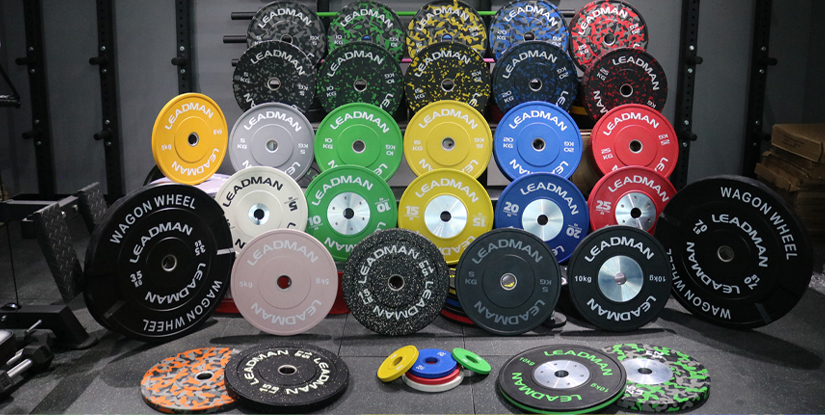
| Plate Type | Profile & Thickness | Storage Footprint | Primary User Type |
|---|---|---|---|
| Cast Iron Plates | Very Thin / High Density | Minimal | Budget-conscious / Traditional Gyms |
| Bumper Plates | Thick / High Impact | Large | CrossFit / Olympic weightlifting gear enthusiasts |
| Rubber Coated Steel | Moderate | Medium | General strength training equipment users |
When sourcing gym weight sets, remember that while bumper plates offer superior durability for high-impact drops, they require significantly more vertical and horizontal space. If your facility prioritizes high-density loading on a single bar, opting for thinner, high-precision bar and weight plates will optimize your available training real estate.
Beyond the dimensions of the plates themselves, the efficiency of your facility depends heavily on your organization strategy. A cluttered training floor is not just an aesthetic issue; it is a safety hazard and a bottleneck for member throughput. To maintain a professional environment, we recommend integrating specialized storage solutions that prioritize both accessibility and floor safety. Instead of leaving bar and weight plates scattered near lifting platforms, investing in dedicated hardware ensures that your strength training equipment remains orderly and ready for the next user.
For high-traffic commercial zones, vertical storage is often the most effective way to reclaim valuable square footage. Utilizing a heavy-duty weight tree or a specialized barbell rack allows you to stack your gym weight sets upward rather than outward. This keeps the walkways clear and prevents tripping hazards. When sourcing for a large-scale facility, look for storage units designed for high-volume olympic weightlifting gear, as these are engineered to handle the immense weight of full plate sets while keeping your premium bar and weight plates organized and easily reachable.
Logistics and Handling: Managing Bulk Shipments of Heavy Iron
When sourcing high-quality bar and weight plates, the most significant hidden variable in your procurement budget is not the unit price, but the weight-to-volume ratio. Because strength training equipment consists of dense, high-mass materials like cast iron or steel, the bulk weight of a single shipment can drastically alter your landed cost. Unlike lighter accessories, these heavy components require specialized freight logistics, often necessitating LCL (Less than Container Load) or FCL (Full Container Load) arrangements to optimize efficiency.
Failure to account for these variables can lead to unexpected shipping costs that erode your profit margins. For distributors and gym owners, the goal is to maximize container density. By coordinating the dimensional footprint of your gym weight sets with the total tonnage, you can reduce the per-unit shipping expense. We recommend working closely with a supplier that understands how to palletize heavy iron effectively, ensuring that your shipment remains stable and cost-efficient from the factory floor to your facility.
To optimize your procurement budget, you must weigh the trade-offs between speed and expense. Depending on whether you are replenishing a boutique studio or stocking a large-scale facility, your choice of shipping options will directly impact your bottom line. Below is a practical comparison to help you navigate these budget considerations when ordering high-density gym weight sets.
| Shipping Method | Typical Use Case | Delivery Speed | Cost-Efficiency |
|---|---|---|---|
| Sea Freight (FCL) | Large-scale gym builds or major inventory restocks. | Slowest (Weeks/Months) | Highest (Best for heavy bar and weight plates) |
| Sea Freight (LCL) | Mid-sized orders or supplemental strength training equipment. | Moderate | Balanced (Good for smaller volumes) |
| Air Freight | Urgent replacements or lightweight accessory orders. | Fastest (Days) | Lowest (Not recommended for heavy iron) |
When planning your next acquisition, remember that while air freight offers rapid delivery speed, the weight of olympic weightlifting gear makes it prohibitively expensive for bulk orders. For maximum cost-efficiency, we generally advise focusing on sea freight strategies to ensure your long-term investment in quality iron remains financially sustainable.
Beyond the transit method, true cost control lies in volume optimization and the technicalities of packaging durability. When importing olympic weightlifting gear, the way your items are stacked within a container can be the difference between a profitable margin and a logistical headache. High-density products like steel bars and iron plates are prone to shifting or surface damage if not secured with precision. We suggest selecting a manufacturer that utilizes reinforced, heavy-duty packaging designed specifically for the rigors of international sea freight.
A smart procurement strategy involves looking at the total landed cost rather than just the Ex-Works price. This means evaluating how much "dead space" exists in your shipment. For instance, nesting certain bar and weight plates or using custom-sized crates can significantly increase the density of your load. By prioritizing volume optimization, you ensure that every cubic meter of your shipping container is working to lower your per-unit cost, ultimately protecting your budget from the volatility of international freight rates.
Long-Term Value: Balancing Initial Investment with Equipment Lifespan
When scaling a commercial facility, the temptation to prioritize low upfront costs can be a deceptive trap. While budget-friendly options may satisfy immediate procurement targets, they often trigger a costly "replacement cycle" that drains your operational budget within a few short years. To secure a true long-term investment, professional buyers must look beyond the initial invoice and evaluate the structural integrity of their strength training equipment.
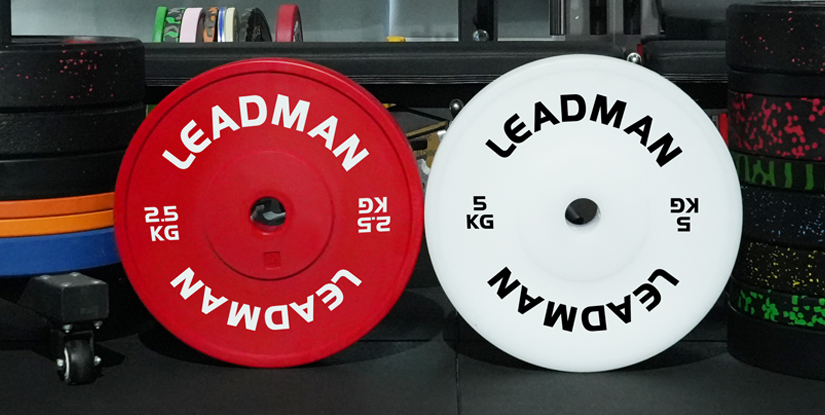
The distinction lies in material science. Premium bar and weight plates are engineered from high-quality steel designed to withstand extreme tensile stress and high-impact drops. Choosing equipment with superior wear resistance ensures that your olymbic weightlifting gear maintains its precision, knurling sharpness, and dimensional accuracy over years of heavy use. In the world of professional gym management, the debate of durability vs. cost is won by those who invest in high-grade alloys today to avoid the logistical headaches and shipping costs of frequent re-ordering tomorrow. Quality gym weight sets are not just tools; they are durable assets that protect your bottom line.
To assist in your procurement strategy, we have developed a comparison framework. This helps you determine whether a high-spec setup or a value-driven configuration offers the best return on investment based on your facility's specific operational demands.
| Feature/Tier | Standard/Budget Tier | Professional/Performance Tier |
|---|---|---|
| Primary Usage | Light training or home use | High-frequency commercial use |
| Ideal For | Personal studios/Small gyms | Performance centers/CrossFit boxes |
| Equipment Type | Basic gym weight sets | Precision olympic weightlifting gear |
| Maintenance | Moderate (Frequent inspection) | Low (Built for high impact) |
| ROI Outlook | Lower initial cost; shorter lifespan | Higher initial cost; long-term asset |
When sourcing bar and weight plates, consider your facility's turnover rate. A high-traffic commercial gym requires strength training equipment that can endure thousands of cycles without losing calibration. While the budget tier serves specific niche needs, investing in professional-grade gear reduces the long-term friction of constant replacements and downtime.
Ultimately, successful procurement hinges on a fundamental shift in perspective: moving from a "cost-per-item" mindset to a rigorous cost-per-use analysis. When sourcing bar and weight plates, the cheapest unit price often masks hidden expenses, such as premature knurling wear, bent shafts, or uneven plate calibration. These issues do more than just degrade the user experience; they force premature replacement and increase your total cost of ownership.
Prioritizing Smart Purchasing through Quality Indicators
To achieve smart purchasing, professional buyers must identify specific quality indicators that signal long-term value. Rather than focusing solely on the bottom line of a single PO, evaluate the metallurgy of the bars and the density consistency of the plates. High-grade strength training equipment should demonstrate high tensile strength and consistent weight tolerances. By prioritizing these technical specifications during the sourcing phase, you transition from merely buying gym weight sets to acquiring durable assets. This strategic approach ensures that your initial capital expenditure serves your facility for a decade rather than a single season, maximizing the return on every dollar invested in your olympic weightlifting gear.
Implementation checklist for buyers
When sourcing for a new facility, many procurement managers fall into the trap of prioritizing the lowest upfront price. However, a professional mindset shifts the focus toward a long-term investment. Choosing budget-grade bar and weight plates may save capital during the initial purchase, but it often leads to higher replacement costs and increased downtime due to wear and tear.
To maximize your return on investment, you must prioritize durability and versatility. High-performance strength training equipment should withstand high-volume usage across various training modalities, from heavy lifting to functional movements. By adhering to strict high-quality standards during your selection process, you ensure that your gym weight sets remain a reliable asset rather than a recurring maintenance liability.
To help you navigate the trade-offs between initial expenditure and operational longevity, we have outlined a comparison of the most common configurations. Understanding these distinctions is vital for selecting the right bar and weight plates for your specific facility requirements.
| Material/Type | Durability & Impact Resistance | Maintenance Needs | Best Use Case |
|---|---|---|---|
| Bumper Plates (Rubber) | High; designed for heavy drops | Low; protects floors/equipment | Olympic weightlifting gear & CrossFit |
| Cast Iron Plates | High; extremely rugged/dense | Moderate; check for oxidation | Standard strength training equipment |
| Steel/Machined Plates | Very High; precise/compact | Low; minimal wear | Powerlifting & high-density gym weight sets |
When evaluating your options, consider the frequency of high-impact movements in your facility. While rubberized bar and weight plates may require a slightly higher initial budget, they significantly reduce the long-term cost of floor repairs and equipment fatigue, providing a much more stable ROI for high-traffic commercial environments.
Before finalizing your wholesale order, run your prospective supplier through a final verification process. A professional-grade setup depends on minute technical details that separate premium gear from disposable alternatives. Use this checklist to ensure your bar and weight plates meet the rigorous demands of a commercial environment.
The Professional Verification Checklist
- Knurling Consistency: Inspect the barbell's knurling pattern. It should be uniform, sharp, and consistent across the entire shaft to ensure grip security without causing skin abrasions.
- Plate Tolerance: Verify the weight deviation. High-quality gym weight sets should maintain a strict tolerance (typically within 1-2%) to ensure balanced loading during olympic weightlifting gear training.
- QC & Logistics: Confirm the manufacturer’s quality control (QC) protocols. Ensure that strength training equipment is secured in reinforced, moisture-resistant packaging to prevent transit damage or oxidation.
- Maintenance Potential: Evaluate the ease of long-term upkeep, such as the ability to re-coat or clean the surface to prevent rust and maintain a professional aesthetic.