How to Maintain Your Bars and Weight Plates Long Term
Evaluating Quality Before the First Rep: A Procurement Checklist
When a boutique strength studio or a high-traffic commercial gym signs off on a new shipment, the real test of a vendor's reliability begins long before the first heavy set is completed. While many buyers focus solely on initial unit costs, the true expense lies in the long-term durability of the equipment. If the bars and weight plates arriving at your facility lack structural consistency, you will inevitably face higher replacement frequencies and increased labor costs for weightlifting equipment care. True value is found in the strength of the material integrity established during the production phase.
To mitigate these risks, professional buyers must look beyond the surface aesthetics and scrutinize the manufacturing standards of their suppliers. High-quality bars and weight plates are the backbone of any serious training environment; therefore, ensuring that your factory partners adhere to rigorous metallurgical testing and precision tolerances is essential. By prioritizing quality control during the sourcing stage, you reduce the frequency of gym plate upkeep and ensure your investment survives the rigors of daily commercial use.
Investing in lower-grade steel might offer short-term savings, but the long-term overhead of barbell maintenance and premature replacement often outweighs the initial discount. To help you navigate your next procurement cycle, we have outlined the fundamental differences between professional-grade equipment and budget alternatives. Use this comparison to ensure your facility receives gear that meets international standards for weightlifting equipment care and longevity.
| Feature | Professional/Commercial Grade | Budget/Residential Grade |
|---|---|---|
| Steel Grade | High-tensile alloy steel (optimized tensile strength) | Standard carbon steel (prone to bending) |
| Coating Type | Hard chrome, Cerakote, or high-grade zinc | Basic paint or thin electroplating |
| Tolerance Levels | Precision-engineered (minimal rotation friction) | Loose tolerances (imprecise sleeve fit) |
| Weight Consistency | Strict ±1% deviation for gym plate upkeep | Variable deviation (often exceeds ±3-5%) |
When sourcing your bars and weight plates, remember that the quality of the coating type and the precision of the weight consistency are the primary indicators of how much labor your team will spend on gym plate upkeep over the next five years. Prioritizing these technical specifications ensures your facility remains a high-performance environment.
Identifying Critical Red Flags During Inspection
Before signing off on a large-scale shipment, your inspection protocol must identify subtle defects that signal long-term failure. A common oversight in procurement is ignoring the surface finish; any irregularities, pitting, or unevenness in the coating can lead to rapid oxidation resistance failure. If the bars and weight plates arrive with even minor surface imperfections, they are highly susceptible to rust, even in climate-controlled environments, significantly increasing your barbell maintenance workload.
Furthermore, pay close attention to the structural integrity of the items. Inspect the knurling on the bars for uniformity and check the weight plates for any warping or uneven edges. A lack of rigorous quality control at the factory level often manifests as slight deviations in thickness or diameter, which can lead to improper loading and uneven wear. By spotting these red flags during the initial unboxing, you protect your facility from the high costs of premature equipment replacement and ensure the longevity of your weightlifting equipment care standards.
Structural Integrity: What to Look for in Premium Barbell Construction
Before implementing a routine for weightlifting equipment care, it is vital to understand that the longevity of your investment begins at the factory level. True durability is not merely about surface finish; it is rooted in the fundamental physics of the metal. When sourcing high-end bars and weight plates, the primary differentiator for professional-grade gear is the metallurgical consistency of the components.
For premium barbells, high steel tensile strength is non-negotiable. This ensures the bar can withstand heavy oscillations and extreme loads without permanent deformation. Furthermore, the longevity of the grip relies heavily on knurling precision. High-quality manufacturing standards dictate that the knurling should be etched deeply and consistently into the steel, rather than just surface-level, to prevent premature wearing or smoothing over years of heavy use. By prioritizing these structural elements during your initial procurement, you ensure that your gym plate upkeep remains a matter of simple cleaning rather than constant replacement.
Distinguishing between high-performance gear and budget-tier alternatives is essential for long-term barbell maintenance. While lower-cost options may appear sufficient for light training, they often lack the structural density required for commercial environments. A budget bar might suffer from rapid knurling degradation or sleeve friction, whereas premium builds are engineered to maintain their mechanical integrity under repetitive stress. To help you navigate your next procurement cycle, we have outlined the key technical differences below.
| Material/Feature | Standard Build (Budget) | Premium Build (Professional) |
|---|---|---|
| Core Material | Mild Steel | High-Tensile Alloy Steel |
| Knurling Type | Light/Surface Etched | Deep, Consistent Precision |
| Coating/Finish | Basic Chrome or Zinc | Hard Chrome or Cerakote |
| Expected Lifespan | Short-term/Home Use | Long-term/Commercial Use |
When evaluating bars and weight plates, remember that the initial cost per unit is often less important than the total cost of ownership. Investing in superior metallurgical standards reduces the frequency of replacement and simplifies your overall weightlifting equipment care strategy, ensuring your facility remains operational and cost-effective.
The relationship between surface finish and durability is a critical factor in determining your total gym plate upkeep requirements. The type of coating applied to your bars and weight plates dictates how often you must intervene to prevent oxidation and surface degradation. For instance, while basic zinc plating offers a functional barrier, it is often more susceptible to environmental wear compared to high-grade hard chrome or stainless steel. Stainless steel, in particular, offers superior resistance to moisture and sweat, often requiring minimal intervention, whereas standard chrome may eventually show signs of pitting if not managed correctly.
Understanding these nuances in coating durability—ranging from standard zinc to premium stainless steel—allows you to predict the impact of construction on maintenance frequency. A high-quality, multi-layered finish is a long-term investment that shields the core metal from the corrosive elements common in high-traffic fitness environments. By selecting equipment with advanced metallurgical coatings during your procurement phase, you effectively reduce the labor and material costs associated with ongoing barbell maintenance and equipment restoration.
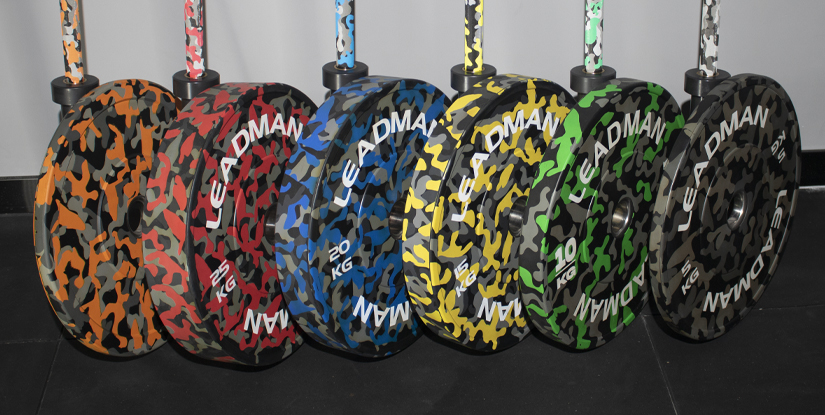
Material Science: Choosing Between Steel, Rubber, and Bumper Plate Finishes
When sourcing bars and weight plates, the initial procurement cost is only one part of the equation. To ensure a long-term investment, you must balance upfront expenditure against the durability vs. price ratio of different materials. Choosing the wrong finish for your specific training environment can lead to premature wear, increasing your replacement frequency and total cost of ownership.
For high-impact environments like CrossFit boxes, bumper plates are often the standard, whereas traditional strength gyms may prefer the precision of steel plates. Understanding these material nuances helps you select cost-effective options that align with your facility's maintenance capacity and usage intensity.
| Material Type | Primary Benefit | Maintenance Level | Best Use Case |
|---|---|---|---|
| Steel Plates | High precision/Compact | Moderate (Rust prevention) | Standard lifting/Bodybuilding |
| Rubber-Coated Plates | Noise reduction | Low (Surface protection) | Commercial fitness centers |
| Bumper Plates | High impact absorption | Minimal (High durability) | Olympic lifting/CrossFit |
Selecting high-quality weightlifting equipment care standards starts with the material itself. While rubber-coated plates offer a middle ground in terms of gym plate upkeep, investing in premium bumper plates can often be more cost-effective in high-drop environments due to their superior lifespan.
To better visualize how these material choices impact your facility's budget, we have outlined a comparison focused on the total economic lifecycle. When evaluating bars and weight plates, consider that a lower initial price often masks higher long-term expenses if the material requires intensive weightlifting equipment care or frequent replacement.
| Material Class | Initial Cost | Maintenance Level | Best For | Estimated Lifespan |
|---|---|---|---|---|
| Standard Steel | Low | High (Rust/Corrosion) | Home Gyms/Budget Setup | 3–5 Years |
| Rubber-Coated | Mid-Range | Moderate (Surface Wear) | Commercial Gyms | 5–8 Years |
| Premium Bumper | High | Low (Impact Resistant) | High-Intensity Training | 10+ Years |
From a procurement standpoint, opting for higher-grade finishes may seem expensive upfront, but it significantly reduces the frequency of gym plate upkeep. For distributors and gym owners, prioritizing materials that withstand high-volume usage is the most effective way to manage your long-term operational budget.
Ultimately, your budget allocation should reflect the intensity of your training environment. While a home gym vs commercial gym distinction often dictates the scale of the initial purchase, the logic of value over time remains universal. For instance, purchasing entry-level bars and weight plates might save capital during the setup phase, but the lack of robust finishes often leads to escalating barbell maintenance costs and premature replacement cycles.
In high-impact training scenarios, such as Olympic lifting or functional fitness, the cost of a single drop can ruin low-grade equipment. We recommend viewing weightlifting equipment care not as an additional expense, but as a strategic extension of your procurement process. By investing in high-grade materials that require minimal gym plate upkeep, you effectively lower your total cost of ownership. Whether you are a small-scale buyer or a large-scale distributor, prioritizing durability ensures that your equipment remains a functional asset rather than a recurring liability.
Preventing Oxidation: Essential Protocols for Barbell Maintenance
In high-traffic fitness environments, the primary threat to your investment isn't just heavy usage—it is the invisible process of oxidation. When high-quality bars and weight plates are exposed to air and water vapor, a chemical reaction occurs on the metal surfaces that can lead to structural degradation. For distributors and gym owners, understanding this science is vital for long-term rust prevention and maintaining asset value.
The core culprit is moisture control. Whether it is perspiration from athletes or ambient humidity within a facility, moisture acts as a catalyst for corrosion. Even premium steel components are susceptible if the protective coatings are compromised or if the environment lacks proper ventilation. Without strict weightlifting equipment care protocols, microscopic oxidation can quickly escalate into surface pitting and rust, permanently damaging the precision of your barbell maintenance standards and reducing the lifespan of your entire inventory.
Implementing a consistent cleaning routine is the most effective way to mitigate these risks. After every training session, do not allow chalk residue or sweat to sit on the equipment, as these substances attract moisture. We recommend using a clean, dry microfiber cloth to wipe down the knurling and the sleeves of your bars and weight plates. This simple step removes abrasive particles that can cause micro-scratches on the finish.
For long-term gym plate upkeep and steel protection, applying a thin layer of silicone-based oil to the barbell sleeves can create a moisture-resistant barrier. This layer acts as a shield against humidity and prevents the onset of oxidation. By integrating these disciplined weightlifting equipment care habits into your facility's daily operations, you ensure that your high-grade steel assets remain in peak condition, protecting your initial capital investment and ensuring smooth, reliable performance for years to come.
When sourcing or upgrading your facility, your choice of surface finish will dictate your long-term gym plate upkeep requirements and overall budget. Different finishes offer varying degrees of protection against the elements, and selecting the right one depends on your local climate and expected usage intensity. A higher upfront cost for premium materials often results in lower operational expenses due to reduced barbell maintenance needs over time.
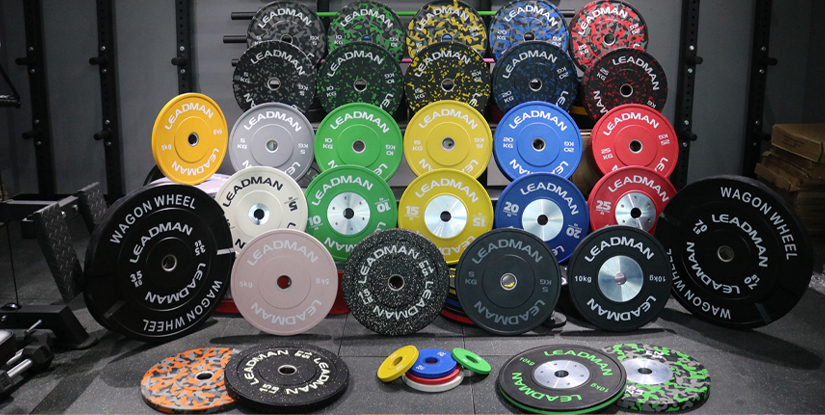
Understanding Material Finishes and Durability
To help you make an informed decision for your next procurement cycle, we have compared the most common coatings used for high-end bars and weight plates. This comparison focuses on how each material handles oxidation and the practical implications for your facility's maintenance schedule.
| Coating Type | Oxidation Resistance | Maintenance Level | Cost-Effectiveness |
|---|---|---|---|
| Chrome | Moderate | Medium | High (Standard) |
| Cerakote | High | Low | Moderate (Premium) |
| Stainless Steel | Very High | Very Low | Lower (Initial Investment) |
| Zinc | Low to Moderate | High | Very High (Budget-Friendly) |
While Zinc remains a popular choice for entry-level setups due to its price point, facilities in high-humidity regions should prioritize Stainless Steel or Cerakote to ensure superior weightlifting equipment care efficiency and longevity.
Optimizing Storage Solutions to Extend Equipment Lifespan
Efficient organization is about more than just aesthetics; it is a critical component of weightlifting equipment care. For facility managers and gym owners, the way bars and weight plates are stored directly impacts the longevity of the investment. Improper storage can lead to subtle structural issues, such as the permanent bowing of a barbell if left under heavy, uneven pressure for extended periods.
To maximize your floor space, we recommend a strategic approach to organization. While horizontal racks are common, utilizing vertical storage solutions—such as specialized upright plate trees or wall-mounted barbell holders—can significantly declutter a high-traffic training area. Verticality not only keeps your bars and weight plates easily accessible but also prevents the cumulative weight of stacked equipment from causing deformation. Integrating these structured systems into your barbell maintenance routine ensures that your inventory remains in peak condition, reducing the frequency of replacement and optimizing your facility's operational efficiency.
Selecting the right storage solutions depends heavily on your specific facility footprint and the volume of weightlifting equipment you manage. A mismatch between your layout and your storage method can lead to wasted square footage or, worse, accelerated wear on your inventory. For high-density training environments, choosing a specialized system is a vital part of proactive gym plate upkeep.
The following comparison table outlines the most common configurations to help you determine which setup best serves your spatial requirements and operational workflow:
| Storage Type | Space Efficiency | Best Use Case | Primary Advantage |
|---|---|---|---|
| A-Frame Racks | Moderate | Medium-sized commercial gyms | High stability for heavy loads |
| Vertical Trees | High | Compact studios or high-traffic zones | Excellent space-saving footprint |
| Wall Racks | Maximum | Small boutique gyms or home setups | Clears floor space entirely |
When evaluating these options, consider how much movement is required around the storage area. While wall-mounted systems offer the best space-saving benefits, vertical trees provide a more mobile storage solution that can be repositioned as your facility evolves. Ultimately, a structured approach to storing your bars and weight plates is a fundamental step in long-term asset management.
Beyond the physical footprint, true organization involves creating a workflow that prioritizes both accessibility and safety. A disorganized gym setup often results in misplaced equipment, which can lead to accidental drops or collisions. When bars and weight plates are scattered or improperly nested, the risk of surface damage or structural fatigue increases significantly. By implementing a designated "home" for every piece of gear, you ensure that high-quality weightlifting equipment care becomes a natural part of the daily training routine rather than a chore.
For those managing larger inventories, we suggest implementing a labeling or color-coding system. This small step drastically improves gym plate upkeep by allowing staff and members to quickly identify and return items to their correct positions. Maintaining this level of order is not just about tidiness; it is a proactive strategy to ensure long-term durability and prevent the premature aging of your premium bars and weight plates.
Maximizing Asset Longevity and ROI
For facility owners and distributors, the true cost of ownership extends far beyond the initial procurement invoice. In high-traffic environments, bars and weight plates are subject to constant friction, sweat, and environmental exposure. Neglecting weightlifting equipment care can lead to premature oxidation, knurling degradation, and structural fatigue, forcing expensive premature replacements that slash your profit margins.
Implementing a systematic approach to barbell maintenance is not merely a chore; it is a strategic financial decision. By prioritizing the cost-efficiency of routine inspection, you can identify minor surface issues before they evolve into catastrophic failures. For commercial operators, managing the high-volume usage impact through proactive cleaning and moisture control ensures that your heavy-duty inventory remains a reliable asset rather than a recurring liability, effectively extending the lifecycle of your entire strength training floor.
To optimize your operational budget, we recommend implementing a standardized maintenance schedule. A structured approach to gym plate upkeep and mechanical inspection prevents the accumulation of debris and prevents the buildup of corrosive elements that compromise high-quality steel. Consistency in surface cleaning and lubrication needs—specifically for barbell sleeves—will significantly reduce the frequency of replacement orders.
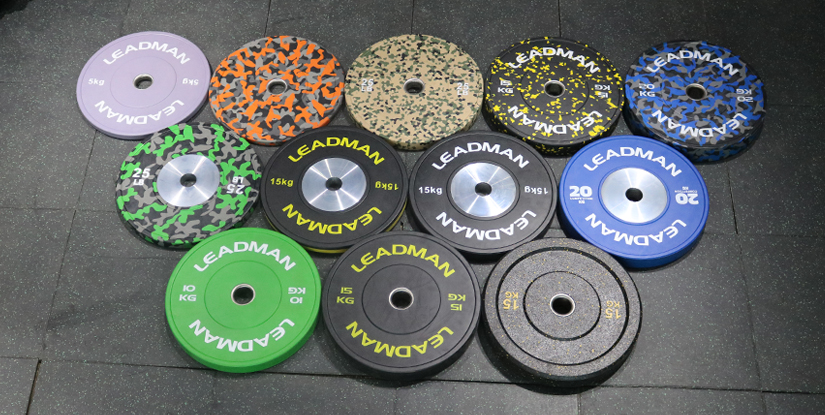
The following table outlines a practical frequency model to help your floor staff manage essential barbell maintenance tasks without disrupting daily operations:
| Frequency | Focus Area | Required Action |
|---|---|---|
| Daily | Bars and weight plates | Wipe down surfaces to remove sweat, chalk, and moisture. |
| Weekly | Mechanical Components | Inspect barbell sleeves for smooth rotation and bearing friction. |
| Monthly | Deep Inspection | Check for oxidation on plates and apply specialized lubricant to barbell shafts. |
By adhering to this regimen, gym managers can ensure that their initial investment in premium weightlifting equipment care yields the highest possible long-term return.
Beyond manual cleaning, protecting your capital investment requires a professional-grade approach to facility management. The most significant threat to the long-term durability of bars and weight plates is often invisible: ambient air quality. High levels of moisture in the air act as a catalyst for rust, regardless of how frequently your staff wipes down the equipment. To effectively combat preventing oxidation, we advise facility managers to invest in robust humidity control systems, such as industrial dehumidifiers, to maintain a stable, dry atmosphere.
Furthermore, how you store your inventory between sessions dictates its lifespan. Moving away from haphazard stacking toward organized storage solutions—such as dedicated vertical plate trees and heavy-duty barbell racks—minimizes unnecessary contact and surface abrasion. Proper placement, keeping equipment away from direct contact with concrete floors or damp walls, is a fundamental aspect of gym plate upkeep. By integrating these environmental controls and structural storage standards, you safeguard your high-end inventory against the corrosive elements that often plague poorly managed fitness centers.
Long-Term Asset Management: When to Replace vs. Refurbish
For commercial gym owners and distributors, viewing bars and weight plates as disposable consumables is a costly mistake. A rigorous cost-benefit analysis reveals that the true expense of your inventory lies not in the initial procurement, but in the lifecycle management of the assets. Neglecting basic barbell maintenance often leads to accelerated oxidation and mechanical failure, forcing a premature capital expenditure for full replacements.
Investing in preventative maintenance—such as regular cleaning and applying specialized coatings—is significantly more economical than reacting to damage after it occurs. When you prioritize rust prevention costs through routine care, you extend the functional lifespan of your high-density steel and cast iron components. While the cost of specialized lubricants or cleaning agents may seem like an added line item, it is a fraction of the expense required to source, ship, and install an entirely new set of weightlifting equipment care-compliant gear. Ultimately, strategic upkeep ensures long-term durability, protecting your margins and maintaining the high standards of your facility.
Deciding whether to invest in weightlifting equipment care or to allocate a new budget for stock replacement is a pivotal moment in facility management. To optimize your budget allocation, you must evaluate specific wear and tear indicators against the total cost of ownership. For instance, superficial surface oxidation on bars and weight plates is often a simple fix, whereas structural warping or deep pitting requires a complete turnover.
Use the following framework to determine if your current inventory requires professional barbell maintenance or a full replacement order:
| Evaluation Metric | Refurbishment Path (Repair) | Replacement Path (New Stock) |
|---|---|---|
| Primary Indicator | Surface rust or minor coating scratches | Bent shafts, knurling wear, or cracked plates |
| Maintenance Difficulty | Low to moderate (Manual cleaning/re-oiling) | High (Requires structural reconstruction) |
| Financial Impact | Minimal; preserves existing capital | Significant; requires new procurement/shipping |
| Best Use Case | Standard training environments | High-intensity/Professional competition use |
When the maintenance difficulty outweighs the cost of sourcing new, high-quality components, it is time to transition. Replacing compromised gear is often more cost-effective than attempting to salvage equipment that no longer meets safety or performance standards.
Ultimately, the most effective way to manage your facility's overhead is through a proactive investment in quality during the initial sourcing phase. While low-cost alternatives may offer immediate savings on a purchase order, they often suffer from a shortened lifecycle of weightlifting equipment, leading to a much higher replacement frequency. Choosing high-grade steel and precision-engineered components significantly mitigates the risk of structural failure and rapid degradation.
From a procurement standpoint, the goal is to minimize the total cost of ownership. High-tier bars and weight plates are engineered to withstand heavy usage and environmental stressors, which reduces the long-term labor and capital required for long-term gym upkeep. By prioritizing durability at the factory level, distributors and gym owners can avoid the cyclical costs of constant re-ordering and the logistical complexities of frequent shipping. In the long run, sourcing premium-grade assets is a strategic move that stabilizes your operational budget and ensures your inventory remains a reliable asset rather than a recurring expense.