How to Choose the Best Barbell and Free Weight Plates
Defining Your Strength Training Standards
When sourcing strength training equipment, many buyers fall into the trap of prioritizing the lowest upfront quote, only to face premature wear or frequent replacements. This mistake often leads to higher total costs due to constant turnover. A more strategic approach involves viewing your purchase of barbell and free weight plates as a long-term investment rather than a one-time expense. By shifting your focus from the immediate price tag to the lifecycle of the product, you ensure your facility remains operational and profitable for years to come.
Understanding the nuance between durability vs. initial price is critical for professional procurement. While budget-tier options might satisfy a short-term need, high-quality weight plate types are engineered to withstand the rigors of high-volume commercial use. Investing in premium builds reduces the frequency of maintenance and replacement cycles, ultimately providing much better value for your capital expenditure. We recommend evaluating the material composition and manufacturing tolerances to ensure your setup can endure heavy training sessions without compromising safety or performance.
Selecting the right materials for your barbell and free weight plates requires a clear understanding of how different weight plate types impact your long-term operational budget. Whether you are outfitting a boutique studio or a large-scale facility, the material dictates both the price point and the maintenance requirements of your strength training equipment.
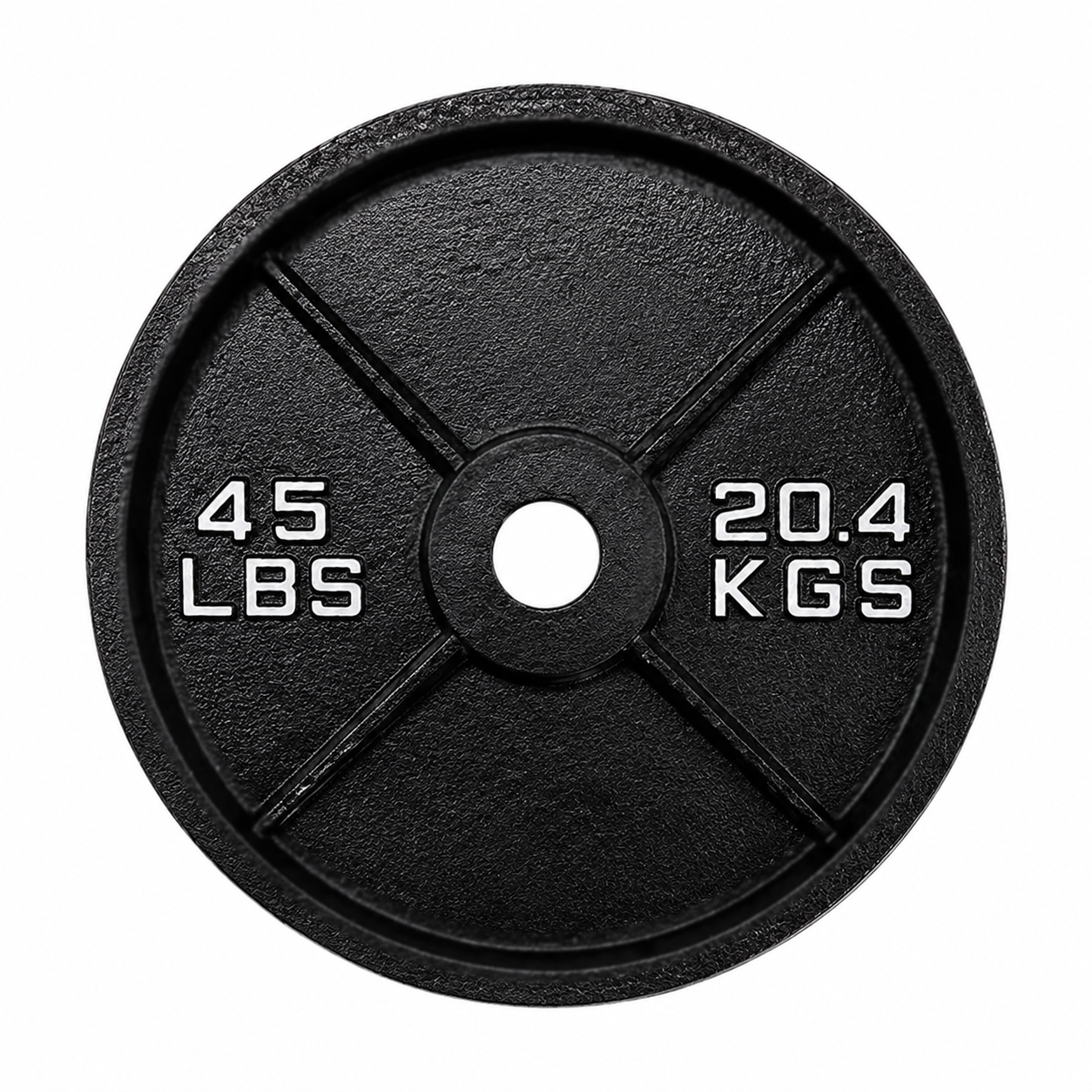
For entry-level setups or low-traffic home gyms, iron plates serve as a budget-friendly solution. They are compact and cost-effective, though they lack the shock absorption required for heavy lifting. For high-performance environments, rubber-coated plates or full bumper plates are the industry standard. While these options require a higher initial investment, they offer exceptional high-impact durability, protecting both your flooring and your equipment during intense training sessions. This reduces the risk of structural damage and long-term replacement costs.
Material Comparison Guide
| Material Type | Primary Use Case | Durability Level | Budget Tier |
|---|---|---|---|
| Iron Plates | Standard lifting & strength work | Moderate | Low (Economic) |
| Rubber-Coated | Commercial gyms & weight rooms | High | Mid-Range |
| Bumper Plates | Olympic lifting & CrossFit | Very High (Shock Absorbent) | Premium |
Optimizing Your Procurement Budget
Balancing a budget for a new home gym setup or a commercial facility requires a strategic allocation of funds. A common mistake is overspending on a single high-end barbell while neglecting the variety of weight plate types needed for a versatile workout. To achieve cost-effective training, we suggest prioritizing a high-quality, durable barbell as your foundation, as this is the centerpiece of your lifting experience. Once the core barbell is secured, you can layer in different sets of plates to expand your training capabilities without breaking the bank.
Rather than buying a massive, uniform set of premium plates, consider a tiered approach: invest in high-durability bumper plates for heavy movements and supplement them with more affordable iron sets for accessory work. Furthermore, don't overlook the importance of barbell accessories like collars or specialized grips. These smaller items often provide significant value by extending the life of your equipment and improving safety. Remember, the goal is quality over quantity; it is far better to own a curated, high-performance selection of barbell and free weight plates than a large collection of low-grade equipment that requires constant replacement.
Essential Specifications for High-Performance Barbells
When sourcing professional-grade strength training equipment, the most critical factor is often invisible to the naked eye: the structural integrity of the steel. For high-intensity facilities, a standard bar is insufficient; you require a component capable of maintaining its shape under extreme stress. The longevity of your barbell and free weight plates setup depends heavily on the specific steel grade used during manufacturing. A premium barbell must possess high tensile strength to ensure it can withstand heavy oscillations and rapid loading without permanent deformation or catastrophic failure.
Beyond the shaft itself, durability extends to the tactile interface. High-quality barbell accessories and bars must feature superior knurling durability. In a high-performance training environment, the grip pattern must remain sharp and consistent over years of heavy use, preventing the texture from smoothing out. When evaluating factory capabilities, always prioritize manufacturers that emphasize rigorous quality control regarding metal elasticity and surface texture, as these specifications dictate the long-term reliability of your investment.
Selecting the right equipment requires a deep understanding of how different mechanical designs serve specific training objectives. While many weight plate types are compatible with various bars, the bar itself dictates the movement's physics. For instance, the choice between a standard Olympic bar and a specialized powerlifting bar is a trade-off between durability vs. flexibility. An Olympic bar is engineered with more "whip" to assist in dynamic lifts, whereas a powerlifting bar focuses on maximum rigidity for heavy, static movements. To help you align your procurement with your facility's specific needs, we have outlined the primary differences below.
| Feature / Bar Type | Olympic Barbell | Powerlifting Barbell |
|---|---|---|
| Primary Focus | Dynamic movement & whip | Rigidity & stability |
| Ideal User Profile | CrossFit athletes & Weightlifters | Powerlifters & Heavy Strength Athletes |
| Durability Profile | High elasticity for rapid loading | Maximum stiffness for heavy loads |
| Typical Use Case | Olympic lifts (Snatch, Clean & Jerk) | Squats, Deadlifts, and Bench Press |
When building out your strength training equipment inventory, consider whether your clients prioritize explosive, fluid motions or brute force stability. Matching the bar's characteristics to the intended weight plate types and training style is essential for minimizing equipment wear and maximizing user safety.
The Synergy of Durability and Material Integrity
True longevity in a professional facility is not just about a single piece of steel, but the synergy between your barbell and free weight plates. A high-quality barbell is only as durable as the components it interacts with. For instance, if a barbell features a high-grade coating, it must be compatible with the weight plate types used to prevent abrasive damage. We often see that subpar coating quality on plates can prematurely wear down the sleeve bearings of a premium bar, compromising the entire system's mechanical efficiency.
When calculating your long-term investment, look beyond the initial price point and evaluate the impact resistance of the entire ecosystem. High-density rubber bumper plates, for example, are essential for protecting both the barbell and the flooring during heavy drops. Furthermore, incorporating high-standard barbell accessories, such as specialized collars, ensures a secure fit that minimizes vibration and stress. Consistent maintenance—such as inspecting sleeves and ensuring plates are free of debris—will significantly extend the lifecycle of your equipment, protecting your capital expenditure for years to come.
Optimizing Your Floor Plan Through Material Selection
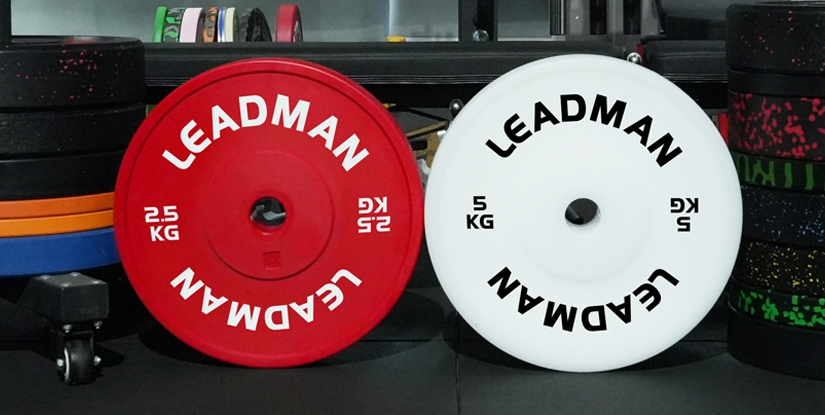
When designing a professional training facility or a high-end home studio, the physical footprint of your strength training equipment is a critical variable. One of the most overlooked aspects of gym layout is the relationship between volume vs. density. While a set of barbell and free weight plates may weigh the same, their physical dimensions and storage requirements vary significantly based on their construction.
For distributors and facility owners, selecting the right weight plate types is a strategic decision in space efficiency. For instance, high-density cast iron plates offer a slim profile, ideal for maximizing the number of plates on a single barbell sleeve. Conversely, rubber-coated vs. iron plates present a trade-off: rubberized options often have a larger diameter and increased thickness, which can consume more vertical and horizontal storage space but offer superior floor protection and noise reduction.
| Material Type | Profile Thickness | Storage Footprint | Best Use Case |
|---|---|---|---|
| Cast Iron | Very Slim | Minimal | High-density barbell loading |
| Rubber-Coated | Moderate | Medium | Commercial weight rooms |
| Bumper Plates | Thick/Wide | Large | Olympic lifting & impact reduction |
Understanding these spatial nuances ensures your barbell accessories and weight sets integrate seamlessly into your facility's specific dimensions without creating cluttered or unsafe walkways.
Choosing the correct weight plate types involves more than just weight increments; it requires a deep understanding of your facility's logistical constraints. A compact boutique studio has vastly different requirements than a sprawling warehouse-style training center. If you are sourcing barbell and free weight plates for a client, you must consider whether the priority is high-density loading or impact-absorbing durability.
For example, in environments where barbell sleeves have limited length, the slim profile of cast iron is a significant advantage. However, in high-traffic commercial settings, the larger footprint of bumper plates is often a necessary investment to protect the flooring and reduce acoustic disruption. Use the following comparison to align your procurement strategy with the specific spatial limitations of your target environment:
| Plate Profile | Typical Dimensions | Storage Requirement | Ideal Setting |
|---|---|---|---|
| Cast Iron (Slim) | Thin/Compact | Low (Vertical Racks) | Home Gyms / Small Studios |
| Rubber-Coated | Medium/Standard | Moderate (Wall/Floor) | Commercial Fitness Centers |
| Bumper (Wide) | Thick/High-Volume | High (Dedicated Racks) | CrossFit & Olympic Gyms |
When selecting strength training equipment, always evaluate the total volume the set will occupy. A well-planned layout prevents the common pitfall of over-ordering bulky barbell accessories that eventually clutter your functional training zones.
Beyond the plate itself, maximizing your training footprint requires a holistic approach to how your barbell and free weight plates are organized. For boutique studios or residential setups, the difference between a cluttered room and a professional-grade environment often comes down to the selection of barbell accessories and specialized storage systems.
If floor space is at a premium, we recommend prioritizing bumper plates for floor space management. While these plates have a larger diameter, their high-density rubber construction allows for better shock absorption, which is essential when training in multi-use or compact areas. To ensure long-term efficiency, look for products with high nesting/stacking capability. High-quality strength training equipment should feature consistent hole diameters and smooth edges, allowing plates to stack vertically without wobbling or jamming.
Investing in compact storage solutions, such as vertical plate trees or wall-mounted racks, can significantly reclaim your usable square footage. When sourcing for your clients or facility, always verify that the storage footprint matches the thickness of the chosen plates to avoid mismatched, inefficient setups that hinder movement and safety.
Optimizing Your Setup with Critical Barbell Accessories
Investing in high-quality strength training equipment is only the first step; ensuring long-term durability requires a commitment to preventative care. For distributors and gym owners, the longevity of barbell and free weight plates directly impacts the total cost of ownership and client satisfaction. Neglecting routine maintenance can lead to premature oxidation and structural degradation, especially in high-traffic commercial environments.
Effective cleaning protocols are essential to remove sweat, chalk residue, and debris that can trap moisture. We recommend using a damp cloth with mild soap for most weight plate types, ensuring they are completely dry before storage. To ensure robust rust prevention, particularly for steel components, applying a thin layer of silicone-based lubricant can protect the knurling and surfaces. Furthermore, selecting optimal storage environments—ideally climate-controlled spaces with low humidity—is the most effective way to shield your barbell and free weight plates from environmental wear, preserving their professional finish for years.
When sourcing for a facility, the long-term operational overhead often depends on the material composition of your inventory. Choosing between different weight plate types is not just about weight increments, but about how much labor and budget you will allocate to upkeep over time. For instance, the choice between rubber-coated vs cast iron can significantly alter your maintenance schedule and the lifespan of your strength training equipment.
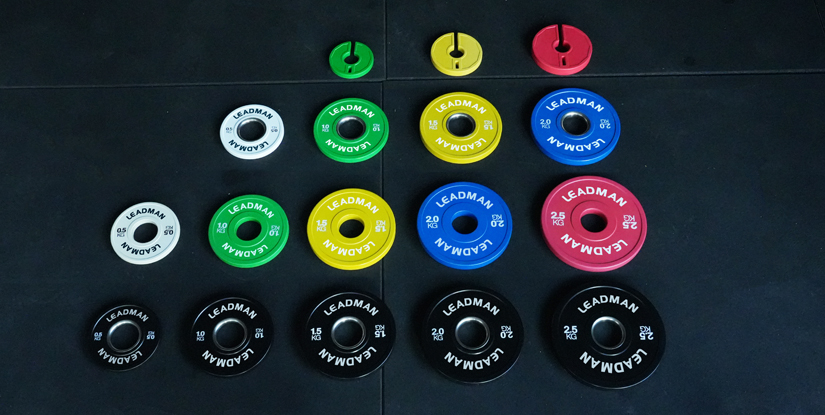
Below is a comparison to help you determine which option aligns best with your facility's environmental conditions and staffing capabilities:
| Feature | Rubber-Coated Plates | Cast Iron Plates |
|---|---|---|
| Ease of Cleaning | High (Wipe down easily) | Moderate (Requires rust checks) |
| Humidity Impact | Low (Protects against moisture) | High (Susceptible to oxidation) |
| Durability | High (Impact resistant) | High (Structural, but brittle) |
| Maintenance Level | Low (Minimal upkeep) | Moderate (Requires periodic oiling) |
In humid climates, we often advise clients to prioritize rubber-coated options to minimize the risk of surface corrosion. While cast iron is a classic choice, it requires more vigilant preventative care to prevent the degradation of the metal surface. Selecting the right barbell and free weight plates based on these environmental factors ensures your investment remains a high-performing asset rather than a maintenance liability.
Beyond the plates themselves, the mechanical integrity of your entire lifting station depends on the upkeep of specialized barbell accessories. A common oversight in facility management is neglecting the rotation mechanisms. To ensure smooth transitions during heavy lifts, regular sleeve maintenance is vital. We suggest a periodic inspection of the bearings or bushings to ensure there is no grit or debris interfering with the spin.
For the bars themselves, consistent lubrication of the internal threads and sleeve bearings prevents seizing and preserves the fluid motion expected in professional settings. Additionally, watch for chalk buildup within the knurling; while essential for grip, excessive accumulation can act as an abrasive, wearing down the steel over time. By implementing a structured cleaning schedule for all strength training equipment, you protect the long-term durability of your inventory, ensuring your barbell and free weight plates and bars remain in peak operational condition.
Material Selection and Long-Term Value Assessment
When sourcing strength training equipment, the primary concern for any facility manager or distributor is the lifecycle of the assets. The choice between different weight plate types directly dictates your maintenance overhead and replacement frequency. Understanding the structural integrity of your barbell and free weight plates is essential for ensuring long-term durability in high-traffic environments.
The debate of cast iron vs rubber usually centers on the intended training style. Cast iron plates are the industry standard for traditional bodybuilding and strength training; they are compact and cost-effective, but they lack high impact resistance. If your clients frequently drop weights, the metal can chip or damage flooring. Conversely, rubber-coated or solid bumper plates are engineered for high-intensity functional training. These options offer superior shock absorption, protecting both the barbell accessories and your facility's structural integrity. For high-volume commercial gyms, investing in high-grade rubberized materials often yields a better return on investment by reducing wear and tear compared to standard iron alternatives.
To help you evaluate the best fit for your specific facility needs, we have categorized common materials based on their operational characteristics. Selecting the right barbell and free weight plates involves balancing initial capital expenditure against the expected intensity of use. While iron offers a classic aesthetic, high-performance rubberized options are often more practical for modern, multi-functional training spaces.
| Material Type | Ideal Use Case | Durability Level | Noise Level | Price Point |
|---|---|---|---|---|
| Cast Iron | Traditional Bodybuilding | High (Rigid) | High | Budget-Friendly |
| Rubber Coated | Standard Commercial Gyms | High (Impact Resistant) | Moderate | Mid-Range |
| Solid Rubber (Bumper) | CrossFit & HIIT | Maximum (Shock Absorbing) | Low | Premium |
| Vinyl/Neoprene | Home Gyms & Studios | Moderate | Low | Entry-Level |
When upgrading your strength training equipment, consider that the most expensive option is often the one that needs replacing most frequently. A strategic procurement approach prioritizes materials that match your floor type and client activity level to maximize the lifespan of your weight plate types.
Beyond material composition, true investment value is found in how a product withstands the rigors of daily operation. Choosing lower-grade alternatives might offer immediate savings on a purchase order, but these often lead to accelerated wear and tear. Low-quality coatings may peel, and substandard metal alloys can become brittle over time, necessitating frequent replacements and increasing your long-term maintenance costs. This cycle of constant replacement is far more expensive than an initial procurement of premium-grade gear.
High-quality barbell and free weight plates are engineered to maintain their calibration and structural integrity even under heavy use. When you invest in professional-grade strength training equipment, you are also protecting your peripheral barbell accessories, such as collars and sleeves, from the impact of uneven or poorly manufactured weights. For distributors and gym owners, prioritizing build quality over the lowest possible unit price ensures a more predictable budget and a more reliable training experience for your end-users.
Logistical Considerations for Heavy Equipment Procurement
When budgeting for a commercial facility, understanding the cost-to-durability ratio of your barbell and free weight plates is vital for long-term profitability. While initial procurement costs vary significantly based on material, viewing these purchases as a long-term investment rather than a one-time expense will save your business from frequent replacement cycles.
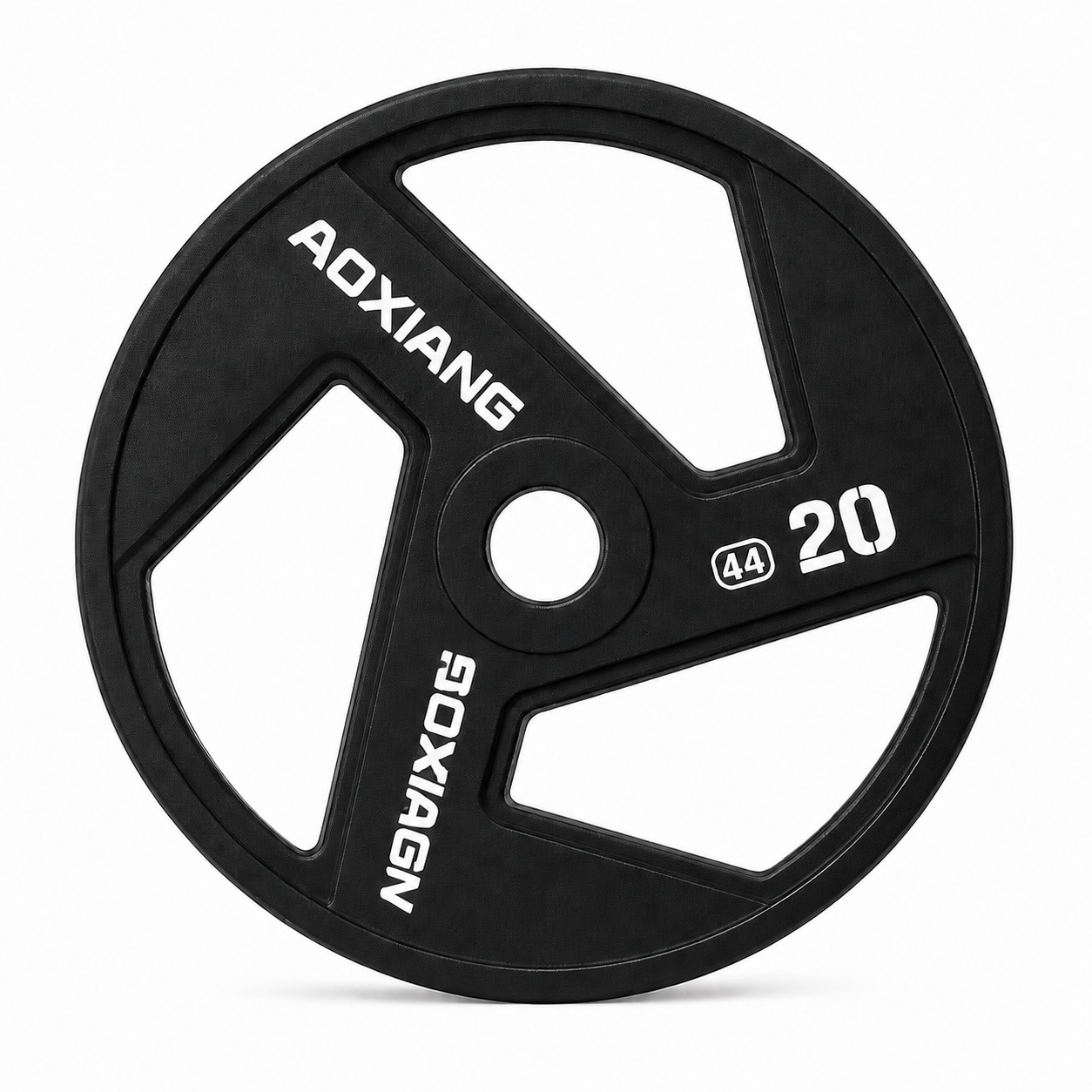
Standard cast iron plates offer the highest cost-effectiveness for high-volume gyms where budget constraints are tight. However, the iron vs rubber-coated debate usually centers on floor protection and noise reduction. Rubber-coated weight plate types are more expensive upfront but significantly reduce wear and tear on your facility's flooring and the strength training equipment itself. For high-impact environments or premium fitness centers, investing in high-quality urethane or rubber-coated options reduces maintenance costs and minimizes the risk of chipping, ensuring your barbell accessories and weight sets remain functional and aesthetically pleasing for years to come.
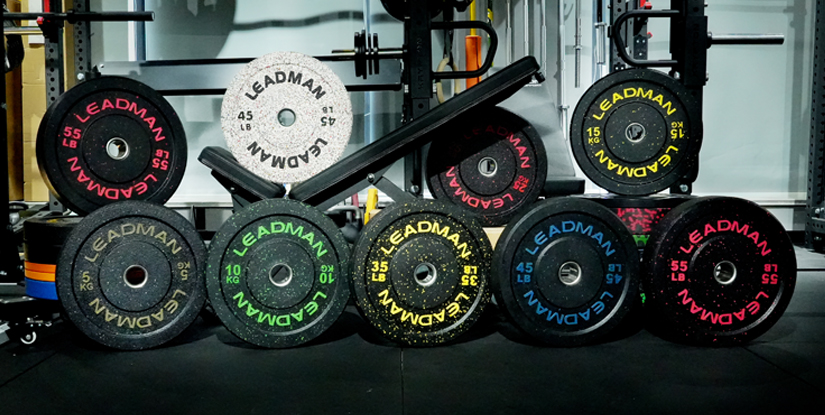
To help you navigate the financial trade-offs between different weight plate types, we have categorized common options based on their utility and lifecycle. Choosing the right tier ensures your strength training equipment aligns with both your current capital expenditure and your long-term operational goals.
The following table illustrates how different barbell and free weight plates perform across various professional settings:
| Budget Tier | Common Material | Usage Frequency | Maintenance Needs | Best For |
|---|---|---|---|---|
| Entry-Level | Cast Iron | Moderate | Low (Rust prevention) | Home gyms & Budget studios |
| Mid-Range | Rubber Coated | High | Minimal (Cleaning) | Commercial fitness clubs |
| Premium | Urethane | Constant/Heavy | Very Low (Highly durable) | High-traffic training facilities |
When sourcing, remember that higher-tier materials often lower your total cost of ownership by extending the lifespan of your barbell accessories and reducing structural impact on your facility.
Managing Hidden Expenses: Shipping and Storage
Beyond the sticker price of your strength training equipment, savvy buyers must account for the logistical overhead that often dictates the final invoice. Because barbell and free weight plates are exceptionally dense and heavy, shipping logistics can represent a significant portion of your procurement budget. For small-scale orders or home gym setups, the volumetric weight and high freight costs per unit can quickly escalate. When planning a large-scale upgrade, bulk purchasing is often the most effective way to mitigate these expenses, as consolidated shipments allow for better freight optimization and lower per-unit shipping rates.
Furthermore, do not overlook the spatial requirements for your inventory. High-density weight sets require specialized storage solutions to prevent damage and ensure safety. Failing to account for the footprint of your barbell accessories and heavy plates can lead to disorganized training areas or increased wear on your facility. To truly understand the total cost of ownership, you must weigh the initial savings of lighter shipping methods against the long-term durability and storage efficiency of premium, high-density equipment.
Common Pitfalls in Sourcing Free Weights
One of the most overlooked aspects of procurement is the long-term environmental impact on your investment. When sourcing barbell and free weight plates, many buyers focus solely on initial unit costs, failing to account for the inevitable degradation caused by improper handling. Without rigorous humidity control, even high-grade steel is susceptible to oxidation. In many commercial settings, moisture trapped in unventilated corners leads to surface rust that can compromise the structural integrity of the knurling and the plating.
Beyond surface aesthetics, the physical stress of heavy lifting can induce metal fatigue over time. If your strength training equipment is stored in a way that subjects it to constant uneven pressure or extreme temperature fluctuations, the internal molecular structure can weaken. To mitigate these risks, professional storage solutions—such as dedicated weight trees or specialized racks—are essential. Investing in quality weight plate types is only half the battle; implementing a disciplined maintenance routine ensures your barbell accessories and heavy iron stay in peak condition for years of heavy usage.
Evaluating Maintenance Difficulty and Longevity
When selecting your next shipment of strength training equipment, it is vital to weigh the upfront cost against the long-term upkeep required for different weight plate types. The maintenance profile of your inventory will dictate your operational efficiency and the total cost of ownership.
For instance, Bumper plates vs Iron plates present a significant divide in care requirements. High-density rubberized bumper plates are designed for high-impact environments, offering superior shock absorption and reducing the risk of floor damage. However, they often require specific cleaning protocols to prevent rubber degradation or the buildup of chalk and sweat. Conversely, traditional iron plates are incredibly durable and resistant to environmental changes, but they are prone to surface oxidation if not stored in climate-controlled areas. While iron is often more cost-effective, the lack of impact protection means they can chip or crack under extreme misuse. Understanding these nuances ensures that your barbell and free weight plates remain a functional asset rather than a recurring maintenance headache.
Neglecting Post-Training Care
A frequent oversight in high-traffic facilities is the failure to address the chemical and physical residue left behind after intense sessions. Many operators overlook how chalk buildup can become more than just an aesthetic issue; when fine particulates settle into the knurling of a barbell or the crevices of barbell accessories, they create an abrasive layer that accelerates wear. Even more damaging is sweat corrosion. The salt and moisture from perspiration are highly corrosive to metal components, and if left unaddressed, can lead to pitting and structural degradation of your strength training equipment.
To ensure long-term durability, we recommend a strict routine inspection protocol. Instead of merely stacking equipment away, implement a standard of wiping down surfaces to remove moisture and residue. Neglecting these small steps often results in premature replacement cycles, driving up your total cost of ownership. By prioritizing these basic care habits, you protect the integrity of your weight plate types and ensure that your investment continues to provide reliable performance under heavy loads.