How to Choose a Reliable Barbell and Weight Plates Supplier
Optimizing Floor Layouts and High-Traffic Deployment
When designing a high-volume training facility, such as a large-scale commercial gym chain or a high-intensity CrossFit box, the physical footprint is often dictated by the movement of heavy iron. A common oversight during the facility planning phase is failing to account for how equipment dimensions and weight density impact spatial efficiency. If your layout is cramped, even high-quality gear can become a liability if the dimensions are not optimized for the specific training zones you have designated.
In zones designated for heavy lifting, the choice of a barbell and weight plates supplier becomes a strategic decision rather than just a procurement task. High-intensity areas require equipment that maintains a consistent profile to prevent clutter and ensure smooth transitions between exercises. For high-traffic deployment, you must prioritize gear that adheres to strict commercial gym weight standards, ensuring that plate thickness and barbell knurling remain uniform. This consistency prevents uneven weight distribution and helps maintain a professional, organized aesthetic even during peak hours when the floor is at maximum capacity.
To maximize your facility's potential, we recommend categorizing your layout into distinct zones based on movement radius and usage intensity. Not every area of your gym requires the same heavy-duty footprint. For instance, a specialized powerlifting platform demands more clearance for safety, whereas a general strength zone can utilize more compact equipment configurations to enhance space optimization.
The following comparison can assist in your strength equipment procurement strategy by matching equipment types to specific floor requirements:
| Zone Type | Ideal Equipment Profile | Space Requirement | Durability Focus |
|---|---|---|---|
| Heavy Lifting/Platform | Standard Olympic Bars & Bull Wheels | High (Wide clearance) | Maximum (High impact) |
| Functional/Crossfit | Compact Bumper Plates | Moderate (Dynamic movement) | High (Drop resistance) |
| General Strength | Standard Iron/Rubber Plates | Low to Moderate | Standard (Daily use) |
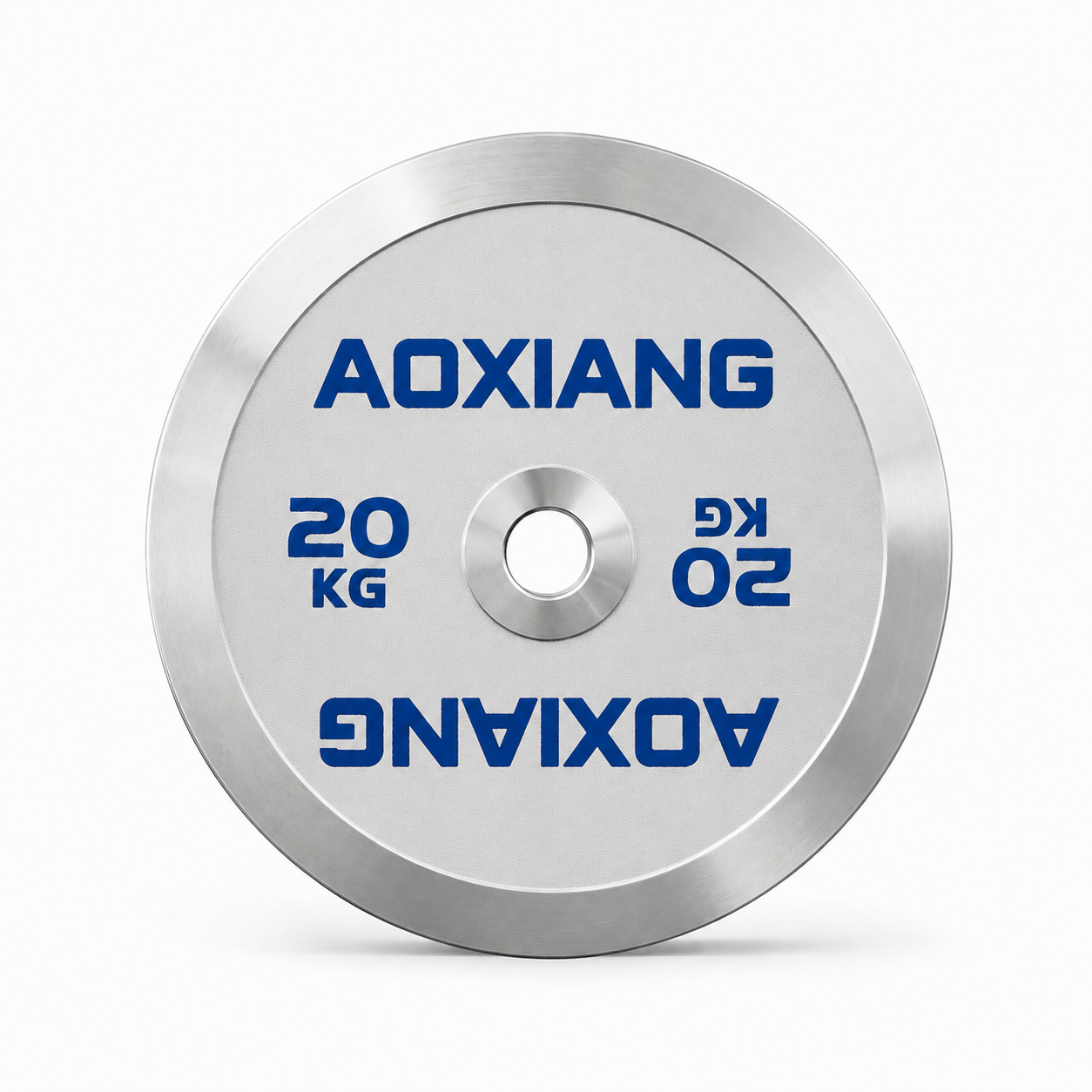
When reviewing a barbell durability guide, always consider how the thickness of the plates affects your rack density. Thinner, high-density plates allow for more weight on a single sleeve, which is a vital tactic for maintaining a streamlined, professional layout in premium fitness centers.
Beyond immediate floor aesthetics, true professional facility management requires a partner who understands the long-term equipment lifecycle. A reliable barbell and weight plates supplier does more than fulfill a single purchase order; they provide a foundation for your facility's future expansion. As your gym grows, you will inevitably need to replace worn components or add new stations. If your initial partner lacks consistent manufacturing standards, you may find that new batches of plates or bars do not match the dimensions or tolerances of your original set, creating a disjointed and unprofessional user experience.
Strategic procurement involves anticipating these replacement cycles. High-quality manufacturing ensures that the long-term durability of your gear remains predictable, allowing you to plan for maintenance and expansion with confidence. When sourcing, look for manufacturers who emphasize precision in their production lines, as this consistency is what allows a facility to scale seamlessly without the logistical headache of mismatched equipment or mismatched spatial footprints.
Evaluating Material Integrity for High-Volume Strength Training
In high-volume training environments, the difference between a profitable facility and one plagued by constant maintenance costs lies in the metallurgical quality of your inventory. When sourcing from a barbell and weight plates supplier, you must look beyond surface aesthetics to the underlying steel grade. Cheap alloys lack the tensile strength required for heavy lifting, leading to permanent bending under load. Furthermore, the corrosion resistance of the coating determines whether your equipment remains pristine or develops unsightly rust after a few months of exposure to humidity and sweat.
A professional barbell durability guide emphasizes that durability is a function of both core material and surface treatment. For commercial distributors and gym owners, selecting equipment with superior structural integrity is a strategic move to reduce replacement cycles and maintain high commercial gym weight standards. Below is a comparison of common material grades to help guide your strength equipment procurement decisions.
| Material Type | Durability Profile | Best Use Case | Maintenance Level |
|---|---|---|---|
| Standard Carbon Steel | Moderate; prone to oxidation | Home gyms or low-traffic studios | Regular cleaning required |
| High-Tensile Alloy Steel | High; excellent bend resistance | Commercial strength facilities | Low maintenance |
| Chrome/Nickel Plated | Superior corrosion resistance | High-end boutique gyms | Minimal upkeep |
Investing in high-grade steel ensures that your weight sets can withstand the rigors of daily drops and heavy usage without compromising safety or professional appearance.
When expanding your inventory, understanding the distinction between plate materials is just as critical as evaluating the barbell itself. The choice between cast iron vs. urethane often dictates the long-term operational costs of your facility. While cast iron is a cost-effective staple for many, high-end strength equipment procurement strategies often favor urethane-encapsulated weights for their superior impact resistance and longevity in high-traffic zones.
For facilities focusing on dynamic movements, such as CrossFit or Olympic lifting, rubber bumper plates are the industry standard. Unlike traditional iron plates, these are engineered to absorb shock, protecting both the floor and the equipment during heavy drops. When vetting a barbell and weight plates supplier, always verify the density of the rubber and the steel tensile strength of the bar sleeves. High-quality bumper plates prevent the cracking and chipping often seen in budget-tier options, ensuring your facility maintains strict commercial gym weight standards even under the most rigorous training conditions.
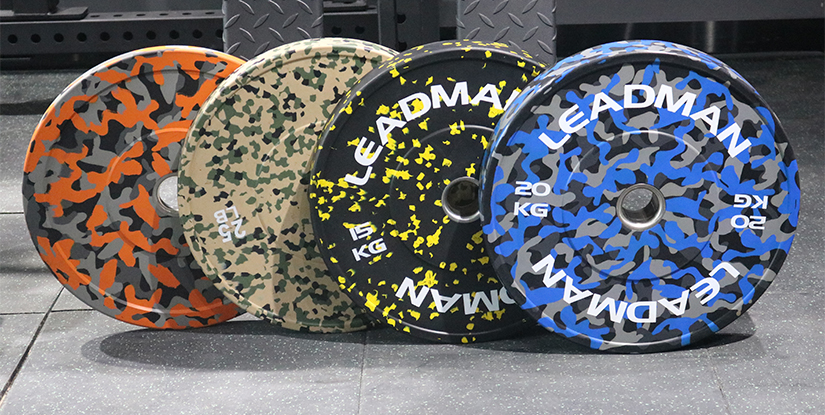
Beyond structural composition, true quality control is often revealed through tactile and visual inspection. You do not need a laboratory to assess if a barbell and weight plates supplier is providing premium goods; you simply need to look for signs of manufacturing consistency. When inspecting a shipment, check for a uniform surface finish across all units. A high-quality barbell should feature a consistent knurling pattern and a smooth, non-jagged texture, while weight plates should possess clean, precise edges without burrs or casting imperfections.
Furthermore, pay close attention to weight tolerance. In professional strength equipment procurement, a reliable partner ensures that every plate within a set remains within a strict percentage of its labeled mass. Significant deviations can disrupt a lifter's balance and signal poor quality control. By verifying these subtle details—such as the smoothness of the plating and the precision of the weight—you can guarantee long-term reliability and protect your investment against the premature wear and tear typical of inferior factory outputs.
Navigating Global Manufacturing and Quality Standards
When sourcing at scale, the difference between a high-performing facility and a high-maintenance one lies in the invisible details of production. A reputable barbell and weight plates supplier does more than just ship heavy iron; they provide the technical assurance that every unit meets strict commercial gym weight standards. Without these benchmarks, even slight deviations in plate density or barbell knurling can lead to uneven loading, which compromises both user safety and equipment longevity.
Long-term material durability guide principles suggest that consistency is the most critical factor in preventing premature wear. We often see that fluctuations in steel grade or coating thickness can lead to oxidation or structural fatigue under heavy use. Therefore, prioritizing manufacturing consistency ensures that the hundredth plate ordered performs exactly like the first. For professional distributors and gym owners, investing in a partner that adheres to rigorous international quality control protocols is the only way to mitigate the risks of frequent replacements and operational downtime.
Understanding how manufacturing origins and production tiers impact your operational overhead is essential for long-term strength equipment procurement. Depending on whether you are outfitting a high-traffic facility or a premium boutique studio, the required level of upkeep and the expected lifecycle of your inventory will vary significantly.
The following table illustrates how different manufacturing tiers generally correlate with maintenance requirements and total equipment lifespan across various commercial environments:
| Manufacturing Tier | Typical Use Case | Maintenance Frequency | Expected Lifespan |
|---|---|---|---|
| Premium/High-End Factory | High-volume commercial use | Low (Routine inspection) | Long-term (10+ years) |
| Mid-Tier/Standard Industrial | Standard commercial gyms | Moderate (Seasonal care) | Mid-term (5–7 years) |
| Budget/Entry-Level | Boutique studio standards | High (Frequent upkeep) | Short-term (2–4 years) |
When selecting a barbell and weight plates supplier, consider that lower initial costs often result in higher long-term labor expenses. For facilities experiencing high-volume commercial use, opting for top-tier manufacturing reduces the frequency of equipment replacement and ensures your facility maintains a professional, high-standard appearance without constant intervention.
Beyond the initial purchase, the true value of a partnership is found in the rigor of their quality control processes. For professional buyers, the goal of strength equipment procurement should not just be acquiring inventory, but securing long-term reliability. A supplier that integrates multi-stage testing—such as tensile strength verification for bars and dimensional precision checks for plates—effectively builds a safeguard against the hidden costs of subpar manufacturing.
Robust quality assurance acts as a direct lever for maintenance reduction. When a barbell and weight plates supplier enforces strict tolerance levels, they minimize the risk of structural failures, uneven weight distribution, or surface degradation. While cutting corners might lower the upfront invoice, it inevitably leads to higher operational overhead through constant repairs and premature replacement cycles. By prioritizing suppliers with proven oversight capabilities, you ensure that your strength training floor remains functional and high-performing with minimal technical intervention.
Strategic Sourcing for Long-Term Equipment Lifecycle
When evaluating a barbell and weight plates supplier, many procurement managers fall into the trap of prioritizing the lowest initial invoice. However, true profitability in the fitness industry is rarely found in the cheapest unit price; it is found in the total cost of ownership. Choosing a partner based solely on low-cost manufacturing often leads to premature replacement cycles, high maintenance demands, and unexpected downtime for your facility.
Effective strength equipment procurement requires a shift in perspective from immediate savings to long-term asset management. High-quality steel construction and precision-engineered weight plates ensure your equipment meets rigorous commercial gym weight standards, even under heavy daily use. While there is often a perceived gap between durability vs. upfront cost, investing in premium materials reduces the frequency of re-ordering and mitigates the logistical headaches of frequent shipping and restocking. By selecting a supplier with proven factory capability and strict quality control, you secure a reliable asset that maintains its value and performance over years of intensive training.
To visualize the long-term impact of your decision, it is helpful to look beyond the initial purchase order. A low-cost barbell and weight plates supplier may offer attractive short-term margins, but the hidden costs of frequent replacements and mechanical failure can quickly erode your facility's profitability. Conversely, sourcing from a manufacturer that prioritizes a barbell durability guide-compliant production process ensures a more stable asset lifecycle.
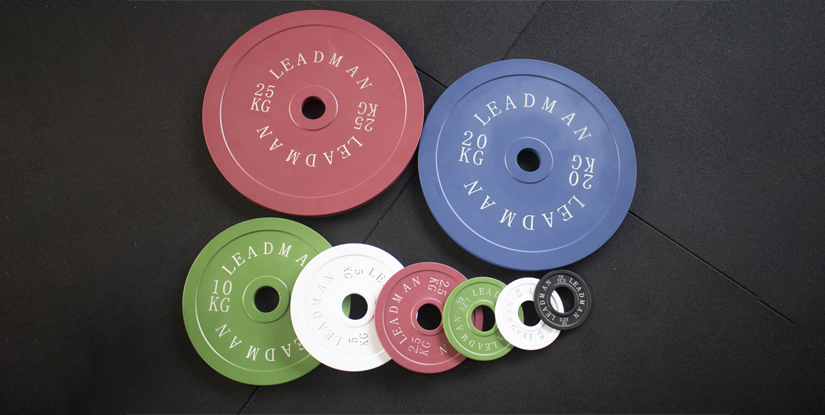
The following framework illustrates how the quality of your strength equipment procurement directly influences your operational overhead and long-term ROI:
| Investment Tier | Primary Use Case | Maintenance Frequency | Estimated Lifespan | Replacement Cycle |
|---|---|---|---|---|
| Budget/Entry-level | Residential/Home Gyms | High (Frequent lubrication/checks) | Short (1–3 Years) | Rapid (High turnover) |
| Professional/Commercial-grade | High-traffic Gyms/Training Centers | Low (Routine inspections) | Long (5–10+ Years) | Stable (Extended intervals) |
By aligning your sourcing strategy with these commercial gym weight standards, you move from reactive spending to proactive asset management, ultimately protecting your bottom line through superior equipment longevity.
Ultimately, sustainable success in the fitness industry depends on moving away from transactional purchasing toward strategic partnerships. A reliable barbell and weight plates supplier does more than just fulfill orders; they provide the foundation for your facility's operational stability. When you prioritize a partner that adheres to consistent manufacturing standards, you are essentially buying insurance against the volatility of equipment failure and the high costs of frequent logistics.
As you refine your selection process, keep a professional barbell durability guide in mind to vet potential manufacturers. A partner capable of maintaining high-level precision across every production batch ensures that your expansion or replacement phases are seamless and predictable. By focusing on long-term reliability and high-tier factory output, you transform your procurement from a recurring expense into a calculated investment that drives consistent ROI and enhances your brand's reputation for quality.
Logistics and Inventory Management for Weight Sets
For facility owners and distributors, the risk of a broken supply chain can halt expansion or replacement cycles instantly. A reliable barbell and weight plates supplier does more than just manufacture high-quality steel; they provide the logistical stability required for professional strength equipment procurement. When your facility scales or a specific weight class becomes high-demand, you cannot afford to wait months for backordered SKUs. Relying on a partner with high stock availability ensures that your gym remains fully operational and that your inventory stays consistent with commercial gym weight standards.
Effective sourcing requires understanding how different fulfillment models impact your long-term operational flow. Choosing between immediate stock or custom production dictates your agility in a competitive market.
| Procurement Model | Inventory Lead Time | Consistency Level | Best For |
|---|---|---|---|
| Ready-to-Ship Stock | Short (1-2 weeks) | High | Rapid gym expansions or replacements |
| Custom Manufacturing | Long (8-12 weeks) | Variable | Branded sets and unique specifications |
| Contractual Buffering | Predictable | Very High | Large-scale distributor replenishment |
To avoid the headaches of mismatched weight sets or uneven barbell shipments, prioritize partners who maintain consistent manufacturing standards across all production cycles. This stability guarantees that the plates you order today will perfectly match the equipment you purchased a year ago.
Deciding between a direct factory model and a local distributor depends entirely on your specific scale of operation and your tolerance for logistics complexity. If you are a large-scale distributor or a national gym chain, sourcing directly from a barbell and weight plates supplier allows for significant cost optimization and control over custom branding. However, this path requires managing international shipping, longer lead times, and complex customs clearance. You are essentially managing the strength equipment procurement process from the ground up.
Conversely, working with a local distributor is often the smarter move for boutique studios or regional fitness centers. While the unit cost might be slightly higher, you gain the advantage of localized warehousing and immediate access to standard stock. This model mitigates the risk of unexpected delays, ensuring your facility adheres to commercial gym weight standards without the headache of overseas freight management. Ultimately, your choice should balance the need for high-volume cost savings against the necessity of rapid, reliable replenishment.
Beyond selecting the right model, you must address the physical reality of moving massive steel loads across borders. The density of iron and the precision of barbell knurling make bulk weight logistics a high-stakes endeavor. A single oversight in shipping safety can lead to bent bars or dented plate edges, compromising the barbell durability guide standards you expect for your facility. High-tier suppliers prioritize packaging integrity by using reinforced steel crates or heavy-duty pallets designed to withstand the rigors of maritime and containerized transport.
When managing large-scale orders, ensure your partner utilizes specialized load-securing techniques to prevent shifting during transit. This level of attention to detail is what separates a standard vendor from a professional barbell and weight plates supplier. By verifying that your partner understands the nuances of strength equipment procurement—from moisture-proof wrapping to impact-resistant boxing—you protect your investment and ensure that every piece of equipment arrives in showroom condition, ready for immediate commercial use.
Selecting a Partner for Custom Brand Requirements
When scaling a fitness brand, procurement decisions often shift from simple replenishment to strategic identity building. Many buyers initially lean toward off-the-shelf solutions to keep the initial investment vs. brand equity ratio low. While generic stock items offer immediate availability and lower entry costs, they lack the distinction required to build a premium market presence. Relying solely on standard inventory can make your facility feel indistinguishable from the competition.
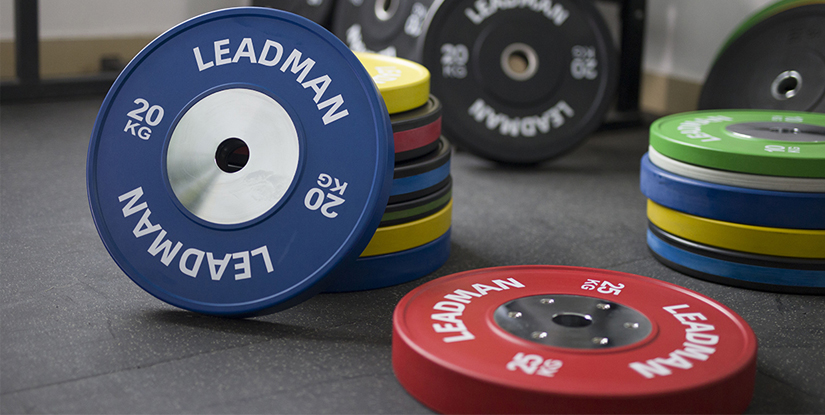
Transitioning to a specialized barbell and weight plates supplier capable of white-labeling allows you to integrate your brand identity directly into the iron. Although custom branding costs and higher Minimum Order Quantities (MOQs) may increase your upfront capital expenditure, the long-term value is significant. Custom-branded equipment transforms a functional tool into a marketing asset, fostering professional credibility and customer loyalty. For distributors and large-scale gym owners, the goal is to move beyond mere strength equipment procurement and toward creating a cohesive, recognizable brand ecosystem that justifies premium pricing in a crowded market.
Determining whether to pursue custom manufacturing requires a rigorous cost-benefit analysis centered on your business model. For boutique studios or small distributors, staying within standard budget tiers—utilizing ready-to-ship stock—is often the most efficient path to maintain liquidity. However, as your operations expand, the scalability of your supply chain becomes a critical factor in maintaining a competitive edge.
We often see a divide in how buyers approach customization complexity. Small-scale buyers typically prioritize low MOQ and rapid turnaround, while large-scale commercial entities invest in bespoke specifications to ensure strict adherence to commercial gym weight standards. While custom orders involve higher upfront costs and longer lead times, they allow for precise control over knurling patterns, plate thickness, and logo integration. If your goal is to build a proprietary product line rather than just restocking a facility, the investment in a specialized barbell and weight plates supplier capable of custom production is a strategic move toward long-term market differentiation.
Beyond the initial invoice, the true cost of your equipment is defined by its lifecycle. A common pitfall in strength equipment procurement is prioritizing the lowest unit price while ignoring the total cost of ownership. Low-cost, unverified manufacturers often sacrifice manufacturing consistency to meet aggressive price points, resulting in bars that bend prematurely or plates with uneven weight distributions. These discrepancies do more than just frustrate athletes; they create a cycle of high replacement frequency that drains your operational budget.
A comprehensive barbell durability guide suggests that high-quality steel and precision machining are not luxuries, but essential safeguards against recurring capital expenditures. When a supplier lacks strict quality control, you face the "hidden tax" of frequent replacements, shipping fees for new batches, and potential downtime for your facility. By investing in a barbell and weight plates supplier that prioritizes material integrity and standardized production, you ensure that your equipment survives the rigors of high-traffic use. In the long run, choosing durability over a low sticker price is the most effective way to stabilize your long-term maintenance costs.
Lifecycle maintenance planning for busy facilities
For facility managers overseeing high-traffic environments, the true cost of equipment is rarely found in the initial purchase price. Instead, it manifests in the frequency of replacements and the labor required to address constant wear and tear. When sourcing through a barbell and weight plates supplier, the focus must shift from mere acquisition to long-term operational efficiency. Low-grade steel and substandard coatings often fail under heavy use, leading to bent shafts or cracked plate edges that disrupt training flow and increase maintenance overhead.
Strategic strength equipment procurement involves anticipating these lifecycle demands. High-quality manufacturing ensures that your inventory maintains its structural integrity and aesthetic appeal even after years of rigorous use. By prioritizing durability during the selection process, you reduce the need for emergency reordering and minimize downtime. Investing in premium components from a reliable partner means your staff spends less time managing broken gear and more time focusing on member experience and facility growth.
To optimize your long-term ROI, we recommend evaluating your inventory through a framework of usage intensity and upkeep requirements. Not all gear is created equal; a high-performance barbell designed for a professional training center has vastly different needs than entry-level equipment. Use the following comparison to understand how different tiers of quality impact your operational workflow.
| Equipment Tier | Typical Usage Frequency | Maintenance Difficulty | Long-term Budget Impact |
|---|---|---|---|
| Standard/Retail Grade | Low to Moderate | High (Frequent rust/coating issues) | Unpredictable (High replacement costs) |
| Commercial/Professional | High/Constant | Low (Routine cleaning/inspection) | Stable (Optimized lifecycle) |
When reviewing a barbell durability guide, look beyond the surface finish. High-tier equipment meets strict commercial gym weight standards, ensuring that even under heavy load, the calibration remains precise and the mechanical parts—such as bearings or bushings—function smoothly. Choosing a barbell and weight plates supplier that prioritizes these engineering nuances allows you to scale your facility without being sidelined by the constant maintenance difficulty or unexpected costs associated with substandard manufacturing.
Maximizing the lifespan of your investment requires moving beyond reactive repairs toward a culture of preventative care. Rather than waiting for a component to fail, facility operators should implement scheduled inspection cycles to identify early signs of fatigue. This includes checking for shaft knurling wear, verifying sleeve rotation smoothness, and inspecting weight plates for micro-cracks or edge chipping. Establishing these routine checks ensures that minor issues do not escalate into expensive replacement needs.
Effective cleaning protocols are equally vital for preserving material integrity. For steel barbells, removing sweat and chalk residue prevents oxidation and surface corrosion, which can compromise the grip and aesthetic. Similarly, ensuring weight plates are kept free of debris prevents buildup in the center holes. We suggest that a long-term partnership with a high-tier barbell and weight plates supplier should include more than just a transaction; seek a partner who offers technical guidance on these upkeep routines. A supplier that understands the nuances of strength equipment procurement will provide the insights necessary to keep your inventory in peak condition for years to come.