barbell and weight plates | Optimizing Gym Floor Durability
Vetting Manufacturers for High-Performance Weight Sets
When sourcing premium strength training equipment, procurement specialists must look beyond the initial price tag to mitigate long-term operational risks. A successful acquisition requires balancing high-spec material requirements against logistical reliability and the long-term durability of the investment. If the manufacturing standards are inconsistent, your facility faces the hidden costs of frequent replacements and potential damage to the subfloor. Evaluating the structural integrity of a supplier’s production line ensures that every unit shipped meets the rigorous demands of a high-traffic commercial environment.
The relationship between high-quality barbell and weight plates and facility longevity is direct. Premium barbell and weight plates are engineered with superior impact resistance to absorb kinetic energy, which protects both the equipment and the surrounding gym floor protection layers. By prioritizing manufacturers that utilize high-grade steel and precision-molded urethane, distributors can ensure their clients receive gear that maintains its form and balance even under heavy usage. Investing in high-spec components reduces the frequency of barbell maintenance and prevents the premature degradation of your facility's training surfaces.
To avoid the pitfalls of low-grade imports, we recommend utilizing a standardized framework to evaluate supplier capabilities. Rather than focusing solely on the lowest quote, procurement professionals should categorize potential orders into production tiers. This distinction helps in understanding whether the barbell and weight plates being sourced are designed for casual home use or the rigorous, high-impact environments of a commercial facility. A higher tier typically implies tighter quality control and more sophisticated material science, which directly impacts the lifespan of your strength training equipment.
| Feature Dimension | Standard Production Tier | Premium Commercial Tier |
|---|---|---|
| Material Composition | Basic Carbon Steel / Standard Rubber | High-Tensile Steel / Precision Urethane |
| Coating Quality | Basic Chrome or Zinc Plating | Advanced Hard Chrome or Multi-Layer Finish |
| Tolerance Levels | Higher variance in weight/balance | Strict +/- 1% precision standards |
| Long-term Wear | Susceptible to rust and surface chipping | High resistance to oxidation and impact |
By selecting equipment from the premium tier, you effectively minimize the need for constant barbell maintenance. High-tolerance manufacturing ensures that the weight distribution remains consistent, preventing the uneven wear that often compromises gym floor protection over time. Selecting the right manufacturing standard is a strategic decision that secures both the equipment's performance and the facility's structural longevity.
To ensure long-term reliability, procurement teams must verify that a factory’s quality control (QC) standards extend beyond simple visual inspections. True professional-grade equipment is defined by manufacturing consistency, where every batch of barbell and weight plates adheres to strict dimensional and weight tolerances. We advise requesting detailed technical specifications or testing reports to confirm that the supplier employs rigorous testing for tensile strength and impact resistance. A manufacturer with robust quality control protocols will demonstrate a controlled production process, minimizing the risk of receiving irregular or unbalanced sets that lead to uneven wear.
Prioritizing these high-level manufacturing capabilities is essential for maximizing facility longevity. When the barbell and weight plates are produced with high precision, they behave predictably under heavy loads, reducing the vibration and erratic kinetic energy that typically necessitate frequent barbell maintenance. By vetting for these technical competencies during the sourcing phase, distributors and facility owners can mitigate the high costs of premature equipment failure and ensure a stable, high-performance training environment for years to come.
Standardizing Quality Control for Precision Barbell Manufacturing
The longevity of your facility's inventory depends heavily on the microscopic details established during production. When sourcing high-end strength training equipment, the distinction between a budget option and a professional-grade asset lies in precision manufacturing. A barbell that lacks uniform knurling or features inconsistent sleeve rotation will inevitably lead to uneven weight distribution, causing premature wear on both the equipment and your gym floor protection systems.
We have observed that many distributors overlook the importance of structural integrity in mass-market barbell and weight plates. High-quality barbell and weight plates must undergo rigorous stress testing to ensure they can withstand repeated heavy loading without warping. By prioritizing manufacturers that utilize advanced metallurgical standards, you reduce the frequency of barbell maintenance and prevent the costly replacement cycles that plague under-engineered facilities.
Selecting equipment based solely on price often leads to a hidden deficit in durability standards. For instance, a factory that neglects strict quality control during the coating process of barbell and weight plates may deliver products with uneven density or brittle steel. These inconsistencies do more than just degrade the user experience; they create unpredictable impact forces that can compromise your gym floor protection over time. A well-engineered plate with uniform weight distribution absorbs kinetic energy more predictably, preserving the structural integrity of your flooring and reducing long-term facility upkeep costs.
To optimize your procurement strategy, we recommend evaluating a manufacturer's ability to maintain consistency across large-scale production runs. Reliable strength training equipment should exhibit identical tolerances in every batch. By investing in products that meet higher durability standards, you effectively minimize the need for constant barbell maintenance and ensure that your heavy-duty training zones remain functional and safe for years to come.
Ultimately, the most effective way to manage long-term overhead is to view procurement through the lens of total cost of ownership rather than initial invoice price. High-performance barbell and weight plates serve as the foundation of a professional training environment, and their durability directly dictates your operational efficiency. When you source equipment that adheres to strict manufacturing tolerances, you are not just buying metal; you are investing in facility longevity.
Standardized, high-grade strength training equipment minimizes the frequency of unexpected repairs and premature replacements. While lower-tier alternatives might offer immediate savings, the recurring costs of barbell maintenance and the gradual degradation of your gym floor protection can quickly erode those margins. By prioritizing premium barbell and weight plates during your initial sourcing phase, you ensure a more stable, high-performing facility that maintains its value and aesthetic appeal for the long haul.
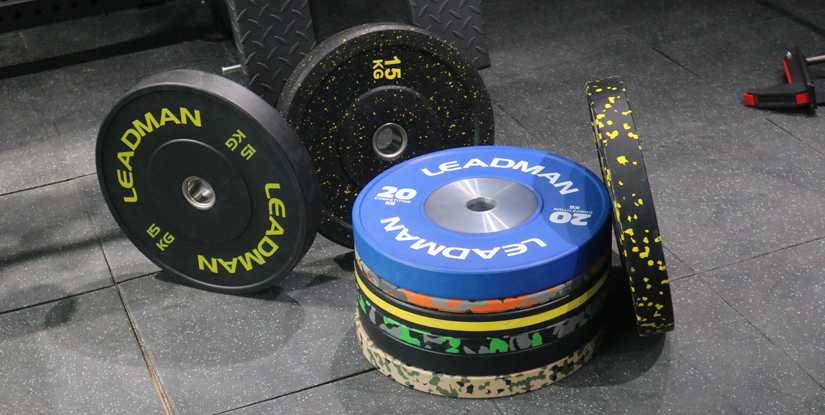
Navigating Warranty Claims and Long-term Product Reliability
When sourcing high-volume strength training equipment, many facility owners mistakenly view procurement as a one-time purchase rather than a strategic capital allocation. However, the true value of premium barbell and weight plates lies in their ability to withstand years of high-intensity mechanical stress without degrading. Investing in top-tier manufacturing standards ensures that your barbell and weight plates remain within operational tolerances, preventing the premature wear that often plagues budget-tier alternatives.
From a procurement standpoint, the most effective way to measure success is through cost-per-use. While lower initial outlays might seem attractive, they frequently lead to higher replacement frequencies and increased labor costs. By prioritizing long-term durability during the initial sourcing phase, you protect your facility longevity and minimize the disruption of frequent equipment turnover. High-quality strength training equipment acts as a hedge against inflation and rising shipping costs, ensuring your facility remains a reliable destination for your members over the long haul.
To make an informed decision, we recommend evaluating the total cost of ownership rather than just the invoice price. A lower upfront cost often masks hidden expenses related to frequent replacement and increased gym floor protection issues caused by uneven weight distribution or poorly calibrated bars. Below is a comparison framework to help you visualize how different tiers of barbell and weight plates impact your operational budget over time.
| Feature/Metric | Budget-Tier Sourcing | Premium Commercial Grade |
|---|---|---|
| Initial Investment | Low/Minimal | Moderate to High |
| Maintenance Frequency | High (Frequent lubrication/tuning) | Low (Standardized upkeep) |
| Impact on Floor | Higher vibration/uneven wear | Optimized shock absorption |
| Expected Replacement Cycle | 18–36 Months | 5–10+ Years |
When selecting your strength training equipment, remember that the most expensive option isn't always the best, but the cheapest often becomes a liability. A well-balanced set of barbell and weight plates reduces the need for constant barbell maintenance and ensures your facility's surfaces remain intact, ultimately yielding a much higher return on investment through decreased turnover and long-term reliability.
To truly safeguard your capital, procurement specialists must look beyond the spec sheet and demand rigorous documentation. Relying on verbal assurances is a common pitfall; instead, prioritize suppliers who provide transparent quality control standards and verifiable testing reports for their steel and coating processes. This level of transparency is critical when performing warranty verification, as it ensures that your claims are backed by measurable metallurgical benchmarks rather than subjective observations. Without this evidence, a warranty is merely a promise that may not hold up during a dispute over structural fatigue or surface degradation.
A disciplined approach to sourcing also involves understanding the intersection of barbell maintenance and product lifespan. High-performance barbell and weight plates should come with clear guidelines for upkeep to prevent the gradual decline of mechanical precision. By vetting the manufacturer’s ability to provide technical support and standardized maintenance protocols, you are effectively building a professional training environment that minimizes downtime. Ultimately, securing equipment that meets strict international benchmarks is the most reliable way to mitigate the risk of premature failure and ensure your facility remains a high-standard destination for years to come.
Optimizing Packaging to Protect Strength Training Equipment During Transit
When sourcing heavy-duty strength training equipment, the true cost of a deal is often hidden in the logistics phase. For international distributors and gym owners, the risk of transit damage can quickly erode profit margins. If your barbell and weight plates arrive with bent sleeves, scratched coatings, or uneven weight distributions due to poor handling, the replacement costs and shipping delays can be devastating to your bottom line.
We prioritize high-standard protective layering and reinforced crating to ensure that every shipment maintains its structural integrity from the factory floor to your facility. Investing in superior packaging is not just an added expense; it is a strategy for long-term cost-efficiency. By mitigating the risk of arrival defects, you avoid the logistical nightmare of returns and the high overhead of restocking damaged inventory.
| Packaging Approach | Protection Level | Primary Benefit | TCO Impact |
|---|---|---|---|
| Standard Cardboard | Low | Minimal initial cost | High risk of replacement fees |
| Reinforced Protective Layering | High | Reduces transit damage | Optimized long-term ROI |
| Custom Wooden Crating | Premium | Maximum barbell and weight plates safety | Lowest replacement overhead |
Choosing a supplier that understands the nuances of heavy-load transit ensures that your barbell and weight plates arrive ready for immediate use, protecting both your capital and your project timelines.
Understanding the relationship between shipping volume and protection levels helps you balance upfront procurement costs with long-term operational stability. Depending on your order scale and the sensitivity of the strength training equipment, selecting a specific packaging tier ensures your gym floor protection strategy begins even before the equipment reaches your facility.
| Packaging Type | Protection Level | Cost Impact | Ideal For |
|---|---|---|---|
| Standard Bulk Box | Basic | Low | Small boutique studios or local retailers |
| Reinforced Carton | Intermediate | Moderate | Mid-sized commercial gyms and distributors |
| Custom Wooden Crate | Maximum | Higher | Large-scale facility builds and international freight |
Selecting the right tier for your barbell and weight plates prevents the hidden costs of damaged goods. By aligning your shipping method with your business model, you ensure that barbell maintenance requirements are minimized upon arrival, keeping your installation schedule on track.
Ultimately, the distinction between a budget shipment and a professional procurement strategy lies in the long-term value provided by shipping reliability. While a lower initial price point might seem attractive, failing to account for specialized packaging often leads to premature wear or structural issues that complicate future barbell maintenance. When high-quality barbell and weight plates arrive in perfect condition, they preserve the integrity of your gym floor protection systems by ensuring no uneven weight distributions or jagged edges cause surface abrasions during the initial setup.
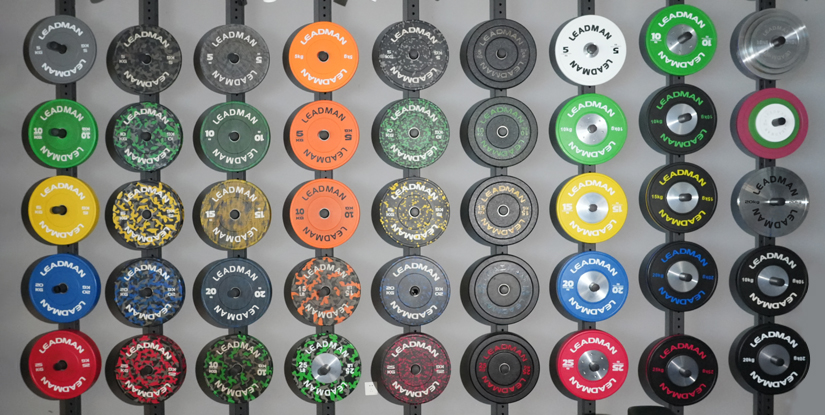
For distributors and facility owners, prioritizing robust logistics is a proactive way to manage total cost of ownership. By investing in secure, reinforced transit methods, you reduce the likelihood of receiving compromised strength training equipment that requires immediate replacement. This foresight protects your capital, minimizes operational downtime, and ensures that your investment continues to perform reliably throughout its entire lifecycle, rather than becoming a recurring maintenance expense.
Calculating Landed Costs for Bulk Weight Plate Shipments
When sourcing high-quality strength training equipment, many procurement managers fall into the trap of focusing solely on the unit price. While a low per-unit cost looks attractive on a factory quote, it rarely reflects the total investment visibility required for professional facility planning. To protect your margins, you must account for the landed cost—the true price of the barbell and weight plates once they arrive at your loading dock.
Because steel and iron components are exceptionally dense, the shipping weight impact is a critical variable in your budget. High-density shipments of barbell and weight plates significantly influence freight considerations, including ocean freight surcharges and heavy-lift handling fees. Neglecting these logistics can lead to unexpected budget overruns. By calculating the full landed cost upfront, you ensure your gym floor protection and equipment budgets remain predictable, avoiding the hidden costs often associated with bulk international procurement.
To optimize your procurement strategy, it is essential to understand how the volume and density of your order dictate the final freight expense. When ordering high-density items like barbell and weight plates, the choice between air and sea freight is not just about speed, but about the massive difference in logistics overhead. For large-scale facility builds, the sheer weight of the iron or rubber-coated plates makes air freight economically unfeasible for most distributors.
The following comparison helps visualize how different shipping methods influence your total budget and delivery timeline when sourcing strength training equipment in bulk.
| Shipping Method | Weight/Volume Capacity | Estimated Delivery Speed | Budget Impact Level |
|---|---|---|---|
| Sea Freight (LCL/FCL) | High (Best for heavy plates) | 4–8 Weeks | Low (Most Cost-Effective) |
| Air Freight | Low (Limited by weight) | 5–10 Days | High (Premium Cost) |
| Express Courier | Very Low (Small samples) | 3–7 Days | Extreme (High Per-KG Rate) |
For long-term barbell maintenance and facility planning, we generally recommend sea freight for all primary inventory. While air freight might suffice for a single specialty barbell, the logistical weight of full sets of barbell and weight plates demands the stability and lower cost of ocean transport to maintain a healthy ROI.
Beyond selecting the right shipping method, maximizing your ROI requires a focus on bulk shipment optimization. We often advise clients to consolidate their orders to achieve higher logistics efficiency. Instead of multiple smaller shipments that incur repetitive documentation and handling fees, a single, well-planned container shipment of barbell and weight plates can significantly lower the per-unit landed cost. This approach not only stabilizes your supply chain but also ensures that your strength training equipment arrives in a controlled, unified batch.
Furthermore, prioritizing minimizing breakage risks during transit is a direct investment in your facility's future. Improperly packed iron or bumper plates can lead to structural damage or surface abrasions during ocean transit. By working with suppliers who utilize reinforced packaging and standardized palletization, you reduce the likelihood of receiving damaged goods. This attention to detail leads to substantial long-term maintenance savings, as you won't need to replace damaged components prematurely or deal with the logistical headache of returns. Ultimately, a robust shipping strategy protects both your initial budget and your gym floor protection standards.
Mitigating Impact Damage with Strategic Gym Floor Protection
When high-performance facilities invest in premium barbell and weight plates, the focus often remains on the steel quality or the precision of the knurling. However, from a structural management perspective, the true challenge lies in the physics of the drop. Every time a loaded barbell hits the ground, it releases a massive amount of kinetic energy that travels through the surface. Without adequate mitigation, this energy doesn't just vanish; it translates into subsurface vibrations and micro-fractures.
In high-traffic strength training equipment areas, these high-impact zones become the primary sites for floor degradation. If the impact is not absorbed by specialized rubber or high-density platforms, the resulting shockwaves can compromise the structural integrity of the building's subfloor. For gym owners and distributors, understanding this relationship between heavy barbell and weight plates and surface durability is essential to preventing long-term facility damage and minimizing maintenance overhead.
To ensure long-term durability and a superior user experience, selecting the right foundation is a matter of balancing shock absorption with operational costs. Depending on your facility's specific training intensity, different gym floor protection solutions offer varying levels of resistance against the heavy impact of barbell and weight plates.
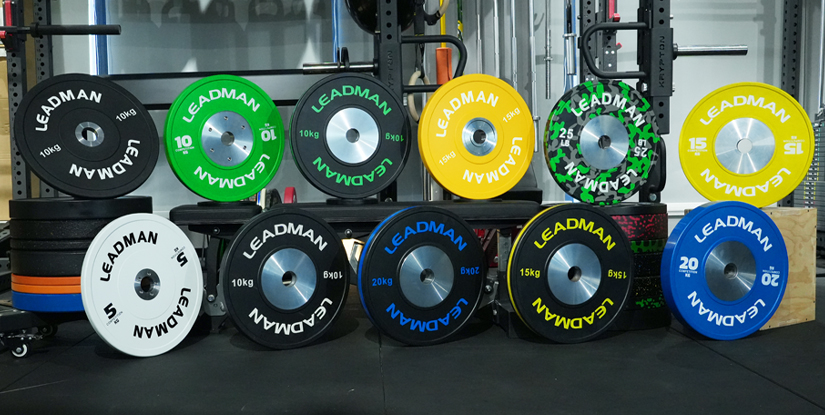
| Flooring Material | Best Use Case | Primary Benefit | Maintenance Level |
|---|---|---|---|
| Standard Rubber Matting | General Strength Areas | Cost-effective protection | Low |
| High-Density Vulcanized Rubber | Heavy Lifting/Powerlifting | Maximum shock absorption | Moderate |
| Competition/Professional Zones | High |
For most commercial distributors, high-density rubber matting remains the industry standard. It provides the necessary gym floor protection to prevent surface scarring while keeping maintenance requirements minimal. However, in zones where heavy strength training equipment is used most aggressively, investing in thicker, specialized surfaces is a proactive way to safeguard your facility's longevity and reduce the frequency of costly structural repairs.
Beyond surface protection, true facility management requires a holistic approach to equipment care. A long-term investment in premium barbell and weight plates only remains profitable if the surrounding environment is managed with the same level of precision. Neglecting the interaction between heavy steel and the floor can lead to premature wear, increasing the frequency of replacement cycles and disrupting operational efficiency.
Implementing Preventative Care and Organization
To maximize the lifespan of your assets, we recommend integrating strict preventative care protocols into your daily operations. This starts with organized weight plate storage; utilizing heavy-duty vertical or horizontal racks prevents plates from being dropped directly onto the floor, which significantly reduces unnecessary impact stress. Furthermore, consistent barbell maintenance—such as checking sleeve rotation and ensuring bearings are clean—prevents uneven weight distribution that can cause erratic drops.
By treating strength training equipment and flooring as a single, interconnected system, facility owners can mitigate the hidden costs of heavy lifting. Implementing these small, disciplined habits ensures that your high-quality barbell and weight plates perform optimally while preserving the structural integrity of your training space for years to come.
Routine Maintenance to Extend the Lifespan of Your Inventory
For facility owners and distributors, the total cost of ownership is driven as much by upkeep as it is by the initial purchase. Neglecting the upkeep of your barbell and weight plates can lead to rapid depreciation and frequent replacement cycles, which erodes your profit margins. Implementing strict barbell maintenance protocols ensures that high-performance steel and cast iron components remain in peak condition, even in high-traffic commercial environments.
Effective cleaning protocols start with moisture control. Regular wiping of barbell and weight plates prevents the buildup of sweat and debris, which is essential for preventing oxidation on knurled surfaces and metal edges. Furthermore, the lubrication of sleeves is a critical, often overlooked step. Applying a thin layer of specialized lubricant to the rotating mechanisms ensures smooth transitions during heavy lifts and prevents internal friction from causing premature mechanical failure. By prioritizing these small technical adjustments, you protect your investment and ensure your strength training equipment continues to deliver a premium user experience for years.
To maintain a high standard of safety and durability, we recommend a structured inspection cycle. A proactive approach to barbell maintenance prevents minor wear from becoming costly structural failures. For instance, a regular inspection of knurling is vital; any smoothing or chipping can compromise grip security and user safety. Similarly, constant checking plate integrity—looking for cracks in cast iron or loose bolts in bumper plates—ensures your strength training equipment remains reliable under heavy loads. Additionally, ensuring your gym floor protection remains intact beneath the weights prevents vibration-related damage to both the equipment and the facility structure.
Recommended Maintenance Frequency
Different facility types require varying levels of oversight. Use the table below to align your service schedules with your specific operational demands.
| Usage Intensity | Typical Environment | Inspection Focus | Maintenance Frequency |
|---|---|---|---|
| Low to Moderate | Boutique Studios / Home Gyms | Surface cleaning & visual check | Monthly |
| High | Commercial Fitness Centers | Knurling, sleeves, & plate cracks | Bi-Weekly |
| Extreme | Professional Training Facilities | Full mechanical & structural audit | Weekly |
By standardizing these checks, you optimize the longevity of your barbell and weight plates, reducing the frequency of bulk reorders and maintaining a professional-grade training environment.
Beyond the immediate physical upkeep, a consistent maintenance schedule serves as a strategic tool for long-term cost-efficiency. When a facility neglects the condition of its barbell and weight plates, it often faces an unexpected surge in overhead caused by premature equipment failure and increased noise reduction requirements. For example, worn-out sleeves or damaged plates can cause irregular vibrations that compromise both the gym floor protection and the structural integrity of the building. By addressing these issues early, you avoid the high costs of emergency replacements and structural repairs.
Ultimately, proactive management transforms your inventory from a depreciating expense into a durable asset. Maintaining high-quality strength training equipment ensures that your facility projects a professional training environment, which is essential for client retention and brand reputation. Investing time in regular oversight significantly extends the equipment lifespan, allowing you to maximize the return on your initial procurement and maintain a seamless, high-performance atmosphere for your members.