weight plates and bar | Optimizing Lifecycle Costs of
Verifying Supplier Integrity and Manufacturing Standards
For high-traffic commercial gym chains, the difference between a profitable lifecycle and a constant replacement cycle often comes down to the microscopic details of production. While a boutique studio might prioritize aesthetics, large-scale operators face the harsh reality of heavy daily usage where any deviation in manufacturing precision leads to uneven wear or premature failure. Relying solely on visual inspections of a weight plates and bar shipment is a high-risk procurement strategy; a product may look pristine upon arrival but fail to meet the rigorous barbell durability standards required for sustained commercial use.
True long-term value is rooted in the structural integrity of the steel and the calibration of the casting process. When sourcing at volume, buyers must move beyond surface-level quality control and demand technical verification of tolerances and material density. Neglecting these technical specifications often results in increased commercial strength equipment maintenance costs, as improperly balanced or brittle components fail under stress, forcing premature replacement cycles and disrupting facility operations.
To mitigate these risks, procurement professionals should implement a rigorous vetting process that focuses on technical documentation rather than just product catalogs. A robust sourcing strategy requires a deep dive into the factory's internal quality control protocols to ensure consistency across large orders. When evaluating a potential partner for your weight plates and bar supply, prioritize the following technical benchmarks:
- Material Composition: Demand specific data on steel grades for bars (such as tensile strength ratings) and the rubber density for bumper plates to ensure impact resistance.
- Tolerance Levels: Verify the allowable deviation in weight and diameter; high-precision manufacturing is essential to prevent uneven loading during heavy sets.
- Supplier Auditing: Request evidence of regular supplier auditing and third-party testing results to confirm that production remains within specified limits.
- Replacement Cycles: Inquire about the expected weight plate replacement cycles based on typical commercial usage volumes to better forecast your long-term capital expenditures.
Rigorous technical verification at the factory level is the most effective way to safeguard your total cost of ownership and ensure your facility maintains a premium standard of performance.
Technical Benchmark: Retail vs. Commercial Grade
Understanding the technical gap between consumer-grade equipment and professional-grade hardware is essential for accurate budgeting. Retail-grade products often prioritize cost reduction through thinner coatings and basic mechanical components, which can lead to rapid degradation in a high-volume environment. In contrast, commercial-grade specifications are engineered to withstand the mechanical stress and environmental wear inherent in professional strength training facilities.
The following table outlines the typical specification variances that procurement managers should use to differentiate between standard retail offerings and high-durability commercial-grade solutions. Use these benchmarks to verify whether a supplier's manufacturing capabilities align with your facility's operational demands.
| Specification Metric | Standard Retail-Grade | High-Durability Commercial-Grade |
|---|---|---|
| Coating Thickness | Thin zinc or basic paint; prone to chipping | Heavy-duty chrome, hard anodization, or thick polyurethane |
| Bearing/Bushing Type | Simple bushings or basic nylon sleeves | High-precision needle bearings or reinforced bronze bushings |
| Weight Tolerance | ± 3% to 5% deviation per unit | ± 1% or less (strict precision calibration) |
| Impact Resistance | Standard rubber; susceptible to cracking | High-density virgin rubber or high-grade urethane |
When negotiating bulk orders, presenting these specific requirements to your manufacturer ensures that the delivered goods meet the expected barbell durability standards. A failure to enforce these technical minimums during the initial sourcing phase often results in significantly higher weight plate replacement cycles and increased long-term operational overhead.
Quality Control Protocols for High-Impact Strength Components
In high-traffic commercial gym environments, the margin for error regarding equipment specification is razor-thin. For distributors and facility managers, the cost of a single faulty batch of weight plates and bar sets extends far beyond the initial invoice; it manifests in premature replacement cycles and increased labor costs. To mitigate these risks, procurement professionals must look beyond basic aesthetics and focus on the fundamental structural integrity of the steel and cast components.
Establishing a baseline for commercial strength equipment maintenance begins at the factory level, not the gym floor. Rigorous quality control must verify that barbell durability standards are met through strict manufacturing tolerances—ensuring consistent knurling depth, sleeve rotation smoothness, and precise weight calibration. When a supplier fails to maintain these tolerances, the resulting mechanical friction and uneven load distribution can accelerate wear on both the barbell and the surrounding plate storage, ultimately driving up the total cost of ownership.
To ensure long-term reliability, procurement teams should implement specific inspection protocols during factory audits or pre-shipment inspections. A high-quality batch is defined by more than just weight accuracy; it requires strict adherence to dimensional accuracy and material uniformity. For example, verifying steel grade consistency across multiple production runs ensures that bars maintain their whip and tensile strength without unexpected deformation under heavy loads.
When evaluating cast or rubber-coated plates, a critical focus must be placed on coating adhesion. Poorly bonded surfaces lead to premature chipping and oxidation, which significantly shortens the weight plate replacement cycles for your facility. We recommend testing the bond strength of polyurethane or rubber coatings against the core material to ensure they can withstand high-impact drops. A comprehensive checklist for buyers should include:
- Dimensional Accuracy: Verifying sleeve diameters and plate thickness to ensure seamless compatibility.
- Coating Integrity: Inspecting for edge peeling or bubbling that indicates poor adhesion.
- Material Uniformity: Confirming consistent steel density and metallurgical properties throughout the batch.
Identifying subtle manufacturing defects during the sourcing stage is essential for preventing costly onsite failures. A single oversight in a bulk shipment can lead to uneven loading or mechanical friction, both of which jeopardize the longevity of the equipment. To assist in your pre-shipment audits or factory inspections, we have compiled a technical reference for high-risk failure points.
Common QC Defect Indicators for Weight Plates and Bars
| Inspection Dimension | Critical Failure Indicator | Procurement Impact |
|---|---|---|
| Surface Finish | Uneven coating, bubbling, or oxidation on steel surfaces. | Increases long-term corrosion risk and reduces aesthetic lifespan. |
| Bearing Smoothness | Gritty rotation, irregular sleeve movement, or excessive friction. | Accelerates wear on the bar and limits high-velocity lifting performance. |
| Weight Tolerance | Discrepancies exceeding +/- 1% to 2% per unit. | Causes uneven load distribution and undermines professional training standards. |
| Structural Weld Integrity | Micro-cracks, porous welds, or uneven joint thickness. | Creates catastrophic failure points under heavy, high-impact loads. |
By prioritizing these technical benchmarks, procurement managers can move from reactive purchasing to proactive asset management. Ensuring that these specific tolerances are met during the manufacturing phase directly protects your bottom line by extending the functional life of the entire strength circuit.
Managing Warranty Claims and Component Longevity
For distributors and gym operators, the true cost of procurement is often hidden in the frequency of replacement requests. High-quality weight plates and bar sets should minimize service interruptions, yet many buyers overlook how specific manufacturing tolerances dictate long-term liability. When equipment fails to meet rigorous barbell durability standards, the resulting warranty claims can erode profit margins and damage brand reputation.
Effective commercial strength equipment maintenance begins with assessing the structural integrity of the core components before they reach the floor. For instance, subpar knurling wear patterns often indicate poor steel tempering, which leads to premature surface degradation. Furthermore, the longevity of internal components, such as bearing/bushing longevity in high-end barbells, is a critical variable. If the rotation mechanism lacks precision, the increased friction can compromise the bar's balance and accelerate mechanical failure. Prioritizing suppliers who demonstrate strict quality control over these specific mechanical tolerances ensures a lower total cost of ownership and fewer logistical headaches regarding defective returns.
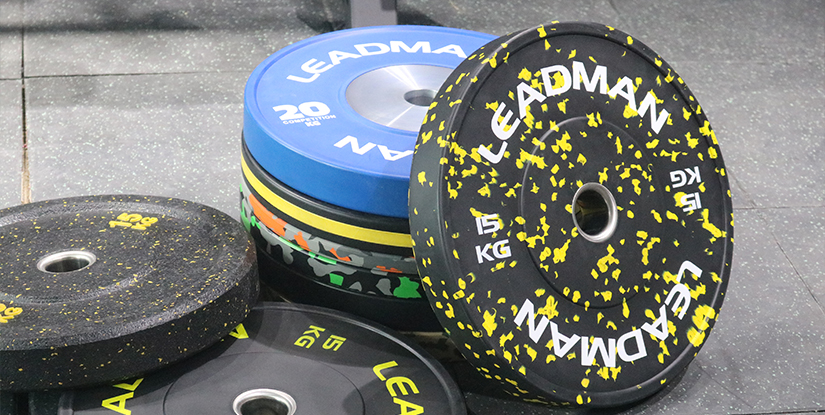
Beyond mechanical failure, a significant factor in calculating the total cost of ownership (TCO) is the predictable degradation of surface materials. Smart B2B procurement strategies must account for weight plate replacement cycles by monitoring the bumper plate coating integrity. In high-traffic commercial environments, even premium urethane or rubber coatings can experience chipping or oxidation if the material density is inconsistent. Once the coating is compromised, the internal weight distribution can shift, and the aesthetic decline often triggers unnecessary replacement requests from end-users.
To avoid unexpected downtime and sudden capital outlays, facility managers should establish standardized maintenance intervals that go beyond simple cleaning. We recommend a quarterly inspection protocol to check for surface abrasions, plate edge deformation, and any signs of material separation. By tracking these physical markers, distributors can transition from reactive repairs to proactive replenishment. This systematic approach allows for better inventory planning and ensures that your facility remains operational without the friction of emergency sourcing or sudden equipment shortages.
To streamline inventory planning and budget forecasting, procurement specialists must distinguish between the varying lifecycles of different equipment tiers. Relying on a single replacement schedule for all stock is a common mistake that leads to either premature capital outlays or unexpected stockouts. A structured comparison of material types and their typical wear patterns provides a clearer roadmap for long-term procurement.
The following table illustrates the general maintenance expectations and lifespan variations across standard commercial inventory. While these figures represent typical performance in high-traffic environments, actual durability is heavily dependent on your facility's usage intensity and environmental controls.
| Equipment Type | Material Composition | Typical Maintenance Action | Estimated Replacement Window |
|---|---|---|---|
| Bumper Plates | High-density Rubber/Urethane | Surface cleaning; checking for edge deformation | 3–5+ years (High usage) |
| Iron/Steel Plates | Cast Iron or Machined Steel | Rust prevention; inspecting coating integrity | 5–10+ years (Low to moderate impact) |
| Olympic Bars | High-tensile Steel (Chrome/Zinc) | Bearing lubrication; knurling inspection | 5–8 years (Depending on rotation quality) |
When negotiating with manufacturers, we suggest requesting specific data regarding the thickness of coatings and bearing specifications. A slight increase in initial unit cost for premium materials often results in a significantly lower TCO by extending these replacement windows and reducing the frequency of secondary shipments.
Optimizing Barbell Durability Standards and Material Specifications
In high-traffic commercial environments, the longevity of your weight plates and bar inventory is directly dictated by the precision of the initial material specifications. Procurement professionals often overlook that the difference between a standard barbell and a professional-grade implement lies in the metallurgical integrity and the resilience of the surface coatings. When equipment is subjected to high-frequency usage, substandard steel grades or inferior plating can lead to premature oxidation, knurling wear, and structural deformation, significantly increasing your replacement frequency.
To mitigate these risks, it is essential to evaluate equipment against rigorous barbell durability standards that account for both mechanical strength and environmental resistance. Selecting the right grade of steel and the appropriate coating—whether it be high-tensile steel for the shaft or heavy-duty polyurethane for the plates—is a strategic decision that prevents the hidden costs of frequent maintenance and early-stage depreciation.
| Material Specification | Primary Durability Factor | Ideal Commercial Application |
|---|---|---|
| High-Tensile Steel (Chrome/Nickel) | Corrosion resistance and surface hardness | Standard strength training and high-volume gyms |
| Stainless Steel Shafts | Long-term oxidation prevention | Premium boutique studios and high-humidity environments |
| Polyurethane Encapsulated Plates | Impact resistance and scent reduction | Heavy lifting zones and high-impact usage |
| Rubberized Bumper Plates | Shock absorption and floor protection | CrossFit boxes and dynamic weightlifting areas |
Beyond basic material selection, technical precision in the manufacturing stage dictates the long-term operational efficiency of your facility. For instance, the steel tensile strength of a barbell shaft determines its ability to withstand repeated heavy loading without permanent deformation. A higher tensile rating ensures the bar retains its whip and straightness over thousands of cycles, a critical metric for professional lifting environments. Similarly, the precision of the knurling pattern—the etched texture on the bar—is a key indicator of quality; inconsistent or shallow knurling tends to wear down prematurely, affecting grip reliability and increasing the need for replacement.
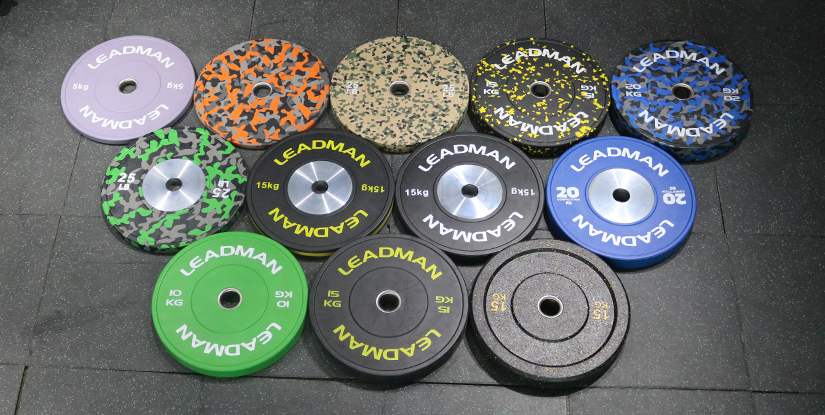
When sourcing weight plates, the choice between urethane vs rubber coatings significantly impacts your commercial strength equipment maintenance schedule. While rubberized plates offer excellent shock absorption, high-grade urethane coatings provide superior resistance to cracking, UV exposure, and chemical degradation. For distributors and gym owners, investing in urethane-encapsulated plates often results in a lower total cost of ownership, as these surfaces remain aesthetically and structurally intact much longer than standard rubber alternatives under heavy-duty use.
To effectively manage your inventory, you must move beyond reactive purchasing and implement a proactive strategy for tracking weight plate replacement cycles. Rather than waiting for visible cracks or structural failure, sophisticated facility managers establish a routine based on usage intensity and specific QC inspection points. During routine inspections, look for signs of coating delamination, uneven weight distribution, or shaft oscillation, which often signal the end of a product's reliable service life.
Furthermore, logistics and storage considerations play a decisive role in preserving your capital investment. Storing high-precision bars in uncontrolled, high-humidity environments can accelerate oxidation regardless of the initial coating quality. We recommend that distributors and wholesale buyers ensure that shipping and on-site storage protocols prioritize climate-controlled or protected zones. By integrating these long-term durability assessments into your annual facility audits, you can predict capital expenditure needs more accurately, ensuring that your replacement orders align with your budget cycles rather than unexpected equipment failures.
Predicting Weight Plate Replacement Cycles in High-Traffic Facilities
In high-volume commercial gyms and strength conditioning centers, the rate of equipment depreciation is directly tied to daily foot traffic and usage intensity. For procurement managers and distributors, understanding the correlation between facility density and wear patterns is essential for effective commercial strength equipment maintenance. High-traffic usage patterns often lead to accelerated degradation of surface coatings on plates and micro-abrasions on barbell sleeves, which can eventually compromise the user experience and safety.
Rather than reacting to broken equipment, professional operators should implement a predictive model based on the structural integrity of their inventory. By monitoring how frequently heavy iron or bumper plates are dropped and how often barbells are loaded, buyers can anticipate when a unit will fall below barbell durability standards. This proactive approach allows for scheduled replenishment and optimized shipping logistics, ensuring that your facility maintains a premium standard without the sudden capital expenditures caused by unexpected equipment failure.
To streamline procurement, we recommend categorizing your inventory into three distinct usage tiers. This framework helps facility managers establish realistic weight plate replacement cycles and budget for future shipments.
Tiered Usage and Maintenance Framework
| Usage Intensity | Typical Environment | Maintenance Interval | Replacement Window |
|---|---|---|---|
| Low | Boutique studios / Hotel gyms | Bi-annual inspection | 5+ Years |
| Medium | Standard commercial gyms | Quarterly inspection | 3–5 Years |
| High | Performance training centers / CrossFit | Monthly inspection | 1–3 Years |
For high-intensity environments, the cost-benefit of proactive replacement far outweighs the logistical headache of emergency sourcing. By replacing worn components before they fail, distributors can avoid the high shipping costs and urgent MOQ requirements often associated with last-minute, small-batch orders. Investing in high-grade, durable stock for your high-traffic zones ensures long-term stability in your facility's operational budget.
Replacement Triggers by Facility Type
To effectively manage your inventory, procurement teams must look beyond simple age and focus on physical wear indicators. Identifying these specific signs allows you to transition from routine cleaning to full replacement before the equipment impacts your facility's professional reputation or safety compliance. Use the following criteria to determine if your current stock requires immediate replacement or can continue through the next maintenance cycle.
| Visual Wear Indicator | Critical Symptom | Urgency Level |
|---|---|---|
| Coating Degradation | Peeling paint, exposed oxidation, or cracked bumper edges | Moderate (Plan for next shipment) |
| Knurling Smoothness | Flattened or worn-down barbell grip patterns | High (Affects user safety/grip) |
| Plate Warping | Uneven surfaces or imbalanced weight distribution | Critical (Immediate replacement required) |
| Sleeve Integrity | Loose barbell rotation or worn bearing/bushing housing | High (Impairs mechanical movement) |
When these indicators appear, it is often more cost-effective to trigger a bulk order rather than addressing individual units. For distributors, monitoring these triggers ensures that replacement orders align with optimized shipping volumes and factory production schedules, preventing the need for costly, small-scale emergency procurement.
Strategic Packaging and Landed Cost Considerations for Heavy Freight
When sourcing high-volume orders of weight plates and bar sets, the procurement focus must shift from unit price to the complexities of heavy-duty logistics. Because these items are characterized by high density and significant mass, the landed cost is often dictated more by freight class and container utilization than by the factory ex-works price. For distributors and gym operators, failing to account for the relationship between packaging density and shipping weight can lead to unexpected budget overruns during international transit.
Optimizing the volume-to-weight ratio is critical. For instance, while robust protective packaging is essential to prevent surface damage or structural deformation of the barbell during transit, excessive padding can increase the volumetric weight, inadvertently pushing the shipment into a higher, more expensive freight class. A sophisticated supplier will balance structural integrity with a compact footprint to maximize shipping density within a standard 40ft HC container.
| Packaging Strategy | Impact on Transit Risk | Landed Cost Implication |
|---|---|---|
| Standard Crating | Moderate protection | Higher volumetric weight; higher freight cost |
| Optimized Palletization | High stability for plates | Improved shipping density; lower per-unit cost |
| Reinforced Steel Frames | Maximum barbell protection | Increased weight; higher freight class impact |
Strategic procurement requires evaluating how different configurations of weight plates and bar shipments affect your total landed cost. Choosing a manufacturer that prioritizes efficient pallet patterns and precision-fit boxing ensures you are not paying to ship "empty air," effectively lowering the total cost of ownership through smarter logistics management.
To achieve true cost efficiency, buyers must differentiate between basic bulk shipping and professional-grade container loading optimization. While standard palletization is often sufficient for smaller distributors, high-volume commercial orders require a more granular approach to prevent damage and maximize container yield. The choice between loose loading, palletization, and custom crating directly influences both the safety of the barbell's finish and the ultimate freight expense.
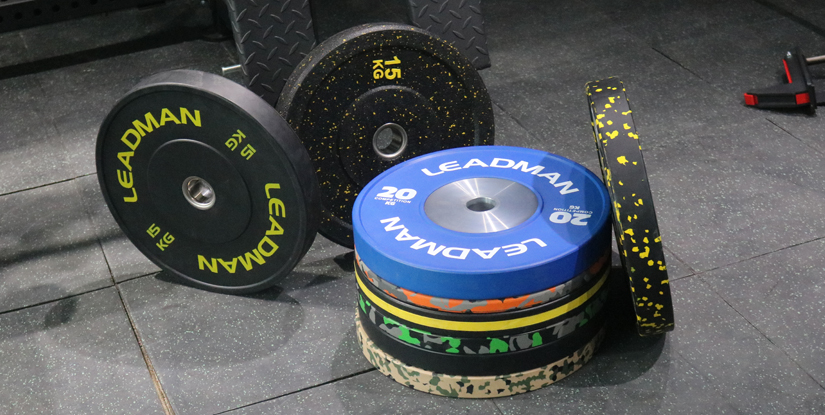
For example, weight plates are highly susceptible to shifting during sea transit if not properly secured. Using heavy-duty palletization allows for better weight distribution, which is essential for preventing breakage and ensuring the structural integrity of the shipment. Conversely, bars require specific longitudinal support to avoid bending or surface scuffing. A manufacturer capable of integrating these two distinct loading requirements into a single, cohesive shipping plan can significantly reduce the risk of transit-related claims and downtime.
| Configuration Type | Primary Benefit | Best Use Case |
|---|---|---|
| Standard Palletization | Rapid unloading and stability | High-volume plate shipments |
| Customized Crating | Maximum breakage prevention | Premium barbell and accessory sets |
| Mixed Container Loading | Optimized container density | Full-facility equipment replenishment |
Ultimately, the most cost-effective strategy involves a hybrid approach. By coordinating with a supplier that understands the nuances of weight-to-volume ratios, procurement managers can secure a more predictable total landed cost. This level of logistical precision ensures that your inventory arrives in commercial-ready condition without the overhead of excessive volumetric weight.
Beyond the immediate logistics of container density, the quality of protective layers during transit serves as a primary driver for long-term commercial strength equipment maintenance. A common oversight in low-cost sourcing is neglecting the role of moisture protection during extended sea freight. If the packaging fails to create a sufficient barrier against salt air and humidity, the resulting oxidation can compromise the metal finish before the equipment even reaches the gym floor.
This is where the relationship between packaging and weight plate replacement cycles becomes clear. High-quality manufacturers utilize vacuum-sealed moisture barriers or specialized anti-rust coatings to ensure that the steel components remain in pristine condition. Without these safeguards, the accelerated onset of corrosion forces facility managers into premature weight plate replacement cycles to maintain professional aesthetics and hygiene standards. Furthermore, adhering to strict barbell durability standards requires more than just high-grade steel; it requires a transit protocol that prevents micro-abrasions and environmental exposure. Investing in superior packaging is not an added expense, but a strategic move to protect the asset's lifespan and minimize future maintenance overhead.
Procurement FAQ: Sourcing Strength Essentials for Commercial Scale
When scaling a fitness facility, procurement officers often face a dilemma: prioritize low unit costs or invest in premium specifications. A common mistake in high-volume sourcing is focusing solely on the initial investment vs. long-term replacement costs. While budget-tier options may satisfy short-term CAPEX targets, they frequently fail to meet the rigorous demands of high-traffic commercial environments.
Consider a mid-sized strength zone where equipment undergoes constant heavy loading and dropping. If the weight plates and bar selections do not meet strict barbell durability standards, you will encounter premature knurling wear, sleeve deformation, or plate cracking. This triggers a cycle of frequent replacement and increased labor for commercial strength equipment maintenance. By shifting the focus toward total cost of ownership, savvy distributors recognize that high-quality steel and precision-engineered weight plates actually reduce long-term operational expenses. Investing in durable assets minimizes the frequency of replacement cycles, ensuring your facility remains operational without the constant disruption of sourcing and installing new inventory.
To navigate these decisions effectively, procurement managers should evaluate material composition against expected usage intensity. A high-performance facility requires a strategic balance between upfront expenditure and the frequency of replacement. For instance, while cast iron offers a lower entry price, high-traffic zones often demand the impact resistance of specialized coatings to prevent structural degradation.
Material Grade and Lifecycle Comparison
The following framework helps visualize how different material grades impact your long-term maintenance schedule and replacement cycles. Use this to align your sourcing strategy with the specific demands of your facility's training zones.
| Material Type | Primary Use Case | Durability Profile | Maintenance Requirement |
|---|---|---|---|
| Cast Iron (Standard) | Home gyms / Low-traffic | Moderate; prone to chipping | Low; periodic inspection |
| Rubber-Coated | Commercial strength zones | High; superior impact absorption | Moderate; coating integrity checks |
| Urethane-Coated | Premium/High-end facilities | Exceptional; highly resilient | Minimal; longest lifecycle |
When calculating your procurement decision factors, do not overlook the cost of downtime. Choosing a higher-grade material may increase the initial invoice, but it significantly extends the weight plate replacement cycles, protecting your bottom line from the rising costs of frequent logistics and labor.
Scaling Efficiency through Bulk Procurement and QC
Beyond material selection, the logistical complexity of bulk procurement introduces hidden risks to your TCO. When ordering large volumes of weight plates and bars, the primary threat to your budget is not just the unit price, but the potential for specification inconsistency. Discrepancies in plate thickness or barbell sleeve diameter can lead to compatibility issues, rendering entire shipments unusable for professional racks or high-end collars.
To mitigate these risks, rigorous QC (Quality Control) must be a non-negotiable part of your sourcing protocol. A robust manufacturing partner should provide standardized testing reports that verify dimensional accuracy and weight tolerances before any container is sealed. This level of precision ensures that every piece in a high-volume shipment performs identically, maintaining the professional standard of your facility.
Furthermore, logistics optimization plays a critical role in protecting your margins. High-density packing configurations and standardized palletizing not only secure the weight plate and bar durability during transit but also reduce the frequency of unexpected shipping costs or damage-related claims. By prioritizing suppliers who demonstrate strong factory capability and strict adherence to international shipping standards, you ensure that your bulk orders arrive on schedule, intact, and ready for immediate deployment.