weight plates hole size | Standardizing Weight Plate Hole
Long-term Investment Value: Standard vs. Olympic Specifications
Weight plate hole size is a fundamental specification that dictates the long-term utility and compatibility of a gym's strength training inventory. For B2B buyers, selecting the correct diameter is not just about immediate fit, but about ensuring commercial scalability and minimizing future replacement costs.
When sourcing for a new facility, the distinction between olympic vs standard plate diameter becomes a critical decision point for the total cost of ownership. While standard 1-inch plates may suffice for light resistance or home-gym setups, professional commercial environments almost exclusively demand the 2-inch Olympic standard to ensure barbell sleeve compatibility with high-performance barbells and specialized training bars.
| Procurement Factor | Standard (1-inch) Plates | Olympic (2-inch) Plates |
|---|---|---|
| Primary Use Case | Light training / Home use | Professional/Commercial strength |
| Future Scalability | Limited; difficult to upgrade | High; industry standard |
| Resale Value | Lower; niche market | Higher; high demand |
| Equipment Lifespan | Short-term utility | Long-term investment |
Choosing the wrong weight plates hole size during the initial procurement phase can lead to stranded assets. If a facility begins with standard equipment but intends to expand into heavy lifting or Olympic disciplines, the entire barbell inventory must be replaced, effectively doubling the initial capital expenditure.
To avoid these compatibility bottlenecks, procurement officers should align their orders with the specific technical requirements of their facility type. Selecting a diameter that does not match your intended barbell inventory creates a mismatch that increases maintenance overhead and limits training versatility.
Procurement Recommendation: For commercial distributors or facility managers, we generally recommend prioritizing 2-inch Olympic specifications. While the unit cost for 1-inch plates may appear lower, the lack of versatility in professional settings often results in higher long-term replacement costs and reduced customer satisfaction.
| Specification Detail | Standard (1-inch) | Olympic (2-inch) |
|---|---|---|
| Typical Facility Type | Home gyms, boutique studios | Commercial gyms, CrossFit boxes |
| Compatibility Limits | Barbells with 1" sleeves only | Standard high-performance barbells |
| Sourcing Strategy | Low-volume, niche replacement | High-volume, scalable inventory |
| Primary Risk | Limited equipment utility | Higher initial shipping weight |
When reviewing weight plate specifications from a factory, always confirm the precision of the center hole diameter. Even a slight deviation in the manufacturing tolerance can cause friction issues or uneven loading on premium barbell sleeves, impacting the overall quality of the training experience.
Beyond the initial purchase, the true cost of a mismatch becomes visible during the equipment lifecycle. A common pitfall for procurement managers is prioritizing low-cost, standard-diameter plates for a facility that intends to scale into high-performance training. This decision creates a technical ceiling; once your members demand Olympic-style lifting, your existing plate inventory becomes obsolete. This forced upgrade cycle often results in significant wasted capital, as you must simultaneously replace both the plates and the compatible barbell systems to maintain operational standards.
From a logistics and maintenance perspective, investing in the correct specifications from the outset reduces the frequency of replacement cycles. While shipping costs for 2-inch Olympic plates may reflect a higher weight-to-volume ratio, the ability to integrate with a wider range of professional-grade accessories ensures your facility remains adaptable. For distributors and large-scale gym operators, selecting a standardized, high-utility diameter is a strategic move to protect long-term margins and ensure that equipment upgrades remain a matter of expansion rather than total replacement.
Critical Compatibility: Navigating Barbell Sleeve Dimensions
For facility owners and distributors, the financial impact of mismatched equipment extends far beyond a single transaction. A common oversight in procurement is neglecting the precise relationship between weight plates hole size and the barbell sleeve diameter. When the fit is imprecise, the resulting mechanical play creates significant operational risks. Whether a buyer is sourcing for a boutique studio or a high-traffic commercial gym, ensuring perfect barbell sleeve compatibility is essential for maintaining the structural integrity of the entire strength training ecosystem.
The distinction between Olympic vs standard plate diameter is not merely a matter of scale; it is a matter of durability. Utilizing standard plates on sleeves designed for Olympic bars—or attempting to force oversized tolerances—leads to accelerated mechanical wear on the bearing systems and sleeves. This constant friction and uneven weight distribution can cause premature deformation of the barbell, leading to costly replacement cycles and potential safety liabilities within the facility. From a procurement standpoint, verifying these specifications during the factory inspection phase is a non-negotiable step to protect long-term capital investments.
To mitigate the risk of mismatched inventory and ensure long-term equipment utility, procurement managers should utilize a standardized verification framework. Relying on visual estimation is insufficient for high-volume orders; instead, technical compliance must be verified against precise manufacturing tolerances. The following table outlines the essential weight plate specifications required to maintain professional-grade standards across various barbell configurations.
| Specification Type | Standard Configuration | Olympic Configuration | Procurement Tolerance Note |
|---|---|---|---|
| Typical Hole Diameter | ~1 inch (25.4 mm) | ~2 inches (50.8 mm) | Verify +/- 0.5mm deviation |
| Sleeve Compatibility | Standard Barbell Sleeves | Olympic Barbell Sleeves | Must ensure seamless fit |
| Primary Use Case | Home/Light Commercial | High-Traffic Commercial | Check for bearing wear |
Before finalizing any bulk purchase, incorporate this B2B procurement checklist into your quality control protocols: first, confirm that the hole diameter accommodates the specific sleeve diameter of your existing barbell inventory; second, request a tolerance report from the manufacturer to ensure uniformity across large batches; and third, verify that the plate thickness does not create excessive pressure on the barbell's internal bearings. Addressing these technicalities at the sourcing stage prevents the logistical headache of unusable stock and protects your facility's total cost of ownership.
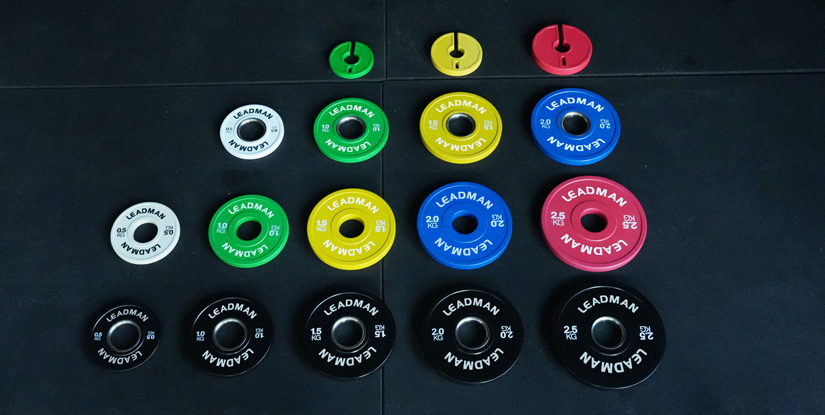
Beyond the immediate fit, the long-term durability of your strength equipment is directly tied to manufacturing precision. When sourcing high-volume orders, even a fraction of a millimeter in deviation can lead to significant cumulative issues. If the hole size is too loose, the resulting vibration and uneven loading accelerate the degradation of barbell bearings and sleeves. Conversely, an overly tight fit can create excessive friction, leading to increased maintenance costs and the need for frequent part replacements across your entire facility.
For professional distributors and gym operators, quality control must be a central pillar of the procurement process. Relying on a manufacturer's general description is rarely enough; you should demand strict adherence to tolerance standards to ensure every unit in a shipment performs identically. Rigorous oversight during the production phase ensures that the weight plates remain a reliable asset rather than a source of mechanical failure. By prioritizing technical accuracy over the lowest possible unit price, you protect your reputation and ensure the longevity of your clients' equipment investments.
Technical Precision in Manufacturing and Tolerance Control
For commercial gym operators and distributors, the difference between a high-performing facility and a high-maintenance one often comes down to microscopic deviations. When sourcing bulk orders, overlooking the precision of the weight plates hole size can lead to significant operational headaches. If the inner diameter is too tight, loading becomes a labor-intensive struggle for members; if it is too loose, the resulting instability creates excessive vibration and impact stress during heavy lifts.
Maintaining strict manufacturing tolerances is essential to ensure seamless barbell sleeve compatibility. Inconsistent sizing leads to uneven distribution of weight, which increases friction between the plate and the barbell sleeve. Over time, this mechanical mismatch causes premature wear on both the equipment and the barbell's bearing systems. By prioritizing suppliers that emphasize precision manufacturing, buyers protect their long-term investment. Investing in high-tolerance specifications is not just about fitment—it is a strategic move to ensure long-term durability and reduce the total cost of ownership for commercial fitness environments.
To avoid procurement errors and ensure seamless equipment integration, professional buyers should utilize a standardized specification framework. The following comparison highlights the critical distinctions between common industry standards, allowing you to verify compatibility across different product lines before finalizing your order.
| Specification Metric | Standard Plate Profile | Olympic Plate Profile |
|---|---|---|
| Typical Inner Diameter | 1.0 inch (approx. 25.4mm) | 2.0 inches (approx. 50.8mm) |
| Primary Use Case | Home gyms, light commercial, and fixed-bar setups | Professional weightlifting and high-capacity commercial gyms |
| Tolerance Range (Ideal) | ± 0.5mm to 1.0mm | ± 1.0mm to 2.0mm |
| Sleeve Compatibility | Standard 1-inch barbell sleeves | Standard 2-inch Olympic barbell sleeves |
B2B Procurement Checklist for Quality Control:
- Verify that the inner diameter matches the specific barbell sleeve diameter intended for the facility.
- Confirm the manufacturer’s tolerance thresholds to prevent excessive "wobble" or difficult loading.
- Request technical drawings to validate the ratio between the plate diameter and the center hole.
- Ensure consistency across different weight denominations within the same production batch.
To safeguard your margins and prevent the logistical nightmare of receiving non-compliant batches, procurement managers must implement a rigorous QC inspection protocol during the sourcing phase. Relying solely on a manufacturer's verbal assurance is insufficient for high-volume orders. Instead, demand documented evidence of dimensional accuracy through third-party testing reports or detailed technical specification sheets. A single batch with inconsistent center diameters can render an entire shipment of barbells unusable, leading to costly returns and delayed facility openings.
When managing bulk ordering, we recommend a two-stage verification process. First, request a pre-production sample to test weight plate specifications against your existing barbell inventory. Second, mandate a shipment verification step where a random sample from the final production run is measured using precision calipers. This ensures that the weight plates hole size remains within the agreed-upon tolerance across all denominations. By establishing these strict manufacturing standards as a prerequisite for your purchase orders, you mitigate the risk of receiving mismatched equipment and ensure your distribution network remains reliable.
Sourcing Strategies for High-Volume Wholesale Orders
When managing large-scale procurement for commercial gyms or distribution networks, the decision between different specifications often dictates your long-term margins. A primary consideration involves the weight plates hole size, as this technical detail determines your inventory's utility across various equipment lines. While standard 1-inch plates may offer a lower initial cost-per-unit, they lack the professional versatility required for modern strength facilities.
In contrast, opting for the Olympic standard diameter (2-inch) increases upfront investment but significantly enhances barbell sleeve compatibility. From a sourcing perspective, standardizing on Olympic specifications reduces the risk of SKU fragmentation and ensures your stock remains compatible with high-end barbell systems. For distributors, balancing the olympic vs standard plate diameter is not just about physical dimensions; it is a strategic calculation of whether the increased versatility of Olympic equipment justifies the higher volume-based entry price to satisfy premium commercial clients.
To optimize your procurement budget, it is essential to evaluate the Total Cost of Ownership (TCO) beyond the initial invoice. While smaller diameter plates are often cheaper to manufacture and ship, the long-term logistical and replacement costs can vary significantly based on the intended facility use. The following comparison highlights how technical specifications impact your operational efficiency and inventory value.
| Feature/Metric | Standard (1-inch / 25mm) | Olympic (2-inch / 50mm) |
|---|---|---|
| Primary Use Case | Home gyms, light commercial, boutique studios | Full-scale commercial gyms, CrossFit, lifting platforms |
| Barbell Compatibility | Limited to light-duty barbells | Standard high-performance barbell sleeves |
| Logistics & Storage | Higher density; easier for small-scale shipping | Requires robust storage solutions (racks/trees) |
| Replacement Cycle | Higher frequency in high-traffic settings | Lower due to heavy-duty durability standards |
| Value Retention | Depreciates quickly in professional markets | Maintains high resale and utility value |
From a wholesale standpoint, selecting the correct weight plate specifications prevents the common pitfall of purchasing non-interchangeable stock. For distributors, investing in Olympic-diameter inventory generally offers a more stable long-term ROI, as it meets the rigorous demands of the professional fitness industry and reduces the likelihood of obsolete inventory.
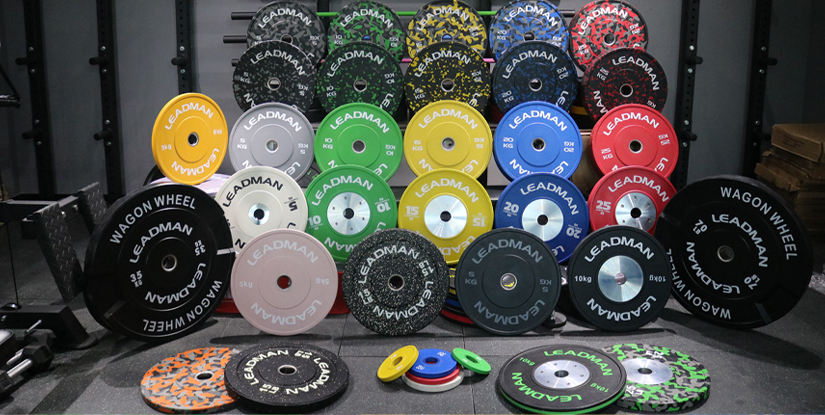
Optimizing Margins Through Precision and Logistics
Scaling your orders requires moving beyond simple unit pricing to focus on manufacturing reliability. When negotiating with factories, the MOQ (Minimum Order Quantity) should be viewed as a lever for both cost reduction and quality assurance. Higher volume commitments often allow for more rigorous quality control (QC) processes, which are non-negotiable when dealing with high-performance equipment.
A critical failure point in bulk procurement is the precision of the center hole. Even minor deviations in the diameter can lead to uneven weight distribution or a poor fit on the barbell. We recommend requesting tolerance reports to ensure the hole size remains consistent across the entire batch, preventing issues with barbell sleeve compatibility during high-intensity use. A slight mismatch can lead to excessive vibration or even damage to expensive barbell sleeves, increasing your long-term maintenance liabilities.
Finally, to protect your bottom line, prioritize shipping volume optimization. Because weight plates are high-density, low-volume goods, freight costs are heavily influenced by how efficiently they are palletized. Work with your supplier to ensure that the packaging configuration maximizes container utilization without compromising the structural integrity of the plates. Efficient stacking not only reduces your landed cost per unit but also minimizes the risk of transit damage, ensuring your inventory arrives ready for immediate deployment.
Quality Control Protocols for Diameter and Centering Accuracy
For commercial gym operators and distributors, the cost of a single manufacturing oversight extends far beyond a simple return. When the weight plates hole size deviates even slightly from the required standard, the consequences manifest as systemic equipment failure. Inaccurate tolerances often lead to concentricity issues, where the center of the plate does not align perfectly with the barbell sleeve. This misalignment creates an unstable load distribution that can compromise the structural integrity of high-end barbells over time.
From a procurement standpoint, strict quality control is essential to ensure seamless barbell sleeve compatibility. If the hole diameter is too tight or off-center, it creates friction and uneven wear on the barbell's rotating sleeves, prematurely aging expensive lifting bars. For B2B buyers managing high-volume orders, verifying that a factory maintains precise diameter specifications is a critical step in reducing long-term maintenance costs and protecting the total cost of ownership for the end-user.
To mitigate these risks, procurement officers should demand standardized tolerance thresholds during the vetting process. A slight discrepancy in the olympic vs standard plate diameter can lead to excessive rattling in standard setups or, more critically, a lack of fit on premium Olympic bars. High-quality manufacturing must prioritize precision to prevent the plate from binding or wobbling during high-intensity usage.
The following table outlines the typical technical requirements for professional-grade equipment. Use this as a baseline for your B2B inspection checklist when evaluating factory capabilities and weight plate specifications.
| Plate Type | Standard Hole Diameter | Acceptable Tolerance | Primary Compatibility Concern |
|---|---|---|---|
| Olympic (Standard) | 50.8 mm (2 inches) | ;± 0.5 mm to 1.0 mmBarbell sleeve friction & rotation | |
| Standard (Small) | 25.4 mm (1 inch) | ± 0.3 mm to 0.5 mm | Fitment on junior/home-grade bars |
Precision manufacturing is not merely about the hole size itself, but the concentricity of the center. A high-quality supplier will demonstrate rigorous quality control to ensure the center of gravity remains stable, preventing the uneven load shifts that plague lower-tier wholesale shipments.
Beyond basic diameter measurements, professional-grade sourcing requires an understanding of how centering accuracy impacts long-term durability. In high-volume production environments, even a microscopic offset in the center of the hole can lead to catastrophic imbalances. When plates are not perfectly centered, the weight distribution shifts unevenly during movement, causing lateral oscillations that stress the barbell sleeves and accelerate the degradation of bearing systems.
For distributors and facility managers, this technical precision directly dictates the maintenance cycles of the entire strength training area. Equipment with poor concentricity requires more frequent lubrication, sleeve replacements, and barbell inspections. By prioritizing suppliers who implement automated precision-drilling and rigorous quality control protocols, procurement professionals can significantly lower the Total Cost of Ownership (TCO). Investing in plates with superior centering ensures that the equipment remains operational and safe under heavy use, reducing the frequency of costly replacements and improving the overall lifecycle of the gym's assets.
Logistics and Packaging Optimization for Global Export
For distributors and large-scale gym operators, the total landed cost of heavy iron is often dictated more by freight than by the unit price itself. When managing bulk procurement, the physical dimensions of your order directly impact your bottom line. A critical, often overlooked variable in this equation is how the weight plates hole size affects stacking geometry and pallet density.
Standardization is a logistical advantage. Because the standard vs Olympic plate diameter dictates the thickness and the central void, slight deviations in manufacturing can lead to inefficient nesting. High-quality production ensures consistent center-hole tolerances, which is essential for container optimization. When plates nest perfectly without wobbling or uneven gaps, you achieve higher shipping density per 40ft HQ container. For professional importers, even a 2% improvement in volumetric efficiency through precise hole specifications can translate into significant savings on ocean freight and reduced breakage risks during transit. Choosing a supplier that prioritizes these technical specifications ensures your inventory arrives with maximum yield and minimum wasted space.
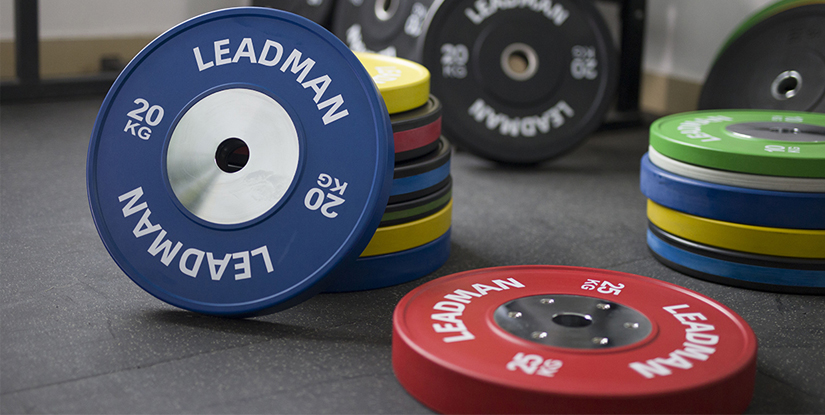
Understanding the relationship between weight plate specifications and shipping density is essential for maintaining a healthy margin. Because different hole diameters affect how plates stack and nest, the choice between standard and Olympic configurations can subtly shift your total landed cost. For example, the larger central void of an Olympic plate typically allows for better stability in vertical stacks, whereas standard plates may require more rigid palletization to prevent shifting.
The following table illustrates how these dimensional differences influence logistical variables such as packaging volume and dimensional efficiency during international transit:
| Specification Metric | Standard (1-inch Hole) | Olympic (2-inch Hole) |
|---|---|---|
| Typical Application | Home/Light Commercial | Professional/High-Performance |
| Barbell Sleeve Compatibility | Standard 1" Bars | Standard 2" Olympic Bars |
| Nesting & Stacking Stability | Moderate (Higher friction) | High (Optimized for rapid loading) |
| Packaging Volume Impact | Compact/Dense | Higher Void-to-Solid Ratio |
| Logistics Cost Efficiency | Higher weight-to-volume ratio | Optimized for bulk volume density |
When negotiating with a factory, confirm that their precision control over the center hole ensures consistent stacking. A lack of uniformity in the hole diameter can lead to uneven weight distribution within a crate, increasing the risk of transit damage and reducing the overall dimensional efficiency of your sea freight shipment.
Beyond the physical dimensions, the true cost of procurement lies in the hidden expenses of compatibility errors and returns. For distributors managing high-volume inventory SKU management, even a minor deviation in the weight plates hole size can be catastrophic. If the dimensional tolerance of the center hole is inconsistent, plates may fail to fit standard barbell sleeves or, conversely, create excessive "play" that causes uneven weight distribution during use. Such discrepancies often lead to costly product returns and damaged brand reputations in the North American market.
To mitigate these risks, professional buyers must verify the supplier's QC inspection protocols. A reliable manufacturer should utilize precision gauges to ensure every unit meets strict weight plate specifications before global export. This level of technical oversight prevents the mismatching of equipment and ensures that every shipment arrives ready for immediate deployment. By prioritizing manufacturers that treat hole precision as a non-negotiable quality standard, you protect your margins from the logistical headaches of faulty inventory and substandard compatibility.
Procurement FAQ: Selecting the Right Specifications for Your Facility
Understanding the Financial Impact of Plate Diameter Selection
When sourcing for a commercial gym or distribution warehouse, the decision between olympic vs standard plate diameter is rarely just about aesthetics; it is a critical calculation of long-term TCO (Total Cost of Ownership). While standard 1-inch diameter plates may offer a lower initial unit price, they are increasingly relegated to home-gym or light-duty niche markets. For professional facilities, investing in the 2-inch Olympic standard is the more strategic long-term investment due to its superior versatility and market demand.
A common pitfall for new facility owners is neglecting barbell sleeve compatibility during the initial procurement phase. If your facility stocks a mix of both types without a strict inventory strategy, you risk high replacement costs and specialized training bottlenecks. Misaligned weight plate specifications can lead to standard vs Olympic compatibility issues, where expensive barbells become unusable with your existing weight sets. From a procurement standpoint, standardizing around the Olympic specification ensures a longer equipment lifecycle and maintains higher resale or utility value, effectively reducing the frequency of full-scale equipment turnovers.
To streamline your vendor vetting and quality control processes, we have compiled a technical reference guide. Use this comparison to verify that your bulk orders align with your facility's existing barbell inventory and intended training environments.
| Specification Metric | Standard Specification | Olympic Specification |
|---|---|---|
| Weight plates hole size | 1 inch (approx. 25.4 mm) | 2 inches (approx. 50.8 mm) |
| Primary Use Case | Home gyms, light aerobics, dumbbells | Commercial gyms, CrossFit, Olympic lifting |
| Sleeve Diameter Compatibility | Fixed/Small diameter bars | Heavy-duty/Standard barbell sleeves |
| Procurement Profile | Low-cost/Niche/Budget-sensitive | High-durability/High-volume/Standardized |
Before finalizing your purchase order, always confirm the exact weight plates hole size requirements with your manufacturer. Discrepancies between the plate center diameter and the barbell sleeve diameter can result in significant shipping returns or unusable stock. For distributors and large-scale facility managers, standardizing on the 2-inch Olympic specification is generally the safest way to ensure compatibility across various high-performance barbell brands.
Managing Manufacturing Tolerances and Bulk Order Risks
For high-volume distributors and gym equipment importers, the primary concern during the sourcing phase is not just the nominal weight plates hole size, but the actual manufacturing tolerances allowed during production. In low-tier manufacturing environments, slight deviations in the center hole diameter can lead to severe bulk ordering risks. If a batch of Olympic plates is produced with a hole diameter that is even slightly too small, they will fail to fit standard 2-inch barbell sleeves, rendering an entire shipment unusable for commercial applications.
To mitigate these issues, professional procurement teams must mandate a strict QC inspection protocol that goes beyond visual checks. Reliable suppliers utilize precision engineering and calibrated gauges to ensure shipment consistency across every container. We recommend requesting a technical specification sheet that defines the acceptable deviation range (e.g., ±0.5mm) for the center hole. Without this level of detail in your purchase order, you risk high return rates and damaged reputation when your clients encounter compatibility failures. Prioritize factories that demonstrate high-level control over their molding or casting processes to ensure every unit meets international standards.