Understanding Standard Diameter Olympic Weight Plates
The Essential Procurement Checklist for Uniform Weight Plate Sets
Many distributors and gym owners fall into the trap of prioritizing low initial unit costs, often sourcing non-standard plates that seem like a bargain. However, this oversight leads to massive compatibility issues when trying to integrate new inventory with existing bars or adding high-density fractional plates. A smarter sourcing strategy focuses on the long-term investment value of equipment that remains consistent across different production batches, ensuring your facility stays functional and professional.
When you prioritize standard weight plate sizing, you are essentially future-proofing your inventory. Choosing equipment that deviates from the regulated diameter olympic weight plates specification might save a few cents per unit today, but it creates a cascade of hidden expenses. You may face premature replacement cycles, difficulty in finding matching accessories, or even the need to replace entire barbell sets because the non-standard plates do not sit correctly on the sleeves. By maintaining strict adherence to standard gym equipment dimensions, you protect your capital and ensure that every piece of weight you add to your collection integrates seamlessly with your current setup.
Selecting the right material is a critical decision for your budget and operational longevity. While the diameter olympic weight plates specification remains constant for olymbic barbell compatibility, the material composition significantly alters the cost-efficiency and maintenance requirements of your facility. Iron plates offer a lower entry price, making them ideal for traditional strength training, whereas rubber bumper plates are a higher upfront investment designed for high-impact lifting environments.
Material Comparison: Budget vs. Performance
| Plate Type | Typical Use Case | Durability Profile | Maintenance Level |
|---|---|---|---|
| Cast Iron | Standard Strength Training | High (Rigid) | Moderate (Rust Prevention) |
| Rubber Bumper | CrossFit & Olympic Lifting | Extreme (Impact Resistant) | Low (Minimal Care) |
When calculating your procurement budget, consider that while iron plates have a lower initial cost, bumper plates often provide better durability in high-traffic zones, reducing the frequency of replacements. Aligning these gym equipment dimensions with your specific training style ensures you aren't just buying weight, but investing in a sustainable lifting ecosystem.
Optimizing Your Capital Allocation
Effective budget optimization requires looking beyond the immediate invoice. Whether you are scaling a home or commercial gym, your procurement strategy must account for the total cost of ownership. A common mistake is purchasing mismatched sets that lack a consistent standard diameter, which eventually forces a complete overhaul of your lifting stations to maintain olympic barbell compatibility.
To manage costs effectively, we recommend a phased approach. Start by establishing a foundational set of high-quality, standard-sized plates that meet all standard weight plate sizing requirements. As your facility grows, you can add specialized plates or fractional weights, confident that they will fit your existing sleeves perfectly. By prioritizing uniform gym equipment dimensions from the outset, you avoid the "hidden tax" of premature replacements and ensure that every dollar spent contributes to a scalable, professional-grade training environment.
Why Precision in Olympic Barbell Compatibility Matters
When sourcing inventory for high-traffic facilities, the cost of a single mistake often outweighs the initial savings of a low-cost supplier. Relying on non-standard diameter olympic weight plates introduces significant risks to your facility's long-term operational stability. If the diameter deviates from the universal standard, it creates an uneven weight distribution across the barbell sleeves. This imbalance is not merely a minor inconvenience; it generates localized structural stress that can lead to permanent deformation of the bar or premature failure of the bearing systems.
For distributors and gym owners, prioritizing olympic barbell compatibility is a matter of protecting the equipment lifespan of your entire strength training ecosystem. Using plates with imprecise dimensions forces the barbell to absorb irregular kinetic energy, accelerating wear and tear on high-end lifting gear. Investing in precision-engineered standard weight plate sizing ensures that your heavy-duty equipment maintains its integrity, reducing the frequency of costly replacements and ensuring a safer, more durable environment for your clients.
Selecting the right specifications also dictates how your facility handles the physical toll of heavy lifting. The relationship between gym equipment dimensions and environmental durability is critical when scaling from a small setup to a high-volume training center. For instance, while a home gym vs commercial gym distinction might seem purely about scale, it fundamentally changes the required material density and impact resistance.
The following comparison illustrates how standard weight plate sizing and construction requirements shift based on the intensity of the training environment:
| Environment Type | Primary Use Case | Durability Requirement | Typical maintenance needs |
|---|---|---|---|
| Residential / Home Gym | General Strength & Conditioning | Moderate; handles standard drops | Low; occasional surface cleaning |
| Boutique Studio | Group Classes & Functional Training | High; must withstand frequent movement | Moderate; checking sleeve fit regularly |
| Full-Scale Commercial Gym | high-impact training & Heavy Lifting | Extreme; engineered for heavy drops | High; rigorous inspection of diameter precision |
For professional buyers, ensuring that all stock meets these rigorous standards prevents the premature degradation of your facility's assets during intense sessions.
Beyond the immediate impact on performance, the long-term integrity of your strength training assets depends on maintaining a consistent diameter across your entire inventory. When plates deviate from the expected standard weight plate sizing, they often create a mismatch in how the weight sits against the barbell sleeve. This lack of precision is a primary driver of excessive barbell sleeve wear. Instead of a smooth, centralized load, imprecise plates can cause the weight to shift or tilt, exerting uneven pressure on the bearings and bushings of the barbell.
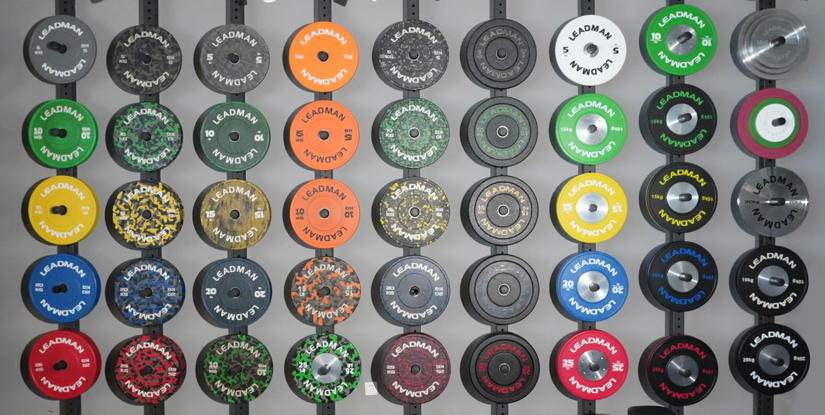
Over time, this constant friction and irregular load distribution compromise the safety of the lifting environment. For commercial operators, this isn't just about the cost of a new barbell; it is about the liability of equipment failure. High-quality manufacturing ensures that the diameter olympic weight plates remain uniform, protecting your high-value bars from structural fatigue. By adhering to strict professional lifting standards during your procurement process, you safeguard your facility against the cascading costs of premature equipment degradation and ensure a reliable, high-performance experience for every user.
Decoding Standard Weight Plate Sizing and Material Thickness
Maintaining a high-performance training facility requires more than just periodic cleaning; it demands an understanding of how diameter olympic weight plates interact with your load distribution. When sourcing wholesale, procurement professionals must look beyond the surface. The relationship between the standard weight plate sizing and the actual thickness of the plate dictates how much stress is placed on the barbell sleeve and the internal bearings of your equipment.
If a batch lacks thickness consistency, uneven weight distribution can lead to premature wear on your barbells, compromising barbell compatibility and long-term durability. For distributors and gym owners, choosing plates with precise manufacturing tolerances ensures that the center of gravity remains stable, protecting your investment from the mechanical strain of heavy lifting cycles.
| Plate Material Type | Storage Footprint | Maintenance Requirement | Ideal Use Case |
|---|---|---|---|
| Cast Iron | Compact/Low | Minimal (Rust Prevention) | Budget-friendly setups |
| Rubber Coated | Moderate | Medium (Surface Care) | High-traffic commercial gyms |
| Urethane | Moderate | Low (High Durability) | Premium fitness boutiques |
Selecting the right material is a strategic decision that balances upfront costs with long-term operational overhead. While the diameter olympic weight plates standard remains constant, the physical thickness and material composition drastically change the maintenance profile and the gym equipment dimensions footprint in your facility. For example, high-density rubber bumpers are much thicker than iron counterparts, which can impact how many plates fit on a single barbell sleeve.
To help you optimize your inventory and minimize downtime, we have outlined how material density affects your workflow. Choosing the right standard weight plate sizing for your specific discipline—whether it is high-impact CrossFit or steady strength training—will determine your usage frequency and the total cost of ownership over time.
| Material Type | Material Thickness | Maintenance Difficulty | Typical Usage Frequency |
|---|---|---|---|
| Cast Iron | Thin/Compact | Moderate (Requires rust checks) | Moderate (Standard lifting) |
| Rubber Bumper | Thick/Wide | Low (Easy to wipe down) | High (Drops/High impact) |
| Urethane Bumper | Consistent/Durable | Very Low (Highly resilient) | Extreme (Professional/Elite) |
Preserving Precision Through Proper Care
To safeguard your investment, maintenance must focus on the integrity of the diameter olympic weight plates and, specifically, the precision of the center hole. Even a slight deviation in the inner ring can jeopardize olympic barbell compatibility, causing the plates to wobble or bind during high-intensity movements. We recommend a routine of thorough cleaning to remove sweat, chalk, and moisture, which can cause oxidation or degrade the surface coating over time.
Proper storage is equally vital for long-term diameter precision. Avoid stacking heavy plates in damp or unconditioned environments, as extreme temperature fluctuations can lead to material expansion or preventing deformation of the internal diameter. For commercial buyers, ensuring that plates are stored on dedicated, dry racks helps maintain the exact gym equipment dimensions required for seamless loading. By prioritizing these small upkeep steps, you ensure that the standard weight plate sizing remains consistent, protecting both the barbell sleeves and the long-term utility of your facility's strength equipment.
Optimizing Gym Equipment Dimensions for High-Traffic Layouts
When designing a commercial facility, overlooking the spatial footprint of your lifting zones can lead to significant operational bottlenecks. It is not just about the floor area; it is about the lateral expansion caused by diameter olympic weight plates. Because these plates have a fixed, large circumference, the total width of a loaded barbell extends far beyond the bar itself. If your gym equipment dimensions are not calculated with this extra width in mind, you risk creating a hazardous environment.
In a high-traffic layout, such as a busy strength training floor or a functional training zone, precision in spatial planning is non-negotiable. You must account for barbell clearance to ensure that athletes can perform heavy lifts without colliding with adjacent racks, benches, or passing members. Failing to respect these boundaries can lead to equipment damage and safety liabilities. As a professional buyer, prioritizing these dimensions during the procurement stage ensures your facility remains both functional and safe for high-volume usage.
Choosing between different plate materials significantly impacts your training density and how much equipment you can actually fit into a designated zone. While the standard weight plate sizing remains consistent for olympic barbell compatibility, the thickness vs. diameter ratio varies wildly between iron and rubberized options. This distinction dictates how many plates can sit on a single sleeve, directly affecting your space efficiency.
For instance, high-density iron plates are much thinner, allowing for more weight on the bar without extending the total length. Conversely, bumper plates are thicker to absorb shock, which can quickly fill up a barbell sleeve and limit your maximum load capacity. Use the comparison below to evaluate how these choices influence your facility's floor management.
| Plate Type | Thickness Profile | Space Efficiency | Ideal Use Case |
|---|---|---|---|
| Iron/Steel Plates | Slim/Low Profile | High (More weight per sleeve) | Powerlifting & Strength Focus |
| Rubber Bumper Plates | Wide/High Profile | Moderate (Limited sleeves) | Olympic Lifting & High-Impact |
When sourcing, consider that while bumper plates are essential for durability, they require more thoughtful gym equipment dimensions planning to avoid overcrowding your lifting platforms.
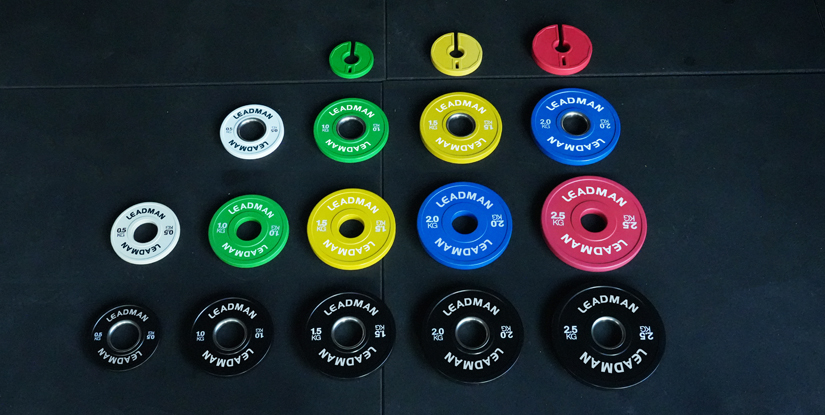
Effective layout optimization requires looking beyond the static footprint of the rack to the dynamic movement radius of the athlete. When a lifter performs a heavy squat or a clean and jerk, the barbell does not stay stationary; it oscillates and travels through an arc. You must factor in this kinetic expansion when determining equipment placement to prevent the edges of your diameter olympic weight plates from striking nearby walls, structural pillars, or other lifting stations.
To maintain a professional standard, we recommend establishing strict safety buffers around every lifting station. A common mistake in facility design is placing racks too close to high-traffic zones like walkways or cardio equipment. By calculating the maximum reach of a loaded bar and adding a generous margin for error, you protect your investment in high-quality gear and ensure a seamless user experience. Always prioritize these spatial clearances during the initial procurement phase to avoid costly retrofitting later.
Evaluating Manufacturing Tolerances in Wholesale Sourcing
When sourcing at scale, the difference between high-tier equipment and substandard inventory often lies in the microscopic details of production. For distributors, ensuring that diameter olympic weight plates maintain a consistent profile is not just about aesthetics; it is a fundamental requirement for long-term structural integrity. If a manufacturer lacks rigorous quality control, slight deviations in standard weight plate sizing can lead to catastrophic results during heavy lifts.
Inconsistent precision molding often results in plates that are slightly out of round or uneven in thickness. This lack of uniformity causes uneven wear on both the plates and the barbell sleeves, prematurely degrading your clients' expensive gym equipment dimensions and overall setup. When the diameter olympic weight plates are perfectly uniform, weight distribution remains balanced across the bar, preventing torque imbalances. For professional procurement, prioritizing suppliers who utilize high-precision casting ensures that every unit meets strict tolerances, protecting the lifespan of the entire lifting ecosystem.
Choosing between budget-friendly options and high-precision gear depends heavily on your specific business model. While a slight deviation in gym equipment dimensions might be negligible for a casual lifter, it can become a liability in high-traffic environments. Understanding how tolerance levels impact long-term utility helps you make an informed decision between cost-efficiency and professional-grade performance.
The following comparison illustrates how standard weight plate sizing accuracy correlates with usage frequency and olymbic barbell compatibility across different sectors:
| Target Market | Usage Frequency | Tolerance Level | Primary Focus |
|---|---|---|---|
| Home Gym / Boutique Studio | Low to Moderate | Standard (± 2-3%) | Cost-effectiveness & Basic olymbic barbell compatibility |
| Commercial Fitness Center | High | Precision (± 1%) | Durability & Consistent diameter olympic weight plates |
| Professional/Competition | Extreme | Ultra-High (± 0.5% or less) | Maximum Precision & Safety Compliance |
For distributors, selecting the right tier is a balance of budget vs. precision. While lower tolerance levels may reduce initial procurement costs, investing in tighter manufacturing standards ensures that the diameter olympic weight plates remain reliable assets that won't degrade the user experience over time.
To mitigate the risks associated with large-scale wholesale sourcing, professional buyers must look beyond the price per unit and scrutinize the factory's quality control protocols. A common failure point in low-tier manufacturing is the loss of diameter consistency across large shipments. When a batch of plates arrives with even minor dimensional variances, it creates a significant barbell sleeve fit issue. If the center hole or the outer circumference deviates from standard weight plate sizing, the plates may sit unevenly or wobble on the bar, compromising the mechanical olympic barbell compatibility that professional athletes depend on.
To ensure long-term reliability, we recommend requesting technical specifications or tolerance reports from your manufacturer before finalizing an order. High-quality production facilities utilize automated calibration to ensure that every piece of equipment adheres to strict gym equipment dimensions. By verifying that the supplier maintains tight control over their molding and casting processes, you protect your reputation as a distributor and ensure that your inventory remains a high-performance asset rather than a liability for end-users.
Long-term ROI: Balancing Plate Diameter and Longevity
From a procurement standpoint, the cost of an asset is not merely the initial invoice price, but the total cost of ownership over its lifecycle. When sourcing equipment, failing to verify the diameter olympic weight plates must adhere to can lead to hidden expenses. Non-standard sizing often results in uneven weight distribution during heavy lifts, which places undue stress on the barbell sleeves. This imbalance compromises the structural integrity of your premium bars, leading to premature bending or knurling degradation.
Furthermore, ensuring strict olymbpic barbell compatibility through standardized dimensions protects your facility from excessive wear and tear. If plates are inconsistent in size, they can cause friction issues or improper seating on the sleeve, forcing your maintenance team to replace expensive bars more frequently. By prioritizing high-quality manufacturers who guarantee precise standard weight plate sizing, distributors and gym owners secure a much higher return on investment. Investing in precision today prevents the recurring cost of replacing damaged equipment caused by substandard gym equipment dimensions tomorrow.
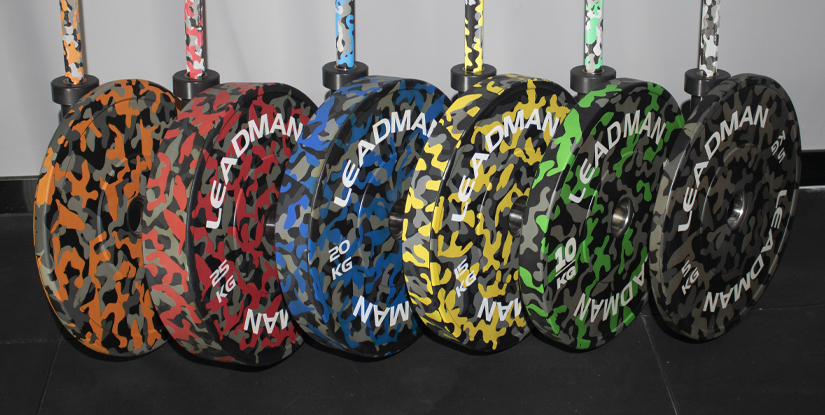
Choosing between budget-friendly non-standard options and professional-grade equipment is a strategic decision based on your operational scale. For high-traffic commercial facilities, the durability vs cost equation heavily favors precision. While non-standard plates may offer lower upfront savings, they often lack the consistency required for high-volume environments, leading to increased maintenance cycles and frequent equipment downtime.
We recommend evaluating your specific use case to determine the most efficient procurement path. Use the following comparison to align your purchasing strategy with your long-term goals:
| Feature | Home/Light Use (Non-Standard) | Professional/Commercial (Standard) |
|---|---|---|
| Primary Focus | Initial Budget Savings | Long-term ROI & Durability |
| Gym Equipment Dimensions | Variable/Inconsistent | Strictly Standardized |
| Standard Weight Plate Sizing | May vary by manufacturer | Uniform across all brands |
| Ideal For | Personal training/Residential | Commercial Gyms & Competitions |
For distributors and facility owners, maintaining strict standard weight plate sizing ensures that your inventory remains compatible with a wide range of premium bars, effectively future-proofing your facility against evolving industry standards.
Ultimately, the decision to prioritize standard diameter olympic weight plates is a decision to protect your capital. When you focus on standardizing your setup, you are not just buying weight; you are investing in a cohesive ecosystem where every component works in harmony. This consistency is the bedrock of equipment longevity, ensuring that your bars, collars, and racks remain in peak condition for years of high-intensity use.
From a procurement perspective, the true investment value lies in the predictability of your assets. High-quality, precision-manufactured plates reduce the frequency of replacement cycles and minimize the need for emergency maintenance. By adhering to strict gym equipment dimensions, you mitigate the risk of mechanical failure and structural fatigue. For any professional facility, achieving a high long-term ROI requires moving beyond the temptation of low-cost, non-standard alternatives. Instead, aim for a standardized inventory that guarantees both safety and operational efficiency across your entire lifting floor.
Lifecycle maintenance planning for busy facilities
For high-traffic commercial gyms, the long-term viability of your strength training zone depends on the precision of your inventory. Neglecting the physical condition of your diameter olympic weight plates can lead to more than just cosmetic issues; it can compromise the entire lifting ecosystem. When plates are subjected to heavy use, environmental factors, or improper storage, they can suffer from structural deformation or edge chipping. This degradation directly impacts surface integrity, which is critical for a smooth, predictable rotation during heavy lifts.
Maintaining strict adherence to standard weight plate sizing is not just about aesthetics—it is a matter of safety and olymbic barbell compatibility. If plates become warped or uneven due to excessive wear and tear, they may no longer sit flush against the barbell sleeves. This misalignment can cause uneven weight distribution and erratic bar behavior, potentially damaging expensive barbell bearings and increasing injury risks for your members. By prioritizing high-quality, precision-manufactured plates that withstand rigorous cycles, facility owners protect their long-term capital investments and ensure a consistent, professional training experience.
To optimize your procurement strategy, we recommend categorizing your inventory based on expected usage intensity. This allows you to allocate your operational budget more effectively and anticipate when specific gym equipment dimensions might require professional inspection or replacement. Below is a strategic overview to help you plan your long-term upkeep based on your facility's profile.
| Facility Type | Usage Frequency | Maintenance Difficulty | Budget Impact | Focus Area |
|---|---|---|---|---|
| Boutique Studio | Moderate | Low | Low/Predictable | Visual Inspection |
| Commercial Gym | High | Medium | Moderate | Standard diameter maintenance |
| Professional Training Center | Extreme | High | Significant | Olympic barbell compatibility |
When sourcing wholesale, consider that high-intensity environments demand more rigorous quality control. While a boutique studio may only need periodic cleaning, a high-traffic facility must regularly verify that the diameter olympic weight plates remain true to their original dimensions to prevent wear on the barbell sleeves and ensure seamless performance during heavy lifting sessions.
Effective facility management requires a proactive approach to preventative care rather than reactive replacement. To maximize long-term durability, implement a structured inspection routine that checks for surface oxidation, edge degradation, and any deviations in standard weight plate sizing. Even minor structural changes can disrupt the balance of a barbell, making consistent monitoring essential for high-performance environments.
Beyond physical inspections, optimized storage solutions play a pivotal role in preserving your equipment. Avoid stacking plates in damp or poorly ventilated areas, as moisture can compromise the integrity of various materials. Instead, utilize dedicated plate trees or heavy-duty racks that maintain the correct orientation of the diameter olympic weight plates. This organized approach not only protects the gym equipment dimensions from warping or environmental damage but also streamlines your daily floor operations. By treating maintenance as a core component of your procurement lifecycle, you ensure that your investment continues to meet the rigorous demands of professional athletes and casual lifters alike.