Understanding the Standard Diameter of Olympic Weight Plates
Vetting Manufacturers for Dimensional Precision and Consistency
For a high-traffic commercial gym chain, even a slight deviation in equipment specifications can lead to catastrophic logistical headaches. When sourcing large-scale orders, procurement managers often overlook how dimensional precision directly influences the long-term structural integrity of a facility's weight room. If the diameter of olympic weight plates varies across different production batches, the resulting imbalance can cause uneven loading on the barbell sleeves, leading to premature mechanical fatigue.
Inconsistent manufacturing standards do more than just disrupt a workout; they accelerate wear and tear on both the bars and the plates themselves. High-quality production ensures that standard weight plate dimensions remain uniform, which is vital for maintaining barbell plate compatibility across various brands and models. By prioritizing manufacturers who utilize strict quality control to maintain a precise diameter of olympic weight plates, distributors can guarantee that their clients receive equipment that remains balanced, durable, and safe for heavy-duty, professional use over many years.
To mitigate the risks associated with high-volume sourcing, professional buyers should implement a rigorous vetting process focused on a factory's technical capabilities. Relying on a manufacturer's word is insufficient; you must verify their internal quality control (QC) standards regarding physical dimensions and material density. A reliable producer should be able to demonstrate how they manage manufacturing tolerances to ensure that every unit meets the expected standard weight plate dimensions without deviation.
When evaluating a potential partner, use this checklist to assess their ability to maintain consistency across large-scale shipments:
- Tolerance Documentation: Does the factory provide specific allowable deviations (e.g., +/- 1%) for the diameter of olympic weight plates?
- Density Uniformity: What processes are in place to ensure material density remains consistent to prevent weight drift?
- Batch Testing Protocols: Do they perform regular dimensional audits during high-volume sourcing to ensure barbell plate compatibility remains intact?
- Calibration Standards: How frequently are the molds and cutting tools recalibrated to uphold standard weight plate dimensions?
Understanding how dimensional variance affects different settings is essential for strategic procurement. A minor discrepancy in the diameter of olympic weight plates might go unnoticed in a home studio, but in a high-performance facility, it can compromise the user experience and equipment lifespan. The following comparison illustrates how varying precision levels impact different training environments and equipment compatibility.
| Training Environment | Tolerance Sensitivity | Typical Impact on Equipment | Required Olympic Barbell Plate Sizes Precision |
|---|---|---|---|
| Commercial Strength Gym | High | Accelerated sleeve wear and uneven loading | Strict adherence to standard weight plate dimensions |
| Competitive Weightlifting Club | Extreme | Disruption of rotational balance and bar whip | Ultra-precise diameter of olympic weight plates |
| Boutique Fitness Studio | Moderate | Minor aesthetic or stacking inconsistencies | Standardized barbell plate compatibility |
| Home/Residential Gym | Low | Negligible impact on general training | Standardized olympic barbell plate sizes |
For distributors and gym owners, selecting a manufacturer that prioritizes these precision levels ensures that barbell plate compatibility remains seamless, regardless of the volume of plates being added to the rack over time.
The Impact of Tolerance Deviations on Barbell Compatibility
Maintaining precision in your facility goes beyond simple aesthetics; it is a fundamental requirement for high-performance training. When the diameter of olympic weight plates deviates from the standard due to poor manufacturing tolerances, the consequences for professional athletes are immediate. Even a millimeter of discrepancy can lead to uneven weight distribution across the barbell. This imbalance forces the lifter to compensate for shifting centers of gravity, which significantly increases the risk of injury during heavy compounds like snatches or cleans.
Furthermore, inconsistent dimensions compromise barbell plate compatibility. If plates from different production batches vary in thickness or outer diameter, they may not sit flush against one another. This creates irregular gaps that increase rotational friction, preventing the barbell sleeves from spinning smoothly. For distributors and gym owners, sourcing equipment with strict quality control is essential to ensure that high-intensity movements remain fluid and that the equipment performs reliably under heavy loads.
To protect your long-term investment, it is vital to understand how manufacturing precision affects both training stability and the lifespan of your barbell sleeves. Low-quality production often results in inconsistent standard weight plate dimensions, which can lead to premature wear on expensive lifting bars. When plates are not perfectly uniform, they create micro-vibrations and uneven pressure points that accelerate barbell sleeve wear, potentially damaging the internal bearings of high-end barbells.
The following comparison illustrates how different manufacturing standards impact your facility's operational efficiency and equipment longevity:
| Plate Quality Tier | Tolerance Level | Primary Impact | Ideal Use Case |
|---|---|---|---|
| High-Precision (Competition Grade) | < ±1% | Maximum training stability and smooth rotation | Professional training centers & high-end gyms |
| Standard Commercial Grade | ±2-3% | Consistent barbell plate compatibility | General fitness clubs & strength facilities |
| Budget (High-Tolerance) | > ±5% | Increased barbell sleeve wear & uneven loading | Home use or low-frequency light training |
When sourcing for a large-scale facility, prioritizing high-precision vs budget plates is not just a matter of cost, but a strategy to minimize maintenance downtime and ensure the longevity of your entire barbell system.
Beyond the initial procurement decision, long-term operational success depends on proactive upkeep. To prevent the degradation of your lifting standards, we recommend a regular inspection protocol for all weight sets. As plates undergo repeated impact, the edges can suffer from chipping or warping, which alters the standard weight plate dimensions and disrupts the seamless stack. Regularly checking for these irregularities ensures that your olympic barbell plate sizes remain uniform, preventing the mechanical imbalances that lead to equipment fatigue.
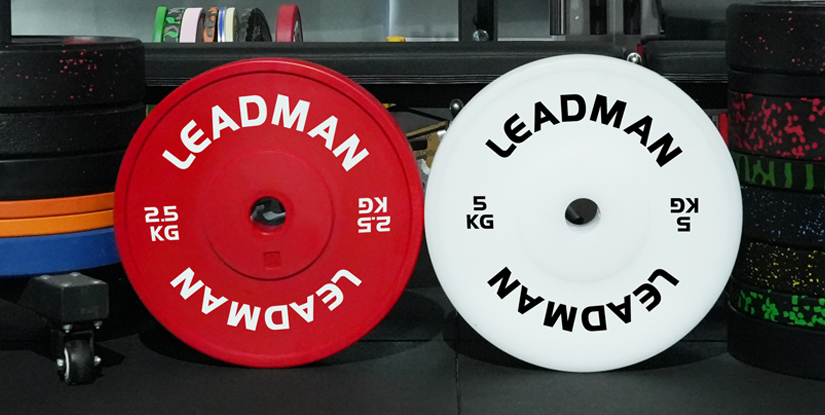
Effective sleeve maintenance is equally critical to preserving the relationship between the bar and the weights. Debris, such as chalk dust or sweat, can accumulate within the sleeve-plate interface, creating friction that mimics the effect of a diameter mismatch. By keeping the contact points clean, you are preventing uneven wear on the barbell’s internal bearings and sleeves. For distributors and facility managers, implementing these small maintenance habits protects the high-value barbell assets and ensures that barbell plate compatibility remains optimal throughout the equipment's lifecycle.
Why Standard Diameter Dimensions Matter for Gym Floor Safety
When sourcing high-volume inventory, procurement officers must look beyond mere weight increments. A slight deviation in the diameter of olympic weight plates can compromise the entire structural integrity of a lifting setup. If plates are not manufactured to precise standard weight plate dimensions, they create an uneven weight distribution across the barbell. This shift alters the center of gravity during heavy lifts, leading to erratic oscillations that can damage high-end barbell sleeves and increase equipment wear and tear.
Maintaining strict barbell plate compatibility is not just about performance; it is a safeguard for your facility's long-term assets. Non-standard diameters often lead to uneven loading, which places undue stress on the barbell's rotation mechanism and the barbell's bearings. For distributors and gym owners, investing in factory-certified precision ensures that your equipment remains functional and safe under heavy use.
| Storage & Handling Factor | Precision-Molded Plates | Budget/Non-Standard Plates |
|---|---|---|
| Stacking Stability | High/Uniform | Variable/Unstable |
| Rack Footprint | Optimized Space | Inconsistent Fit |
| Long-term Durability | Low Maintenance | Higher Replacement Risk |
Beyond the barbell itself, the diameter of olympic weight plates plays a decisive role in protecting your facility's infrastructure. High-quality manufacturing ensures that the standard weight plate dimensions allow for a consistent surface contact area when the weight is dropped or set down. This uniformity is critical for managing impact force; plates with irregular edges or incorrect diameters often create localized pressure points that can crack rubber flooring or damage sub-flooring over time.
For large-scale distributors and gym operators, prioritizing floor protection is a matter of long-term cost control. When plates maintain a predictable profile, they distribute kinetic energy more effectively across the lifting platform, enhancing overall stability. This reliability is essential for training safety, as it minimizes unpredictable bounces and vibration. By ensuring barbell plate compatibility and dimensional precision, you protect your investment in premium gym flooring and reduce the frequency of costly facility repairs caused by substandard, non-standard equipment.
To ensure long-term reliability, professional buyers should implement a rigorous visual inspection protocol during the receiving process. A critical indicator of high-tier manufacturing is the relationship between thickness vs diameter; while the outer edge must remain consistent, the thickness must also align with the intended weight class to maintain a balanced profile. If a batch displays inconsistent edges or a skewed ratio, it may fail to meet professional gym standards, leading to uneven loading on the barbell.
When auditing your supply chain, we recommend verifying olympic barbell plate sizes through precise measurement rather than relying solely on weight markings. High-quality quality control at the factory level ensures that every unit adheres to strict standard weight plate dimensions. For distributors managing large-scale shipments, this dimensional consistency is the ultimate benchmark for durability. Choosing equipment that prioritizes these tolerances reduces the risk of premature wear and ensures seamless barbell plate compatibility across your entire inventory.
Optimizing Equipment Lifespan Through Quality Casting and Finishing
Maintaining a high-performance training environment requires more than just heavy lifting; it demands rigorous quality control regarding standard weight plate dimensions. When sourcing for commercial facilities, the primary concern is how precision casting impacts long-term durability. If the diameter of olympic weight plates deviates even slightly from the global standard, it creates a ripple effect of mechanical issues. Inconsistent sizing leads to uneven wear prevention failures, where plates may wobble or sit unevenly on the barbell sleeve, causing premature damage to both the weights and the bar itself.
For distributors and gym owners, ensuring strict barbell plate compatibility is vital for maintaining rotational balance during heavy sets. High-quality manufacturing ensures that every plate maintains its exact profile through years of high-impact use. By prioritizing precision in the diameter of olympic weight plates, you reduce the risk of weight imbalances that can compromise user safety and increase maintenance costs. Investing in plates with standardized dimensions ensures your inventory remains reliable, stable, and structurally sound for the long haul.
Beyond structural integrity, the finishing quality of your inventory directly dictates your operational overhead. In high-frequency training environments, such as commercial strength clubs, the surface texture and edge refinement determine how often your staff must perform maintenance. Poorly finished plates often suffer from oxidation or jagged edges, which can damage barbell sleeves and increase replacement frequency. To help you evaluate your sourcing options, we have outlined how different manufacturing standards impact the long-term usability of your equipment.
| Finishing Quality | Surface Smoothness | Edge Precision | Corrosion Resistance | Lifespan Expectation |
|---|---|---|---|---|
| Premium (Polished/Coated) | High (Smooth) | Excellent (Uniform) | Superior | Extended (Long-term) |
| Standard (Industrial) | Moderate | Good | Standard | Moderate |
| Economy (Basic Cast) | Low (Rough) | Variable | Basic | Short-term |
When selecting olympic barbell plate sizes for a professional facility, remember that a smoother finish and higher corrosion resistance are not just aesthetic choices—they are investments in reducing downtime. High-quality standard weight plate dimensions paired with refined edges ensure seamless barbell plate compatibility, protecting your high-end bars from unnecessary friction and wear.
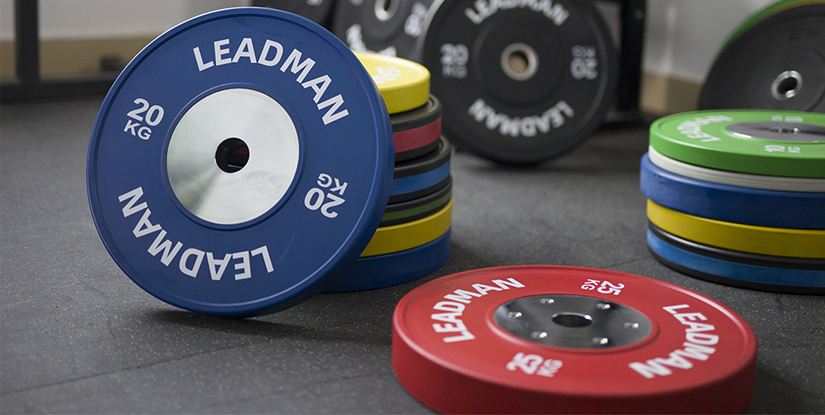
To maintain a professional training standard, proactive inspection is essential. We recommend regular audits of your inventory to ensure that the diameter of olympic weight plates remains consistent across all sets. A key indicator of long-term durability is the surface texture; plates should feel smooth and uniform, without jagged casting defects that could snag or scratch a lifter's hands. During your routine inspections, look closely at the central hub and outer edges for signs of wear or rust. Effective oxidation prevention is a major factor in equipment longevity—plates with high-quality coatings or specialized finishes will resist the moisture and sweat common in high-traffic gyms.
Our maintenance tips for gym managers include storing plates in a dry, climate-controlled environment whenever possible to prevent surface degradation. When you source equipment, prioritizing manufacturers with rigorous quality control protocols ensures that your olympic barbell plate sizes do not deviate over time due to material fatigue or poor casting. By maintaining these standards, you guarantee seamless barbell plate compatibility and protect the structural integrity of your entire weightlifting ecosystem, ensuring your facility remains a safe, high-performance space for years to come.
Managing International Logistics and Landed Costs for Heavy Weight Sets
For distributors and gym owners, the diameter of olympic weight plates is more than just a training specification; it is a critical variable in your bottom line. Because high-density iron or rubberized plates are incredibly heavy, the physical footprint of your order dictates your total shipping volume. When sourcing globally, failing to account for how standard weight plate dimensions affect container packing density can lead to unexpected surcharges.
Logistics providers often calculate costs based on dimensional weight, especially when dealing with bulky, low-density items. However, with high-quality Olympic sets, the primary concern is the relationship between weight and volume. If your standard weight plate dimensions are slightly non-standard or if the packaging is inefficient, you may pay for "empty space" in a shipping container. By optimizing your order structure to align with standard international shipping profiles, you can effectively minimize freight costs and ensure that your landed cost per unit remains competitive for your local market.
When balancing your budget considerations, it is essential to understand how material choice affects both the unit price and the overall freight profile. While the diameter of olympic weight plates remains constant to ensure barbell plate compatibility, the thickness and material density vary significantly between options. This variation directly impacts your storage footprint and the total weight-to-volume ratio in a shipping container.
To help you decide which direction best suits your procurement strategy, we have compared the two most common types of olympic barbell plate sizes and materials below:
| Feature | Cast Iron Plates | Rubber Bumper Plates |
|---|---|---|
| Weight Density | High (Thinner profile) | Lower (Thicker profile) |
| Shipping Efficiency | Better for weight-limited shipments | Better for volume-optimized loads |
| Storage Footprint | Compact; ideal for small racks | Bulky; requires more vertical space |
| Cost Profile | Lower initial procurement cost | Higher upfront investment |
Choosing between these options requires a strategic look at your local distribution model. While cast iron offers a more compact storage footprint for weight-heavy shipments, bumper plates offer the durability required for high-impact training environments, even if they demand more space in a standard container.
Beyond the physical volume, the long-term value of your procurement depends heavily on rigorous quality control and specialized packaging standards. Because the diameter of olympic weight plates is a fixed standard, any slight deformation or structural damage during international shipping can compromise barbell plate compatibility and user safety. For example, if a bumper plate's edge is compromised due to poor palletization, it may no longer sit flush against the barbell, affecting the balance of the entire lift.
To protect your landed cost, we recommend working with manufacturers who utilize reinforced, heavy-duty export packaging designed specifically for high-density weight sets. High-grade corrugated boxes and reinforced wooden pallets are essential to ensure equipment durability from the factory floor to your warehouse. Investing in superior packaging might seem like an upfront expense, but it prevents the catastrophic loss of profit caused by damaged goods, ensuring that your shipment arrives in perfect condition, ready for immediate commercial use.
Strategic Inventory Planning for High-Volume Weight Plate Shipments
For commercial gym distributors and large-scale facility managers, procurement is more than just selecting a product; it is about managing long-term operational reliability. When sourcing heavy equipment, maintaining a strict diameter of olympic weight plates is non-negotiable for ensuring seamless barbell plate compatibility across an entire facility. If a shipment contains even slight deviations in standard weight plate dimensions, the resulting imbalance can lead to uneven loading on the barbell sleeves, causing premature wear on the bearings and reducing the overall equipment lifespan.
From a logistics and quality control standpoint, we emphasize the importance of uniform thickness and diameter consistency. In high-volume shipments, a lack of precision often leads to "stacking issues," where plates of varying sizes prevent a smooth, concentric fit on the bar. For wholesalers, ensuring that every batch adheres to global standards is the most effective way to mitigate returns and build trust with end-users. Investing in high-precision manufacturing ensures that your inventory remains a reliable asset rather than a maintenance liability.
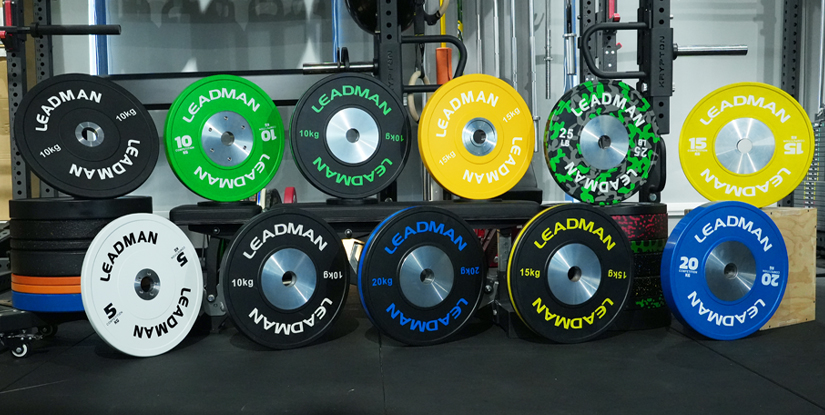
When optimizing your facility layout, your choice between bumper plates and iron plates should be dictated by your specific training environment and storage efficiency requirements. For CrossFit boxes or functional training zones characterized by high-volume training, rubber bumper plates are the industry standard. While they maintain the essential diameter of olympic weight plates for barbell plate compatibility, their increased thickness requires more robust storage solutions, such as heavy-duty vertical trees or specialized racks, to prevent clutter.
Conversely, traditional cast iron plates are often more space-efficient for standard weightlifting areas. Because iron plates are thinner, you can achieve greater weight distribution on a single barbell without exceeding the sleeve length. When managing olympic barbell plate sizes in your inventory, consider that iron plates offer a more compact footprint for storage, making them ideal for boutique gyms with limited square footage. For distributors, balancing the stock of both types ensures you can meet the diverse needs of clients, from heavy strength enthusiasts to high-impact functional fitness practitioners.
To assist in your procurement strategy, we have compiled a comparison to help you evaluate how different materials impact your long-term inventory management and facility layout. Selecting the right material involves balancing the standard weight plate dimensions with the practical realities of your clients' training styles and your available storage capacity.
| Material Type | Typical Diameter | Best Use Case | Durability Level | Space Requirement | Maintenance Needs |
|---|---|---|---|---|---|
| Rubber Bumper | 450mm | CrossFit & High-Impact | Very High | High (Thicker Profile) | Low (Dusting) |
| Cast Iron | 450mm | Traditional Strength Gyms | High | Low (Slim Profile) | Moderate (Rust Prevention) |
| Steel/Iron Combo | 450mm | Bodybuilding & Powerlifting | Extreme | Very Low | Low |
When sourcing, remember that while the diameter of olympic weight plates remains constant across these materials to ensure barbell plate compatibility, the thickness varies significantly. If you are stocking for high-traffic functional fitness zones, prioritize bumper plates for their impact absorption. However, if your goal is to maximize the number of olympic barbell plate sizes on a single bar for heavy lifting, cast iron remains the most space-efficient option for your distribution inventory.
Implementation checklist for buyers
For wholesale distributors and gym owners, the true value of a shipment is found in the consistency of its specifications. When sourcing high-volume orders, relying on a manufacturer's word is insufficient; you must implement a rigorous quality control protocol to protect your ROI. Discrepancies in the diameter of olympic weight plates can lead to uneven loading, which compromises barbell plate compatibility and increases wear on the barbell sleeves.
To ensure your inventory meets international standards, we recommend a two-step verification process during your inspection phase. First, verify that the standard weight plate dimensions adhere to strict precision tolerances—typically within a ±1% margin for professional-grade equipment. Second, utilize these visual inspection tips: check for uniform edge thickness and ensure the central bore is perfectly centered. A slight deviation in the diameter of olympic weight plates might seem negligible in a single unit, but across a full container shipment, these inconsistencies can result in costly returns and diminished brand trust among your end-users.
Optimizing your procurement budget requires a strategic understanding of how material choice impacts long-term cost-effectiveness. Depending on your target market—whether it is a boutique studio or a high-performance training center—the choice between bumper plates vs iron plates will dictate your inventory's lifespan and space efficiency.
Consider the following comparison to align your sourcing strategy with specific training intensity levels and venue requirements:
| Plate Type | Primary Advantage | Ideal Usage Scenario | Budget Impact |
|---|---|---|---|
| Bumper Plates | High durability & impact absorption | CrossFit, Olympic lifting, high-drop environments | Higher initial investment; low long-term maintenance |
| Iron/Steel Plates | Maximum space efficiency & density | Traditional bodybuilding, powerlifting, standard gyms | Low entry cost; ideal for high-volume olympic barbell plate sizes |
When evaluating olympic barbell plate sizes for wholesale, remember that bumper plates offer greater versatility for diverse training styles, whereas iron plates provide a compact solution for weight-focused facilities. Choosing the right profile ensures your shipment delivers maximum value without sacrificing the integrity of the training experience.
Beyond technical specifications, successful procurement hinges on mastering the logistics of heavy-duty freight. Because the diameter of olympic weight plates directly influences the physical volume of your shipment, you must account for high shipping weight considerations during the quoting stage. High-density iron plates may offer better space efficiency, but rubberized bumper plates often require more volumetric space in a container, impacting your landed cost per unit.
To maximize your long-term ROI, prioritize sourcing from manufacturers capable of maintaining strict bulk order consistency. A single shipment containing varying standard weight plate dimensions can lead to catastrophic failures in barbell plate compatibility and customer dissatisfaction. Furthermore, plan your storage requirements by assessing the weight-bearing capacity of your warehouse flooring and racking systems. Investing in high-quality, uniform equipment at the outset reduces the need for frequent replacements and ensures your facility remains a reliable, high-performance environment for years to come.