Why Chrome Competition Plates Matter for Powerlifting
High-Traffic Deployment: Why Chrome Finishes Outperform Standard Cast Iron
Competition plates chrome powerlifting standards represent the pinnacle of professional-grade weightlifting equipment. B2B buyers and gym owners prioritize these specialized plates because the premium plating offers a level of structural resilience and aesthetic consistency that standard cast iron simply cannot maintain under heavy use.
In high-performance training environments, the primary concern for facility managers is the long-term durability of their inventory. While traditional cast iron is susceptible to surface wear and unsightly chipping, chrome weight plates are engineered to withstand the rigors of high-frequency use. The electrochemical process used to apply the chrome layer creates a dense, impenetrable barrier that significantly reduces the risk of oxidation and rust. This is particularly critical in humid gym environments or when equipment is moved frequently between storage and active platforms. By investing in high-quality professional lifting plates, distributors and gym owners ensure their equipment maintains its structural integrity and polished appearance, reducing replacement costs and ensuring a consistent standard for serious athletes.
Understanding the long-term value proposition requires looking beyond the initial procurement cost. For facility owners managing high-volume turnover, the choice between standard iron and premium finishes is a decision regarding operational overhead and asset depreciation. While cast iron is a budget-friendly entry point, it often fails to meet the long-term requirements of a professional facility due to rapid surface degradation. In contrast, the precision and resilience of competition plates chrome powerlifting specifications provide a much higher return on investment through extended service life and reduced maintenance cycles.
The following comparison illustrates why professional facilities prioritize chrome weight plates over traditional options to maintain a high-tier training environment:
| Comparison Metric | Standard Cast Iron | Chrome Finishes |
|---|---|---|
| Surface Vulnerability | High (Chipping & Rust) | Minimal (Corrosion Resistant) |
| Maintenance Needs | Frequent Cleaning/Rust Treatment | Low (Wipe-and-Go) |
| Lifespan | Moderate to Short | Extended/Long-Term |
| Aesthetic Longevity | Diminishes with Use | High (Maintains Polished Look) |
| Best Use Case | Home Gyms/Low-Frequency Use | Professional Lifting Plates/Commercial Gyms |
By selecting professional lifting plates with superior plating, distributors can offer a product that stands the test of time, ensuring that the facility's equipment remains as impressive in year five as it was on day one.
Beyond structural resilience, the practical benefits of a chrome finish extend directly into daily facility management and sanitation protocols. In a professional training environment, maintaining high levels of hygiene is a non-negotiable requirement. Unlike porous or textured iron surfaces that can trap sweat, skin oils, and dust, the non-porous nature of chrome weight plates allows for rapid, effortless cleaning. This high level of moisture resistance ensures that even in high-humidity environments or during intense training sessions, the plates remain free from the buildup of contaminants and oxidation.
For procurement specialists and gym owners, this translates to a significant reduction in labor and maintenance time. The ability to quickly sanitize equipment without fear of surface degradation means that your facility can uphold strict powerlifting equipment standards with minimal overhead. Ultimately, choosing competition plates chrome powerlifting specifications is a strategic long-term investment. By prioritizing materials that resist the typical wear and tear of commercial use, you protect your capital and ensure that your equipment remains a premium, high-functioning asset for years to come.
Optimizing Floor Layouts with Precision-Engineered Weight Plates
In high-performance training environments, every square inch of floor space is a premium asset. Traditional rubberized or cast iron plates often suffer from excessive thickness, which quickly eats up the available sleeve length on a barbell. This limitation forces lifters to prematurely hit a ceiling in their training progression. By integrating competition plates chrome powerlifting standards into your facility, you solve the dilemma of volume versus capacity. The ultra-slim profile of these chrome weight plates ensures that more weight can be loaded onto a single bar without the diameter of the plates interfering with the barbell's rotation or the lifter's grip.
This superior space efficiency is a game-changer for commercial strength gyms and professional training centers. Because competition plates chrome powerlifting equipment is engineered for high-density loading, you can achieve significantly higher total weights on the bar while maintaining a compact footprint. This allows distributors and gym owners to maximize their barbell thickness utility, ensuring that even the most advanced athletes can push their limits without needing to swap out shorter bars for larger diameters mid-session.
When planning a facility layout, understanding the trade-off between thickness and density is vital. While standard iron plates are cost-effective for general fitness, they lack the precision required for high-level loading. To assist in your procurement decision, we have outlined how different plate profiles impact your gym's operational capacity and spatial utility.
| Feature | Standard Iron Plates | Professional Lifting Plates (Chrome) |
|---|---|---|
| Space Footprint | Wide/Thick; limited sleeve capacity | Slim/Compact; maximizes barbell length |
| Weight Density | Lower; requires more plates for heavy loads | High; allows for extreme loading in tight spaces |
| Durability | Moderate; prone to surface wear | Superior; high resistance to oxidation and impact |
| Ideal Use Case | General strength training & budget builds | Powerlifting equipment standards & elite training |
Choosing competition plates chrome powerlifting options ensures that your facility remains future-proof. By prioritizing high-density chrome weight plates, you reduce the frequency of equipment turnover and optimize the utility of every barbell in your inventory.
Beyond mere spatial utility, the long-term value of premium procurement lies in the maintenance of a high-tier training atmosphere. Investing in professional lifting plates that meet strict powerlifting equipment standards is a strategic move for effective facility management. Unlike standard cast iron, which may oxidize or show unsightly surface wear over time, the precision-engineered finish of competition plates chrome powerlifting ensures a lasting aesthetic consistency across your entire inventory.
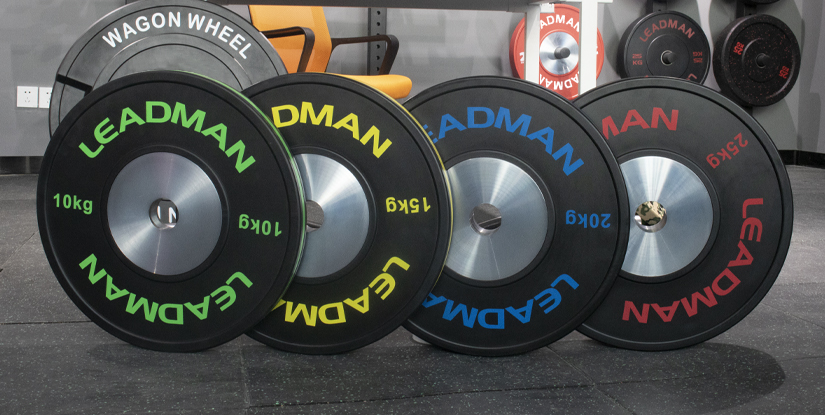
For gym owners and distributors, this translates to significantly higher long-term durability and reduced replacement cycles. A facility that maintains a uniform, polished appearance through high-quality chrome weight plates signals a professional standard to serious athletes, fostering brand loyalty and trust. Rather than constantly managing the logistics of replacing worn-out equipment, sourcing high-density, corrosion-resistant chrome options allows you to focus on operational growth while ensuring your strength floors remain a world-class environment for years to come.
The Impact of Plate Thickness on Professional Lifting Standards
In high-performance training environments, the longevity of your inventory depends on how well it withstands the rigors of heavy loading. When sourcing competition plates chrome powerlifting enthusiasts demand, the metallurgical finish is not just an aesthetic choice; it is a structural necessity. The primary advantage of chrome weight plates lies in their exceptional surface hardness, which protects the underlying steel from the constant friction and impact inherent in heavy lifting. This layer acts as a shield, ensuring that even under high-frequency usage, the plates maintain their dimensional integrity and weight precision.
Furthermore, the corrosion resistance provided by high-quality chrome plating is vital for commercial facilities. Unlike standard iron plates that may succumb to oxidation in humid gym environments or through sweat exposure, these professional lifting plates remain pristine. For distributors and gym owners, this translates to a lower replacement frequency and a higher return on investment. Investing in superior plating ensures that your equipment meets strict powerlifting equipment standards while minimizing long-term maintenance costs.
| Plate Coating Type | Durability Profile | Corrosion Resistance | Best Use Case |
|---|---|---|---|
| Standard Painted | Moderate (prone to chipping) | Low | Home gyms/Light use |
| Chrome Plated | High (impact resistant) | Excellent | Professional Powerlifting |
| Stainless Steel | Very High | Superior | Premium Commercial/Outdoor |
When evaluating the long-term value of your inventory, the lifespan comparison between standard cast iron and premium finishes becomes clear. Standard iron plates often suffer from rapid surface degradation, requiring frequent cleaning or even replacement due to rust. In contrast, the advanced oxidation prevention offered by high-grade plating ensures that your facility maintains a premium look without constant intervention. This reduces maintenance difficulty for gym staff, as there is no need for constant repainting or rust treatment.
For distributors and facility managers, choosing professional lifting plates is a strategic move to optimize operational efficiency. While the initial procurement cost might be higher, the durability of competition plates chrome powerlifting specifications ensures they meet rigorous powerlifting equipment standards over many years of heavy use. By selecting equipment that resists environmental wear, you effectively lower your total cost of ownership and provide a more consistent, high-end experience for your members.
Beyond surface aesthetics, the structural integrity of high-end plating is a cornerstone of gym environment stability. In high-traffic commercial settings, equipment undergoes constant thermal and mechanical stress. Utilizing competition plates chrome powerlifting specifications ensures that the weight remains true, as the plating process helps maintain a consistent weight distribution across the plate's surface. This level of precision is vital for federations where even a slight deviation in balance can affect a lifter's performance and competitive results.
For professional buyers and facility owners, prioritizing these professional lifting plates is a strategic long-term investment rather than a simple procurement expense. While standard plates may degrade or lose their dimensional accuracy under heavy use, high-grade chrome weight plates uphold strict professional standards for years. This reliability minimizes the need for frequent inventory turnover, allowing gym managers to focus on growth rather than constant equipment replacement. Ultimately, selecting equipment built for durability ensures that your facility remains a benchmark for excellence in the powerlifting community.
Maintenance Realities in High-Performance Training Environments
In professional strength facilities, the sheer volume of repetitive loading and unloading can compromise standard steel equipment. This is where the structural advantage of competition plates chrome powerlifting specifications becomes a critical investment for gym owners and distributors. Unlike standard painted or rubber-coated options that may chip or degrade, the electroplated finish provides superior resistance to oxidation, even in humid or high-traffic training zones.
Maintaining the surface integrity of your inventory is essential for long-term asset management. High-quality chrome weight plates are engineered to withstand high-frequency usage environments without the unsightly corrosion or pitting common in lower-tier manufacturing. By prioritizing professional lifting plates with robust plating, procurement managers can significantly extend the lifecycle of their strength equipment, reducing the frequency of replacement cycles and ensuring that the gear remains a centerpiece of the facility's professional standard.
When evaluating long-term procurement costs, it is vital to consider the maintenance difficulty associated with different material finishes. While rubber-coated plates are excellent for sound dampening, they often suffer from edge degradation and material fatigue over time. In contrast, chrome weight plates offer a streamlined, non-porous surface that is much simpler to sanitize and maintain, making them the preferred choice for high-end strength clubs where hygiene and aesthetics are paramount.
To assist in your sourcing decisions, we have provided a brief comparison of how various plate types behave under constant use. This helps clarify why professional lifting plates with high-grade plating offer superior longevity compared to budget-tier alternatives.
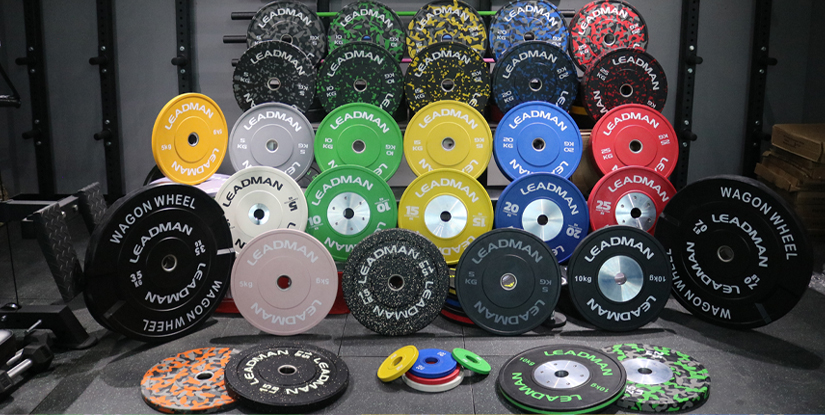
| Material Type | Wear Resistance | Ideal Setting |
|---|---|---|
| Standard Painted Steel | Moderate (Chipping Risk) | Home Gyms / Low-Traffic Areas |
| Rubber-Coated Steel | High (Impact Protection) | General Fitness / CrossFit Boxes |
| Chrome Competition | Extreme (Corrosion Resistant) | Powerlifting Platforms / Pro Gyms |
By selecting competition plates chrome powerlifting standards, facility owners effectively mitigate the risk of rapid depreciation, ensuring their equipment remains a durable, high-performing asset.
To preserve the premium finish of your inventory, implementing strict cleaning protocols is essential. We recommend using a soft, non-abrasive cloth to wipe down the surface after training sessions to remove sweat and chalk residue. It is vital to maintain strict moisture control within your storage areas; storing plates in damp or unventilated corners can lead to micro-corrosion, even on high-grade surfaces. Furthermore, to ensure your gear meets rigorous powerlifting equipment standards, avoid stacking plates with abrasive debris between them, which is a primary cause of preventing surface scratches and maintaining that mirror-like shine. By managing these small environmental factors, distributors and gym owners can ensure their professional lifting plates retain their aesthetic value and functional precision for years to come.
Scaling Your Inventory: Balancing Stock Variety and Capital Investment
From a procurement standpoint, the decision to stock competition plates chrome powerlifting specifications rather than standard iron alternatives is a strategic move toward long-term asset stability. While standard iron plates offer a lower initial entry cost, they are prone to oxidation and surface degradation in high-traffic environments. In contrast, investing in professional lifting plates ensures long-term durability, as the chrome finish provides a robust barrier against environmental wear and impact damage.
For distributors and gym owners, the true value lies in the reduced replacement frequency. High-quality chrome weight plates maintain their structural integrity and aesthetic appeal much longer than uncoated steel, preventing the need for frequent inventory turnover. This reliability stabilizes your long-term maintenance budget and ensures your facility meets strict powerlifting equipment standards without constant reinvestment.
| Procurement Factor | Standard Iron Plates | Chrome Competition Plates |
|---|---|---|
| Initial Capital Outlay | Low | Moderate to High |
| Expected Lifespan | Short to Medium | Extended/Long-term |
| Maintenance Needs | High (Rust Prevention) | Minimal |
| Inventory Turnover | Frequent Replacement | Stable/Low Frequency |
When evaluating the budget vs longevity equation, the choice depends largely on your facility's intended use case. For general strength training zones where heavy dropping is frequent and precision is secondary, standard plates may suffice. However, for specialized training halls or sanctioned events, the maintenance difficulty associated with uncoated steel—such as managing rust and surface pitting—can become a significant operational drain. By opting for chrome weight plates, you mitigate these hidden costs. These premium assets align with rigorous powerlifting equipment standards, ensuring that your inventory remains a high-performing, aesthetically consistent part of your facility. While the upfront investment is higher, the reduction in labor and replacement cycles provides a much smoother ROI for serious commercial operators.
Optimizing your procurement strategy requires a nuanced approach to scaling inventory. Rather than an "all-or-nothing" acquisition, savvy facility managers often employ a tiered stocking method to achieve capital investment optimization. This involves utilizing standard plates for high-volume, general training areas while reserving competition plates chrome powerlifting specifications for specialized platforms and sanctioned training zones. This hybrid model allows you to maintain a high professional standard where it matters most without overextending your liquid capital across the entire warehouse.
By strategically allocating your budget, you can provide the precision required for competitive athletes while managing the total cost of ownership for a large-scale facility. Integrating high-grade chrome weight plates into your core competition sets ensures that your premium zones remain top-tier assets, while standard equipment handles the bulk of daily wear. This balanced approach to powerlifting equipment standards protects your long-term margins, ensuring that every dollar spent contributes to both functional durability and a professional aesthetic that attracts high-value clientele.
Selecting Long-Term Partners for Specialized Powerlifting Equipment
When scaling a high-performance training facility, the temptation to opt for budget-friendly cast iron or low-grade coated options is significant. However, procurement professionals understand that the true cost of equipment is measured over years, not just the initial invoice. Investing in competition plates chrome powerlifting standards provides a superior return on investment by drastically reducing the frequency of replacements. Unlike cheaper alternatives that suffer from surface oxidation and structural fatigue, high-quality chrome weight plates are engineered for extreme durability under heavy loading cycles.
From a facility management perspective, the value lies in the reduction of maintenance costs. Standard plates often require frequent cleaning or replacement due to rust and chipping, which disrupts training schedules and increases labor overhead. By sourcing professional lifting plates with a precision-engineered chrome finish, gym owners secure a long-term investment that maintains its aesthetic and structural integrity. This high-end hardware ensures your facility remains compliant with powerlifting equipment standards, protecting your reputation and your bottom line through consistent, reliable performance.
To optimize your procurement strategy, it is essential to categorize your needs based on actual facility throughput. We recommend evaluating your investment through a tiered framework that balances performance requirements with operational budgets. This ensures you aren't over-spending on entry-level areas while maintaining high standards where they matter most.
The following comparison helps clarify where to deploy competition plates chrome powerlifting specifications versus more economical alternatives based on your specific environment.
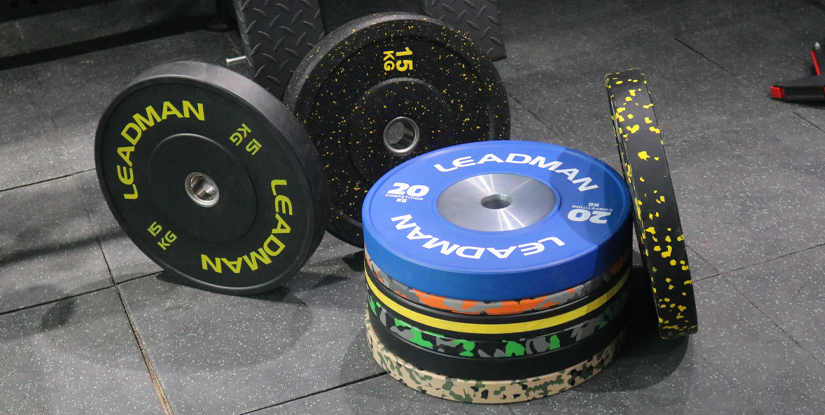
| Usage Frequency | Target Environment | Recommended Tier | Budget Focus |
|---|---|---|---|
| High (Daily/Pro) | Competitive Gyms & Federations | Professional lifting plates | Long-term ROI & Precision |
| Moderate (Regular) | Commercial Strength Training Centers | Premium chrome weight plates | Durability & Aesthetics |
| Low (Occasional) | Home Gyms or General Fitness Studios | Standard Coated/Cast Iron | Initial Low Capital Outlay |
Aligning your purchase with these powerlifting equipment standards ensures that your capital expenditure supports both the athlete's precision and the facility's longevity. By selecting the appropriate tier, you mitigate the risk of premature equipment degradation and frequent restocking cycles.
Beyond selecting the right tier, the ultimate success of your procurement hinges on the strength of your supply chain. To ensure a high return on investment, we advise vetting manufacturers based on their ability to maintain strict quality consistency across large-scale orders. A reliable partner does more than just ship products; they provide the assurance that every set of competition plates chrome powerlifting meets the exact weight tolerances and finish specifications required for elite training. Without this level of sourcing reliability, you risk receiving batches with uneven thickness or inconsistent plating, which can compromise both the athlete's experience and your facility's reputation.
When negotiating with distributors, prioritize those who demonstrate deep expertise in professional lifting plates and offer transparent oversight of their production processes. A manufacturer with robust quality control protocols will safeguard your equipment longevity, ensuring that the chrome remains pristine despite heavy usage. Furthermore, ensure your partner has proven logistics capability to handle international shipping and customs complexities. Selecting a supplier that prioritizes professional standards in both manufacturing and global delivery minimizes the risk of transit damage and downtime, securing a predictable, high-performance environment for your lifters.
Lifecycle maintenance planning for busy facilities
In high-traffic training environments, the true cost of equipment is measured by its lifespan, not just the initial purchase order. For facility owners and distributors, the durability of chrome weight plates represents a critical hedge against frequent replacement cycles. Unlike standard iron plates that may succumb to surface degradation, competition plates chrome powerlifting standards require a finish that can withstand constant impact and environmental exposure.
The primary advantage of investing in high-grade chrome weight plates is their superior resistance to oxidation. In many commercial settings, humidity and sweat can lead to rapid rust formation on inferior steel. However, a precision chrome coating acts as a resilient barrier, maintaining the aesthetic and structural integrity of the equipment over years of heavy use. Choosing professional lifting plates with this level of plating ensures long-term cost-efficiency by reducing the need for refinishing or premature disposal. For procurement professionals, this translates to lower operational overhead and a more reliable asset base for their clients.
To protect your investment, implementing structured cleaning protocols is essential for maintaining the premium finish of your inventory. We recommend using a non-abrasive, pH-neutral cleaner to wipe down the surfaces periodically. Avoid harsh chemicals or metal scrapers, as these can compromise the plating and lead to premature surface wear. By removing chalk dust and skin oils regularly, you ensure that the competition plates chrome powerlifting specialists demand remain in pristine, tournament-ready condition.
Furthermore, effective storage best practices can significantly extend the lifecycle of your gear. Instead of leaving plates exposed to damp floors or high-humidity zones, store them in a dry, temperature-controlled environment. Utilizing vertical plate trees or dedicated racks helps prevent stacking issues that might lead to micro-scratches. For large-scale distributors and gym managers, a proactive approach to preventing surface wear through organized storage and routine care is the most effective way to preserve the high-end look and professional standard of your facility's strength equipment.
When sourcing inventory for high-performance centers, understanding the trade-offs between various finishes is vital for long-term asset management. While competition plates chrome powerlifting standards offer the highest level of prestige and resilience, they serve a different operational purpose than standard rubberized or raw iron options. Selecting the right material profile depends on whether your priority is high-impact durability, aesthetic perfection, or low-cost utility.
The following comparison helps facility managers and procurement specialists evaluate how different professional lifting plates align with their specific maintenance budgets and facility environments:
| Plate Finish Type | Maintenance Level | Lifespan | Ideal Use Case |
|---|---|---|---|
| Chrome Finish | Low (Wipe down only) | Very High | Professional powerlifting meets & high-end strength clubs |
| Rubber/Urethane | Moderate (Debris removal) | High | CrossFit boxes & high-impact commercial weight rooms |
| Cast Iron | High (Rust prevention) | Moderate | Budget-conscious training facilities & home gyms |
For distributors focusing on premium markets, investing in chrome weight plates minimizes the long-term labor costs associated with surface upkeep. While rubberized plates are excellent for shock absorption, the sleek, non-porous nature of chrome ensures that your equipment remains a centerpiece of professional excellence without the constant need for intensive cleaning or rust treatment.